

Home Blog Page 35

The Benefits of Continuous Flow Portable Oxygen Concentrators

0
The Benefits of Continuous Flow Portable Oxygen Concentrators

In today’s fast-paced world, individuals with respiratory conditions need to have access to reliable and efficient oxygen therapy. One of the most innovative solutions to this problem is the continuous-flow portable oxygen concentrator. This remarkable device allows individuals to receive a continuous flow of oxygen wherever they go, providing them with the freedom and independence to live their lives to the fullest.

When it comes to oxygen therapy, many people think of bulky and cumbersome oxygen tanks. However, continuous-flow portable oxygen concentrators have revolutionized the way oxygen therapy is delivered. These compact and lightweight devices are designed to provide a continuous flow of oxygen, ensuring that individuals receive the oxygen they need to breathe comfortably and improve their quality of life.

The Benefits of Continuous Flow Portable Oxygen Concentrators

Continuous-flow portable oxygen concentrators offer numerous benefits over traditional oxygen therapy devices. One of the key advantages is their portability. Unlike oxygen tanks, which can be heavy and difficult to transport, continuous-flow portable oxygen concentrators are lightweight and compact, making them easy to carry and travel with.

Another benefit of continuous-flow portable oxygen concentrators is their efficiency. These devices are designed to deliver a continuous flow of oxygen at a high purity level, ensuring that individuals receive the optimum amount of oxygen they need to support their respiratory health. With continuous flow technology, individuals can rely on a consistent supply of oxygen, allowing them to engage in daily activities without interruption.

Improving Quality of Life

For individuals with respiratory conditions, continuous-flow portable oxygen concentrators can significantly improve their quality of life. These devices provide a sense of freedom and independence, allowing individuals to go about their daily activities without the limitations of traditional oxygen therapy devices.

Imagine being able to take a stroll in the park, travel to visit loved ones, or even go on a vacation without the worry of running out of oxygen. Continuous-flow portable oxygen concentrators make all of this possible, providing individuals with the peace of mind they need to live their lives to the fullest.

Choosing the Right Continuous Flow Portable Oxygen Concentrator

When it comes to choosing a continuous-flow portable oxygen concentrator, there are a few key factors to consider. First and foremost, it is important to ensure that the device meets the individual’s specific oxygen therapy needs. This includes determining the required oxygen flow rate and the device’s battery life to ensure it can support the individual’s daily activities.

In addition to functionality, it is also important to consider the device’s size and weight. A lightweight and compact continuous-flow portable oxygen concentrator will be easier to carry and travel with, enhancing the individual’s mobility and freedom.

Furthermore, it is crucial to choose a reputable and reliable manufacturer when purchasing a continuous-flow portable oxygen concentrator. This ensures that the device meets the highest standards of quality and safety, providing individuals with peace of mind and assurance.

In Conclusion

Continuous-flow portable oxygen concentrators offer a revolutionary solution for individuals with respiratory conditions who require oxygen therapy. These devices provide a continuous flow of oxygen in a portable and convenient package, allowing individuals to live their lives without the restrictions of traditional oxygen therapy devices.

By choosing the right continuous-flow portable oxygen concentrator, individuals can greatly improve their quality of life and regain their independence. With the freedom to travel, engage in daily activities, and enjoy life to the fullest, continuous-flow portable oxygen concentrators are truly life-changing devices.

You may also like

Safety and Luxury Combined: Exploring the Advantages of the Safe Step Walk-In Tub

0
Safety and Luxury Combined: Exploring the Advantages of the Safe Step Walk-In Tub

Are you a senior looking for a safe and convenient way to bathe? Look no further than the Safe Step Walk-In Tub. Designed specifically with seniors in mind, this innovative tub offers a variety of features that make bathing easier and more comfortable. In this article, we will explore the benefits of the Safe Step Walk-In Tub and why it is the perfect choice for seniors.

The Perfect Solution for Safety

As we age, our bodies change and our mobility can become limited. Something as simple as stepping in and out of a traditional bathtub can become a challenge. That’s where the Safe Step Walk-In Tub comes in. With its low step-in height and built-in grab bars, this tub eliminates the risk of slipping or falling. You can confidently enter and exit the tub without any worries. The non-slip floor and seat provide additional stability and comfort, ensuring a safe bathing experience.

For example, Jane, a 75-year-old retiree, had been struggling with her regular bathtub for months. She had slipped and fallen while trying to step in and out of the tub, resulting in a painful hip injury. After installing the Safe Step Walk-In Tub, Jane no longer worries about her safety. The low step-in height and grab bars give her the confidence to bathe independently without the fear of falling. She can now relax and enjoy her bathing routine without any stress.

But safety is just one aspect of the Safe Step Walk-In Tub. Comfort and convenience are also top priorities. Aging can often bring aches and pains, especially in the joints. The hydrotherapy jets in this tub provide a soothing massage, relieving muscle tension and promoting relaxation.

This feature is particularly beneficial for seniors who suffer from arthritis or other joint pains. The tub also offers a heated seat and backrest, providing warmth and alleviating any discomfort you may feel. Bathing becomes not just a necessity, but a luxurious and enjoyable experience.

Unmatched Comfort and Convenience

Aside from its comfort features, the Safe Step Walk-In Tub is designed with convenience in mind. The hand-held shower wand allows you to easily reach all areas of your body while bathing. This is especially important for seniors who may have limited mobility or difficulty bending.

The fast-drain system ensures that you don’t have to wait long for the water to drain after you’re done bathing. This is especially beneficial for those who may have difficulty standing for long periods of time. With the Safe Step Walk-In Tub, your bathing routine becomes hassle-free and efficient.

Take John, for example, a 70-year-old retired veteran. He had been struggling with his traditional bathtub due to his limited mobility caused by a knee injury. The hand-held shower wand in the Safe Step Walk-In Tub has been a game-changer for him.

He can easily reach all areas of his body without any discomfort or strain. The fast-drain system also allows him to quickly exit the tub without having to stand for an extended period, which used to be quite challenging for him. John now looks forward to his daily baths, knowing that they are not only safe but also convenient.

Not only does the Safe Step Walk-In Tub prioritize safety, comfort, and convenience, but it also offers easy installation and maintenance. The tub is designed to fit into your existing bathroom space, so there is no need for extensive remodeling.

This means that you can have a new tub installed in as little as one day, minimizing disruption to your daily routine. The tub is made from resistant, high-quality materials, ensuring durability and longevity. With minimal maintenance required, you can enjoy the benefits of your Safe Step Walk-In Tub for years to come.

Conclusion

In conclusion, the Safe Step Walk-In Tub is the perfect solution for seniors who are looking for a safe, comfortable, and convenient bathing experience. With its safety features, such as low step-in height and grab bars, it eliminates the risk of falling or slipping.

The hydrotherapy jets and heated seat provide unmatched comfort, especially for those with joint pains. The hand-held shower wand and fast-drain system ensure convenience and efficiency. Furthermore, the easy installation and maintenance make it a hassle-free choice. Don’t compromise on your bathing experience. Choose the Safe Step Walk-In Tub and enjoy a luxurious and safe bathing experience tailored to your needs.

You may also like

Medicare Explained (2026 Guide): Parts A, B, C, & D

0
Decoding the Medicare Program: A Comprehensive Guide to Coverage Options

Medicare is the backbone of retirement healthcare in the United States, yet it remains one of the most confusing systems to navigate. With major changes taking effect in 2026—including new caps on prescription drug costs and updated premium amounts—understanding your coverage is more critical than ever.

This guide breaks down the four parts of Medicare, the difference between “Original Medicare” and “Medicare Advantage,” and the specific costs you can expect this year.


Part A: Hospital Insurance

Medicare Part A covers inpatient hospital stays, skilled nursing facility care, hospice care, and some home health care. Think of Part A as “Room and Board” for when you are admitted to a hospital.

  • Who Qualifies? You generally qualify at age 65. If you (or your spouse) worked and paid Medicare taxes for at least 10 years (40 quarters), you are eligible for premium-free Part A.
  • 2026 Costs to Know:
    • Premium: $0 for most people. (If you don’t qualify for premium-free, the full monthly premium is $565 in 2026).
    • Deductible: $1,736 per benefit period.
    • Important Note: The deductible is not annual. It applies to each “benefit period.” If you are hospitalized, released, and then readmitted 60 days later, you must pay the deductible again.

Part B: Medical Insurance

Medicare Part B covers outpatient care. This includes doctor visits, preventive screenings, lab tests, X-rays, and durable medical equipment (like wheelchairs).

  • Who Qualifies? Anyone eligible for Part A is eligible for Part B. However, Part B is optional (though highly recommended to avoid lifelong penalties).
  • 2026 Costs to Know:
    • Standard Monthly Premium: $202.90. (High earners may pay more due to IRMAA surcharges).
    • Annual Deductible: $283.
    • Coinsurance: After you meet your deductible, you typically pay 20% of the Medicare-approved amount for services. There is no cap on this 20% under Original Medicare, which is why many people buy supplemental coverage.

Part C: Medicare Advantage

Medicare Part C, commonly known as Medicare Advantage, is a private alternative to Original Medicare. Instead of the government paying your bills, a private insurance company (like UnitedHealthcare, Humana, or Aetna) manages your care.

  • How it Works: By law, these plans must cover everything Part A and Part B cover. Most plans also bundle Part D (prescription drugs) and extra perks like dental, vision, and gym memberships.
  • The Trade-off:
    • Pros: Lower premiums (often $0/month) and an annual cap on out-of-pocket spending.
    • Cons: You generally must use a restricted network of doctors (HMO/PPO) and may require prior authorization for treatments.
  • Eligibility: You must be enrolled in both Part A and Part B to join a Medicare Advantage plan.

Part D: Prescription Drug Coverage

Medicare Part D helps cover the cost of brand-name and generic medications. You can get this coverage through a standalone plan (if you have Original Medicare) or built into a Medicare Advantage plan.

  • Major 2026 Update: The Inflation Reduction Act has significantly lowered drug costs.
    • The $2,100 Cap: Starting in 2026, your out-of-pocket costs for covered prescription drugs are capped at approximately $2,100 per year. Once you reach this amount, you pay $0 for covered drugs for the rest of the year.
    • The “Donut Hole”: The coverage gap (or “donut hole”) has been eliminated.

Supplemental Coverage: Medigap

Medicare Supplement Insurance, or Medigap, is private insurance designed to work alongside Original Medicare.

  • What it Does: It pays the “gaps” that Medicare leaves behind, such as the 20% coinsurance for doctor visits and the Part A hospital deductible.
  • Key Rule: You generally cannot have both Medicare Advantage and Medigap. You must choose one path:
    1. Original Medicare + Medigap + Part D (Higher monthly premiums, but no networks and very low medical bills).
    2. Medicare Advantage (Lower monthly premiums, but higher copays and restricted networks).

Summary of 2026 Costs

Medicare PartWhat it Covers2026 Standard Cost to You
Part AHospital / Inpatient$0 premium (for most); $1,736 deductible per stay.
Part BDoctors / Outpatient$202.90 premium (monthly); $283 deductible (annual).
Part CAll-in-one AlternativeVaries by plan (Avg. ~$18.50, many are $0).
Part DPrescriptionsVaries by plan; OOP Cap is ~$2,100.

Frequently Asked Questions

Do I have to sign up for Medicare at 65 if I’m still working?

If you have “creditable coverage” from a large employer (20+ employees), you can usually delay Part B and Part D without penalty. However, most people should still sign up for Part A as it is free.

What is the difference between Medigap and Medicare Advantage?

Medigap pays your bills after Medicare pays its share. Medicare Advantage replaces your Medicare billing with a private network. You cannot have both.

Next Step

Review your current “Annual Notice of Change” letter or check your online Medicare account. If your prescriptions are expensive, verify that your current Part D plan covers your specific medications under the new 2026 formularies to take advantage of the $2,100 cap.

Medicare Coverage for Portable Oxygen Concentrators: The 2026 Guide

0
Portable Oxygen Concentrators
Medicare Coverage For Portable Oxygen Concentrators

If you require supplemental oxygen but want to maintain an active lifestyle, a Portable Oxygen Concentrator (POC) is likely on your radar. Unlike heavy traditional tanks, POCs are lightweight and designed for travel. But the big question remains: Does Medicare cover them?

The short answer is yes, but with strict conditions. Medicare generally covers POCs as rentals, not purchases, and you must meet specific health criteria.

This guide explains how Medicare coverage works, the eligibility requirements for 2025/2026, and the costs you can expect.


Quick Summary: What You Need to Know

  • Coverage Type: Medicare rents the device to you; it typically does not purchase it for you to own.
  • Cost: You pay 20% of the monthly rental fee (after your Part B deductible).
  • Eligibility: You must have a blood oxygen level of 88% or less and a prescription from a doctor you’ve seen recently.
  • Mobility Rule: You must demonstrate mobility within your home to qualify for a portable unit.

What Is a Portable Oxygen Concentrator (POC)?

A Portable Oxygen Concentrator (POC) is a battery-powered medical device that filters nitrogen from ambient air to deliver purified, concentrated oxygen.

Unlike old-fashioned oxygen tanks that run out and need refilling, a POC never runs out of oxygen as long as it has battery power or is plugged in. They are designed for mobility, often weighing between 3 to 10 pounds, making them ideal for seniors who want to leave the house, travel by car, or simply move around their home more easily.


Does Medicare Cover Portable Oxygen Concentrators?

Yes, Medicare Part B (Medical Insurance) covers portable oxygen concentrators, but it classifies them as Durable Medical Equipment (DME).

The “Rental vs. Purchase” Rule

This is the most common misconception. Medicare almost never buys the machine for you to own. Instead, Medicare pays a monthly rental fee to a medical supplier.

  • The 36-Month Rule: Medicare pays the supplier a rental fee for 36 months.
  • After 36 Months: The supplier usually stops billing Medicare, but they must continue to let you use the equipment for up to 5 years total (the device’s “reasonable useful lifetime”). They must also continue to maintain it and provide supplies (such as tubing) during this period.

Eligibility: Do You Qualify?

To get Medicare to pay for your POC, you must meet strict medical evidence requirements. It is not enough to simply feel short of breath; your medical records must prove specific metrics.

The 3 Core Requirements:

  1. Severe Lung Disease: You must have a confirmed diagnosis of COPD, pulmonary fibrosis, cystic fibrosis, or bronchiectasis.
  2. Recent Doctor Visit: You must have had a face-to-face appointment with your doctor regarding your breathing condition within 30 days prior to the initial certification.
  3. Blood Oxygen Levels: Your doctor must perform an arterial blood gas test or a pulse oximetry test that shows:
    • At Rest: An oxygen saturation level of 88% or less (or arterial PO2 of ≤ 55 mmHg).
    • During Exercise: If your resting levels are normal but drop to 88% or less during activity, you may qualify for a portable unit.
    • Note: If your levels are 89%, you may still qualify if you have complications like edema or pulmonary hypertension.

Crucial “Mobility” Note: To qualify specifically for a portable concentrator (rather than just a stationary home machine), your medical record must show that you are mobile within your home and that the portable equipment allows you to move around. If you are bedridden, Medicare will likely only pay for a stationary home concentrator.


Your Costs: What Do You Pay?

If you have Original Medicare, here is the cost breakdown:

  • Part B Deductible: You must pay your annual Part B deductible first ($257 in 2025).
  • Coinsurance: Once the deductible is met, Medicare pays 80% of the Medicare-approved rental amount. You pay the remaining 20%.
  • Supplements (Medigap): If you have a Medigap plan, it typically covers the 20% coinsurance, meaning your out-of-pocket cost for the machine could be $0.

If you have a Medicare Advantage Plan (Part C): Your plan must cover the same equipment as Original Medicare, but your copays and authorized suppliers may differ. You will likely need to use a supplier in the plan’s specific network.


How to Get a POC Through Medicare

  1. See Your Doctor: Schedule a visit specifically to discuss your oxygen needs and get the required testing (oximetry/blood gas) documented.
  2. Get the Prescription: Your doctor must issue a detailed order specifying the flow rate (liters per minute) and that you require a portable system.
  3. Find a Medicare-Approved Supplier: This is critical. You must use a supplier enrolled in Medicare.
    • Tip: If you live in a “Competitive Bidding Area,” Medicare will only pay if you use specific contract suppliers. You can find these on Medicare.gov.
  4. Select the Device: The supplier will determine which machine meets your prescription needs. Note: You often cannot pick the exact brand (e.g., Inogen, Philips) unless the supplier specifically stocks it and it meets your medical prescription.

Important Factors to Consider

Before accepting a device from a supplier, check these three factors:

  • Battery Life: Does the battery last long enough for your typical outings? Medicare generally covers the device and standard batteries, but extra batteries for long trips are often an out-of-pocket expense.
  • Flow Rate: Ensure the machine can deliver the specified liters per minute (LPM). Many small POCs only offer “pulse dose” (puffs of air) and cannot deliver “continuous flow” over 2 or 3 LPM.
  • Airline Travel: While POCs are FAA-approved for air travel, Medicare does not cover oxygen-related costs associated with airline travel (e.g., airline fees or extra batteries required for the flight).

Conclusion

Portable oxygen concentrators are a game-changer for maintaining independence for people with respiratory conditions. While Medicare coverage is available, it is structured as a rental agreement rather than a purchase.

By ensuring your medical records show an oxygen saturation of 88% or less and working with a Medicare-approved supplier, you can secure a device that keeps you active without breaking the bank.

Make Easier Access To Your Home With A Standing Stair Lift

0
Make Easier Access To Your Home With A Standing Stair Lift

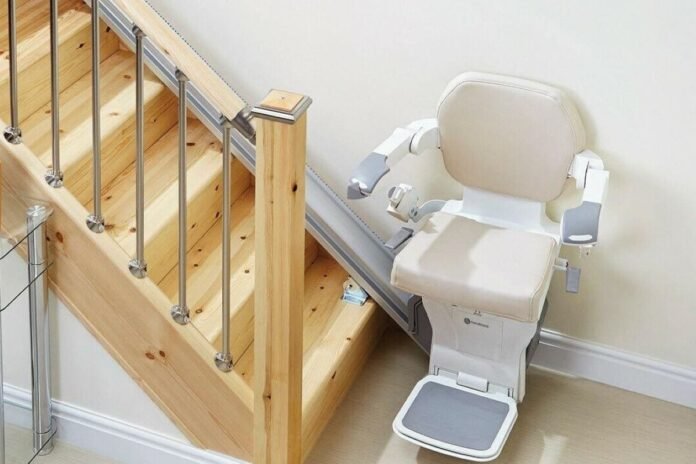
When it comes to making access to your home easier for people of all ages and mobility levels, a standing stair lift is an invaluable tool. Whether you’re looking for an easy way to get up and down the stairs or need a more permanent solution for getting around your house, this type of lift can provide the perfect solution.

In this blog post, we will be discussing the benefits of a standing stair lift, how to choose the right model, important installation considerations when installing one at your home, maintenance tips and finally our conclusion.

Introduction

Welcome to our blog post on how to make easier access to your home with a standing stair lift. Living with limited mobility or disability can be difficult, but it doesn’t have to be. With today’s technology, there are ways you can make your home more accessible and get around without worrying about the extra effort involved in navigating stairs. We’ll discuss why a standing stair lift is an excellent solution and its various benefits that can help improve your quality of life at home.

Benefits Of A Standing Stair Lift

Having a standing stair lift can provide numerous benefits to those with limited mobility. Not only is it incredibly easy to install, but it also makes accessing areas of the home that were previously difficult much easier. Moreover, it eliminates the fear of falling while climbing up and down stairs, providing an extra layer of safety for both users and caregivers alike.

The addition of this device also opens possibilities such as greater independence for individuals who need assistance in navigating around their homes. Finally, since this system requires very little maintenance or upkeep, this can be a cost-effective solution to providing additional accessibility in the home.

Choosing The Right Model

The key to finding the right standing stair lift for your home is selecting the right model. Consider the purpose of a stair lift, such as providing easy access for elderly or disabled individuals, and then look into models that are suitable for their needs.

Determine if you need a motorized or non-motorized version, as well as options like a single seat or dual seat design. Moreover, think about the size and weight capacity of the model you choose according to its intended use. Evaluating these features will help ensure that you select the best standing stair lift for your home’s needs.

Installation Considerations

When it comes to installing a standing stair lift in your home, there are several considerations to keep in mind. First, consider the size and weight capacity of the lift, as well as the type of stairs you will be using it on. Ensure that your stairs can handle the weight of the lift by having them checked by an expert before installation.

Additionally, be sure to secure all necessary permits and licenses for installation before beginning any work. Finally, make sure you read over all instructions carefully and have any needed help available during assembly and installation. With these considerations taken care of ahead of time, a standing stair lift can be installed quickly and safely to provide easier access around your home.

Maintenance Tips

Having a standing stair lift in your home can make life easier and more convenient, but they are complex systems that require regular maintenance and upkeep. Lucky for you, taking care of your standing stair lift is straightforward. Follow these easy tips to keep your standing stair lift running smoothly:

Make sure to check the safety features regularly, lubricate the track at least once a month, inspect the wiring connections often, and don’t forget to replace fuses as needed. Additionally, keep an eye on bolts & screws for any signs of looseness – if any are found tighten them immediately. Following these maintenance tips will help ensure that your standing stair lift continues to operate safely and reliably!

Conclusion

In conclusion, a standing stair lift can make it much easier to access your home if you have difficulty navigating stairs, making it an ideal solution for people with limited mobility. This type of lift keeps you safe and secure while providing easy access to the upper levels of your home.

With many options available, you’re sure to find one that will suit your needs and budget perfectly. Investing in a standing stair lift can provide peace of mind and improved accessibility for years to come.

You may also like

Making The Switch To Gluten-Free Protein Powder: Benefits And Considerations

0
Making The Switch To Gluten-Free Protein Powder

Gluten-free diets are becoming increasingly popular, with more and more people making the switch to gluten-free foods for a variety of reasons. One product that is often overlooked in this transition is protein powder. Making the switch to a gluten-free protein powder can offer many benefits for those on a gluten-free diet, but there are some things to consider first.

In this blog post, we’ll explore the benefits and considerations of making the switch to a gluten-free protein powder, look at nutrition content comparisons between regular and gluten-free protein powders, discuss taste and texture differences, compare costs, and ultimately point you toward the best decision for your individual needs.

Introduction

Are you looking to make the switch from your regular whey protein powder to a gluten-free, plant-based protein powder? Nutritionists are now recommending this dietary shift as more people look for healthy and eco-friendly options.

In this blog post, we’ll explore the various benefits of making the switch and some factors to consider when doing so. Get ready to learn why switching to gluten-free protein powder is an excellent choice for your health and well-being!

Benefits Of A Gluten-Free Protein Powder

One of the major benefits of switching to a gluten-free protein powder is improved digestive health. Without the presence of gluten, your body can break down and absorb the essential nutrients from the protein powder more efficiently, allowing you to feel fuller for longer and boost your overall energy levels.

Gluten-free protein powders also support healthy weight management by providing an optimal source of high-quality protein with fewer calories than traditional protein sources. Lastly, since gluten can be difficult to digest for some people, going gluten-free may help reduce or eliminate symptoms such as bloating and abdominal discomfort.

Considerations For Making The Switch

Making the switch to gluten-free protein powder may be beneficial for those with gluten intolerance, but there are a few considerations to take into account. It’s important to note that products labeled as “gluten-free” should still be checked for traces of gluten due to potential cross-contamination in manufacturing processes. If you have a more serious medical condition such as celiac disease, then it’s best to consult with your doctor before making any dietary changes or substitutions.

Additionally, there’s no single brand of protein powder that works the same way for everyone; it takes some trial to determine which one will work best for you. Lastly, if you decide to make the switch, it’s wise to increase your intake of wheat-based fiber when reducing wheat proteins in general.

Nutrition Content Comparisons

Nutrition content comparisons can be a big factor when considering making the switch to gluten-free protein powder. Gluten-free protein powders generally contain fewer calories, carbohydrates, and sugars than proteins that contain gluten.

They may also have higher amounts of fiber and essential vitamins and minerals. It is important to compare nutrition labels between brands to see which option is best for you. When choosing a gluten-free protein powder, make sure it contains the right balance of macronutrients such as proteins, carbohydrates, fats, vitamins and minerals you need for optimal health and well-being.

Taste And Texture Differences

The taste and texture of gluten-free protein powder is different than traditional protein powder. Gluten-free powders tend to be denser and drier, while traditional protein powders are lighter and creamier. When tasted alone, they can have a slightly gritty texture compared to conventional protein powders that are more consistent and smooth.

Additionally, gluten-free protein powder often has sweeter or bolder flavors due to the natural ingredients many brands use instead of adding artificial sweeteners. For those who are used to the flavor profile of traditional powders, it may take some time to adjust to the change in taste.

Cost Comparison

Making the switch to gluten-free protein powder is an important consideration for those following a gluten-free diet. Cost is an important factor when evaluating different products, and comparing costs between brands and types of protein powders can help consumers make informed decisions.

Price comparisons should take into account ingredients, quality, and quantity when deciding on the most economical option. Several websites provide cost comparison tools based on these criteria, giving shoppers access to cost estimates for different brands and product types. Additionally, shopping around for sales or looking at online vendors can often lead to better deals than what can be found in stores.

Conclusion

In conclusion, making the switch to a gluten-free protein powder can be beneficial for many people. With more and more manufacturers offering gluten-free options, it is easy to find a product that works for you.

However, it is important to understand the differences between regular and gluten-free protein powders as well as any potential dietary restrictions or allergies before making the switch. Gluten-free proteins are a great alternative for those looking for a healthy source of nutrition without sacrificing taste.

You may also like

Maximizing Efficiency With Limited Dexterity: How To Get Things Done

0
Online Casino Gambling

Good day readers! If you are like most of us, your daily life is filled with activity and you often wonder how to get everything done in an efficient and timely manner while having limited dexterity. This blog post will focus on the importance of prioritizing efficiency and provide strategies for maximizing efficiency when dealing with limited dexterity.

We’ll also discuss how to adapt to different working environments as well as develop healthy routines and habits that can help improve overall productivity. By the end, we hope you have gained some insight on how to maximize efficiency in your daily life.

Introduction

Are you struggling to complete tasks due to limited dexterity? It can be incredibly frustrating and overwhelming trying to get things done promptly with your reduced physical abilities. But don’t worry, this blog post will help guide you through some useful tips and tricks that can help you become more efficient while working with limited dexterity.

You’ll learn strategies like setting up an ergonomic workspace, using adaptive tools, establishing routines, and breaking down big tasks into achievable chunks so you can reach your goals faster. So what are you waiting for? Let’s get started!

Benefits Of Prioritizing Efficiency

Efficiency is key to maximizing productivity while managing limited dexterity. By prioritizing efficiency, you can ensure that tasks are completed in the shortest amount of time possible. Not only will this make sure that activities are completed more quickly, but it will also help reduce stress since there is less time spent on each task.

Additionally, focusing on efficient processes will eliminate unnecessary steps and free up more energy for other activities. By taking the time to assess current processes and prioritize efficiency, those with limited mobility can maximize their productivity and stay organized with their tasks.

Strategies For Maximizing Efficiency With Limited Dexterity

If you have limited dexterity, it can be difficult to do even everyday tasks or complete projects efficiently. However, some strategies can help maximize your efficiency and get things done. For example, breaking down tasks into smaller components and setting realistic goals that consider the time it takes to complete a task with limited dexterity can help you accomplish more in less time.

Additionally, using tools such as adaptive equipment or organizers to streamline processes can make working with limited dexterity easier and reduce wasted energy on unnecessary tasks. Finally, practice makes perfect – keep trying different methods of completing tasks until you find the one that is most comfortable and efficient for you!

Adapting To Different Working Environments

Adapting to different working environments can be a challenge for someone with limited dexterity. It is important to understand the physical limitations and work within your comfort zone to maximize efficiency. Working in an environment with furniture, tools, or equipment that isn’t accessible can be incredibly frustrating and make it difficult to complete tasks efficiently.

A few ways to help adapt include choosing furniture or items that are adjustable when possible and researching ergonomic solutions such as specialty keyboards or mice. There may also be services available from employers or agencies to help you find accessible resources for workspaces. With patience and understanding, it is possible to create a more user-friendly work environment that will enable you to get the job done!

Developing Healthy Routines And Habits

Having limited dexterity can make it difficult to get things done efficiently. However, one of the best ways to maximize efficiency is by developing healthy routines and habits. Implementing a regular schedule allows you to plan for tasks that need completing, including breaking down larger tasks into smaller chunks of work.

Practicing mindfulness is also critical; training your mind to focus on the present moment allows you to more effectively tackle each task at hand without getting sidetracked. Additionally, staying organized and having an effective system in place makes it easier to stay on track with your goals and stick to your routine. By taking the time to establish positive habits, you’re setting yourself up for success no matter what challenges life throws your way.

Conclusion

To sum it up, those with limited dexterity have to be creative and resourceful in finding ways to maximize efficiency and get things done. Adaptive technology, creative problem-solving, and developing an understanding of one’s capabilities can go a long way in helping individuals with limited dexterity achieve their goals. With the right tools and strategies, everyone can find a way to function without limitations or hindrances.

You may also like

Introducing The So Lite Scooter: A Lightweight And Convenient Way To Get Around

0
Introducing The So Lite Scooter: A Lightweight And Convenient Way To Get Around

Have you ever wished for a convenient and lightweight way to get around town? Look no further than the So Lite Scooter! In this blog post, we’ll provide an overview of the So Lite Scooter’s features and benefits, discuss the advantages of this scooter in particular, and finally conclude with why it’s a great choice. With its modern design and lightweight frame, the So Lite Scooter is perfect for anyone looking to make their day-to-day commute more enjoyable.

Overview

The So Lite Scooter is the perfect way to get around town quickly and conveniently. With a lightweight frame, this scooter can easily fit in any bag or even be comfortably carried around with you. It’s electric motor makes it super simple and quiet to ride, and its sleek design adds a touch of style wherever you go. The So Lite Scooter offers an easy and efficient way to get from place to place while avoiding traffic congestion.

Features Of The So Lite Scooter

The So Lite Scooter is an innovative way to get around—it’s lightweight, easy-to-use, and incredibly convenient. Weighing in at just 5 kg, this scooter is one of the lightest around so it’s perfect for taking on the go. Its adjustable heights make it suitable for any height rider from children to adults alike. Plus, its foldable design makes it easy to carry and store when not in use.

The So Lite Scooter also has a durable aluminum frame that supports up to 100 kg of weight and comes with a kick stand so you can park your scooter with ease. With its simple plug-and-play operation, you can charge it quickly and easily wherever you are. Whether you’re running errands or commuting back and forth to work, the So Lite Scooter makes getting around easy!

Benefits Of Using A Lightweight Scooter

The So Lite Scooter is an incredibly lightweight and convenient way to get around. Weighing in at just 35 lbs, it’s easily portable and can be carried up stairs or fit into the trunk of a medium-sized car. Moreover, this scooter is designed with safety and maneuverability in mind, so you can trust that you are getting the most out of your mode of transportation.

The minimum turning radius helps maneuver tight spaces, while the wide deck gives you greater stability when riding. Finally, the compact foldable design allows for easy storage when not in use, making it perfect for commuters who want a reliable yet effortless way to get from Point A to Point B. With all these features combined, there’s no doubt that the So Lite Scooter provides users with efficient mobility and convenience both indoors and outdoors!

Advantages Of The So Lite Scooter

The So Lite Scooter is a great way to get around town without breaking the bank. It offers a number of advantages over other transportation options, such as its portability and lightweight design. This makes it easy to bring with you wherever you go.

Its battery-powered motor can last up to 10 miles per hour, allowing you to zip around quickly and conveniently. The scooter’s high-quality construction also ensures that it will last for years, giving you dependable transportation wherever you need it. With its affordability and versatility, the So Lite Scooter is an excellent choice for those looking for an easy and economical way to get around town.

Conclusion

In conclusion, the So Lite scooter is an excellent way to get around quickly and conveniently. It is lightweight, easy to store away, and has a longer range than many other electric scooters on the market. Its durable frame and comfortable seat make it perfect for both short-term commutes and long-distance journeys. If you are looking for a reliable, affordable way to get from point A to point B, look no further than the So Lite scooter!

You may also like

What is a Heavy-Duty Scooter and Why Would a Senior Need One?

0
What is a Heavy-Duty Scooter and Why Would a Senior Need One?

As I sit here, contemplating the significance of mobility in our daily lives, I cannot help but ponder upon the importance of independence for seniors. With age, our bodies may become frail and our movements restricted. However, this does not mean that we should be confined to the four walls of our homes. This is where heavy-duty scooters come into play. In this article, I will explore the concept of heavy-duty scooters, their cost, and why they are crucial for older adults.

When we talk about heavy-duty scooters, we are referring to electric mobility scooters that are specifically designed to withstand heavier weights and navigate challenging terrains. These scooters are equipped with powerful motors, sturdy frames, and larger wheels to ensure a smooth and stable ride. They are built to carry a higher weight capacity compared to regular scooters, making them ideal for seniors who require extra support and stability.

The Cost of Heavy-Duty Scooters

Now that we have a clearer understanding of what heavy-duty scooters are, let’s delve into the topic of their cost. It is important to note that heavy-duty scooters tend to be more expensive than their standard counterparts. The price range for these scooters can vary depending on the brand, model, specifications, and additional features.

On average, heavy duty scooters can cost anywhere between $1,500 to $5,000. However, it is essential to keep in mind that this is a long-term investment that offers immense value in terms of independence and mobility for older adults. Furthermore, many insurance plans and Medicare may cover a portion of the cost, making it more affordable for seniors.

Why Would a Senior Need a Heavy Duty Scooter?

Now that we have discussed the cost of heavy duty scooters, let us explore why a senior may need one. The need for a heavy duty scooter arises when an individual faces mobility challenges due to age-related conditions, such as arthritis, osteoporosis, or limited strength and endurance. These conditions can significantly impact a senior’s ability to walk or perform daily activities independently.

A heavy duty scooter provides a safe and reliable mode of transportation for seniors, allowing them to regain their freedom and explore the world around them. It enables them to participate in social activities, visit friends and family, and enjoy outdoor excursions without the fear of falling or getting fatigued.

Moreover, heavy duty scooters are designed to navigate various terrains, including uneven surfaces, gravel paths, and inclines. This means that seniors can confidently maneuver their scooters both indoors and outdoors, without worrying about accessibility limitations. The enhanced stability and weight capacity of heavy duty scooters ensure a smooth and secure ride, providing seniors with the confidence to venture out and stay active.

One of the most significant advantages of heavy duty scooters is their ergonomic design and comfort features. These scooters are equipped with adjustable seats, armrests, and tillers, allowing seniors to find the most comfortable position for their specific needs. Additionally, they come with ample storage space to carry personal belongings, groceries, or even small pets.

In Conclusion

In conclusion, heavy duty scooters are a valuable asset for seniors who require additional support and stability when it comes to mobility. They provide a sense of independence, allowing older adults to continue living an active and fulfilling life. While the cost of heavy duty scooters may be higher compared to regular scooters, the long-term benefits far outweigh the initial investment.

So, if you or a loved one is facing mobility challenges, consider the option of a heavy duty scooter. It can be a life-changing decision that opens up a world of possibilities and experiences. Remember, age should never be a barrier to exploring the world around us.

You may also like

Walker Glides: Your Mobility Aid Solution

0
Walker Glides: Your Mobility Aid Solution

Welcome to our blog post on Walker Glides, your mobility aid solution! Walker Glides is a simple and effective way to improve the mobility of those using walkers. In this post, we’ll discuss the introduction to Walker Glides, the benefits of using them, how to use them properly, answer frequently asked questions, and conclude.

Whether you’re in charge of selecting the best medical equipment for someone or are just researching the products available on the market, this post will provide you with all the information needed to make an informed decision. Let’s get started!

Introduction To Walker Glides

Walker glides are a great solution for those with limited mobility and looking to maintain their independence. Walker glides are designed for use in conjunction with standard walkers, providing a smooth sliding action and allowing users to move more freely than traditional walkers. They can be especially helpful for individuals recovering from surgery, the elderly, or those with leg injuries. The installation of walker glides is simple, making them easy to fit on any standard walker.

Additionally, they come in various sizes and designs to best suit each person’s individual needs. Walker glides give the user added comfort and security when walking, helping them stay active without feeling hindered by their disability or injury. With this innovative technology, everyone can get back on track and enjoy life with greater freedom of movement!

Benefits Of Using Walker Glides

Walker Glides are a great solution for those who need help with mobility. The benefits to using Walker Glides are numerous – they can help reduce pain in the legs, feet, and ankles; provide extra stability on slippery surfaces; increase safety while reducing fatigue when climbing stairs; and decrease stress on the wrists, forearms, and shoulders. With all of these advantages, it’s easy to see why Walker Glides are an excellent addition to any mobility aid arsenal!

How To Use Walker Glides

Walker glides are an excellent mobility aid that makes walking easier and smoother. To use them, simply slide the curved end of the glide over the foot of your walker and adjust it to fit comfortably on your feet. Make sure to check that they are secure and don’t slip off during movement. This can provide a boost in stability and help take the strain off of your arms while you’re walking long distances or up stairs.

Walker glides also have rubber tips at the bottom which will help grip surfaces such as tile or hardwood flooring, making walking much safer. For most people, walker glides are easy to install and use; however, make sure to consult with a trained medical professional if you’re not sure how to properly use them for your specific needs.

Frequently Asked Questions

Walker Glides are the ideal mobility aid solution to make your everyday life easier. Whether you have a disability or need extra help walking due to age, Walker Glides can provide you with a stable and comfortable experience. Here are some frequently asked questions about our products:

1. What types of walkers work best with Walker Glides?

Our Walker Glides fit standard 1-inch tubing walkers and most wheeled walkers on the market today.

2. Are the glides washable?

Yes! Our Walker Glides are made from FDA-approved materials that are easy to clean and maintain after each use.

3. Are there any safety features included in the design?

Yes! The Walker Glide is designed to keep you safe while providing your feet extra traction and stability on indoor or outdoor surfaces. They also feature an anti-skid base for added security on wet or slippery surfaces.

Conclusion

In conclusion, Walker Glides are a great mobility aid solution that can help you stay active and independent. Whether you suffer from Parkinson’s or arthritis, Walker Glides can make it easier for you to move around without compromising your safety.

Thanks to the lightweight design and the handbrake system, you’ll have a secure grip on your walking stick no matter where you go. Give it a try today and experience firsthand how Walker Glides can make your life easier!

You may also like