

Home Blog Page 36

Best Sleep Solutions for Seniors in 2026: CPAP, Adjustable Beds & Sleep Aids

0

Quick answer

Poor sleep after 55 often has a fixable cause. Loud snoring with gasping or daytime sleepiness can mean sleep apnea, which needs a sleep test and often a CPAP. Medicare covers CPAP after a diagnosis, starting with a 12-week trial. For everyday sleep problems, an adjustable bed, an anti-snoring mouthpiece, sleepbuds or a weighted blanket can help.

Sleep solutions at a glance

ProblemSolutionOptions
Possible sleep apneaHome sleep test, then CPAPLofta, Sleeplay, ApriaHome
Snoring (no apnea)Anti-snoring mouthpieceGood Morning Snore Solution, PureSleep
Reflux, swelling or back painAdjustable bedSleep Number
Noise or racing thoughtsSleepbuds or weighted blanketOzlo, Bearaby

Last reviewed October 27, 2026 by Greg Wilson. Sources: Medicare.gov, CPAP. Partner links may earn SeniorAffair a commission.

Who this is for: Older adults who struggle to fall asleep, stay asleep, or wake up feeling rested—and want solutions that actually work without relying on prescription sleep aids.

Sleep changes profoundly after 55. You produce less melatonin. Deep sleep stages shorten. Aches and pains wake you at 3am. And prescription sleep medications carry real risks for older adults, including falls, memory impairment, and dependency.

The products in this guide work with your body’s natural sleep rhythms—no prescriptions, no grogginess, and no dependency.


Quick Comparison: Best Sleep Products for Seniors

ProductBest ForWhy It WorksPrice
Som SleepFalling asleep fasterMelatonin + L-theanine + magnesium formula~$30/month
Manta Sleep MaskBlocking all light100% blackout contoured design~$30-50
The SnorinatorSnoring & acid refluxElevated sleeping position~$80-120
AmerisleepFull mattress upgradeMemory foam, pressure relief$1,000+
Swanson MagnesiumMuscle relaxation overnightMagnesium glycinate supplement~$15

1. Som Sleep — Best Sleep Supplement for Adults Over 55

Shop Som Sleep →

Som Sleep is not a typical melatonin pill. It’s a carefully formulated drink (or supplement) that combines four ingredients that work synergistically for sleep:

  • Melatonin (3 mg)—signals your body it’s time to sleep, at the right dose (not the megadose in many supplements)
  • L-theanine — an amino acid from green tea that reduces the racing thoughts that keep you awake
  • Magnesium — a mineral most adults over 55 are deficient in, essential for nervous system relaxation
  • Vitamin B6 — helps your body convert tryptophan to serotonin and melatonin naturally

Why this combination matters for older adults: Melatonin production drops sharply after 55 — but taking too much can actually make sleep worse. Som Sleep’s 3mg dose hits the sweet spot. The L-theanine addresses the anxious, overthinking pattern that plagues many older adults at bedtime.

→ Try Som Sleep for 30 Days — See if this targeted formula makes the difference for your sleep.


2. Manta Sleep Mask — Best Eye Mask for Deeper, Uninterrupted Sleep

Shop Manta Sleep Masks →

Most sleep masks press against your eyelids, which is uncomfortable and wakes you up. Manta’s contoured design creates a cup over each eye—complete darkness without any pressure on your eyelids. It’s a simple product that makes a surprisingly big difference.

Why light blocking matters more after 55: As we age, our eyes become more sensitive to light disruptions. Even a streetlight through a curtain or a device charging light can disrupt melatonin production. Manta creates true 100% blackout conditions, which clinical research consistently shows improves sleep quality.

Best models for seniors:

  • Manta Original — adjustable straps, soft foam, great for all sleep positions
  • Manta WARM — combines blackout mask with gentle heat therapy, excellent for tension headaches and eye strain
  • Manta Silk — cooling, breathable material for hot sleepers

→ Find Your Manta Sleep Mask — Adjustable fit works for virtually any face shape.

3. The Snorinator — Best Anti-Snoring Pillow for Seniors

Shop The Snorinator →

Snoring disrupts sleep — yours and your partner’s. For older adults, it can also signal sleep apnea, a condition where breathing briefly stops during sleep and is linked to heart disease, high blood pressure, and cognitive decline.

The Snorinator is a specially designed wedge pillow system that elevates your upper body during sleep, which opens the airway and dramatically reduces snoring in most cases. It also helps with:

  • Acid reflux and GERD (extremely common after 55)
  • Post-nasal drip
  • Mild sleep apnea symptoms
  • Back pain from sleeping flat

As seen on Shark Tank, the product gained national attention for its innovative design and results.

Who it’s best for: Adults who snore, anyone with GERD or acid reflux, and people with mild sleep apnea who can’t tolerate a CPAP mask.

→ Stop Snoring Tonight — See how The Snorinator works and what customers are saying.


4. Amerisleep — Best Mattress for Adults Over 55

Shop Amerisleep →

A bad mattress is one of the most overlooked causes of poor sleep in older adults. If your mattress is more than 7-8 years old, it may be the biggest sleep disruptor in your home — no supplement or eye mask can compensate for a mattress that isn’t providing proper support.

Amerisleep specializes in memory foam mattresses designed for pressure relief and spinal alignment. This matters enormously after 55 when hip pain, shoulder pain, and lower back issues make sleeping through the night harder.

What makes Amerisleep different:

  • Plant-based memory foam — more breathable than traditional foam (critical for hot sleepers)
  • Zoned support — firmer under the hips, softer under shoulders
  • 100-night sleep trial — plenty of time to know if it works for you
  • 20-year warranty — this is a long-term investment
  • Multiple firmness options — important because sleep needs vary greatly by weight, position, and pain location

Best for seniors: The AS3 (medium) is the most popular choice for adults with mixed needs, while the AS2 suits stomach sleepers and the AS4/AS5 is best for side sleepers with hip or shoulder pain.

→ Try Amerisleep for 100 Nights Risk-Free — Free delivery, setup, and mattress removal.


5. The Overlooked Sleep Fix: Magnesium Deficiency

Before spending money on sleep supplements, check your magnesium intake. Studies show over 70% of Americans are deficient in magnesium—and deficiency causes muscle cramps, restless legs, heart palpitations, and inability to fall asleep.

Magnesium glycinate (from Swanson Health Products) is the most bioavailable and gentlest form for older adults. 300-400mg taken 30-60 minutes before bed is often transformative on its own.

Shop Magnesium Glycinate at Swanson →


Your 4-Step Senior Sleep Protocol

  1. Magnesium glycinate 30 mins before bed (Swanson)
  2. Som Sleep drink or supplement at bedtime
  3. Manta Sleep Mask to eliminate light disruption
  4. Snorinator if snoring or reflux are problems

Each step is inexpensive and non-prescription. Together, they address the four most common causes of sleep disruption in adults over 55.


This article contains affiliate links. We may earn a commission at no cost to you.

CPAP and sleep apnea: what Medicare covers

Obstructive sleep apnea makes your breathing stop and start during sleep. Common signs are loud snoring, gasping, morning headaches and daytime sleepiness. A sleep test, often done at home, confirms it.

Medicare Part B covers a 12-week trial of CPAP therapy after a sleep apnea diagnosis. To keep coverage, you meet with your doctor, who documents that the therapy is helping. Medicare then rents the machine for 13 months of continuous use, after which you own it. You pay 20% of the Medicare-approved amount after the Part B deductible for the machine and supplies such as masks and tubing, as long as your supplier accepts assignment. Read more in our guide to Medicare and CPAP.

If you are buying without insurance, online stores sell CPAP machines, masks and replacement parts directly, and home sleep test companies can connect you with a prescribing clinician.

Sleep apnea testing and CPAP supplies

Lofta offers at-home sleep tests. Sleeplay and ApriaHome sell CPAP equipment and supplies.

Partner link: SeniorAffair may earn a commission if you buy, at no extra cost to you.

Best Supplements for Adults Over 55: What Actually Works in 2026

Who this is for: Adults 55 and older looking for natural, science-backed supplements to support joint health, energy, cognitive function, digestion, and healthy aging — without spending a fortune.

The supplement aisle can feel overwhelming after 55. Every label promises miracles. This guide cuts through the noise with honest, straightforward reviews of the brands worth your money—including where to buy them and how to save.


Quick Comparison: Best Supplement Brands for Seniors

BrandBest ForStandout ProductsPrice Range
BioNatalHolistic herbal wellnessBlack seed oil, sea moss, seed oilsMid-range
MyStart HealthDaily senior multivitaminSenior-formulated multisAffordable
Swanson Health ProductsBroad supplement selection50+ years of trusted formulasBudget-friendly
Highline WellnessCBD-based pain & sleep supportCBD gummies, capsulesMid-range
ReadyRxPrescription drug savingsDiscount pharmacy cardFree to use
HerbsProNatural health productsWide herbal selectionCompetitive

1. BioNatal — Best Natural Herbal Supplement Brand for Older Adults

—

BioNatal has built a loyal following among adults over 50 who want herbal and plant-based wellness solutions that actually work. Their flagship products — Ethiopian black seed oil, wildcrafted sea moss, and seed oil blends — address the specific concerns that matter most as we age: inflammation, cognitive clarity, gut health, and immune function.

BioNatal Black Seed Oil

Shop Black Seed Oil →

Black seed oil (Nigella sativa) has been used medicinally for over 2,000 years and has a growing body of modern research behind it. BioNatal’s Ethiopian cold-pressed version is among the most potent on the market.

Benefits reported by adults over 55:

  • Natural anti-inflammatory support for joints and arthritis pain
  • Immune system strengthening
  • Respiratory health support
  • Blood sugar management support
  • Mental clarity and reduced brain fog

BioNatal Sea Moss & Herbal Bundle

Shop Seeds, Herbs & Sea Moss →

Shop Essentials Bundle →

Irish sea moss has become one of the most popular wellness supplements for adults over 50—and for good reason. It contains 92 of the 102 minerals the human body uses, making it a comprehensive nutritional supplement in one product.

→ Start With the BioNatal Essentials Bundle — Designed specifically to support healthy aging naturally.


2. MyStart Health — Best Daily Multivitamin Designed for Seniors

Shop MyStart Health →

MyStart Health formulates supplements specifically with older adults in mind—which matters because the nutrient needs of a 60-year-old are genuinely different from those of a 30-year-old. Their senior-focused formulas address B12 absorption (which declines with age), calcium-magnesium balance, vitamin D for bone density, and immune support.

Why “senior formula” matters:

  • Older adults absorb less B12 from food—it needs to come from supplements
  • Calcium without K2 can end up in arteries instead of bones
  • Vitamin D deficiency is nearly universal in adults over 65
  • Standard multivitamins often include iron, which most seniors don’t need

→ See MyStart Health Senior Formulas — Find the right daily supplement for your age and health goals.


3. Swanson Health Products — Best Budget-Friendly Supplement Source

Shop Swanson Vitamins →

Swanson has been in business for over 50 years — longer than most supplement companies. They’re known for rigorous quality standards, competitive pricing, and a massive catalog that covers virtually every supplement need. For seniors on a fixed income who need high-quality vitamins without paying boutique prices, Swanson is the go-to.

Best sellers for adults over 55:

  • Coenzyme Q10 (CoQ10) — heart health and energy production
  • Glucosamine & Chondroitin — joint support
  • Magnesium Glycinate — sleep, muscle function, heart rhythm
  • Vitamin D3 + K2 — bone density and cardiovascular health
  • Alpha Lipoic Acid — blood sugar and nerve support
  • Omega-3 Fish Oil — brain and heart health

Shop Swanson’s Senior Health Section—quality supplements at prices that make sense on a fixed income.


4. Highline Wellness — Best CBD Supplement for Senior Pain & Sleep

Shop Highline Wellness →

CBD (cannabidiol) has become one of the most popular natural wellness products for adults over 55 — and the research on its benefits for pain, anxiety, and sleep quality is growing. Highline Wellness produces broad-spectrum CBD that is third-party tested and legal in all 50 states.

Why seniors are turning to CBD:

  • Non-psychoactive — no “high” effect
  • May reduce chronic pain and inflammation without NSAIDs
  • Supports deeper sleep without morning grogginess
  • Anxiety and stress reduction without prescription medications
  • Topical options for localized joint and muscle pain

Best Highline products for older adults: CBD gummies (easiest to dose), CBD capsules (tasteless), CBD oil tinctures (fastest absorption).

→ Try Highline Wellness CBD — Start with gummies for the easiest, most predictable experience.


5. ReadyRx — Save on Prescription Medications

Get Your Free Discount Card →

This isn’t a supplement — it’s a free prescription savings card that can cut medication costs by up to 80% at over 60,000 pharmacies nationwide. For seniors managing multiple prescriptions, this is one of the most valuable tools available.

How it works:

  • Free to sign up — no insurance required
  • Works at CVS, Walgreens, Walmart, Kroger, and most major pharmacies
  • Covers brand-name and generic medications
  • Can be used even if you have Medicare — sometimes cheaper than Part D copay
  • No enrollment, no forms — just show the card

→ Get Your Free ReadyRx Card Now — It costs nothing and could save you hundreds every year.


The Bottom Line: What Supplements Should You Actually Take?

For most adults over 55, a good foundation is:

  1. A senior-formula multivitamin (MyStart Health)
  2. Vitamin D3 + K2 (Swanson)
  3. Magnesium glycinate for sleep and muscle function (Swanson)
  4. Omega-3s for brain and heart (Swanson or HerbsPro)
  5. A targeted herbal supplement for your biggest concern (BioNatal for inflammation/immunity, Highline for pain/sleep)

And always use ReadyRx to save on any prescriptions you’re already taking.


This article contains affiliate links. We may earn a commission at no cost to you.

Best Hearing Aids for Seniors in 2026: OTC vs. Prescription

Quick answer

If you have mild to moderate hearing loss, an over-the-counter (OTC) hearing aid can be a good, lower-cost start. If your loss is severe, sudden or only in one ear, see an audiologist or doctor first and consider prescription aids. Original Medicare does not cover hearing aids, though many Medicare Advantage plans include a hearing benefit.

Hearing aid options at a glance

BrandTypeBest for
Jabra EnhanceOTC, with remote audiologist carePeople who want ongoing professional follow-up
EargoRechargeable, in-earThose who want a nearly invisible fit
AudienLow-cost OTCBudget buyers with mild loss
Prescription aids from an audiologistCustom fittedSevere or complex hearing loss

Last reviewed October 27, 2026 by Greg Wilson. Sources: FDA, OTC hearing aids, Medicare.gov. Partner links may earn SeniorAffair a commission.

About one in three adults between 65 and 74 has hearing loss, and nearly half of those over 75 do, according to the National Institute on Deafness and Other Communication Disorders. Untreated hearing loss can make conversations tiring and isolate people from family and friends. The good news is that hearing aids are easier to buy than they were a few years ago.

OTC vs. prescription hearing aids

Since October 2022, the FDA has allowed hearing aids to be sold over the counter to adults 18 and older with perceived mild to moderate hearing loss. You can buy them online or in stores without an exam or a prescription, and you set them up yourself, often with a phone app.

Prescription hearing aids are fitted by an audiologist or hearing aid specialist after a hearing test. They cost more, but the professional fitting and adjustments help people with more severe or complicated hearing loss.

Signs an OTC hearing aid may work for you

  • You struggle to follow conversations in noisy places, but hear well one on one.
  • You turn the TV up louder than others like.
  • Your hearing loss came on gradually in both ears.

See a doctor or audiologist first if

  • Your hearing loss is severe, sudden or in only one ear.
  • You have ear pain, drainage, dizziness or ringing in one ear.
  • You have trouble understanding speech even when it is loud.

Our picks

Jabra Enhance: best for ongoing support

Jabra Enhance sells OTC hearing aids that come with remote follow-up care from audiologists. That makes it a good middle ground for people who want professional help adjusting their aids without regular office visits.

Eargo: best nearly invisible fit

Eargo makes rechargeable hearing aids that sit inside the ear canal, so they are hard to see. They are sold directly, with remote support from hearing professionals. Read our Eargo review.

Audien: best low-cost option

Audien sells some of the least expensive OTC hearing aids. They suit people with mild hearing loss who want to try hearing aids before spending more. Read our Audien review.

Compare hearing aids

Check current prices, trial periods and return policies before you buy.

See Jabra EnhanceSee EargoSee Audien

Partner link: SeniorAffair may earn a commission if you buy, at no extra cost to you.
Rechargeable or disposable batteries?

Rechargeable aids are easier for people with arthritis or poor vision, because you set them in a charging case each night. Disposable batteries last a few days to a couple of weeks and need small, fiddly changes. Our list of the best rechargeable hearing aids goes deeper.

What to compare before you buy

  • Return window and trial period. Give yourself several weeks to adjust.
  • Warranty length and what it covers, including loss and damage.
  • Support: app-only, phone support, or remote audiologist care.
  • Fit and style: in-the-ear, behind-the-ear, or receiver-in-canal.
  • Features such as Bluetooth streaming for phone calls and TV.

Does Medicare cover hearing aids?

Original Medicare does not cover hearing aids or exams to fit them. Part B covers diagnostic hearing exams when your doctor orders them to check a medical problem. Many Medicare Advantage plans include a hearing benefit with an allowance toward hearing aids, so check your plan. Read more in our guide to Medicare and hearing aids.

Frequently asked questions

Are OTC hearing aids as good as prescription ones?

For mild to moderate hearing loss, many people do well with OTC aids. Prescription aids are fitted to your hearing test, which matters more as hearing loss gets more severe.

How long do hearing aids last?

Most last about three to seven years, depending on care and type.

Can I use an HSA or FSA to buy hearing aids?

Yes. Hearing aids are a qualified medical expense for health savings and flexible spending accounts.

Related guides: MDHearing review · How much hearing aids cost

Best Medical Alert Systems & Home Safety Products for Seniors in 2026

Who this is for: Adults 55 and older who want to stay independent at home without worrying about what happens if something goes wrong.

If you live alone — or your loved one does — a medical alert system isn’t a sign of weakness. It’s one of the smartest investments you can make. Falls are the leading cause of injury-related death in adults over 65. Having help one button press away changes everything.

This guide covers the best-rated medical alert devices, home security systems, and smart locks for seniors in 2026—based on ease of use, reliability, and real-world value.


Quick Comparison: Best Home Safety Products for Seniors

ProductBest ForKey FeatureCost
SureSafeMedical alert pendantFall detection + GPSMonthly plans available
Brinks HomeFull home security24/7 professional monitoringSubscription-based
U-Tec Smart HomeKeyless smart locksFingerprint + voice controlOne-time purchase
SpinLife.comMobility & lift chairsWide selection, expert adviceVaries by product

1. SureSafe Medical Alert System — Best Overall for Lone Seniors

Check Pricing & Plans →

SureSafe is specifically designed for older adults who want peace of mind without carrying a clunky device. Their pendant-style alert works both inside the home and outdoors, with optional fall detection that automatically calls for help even if you can’t press the button.

Why it works for people over 55:

  • Lightweight, discreet pendant design — comfortable to wear all day
  • Fall detection doesn’t require you to do anything—it senses the fall itself
  • GPS tracking means it works at the grocery store, not just at home
  • No long-term contract required on select plans
  • Dedicated dementia tracking features for caregivers

Who it’s best for: Anyone living alone, adults with balance issues, or families with aging parents who travel independently.

See If SureSafe Is Right for You — Compare plans and get started in minutes.

2. Brinks Home Security — Best Full-Home Monitoring System for Retirees

Get a Free Quote → Brinks Home

Brinks Home has been protecting American families since 1983 — longer than most competitors have existed. For older adults, their 24/7 professional monitoring means that if a smoke detector goes off, a window breaks, or a sensor triggers while you’re asleep, trained professionals alert you and emergency services.

Why seniors choose Brinks:

  • Simple self-installation — no technician visit required
  • Smart home integration works with Alexa and Google Home
  • No landline required — fully cellular and Wi-Fi
  • Indoor cameras let adult children check in remotely
  • Transparent pricing with no hidden fees

Who it’s best for: Homeowners who want whole-home protection, not just a wearable pendant.


3. U-Tec Smart Door Lock — Best Keyless Entry for Seniors

Fumbling with keys is frustrating at any age — but for adults with arthritis, vision changes, or mobility limitations, it can be genuinely difficult. U-Tec’s smart deadbolts let you unlock your door with your fingerprint, a PIN code, your smartphone, or even voice commands through Alexa or Google.

Why it’s worth it after 55:

  • No more lost keys or lockouts
  • Fingerprint unlock works even with dry or aging skin
  • Grant temporary access to caregivers, family, or cleaning services
  • Logs who comes and goes — great for security peace of mind
  • Battery backup means it works even in a power outage

Try Keyless Living — See current pricing and bundle options at U-Tec.


4. SpinLife.com — Best Place to Shop for Mobility Equipment

SpinLife.com isn’t a medical alert device, but it belongs in every senior safety conversation. They specialize in wheelchairs, power scooters, lift chairs, rollators, and stairlifts—the kind of mobility products that help people stay independent longer.

What makes SpinLife stand out:

  • Expert advisors available by phone — not just a website
  • Medicare-compatible products listed with clear labeling
  • Wide selection across every price range
  • Detailed product comparisons so you can make an informed choice
  • Trusted by therapists and home health agencies

Best products for seniors: Power wheelchairs, 3-wheel mobility scooters, lift recliners, and rollator walkers with seats.

Find the Right Mobility Aid — Browse SpinLife’s full selection and speak to an advisor.


The Bottom Line: Home Safety Is the Foundation of Independent Living

You don’t have to choose between independence and safety—the right products give you both. Start with a medical alert system if you live alone, add a smart lock for convenience, and explore mobility aids if you or a loved one needs extra support getting around.


This article contains affiliate links. We may earn a commission if you click through and make a purchase — at no extra cost to you. We only recommend products we believe are genuinely useful for older adults.

Medicare Plan G vs. Plan F: Which Offers Better Value?

0

Quick answer

Plan G covers the same benefits as Plan F except the Part B deductible ($283 in 2026). If you became eligible for Medicare on or after January 1, 2020, you can’t buy Plan F, so Plan G is the most complete option available to you. If you were eligible earlier, compare premiums: Plan F only makes sense if its extra premium costs less than the deductible it covers.

Plan G vs Plan F at a glance

TopicWhat Medicare saysSource
Who can buy Plan FOnly people first eligible for Medicare before January 1, 2020CA Dept. of Insurance (NAIC)
Part B annual deductible$283 in 2026; 2027 amount announced by CMS in NovemberCMS
High-deductible Plan F and G deductible$2,950 in 2026; $3,050 in 2027CMS 2026, CMS 2027
Part B standard monthly premium$202.90 in 2026; 2027 amount announced by CMS in NovemberCMS

Last reviewed October 26, 2026 by Greg Wilson against official Medicare.gov, CMS and state insurance department sources.

Many often ask which is better between Medicare supplement Plan F and G. 

It is challenging to decide the best among these two unique plans. 

It would be best to analyze each cover’s benefits and areas to know the best among them. 

Let’s discuss Plan F and G.

What are the Benefits that Medicare Supplement Plan F Covers?

Medicare Supplement Plan F grants the most comprehensive coverage among the ten supplement plans hence, why many people opt for the plan. 

Even though it is the most expensive among the ten supplement plans, its benefits supersede every other plan, making it more advantageous than any other plan. 

Once you enroll in Plan F, you only have to pay your monthly premium; the plan takes care of your out-of-pocket expenses.

Some of the benefits of Medigap plan F are:

  1. It covers Part A coinsurance and hospital costs.
  2. It covers Part B coinsurance. 
  3. It provides for three first pints of Blood.
  4. It caters to skilled nursing facility care coinsurance.
  5. It covers Part A and Part B deductibles.
  6. It covers overseas travel emergency costs.

The clause to Medicare Supplement Plan F is that if you became eligible on January 1, 2020, or later, you won’t be able to enroll, which is why many people are looking for an alternative. However, you can enroll if you become eligible before the date above.

What are the Benefits Medicare Supplement Plan G Covers?

Medicare supplement Plan G is similar to Medicare Plan F and offers equal benefits. However, if you enroll for Plan G, you must pay for your Part B deductible, which is $283 in 2026. 

After this payment, the plan will cover every other out-of-pocket expense, and you will only need to pay your monthly premium. 

Surprisingly, Medicare Supplement Plan G is cheaper than Plan F, which is the edge of Plan G over plan F. 

Most times, the monthly premium payment of Plan F is more than Plan G, so it will be wise to enroll for Plan G instead of Plan F to save costs.

The benefits of Plan F and Plan G are similar, except that you need to pay for Part B deductible in Plan G, which you won’t pay for in Plan F.

Which Medicare Supplement Plan Should I Choose Between Medicare Supplement Plan F and Plan G?

We hysterically state which of the Medicare Supplement Plan you should choose because both offer almost the same benefits. So many people choose the plan which will save them more money.

Knowing the most cost-effective plan would help if you considered several factors. These factors are your zip code, age, your preferred private health insurance company, and their charges.

On Medicare.gov they explain the comparisons of Plans F & G.

Conclusion

The most critical condition you need to consider when choosing a Medicare plan is to examine which plan satisfies your needs and is also cost-effective. Medicare Plan G is not better than Plan F since Medicare Plan G covers one less benefit than Plan F. You are responsible for paying the Part B deductible, however Medigap Plan F covers the deductible.

Is Medicare Plan L Worth It? Coverage, Costs, and Benefits

0

Medicare is a federally funded program that helps elderly and disabled individuals pay for healthcare services. Medicare plan L is one of the most popular types of plan coverage because it’s a stand-alone PPO plan which means there are no deductibles, co-payments, or coinsurance charges. You have access to any doctor or hospital in the country. This Senior Affair article will cover what you need to know about this type of healthcare coverage, including what it covers and whether or not it’s suitable for you.

What is Medicare Plan L?

Plan L is a Medic supplement plan covering Part A and Part B hospitalization benefits. However, this means it covers all the expenses related to your stay in a hospital, including emergency services, inpatient care, surgical care, and inpatient rehabilitation. Medicare plan L is not an insurance plan but a supplement to the original HMO, EPO, or PPO plans. But, on the other hand, you can only purchase it in addition to another Medicare plan.

Plan L is less comprehensive than regular private insurance, as with the other plans. It will not cover emergency transportation, complementary health services, or nursing care expenses. Instead, the client must pay for all these services even if they are plan L-eligible. According to the Medicare website, this plan only covers a hospital portion of benefits and inpatient care.

What Plan L Covers

The Medicare plan L supplement will cover 100% of the costs of covered hospital care if the client stays in a hospital for a period equal to or less than 60 days. If the client remains in a hospital for more than 60 days, Plan L will cover 75% of Part A’s daily coinsurance charge.

Plan L does not cover Part B medical expenses, medications, emergency transportation, or home health care services. Therefore, the client must pay all these expenses out-of-pocket. Plan L covers all insured persons 65 years or older, with Social Security benefits, in the United States and its territories.

What you need to know before enrolling

Plan L requires a monthly premium payment. However, this is the same as for other supplement plans. For example, plan L covers only those continuously insured under the original plans or their EPO, HMO, PPO, or military insurance. Plan L is not an insurance plan but a supplement to the original HMO, EPO, or PPO plans. On the other hand, they can only purchase it in addition to another plan.

What does Medigap Plan L not cover?

Plan L is only offered in addition to the other Medicare plans. However, it does not cover benefits like long-term care, transportation, and skilled nursing care. Therefore, the client must pay for these services out-of-pocket even if Plan L covers them. Although Plan L is a supplement to Medicare, it can only be purchased by individuals who have been continuously insured under the original plans or their equivalents EPO, HMO, PPO, or military insurance.

Plan L does not cover medical emergencies that happen while you are traveling abroad. The Medicare Plan L supplement does not cover any therapies, including those in the facility physician’s office. Instead, it covers only those services related to hospital stays, surgical procedures, and inpatient rehabilitation.

Out-of-pocket limit

The out-of-pocket limit for Plan L is the same as for all other Medicare supplement plans. It is $1,200 for 12 months. Unlike many other supplement plans, Plan L has no time limit.

How do you purchase Medicare Plan L?

A person can buy this plan in a supplement insurance office or through a Qualified Purchaser QP. The person must already be enrolled in the Original plan. If the person is not yet insured under the original plans, they can enroll in one of these plans and add Plan L to their coverage.

You can also purchase this plan from a private insurance company or enroll directly through the designated plan page. The client must pay the Plan L premium. It is the same as for other supplement plans. If a person is already covered under Original plan L, they need to contact their insurance carrier to add Plan L to their coverage. If they still need a carrier, they must go to an insurance company and add this plan to their coverage.

Is purchasing Medigap Plan L a good idea?

It is good if you are already insured under regular plans and want to add this supplement to your benefits. You will have double protection in case of medical emergencies that require hospitalization. The two plans in place will help cover the expenses related to your stay in the hospital, including any surgeries or rehabilitation treatments.

Plan L will also help pay the costs of the services related to emergency transportation, home health care, and in-home nursing services. If you are already insured under the regular Medicare plans but want to add another supplement, it is not advisable to add Plan L. It does provide benefits that can help reduce your monthly premiums for other plans, and it will cover some of these expenses; however, there are still some services that are not covered by this plan, and you would have to pay for them.


Pros and Cons of Medigap Plan L

Medicaid Plan L is a supplement plan that helps cover Part A and Part B hospitalization expenses. However, this means it covers all the costs related to your stay in a hospital, including emergency services, inpatient care, surgical care, and inpatient rehabilitation. Medicare Plan L is not an insurance plan but a supplement to the original HMO, EPO, or PPO plans. But, on the other hand, they can only purchase it in addition to another plan.

Pros

  • Low premiums
  • High monthly benefits
  • No time limit
  • Covered medical expenses

Cons

  • Only 75% coverage
  • No coverage for Part B excess charges or foreign travel emergencies

Conclusion

Medigap Plan L is one of the most comprehensive supplement plans. It covers the expenses related to inpatient care, including surgery, inpatient rehabilitation, emergency transportation, and home health care. It also covers many other medical services that do not require hospital stays but are still very important. However, this plan still needs to cover certain critical services like skilled nursing care, which must be paid by the client out-of-pocket.

Should You Choose Medicare Plan F with a High Deductible?

0

With a high deductible, Medicare Plan F has been a popular medical care supplement plan for seniors in recent years. It started as a pilot program in 2004 and has grown in popularity. The high-deductible version of Plan F has a lower monthly premium. Seniors must pay a higher deductible before the plan starts to pay benefits. The high deductible is one crucial feature that sets it apart from other plans. The plan has many benefits, including lower premiums and more flexibility when choosing doctors.

What is Medicare Plan F – High Deductible?

The medical care Plan F is an alternative to the original medical care plan. It is a supplemental insurance plan offering more comprehensive coverage than the original plan. As the name suggests, a high deductible is associated with this plan, which means that you are responsible for a certain amount of your medical expenses before the insurance company starts to pay its share.

The plan differs from Plan F with a lower deductible because the latter begins to pay its share of medical expenses sooner. However, with a high deductible, Plan F typically has lower premiums. It makes it a popular choice for seniors looking for more comprehensive coverage who don’t want to pay too much.

Eligibility for Medicare Plan F – High Deductible

The plan is available to all seniors who are eligible for medical care. It includes those aged 65 or older enrolled in medical care for at least four months. You must also be enrolled in Medicare Part A and Part B to enroll in this plan.

How to Enroll

You can only enroll during the Medical care open enrollment period, which runs from October 15 to December 7 each year. Besides, you must be enrolled in Medicare Part A and Part B to enroll in this plan. You can also register online or by phone.

The procedure for enrolling in this plan is straightforward. You can visit your local social security office or call your medical care card number. In addition, you will be asked to provide basic information, including your name, date of birth, and social security number. You will also need to choose a health insurance company that offers this plan.

Services Covered by Medicare Plan F

The services covered by the high deductible plan are the same as those covered by other supplement plans. They include hospitalization, doctor visits, and prescription drugs. However, you should always consult your plan’s summary of benefits to get a complete list of what is and is not covered.

Associated Costs

The costs associated with a high deductible plan can vary depending on your chosen health insurance company. However, the premiums are typically lower than those for other plans. You may also have to pay a copayment or coinsurance for each service you use. The deductible is the same with every insurer because Medicare sets it each year: $2,950 in 2026.

Factors to Consider Before Enrolling in Medicare Plan F – High Deductible

  1. Medication Coverage: Know the type of services covered by the plan. It will help you decide if this is the right plan for you. For example, some medical care plans do not cover prescription drugs. Ensure you are aware of the drug coverage offered by the plan before enrolling.
  2. Cost: The costs associated with a high deductible can vary depending on the health insurance company you choose. Ensure you know the premiums, copayments, and deductibles involved before enrolling.
  3. Health Status: If you have a chronic illness or expect to have a lot of medical expenses soon, you may want to consider a plan with a lower deductible.
  4. Provider Network: Some health insurance companies have a smaller provider network than others. So make sure you know the providers covered by the plan before enrolling.

Pros of Medicare Plan F – High Deductible

Low Premiums

  • The premiums for the plan are typically lower than other plans, so the plan charges a monthly premium for each person covered.

Comprehensive Coverage

  • The plan offers comprehensive coverage, including hospitalization, doctor visits, and prescription drugs.

Choice of Health Insurance Companies

  • You choose several different health insurance companies when enrolling in this plan.

No Pre-Existing Condition Limitations

  • This plan does not have any pre-existing condition limitations. Instead, it allows you to switch health insurance companies without worrying about being denied coverage.

Cons

Higher Deductible

  • The deductible for this plan is typically higher than the deductible for other supplement plans. Therefore, the plan deducts a fixed amount from each service you use.

Limited Provider Network

  • Some health insurance companies have a smaller provider network than others, which can limit your choice of doctors and hospitals.

Coinsurance and Copayments

  • You may have to pay a copayment or coinsurance for each service you use. Make sure you are aware of the costs involved before enrolling.

Best CBD Edibles Online: Your Easy Buying Guide

What is CBD?

Cannabidiol, CBD, is a compound found naturally in cannabis.

Do CBD edibles work?

Some people prefer to experience the health benefits of CBD without taking a CBD tincture or vaping; you can take a CBD edible as an easy and alternative way to benefit from CBD. For older people, these can be easier to eat and taste better than tinctures; by consuming them, you won’t have to worry about harsh smoke that irritates your throat or lungs.

Best CBD Edibles On The Market

  1. Upstate Elevator – Editor’s Choice
  2. Freely – Best for Wellness
  3. Elixinol – Best Quality Standards
  4. New England Hemp Farm – Best Organic
  5. CBDistillery – Best Value Brand
  6. CBDfx – Best Reputation

How To Choose the Best CBD Gummies?

We present the knowledge you’ll want to look out for when shopping for CBD gummies.

CBD Dosing

If you’re a beginner, you may want to start with a low-dose gummy, like 10 mg of CBD per serving, then adjust the potency to suit your body and work your way up.

Certificate of Analysis / Third-Party Testing of Hemp

Companies with a good reputation should have a (COA) Certificate of Analysis available for review that has been third-party tested by ISO/IEC 17025 accredited labs. The COA is detailed and confirms the purity and potency of CBD used in their gummies. The best reports should have extensive testing to include contaminants like heavy metals, pesticides, and mycotoxins.

Types of CBD Extract

Whether you choose a CBD gummy made with CBD isolate, broad-spectrum, or full-spectrum CBD depends on your needs.

Broad-spectrum and full-spectrum CBD products have other cannabinoids, terpenes, and flavonoids. Broad-spectrum CBD has no THC, but full-spectrum CBD does contain 0.3% of THC or less.

Some prefer to experience the “entourage effect” which means the CBD, terpenes, flavonoids, cannabinoids, and THC (if present) has a synergistic effect of increasing your benefit of the CBD.

Botanical Ingredients

Many products on the market only contain CBD, but many CBD companies add extra ingredients or botanicals for specific needs.

You should pay attention to botanicals that may affect allergies or medication. Speaking to a healthcare professional before taking a CBD gummy with botanicals to ensure there aren’t any potential medical risks.

1.) Upstate Elevator Supply Co.

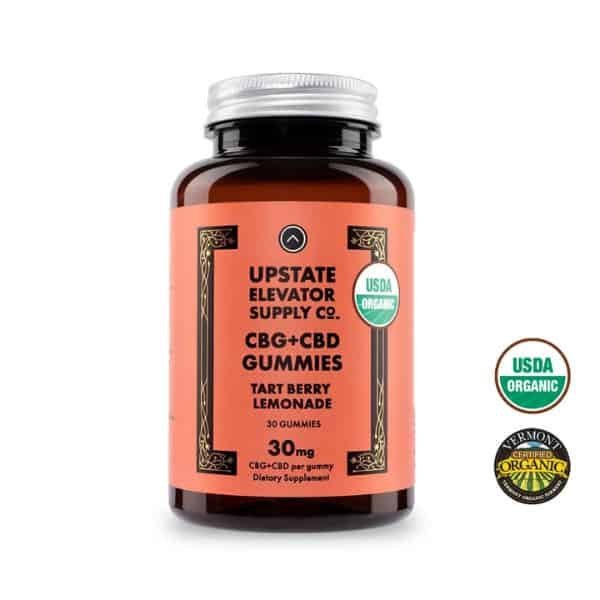
Upstate elevator CBG CBD Gummies 1

These are the Full spectrum Tart Berry gummies! They gave them all the same organic, vegan, gluten-free goodness of their gummies, paired that with mouth-watering strawberry and lemon flavor, and boosted them with 30mg of full spectrum CBG and CBD hemp extract per gummy. 

Made with all-natural, safe ingredients. 

  • 60-day satisfaction guarantee 
  • Clean, organic hemp sources
  • Wide variety of product and extract types
  • Superior customer experience

2.) Freely

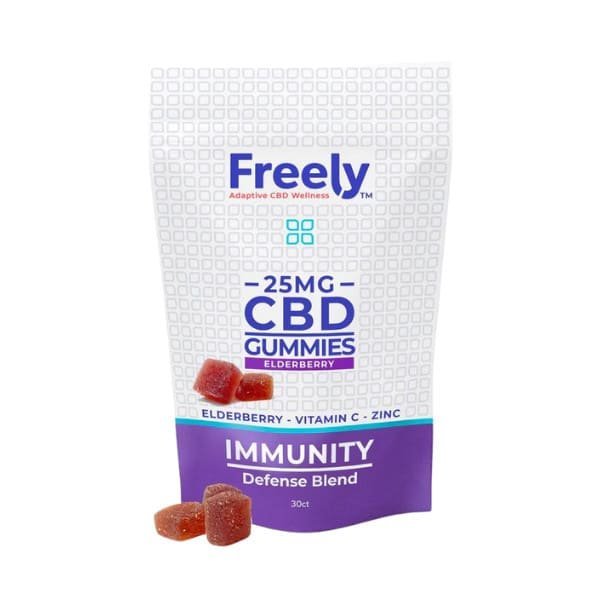
Freely CBD elderberry gummy

Immunity Defense gummies CBD + Elderberry + Vitamin C + Zinc

  • Cannabidiol Broad Spectrum CBD (THC-FREE) 750mg (25mg/gummy)
  • Elderberry 750mg (25mg/gummy)
  • Vitamin C 1800mg (60mg/gummy)
  • Zinc 150mg (5mg/gummy)

3.) Elixinol

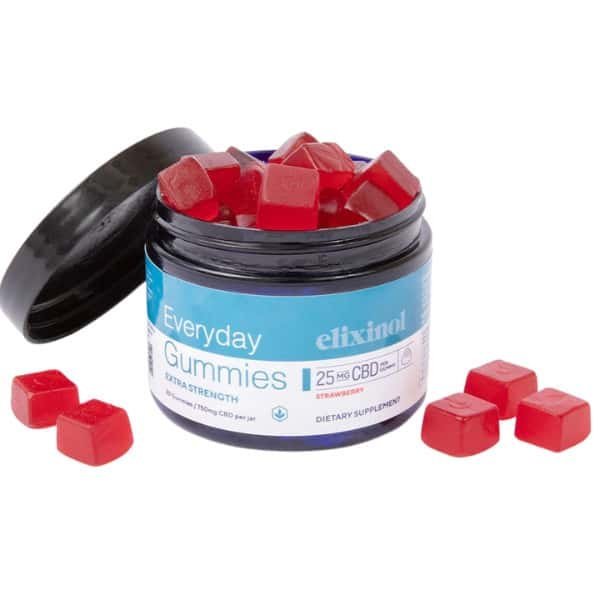
Elixinol Everyday Gummy

Everyday Extra Strength Gummy

  • 25mg CBD per gummy
  • Strawberry flavored
  • Grown in the US

For daily wellness and occasional relief, Elixinol Everyday Gummies are made with full-spectrum hemp extract and flavored with natural juices from fruits and vegetables.

  • Full-spectrum hemp extract
  • High-quality Colorado hemp
  • Comprehensive third-party testing
  • Supercritical CO2 extraction method

4.) New England Hemp Farm

New England Hemp Farm Vegan gummy

The Vegan CBD Gummies from New England Hemp Farm are made with Full Spectrum CBD, citrus pectin, which has nutritional fiber to enhance bioavailability and is vegan-friendly.

25mg per dose (1 gummy) – 10 or 30 servings per bottle

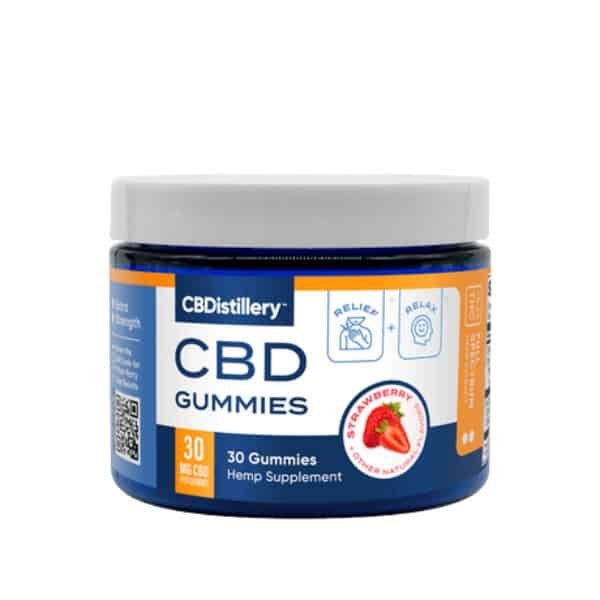
5.) CBDistillery

CBDistillery CBD Gummies

Broad Spectrum Anytime Gummies

CBDistillery was founded in 2016 as a premier source of high-quality and fairly priced hemp CBD products that are non-GMO and U.S. Hemp Authority certified with third-party tested for the purity and potency of every batch of products.

You can choose from full-spectrum, broad-spectrum, and CBD isolate gummies. Those looking for the “entourage effect” should try CBDistillery full-spectrum CBD gummies for the optimal experience.

The broad-spectrum and full-spectrum CBD gummies have 30 mg of CBD per serving, and the CBD isolate gummies have 25 mg of CBD.

CBDistillery has special formulations for day-time and night-time needs that combine various botanicals with CBD.

CBDistillery gummies cost between $50-60 for a 30-count bottle. The Gummies Mix Pack combines the Anytime Gummies and Sleep gummies costs only $100.

You can save 20% on your order if you subscribe.

There is a wide range of CBD gummies you can choose from, with different levels of CBD.

  • The gummies are full-spectrum, broad spectrum and isolate CBD.
  • 60-day return policy on purchases
  • Products are US. Hemp Authority certified and third-party tested.

6.) CBDfx

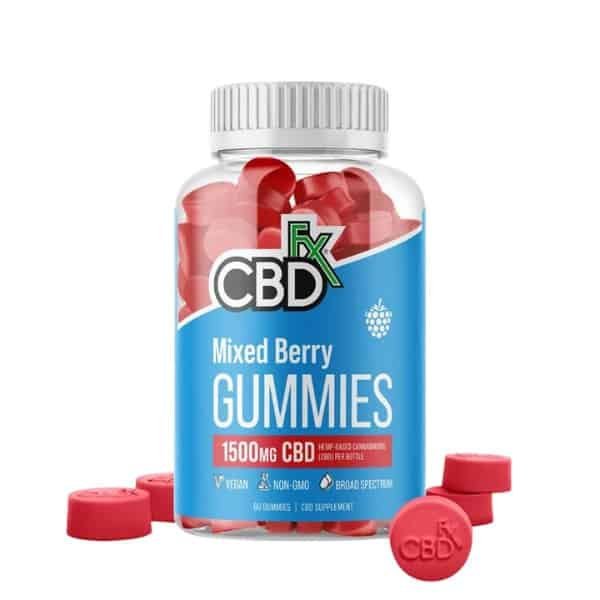
CBDfx mixed berry gummy

CBDfx has CBD gummies that support your health as a general multivitamin, antioxidant, or to support sleep.

  • Made from organic ingredients.
  • Has a variety of gummies for different needs.
  • Each batch is tested and can be verified.

CBDfx is a CBD company founded by Jameson Rodgers and Ali Esmaili in 2014 in the San Fernando Valley, California.

CBDfx’s products are free of artificial sweeteners and made with all-organic ingredients with no GMOs (genetically modified organisms). They test each batch with a third-party lab which you can find on their website.

CBDfx has a large variety of high-quality CBD products, including a sleep gummy with melatonin, a detox gummy, a gummy multivitamin, and a superfood gummy with turmeric and spirulina; this gives customers something extra from a CBD gummy

Conclusion

if you want to consume CBD in a simple, easy way, try a few kinds of CBD gummies to find the one that works for you.

Our list covers brands that offer some of the best CBD products on the market, but it’s not a complete list; if you follow our recommendations above, you can learn how to choose high-quality CBD gummies.

5 Facts About the Real Causes of Back Pain

0

Back pain is a significant complaint, accounting for most disability cases globally. The linkages between back pain and causation are several, ranging from collision, injury, poor posture, age, wear & tear, arthritis, and other medical conditions like shingles or spinal infection. 

Your occupation, health status, activity level, and age will largely determine the chances of the onset of back pain. Nevertheless, back pain can happen to anyone. 

If you or someone you know is experiencing back pain and unsure of what caused it, we’ll be discussing the several causes and symptoms of back pain so that you can better understand its origins.

We’ll also discuss ways to treat back pain both on your own and medically, under the supervision of a healthcare provider. You’ll also learn preventative measures, so you don’t reach the point of pain and injury.

 Chronic back pain can be uncomfortable and acutely debilitating at its worst. Back pain can be managed by approaching your health with a preventative, proactive mentality and giving it the attention it deserves. 

Causes of Back Pain

As mentioned, back pain is quite common. Millions of people experience it daily, which is the leading cause of disability in America and worldwide. 

So, if you’re suffering from back pain, chronic or acute, you’re not alone. The good news is that there are treatments, and back pain can be well managed depending on the severity. 

Back pain comes in many forms and fashions, from strains, sprains, herniated discs, and degenerative disorders, to arthritis, deformities, infections, and tumors. Back pain can also be caused in many ways by several different circumstances. For example, depending on the location of your pain, some causes are more likely than others. 

For example, if you’re experiencing spinal discomfort, it may be attributed to a herniated disc or degenerative condition. However, if you’re experiencing acute lower back pain, it can often be a result of an overuse injury, poor posture, or lack of strength throughout your posterior chain. Finally, if you’ve suffered from trauma, this can lead to significant pain throughout the back and other parts of the body. 

The following is a list of the several causes of back pain, both standard and uncommon:

  • Trauma (i.e., collision, car accident)
  • Arthritis 
  • Benign Tumor
  • Infection
  • Osteoporosis 
  • Overuse Injury (i.e., spasm, muscular tension, strain, sprain, fracture)
  • Disc disease (i.e., ruptured, bulging, herniated) 
  • Sciatica 
  • Scoliosis 
  • Shingles
  • Cancer of the Spine
  • Kidney Problems 
  • Osteomyelitis

The causes above, though not all-encompassing, are an extensive list of potential causes of your back pain. Such causes are:

  • Typically the result of everyday activities such as heavy lifting.
  • Twisting the wrong way.
  • Sitting in a poor position for long periods.

Other causes result from a more severe circumstance, typically medically related, such as cancer, autoimmune disorders, and traumatic accidents. 

Symptoms of Back Pain

The most apparent symptoms of back pain are, of course, general aches and tenderness around the source. Depending on the severity, these pain symptoms can extend down your leg and elsewhere. 

What is the Cause of my Back Pain?

If you’ve “thrown out your back” from misuse or overuse, it’s usually only a minor strain. If this is the case, symptoms will often improve quickly. Just be sure to rest and allow the healing process to occur optimally. 

If you’ve done more extensive damage to your back, medical attention and more diligent forms of treatment may be necessary.

Below are the several associated symptoms of back pain: 

• Aching in the lower back

• Shooting pain through the sciatic nerve

• Stiffness and tenderness

• Debilitation and poor mobility 

• Numbness or weakness 

• Inability to sleep or find comfort 

• Loss of internal control systems (i.e., bowel and bladder)

• Muscle spasms

While some symptoms are more severe than others, many are treatable.

How to Treat or Prevent Back Pain

A common theme with back pain, or any physiological pain, is lifestyle changes. If you’re experiencing pain and unsure how it was caused, it can likely be treated by exercise, diet, and quitting poor habits. While it may not make sense how what you eat and exercise can reduce pain, it plays a massive role in physiological health.

However, if you’ve suffered from a traumatic injury or live with chronic conditions like arthritis or sciatic nerve damage, treatments must be more extensive and typically include medical attention.

While the best medicine is and always will be prevention, below are the most common effective treatments used to manage back injuries, both mild and severe: 

• Lifestyle changes (i.e., diet and exercise)

• Steroidal injections 

• Anti-inflammatory prescription medication

• Muscle relaxants 

• Surgical procedures 

• Rest and recovery 

• Postural improvements 

• Physical rehabilitation 

 Adopting a proactive and preventative approach to your physiological and general health is essential, as seeking professional help promptly and doing all necessary to optimize success during your rehabilitation journey.  

Conclusion

Because back pain is such a prominent occurrence, it’s imperative to take the proper precautionary and preventative measures to ensure that you can adequately deal with its possibility. 

In addition, simply coping with back pain shouldn’t be the primary way to approach the pain. Instead, if you begin to experience any symptoms of back pain, mild or severe, it’s essential to take the initiative to seek treatment, whether on your own or with the help of a doctor.

Overall, you can manage back pain through decisions within your control. Moreover, if you do experience back pain, it can be treated.

Medicare Plan G vs Plan G High Deductible

0

Quick answer

High-deductible Plan G covers the same benefits as standard Plan G, but you pay the first $2,950 of covered costs in 2026 ($3,050 in 2027) before the plan starts paying. In exchange, its monthly premium is usually much lower. Standard Plan G has no plan deductible; you pay only the Part B deductible ($283 in 2026).

Key Medicare figures, 2026 and 2027

Figure20262027Source
High-deductible Plan F and G deductible$2,950$3,050CMS 2026, CMS 2027
Part B annual deductible$283Announced by CMS in NovemberCMS
Part B standard monthly premium$202.90Announced by CMS in NovemberCMS

Last reviewed October 26, 2026 by Greg Wilson against official CMS, Medicare.gov and state insurance department sources. CMS announces 2027 Part A and Part B amounts in the fall; this table will be updated when they are released.

Are you stuck trying to differentiate between Medicare Supplement Plan G and Plan G’s high deductible? Then this article is for you.

What is Medicare Plan G High Deductible?

Medicare Plan G’s high deductible is commonly believed to be the replacement for Plan F’s high deductible because they offer the same benefits. More importantly, if you become eligible for Medicare after January 1, 2020, you can’t enroll for Plan F.

Medicare Supplement Plan G’s high deductible is a good plan to be considered enrolling for since it offers a lowered premium. The deductible for Plan G High Deductible which you need to pay for, is $2,950 in 2026.

Some of the benefits of Medigap Plan G High Deductible are highlighted below:

●     It covers Part B coinsurance and copayment.

●     It covers Part B excess charges.

●     It covers skilled nursing facility care costs.

●     It covers the first 3 pints of blood.

●     It covers additional 365 days of Part A coinsurance and hospital costs after Medicare benefits are used.

●     It provides durable medical equipment.

What is the difference between Medicare supplement Plan G and Plan G high deductible?

Medicare supplement Plan G and Plan G high deductible are offered by a private health insurance company (not an Original Medicare).

Medicare Supplement High Deductible Plan G is among the newest Medigap plans, which were created for those who want to benefit from Medicare Plan G but don’t want to pay high monthly premiums. The major difference is that you pay a higher Part B deductible and out-of-pocket cost but lower premiums for the same benefits.

Who Needs Medicare Plan G high deductible?

Medicare supplement plan G’s high deductible was specially made for the following set of people:

  1. People who want to pay higher deductibles instead of higher, lower monthly premiums.
  2. People who rarely require the doctor’s services or visit the hospital once in a Blue Moon.
  3. People who travel far from their home country yet want their overseas health care costs to be covered by Medicare.
  4. Live in a state that allows excess charges

Should I Enroll in Medicare Supplement Plan G High Deductible?

We can’t affirmatively recommend you enroll in Medicare because your needs and budget determine your plan choice. We can advise you to carefully check the plans’ pros and cons and decide which is best for you.

After considering this and you are convinced that this is the best plan for you, then follow these easy steps to enroll:

●     Log in to Medicare and enter your Zipcode to know the available plans in your area.

●     Compare and contrast the plans and choose the plan that serves you best.

Conclusion

The best Medicare Plan is the one that serves you best. Choose wisely, and don’t be deceived by anyone.

●     Get a quote and juxtapose the rate with plans available in your area. Then you are good to go.