

Home Blog Page 34

Tips and Tricks to Help You Manage Your Chronic Kidney Disease Symptoms

The symptoms of chronic kidney disease can be pretty bothersome. When your kidneys aren’t functioning as they should, this can result in several health problems, some of which may become very serious. 

However, you don’t have to accept painful and sometimes ominous symptoms as part of your new normal. However, you can make some adjustments in your life to deal with these symptoms.

It’s helpful to know all the symptoms you can experience in chronic kidney disease, so you’ll be better prepared to take charge of your health.

Common Symptoms of Chronic Kidney Disease

Some people experience few or minimal symptoms from chronic kidney disease during the early stages. However, early signs can be light and easily confused with other health issues since most symptoms are nonspecific.

It’s important to talk to your doctor to clarify your concerns, even if you only experience a few of these symptoms.

Nausea and Fatigue

Increased nausea is a common symptom of kidney issues, as is vomiting. You may experience full-body discomforts such as muscle cramps or spasms, and you’re likely to feel more tired than usual.

If these symptoms don’t have a clear cause, it doesn’t always mean kidney disease, but it’s a good idea to seek medical attention from a professional.

nausea and fatigue 1

Changes in Appetite or Sleeping Habits

Kidney problems may interfere with your usual sleeping and eating routines. For example, you may feel less hungry than expected, and while some brain fog is common, you may also have more difficulty falling and staying asleep.

Appetite and sleeping issues are also common symptoms for a variety of conditions. Like nausea and fatigue, it’s worth keeping an eye on these symptoms and addressing any concerns with your doctor.

Fluid Build-up

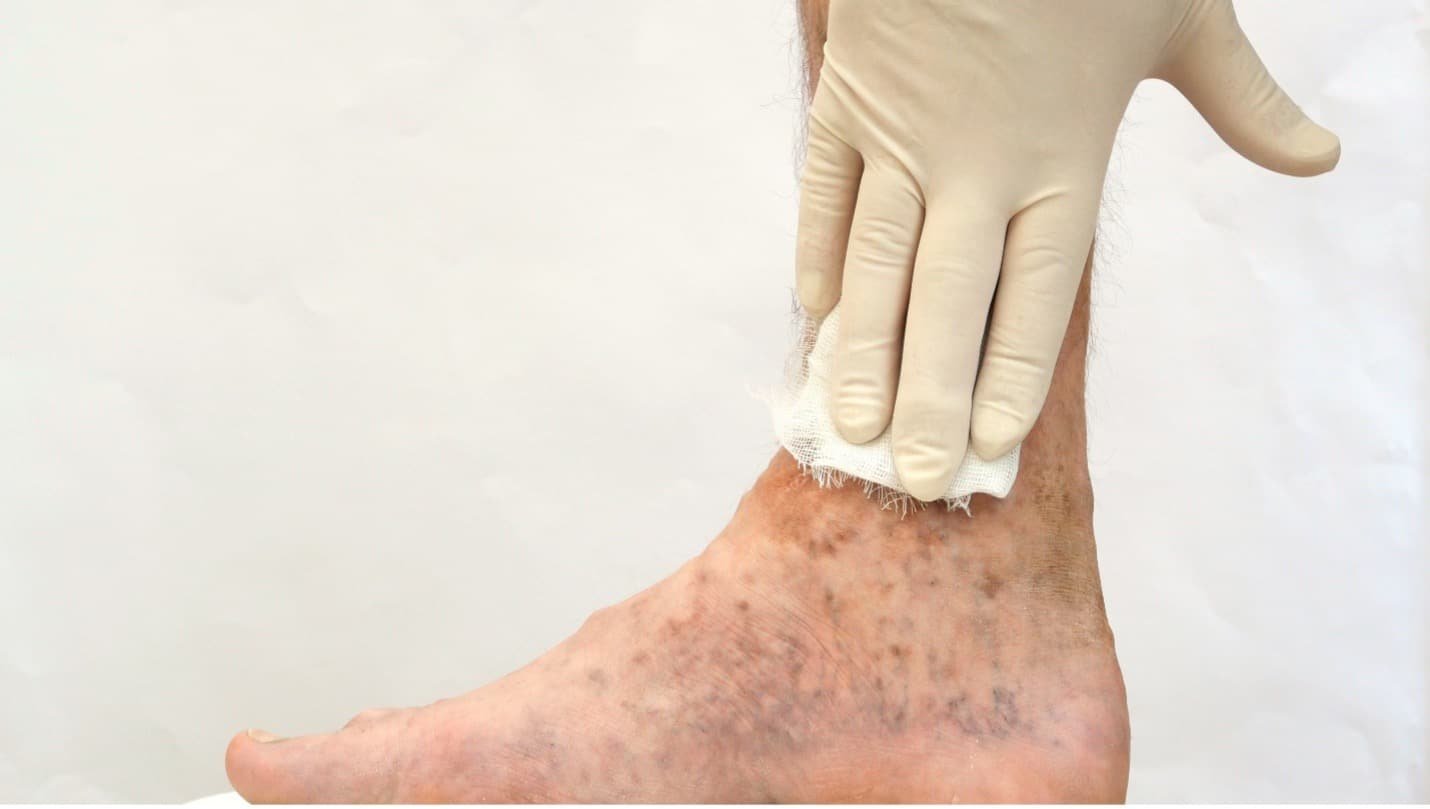
Your kidneys control your body’s ability to process and dispose of excess fluids. When they’re damaged, you can retain fluid, which leads to uncomfortable swelling in your arms, legs, hands, and feet.

Fluid can also build up in more dangerous areas, such as in your lungs and around your heart. If you have difficulty breathing or experience chest pain, don’t delay getting checked out by a physician.

Unusual Urination

Since your kidneys are part of your renal system, many people experience changes in how frequently they urinate. As a result, the kidneys can no longer filter and concentrate waste in your urine normally, which can result in more frequent urination urges, which is especially telling if you wake up frequently at night to use the restroom. However, if chronic kidney disease progresses, your urine may turn into a dark or unusual color such as red, brown, or sometimes purple.

Lifestyle Changes for Managing Symptoms

Many people can successfully manage their symptoms just by making a few changes to their usual lifestyle. Changing your diet, increasing your activity, and decreasing your indulgence in alcohol and tobacco can save you from dealing with more troubling symptoms later.

Adjust Your Diet

Diet plays a massive role in your overall health, including the health of your kidneys. Eating healthy can go a long way toward easing many symptoms.

Try to limit the number of foods you eat that contain compounds your kidneys struggle to process. For example, foods containing high-salt and high-fat and high phosphorus, high potassium, and high protein are best kept to a minimum.

You should also monitor your blood sugar, especially if you have diabetes. Adopting a diabetes-friendly diet is critical for managing kidney disease symptoms and preventing further kidney damage.

Exercise

Exercise is excellent for your body, but you don’t necessarily have to become a gym rat to stay in shape. Just 30 minutes of light aerobic exercise a few times a week can significantly impact your well-being, which means there’s little excuse not to do it.

If you cannot do light cardio exercise, try some simple strength training with dumbbells, or even some yoga exercises can be helpful. Anything that gets you moving is worth doing.

Exercise and proper nutrition are the keys to managing your weight. Obesity can exacerbate kidney damage, so burning off excess body fat is always a good idea.

Avoid Tobacco and Alcohol

Smoking and drinking can increase your risk of developing or worsening chronic kidney disease by over five times. The best thing you can do for your body is to cut back seriously or eliminate the bad habits. 

Other Chronic Kidney Disease Treatments

Lifestyle changes aren’t the only chronic kidney disease treatments available. Your doctor can provide you with essential resources for medications and procedures that treat your condition.

For the early stages of kidney disease, you might take vitamins, supplements, and medications such as diuretics. However, later stages of the disease may require a procedure such as a kidney transplant or a procedure to facilitate dialysis. If possible, it’s best to prevent further kidney decline with careful treatment of the kidneys from the start.

Conclusion

The symptoms of kidney disease don’t have to be overwhelming. However, with proper kidney management and small lifestyle changes, you can manage your symptoms efficiently and keep your kidneys as healthy as possible.

How to Switch Medicare Supplement Plans and Save Money

0

You may have asked, “Can I change Medicare Supplement plans anytime?” The answer is yes; you can change Medicare supplement plans. But another question to ask yourself is, ” Do I need to change it?”

This article will let you know whether you need to change your Medicare supplement plan or not.

Let’s get started.

The Medicare supplement plan is otherwise known as Medigap.

It is a health insurance policy issued by private insurance companies to cover loopholes in Original Medicare policies.

Medicare supplement plans help pay some of the health services costs not covered by Original Medicare (Medicare A and B), including copays, coinsurance, and deductibles. However, it is worth noting that Medigap does not replace Original Medicare.

7 Things You Must Know About Medicare Supplement Plans

1. To be a beneficiary of the Medicare supplement plan (Medigap), you must have enrolled for Medicare Part A and Part B.

2. A Medigap policy is uniquely different from a Medicare Advantage Plan. A Medigap policy plan does not replace Original Medicare but gives additional benefits to Original Medicare.

3. A Medigap policy is solely for a single person; if your spouse is interested, you must purchase different policies.

4. Pay a monthly premium for your Medigap policy to the private health insurance company. This payment is different from the monthly premium paid to Medicare.

5. Medigap policies can be renewed. In other words, a health insurance company can’t discontinue your Medigap policy if you pay your premium.

6. You can’t buy a Medigap policy if you already have a Medicare Advantage Plan.

7. Medigap policy doesn’t pay for hearing aids, dental care, private doctor or nurse services, or vision care.

Why You May Want To Change Your Medicare Supplement Plan

1. You can change your Medicare supplement plan if you are not pleased with your current Medicare supplement plan.
2. You can change it if you find a plan offered by a different company that gives the same or better benefits at a cheaper rate.
3. You wish to try another company and see what they offer.

When is the Best Time to Change Medicare Supplement Insurance Plans?

It’s exciting to know that you can apply for a change of Medicare Supplement anytime. However, some conditions must be fulfilled, which are:
1. You must be registered in Medicare Part A and Part B.
2. You must be within your 6-month Medicare Supplement Open Enrollment Period (OEP). This time begins when you turn 65 years or older and are registered in Medicare Part B coverage.
3. You must have guaranteed-issue rights to change the Medicare supplement plan.

How Can I Change Medicare Supplement Insurance plans?

Changing your Medicare Supplement plan is not difficult as long as you follow due process. The first step is to call the health insurance you are currently subscribed to and inform them of your intention to change your supplement plan.

As soon as your application is accepted, ask the health insurance how to end your current plan, then follow the instructions.

Conclusion

You can change your Medicare Supplement plan anytime you want. However, you must carefully review your current plan and the new plan you wish to enroll in, which will help you make a better decision.

7 Common Post-Stroke Complications in Older Adults

A cerebral vascular accident or stroke is an arising medical condition requiring immediate treatment by a health care professional. The earlier a stroke is treated, the better the outcome. Yet, many strokes will have delayed treatment for many reasons, resulting in significant neurological deficits in such individuals. For example, older adults who have had a stroke can subsequently develop other medical complications. These complications will require effective management to prevent additional problems.

While strokes can happen to individuals of younger ages, they most commonly occur in the older population. According to the American Heart Association, patients older than 85 make up nearly 17% of all stroke incidents.

In what follows, we’ll discuss some more common complications that can occur during post-stroke recoveries, such as swallowing, difficulty ambulating, and communication problems.

Characteristics Of A Stroke

As the fourth leading cause of all-risk mortality in the U.S, known to result in more severe long-term effects than any other disease, disorder, or condition, a stroke is a brain injury caused by a lack of blood supply to an area of the brain. This loss of blood supply is usually the result of a blockage in a blood vessel or the rupture and hemorrhage of a blood vessel. If a stroke is caused by a blockage or blood clot, it’s known as an ischemic stroke. A rupture in a blood vessel causes it; it’s a hemorrhagic stroke.

Types of Post-Stroke Complications

Several complications can occur post-stroke, and the more severe the stroke, the more likely these complications can occur.

In many cases, individuals affected by a stroke will experience some aspect of cognitive or physical deterioration and can have difficulty with memory issues, muscle weakness, and even depression.

You can minimize stroke complications, and the severity of complications can be decreased by promptly treating a stroke within the first 12 to 24 hours of the start of symptoms.

Below are some of the more common complications that can occur post-stroke in individuals:

• Swallowing and Eating Issues
• Difficulty Ambulating
• Speech and Communication Issues

Types of Post-Stroke Complications

Swallowing and Eating Issues

A post-stroke condition commonly seen in elderly stroke patients is dysphagia, which is difficulty swallowing. Muscles involved in eating do not function properly, and food or liquid does not effectively get transferred from the throat down the esophagus and into the stomach. This dysfunction can lead to other complications, such as pneumonia and malnutrition.

Because of the complexity of the condition, you may have to retrain yourself to eat and swallow safely. This process is best accomplished by combining speech therapy, monitored swallowing techniques, electrical stimulation, and other compensation measures.

Difficulty with Mobility

The most common consequence of a stroke is motor impairment, typically a direct result of the loss of brain control of specific muscles. Yet, the process can also be more of a developmental consequence as the brain becomes atrophic after the injury and suffer long-term chronic dorsiflexion of the feet and ankles in the lower extremities that have become paralyzed from a stroke.

Yet, in many cases, the loss of function in the lower extremities is minor, and individuals can regain the ability to ambulate with assistance, often with a walker. With physical and occupational therapy, mobility can improve dramatically for these people. Therefore, the senior individual needs to be able to get around to manage daily living activities better.

difficulty with mobility

Speech and Communication Issues

Many post-stroke individuals suffer from speech and communication difficulties. This condition, called aphasia, occurs in about 33% of stroke patients and results when a stroke occurs in the area of the brain that controls the ability to speak.

If speech and communication issues occur due to a stroke, speech pathology therapy and communication therapy can be utilized to treat and manage this condition.

Other possible complications post-stroke include a variety of cognitive impairments, bowel dysfunction, and generalized pain.

Prevention of Post-Stroke Complications

Post-stroke rehabilitation will include a large team of health care workers: neurologists, physical therapists, speech pathologists, surgeons, and general medicine doctors. The appropriate management of post-stroke conditions such as those discussed will help prevent complications such as aspiration and falls, which can both be life-threatening.

It’s helpful to consider the ways to help to prevent a stroke. Some medical issues can’t be prevented, yet there are, however, several lifestyle changes that one can make to defend against the possible development of a stroke.

Below are some of the most effective preventative suggestions:

  • Reduce Environmental Stress
  • Receive Regular Blood Pressure Check-Ups
  • Eat Healthily and Exercise Regularly
  • Eliminate Bad Habits Like Smoking

Finally, if an individual has already experienced a stroke, they need to remain vigilant with regular doctor check-ups and lifestyle interventions as suggested above.

Conclusion

It’s essential to understand the damaging nature of a stroke and that fast treatment is the way to achieve the best outcomes. However, the senior population does have a higher risk of mortality and disability with increasing age.

Remember that adequately managing the common complications of stroke can significantly improve the quality of life for post-stroke individuals.

Elderly Fall Prevention: Key Risks and How to Avoid Them

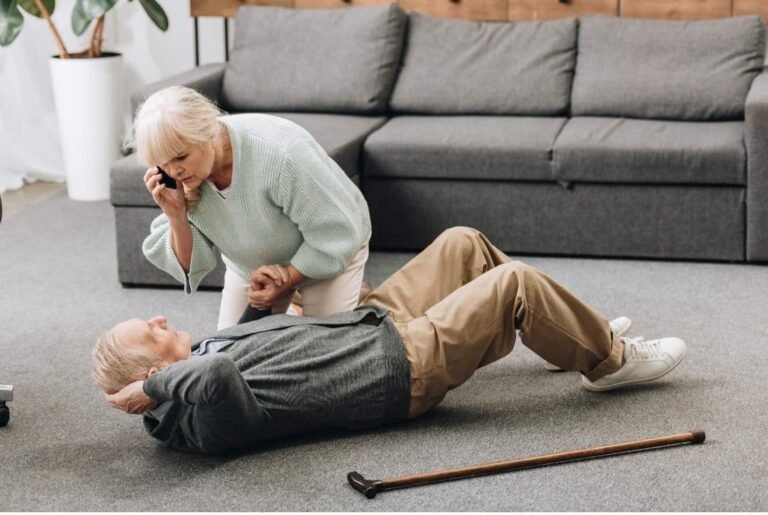
Each year, millions of elderly individuals over 65 will experience a fall, and many will fall again soon after the first fall. These falls often result in serious injuries, such as fractures or head injuries.

In fact, according to the CDC, 800,000 individuals annually over the age of 65 are hospitalized due to a fall. In addition, falls are the second leading cause of unintended fatality worldwide, and they are the leading cause of death in individuals over the age of 65.

The prevalence of falling and its accompanying consequences in the elderly is a significant problem, and the problem is even more exacerbated by unreported falls that go untreated.

In what follows, we’ll discuss the problem with falls in the elderly and the associated causes and complications associated with these falls. We’ll also cover some of the preventative measures to decrease risk.

Simple fall-prevention gear

Bed steps with handrails and non-slip grip socks are two low-cost ways to cut slips at home.

Step2Health bed stepsGripjoy grip socks

Partner link: SeniorAffair may earn a commission if you buy, at no extra cost to you.

Common Causes of Elderly Falls

Because we know that the leading cause of elderly deaths, injuries, and hospitalizations is falling, it’s essential to identify the primary causes of these falls.

Some of the common causes of falls in the elderly include:

• General Weakness and Osteoporosis
• Medication Side Effects
• Stroke or Heart Attack

Generalized Weakness and Osteoporosis

As individuals age, they risk falling because older muscles will lose some strength over time. In addition, osteoporosis, which is the condition where bones become more brittle and fragile, often due to calcium or vitamin D deficiency, is a prevalent elderly condition. The combination of these issues will increase the risk of falls dramatically.

Medication Side Effects

Medication Side Effects

Certain medications are a well-documented risk factor for falling. For example, medications used for the treatment of such conditions as high blood pressure and heart disease can cause the side effects of dizziness and fainting. Some individuals can be susceptible to high blood pressure medication, and the medication can cause a significant decrease in resting blood pressure. When this occurs, the risk of becoming dizzy and passing out is relatively high. In addition, certain heart medications can also cause these same side effects.

Stroke or Heart Attack

It’s also possible that an acute medical illness, such as a stroke or a heart attack can lead to falls in the elderly.

Other potential causes for elderly falls can be decreased vision, slow reflexes, or cognitive impairment.

Complications of Elderly Falls

Several complications can occur with elderly falls, and the risks of these complications can be pretty high in the geriatric population.

These are some of the common complications associated with elderly falls:

• Head Injuries
• Hip Fractures
• Bleeding Complications

Head Injuries

Head injuries can occur more commonly in elderly individuals because they are less likely to be able to protect their heads in a fall compared to the younger population. These injuries can be as simple as a bruise or as complicated as a traumatic brain injury.
One of the highest incidences of traumatic brain injury is in the over 85-year age group.

Hip Fractures 1

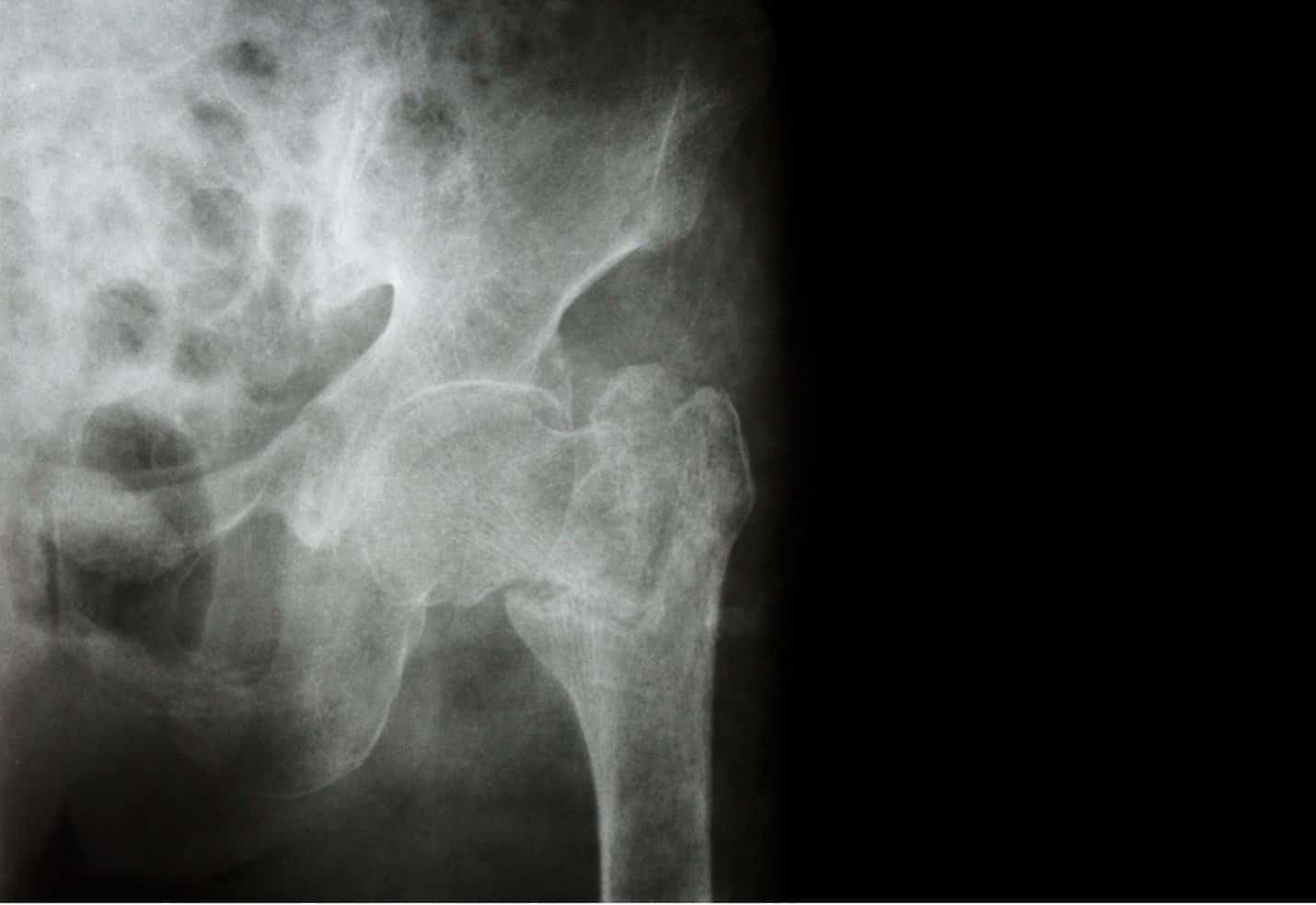
Hip Fractures

The rate of hip fractures in the elderly is rising yearly, and most causes are accidental falls. For example, in 95% of hip fracture cases in individuals over 65, the cause of the fracture is a fall.

Bleeding Complications

If an elderly individual is on blood thinners for a medical condition, the risk of bleeding complications post-fall increases significantly. For example, head injuries that cause lacerations of the scalp in these individuals can be even more severe since the scalp is a highly vascular area.

Preventative Measures for Falls in The Elderly

Because the causes of falls can often be linked to the sedentary lifestyles of the elderly, some of the most effective preventative measures for falls include exercise and physical activity.

Some of the best preventative measures an aging individual should implement to combat the risk of falling include exercise, environmental adjustments, creative interventions, and using specific tools such as walkers and wheelchairs where necessary. In addition, older individuals must understand that their age will require specific adjustments to their behavior, and they need to be willing to accept assistance in certain activities.

 In some cases, it might be a good idea to find the senior living cost for special senior living care or communities to help lower the risk of falls or to have help on hand should there be an incident.

Items like walk-in tubs are useful in the bathroom and even in a bedroom close to a water source, this model had a low threshold for entry and many safety features for peace of mind.

When taking blood pressure or heart medication, it’s vital to closely monitor their blood pressure throughout the day to ensure that the medication dosage is correct for them and that their blood pressure does not become too low to walk upright without assistance safely. Using a cane or walker is helpful when taking any new medications to help prevent falls. In addition, health care providers must determine if the risk of falls and injury is higher than the benefits of medication treatment for elderly individuals.

Conclusion

Falls in the elderly population can result in significant complications. These complications can markedly impair an older individual’s quality of life. The utmost attention should be made to preventing falls in the elderly population.

7 Ways Chronic Kidney Disease, Diabetes, and Hypertension Are Related

0

Chronic kidney disease can come from several health conditions, habits, and genetic factors. Still, the two most common are diabetes and hypertension.

These two conditions are well noted as primary chronic kidney disease causes, as they impact your kidneys’ health in detrimental ways.

Now, having one or both of these conditions doesn’t automatically lead to the development of chronic kidney disease. Yet, once you know more about how diabetes and hypertension can badly affect kidney health, you’ll be better equipped to minimize your risk. You’ll want to do everything you can to control these illnesses, which damage the kidneys.

Understanding Chronic Kidney Disease Causes

Chronic kidney disease occurs when your kidneys can no longer filter out toxins and other waste products from your blood with the same efficiency. Any condition that either increases the need for filtration or interferes with regular kidney function can become a big problem.

Diabetes and hypertension are common chronic kidney disease causes because they have a direct negative impact on your kidneys. When they occur together, your risk of kidney damage is much higher than if you had either disease on its own. So keeping these conditions under control is very important.

Diabetes and Your Kidneys

Kidney damage caused by diabetes is known as diabetic kidney disease. It’s a very prevalent condition, with nearly one in every three people who have diabetes also developing some kidney damage.

Still, not all people who have diabetes are guaranteed to get kidney disease. The difference typically lies in how well you take care of your body after a diabetes diagnosis. Doing so will help to understand the connection between the two conditions.

Blood Glucose Levels 1

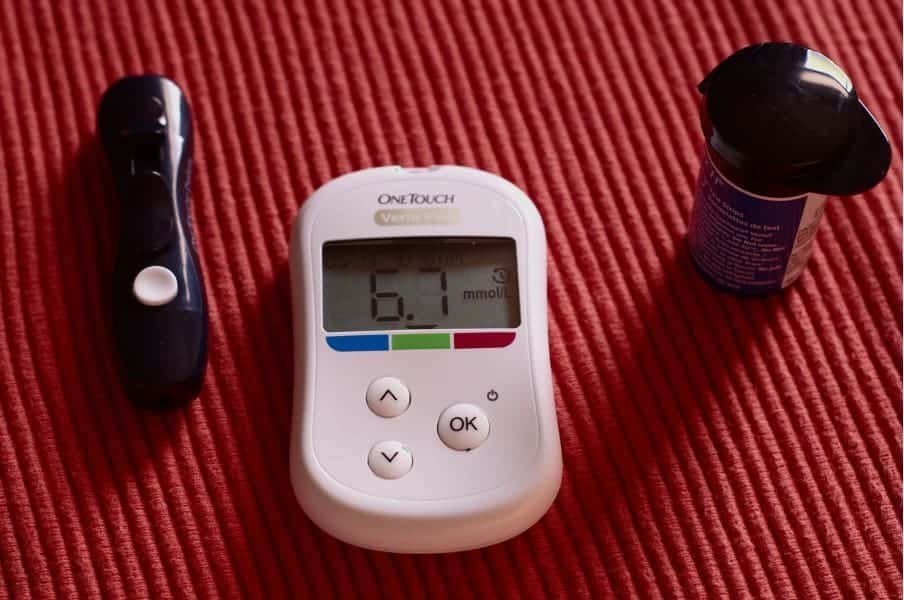
Blood Glucose Levels

When you have diabetes, your body cannot produce or use insulin at the same rate as a non-diabetic person.

Insulin is responsible for breaking down sugar in your bloodstream. Without it, your blood sugar levels rise too high, which can have adverse effects. This includes nerve damage, heart disease, vision problems, and, of course, kidney damage.

How Diabetes Causes Kidney Disease

Having high blood glucose levels for an extended time is known as hyperglycemia. It can damage your blood vessels, interfering with your body’s ability to transport blood to your organs.

Having a lot of glucose in your blood also reduces the amount of nitric oxide. This is a vasodilator, which means it widens your blood vessels and improves blood flow. Without nitric oxide, blood vessels remain narrow, which correlates with high blood pressure.

Hyperglycemia may damage blood vessels in or near your kidneys. This means your kidneys aren’t getting the blood flow they need to function correctly and can no longer efficiently filter waste out of your bloodstream.

Hypertension and Your Kidney

Hypertension is another name for high blood pressure. You’ve probably had your blood pressure taken before, but what do those numbers mean practically?

Your blood pressure is a measure of the force of your blood cells as they push against the blood vessels in your body. When pressure is normal, blood cells pass through your arteries normally. 

When pressure is too high or too low, it harms the regular blood supply to your organs.

Both high and low blood pressure can cause concern, but high blood pressure is more likely to cause damage to your kidneys. This is because it can have a lasting impact on your blood vessels and their effectiveness at transporting blood throughout your body.

Hypertension and Your Kidneys 1

How Hypertension Causes Kidney Disease

Like diabetes, hypertension can also damage your blood vessels. When your blood pressure is high, your heart and the circulatory system must work harder to keep your blood pumping.

Over time, this increased workload and decreased efficiency cause damage to the blood vessels. The blood vessels simply can’t keep up with the higher blood pressure. Instead, they become overworked and sustain damage over time.

The blood flow to the kidneys is impaired, resulting in chronic kidney disease and an increased risk of conditions like heart attacks and stroke.

Conclusion

While diabetes and hypertension are strongly correlated with chronic kidney disease, this doesn’t mean kidney damage is an inevitable outcome.

You can protect your kidneys by managing these conditions efficiently, ensuring they don’t get any worse. This can be accomplished by exercising more frequently, making nutritional decisions that feed your microbiome, and cutting out heavily processed foods from your diet.

This way, you can manage and prevent a potential source of your kidney deterioration. 

4 Types of Adaptogen Herbs for Treatment You Should Know About.

0

When you’re facing a potentially frustrating disorder like that of the adrenals, there are many natural treatments that you can employ to help you deal with the troubling condition. One of the most celebrated types of therapy in the natural medicine world is the use of adaptogen herbs, which are powerful non-stimulating herbs and plants, except for ginseng. 

If you have been considering adaptogen herbs for your adrenal fatigue, then you will be happy to learn about four different adaptogen herbs you can use for treatment. 

ginseng dried vegetable herb healthy food famous export food in korea country t20 02AX29
Dried Ginseng

Ginseng

This root is the most common of all of the adaptogen types. Ginseng has a small amount of stimulant that can help revitalize you and wake you up when you need it. 

Ginseng is known for helping the body more efficiently metabolize stored energy and helps to improve your endurance. Ginseng contains a high level of antioxidants and is the perfect agent to help you deal with stress and repair damage done to the body by hormonal imbalance and free radicals that can cause cancer. It is also excellent at repairing oxidative stress. You can find it here.

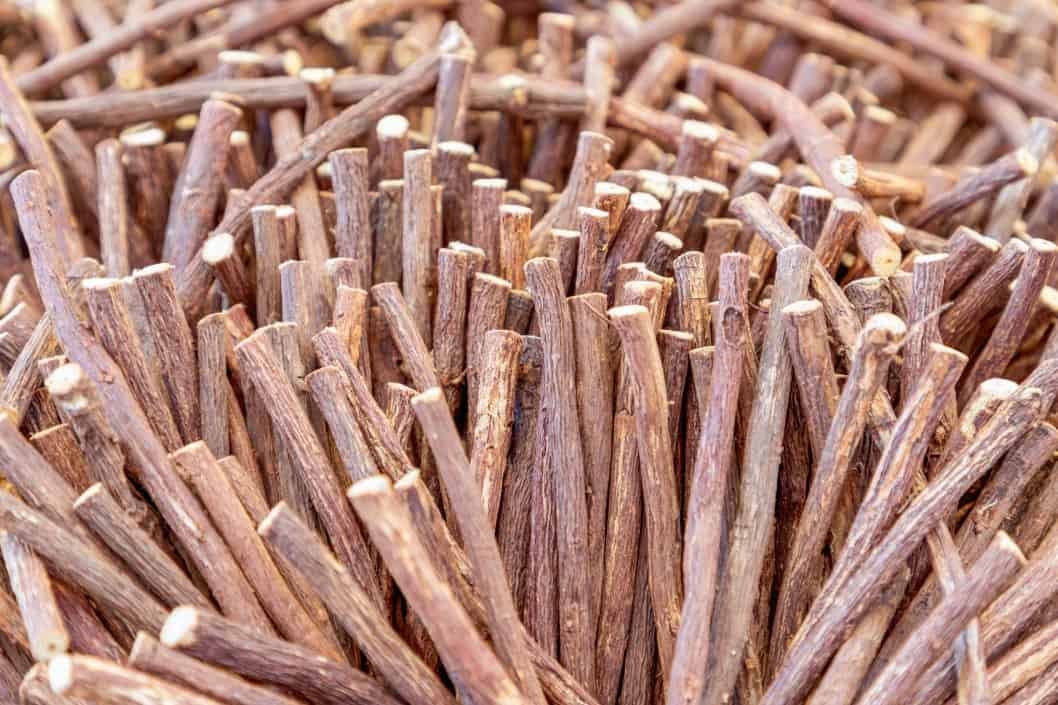
liquorice fresh licorice root selective focus t20 e9pk7B
Licorice root

Licorice Root

Like many of the herbs on this list, licorice root can foster a significant increase in energy by boosting the immune system and protecting many organs against damage caused by cortisol. When the hormone cortisol is under control, it is easier to achieve control over your emotional state, and it helps to improve metabolic functions. 

The only catch is that while the root has many positive attributes, you should only use it under medical supervision because it can significantly change your blood pressure. Find it on Amazon.

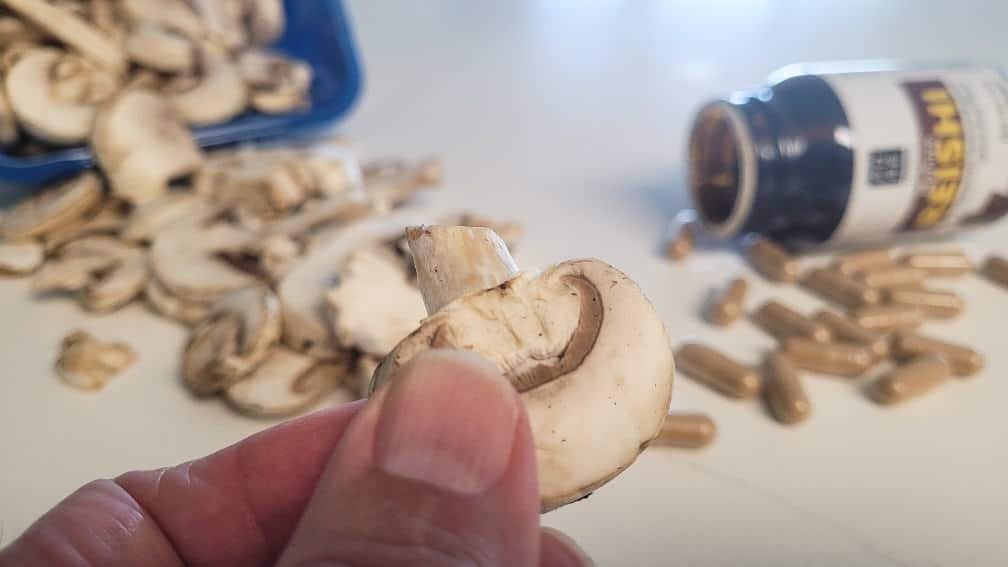
Reishi Mushroom
Reishi Mushroom

Reishi Mushroom

There are a few classes of mushrooms that are excellent and powerful antioxidants. Reishi mushrooms are one of the strongest, mainly due to their extreme nutrition concentration and ability to boost immune functions. Doctors have linked these mushrooms to decreased tumor activity, and many professionals have seriously begun researching these beneficial fungi. In addition, nutritionists have suggested adding certain mushrooms to the diet for decades for their positive influence on depression and hormonal imbalances in people. 

Even though they arenít as popular as some herbs like ginseng, their value has been firmly established. You can find some here.

root dry of rhodiola rosea in spoon on tray 2021 08 27 21 14 41 utc
Dried Rhodiola root

Rhodiola

In the last few decades, dozens of studies have been done on Rhodiola. Since the 1960s, it has been well documented that Rhodiola has beneficial effects on depression, anxiety, and other disturbances of emotions. At one point, they used it to effectively treat the stress that pilots and cosmonauts experienced. You can find them on Amazon.

You may also like

Best Wigs & Hair Solutions for Women Over 55 in 2026 (Honest Reviews)

0

Who this is for: Women 55 and older experiencing hair thinning, hair loss or those who simply want a low-maintenance, gorgeous look without spending hours at the salon.

Hair changes dramatically after 55. Thinning at the crown, loss of density, slower growth, and texture changes are all normal — but that doesn’t mean you have to live with a look you don’t love. Today’s wigs are nothing like what your grandmother wore. Modern options are lightweight, realistic, and easier to put on than a ponytail.

This guide reviews the best wig brands and hair solutions for mature women in 2026 — with honest assessments of what’s worth buying.


Quick Comparison: Best Wigs & Hair Solutions for Women Over 55

BrandBest ForKey FeaturePrice Range
Wig Fever — Wear & GoEasiest daily useGlueless, ready in secondsMid-range
Wig Fever — Short BobClassic, low-maintenance stylePre-cut, pre-styledMid-range
Wig Fever — HD LaceMost natural-lookingInvisible hairlineMid-range
Wig Fever — ColoredFun, expressive looksVibrant color optionsMid-range
UNicePremium human hairFully customizableMid-to-premium
KeraFactor (serum)Stimulate natural regrowthHair growth factorsPremium

Why Modern Wigs Are a Game-Changer for Women Over 55

Before diving into reviews, let’s address the elephant in the room: wigs today are not what they were 20 years ago.

The technology has advanced dramatically:

  • HD lace is nearly invisible against skin—no unnatural hairline
  • Glueless construction means no messy adhesive and easy removal
  • Pre-styled options eliminate the need for any styling skills
  • Human hair blends look and feel exactly like natural hair
  • Lightweight caps prevent the headache and heat that old-style wigs caused

For women dealing with thinning hair, alopecia, or the side effects of medication—or simply those who want to look polished without salon visits—wigs are a practical, beautiful solution.


1. Wig Fever Wear-and-Go Wigs — Best for Daily Use & Beginners

Shop Wear & Go Wigs →

Wig Fever’s Wear-and-Go collection is specifically designed to be as simple as possible. There’s no glue, no cutting, no skill required. You put it on, adjust the straps, and you’re done — in under 60 seconds.

Why this is perfect for women over 55:

  • The pre-plucked hairline looks completely natural
  • Pre-bleached knots (no dark dots showing at the root)
  • Adjustable straps and combs — secure all day without glue
  • Lightweight dome cap — comfortable even in warm weather
  • Available in natural colors, including salt-and-pepper and silver-gray (looking for age-appropriate tones?) They have them.
  • 6×4 lace coverage means a realistic, large styling area

Who it’s best for: First-time wig wearers, women who want a quick morning routine, anyone with limited mobility in hands or arms who struggles with styling.

→ Shop Wear-and-Go Wigs at Wig Fever — Find your color, try it, and love your hair again.


2. Wig Fever Short Bob Wigs — Best Classic Style for Mature Women

Shop Short Bob Wigs →

The bob is the most universally flattering haircut for women over 50. It lifts the face, frames the jaw, and never looks dated. Wig Fever’s short bob collection brings this classic look in glueless, ready-to-wear form.

Why the bob works especially well as a wig:

  • Shorter wigs are lighter and cooler than longer styles
  • Less maintenance than long human-hair wigs
  • Classic styling suits virtually any face shape
  • Salt-and-pepper and silver-gray options available for a natural look
  • Pre-styled — looks salon-fresh straight out of the box

Best options: The 6×4 lace closure bobs offer the most styling versatility. For the easiest option, look for the pre-cut lace styles—nothing to trim or adjust.

→ Find Your Perfect Bob Wig — Shop Wig Fever’s Short Bob Collection.


3. Wig Fever HD Lace Wigs — Most Natural-Looking Option

Shop HD Lace Wigs →

If your priority is a wig that looks so natural nobody knows you’re wearing one, HD lace is the technology to look for. HD (high definition) lace is ultra-thin, transparent, and melts into the skin—creating a hairline that is virtually undetectable.

What makes HD lace different:

  • Thinner than standard lace — you can see through it at skin level
  • Matches a wider range of skin tones without customization
  • No visible lace line at the hairline
  • Pre-plucked and pre-bleached — looks immediately natural
  • Available in glueless styles — no adhesive needed

Who it’s best for: Women who wear wigs daily and want maximum realism. Also great for women who have lost most or all of their natural hair, as the realistic hairline provides the most confidence.

→ Shop HD Lace Wigs at Wig Fever — The most natural-looking wigs available.


4. Wig Fever Colored Wigs — For Women Who Want to Have Fun With Hair

Shop Colored Wigs →

One of the great joys of wigs is being able to change your look completely without any commitment. Colored wigs let you be platinum blonde on Tuesday and auburn on Friday. For women over 55 who want to express personality and have fun with their appearance, colored wigs are liberating.

Popular color choices for mature women:

  • Silver with purple highlights — elegant and striking
  • Warm auburn and copper tones complement most skin tones beautifully
  • Platinum blonde — a classic that photographs beautifully
  • Lavender and lilac — sophisticated, not costume-y

The practical benefit: If you’re coloring your thinning natural hair, colored wigs eliminate the chemical processing entirely—better for your scalp health.

→ Explore Colored Wigs at Wig Fever — Find a shade that makes you feel alive.


5. Wig Fever Crochet Bulk Hair — For Natural Texture Protective Styles

Shop Crochet Bulk Hair →

For Black women over 55 who prefer protective styling—braids, twists, and crochet styles—Wig Fever’s bulk hair selection offers natural textures in colors specifically suited for mature hair, including salt-and-pepper and silver-gray options.

Why protective styles work well after 55:

  • Less daily manipulation means less breakage on fragile, aging hair
  • Crochet styles last 4-8 weeks — huge time savings
  • Salt-and-pepper bulk hair creates an age-appropriate, distinguished look
  • Low-maintenance between installation appointments

→ Shop Crochet Bulk Hair — Natural textures, mature color options, easy maintenance.


6. UNice Human Hair—Premium Option for Maximum Versatility

Shop UNice Hair →

UNice specializes in 100% virgin human hair wigs and extensions. The advantage of human hair over synthetic: you can heat style it, color it, and it behaves exactly like your own hair. For women who want to cut, curl, or straighten their wig, human hair is the only option that delivers.

Who should buy human hair:

  • Women who want to heat style (flat iron, curl, blow dry)
  • Those planning to keep the same wig for 1-2+ years
  • Women who prefer a more natural feel against the scalp
  • Anyone who wants the most natural texture and movement

Best UNice products for mature women:

  • U-Part Wigs—blend with your own hair at the top for the most natural look
  • Lace Front Wigs—best coverage with realistic hairline
  • Glueless Wigs—easiest daily use with human hair quality

→ Shop UNice Human Hair Wigs — Premium quality at competitive prices.


7. KeraFactor — For Women Who Want to Regrow What They Have

Shop KeraFactor →

If your goal is stimulating natural hair growth rather than covering thinning areas, KeraFactor’s growth factor serum is worth serious consideration. Applied to the scalp, it uses keratin protein growth factors to signal dormant or miniaturizing follicles to produce thicker, healthier hair.

Best used alongside wigs: wear a wig for immediate confidence while the serum works on long-term improvement.

→ Try KeraFactor for Thinning Hair — Clinical-grade scalp treatment without a prescription.


Choosing Between Wigs: A Simple Guide

If you want…Choose…
Fastest, easiest daily wearWig Fever Wear-and-Go
Classic, timeless styleWig Fever Short Bob
Most realistic lookWig Fever HD Lace
To change colors & experimentWig Fever Colored Wigs
Protective braided styleWig Fever Crochet Bulk Hair
Heat styling & maximum versatilityUNice Human Hair
Natural regrowthKeraFactor Serum

What About Wig Closures & Frontals?

Shop Closures & Frontals →

If you’re building a custom wig or want to replace just the frontal on an existing wig, Wig Fever also carries HD lace closures (4×4 and 5×5) and frontals. These are for intermediate-level wig wearers comfortable with some construction and customization.


This article contains affiliate links. We may earn a small commission at no cost to you.

5 Common Methods For Diagnosing Chronic Kidney Disease

0

You may be wondering if you have a kidney problem, but you’ve been holding off on seeing a doctor for some time, which is a more common practice than you think, and it’s better to find out sooner than later if you have chronic kidney disease.

People often avoid going to the doctor because they’re afraid of intensive testing or don’t want the diagnosis to make their health condition feel more natural. However, proper testing and diagnosis are the first steps to treating any disease, and ignoring the problem only leads to worse health issues later.

Doctors can use various methods to test your kidneys’ health and functionality. Here are some of the most common ones.

The Importance of Tests in Chronic Kidney Disease Treatment

It’s imperative to understand that putting off a trip to the doctor to check on the health of your kidneys is a mistake. However, if you avoid getting tested for chronic kidney disease at the right time, it can severely impact your long-term health.

Early diagnosis has significantly decreased morbidity and mortality rates of people suffering from chronic kidney disease. The sooner the diagnosis is determined, the minor damage the condition can do to your body without your knowledge.

Chronic kidney disease treatment is impossible without a precise diagnosis. It’s important to understand that the steps you take to protect the health of your kidneys will be helpful and practical.   

If you don’t appreciate that your effort to protect your kidney health is worthwhile, you probably won’t stick to the lifestyle changes necessary, and you might stop taking medicine to treat the illness. 

A diagnosis isn’t the beginning of the end; it’s an opportunity to reassess the situation and make future healthy choices, and it can save your life.

Tests for Chronic Kidney Disease

There’s nothing to fear from these tests. Most are noninvasive, and the more invasive tests like biopsies are mild procedures.

Urinalysis 1

Urinalysis

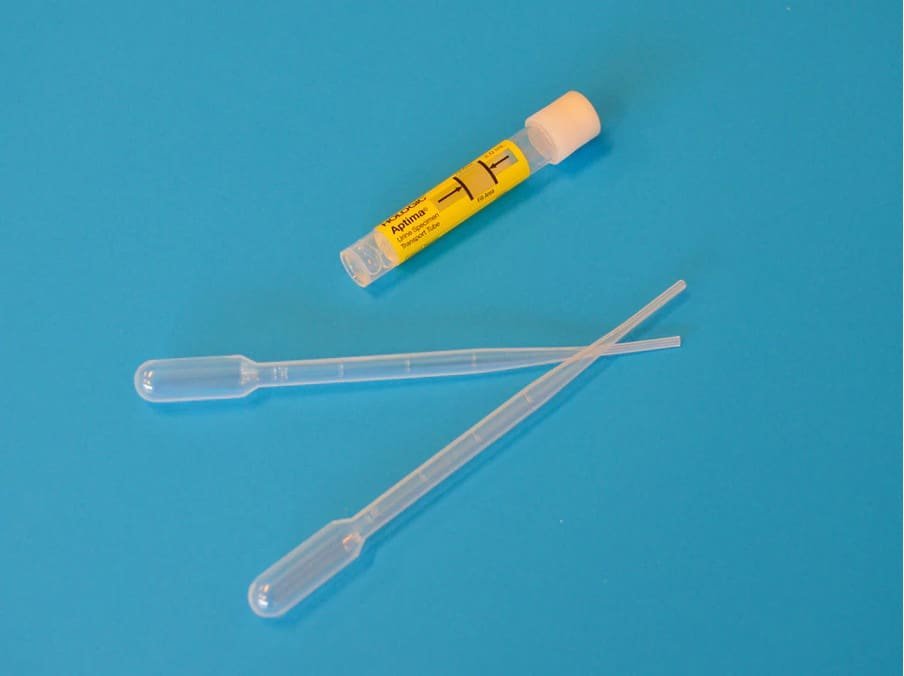
Urinalysis is one of the first steps in diagnosing kidney problems.

All you need to do is provide a urine sample, which can be collected at the doctor’s office. Remember to avoid going to the bathroom and waste the sample before your visit. You’ll have to wait until you can go again, which inconveniences you. 

The urine sample will then be tested for irregularities, such as high concentrations of a protein called albumin.

Your liver creates albumin. It’s typically filtered back into your bloodstream rather than being excreted, but when your kidneys aren’t fully functioning, it can make its way into your urine. The presence of albumin suggests it’s worth taking a closer look at your kidneys as there is likely some damage.

Blood Analysis

Your kidneys are responsible for filtering your blood, so testing the concentration of compounds such as creatine in your blood is another standard diagnosis method, which is done by measuring your glomerular filtration rate (GFR).

The filters in your kidneys are called glomeruli. If they’re working correctly, your GFR should be very high as the kidneys successfully filter your blood at a high and efficient rate.

Your GFR should ideally be over 90, which means your kidneys are still functioning at 90% efficiency, but anything over 60 is considered healthy. However, if your GFR is under 60, there might be kidney damage.

Ultrasound Imaging

Your doctor might refer you to a specialist for a kidney ultrasound. This allows the specialist to look at the size and shape of your kidneys so they can spot any irregularities that could be consistent with poor kidney function.

The ultrasound may reveal abnormalities in your kidneys or other sources of kidney disease such as cysts.

Biopsy 1

Biopsy

In some cases where kidney damage seems severe, you may need to get a biopsy.

In a biopsy, a small sample of your kidney is removed through a thin needle, which is sent to a lab for testing, where specialists can analyze it in detail, which is the most effective method for diagnosing kidney disease. Still, it’s not necessary for most people.

Diagnosing End-Stage Renal Disease

Blood analysis has the added benefit of helping clinicians understand how far along your chronic kidney disease has progressed. However, if you are just under the threshold, you can probably make a few changes to your diet and exercise routine and have no trouble. For example, if your GFR dips below 15, this is considered a strong indicator of end-stage renal disease.

At this point, your kidneys can no longer filter your blood on their own. However, once kidney failure occurs, you will likely need to start dialysis to filter your blood correctly as a normal kidney does. This is why seeking medical attention early is so important.

Conclusion

Understanding that early diagnosis of kidney disease leads to the best outcome is critical. And making that diagnosis is easier than you think.  

Your doctor will work with you to ensure you’re comfortable and fully informed about what’s happening in any testing so you can confidently learn about your kidney health.

What You Need to Know About 5 Common Types of Wounds in the Elderly

0

The elderly population is already at greater risk for several health conditions, diseases, and disorders, with many of them causing specific consequences related to skin health and integrity. 

Due to consequences secondary to vascular disease and diabetes and nursing home complications, wounds and the need for wound care are becoming more common in the geriatric population.

Although the exact prevalence is difficult to measure because of inaccurate reporting and elderly individuals avoiding medical attention, it’s evident that the rates of wound development in the elderly are increasing. 

In what follows, we’ll discuss several types of old wounds, some of which are more common than others. Further, we’ll outline some effective treatment options for such conditions. Finally, we’ll define wound care centers’ role while providing a general long-term outlook for recovery.

Common Types of Elderly Wounds

The prevalence of old wounds varies on the age of the individuals and whether or not they reside in a nursing home. However, wounds, such as ulcers, are more common in those older than 65 and tend to be more complicated in individuals living in nursing homes. 

A study from a 2007 European survey suggested that the prevalence of pressure ulcers is about 18% among the older population. 

The following are some of the common types of wounds in the elderly: 

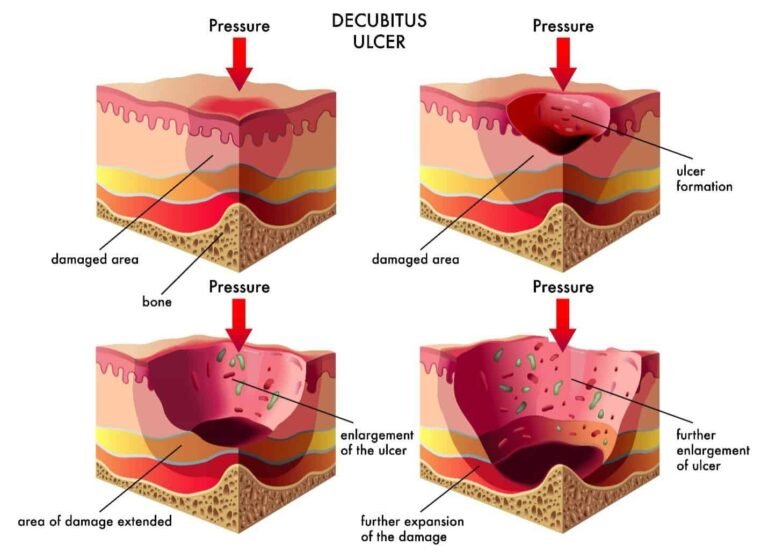
• Decubitus Ulcers of the Buttocks

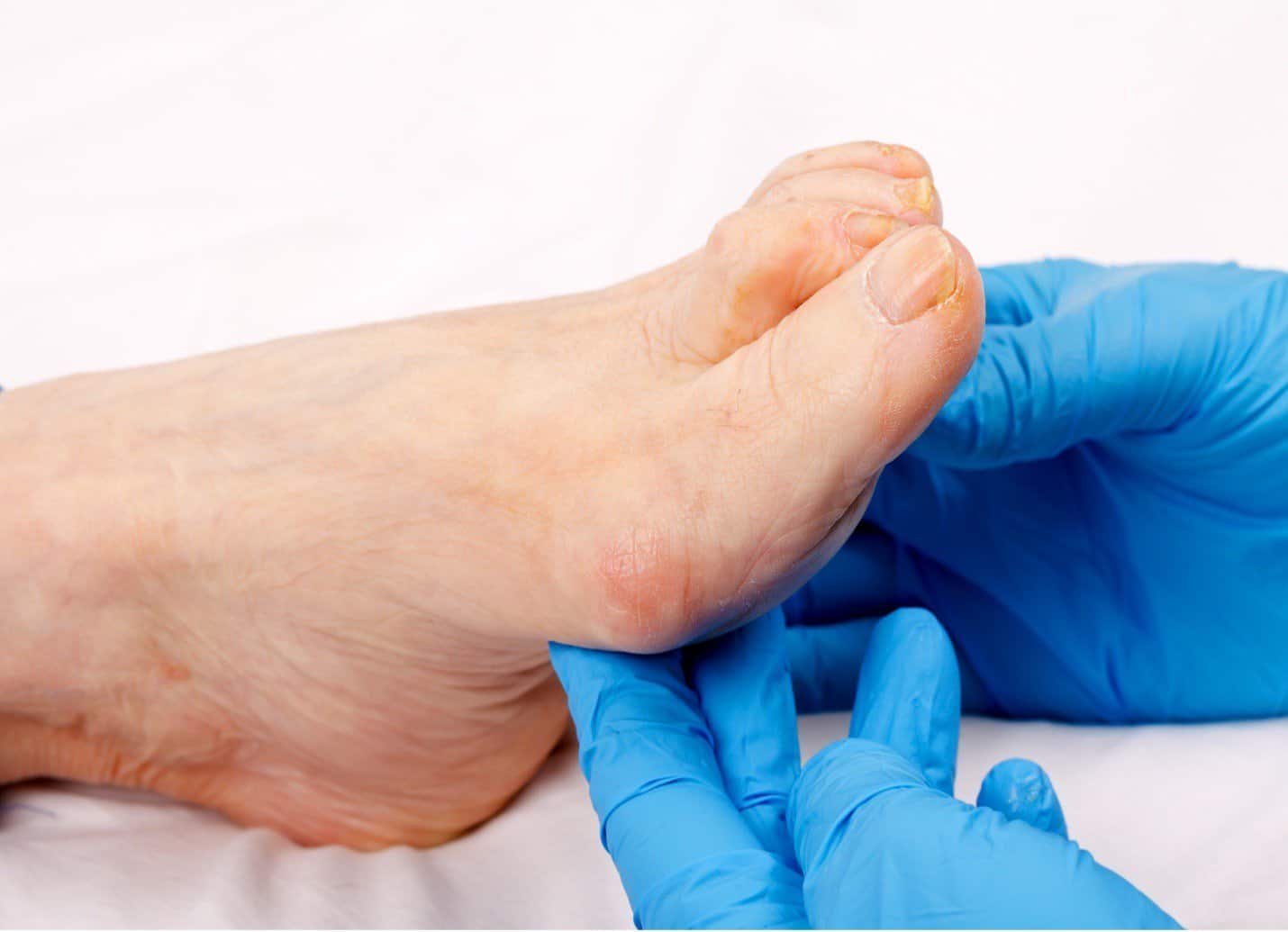
• Diabetic Foot Ulcers 

• Venous Stasis Ulcers

• Neuropathic Ulcers 

• Arterial Insufficiency Ulcers

Many elderly wounds are caused by an imbalance in pressure points on the body, mainly when sleeping or sitting. The most common areas of the body affected are the tailbone, buttocks, legs, and back of the shoulder blades. In addition, issues with pressure points leading to ulcers can be secondary to decreased sensation, such as in neuropathic ulcers and chronic pressure on a specific area due to a lack of mobility of an individual.

Some of the most common risk factors for wounds, particularly pressure wounds, include malnutrition, dehydration, diabetes, infection, incontinence, and environmental contributions such as moisture buildup and friction.

While prevention can be difficult, especially in geriatrics, optimizing living environments, mainly sleeping settings, reduces the risk of discomfort, friction, and infection.

Though some types of geriatric wounds can recover, many have difficulty healing, and the individual may live with the damage chronically. For example, pressure ulcers, diabetic ulcers, ischemic ulcers, and venous ulcers are all examples of difficult-to-heal wounds. 

Title Types Common Of Wounds in the Elderly 1

Wound Treatment and Management Protocols in The Elderly

Treating the several types of ulcer-derived wounds as discussed above requires a staging process that identifies the depth of the injury and the amount of healing that has occurred.  

Depending on the stage of a particular wound, treatment may involve a variety of protocols, including topical ointments, systemic agents, wound coverage using various dressings, and surgical flaps to cover the area. Often this type of flap surgery is performed by a plastic surgeon, and the surgical technique can be pretty complex. For example, a wound that is quite large and is not amenable to simple closure or skin grafting may be an appropriate wound to consider a surgical flap to achieve wound coverage and closure. 

Another example is the treatment of venous stasis ulcers by an Unna boot, a compression dressing containing zinc that helps protect and promote healing of the underlying venous ulcer. It would be best if you changed this dressing every few days. 

Whether you visit your primary care physician, emergency, or a wound care center, their primary role is to evaluate the wound, identify its specific stage, and develop a treatment plan that is most suitable for the individual. 

Wound Treatment and Management Protocols in The Elderly 1

Other treatment considerations for treating different types of wounds include:

  • Negative pressure wound therapy.
  • Hyperbaric oxygen therapy.
  • Electrical stimulation.
  • Ultrasounds.
  • Lifestyle interventions such as nutritional improvements to a patient’s diet.

Again, because many geriatric wounds are chronic, the approach to treatment and management is comprehensive and multidisciplinary, requiring efforts and expertise from physicians, physical therapists, occupational therapists, dieticians and nutritionists, nursing staff, social workers, surgeons, and even dermatologists. 

The emergence of wound care centers has been highly beneficial for individuals with all types of wounds, and they have become trendy due to the focus on the best possible treatment for injuries.

Conclusion

The prevalence of chronic wounds is increasing in the elderly population and significantly impacts their quality of life. In addition, the older population is often more susceptible to injuries that have slower healing times and require prolonged treatment. 

If treated promptly and effectively, the long-term outlook of geriatric wounds is optimistic. Although it may impede the patient’s quality of life in the short term, excellent wound care can result in the complete healing of wounds, which is the ultimate desired outcome.

2 Ways Dialysis Can Treat Your Chronic Kidney Disease

0

Despite the prevalence of chronic kidney disease, which affects thousands of people each year, there are still no known methods for completely curing failing kidneys. However, multiple treatment methods are available if your kidney disease progresses to this stage.

Dialysis is the most common treatment for end-stage renal disease and also one of the most accessible methods for most people. It can prevent further damage to your body and help reduce the frequency and severity of painful symptoms.

What Is Dialysis?


If you’ve been diagnosed with chronic kidney disease, you’ve probably heard your doctor mention dialysis as a possible treatment method at some point. Dialysis should not be needed when the kidney disease is still in its early stage, but it may become necessary if your condition progresses to end-stage renal disease.

End Stage Renal Disease 1

End-Stage Renal Disease

Dialysis is the most common treatment method for people whose chronic kidney disease has progressed to end-stage renal disease, also known as kidney failure.

When your kidneys fail, they can no longer filter your blood on their own. They may be able to partially function, but they’re only working at a fraction of their former efficiency, which means toxic substances build up and various minerals that can be harmful in high concentrations.

To remove these toxins from your blood, you need outside help, where dialysis comes in.

Chronic Kidney Disease Treatment With Dialysis

Dialysis essentially replaces the function of your kidneys, removing the build-up of waste, sodium, potassium, phosphorus, and excess water. It’s typically performed multiple times a week and usually at the hospital or dedicated care facility, though you may also be able to do dialysis at home.

Using dialysis as a chronic kidney disease treatment can prolong your lifespan after kidney failure. However, it is not a perfect solution. The survival rate for one year on dialysis is about 80%, which drops to about 50% after five years.

Due to dialysis’s low long-term survival rate, kidney transplantation is a more desired treatment method; however, long waitlists make transplants inaccessible for many people. Dialysis has improved over time, and many minds are still hard at work looking to improve its success rate in the long term.

Different Types of Dialysis


There are two different types of dialysis: hemodialysis and peritoneal dialysis. Your doctor can assist you in choosing the proper treatment method for you.

Hemodialysis

Hemodialysis involves the use of a hemodialyzer to filter your blood. Blood is taken from your body via a catheter in your arm or leg, filtered to remove waste and toxins, and then returned to your body through a second catheter.

Each hemodialysis session lasts about three to four hours, and this procedure is performed three times a week.

You may experience discomfort during dialysis due to either the insertion of the needle to draw blood or a drop in your blood pressure. 

People sometimes report feeling dizzy, tired, or nauseous. However, the process shouldn’t be painful, and most side effects diminish over time.

Peritoneal Dialysis

Unlike hemodialysis, peritoneal dialysis involves filtration inside the body. You can achieve this through several methods, most of which involve dedicated machines that pump dialysate into your abdomen.

While you can perform automated peritoneal dialysis (APD) and a few other types at home, sometimes even while you’re asleep, they need to be performed much more frequently than hemodialysis. Most require multiple sessions a day.

Advancements in Dialysis

Dialysis can be traced back to the 1940s, and it’s been a standard treatment method for people with kidney failure since the 1960s. Since then, it has evolved in many ways and helped thousands of people enjoy a better quality of life after kidney failure.

CAPD

One of the most significant advancements in dialysis was a new type of peritoneal dialysis created in 1976, known as continuous ambulatory peritoneal dialysis (CAPD). This is currently the only type of dialysis that can be done without machines and, thus, provides a viable, minimally intrusive home treatment option for many people.

CAPD involves using a catheter to flush dialysate into your peritoneal cavity. Once the dialysate is inside the cavity, you can leave it for four or five hours while you go about your day as usual. You then will extract the fluid from the abdomen and discard it. People using CAPD as their primary treatment method will repeat this multiple times throughout the day.

Conclusion

While dialysis may not be able to help you achieve full recovery from chronic kidney disease, it’s a critical treatment method for thousands of people who suffer from end-stage renal disease. Thanks to the many advancements throughout the years, it’s become safer, more convenient, and more effective, making it a viable option if you cannot receive a transplant.