

Home Blog Page 33

Where Does the Biggest Cause of Rheumatoid Arthritis Hide?

Since inflammation is such a focal point in discussing various types of Arthritis, it can be easy to miss the bigger picture. The human body has an incredible defense system; it can be your best friend or worst enemy.

A dysfunctional immune response leads to rheumatoid arthritis and other forms. As a result, the immune system becomes robotic, and instead of performing regular preservation of well-being, it becomes destructive, developing into an autoimmune disorder.

Understand what autoimmune disorders are, and you’ll understand Arthritis much better, leading to better management and results.


How the Immune System Works

Every person has one main internal ambition: to survive, whether it’s against disease, injuries, or even the common cold. The immune system intends to protect your body from any threats, such as viruses, pathogens, germs, harmful proteins, chemicals, toxins, and cell changes that could make you ill.

Cause of rheumatoid arthritis

It comprises various organs throughout the body, including the kidneys, gut microbiome, liver, pancreas, brain, bone marrow, thymus, lymphocytes, and the mucous membrane of cells in every corner of your body.

Most of your immune cells develop and multiply within your bone marrow, the soft tissue inside the bones. The cells then move on to other organs through the bloodstream.
The immune system signals the brain to say that the body is under attack. In addition, the brain will instruct the kidneys to release pro-inflammatory cytokines to combat the infection or abnormality.

Pain is triggered when the inflammation presses against nerve endings. It can be mild or severe. The immune system fights foreign agents that threaten your well-being, and this naturally causes inflammation and pain.

It has to recognize and neutralize anything that threatens your health and even fight abnormal cells that cause cancer. Antigens, which are proteins that surround viruses, germs, and bacteria, activate the immune system.

The spleen also stores immune system cells called scavenger cells intended to attack abnormalities. The lymph nodes and other organs trap the germs in these immune cells to create antibodies so you can fight the virus faster in the next round.

However, the connection between the brain and the immune system is the most important. For example, the brain receives signals only after the immune system has already determined whether cells are threatening.

autoimmune disorders

It’s the brain’s job to regulate the response as the immune system awaits its instructions. The brain only has the information the immune system provides, but what happens when this communication goes wrong?


The Attack of the Defenses


The signals passed to the brain from the immune system can be faulty when immune cells distinguish their kind as pathogens. Every cell in the body has a protein surrounding it, and the immune system can falsely identify the wrong threats.

B cells are immune cells that enter the bloodstream to recognize and latch on to unwanted or threatening cells. Sometimes, normal cells can become deformed in people with Arthritis, and B cells identify these cells as targets.

Moreover, these cells can fool other cells when they turn sour, unnecessarily sending signals to the brain to activate pro-inflammatory cytokines. Finally, the cytokines will flood your body and attack the site where they were instructed to go.

Even worse, the immune system starts attacking healthy cells, which is an autoimmune response. People with Arthritis have chronic autoimmune responses where the brain has been on the attack for so long that it can’t switch off anymore.

Eventually, it will even target cells and tissue without protein antigens. The destructive force of the autoimmune response can tear cartilages, break down bone structures, and deteriorate the bone marrow and joint capsules around your joints.

The immune system is intended for temporary preservation and can be activated to run permanently. It certainly doesn’t help if you’re encouraging the autoimmune response with unnatural foods, environmental toxins, and frequent injuries.

The microbiome that protects your gut is very sensitive to everything you consume and signals the immune system when threats are found. The autoimmune response can also affect every organ in the immune system.

DLArthritis12 1

Additionally, it’s easy to understand how you can have problems years after breaking your ankle. Chronic inflammation is another major cause of autoimmune malfunctions.

Chronic disease processes like lupus and psoriasis can activate the autoimmune response too. Therefore, any disease process that causes inflammation will increase your risk of autoimmune disorders, such as rheumatoid arthritis.

Not paying attention to protecting your delicate system can cause problems. Sometimes, even medications can provoke chronic inflammation. Please ensure you understand what triggers can cause the immune system to activate and try to avoid them.


Conclusion

Start being more aware of what you eat or drink and how you treat your body. Stop brushing mild infections off as nothing and realize that repeated infections can lead to lifelong problems.


How Does the Body Turn Inflammation Into Painful Arthritis?

Chronic inflammation is the cause, progressor, and result of various kinds of arthritis. It either starts with acute inflammation after an injury or results from the body turning on itself when an autoimmune dysfunction arises. 

Either way, inflammation is painful. So, why would you want to suffer from this life-sucking, pleasure-popping condition that makes you less active and discontent? Understanding the causes of chronic inflammation can help you live a more accessible life. 

Avoid the causes, and you’ll command inflammatory responses. Once inflammation is under control, you can enjoy life as intended again and stop feeling benched. 

The Pursuit of Inflammatory Culprits

Acute inflammation is a temporary state, whereas chronic inflammation is your immune system overworking to create an unhealthy and more permanent form. Therefore, the critical response is essential for your body to maintain optimal health. 

The chronic state can lead to many problems other than arthritis. For example, it’s dangerous for obese individuals because it attacks the fatty cells surrounding organs, eventually breaking through and damaging the healthy cells. 

But what factors can enhance your risk for chronic inflammation?

Environmental or Industrial Chemicals

What a shocker! Chronic exposure to environmental toxins could make you ill and induce chronic inflammation. Moreover, it often happens slowly, unbeknownst to the sufferer. 

The body accumulates a “toxic inflammatory burden,” Your body might even use the nutrients and minerals it has stored to decrease this burden before it switches on the immune system. 

Even worse, we now consume many of the toxins we should be avoiding with all the pesticides and herbicides sprayed on our harvested products. These chemicals damage the gut microbiome, leading to dire consequences. 

Heavy metals destroy your defenses further. You’re exposed to nickel in stainless steel pans, various heavy metals in poor water and air regions, and unnatural agents in personal hygiene products. 

DLArthritis14 1

Cleaning products can also contain high amounts of toxins. For example, you live in a world filled with chemicals that aren’t good for your immune system. For example, you might work in a dangerous location, such as a rubber manufacturer. 

The only foods you should eat are natural, whole, and chemical-free. They should list a single ingredient only. The products you use at home should also be natural. 

Diseases and Infections

Infections can cause autoimmune or inflammatory responses as the body tries to repair the damage or protect you from illness. Your defenses will be ignited by injuries, viruses, bacteria, and germs. 

DLArthritis15 1

Anything that looks foreign will require an immune response, leading to chronic inflammation. Inflammation also causes pain, and it happens all over the body. 

The nature of inflammation is that it’s activated by many diseases or infections, such as:

  • Tonsillitis: An infection in the tonsils
  • Bronchitis: An infection in the lungs
  • Cystitis: An infected bladder
  • Dermatitis: A skin infection
  • Appendicitis: A severe condition that requires the removal of the appendix
  • Colitis: An infection in the lining of the colon

Arthritis is a disease process that causes similar inflammatory responses. A disease process or an infection is a cue for the immune system to respond to a threat. White blood cells or leukocytes will zoom into the affected region to fight the pathogens.

Cytokines will cause inflammation as part of the healing process, and plasma proteins accumulate fluid in the region. In addition, small blood vessels will enlarge to accommodate the extra cells traveling through them. 

In most cases, you will have acute inflammation that will stop when the infection is destroyed. Sometimes, however, this immune response won’t resolve. 

The National Institute of Health confirms that repeated infections can trigger chronic inflammation. 

Other Considerations

Genetics can also lead to chronic inflammation, but other factors include:

  • Stress
  • Obesity
  • Smoking
  • Alcoholism 
  • Insomnia
  • Age
  • Hormonal imbalances
  • Anything that has the mildest influence on the immune system
DLArthritis16 1

Your entire lifestyle impacts the inflammatory response in your body, from eating to sleeping. 

The Connection to Lupus 

Lupus is a bad condition that’s often inherited genetically. It can also be caused by environmental factors and poor nutrition, much like the autoimmune response of arthritis.

In summary, lupus is widespread throughout the body, and it can cause arthritis development in any joint. However, you can often treat it at least partially with simple natural additives.

Do You Have Gout? What Is Gout and What Causes It?

Gout is a unique form of arthritis, and it’s excruciating. Some people only have one or two monthly flares, so they don’t consider it a chronic problem. However, other people have flares galore, leaving them wondering whether it’s become permanent. 

Gout is an inflammatory response, but it’s also caused by a second culprit known as uric acid crystallization. Your bones are rather sensitive, so imagine hard crystals forming between them, and this helps you understand the pain. 

Moreover, anyone can get gout if they follow an unhealthy life filled with the wrong foods and lifestyle choices. Young and old can suffer from this awful condition, so you need to learn more about it to determine whether you have gout. 

What Is Gout?

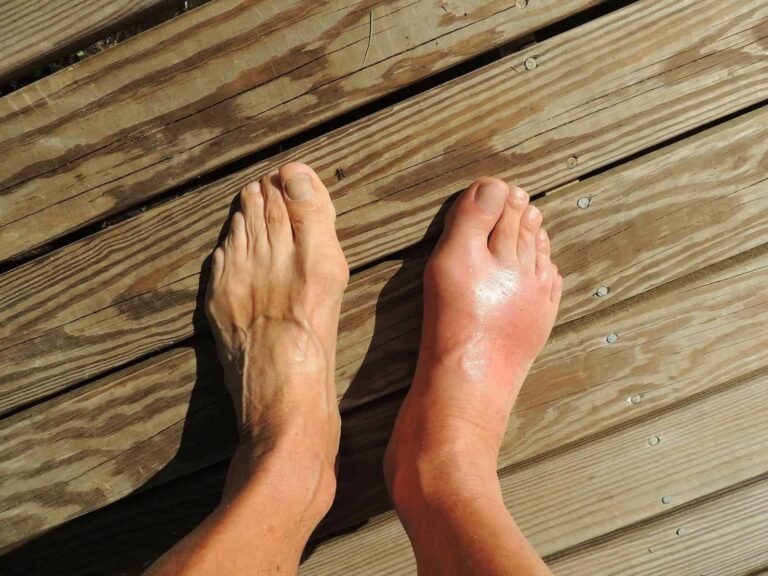
Gout is one more inflammatory response from an autoimmune malfunction. It can be acute or chronic, depending on the frequency of attacks. It often starts in the big toe, but it can also affect the knees, shoulders, hands, ankles, and any joint. 

How Is It Diagnosed?

There are various methods used to diagnose gout. 

  1. Informing your doctor about the frequency is crucial. Anyone who has recurrent flares two or more times per year should discuss the possibility of having gout with their physician. 
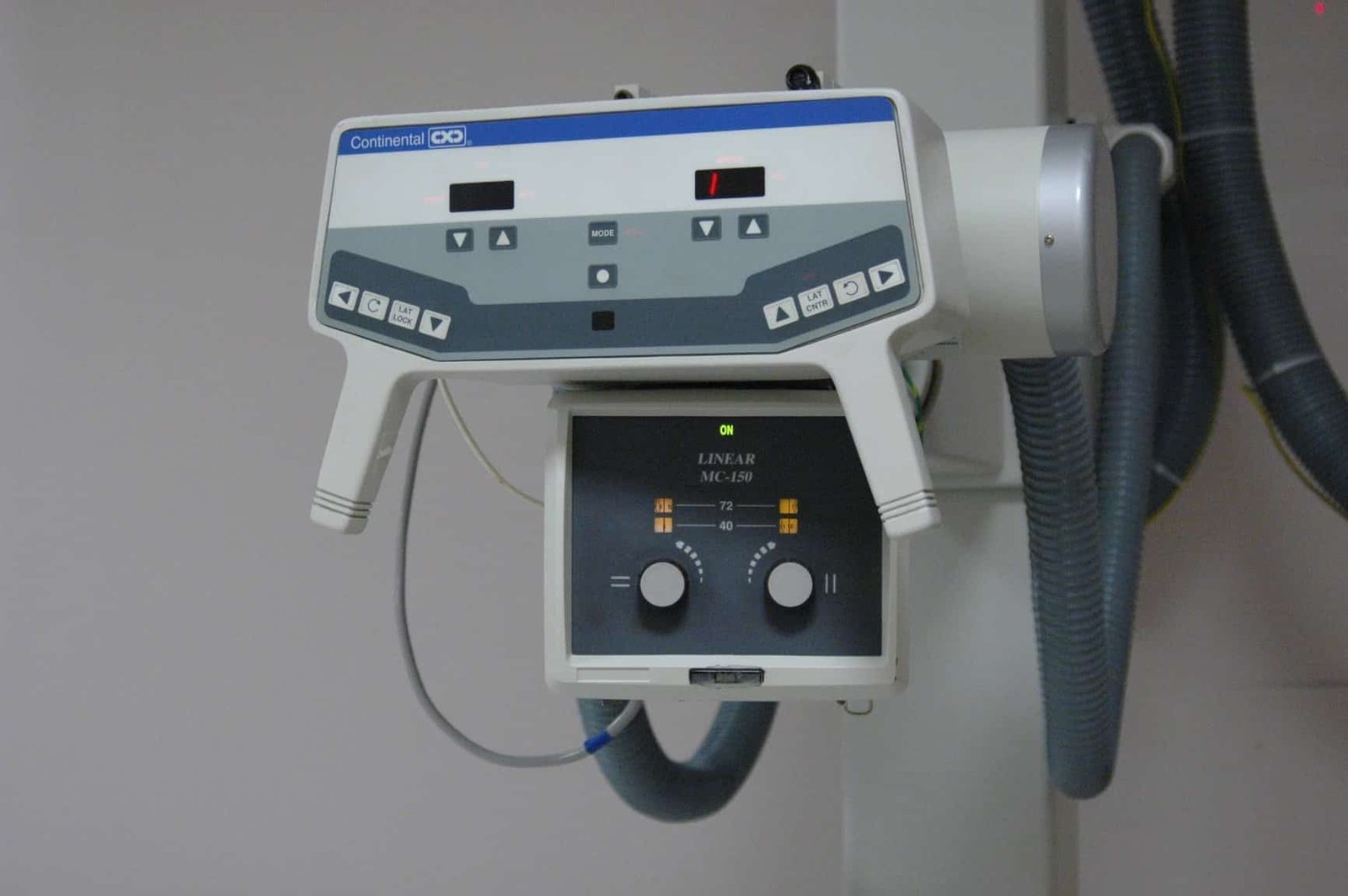
  2. Radiography is another method because gout can present as a crystallized cluster called subcutaneous tophus, which can show on x-rays. Tophi can range from small clusters to fist-sized balls. 
  3. Aspirated fluid can also be removed from the swollen joint for laboratory testing. Please note that this is a painful procedure, but it will help confirm the presence of gout.
  4. A physical exam can also reveal redness, swelling, and warmth around a joint. 

Whichever test you experience, the important thing is that it is done while you’re experiencing a flare. For example, your physician might also ask about your history, symptoms, and previous flares. 

Gout Symptoms

Understanding what symptoms are caused by gout can help you assist your physician in the diagnosis. When you’re aware of this information, it can help your doctor treat you more efficiently and accurately. 

The common symptoms include:

  • Redness
  • Swelling
  • Severe pain
  • Joint tenderness
  • Stiffness

Uncommon symptoms may include:

  • Light fever
  • Lower-back pain
  • Wrist pain
  • Areas of discomfort near tophi formations

Gout can strike gradually or suddenly, waking you up from a deep sleep. The flares don’t wait until morning to bother you, but there are things you can try to do to prevent gout flares.

DLArthritis18 1

What Causes Gout?

Gout can be caused by the same factors that promote other kinds of arthritis. Inflammation certainly plays a role, as do the factors that cause it. Additional causal factors for gout include:

  • Chronic kidney disease (CKD)
  • Lead exposure 
  • Medications that contain salicylate and commonly prescribed diuretics or cyclosporine 
  • Alcohol consumption
  • Chronic conditions like hypertension and diabetes

Middle-aged men are also more at risk than women unless women are postmenopausal. Low hormone levels can lead to gout attacks as well. 

Even though gout causes can be many, the most prevalent reason for it is hyperuricemia, which is high uric acid. 

Hyperuricemia Explained

Hyperuricemia is a condition where your body has high uric acid levels, causing painful and hardened crystals around your joints. 

Your body already has uric acid, which is supposed to break down purines in the bloodstream after you eat. However, eating more purines than your body can cause hyperuricemia. 

Other severe conditions caused by hyperuricemia are cardiovascular diseases, metabolic acidosis, diabetes, and renal failure. 

Just as the immune system can turn into a foe when overworked, the same can happen with uric acid levels. The kidneys are supposed to excrete the purines and excess uric acid from your body. 

Patients with kidney failure have an increased risk of hyperuricemia because they’ve lost the ability to cleanse the body efficiently.

The kidneys are a central component of the immune system and flush other toxins from your body. The overproduction of uric acid after eating too many purines will create monosodium urate, the crystals that stick to the joints. 

Avoiding the lose/lose situation of chronic gout is eating the right foods, having an active lifestyle, and avoiding triggers.

There are also simple but effective treatments to lower uric acid that don’t involve doctors, medications, or expensive therapies. Sometimes, you need a little natural help to decrease the pain and flare-ups. 

DLArthritis19 1

Conclusion 

Gout is common among people who fail to look after their kidneys and keep their diets purine-friendly, but it can be managed to avoid a painful experience. 

There’s no doubt that gout is a thorn in your side, or should you say, a thorn in your toes?

Prevent Gout With Simple Tricks and Live Pain-Free Again!

0

The body is its worst enemy and best friend, and your desires and nutritional lifestyle are the fine lines between the two. Everything that goes into your stomach impacts your health, whether it promotes or diminishes it. 

Gout is intricately connected to the foods you eat and the lifestyle you lead. The stomach is connected to the brain, immune system, and inflammation response. It’s full of countless bacteria, collectively called the gut microbiome. 

Disruptions in this delicate bacterial system are linked to many diseases, including diabetes type two, inflammatory bowel disease (IBD), cancer, and various types of arthritis, including gout. 

Knowing what not to eat can save you from a life of painful joints. 

The Microbiome and Gout

The gut microbiome doesn’t play nice if you eat the wrong foods. Instead, a study published in BMJ Yale sheds light on the connection between the gut microbiome and gout. 

Inside it are various kinds of bacteria, including healthy and unhealthy kinds. 

Each one has a responsibility, and the study shows evidence that there is abundant Prevotella in gout patients. In contrast, the healthy control group had an abundance of Enterobacteriaceae, which helps metabolize and reduce uric acid.

The gout patients were missing the bacteria needed to reduce uric acid and had excess Prevotella, a byproduct of infection. 

Another study confirmed that high-purine diets had upset the gut microbiome, leading to autoimmune disorders and inflammatory arthritis, particularly gout. In addition, the stomach can cause pain, and you must avoid some foods. 

Hidden Triggers 

What you eat must be conducive to gut and kidney health because gout and chronic kidney disease (CKD) are also connected. It must contain low levels of purines and uric acid. Know which products and ingredients contain too many purines.

Alcohol

One of the products with the highest purine level is alcohol. Alcohol contains nucleotides, which also convert into uric acid. Moreover, alcohol can slow down the excretion of uric acid, and it impacts the kidneys. 

tall bottle of beer

Alcohol causes more problems when you become dehydrated, and the kidneys aren’t capable of functioning as they should remove the excess uric acid in your bloodstream. 

According to the National Kidney Foundation, dehydration leads to another confounding factor: the development of kidney stones. These form when the body has high levels of calcium, cystine, phosphate, and oxalate while your body lacks hydrating fluids. 

Moreover, kidney stones block the kidney’s ability to reduce waste and remove harmful toxins. Ensure you’re staying hydrated by leaving alcohol out of your diet and adding at least eight glasses of purified water daily. 

High-Fructose Corn Syrup and Artificial Sweeteners

Uric acid levels rise when you add artificial sweeteners and high-fructose corn syrup to your diet. Be careful of the sugar-free products that contain either ingredient. For example, high-fructose corn syrup is broken down in the liver and converted to uric acid. 

These ingredients are abundant in diet sodas, candy, sweetened yogurt, commercial salad dressing, junk food, and canned fruits. Learn to read the ingredients list on the label before you eat so-called diet products. 

Grocery store aisle with soda.

Saturated and Trans Fats

These two triggers coax gout because they reduce the elimination of uric acid. Saturated fats are found in red meat, vegetable oil, sunflower oil, canola oil, margarine, and full-fat dairy products. 

Refined Carbohydrates

Refined carbs like sugar, cakes, white rice, white bread, candy, and white flour are high in uric acid, so lowering your glucose intake from these foods can suppress the uric acid levels in your bloodstream. 

Processed Foods

Processed foods contain chemicals that can offset the gut flora, decreasing your likelihood of reducing purines and uric acid. For example, Bacon, sausages, deli meats, organ meats, canned fish, and spreads contain high purines and uric acid levels. 

 Foods to Avoid

The list of foods you must avoid includes:

  • Wild meat
  • Duck
  • Turkey
  • Red meat
  • Mince
  • Deli meat
  • Tuna
  • Sardines
  • Anchovies
  • Mussels
  • Herring
  • Codfish
  • Trout
  • Haddock
  • Scallops
  • Animal liver or kidneys
  • Prawns
  • Clams
  • Commercial fruit juices
  • Carbonated drinks (sugar-free or not)
  • Gravy/sauce/commercial condiments
  • Yeast and its products like artisan bread (not including whole-grain or seeded bread)
  • Full-fat dairy, including cheese, milk, and cream

*Hydrogenated/trans/saturated fats

Try to leave these foods out of your diet. 

meat and cheese platter

Foods to Moderate

Some foods contain higher levels of purines or uric acid, but you can eat them moderately if you’re not experiencing a gout flare. These include:

  • Asparagus
  • Spinach
  • Lentils
  • Dry beans
  • Mushrooms

Meat and fish products not mentioned in the list above are usually welcome but check with your doctor. Chicken is the best kind of meat for gout. 

DLArthritis25 1

Conclusion

No one ever said that having gout is easy, but you can control the flares by avoiding the triggers. Instead, include natural anti-inflammatory ingredients that reduce gout flares, resulting in pain-free bliss. 

Fortunately, gout is well managed with the correct nutritional guidance. 

The Ultimate Gout Diet Can Change Your Life for the Better!

0

Gout is a different kind of arthritis that requires special treatment with simple and effective nutritional guidelines. 

Unfortunately, not every diet works because you can’t focus on inflammation alone. 

The build-up of excess uric acid mainly causes gout, and there are some foods you must avoid to prevent flares. Changing your diet can turn gout into a past condition that doesn’t derail your life as much anymore. 

Your diet influences gout because the microbiome of bacteria in the stomach can be friendly or hostile depending on what you feed it. The gut microbiome collects vital nutrients and has a role in the immune system.

Moreover, it helps you control the balance between high and low uric acid levels. The question is whether you want to continue struggling with painful toes or not.

Learn which food products can keep uric acid levels low enough to enjoy life again. Welcome to the secrets of the ultimate gout diet!

Dieting Tips to Change Your Life!

Certain foods, vitamins, and ingredients contain lower amounts of uric acid and purines, making them the perfect options to add to your daily intake. Some might even help the body process toxic levels of these culprits that cause pain in your joints. 

Vitamin C 

Vitamin C is a mild but effective option to combat gout. A review published in the Archives of Internal Medicine Journal focused on vitamin C and uric acid levels in men who suffered from gout. 

One study in the review experimented with 4 mg of vitamin C daily, doubling uric acid excretion from the men’s bodies. This vitamin gives us many benefits, including stable uric acid levels, but it seems that we still aren’t consuming enough of it. 

Speak to your doctor about a supplement that could help you lower your risk for gout flares. Vitamin C is also naturally found in:

  • Kiwis
  • Oranges
  • Grapefruit
  • Guavas
  • Berries (blueberries, blackberries, strawberries, and raspberries)
  • Cherries
  • Cantaloupe
  • Papaya
  • Leafy green vegetables, such as kale, bok choy, and cabbage
  • Broccoli
  • Brussels sprouts
  • Cauliflower
  • Green and red peppers

These are appropriate to consider for gout patients. 

Malic Acid and Alkalinity 1

Malic Acid and Alkalinity

Foods that contain malic acid are also great options for a daily intake that doesn’t trigger gout flare-ups. Malic acid is a compound that increases your alkalinity, leading to the reduced reabsorption of citrates in the kidneys. 

Citrates or citric acid help the body eliminate excess uric acid via the kidneys. You can keep your gout under control by creating an alkaline-friendly environment in your body. 

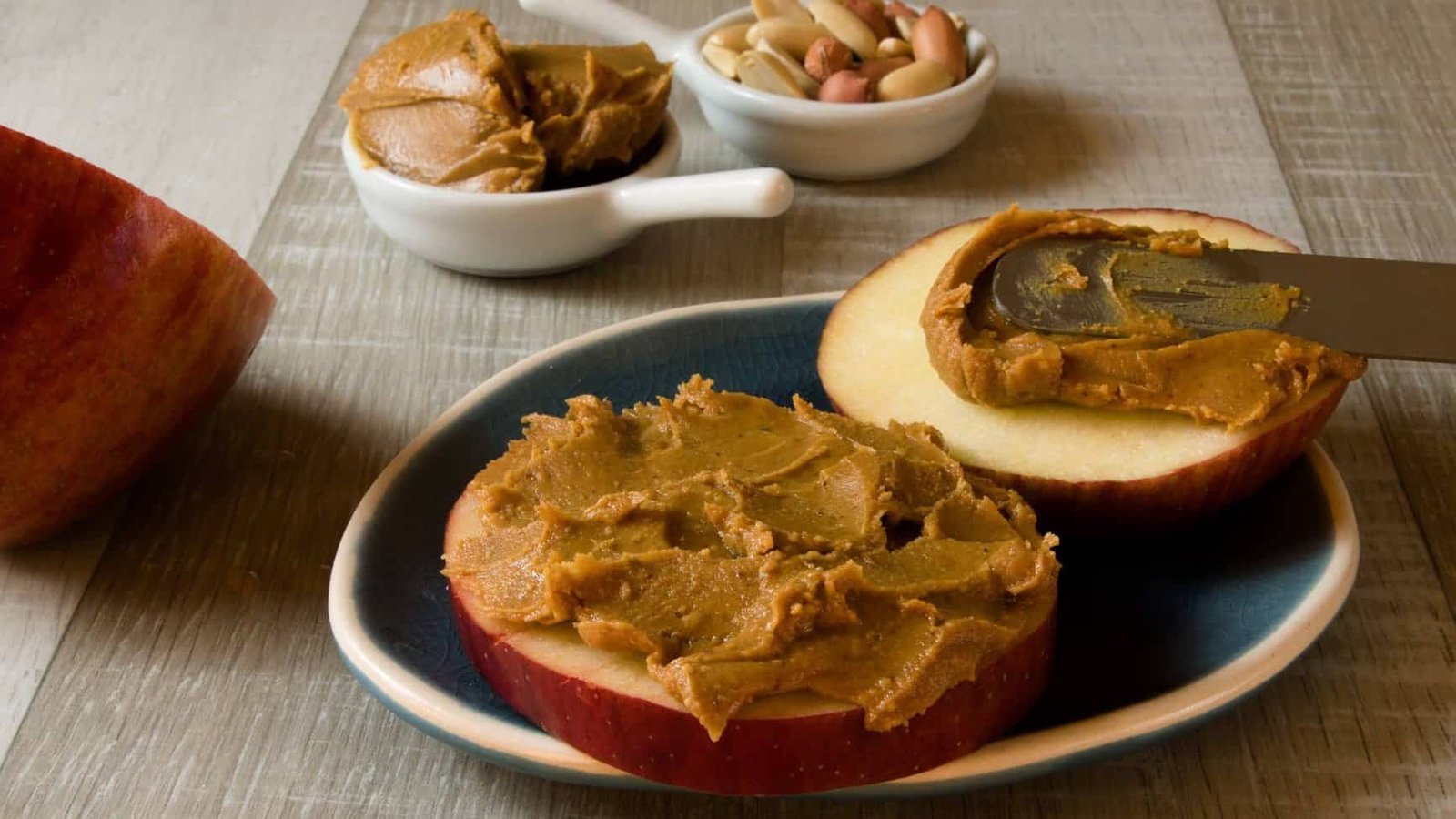
Apples, apple cider vinegar, and freshly squeezed lime juice contain enough malic acid to produce proper alkalinity. However, apples must be organic so that you don’t run into pesticide toxins or “enhanced flavor,” which is extra sugar. 

Apples already contain fructose, so visit the farmer’s market to get them fresh from the tree. It’s easy to add an apple to your diet daily, and you can have lime juice freshly squeezed into a glass of warm water every morning. 

organic apples for gout 1

Don’t add sugars or artificial sweeteners. Instead, you can add Stevia, which is a natural plant extract. It’s the only artificial sweetener that’s natural enough to use safely with kidney and gout problems, and it mildly reduces uric acid levels.

The malic acid in apple cider vinegar is more concentrated, dissolving uric acid and excreting it safely. You can include it in your diet by dissolving one tablespoon of organic apple cider vinegar into a glass of lukewarm water. 

Drink it twice daily before meals. 

Whole grains that contain alkaline enhancement are:

  • Steel-cut oats
  • Organic barley
  • Jowar
  • Bajra

Antioxidants

Uric acid is an antioxidant, but eating other antioxidants reduces uric acid. A review published by Stephanus Roumeliotis and his associates proves that certain antioxidants can promote kidney function, which is suitable for gout prevention. 

Three main easily digested root vegetables with excellent high fiber content are great items to consume in the gout diet. The highest content antioxidant and fiber combinations include vegetables like:

  • Carrots
  • Beets
  • Cucumbers

Switch to root smoothies for breakfast to ensure fewer flares. Combine one small carrot, cucumber, and beet into a blender with one cup of almond milk and blend. Drink this smoothie in the morning to dissolve uric acid crystals and reduce pain. 

root smoothies for breakfast 1

Another daily product to use is extra-virgin, cold-pressed olive oil. It’s also an antioxidant that provides the same benefits and doubles as an anti-inflammatory agent. 

Fiber-Rich Foods

Fiber absorbs uric acid, preventing it from forming crystals on your joints. High-fiber foods that are safe for gout patients include:

  • Pears
  • Raw nuts
  • Citrus fruits
  • Broccoli
  • Whole grains
  • Bananas
  • Green tea
  • Avocado
  • Artichokes
  • Brown rice
  • Organic peanut butter
  • Natural almond butter
  • Hard-boiled eggs (only in moderation)
Natural almond butter 1

Omega-3 Fats

Omega-3 is the only fat you should consume. Seafood is on the avoidance list for gout patients because it contains too much uric acid, but moderate amounts of freshly caught seafood like tuna and salmon can offer you omega-3 fatty acids. 

The salmon or tuna must be fresh. The omega-3s from this source can suppress uric acid too. You’ll get most of your healthy, unsaturated fat from free-range eggs, olive oil, raw nuts, and avocados. 

Water

water for kidneys 1

Hydration plays a significant role in how often you experience gout flares. For example, stay hydrated with a minimum of eight glasses of water daily to ensure the kidneys have enough liquids to flush uric acid and other toxins from your body. 

Additional Tricks

Knowing how the kidneys function to rid the body of excess uric acid means you can opt for a kidney flush. Ask your doctor about a kidney flush since they can best advise you if you are a candidate for this treatment.

Losing weight can also help you manage gout better. Obesity already increases your risk for recurrent gout attacks by 60%, according to a study published in the Arthritis Care and Research Journal. 

Exercise is the final trick to reducing uric acid and leading a healthier, happier life. 

Conclusion

We hope this is an excellent breakdown of the foods you can eat to reduce your flare frequency, but some valuable diet plans can help you overcome gout and enjoy life the way you want.

Alternative Arthritis Therapies Can Help to Manage It Better

Alternative treatment options have been available for eons, but they’re becoming more popular with the science to support them. For example, you can treat all arthritis types effectively with natural therapies, including lowering uric acid levels in gout. 

These alternative options can treat the effects of arthritis and the pain that accompanies it. Some methods can improve your pain management enough to allow you to quit taking those medications, which have associated undesired side effects.

An Ocean of Alternative Freedom

From relaxing steam baths to special exercise classes that reduce inflammation and improve joint mobility, welcome to the therapeutic ocean that can free you from arthritis pain, stiffness, and western treatments. 

Hydrotherapy

Hydrotherapy has often been called the water cure for many disorders ranging from depression, problems with the stomach, nerve issues, stress, and insomnia. It includes steam baths, saunas, contrast therapy, foot baths, and colon cleanses. 

It’s also a validated form of physiotherapy and occupational therapy. Use varying temperatures to balance your health; this therapy is quite enjoyable.

Hippocrates was the first person to document the use of heated water in ancient Greece and practiced it in ancient Egypt and Rome. The ancients often enjoyed a steaming bath in bathing areas in movies. 

A study conducted by the University of Sydney in Australia and associates in Brazil measured the efficacy of hydrotherapy in osteoarthritis management. Participants benefited from reduced pain and increased mobility. 

What a nice leap forward for osteoarthritis, which comes with age, injury, or daily wear and tear on the joints. 


Stretching

According to Harvard Medical School, stretching every day can ease the pain of arthritis and improve your hindered mobility. The less your joints move, the more immobile they become, and they won’t reach full-motion anymore, which also causes the surrounding muscles to contract over time, making it even more challenging to be active. As a result, you can lose your equilibrium, making it difficult to walk without assistance.

Stretching is a low-impact method to reduce this degeneration of your joints, typically occurring with osteoarthritis and rheumatoid arthritis. You don’t need a host of stretches, but you must start stretching those muscles to prevent the contractions. 

There are three simple rules to keep in mind with stretches:

  1. Relax your joints before stretching with a hot bath or shower, which acts as a warm-up so that you don’t strain your muscles. 
  2. Never push through pain; choose a time of day when your joints are most relaxed. 
  3. Expect discomfort from the stretches, but be careful of pain. 

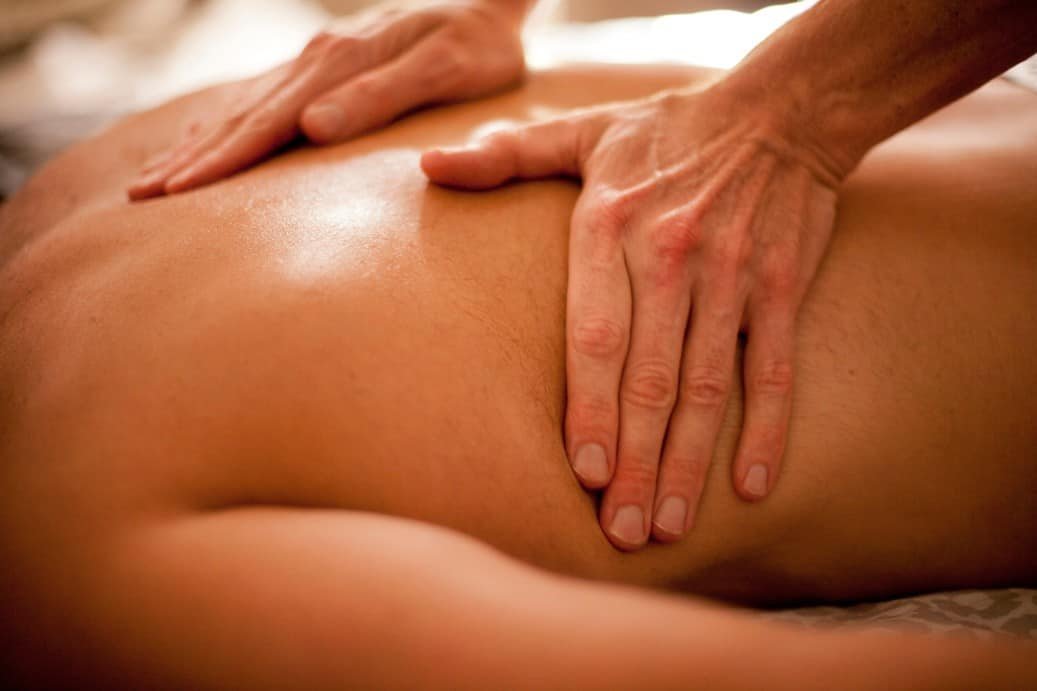
spa time relaxing and soothing massage hands of a professional massage therapist young shirtless t20 eoKvLo

Massage Therapy

Rheumatoid arthritis often leaves you with less mobility and daily functionality in your hands. It’s an inflammatory disorder stimulated by autoimmune dysfunction, and it’s also painful.

A study by the Humber College in Ontario, Canada, focused on how massage therapy can help rheumatoid arthritis in the upper limbs. Participants were given a 60-minute rehabilitative massage over five weeks. 

The results from rehabilitative massage therapy and the results spoke for themselves. Patients significantly reduced pain and improved the use of their hands. 

Acupuncture

Another alternative for rheumatoid arthritis is acupuncture, an ancient Chinese method where practitioners insert thin needles into the inflamed tissue between the bones to relieve pain. 

The Hindawi Medical Journal published a recent review of the efficiency of acupuncture, and 43 studies confirmed that acupuncture helps relieve pain and inflammation. 

Yoga

Yoga releases bloodstream elements that promote better physical and mental health. You can use them as another alternative treatment for rheumatoid arthritis, gout, and osteoarthritis. Stretching the muscles will increase mobility. 

Feeding your brain this way will also give you peace of mind and naturally reduce pain. Moreover, oxygen saturation will increase, leading to vital nutrients traveling to various organs and joints to reduce inflammation. 

Please speak to your instructor, and let them know you have arthritis. Warm-ups are essential; you must never practice them during painful or stiff bouts. Flow yoga might be the best option for you to consider. 

tai chi martial arts

Tai Chi

Tai Chi is a gentle form of martial arts that allows you to use low-impact movements to improve breathing and relaxation. It also works wonders for rheumatoid arthritis, increasing mobility and improving pain management. 

Conclusion

Arthritis doesn’t mean that you need to give up on yourself. It’s a condition that can be managed properly, and there isn’t always a need for drastic measurements. It’s an obstacle, but you can overcome it.

What Are the Side Effects of Your Arthritis Medications?

Modern medicine has made many strides in the last century but sometimes at the cost to your body, immune system, and gut microbiome. It can often be like medicine takes one step forward and two steps back. 

Many medications provide tremendous benefits to patients, but multiple unwanted side effects exist. Everyone should have the use of weighing the pros and cons before taking medicine without paying proper attention. 

Often, the medications line the medicine cabinet, looking like a candy store, containing every color and shape under the sun. The older you get, the more colorful your cabinet becomes. 

Arthritis adds to this collection, and you need to know what effect each medication has to determine whether you would prefer to consider adding natural treatments to your arthritis management. 

Typical Medications Used for Arthritis 

The medication you use will depend on the severity and type of arthritis being treated. Still, chances are that you’re using one of these prescriptions if you have rheumatoid arthritis, gout, or osteoarthritis, the three most common types. 


Rheumatoid Arthritis (RA) Medications

Rheumatoid arthritis is brought on when the immune system attacks the joints in your body, and there are common medications prescribed for it. 

Arava

This drug is called Leflunomide, which is used to suppress the hyperactive immune system that occurs in autoimmune disorders. Side effects can include:

  • Diarrhea 
  • Digestive problems
  • Gut microbiome imbalances
  • Headaches
  • Rash
  • Nausea
  • Liver problems

The fact that this drug negatively affects the liver’s abilities is quite concerning since the liver is instrumental in maintaining a well-functioning immune system. 

Trexall

Also called Methotrexate, this drug is a chemotherapy agent that also suppresses the immune system. Side effects could cause:

  • Loss of appetite
  • Red eyes
  • Hair loss
  • Headaches
  • Dizziness
  • Drowsiness
  • Swollen and tender gums

Yes, it can have the same side effects as other chemotherapy agents. 

trexall 1

Azulfidine

Also known as Sulfasalazine, this drug recreates the balance in your immune system and is the most commonly utilized drug initially. However, adverse side effects are present in 25% of patients. Some side effects might include:

  • Migraines
  • Indigestion
  • Nausea
  • Mild allergic reactions
  • Fever
  • Itchiness
  • Metallic taste 

Minocin

Also called Minocycline, which, although treatment for RA, is most often used for other problems, acts to kill bacteria but can have adverse effects if not used with probiotics to restore the gut flora. Some side effects might include:

  • Gastrointestinal problems
  • Lightheadedness
  • Vertigo
  • Loss of balance
  • Nausea
  • Vomiting
Minocin 1

Osteoarthritis Medications

Osteoarthritis is when old injuries become painfully inflamed joints, or the wear and tear that comes with aging has taken its toll. There are common drugs prescribed for this type too. 

Celebrex

Also known as Celecoxib, this drug inhibits inflammation and is a nonsteroidal anti-inflammatory (NSAID). Side effects include:

  • Heartburn
  • Nausea
  • Stomach cramps
  • Vomiting
  • Dizziness

This drug has been at risk of being discontinued due to its association with heart diseases.

Feldene

This drug is also called Piroxicam, and it’s another NSAID. Side effects might include:

  • Bladder and kidney problems
  • Digestive issues
  • Itching or rash
  • Dizziness
  • Migraines
  • Tinnitus (ringing in the ears)

Ketoprofen ER

This is an over-the-counter (OTC) drug known as Oruvis, Oruvail, and Actron. It’s another NSAID that also reduces fever and pain. Side effects can include:

  • Loss of appetite
  • Dizziness
  • Drowsiness
  • Migraines
  • Constipation

daypro 1

Daypro

Also called Oxaprozin, this drug is an NSAID that has the effect of promoting propionic acid, which alters gut bacteria. Side effects include:

  • Digestive problems
  • Heartburn
  • Drowsiness
  • Migraines

These are a handful of the medications you could use for osteoarthritis. It’s recommended to read the insert to know your risk factors. Feel free to discuss the potential side effects with your physician too. 

It’s not recommended that you take medication without understanding its effects. 

Gout Medications

Gout is mainly controlled through lifestyle choices, but some prescriptions can be given too. Most of the medications you’ll use for gout are OTC. 

Probalan

Also called Probenecid, this prescription is only issued to patients who suffer more than two flares per year. It increases the excretion of uric acid, but the side effects might include:

  • Tender gums
  • Frequent urination
  • Nausea
  • Dizziness
  • Vomiting
  • Migraines
  • Loss of appetite

According to the American Kidney Fund, this medication must not be taken if you have chronic kidney disease (CKD) or suffer from kidney stones. However, it can cause further damage to your kidneys, which are already struggling to function normally. 

Allopurinol

Also known as Zyloprim, this drug suppresses uric acid and prevents kidney stones. No medicine comes without a few cons, though, so you might experience:

  • Rash
  • Diarrhea
  • Nausea
  • Decreased liver function
  • Worsening gout

Yes, you read the last one correctly. Allopurinol is a maintenance gout treatment, but using it during an acute and severe flare can cause worsening gout symptoms. Make sure to avoid this drug during gout attacks. 

Prednisone

Also called Cortisone, this drug is a steroid that suppresses the immune system to combat inflammation. Since it suppresses the immune system, you are more susceptible to infections, thus increasing your risk for autoimmune disease.

Long-term usage is not recommended. Other side effects may include:

  • Restlessness
  • Insomnia
  • Weight gain
  • Migraines
  • Digestive troubles

Colchicine

This is the most commonly recommended OTC drug to combat gout. It’s a milder option to treat gout flares temporarily, but it can upset the gut flora, leaving you with digestive problems and poor gut health. It isn’t an NSAID or steroid.

OTC NSAIDs 1

OTC NSAIDs

Other NSAIDs you can get OTC are Ibuprofen, Aleve, Tylenol, and Advil. They aren’t as effective but offer fewer side effects than prescribed options. 

Conclusion

Remember that only doctors should prescribe long-term arthritis medications, but now, you can discuss their potential complications. Patients who suffer from advanced-stage arthritis likely need medications. 

Yes, it’s a good idea for any patient with mild symptoms or early-onset arthritis to consider natural methods of management, especially nutritional changes. 

Natural Arthritis Remedies: 5 Ways to Manage Pain Without Medication

Arthritis is a debilitating condition if it’s allowed to progress without proper management, regardless of your type. However, there are days when you can’t be as active as you desire, and the stiffness is utterly painful. 

Inflammation is a significant concern for arthritis; the immune system can react unfavorably to this condition. However, learning how to manage this process with natural treatments is a worthy endeavor that could potentially avoid medication.

Some natural remedies can assist in managing inflammation, reducing uric acid, and alleviating pain so that you can resume the active lifestyle you once loved. 

Spices and Herbs to Decrease the Pain

Reduce the inflammation around your joints, and the pain will slowly dissipate. Some herbs and spices do just that. Inflammation can be downright painful in any kind of arthritis, and these natural remedies can improve your well-being. 

Black Pepper 

Black pepper is the king of natural remedies. It contains antioxidants, anti-inflammatory agents, and antidepressants to help your mood balance for comprehensive arthritis treatment. Use freshly ground black pepper in your food. 

Cinnamon

This spice is available in every kitchen and offers anti-inflammatory agents, antioxidants, and cinnamic acid, which neutralizes uric acid to combat gout. 

It also improves heart health and increases high-density lipoproteins or good cholesterol. 

Clove

Cloves also reduce inflammation by inhibiting the cytokines produced by the kidneys when the immune system moves to a response mode, which causes inflammation around the joints. 

Frankincense

This herb is found as an essential oil, and it disrupts the signals between the brain and the kidneys to stop the production of cytokines, again causing inflammation when the immune system feels threatened. 

Garlic

Garlic is a tasty addition to any food and contains diallyl disulfide, which inhibits the inflammatory cytokines. Additionally, it might even prevent cartilage degeneration, which occurs in osteoarthritis. 

Ginseng

Ginseng, a powerful antioxidant, is an extract from a Korean plant that can reduce inflammation and enhance uric acid’s absorption rate by cells that use it.

Ginseng 1

Green Tea

Green tea contains a polyphenol called epigallocatechin-gallate, which suppresses the immune system and reduces inflammation in patients with rheumatoid arthritis. 

Maritime Pine Bark

Pycnogenol is an extract derived from the French Maritime Pine Bark tree, an effective anti-inflammatory agent and an antioxidant, and works wonders for osteoarthritis. 

Pycnogenol 1

Organic Cocoa Powder

This contains resveratrol, which has effectively helped in autoimmune disorders that lead to rheumatoid arthritis, and it’s also an antioxidant and anti-inflammatory agent. 

White Willow Bark

The white willow tree’s bark contains salicin, an antioxidant, anti-inflammatory, and natural pain-reliever. It can also fight infections, reduce fever, and strengthen the immune system. 

These tricks are as natural as it comes, and you can use any of them to combat inflammation and pain. 

Natural Products to Reduce Uric Acid

Gout is one of the most painful types of arthritis, and a few herbs and spices offer very effective treatment. 

Burdock Root

Burdock root 1

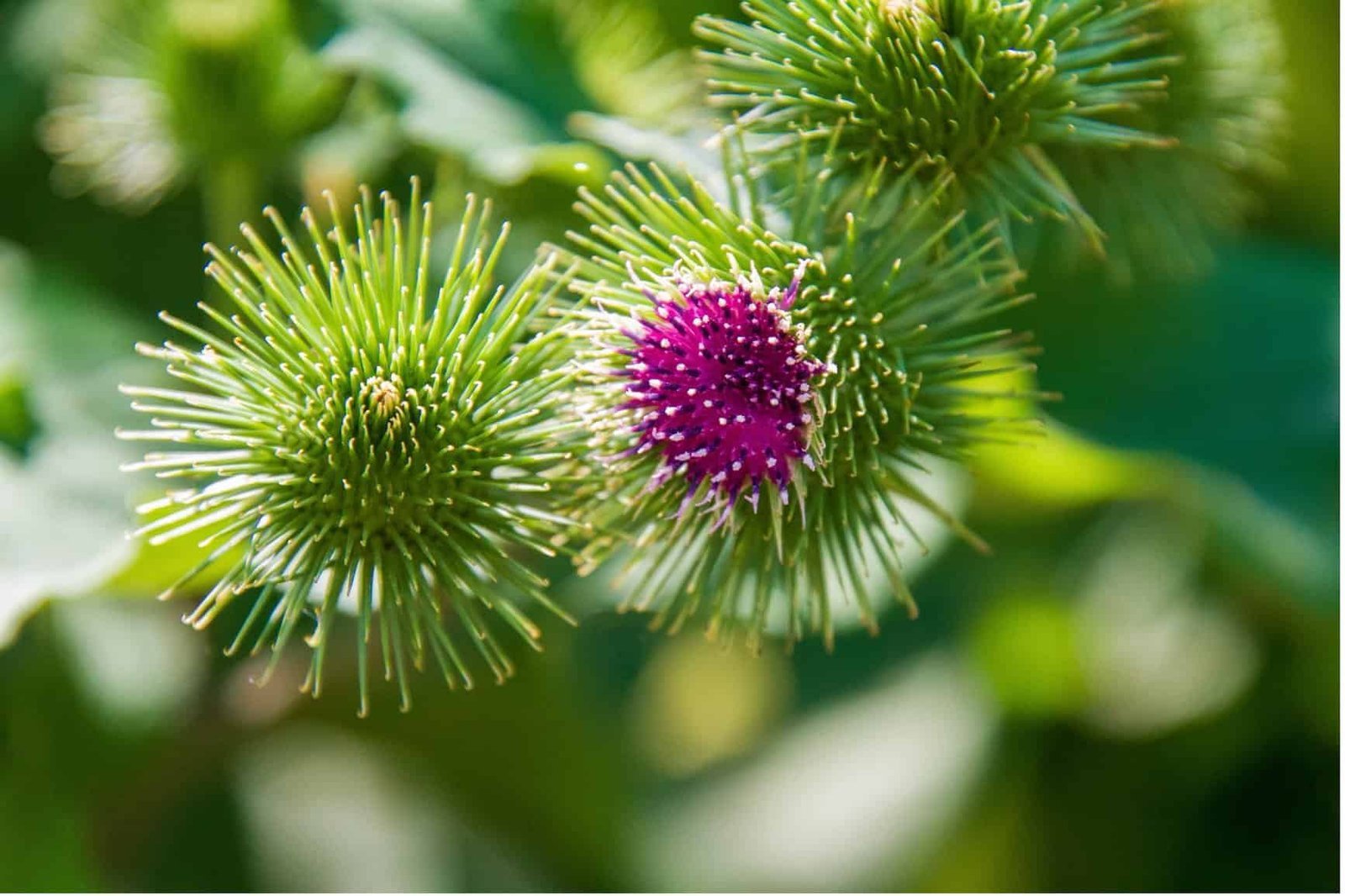
Burdock root is a natural detox stimulant that removes toxins from the bloodstream, including elevated uric acid levels. It also improves liver and kidney function to ensure that your body can continue removing the toxins. 

Dandelion

Dandelion extract and teas have proven to enhance kidney and liver function, allowing better excretion of uric acid in a 2013 study published in the Bharati Vidyapeeth Deemed University in India. 

Devil’s Claw Root

The Journal of Medicinal Plants Research published research connecting Devil’s Claw root to a reduction of uric acid in 2013. It also doubles as an anti-inflammatory agent. 

Lemon Herbs

Lemon herbs contain citric acid, which neutralizes uric acid and helps the kidneys flush it out, and dissolves crystals that form around the joints.

Sour Black Cherries

Research published by the United Kingdom National Health Service confirmed that sour black cherries often used for tart cherry juice effectively reduce inflammation and decrease uric acid by increasing the excretion of uric acid. 

Wandering Cudweed

Wandering Cudweed, found in Chinese alternative medicine stores, is another uric acid suppressant that can dissolve joint crystals in gout flares. 

Wandering Cudweed 1

You might not know all these products, but they’re easily sourced in alternative medicine stores, such as extracts, herbal roots, and essential oils. Moreover, they’re excellent secret remedies that can help treat gout. 

Conclusion

The earth has always supplied us with what we need; all we need to do is use these natural remedies to support a healthy and active lifestyle. This will help you manage your arthritis with greater ease. 

Can I Switch Medigap Plans Anytime? What You Need to Know

0

Medicare Part F is the government’s program for people with specific health problems requiring hospitalization. It helps these people pay for their hospitalization with money they receive from the government. Medicare Part F also provides insurance for other family members, such as your spouse or children. It covers various services, including doctor visits, lab tests, and prescription drugs. Medicare Part F is available to people aged 65 or over and is open to those who live in a participating state. Below are parts that Medicare Part F covers.

Medicare Part F

Inpatient Hospital Services

This part pays for hospital stays. Some benefits include Medications (including chemotherapy drugs), surgery, physical therapy, speech therapy, mental health treatment, and medical equipment like ventilators and wheelchairs. Your amount depends on how long you stay in the hospital and what kind of care you need. For example, if you were hospitalized for at least three days, there might be a deductible and coinsurance. You’ll likely need help paying this cost out of pocket until you meet a specific threshold, and the federal government will reimburse you. When this happens, you won’t owe anything additional to Medicaid because you already paid enough out-of-pocket. However, if you don’t hit your out-of-pocket limit, you can still have to make payments after being reimbursed by Medicare.

Skilled Nursing Facility Services

If you’re staying overnight at a skilled nursing facility, you might be able to benefit from Medicare supplement coverage for some expenses. For example, Medicaid could help pay for an extended rehabilitation period if you underwent hip replacement surgery. These costs vary depending on which type of covered service you use. For example, certain benefits may not apply when you enter rehab instead of being treated in a hospital. Be sure to ask about any changes during your visit.

Hospice Benefits

People who spend their last months in hospice care may be eligible for Medicare benefits. This includes medication and supplies used to manage symptoms commonly seen near death. Medicaid doesn’t usually cover treatments performed in an emergency room, but it’s essential to check this option before needing extensive medical assistance. However, be aware that a copayment exists before you can claim these benefits.

hospice benefits

Emergency health care services for the first 60 days when traveling outside the U.S.

Emergency medical care isn’t typically covered under most plans when you go abroad. Instead, travelers should consider getting extra coverage through MediPass or another plan covering medical needs overseas. Medicare part F covers emergency services and covers this cost when you travel within the United States without supplemental insurance.

Respite Care Benefits

Respite services provide short-term relief for family caregivers. Services can range from home visits to respite care for five consecutive nights. Depending on personal needs and preferences, families often choose a combination of services to best fit their situation. While Medicaid generally won’t cover respite care, some plans may offer support. Check with your plan provider to find out more details about which options are available. To qualify, you must need respite care to relieve stress caused by chronic conditions or care for someone with acute illness or injury.

Durable Medical Equipment & Supplies

Durable medical equipment refers to machines intended to reduce pain or assist movement that isn’t considered medical devices. Examples include braces for treating foot deformities, walkers, wheelchairs, and scooters. Medicaid typically covers the cost of purchasing durable medical equipment after using other methods to treat the condition without success. Your insurer can explain whether this applies to you. Your insurance company can refuse to pay for certain medical products; check with them if you have questions about coverage.

Long-Term Acute Care Hospital Care

Long-term acute care hospitals provide around-the-clock care for people who require ongoing monitoring and specialized treatment, such as those experiencing complications following heart attacks or strokes. It’s difficult to determine whether this type of hospital care should be classified as acute or long-term care because it has both characteristics. For example, Medicaid generally considers patients staying at this facility for more than 30 days to receive acute care. You’ll likely pay out of pocket based on your policy provisions during the time spent there. For example, suppose you don’t have access to private health insurance. In that case, many states also offer Medicaid programs to help low-income individuals pay for the costs associated with living with illnesses like Alzheimer’s, cancer, diabetes, and stroke.

Medical expenses for people who are permanently disabled

If you’re incapable of performing everyday tasks due to an accident or disability, Medicaid will cover various medical treatments and supplies needed to keep you alive. Benefits vary depending on the severity of your impairment and how much money your spouse receives in social security benefits. For example, if you or your spouse meets one of the Social Security Administration’s criteria for permanent disability, they could get up to $4,100 in monthly cash benefits. That amount increased yearly until 2016, when it reached $2,000 per month. For example, if you meet the requirements and your annual household income was between $50,250 and $62,500 before taxes in 2017, you’d get approximately $11,300 in benefits annually.

Understanding Chronic Kidney Disease and Its Effects

0

It can be a little shocking if you hear the words chronic kidney disease (CKD) or high risk of developing CKD from your health care provider. What does kidney disease mean in practical terms? How worried should you be, and what can you do to stay as healthy as possible?

This condition doesn’t have to be as frightening as it sounds, especially if you take the time to understand how it affects your body.

Whether you’ve been diagnosed with chronic kidney disease or just want to learn more about it, understanding what it is and how it impacts your body can significantly benefit your overall health. You’ll be more equipped to manage any symptoms and better discuss any concerns with your primary care provider or a kidney specialist.

What Is Chronic Kidney Disease?

Chronic kidney disease is damage to your kidneys that gradually causes them to become less effective over time.

Even though you only need one of your two kidneys to live, they play a significant role in your body’s homeostasis. Your kidneys filter out any toxic substances and waste products in your body. If they’re not functioning correctly, these substances can build up and lead to long-term damage.

Kidney disease typically can’t be reversed, but you can alleviate your symptoms and keep the damage from worsening by making intelligent medical treatment and lifestyle decisions.

Chronic Kidney Disease Causes

Multiple conditions can cause chronic kidney disease, including certain health conditions, genetic factors and age, some types of medications, and other disease processes such as infections. Different causes can require different types of treatment to produce the best results.

Two of the most common causes are diabetes and high blood pressure, which put more strain on your kidneys than usual.

With diabetes, higher blood sugar levels can overwork your kidneys and reduce their functionality. This is called diabetic kidney disease.

High blood pressure, also known as hypertension, can damage the blood vessels in your kidneys. Without proper blood flow, the kidneys can no longer adequately filter waste and remove excess fluids from your body, leading to an unhealthy build-up of those substances over time.

Both diabetes and high blood pressure can be managed with diet and exercise to prevent or improve chronic kidney disease. Still, other conditions causing chronic kidney disease are more difficult to manage. 

Polycystic kidney disease is a genetic disorder that causes cysts to grow in the kidneys, increasing your blood pressure. Other conditions such as auto-immune disorders and lupus have also been linked to kidney disease.

Common Complications

Kidney disease can cause complications that affect your overall body health. Learning about the most common symptoms and side effects allows you to identify and manage these problems.
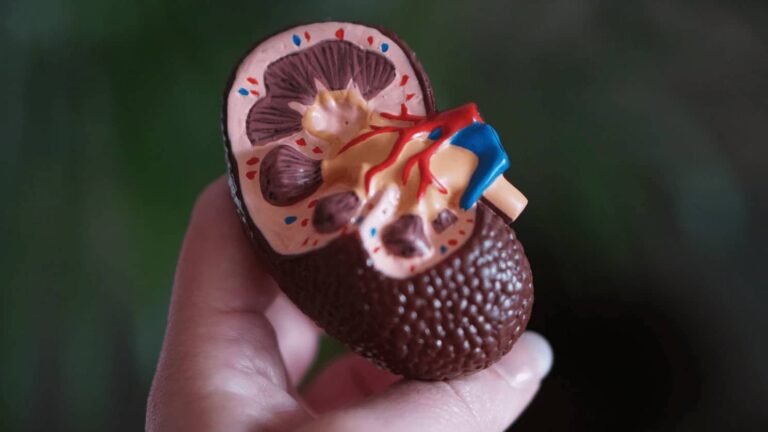
Weakened Immune System

Kidney disease often weakens your immune system, which is your body’s natural defense against illness. For example, you might get sick more often or have worse symptoms when you’re ill. For example, chronic kidney disease patients who have had a kidney transplant will be taking immunosuppressants, weakening their immune system.

To ensure you stay healthy, ensure you’re up to date on your vaccinations and avoid unnecessary exposure to viruses and bacteria.

Fluid Retention

If you notice swelling in your arms or legs, it’s likely the result of fluid retention. Since your body can’t process fluids as efficiently when you have CKD, the fluid build-up can occur in your limbs. This may also result in higher blood pressure and, in some cases, fluid in the lungs, making breathing difficult.

Anemia

Anemia means you have fewer fully functioning red blood cells, which restricts oxygen circulation in your body. It can leave you feeling tired, weak, and dizzy. Over time, this may also damage other organs in your body, so it’s best to be under a doctor’s care if you have this condition.

heart disease 1

Heart Disease

Cardiovascular disease is often seen in patients with kidney disease. Many patients with chronic kidney disease have hypertension and diabetes, and these conditions are significant risk factors for heart disease, which is the leading cause of death in the US.

End-Stage Renal Disease

In some cases, chronic kidney disease will progress until the kidneys are no longer functional on their own. This is known as end-stage renal disease or kidney failure. It is a severe form of kidney disease, but it happens to only a handful of people.

Kidney failure cannot be reversed, but there are some treatment options. These include dialysis and kidney transplants.

Living With Chronic Kidney Disease

It’s essential to take steps to limit chronic kidney disease’s damage to your body. This is accomplished by addressing uncomfortable or painful symptoms and adopting a healthier lifestyle.

If you manage your kidney disease properly with the help of a physician, you can still live a long life and keep your condition from worsening. Small things like taking prescribed medications, quitting smoking, getting regular exercise, and eating healthy can make a huge difference.

Conclusion

A chronic kidney disease diagnosis doesn’t have to mean fear and panic. If you take the time to learn about your condition and adjust your lifestyle accordingly, you can remain healthy and reduce the number of complications you experience.