

Home Blog Page 31

The Complete Guide to PACE (Program of All-Inclusive Care for the Elderly)

PACE (Program of All-Inclusive Care for the Elderly) is a Medicare and Medicaid program that provides comprehensive medical and social care — including primary care, dental, transportation, meals, and home health — to adults age 55 and older who need nursing-home-level care but want to remain in their community. For most people enrolled in both Medicare and Medicaid, PACE is completely free: no premiums, no deductibles, no copays. As of 2026, PACE operates through more than 376 centers across 33 states.

376+
PACE centers nationwide as of 2026
87,000
Seniors currently enrolled in PACE
95%
Of PACE participants who remain living in their community
$0
Monthly cost for most dual-eligible Medicare/Medicaid recipients

What Is PACE?

The Program of All-Inclusive Care for the Elderly—almost always called PACE—is a federal healthcare program run jointly by Medicare and Medicaid. It was designed to solve a specific, painful problem: What do you do when an aging parent or spouse needs the kind of intensive, 24-hour care a nursing facility provides but desperately wants to stay home?

PACE’s answer is to bring the nursing home to the person — not physically, but in terms of the scope and quality of care. Rather than placing a senior in a facility, PACE surrounds them with a dedicated team of up to 11 healthcare professionals who coordinate every aspect of their medical, social, and personal care. Primary care, specialist visits, physical therapy, dental cleanings, medication management, transportation to appointments, hot meals, mental health counseling — it all flows through a single, unified plan.

The program was founded in San Francisco in 1971 as an experiment to see whether comprehensive community-based care could actually keep frail seniors out of nursing homes. It worked. By 1994, PACE was established as a permanent Medicare benefit. Today it operates through 194 organizations running more than 376 centers across 33 states, serving approximately 87,000 participants.

The average PACE participant is 76 years old, has multiple chronic conditions, and would otherwise qualify for a nursing home bed. About 94% of them live in the community — in their own homes or with family — rather than in a facility. That number, by itself, tells you most of what you need to know about how PACE works.

Note on naming: In Pennsylvania and several other mid-Atlantic states, PACE is called LIFE — Living Independence for the Elderly. The program is identical; only the name differs. If you live in Pennsylvania, search for “LIFE program” rather than “PACE program.”

Who Qualifies for PACE?

PACE eligibility comes down to four requirements. All four must be met:

  1. Age 55 or older. There is no upper age limit.
  2. Live in a PACE service area. PACE organizations define geographic coverage zones. You must reside within the designated area served by a local PACE organization.
  3. Certified as needing nursing-home-level care. Your state must certify that your health condition meets the clinical threshold for nursing facility placement. This doesn’t mean you have to be bedridden—it means your chronic conditions, functional limitations, or cognitive impairments are serious enough that a nursing home would be the standard recommendation.
  4. Able to live safely in the community with PACE support. At the time of enrollment, you must be able to live at home or in a community setting—with the help PACE provides—without posing a risk to your own health or safety.

Do You Need Medicare or Medicaid to Enroll?

No — you do not need to be enrolled in Medicare or Medicaid to apply for PACE. However, approximately 90% of PACE participants are dual-eligible, meaning they qualify for both programs. Being dual-eligible is significant because it means PACE is free.

If you have Medicare but not Medicaid, you can still enroll in PACE. You’ll pay a monthly premium for the long-term care portion of PACE benefits and a separate premium for prescription drug coverage (Part D). If you don’t qualify for either program, you can enroll as a private-pay participant — though this is considerably more expensive.

What Doesn’t Disqualify You

There are no financial criteria that determine whether you can apply for PACE. Income and asset levels are not evaluated as part of the eligibility assessment — they only affect how much you pay, not whether you qualify.

What Disqualifies You

There are a few conditions that make someone ineligible, even if they meet all four requirements above:

  • Current enrollment in a Medicare Advantage (Part C) plan, a Medicare prepayment plan, or a Medicare Prescription Drug Plan (Part D)—you must disenroll from these before joining PACE
  • Current enrollment in hospice services
  • Current enrollment in certain other long-term care programs that conflict with PACE’s all-inclusive structure
Important: When you enroll in PACE, it becomes your sole source of Medicare and Medicaid-covered services. You must use PACE’s provider network for your care. If you have a long-standing relationship with a doctor who is not part of the PACE team, you may need to transition your care—this is one of the program’s most significant trade-offs and worth discussing with the PACE enrollment team before signing.

What Services Does PACE Cover?

PACE’s coverage is exceptionally broad. It covers everything Medicare and Medicaid normally cover, plus additional services the interdisciplinary care team determines you need. In practice, this means PACE will cover services that most insurance plans routinely deny.

Medical and Clinical Services

Primary care physician visits
Specialist visits (cardiology, neurology, etc.)
Emergency room care
Hospital inpatient care
Outpatient surgery
Lab work and X-rays
Radiology and imaging
Prescription drugs (all approved by PACE team)
Over-the-counter medications (as directed)
Durable medical equipment (wheelchairs, walkers)
Preventive care and screenings
Skilled inpatient rehabilitation

Therapeutic Services

Physical therapy
Occupational therapy
Speech therapy
Recreational therapy

Dental, Vision, and Hearing

This is one of PACE’s most significant advantages over standard Medicare. Traditional Medicare Part A and Part B provide no coverage for routine dental, vision, or hearing care. PACE covers all three—cleanings, exams, dentures, glasses, and hearing aids—when the interdisciplinary team determines these services are necessary for the participant’s overall health.

Home and Personal Care

Home health aide services
Personal care assistance (bathing, dressing)
Homemaker services
Respite care for family caregivers
Nutritional counseling
Meals (at the day center and some home delivery)

Social and Mental Health Services

Behavioral health counseling
Social work services
Caregiver support and training
Adult day health programs
Recreational and social activities
End-of-life and palliative care planning

Transportation

PACE covers transportation to and from the PACE day center, to specialist appointments, and to other approved activities. For many seniors — especially those who no longer drive — this service alone is transformative. Transportation is not a secondary benefit; it is considered a core component of the PACE model.

Nursing Home Care

If at any point it becomes necessary for a PACE participant to receive care in a nursing home—due to a health crisis or significant decline—PACE covers this too. The interdisciplinary team continues to supervise the participant’s care even during a nursing home stay. Importantly, participants do not lose their PACE benefits simply because they need temporary nursing home placement.

Key rule: All services must be approved by the PACE interdisciplinary care team (IDT). Unlike traditional insurance, PACE participants cannot simply see any specialist they choose — all care is coordinated through the IDT. This creates extraordinary continuity of care but requires participants to work within the PACE network.

How Much Does PACE Cost?

Cost is where PACE often surprises people. For the majority of participants, PACE costs nothing out of pocket. For others, the cost structure depends on their insurance status.

Insurance StatusMonthly PremiumDeductiblesCopays
Dual-eligible (Medicare + Medicaid)$0$0$0
Medicaid only (no Medicare)$0$0$0
Medicare only (no Medicaid)Varies by program; typically $500–$900/month for LTC portion + Part D premium$0$0
Private pay (no Medicare or Medicaid)Typically $4,000–$7,000/month (varies by program and location)$0$0

Even for private-pay participants, the cost is often comparable to or lower than a nursing home bed, which averages over $8,000 per month nationally for a semi-private room—and does not include extras like dental or transportation that PACE provides as standard.

How Does PACE Get Funded?

PACE organizations receive monthly capitation payments from Medicare and Medicaid for each enrolled participant. In exchange, the PACE organization assumes full financial responsibility for all of that participant’s healthcare needs. This structure is what enables PACE to cover services that traditional fee-for-service Medicare does not—because the organization is managing a fixed budget across its participant population and has a financial incentive to keep people healthy and out of expensive hospital beds.

For participants, there are never any deductibles or copayments for any drug, service, or care that the PACE team approves—regardless of which payment category you fall into.

PACE vs. Nursing Home: Key Differences

Most families facing the question of senior care end up comparing PACE to a nursing home or skilled nursing facility. The comparison is stark.

FactorPACENursing Home
Where you liveAt home or in communityIn the facility
Monthly cost (dual-eligible)$0$0 (Medicaid pays, but assets/income rules apply)
Monthly cost (private pay)$4,000–$7,000$7,500–$12,000+
Dental, vision, hearingCoveredTypically not covered
TransportationCoveredN/A (you live there)
Caregiver respiteIncludedN/A
IndependenceHigh — you set your scheduleLow — facility determines daily structure
Family involvementActive and encouragedVisits limited by facility rules
Personalized care planYes—updated regularlyVaries by facility
Can you leave the program?Yes, any time, no penaltyYes, with discharge planning

For most people who qualify, PACE is the superior option in terms of quality of life, range of services, and cost. The primary reasons families choose a nursing home over PACE are geographic (no PACE program nearby), safety concerns that make community living impractical even with maximum support, or the participant’s preference for a more structured, supervised environment.

Is PACE Available Where You Live?

InnovAge operates PACE centers in Florida, California, Colorado, New Mexico, Pennsylvania, and Virginia. Find out if there’s a center near you.

See InnovAge Locations →
National PACE Finder

The PACE Interdisciplinary Care Team

The heart of PACE is the interdisciplinary team, universally called the IDT. This is the group of professionals who assess your needs, build your care plan, and coordinate every service you receive. Federal regulations require a specific composition for the IDT:

  • Primary care physician
  • Registered nurse
  • Social worker
  • Physical therapist
  • Occupational therapist
  • Recreational therapist or activity coordinator
  • Dietitian
  • PACE center supervisor
  • Home care coordinator
  • Personal care attendant representative
  • Transportation coordinator

All 11 members conduct a comprehensive assessment of each new participant. The team then meets regularly—in person, as a group—to review each participant’s status, update care plans, and make decisions about services. This is categorically different from fragmented fee-for-service care, where a participant’s cardiologist may not know what their neurologist prescribed or where a fall at home goes unreported to any physician for weeks.

The IDT structure also enables PACE to catch problems early. Because participants are seen regularly at the day center and are known personally to a team of 11 professionals, a subtle change in gait, mood, or appetite can trigger an immediate clinical response — often preventing hospitalizations that would otherwise be costly and traumatic.

The PACE Day Health Center

Each PACE organization operates at least one PACE center — a facility that functions as the hub of the program. It is not a nursing home and not a traditional adult day program. A PACE center typically includes:

  • A primary care clinic
  • An adult day health program with structured activities
  • Physical, occupational, and speech therapy areas
  • Social spaces for meals and recreation
  • Mental health and social work offices
  • Personal care areas

Participants typically attend the day center two to three times per week on average, though frequency ranges from once a month to daily depending on individual care needs. Attendance is based on the IDT’s determination of what is clinically appropriate, not on a fixed schedule. Transportation to and from the center is provided.

For many participants, the day center becomes a meaningful source of social connection—one of the most underappreciated aspects of PACE. Isolation and loneliness are significant contributors to health decline in older adults, and the regular, structured social environment of the PACE center addresses this directly.

PACE for Dementia and Alzheimer’s

PACE is particularly well-suited for seniors living with dementia, Alzheimer’s disease, or other cognitive impairments—and for the family caregivers who support them.

Several features of the PACE model benefit dementia patients specifically:

Behavioral health integration

The IDT includes social work and mental health professionals who regularly assess cognitive and behavioral changes. Early intervention with dementia-related symptoms—agitation, sleep disruption, wandering risk—is part of the standard care model.

Caregiver respite

Family caregivers of dementia patients face extraordinary burnout. PACE’s day center program provides structured, supervised time for the participant away from home—giving caregivers essential breaks during the week. PACE also provides caregiver training and formal respite programs for longer periods of caregiver absence.

Home safety assessments

The PACE home care coordinator conducts home safety assessments and can recommend and arrange modifications—grab bars, removal of fall hazards, door alarms—to allow dementia patients to remain home safely longer than they otherwise could.

Continuity through decline

PACE does not discharge participants as their condition worsens. The care plan evolves with the participant’s needs. If nursing home placement eventually becomes necessary, PACE covers that too, and the IDT remains involved in the participant’s care.

For families: PACE does not require the person with dementia to make their own enrollment decision. A family member, caregiver, or legal representative can complete the enrollment process on behalf of a participant who lacks the capacity to do so independently.

How to Apply for PACE: Step-by-Step

Enrolling in PACE is a structured process that typically takes two to six weeks from first contact to coverage start date. Here’s exactly what to expect.

1
Confirm you meet the basic eligibility requirements.
You must be 55 or older, live in a PACE service area, and have a health condition that your state would classify as requiring nursing-home-level care. If you’re unsure about the nursing-home-level requirement, the PACE enrollment team can help assess this during an initial conversation — you do not need to figure this out on your own.
2
Find a PACE organization near you.
Use the PACE program finder at npaonline.org or call 1-800-MEDICARE (1-800-633-4227) and ask for PACE programs in your zip code. If InnovAge operates in your state (FL, CA, CO, NM, PA, or VA), visit our InnovAge state-by-state guide for direct contact information.
3
Contact the PACE organization and request an enrollment assessment.
Call or visit the PACE organization and express interest in enrolling. They will schedule a comprehensive health assessment—typically conducted by the IDT physician and a nurse, either in your home or at the PACE center. This assessment evaluates your medical conditions, functional needs, and living situation.
4
Complete state certification for nursing-home-level care.
Your state must formally certify that you meet the nursing facility level of care (NFLOC) standard. The PACE organization typically assists you in completing this step and coordinates with the appropriate state agency. In most states, the PACE team does the heavy lifting here — you do not have to navigate this paperwork alone.
5
Apply for Medicaid if you haven’t already.
If you believe you may qualify for Medicaid but are not enrolled, the PACE enrollment team can help you apply. Medicaid eligibility determines whether PACE is free for you. In states like Colorado, you can apply via an online portal (Colorado uses the PEAK system). PACE staff will guide you through this process.
6
Review and sign the enrollment agreement.
Once eligibility is confirmed and all assessments are complete, you’ll sign a PACE enrollment agreement. This agreement outlines your rights, the services you’ll receive, and the terms of the program. You will also disenroll from any existing Medicare Advantage plan or Medicare prescription drug plan, as PACE becomes your sole Medicare provider.
7
Coverage begins.
Your PACE benefits begin on the first day of the month following your enrollment agreement. Your IDT will conduct a comprehensive initial assessment and build your personalized care plan within the first few weeks of enrollment.
Can you change your mind?
Yes — at any time. PACE enrollment is always voluntary, and you can disenroll for any reason without penalty. If you leave PACE, your Medicare and Medicaid benefits revert to their previous structure, typically within 30 days.

States Where PACE Is Available

As of 2026, PACE operates in 33 states and the District of Columbia. The program is not available in: Alaska, Arizona, Connecticut, Georgia (in implementation), Hawaii, Idaho, Maine, Minnesota, Mississippi, Montana, Nevada, New Hampshire, South Dakota, Utah, Vermont, West Virginia, and Wyoming.

If you live in a state without PACE, or in a part of a PACE state that falls outside a service area, contact your State Health Insurance Assistance Program (SHIP) for information about alternative long-term care options, including Medicaid HCBS waiver programs.

Important California Update

California PACE Application Pause: Effective November 20, 2025, the California Department of Health Care Services (DHCS) has imposed a pause on new PACE applications for a minimum of two years. If you or a loved one was planning to enroll in PACE in California—including through InnovAge California—this pause affects new applications. Existing participants are not affected. Contact InnovAge California directly for information on waitlist options.

For the states where InnovAge operates—Florida, California, Colorado, New Mexico, Pennsylvania, and Virginia—see our detailed guide: InnovAge PACE Centers: State-by-State Guide.

Pros and Cons of PACE

The Case For PACE

  • Free for most participants. If you’re enrolled in both Medicare and Medicaid, there are no premiums, deductibles, or copays—for any service, any drug, any transportation. This is exceptional value.
  • Truly comprehensive coverage. Dental, vision, hearing, transportation, meals, home care, mental health — covered. Standard Medicare covers none of these.
  • You stay home. For most seniors, remaining in their own home or with family is vastly preferable to institutional care. PACE is specifically designed to make this possible for people who would otherwise need a nursing home.
  • Coordinated care. The IDT structure eliminates the fragmented, siloed care most seniors experience. One team knows your complete picture.
  • Social connection. The day center provides structured social engagement — a documented factor in longevity and cognitive health.
  • Voluntary. You can leave anytime. There is no lock-in, no penalty, and no long-term commitment required.
  • Caregiver support. Respite care, training, and support groups reduce the burden on family caregivers significantly.

The Trade-offs

  • You must use PACE’s provider network. This is the most significant downside for many families. If your parent has a trusted cardiologist or oncologist outside the PACE network, continuing to see them is generally not permitted under PACE. All care must flow through the PACE IDT.
  • Geographic availability is limited. PACE does not operate in all states, and even within PACE states, service areas are defined geographically. If you live outside a service area, you cannot enroll.
  • The day center is a requirement, not optional. Attendance at the PACE day center is part of the program model. Frequency is set by the IDT based on your clinical needs, not your personal preference.
  • Application can take time. The enrollment process—assessment, state certification, and Medicaid application—typically takes two to six weeks. In some cases, especially if Medicaid applications are complex, it can take longer.
  • All or nothing. When you enroll in PACE, it becomes your complete healthcare plan. You cannot supplement it with a separate Medicare Advantage plan or keep a standalone Part D drug plan.

Frequently Asked Questions About PACE

Does PACE cover prescription drugs?

Yes — completely. PACE covers all prescription drugs, and in many cases over-the-counter medications, that the interdisciplinary care team determines are medically necessary. There are no formulary restrictions, no coverage gaps, and no copays for medications approved by the PACE team. PACE replaces Medicare Part D drug coverage entirely.

Can a person with dementia enroll in PACE?

Yes. Cognitive impairment — including Alzheimer’s disease and other forms of dementia — does not disqualify someone from PACE. In fact, PACE is often an excellent option for dementia patients because of the program’s behavioral health integration, structured day center activities, caregiver respite, and ability to scale care intensity as the disease progresses. A family member or legal representative can complete the enrollment process on behalf of a person who cannot do so independently.

What happens if I need to go to the hospital or a nursing home while enrolled in PACE?

PACE covers all necessary hospital and nursing home care. If you are hospitalized, your PACE team coordinates with the hospital and maintains oversight of your care. If you require temporary nursing home placement, PACE pays for it, and your IDT continues to manage your care plan. You do not lose your PACE benefits during a nursing home stay.

Can I keep my current doctor if I enroll in PACE?

Not in most cases. PACE is an all-inclusive model — you receive all your care through the PACE network, led by the PACE primary care physician who is part of your IDT. If your current doctor is not affiliated with PACE, you would need to transition your primary care to the PACE physician. Specialist referrals outside the PACE network require IDT authorization and are handled case-by-case.

How often do I have to go to the PACE day center?

Attendance frequency is determined by your IDT based on your clinical and social needs. On average, PACE participants attend the day center about two to three times per week, but the range is wide — from once a month to every day. The day center is not optional; it is a clinical component of the program. However, attendance schedules are built around your needs and are adjusted as those needs change.

Can I enroll in PACE if I live in an assisted living facility?

Yes. PACE participants can live in a variety of community settings, including their own home, a family member’s home, or an assisted living facility. The key eligibility requirement is that you must be able to live safely in the community — wherever that is — with the support PACE provides.

Is PACE available for veterans?

Veterans who meet PACE eligibility criteria can enroll. If you are a veteran with VA healthcare benefits, enrolling in PACE will change how you receive certain services — you should speak with both a PACE enrollment counselor and a VA benefits coordinator before making a decision to ensure you understand the impact on your VA coverage.

What states call PACE by a different name?

In Pennsylvania, Maryland, and parts of the mid-Atlantic region, PACE is called LIFE — Living Independence for the Elderly. The program structure, eligibility requirements, and benefits are identical; only the name differs. If you’re searching for PACE in Pennsylvania, search for “LIFE program” as well.

Ready to Learn More or Find a PACE Program?

InnovAge is one of the largest PACE providers in the country, with centers in Florida, California, Colorado, New Mexico, Pennsylvania, and Virginia.


InnovAge State-by-State Guide →
PACE vs. Nursing Home →


Aviron Rowing Machine Review: Is It the Right Fit for Active Adults Over 55?

If your knees have started vetoing your workouts, rowing deserves a second look. It’s one of the few cardio exercises that works your legs, back, core, and arms at once—without pounding your joints the way running or the elliptical can. Aviron has become one of the most talked-about names in home rowers, thanks to a big touchscreen, video-game-style workouts, and a design that’s noticeably easier to get on and off than older rowing machines. We took a close look at whether it holds up for a 55+ audience specifically—not just fitness influencers in their 30s.

Bottom line up front: the Aviron is a genuinely well-built, low-impact rower with real accessibility advantages (higher seat, lower step-over, and guided coaching), but it’s a bigger investment than a basic rower and works best if you’ll actually use the touchscreen features. Here’s the full breakdown.

Why Rowing Makes Sense After 55

Before getting into the machine itself, it’s worth understanding why rowers keep coming up in conversations about senior-friendly fitness equipment.

Rowing is a seated, low-impact movement—your body weight never lands on your knees or hips the way it does with walking or jogging. The smooth, sliding motion increases blood flow to the joints, which can support mobility and help with everyday stiffness, and because it’s a weight-bearing exercise, it also helps maintain bone density. It’s a full-body workout, engaging roughly 80% of your muscle groups in a single session, which makes it efficient if you don’t want to be doing separate strength and cardio routines. Most guidance suggests 3-4 sessions a week, 15 to 30 minutes each, to see real benefit—a pace that’s realistic for most schedules.

That combination — cardio, strength, and joint-friendliness in one seated machine — is exactly why rowers have become popular with the 55+ crowd over the last few years.

Talk to your doctor before starting any new exercise routine, especially if you have an existing joint, heart, or back condition.

Getting On and Off: The Detail Most Reviews Skip

For a lot of people over 55, the real dealbreaker with home gym equipment isn’t the workout — it’s the awkward business of getting into position. Aviron seems to have designed around this specifically.

The seat sits about 20 inches off the ground, noticeably higher than a traditional rower, so you’re not lowering yourself into a low crouch to sit down. At the same time, the frame itself is a low 10 inches, so you don’t have to lift your leg high to step over it. The seat is also wide, cushioned, and stable rather than the narrow sliding seats you’ll find on budget rowers. In practice, that means less strain on your knees, hips, and lower back just getting in and out — which matters if you’re rowing daily rather than once a week.

Aviron Model Lineup: Which One Fits You

Aviron currently sells three main lines. Here’s how they compare:

Aviron Strong Go Rower — around $1,499 The most affordable entry point. It uses your own tablet or phone rather than a built-in touchscreen, which keeps the price down but means one more thing to set up before each row.

Aviron Impact Series Rower — around $1,900 A lighter, more compact rower with the same 22″ HD rotating touchscreen as the flagship model, built for smaller spaces or households sharing the machine. This is a strong middle-ground pick if space or budget is a bigger concern than resistance range.

Aviron Strong Series Rower — around $2,499 The flagship model, with dual air-and-magnetic resistance for a smoother, more adjustable feel and steel-and-aluminum construction rated to support users up to 507 lbs. This is the one most reviewers point to as the best all-around experience.

All three share the same core design advantages: the 20″ seat height, low step-over frame, and access to Aviron’s guided programs.

See current pricing and packages on Aviron’s site →

What the Touchscreen Actually Adds

Every Aviron model (aside from the Strong Go, which uses your own device) comes with a 22-inch touchscreen that rotates, so you can follow along with off-rower stretching or strength segments, too. It’s the centerpiece of what makes Aviron different from a plain rowing machine.

On the screen, you get access to guided workouts, scenic rows, and light, game-like challenges — plus the ability to log into your own Netflix, Hulu, Prime Video, Disney+, or YouTube account and watch while you row. For anyone who finds a plain rowing motion boring after five minutes, this is a meaningful difference. It’s also genuinely helpful for beginners: step-by-step instructional videos walk you through form before you start, which lowers the risk of straining your back with poor rowing technique.

The subscription is $29/month and unlocks the full library of guided programs and games. You can also use the rower without a subscription — you’ll still see your resistance, time, distance, and stroke metrics — but you’ll lose the guided coaching and entertainment features, which are arguably the best reasons to choose Aviron over a cheaper rower in the first place.

Warranty and Peace of Mind

This is worth calling out for anyone making a bigger equipment purchase later in life: Aviron backs its rowers with a 10-year frame warranty and 2-year parts warranty standard, and if you order directly from Aviron’s website, that extends to a 20-year limited warranty on the Impact, Strong, and Tough series. That’s an unusually long warranty for home fitness equipment, and it’s a meaningful reassurance if you’re investing in a machine you plan to use for years, not months.

Who Should and Shouldn’t Buy an Aviron

A good fit if:

  • You want a low-impact cardio option that’s easier on the knees, hips, and back than walking or running
  • You’d actually use guided workouts and entertainment to stay motivated
  • Getting on and off the machine easily is a real priority, not an afterthought
  • You want a long warranty on a piece of equipment you’re planning to keep long-term

Maybe not, if:

  • You just want the cheapest possible rower and won’t use the touchscreen or subscription
  • You have very limited space (the Strong Series is the largest of the three)
  • You’re not comfortable with a recurring monthly fee for the full feature set

The Verdict

For adults 55 and up looking for a joint-friendly way to build cardio fitness and strength without giving up on their knees, the Aviron lineup stands out for reasons that go beyond the flashy screen: the higher seat, lower step-over frame, and beginner-guided coaching are the kind of details that actually matter day to day. The Impact Series is the sensible middle choice for most households—full features in a smaller footprint—while the Strong Series is worth the upgrade if you want the smoothest resistance feel and don’t mind the larger frame.

Check today’s price and current Aviron packages →

Compare Aviron models side-by-side →


This post contains affiliate links. If you purchase through a link on this page, senioraffair.com may earn a commission at no additional cost to you. We only recommend products we believe offer genuine value to our readers.

What to Do If Your Flight Is Delayed or Cancelled: A Senior Traveler’s Action Plan

0

Flight disruptions happen to even the best-planned trips. A weather delay, mechanical issue, or airline overbooking can throw off a carefully planned itinerary — and for seniors with connecting flights, hotel check-ins, or pre-booked transfers, a delay can cascade quickly. Here’s exactly what to do, step by step.

Step 1: Get to the Gate Agent Immediately

The moment your flight is delayed or cancelled, go directly to your gate agent—don’t wait for an announcement that never comes. Gate agents have the authority to rebook you while seats are still available. The longer you wait, the fewer options remain.

While waiting in line at the gate simultaneously:

  • Call the airline’s customer service line (often faster than the gate line)
  • Check the airline app for rebooking options

Step 2: Know What You’re Owed

Your rights depend on where and with which airline you’re flying:

SituationWhat Airlines Must Provide
EU flight, delay 2+ hoursMeals and refreshments
EU flight, delay 3+ hours (their fault)€250–€600 cash compensation per passenger
EU flight, delay 5+ hoursFull refund if you no longer want to travel
EU flight, overnight delayHotel accommodation and transport to/from hotel
U.S. domestic, significant delayMeal vouchers (at discretion), rebooking assistance
Denied boarding (overbooking)Up to 4x ticket price, capped at $1,550 on U.S. flights

Step 3: Register with AirHelp (Before You Even Travel)

AirHelp is the world’s largest flight compensation service. You register your flight, and they monitor it automatically. If a delay or cancellation makes you eligible for compensation, they file the claim with the airline on your behalf — on a no-win-no-fee basis. You pay nothing if the claim fails; they take a percentage of what they recover if it succeeds.

Set up AirHelp before every trip. It takes 5 minutes and could recover hundreds of dollars per passenger if a disruption occurs.

Step 4: Protect Your Downstream Bookings

If your delay will cause you to miss connecting flights, hotel check-in, or pre-booked transfers:

  • Contact your hotel immediately—most will hold your room if you call ahead
  • Contact your transfer service — Welcome Pickups and GetTransfer monitor flight times and adjust automatically when you provide your flight number at booking
  • Contact your travel insurance—if the delay is long enough, meal and accommodation costs may be reimbursable. Check your policy from VisitorsCoverage or Insubuy

Step 5: Save All Receipts

During a delay, keep receipts for every expense—meals, taxi to hotel, hotel room, and pharmacy items needed because your bag was delayed. These are potentially reimbursable through your travel insurance or airline compensation claim. Take photos of receipts immediately in case the paper fades.

Step 6: Document Everything

  • Screenshot the delay/cancellation notification
  • Get a written statement from the gate agent confirming the reason for the delay (required for EU compensation claims)
  • Keep your original boarding pass—do not discard
  • Note the time of every communication with the airline

How to File a Compensation Claim

You can file directly with the airline (time-consuming, frequently rejected on first attempt) or use AirHelp to handle it for you. AirHelp has legal teams in every major country and a higher success rate than individual claims because airlines know they’ll escalate if rejected. For busy seniors, AirHelp’s automated monitoring and filing is the easiest solution.

FAQ: Flight Delays for Senior Travelers

Am I entitled to compensation if my flight is delayed?

On EU flights delayed over 3 hours due to airline fault, passengers are entitled to €250–€600 per person. U.S. regulations are less structured. AirHelp checks your eligibility automatically and files on your behalf.

What does AirHelp do?

AirHelp monitors your flights and files compensation claims automatically when you’re eligible. They work on a no-win-no-fee basis — you pay nothing if the claim fails.


Related Articles: Ultimate Senior Travel Checklist | Travel Insurance for Seniors | How to Book International Flights | Airport Transfer Guide

What Are the Most Common Arthritis Types People Can Have?

Arthritis isn’t only a pain in the backside. It’s a painful inflammation that surrounds the joints in your body. Many people suffer from osteoarthritis, the most common arthritis type, but there are more than 100 other types of arthritis.

The first certainty about arthritis is that it’s misunderstood. The term ‘arthritis’ actually refers to a collection of diseased, degenerated, or painfully inflamed joints. The second certainty is that it reduces your quality of life.

Before you can learn how to manage arthritis naturally, you’ll need to learn about the seven arthritis variants that affect people globally.

Seven Main Arthritis Variants

The Centers for Disease Control and Prevention (CDC) shared the current statistics for Americans, and 54 million people suffer from some form of arthritis, while 24 million of these people have a lower quality of life.

Losing the ability to be active and fully functional is emotionally debilitating. Start understanding your variant of arthritis to manage it on your terms.

Ankylosing Spondylitis (AS)

This type of arthritis doubles as a tongue twister. Ankylosing spondylitis is a debilitating type of arthritis that affects the spine. It most commonly affects the lower spinal vertebrae that connect to the pelvic area.

DLArthritis2 1

Spondylitis means inflammation, and ankylosing means fused joints. The tissues between your joints wear down, and the bones fuse into an immovable joint. The bones involved are the vertebrae, and the tissues between them are known as discs.

Over time, the inflammation surrounding the discs will wear them to a non-functioning state, which causes a condition referred to as bamboo spine. Men are more likely to suffer from AS, and it’s also genetically inherited with the human leukocyte antigen B27 protein.

Having the B27 protein doesn’t guarantee that you’ll develop AS, and some patients can develop AS even though they don’t have the B27 genetic marker. AS can also be caused by autoimmune dysfunction.

Gout

Gout is more common than AS, and it normally affects one joint at a time, often starting in the big toe. It’s caused by inflammation, crystallization of high levels of uric acid, or both. Unfortunately, it’s also extremely painful.

Repeated flares are a sign that the condition isn’t simply temporary but, instead, has evolved into inflammatory gouty arthritis.

It’s quite intriguing to think how common gout is in patients when you consider that it’s one of the easiest to manage and can often be prevented. It’s best to make use of nutritional and lifestyle changes and leave medication as a last resort.

Juvenile Arthritis

Juvenile arthritis is a broad-spectrum term used to cover arthritis in children. Yes, even children can suffer from arthritis. It’s either genetic, the result of an injury, or inflammation from a continuing autoimmune phenomenon.

Osteoarthritis (OA)

Osteoarthritis is called the degenerative type because it often comes with age and the wear and tear you experience in life. Its main targets are the hips, knees, and hands. Risk factors for developing this type are overusing joints, sedentary behavior, old injuries, and obesity.

DLArthritis3 1

Age and gender also play a role, and genetics and ethnicity are also determining risk factors. Asian cultures have a lower risk of developing it. Fortunately, OA can be easily managed with a proactive lifestyle.

Psoriatic Arthritis

This type of arthritis typically affects people with skin conditions like psoriasis. People often don’t realize how an infection in the body or on the skin can impact their bone and tissue health.

Reactive Arthritis

This is another type of arthritis that develops after having an infection, most commonly food poisoning or sexually transmitted infections. It affects the feet, hips, toes, ankles, and knees.

Rheumatoid Arthritis (RA)

Rheumatoid arthritis is another common type. It normally develops when the body’s self-defense system becomes self-destructive, attacking the body instead of defending it.

RA is an autoimmune disorder that commonly affects the hands and feet, but it can also harm your organs. RA can be managed effectively with the same lifestyle changes as most arthritis variants.

Final Thoughts

Knowing more about the type of arthritis you’re experiencing is the starting point, but you must also learn about what causes it. With this knowledge, you can manage your condition much better.

How to Recognize High Blood Pressure and Its Symptoms

0

High blood pressure is often considered a silent or invisible condition because its symptoms are very mild. But don’t let this fool you.

Even though it may feel like you don’t have a problem due to this ‘lack’ of symptoms, this doesn’t mean it can’t cause serious damage to your health.

On the contrary, the damage can be quite extensive, especially if you don’t recognize that you have high blood pressure in a timely fashion.

Learning the most common symptoms of high blood pressure can help you identify them more easily when they do make themselves known, which means you can start treatment as early as possible.

What Is High Blood Pressure?

High blood pressure is also called hypertension. It’s a condition that typically results in damaged or blocked arteries, which reduces how efficiently blood is able to circulate through your body. With elevated blood pressure, more wear and tear is placed on your arteries and heart.

High blood pressure can be dangerous because it restricts blood and oxygen supply to different parts of your body. This taxes your body and may lead to organ failure if it’s not appropriately managed, though most cases of hypertension don’t progress this far.

Understanding Blood Pressure

Your blood pressure is a measure of the force with which your blood cells press against the walls of your veins and arteries. It’s measured as one number over another.

You’ve probably heard your doctor say your blood pressure this way, but you might not have known exactly what it meant.

The first number represents your systolic blood pressure, which is the pressure on your artery walls at the time the heart is contracting and squeezing blood out through the arteries. The second is your diastolic blood pressure, which measures the pressure when the heart relaxes between beats.

Either number being too high can indicate a problem, but it’s best to find out what the average blood pressure is over a period of time before considering further treatment.

htnpic2 1

Healthy Blood Pressure Measurements

If your blood pressure doesn’t fall into the healthy range, it needs to be investigated further. A normal systolic blood pressure reading is 120 mm Hg, while diastolic blood pressure is normally about 80 mm Hg.

Blood pressure is generally considered elevated if it’s above 140 systolic and 90 diastolic. If your blood pressure reading spikes up to levels of 180 systolic or 120 diastolic, you should seek medical attention right away.

Oftentimes, the best way to know if you have high blood pressure is to test it. You can purchase a monitor that you can use to measure your blood pressure at home or schedule an annual physical with your regular doctor.

Symptoms of High Blood Pressure

Symptoms aren’t always present when your blood pressure is elevated, but it’s important to pay attention to them when they are. Keep a lookout for any of the following abnormalities:

  • Fatigue
  • Confusion
  • More frequent or severe headaches
  • Dizziness
  • Nausea
  • Rapid heartbeat
  • Nosebleeds
  • Chest pain
  • Vision problems
  • Blood in your urine

You’ll notice that many of these symptoms are nonspecific and could apply to a number of different conditions. This is why it’s so important to have your blood pressure tested so you can know for sure why these issues may be occurring.

High Blood Pressure Treatment for Invisible Symptoms

Many people don’t realize that they have high blood pressure because their symptoms can be overlooked. They often don’t interfere with normal activity, but the problem is that the high blood pressure is still doing damage to your body.

Even though the symptoms can be somewhat invisible, high blood pressure can have very serious effects. By the time you begin to notice these effects, often, much damage has already been caused by the ongoing high blood pressure. Thus, it’s important to do all you can to normalize your blood pressure at an early stage of the diagnosis.

Most routine physicals involve checking your blood pressure. If your doctor is concerned, don’t ignore it. Simple lifestyle changes like eating better and getting more exercise can go a long way toward reducing hypertension.

Final Thoughts

Regular check-ups will help to reduce your risk of damage to your body from uncontrolled high blood pressure. The sooner you make a change to more healthy habits, the sooner you’ll see improvements in your blood pressure.

Over time, you’ll start to feel better too. The only way to get proper treatment for your high blood pressure is by seeing your doctor or healthcare provider.  Be sure to do your part in identifying whether or not the condition exists.

Medicare Preventive Benefits Guide 2026

0

Medicare covers a wide range of free preventive benefits designed to help seniors stay healthy and catch health issues early. In 2026, Medicare beneficiaries have access to more preventive services than ever before — at no cost when you see a participating provider.

What Are Medicare Preventive Benefits?

Medicare preventive benefits are covered services aimed at preventing illness or detecting health problems at an early stage. Under the Affordable Care Act, most preventive services are covered at 100% — meaning $0 out-of-pocket for you when you use a Medicare-participating provider.

Free Preventive Services Covered by Medicare in 2026

1. Annual Wellness Visit (AWV)

Once you’ve had Medicare Part B for more than 12 months, you’re entitled to a free Annual Wellness Visit. This is not a physical exam — it’s a personalized prevention plan where your doctor reviews your health history, updates your medical record, and helps you prevent disease.

  • Cost: $0 with Medicare Part B
  • Frequency: Once per year
  • What it includes: Blood pressure check, height/weight, depression screening, cognitive assessment, medication review

2. Cancer Screenings

Medicare covers several cancer screenings at no cost:

  • Mammogram (breast cancer): Once per year for women 40+
  • Colonoscopy (colorectal cancer): Every 10 years (or every 2 years if high risk)
  • Pap smear & pelvic exam (cervical cancer): Once every 24 months
  • Prostate cancer screening (PSA test): Once per year for men 50+
  • Lung cancer screening: Annually for adults 50–77 who smoke or recently quit

3. Cardiovascular Screenings

Medicare covers cardiovascular screening blood tests every 5 years — including cholesterol, lipid, and triglyceride testing. These help assess your risk for heart disease and stroke.

4. Diabetes Screening & Self-Management

If you’re at risk for diabetes, Medicare covers up to 2 fasting blood glucose tests per year. If you’re already diagnosed with diabetes, Medicare also covers diabetes self-management training and supplies.

5. Vaccines & Immunizations

Medicare covers several important vaccines at no cost:

  • Flu vaccine: Once per flu season
  • COVID-19 vaccine: Covered vaccines and boosters
  • Pneumococcal vaccine: Up to 2 shots (different types)
  • Hepatitis B vaccine: If you’re at medium or high risk
  • RSV vaccine: One-time dose for adults 60+

6. Bone Mass Measurement (Osteoporosis)

Medicare covers bone density tests every 24 months for people at risk for osteoporosis. Women over 65 and men over 70 are considered at elevated risk.

7. Depression Screening

Medicare covers one depression screening per year in a primary care setting. Depression is common among seniors but highly treatable — early detection matters.

8. Alcohol Misuse Screening & Counseling

Medicare covers annual screenings for alcohol misuse and up to 4 brief counseling sessions per year if you’re found to be misusing alcohol.

9. Obesity Counseling

If your BMI is 30 or higher, Medicare covers up to 22 intensive behavioral therapy sessions per year for obesity, including diet counseling.

10. “Welcome to Medicare” Preventive Visit

Within the first 12 months of having Medicare Part B, you’re entitled to a one-time “Welcome to Medicare” visit. This is your chance to review your health and establish a prevention plan with your doctor — at no cost to you.

How to Use Your Medicare Preventive Benefits

To take advantage of these free services:

  1. Choose a Medicare-participating provider — this ensures the $0 cost benefit applies
  2. Tell your doctor you want to use your Medicare preventive benefits
  3. Keep track of which screenings you’ve had and when you’re due for the next one
  4. Check your Medicare Summary Notice (MSN) to confirm claims were processed correctly

Frequently Asked Questions

Are all preventive services free under Medicare?

Most preventive services covered by Medicare Part B are free when you use a participating provider. However, if your preventive visit turns into a diagnostic visit (e.g., your doctor finds something and treats it), you may pay a copay for that portion.

Does Medicare Advantage cover preventive benefits?

Yes — Medicare Advantage plans must cover all Medicare-approved preventive services at no cost. Many Advantage plans offer additional preventive benefits like dental, vision, and hearing that Original Medicare doesn’t cover.

Can I get COVID tests through Medicare?

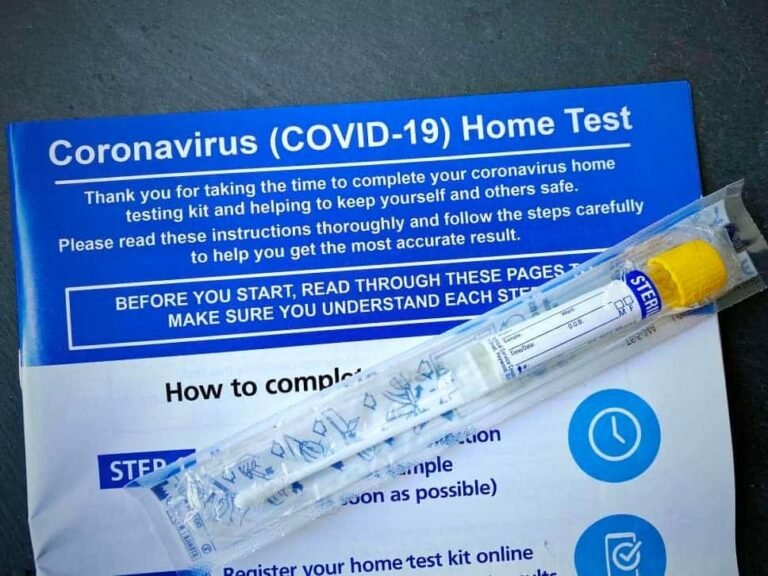
Medicare covers COVID-19 lab-based diagnostic tests (PCR/antigen) ordered by a doctor at no cost. Coverage for at-home OTC COVID tests through Medicare has varied by program year — check medicare.gov for current coverage details.

Make the Most of Your Medicare Benefits

Many seniors don’t take advantage of all the free preventive benefits available to them. Don’t leave these benefits on the table. Schedule your Annual Wellness Visit, stay current on screenings, and use Medicare’s preventive care program to protect your health — at no cost.

For the most current list of Medicare-covered preventive services, visit medicare.gov or call 1-800-MEDICARE (1-800-633-4227).

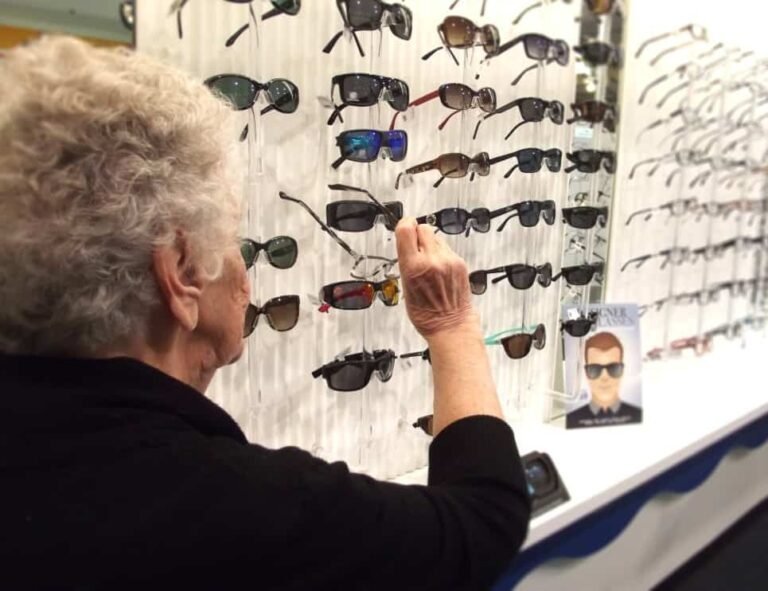
Ordering Glasses Online: Befitting has the Answers

Today, you can get almost everything online — even groceries are now ordered online or delivered through an app. So it’s a modern convenience that has made things easier for the hustle and bustle of everyday life. Of course, not everything is like a space-aged blockbuster, and some things still require an in-person visit, like seeing your eye doctor. That is still something that would work best as a hands-on experience for the best results concerning your eye health. But that doesn’t mean you need to stop by the optical on your way out anymore!

You can get $45 Off Your Next Order of $150+ Plus Free Shipping.

Today, you can get almost everything online — even groceries are now ordered online or delivered through an app. So it’s a modern convenience that has made things easier for the hustle and bustle of everyday life. But, of course, not everything is like a space-aged blockbuster, and some things still require an in-person visit, like seeing your eye doctor. That is still something that would work best as a hands-on experience for the best results concerning your eye health. But that doesn’t mean you need to stop by the optical on your way out anymore!

senior records audio content or podcast for his blog a serious adult european man in a baseball cap t20 LXkzY1
FREE Standard Lenses at BeFitting.com with Code LENS2021

As an online retailer of premium eyewear in the US and Canada, Befitting has all the brands you know with the quality and style you love. Single and progressive lenses, prescription sunglasses, and ultra-lightweight lenses make finding what you need simple. Plus, Befitting leads the pack by being the most trusted optical retailer with the largest insurance providers in the country, such as EyeMed, Davis Vision, Superior Vision, United Healthcare, Spectera, and more, accepting more insurance plans than any other optical retailer.

With that said, many still worry about shopping for something so personal online. So how do you know if the glasses will work for your face shape? Will they be too big? Can I get lenses powerful enough for my prescription? All are valid concerns, and Befitting has the answers to help you decide if shopping online for your new glasses is the right choice.


To start, here are some of the most common questions regarding ordering glasses online:

  • How do I order my glasses? Once you find the frames you love, click the “Choose lenses” button to add them to your cart. Then, you’ll be prompted to select the type of glasses you want, prescription or no prescription. If you choose a prescription, you’ll then decide what type (Standard vs. Progressive). You’ll select your lenses (Standard, Polycarbonate, Ultra Lightweight, and BluTech), and finally, your lens treatment (None, Standard Anti-Reflective Coating, and Premium Anti-Reflective Coating). Now it’s time to checkout!
  • When do I submit my prescription? You will be prompted right after you place your order, but if you don’t have your prescription handy at the time of purchase, you can email it as soon as you have it.
  • What is PD and what if my prescription doesn’t have it? PD is an abbreviation for pupillary distance, which means the distance from the center of one pupil to the center of the other pupil. So why do you need this? Because this measurement helps craft lenses that provide you crystal clear vision. And, if you don’t have it, call your vision care provider to ask for your PD, and write it on the prescription like this: “PD-63” if you are given a single number, or “PD R-32 L-31” if you are given two measurements.
  • What are the maximum power ranges for eyeglasses? Maximum sphere powers +5.00 and -10.00 / Maximum cylinder power of -4.00 / Prism corrections: maximum of 2.0 (per eye) / Progressive add power: +0.75 to +3.00
  • How is sizing determined? Befitting has developed an exceptional tool to help you find the right frames for your style and fit. The soon-to-be-unveiled Befitting Virtual Stylist tool is an actual AI experience that intelligently identifies the shopper’s style preferences and maps their face through over 2000 points to determine the perfect fit. The Befitting opticians have created a general sizing chart to help you narrow your search.
  • Will my glasses need to be adjusted to fit me? As with any day-to-day wear item, small adjustments will need to be made to ensure your Befitting frames’ proper fit and comfort. Befitting’s optical experts prepare these recommendations for adjustments you can make at home.

And, if something doesn’t work out, you can return your glasses without worry within 30 days from receiving them. Befitting will be happy to assist you with the return and, as needed, email you a prepaid return shipping label.

So, step into the 21st century of frame shopping and head to Befitting to buy your next pair online. Not only will you have an array of colorful, on-trend collections to browse, but Befitting tackles even more tough questions to help you find the right frames to fit your personality and compliment your unique style.

The Root of Joint Pain: Understanding What Causes Arthritis

Various factors cause different types of arthritis. For example, learning about the risks and causes of these debilitating conditions can help you navigate away from them or manage them more effectively.

Some can be avoided, and the onset of others can be delayed well into the golden years. Moreover, some types of arthritis can be slowed to a halt. But the question is, where does it start? Why do you have this terrible condition?

A Stew of Arthritis Risks

What will cause your joints to weaken and be prone to functional decline? There are many reasons you can develop arthritis, ranging from inflammation to genetics.

Moreover, autoimmune complications can worsen the existing conditions, making your life even harder. The main risk factors have surfaced from a collection of research and experimentation.

Genetic Predisposition

Human leukocyte antigens (HLA) are abnormal genes present in your sixth chromosome if you have a family history of arthritis, especially rheumatoid arthritis, ankylosing spondylitis (AS), and juvenile arthritis.

DLArthritis6 1

HLA genes play a crucial role in the immune system as they produce proteins that stimulate cells’ receptiveness in the body. For example, cells need to be able to receive nutrients and vitamins and repair themselves.

These genes can have a functional abnormality or be harmed by an over-responsive immune system that stays alert for too long. The proteins released by these genes act to assist the immune system in distinguishing between normal bodily proteins and invaders, such as viruses and bacteria.

The bottom line is that your risk for developing arthritis increases if you have a family history of this specific genome deformity.

Cartilage Weaknesses

Most often found in osteoarthritis is the inherent weakness of cartilage, which is the soft tissue between the bones. Genetic factors can cause this, but wear and tear are most often caused when you overuse the joints.

Repetitive movements have been the main instigator of joint weakness. Activities such as typing, stair climbing, and jogging can cause this problem.

Perhaps your job requires repetitive, hard labor for years, which places you at risk for osteoarthritis.

Nutritional Factors

The American College of Rheumatology confirms that poor nutrition is a significant cause of rheumatoid arthritis and gout. Many foods promote inflammation, whereas others increase your levels of uric acid, resulting in painful crystallization.

Certain foods like red meat, refined sugars, processed foods, and high-fat dairy are some of the bad actors, increasing the risk of gouty arthritis. Unfortunately, your stomach and the immune system are far more fragile than you may believe.

What you eat will ultimately increase your risk for many unwanted health disorders. For example, the stomach has trillions of bacteria that make up the microbiome. These bacteria help the immune system function correctly.

Any imbalance in stomach bacteria leads to a dysfunctional microbiome, and diseases are a typical result.

DLArthritis7 1

Injuries and Overworking the Joints

Some injuries put you at a higher risk of developing osteoarthritis later in life, even if they appear to be healed, particularly for knee injuries, because the past always haunts people in their golden years.

Sometimes, injuries aren’t as straightforward as the twisted ankle or torn ligament you had as a child. Overworking or misusing joints can often cause unrecognized injuries, which predispose you to the development of arthritic disease, and you don’t even know that you have a problem.

Sedentary Behavior

Did you know that being sedentary could predispose you to arthritis? It can also worsen arthritis because regular joint exercises keep your joints healthy and mobile, like an oiled engine.

Sedentary behavior promotes inflammation, increasing your risk for chronic autoimmune disorders like rheumatoid arthritis. Being inactive can lead to visceral fat accumulation, leading to chronic inflammation.

This lifestyle can also increase chronic fatigue and lay waste to muscles and soft tissues.

Autoimmune Disorders

However, the most significant concern for arthritis is autoimmune malfunctions, where the immune system attacks and depletes healthy cells. Therefore, your immune system is supposed to protect and preserve you, but it can also become an enemy.

DLArthritis8 1

Early-Onset Symptoms

What early symptoms can you look out for to avoid further progression?

  • Unexplained fatigue (activities, sex drive, and productivity)
  • A persistently mild fever that accompanies fatigue
  • Unintentional weight loss
  • Unusual stiffness in any joint
  • Joint pain
  • Swelling around the joints
  • Redness that accompanies the inflammation
  • Joints that feel warm to the touch
  • Numbness or tingling sensations
  • Any of the above symptoms on both sides of your body

Tally your risks, and make notes of the symptoms you experience before visiting your physician for an evaluation.

Final Thoughts

You might not be able to avoid all the risks, especially genetic factors. Still, you can avoid the lifestyle risks, which allows you to target your management on cellular or natural level, possibly allowing you to decrease or even stop some medications for your arthritis.

What Your Gut Is Telling You: 7 Essential Microbiome Facts

0

How much do you know about your microbiome? It’s the collection of bacteria and other organisms in your gut. We’re still learning exactly what they do, but the human microbiome’s importance has become increasingly apparent in recent years. It has become so important; that the gut microbiome is often called the second brain.” The more we learn, the more connections we make between the gut and the brain.

For example, did you know there is a link between depression and a lack of certain bacteria in the gut? The same goes for migraines. In other words, making sure those little critters in your gut are healthy and well-fed will go a long way toward helping your entire body stay healthy. And the best thing you can do for your microbiome is to eat a varied diet full of different fibers. So let’s talk about how to do that. 

There are different types of bacteria and other microorganisms in our gut. Each family thrives on different nutrients, especially various forms of fiber and starches. The idea is to encourage a diverse biome by eating many kinds of food, particularly those rich in fiber. That means fruits, vegetables, grains, nuts, seeds, etc. 

A fun way to accomplish this is by challenging yourself to eat thirty or more different plants each week. It sounds like a lot at first glance, but when you realize that each other kind of lettuce, each herb, each type of grain, and each spice counts, it’s not that hard to get to thirty and beyond. So let’s take a look at what that might look like. 

You can have oatmeal, whole-grain toast, grits, granola, or a smoothie full of different fruits and veggies for breakfast. Throw in some chia seeds or flaxseed, and you’ll add variety each day. 

Have a mixed salad one day, a flaxseed wrap another day, and hummus with raw veggies for lunch. And don’t forget about soup. It’s a great source of all sorts of different fibers. Throw in some buckwheat or wild rice, adding even more diversity. 

jetson probiotic
Jetson fresh probiotics

Did we hit twenty yet? If not, mix up your starches with sweet potatoes, pasta, bread, and couscous or quinoa. Roast a few of your favorite veggies, and let’s not forget beans and other pulses. Try different types of beans, lentils, and dried peas. 

By getting creative, you can get close to hitting your thirty different plants in a single meal by making a big pot of soup or chili full of various beans, veggies, herbs, and spices. Give it a try. And don’t forget about multiple nuts and seeds. They make great snacks and help you reach your plant diversity goal. 

Adding Probiotics To Your Diet

One of the best things you can do to improve your microbiome is to include probiotics in your diet. Ideally, you want to have some every day or at least most days of the week. But what exactly are probiotics? They are microorganisms that live in the food we consume. Yogurt is an excellent example that most of us are familiar with. As long as the yogurt hasn’t been pasteurized, it has live cultures (a.k.a bacteria and other microorganisms) that can make it into your gut and help populate it with good organisms. 

Probiotics should be taken daily. Think of it as a maintenance thing, similar to taking a multivitamin. Good bacteria can grow in your gut flora with the help of probiotics like Microbiome Plus+. They are available in pill and drink form, or you can get them by eating probiotic-rich food daily. 

What you want to look for are fermented foods and drinks. We already consume quite a few of them. Examples are yogurt, cheese, sauerkraut, sourdough bread, and pickles. By making sure we include them several times per week, or even daily, we can help out our gut and improve our microbiome. 

The fermented foods you eat must have live cultures in them. Most commercial pickles, for example, have been pasteurized, which kills the bacteria and makes for longer shelf life. You can find varieties with live cultures (often in the refrigerated section), and you can make many of these fermented foods at home. So let’s run through a few of them. 

Yogurt: Yogurt is so versatile. You can eat it plain, sweeten it with a bit of fruit or honey, turn it into a filling meal by adding grains like oats, or turn it into a portable breakfast by making a smoothie. Look for live-culture yogurts and avoid varieties with a lot of added sugar. Sugar is counterproductive because it feeds the harmful bacteria we don’t want in our gut. 

Kefir: If you like yogurt, you’re going to love Kefir. It has many more probiotics and cultures you can’t get from your yogurt. With a similar flavor profile, it’s great for smoothies. You can purchase Kefir or make your own using kefir grains. The process involves leaving a cup of unpasteurized milk mixed with the grains on the counter for about twenty-four hours. It will thicken and acquire the tart, mildly cheesy taste it’s known for. 

Cheese: Let’s round out this discussion by talking about cheese. Cheese is made with the help of bacteria. If you find unpasteurized cheese, you can count it towards your probiotic intake. 

Sauerkraut & Other Lacto-Fermented Veggies – Sauerkraut is a great probiotic-rich food. Look for the kind in the refrigerated section that hasn’t been pasteurized or make your own. It takes a clean container, cabbage, salt, and time. You can ferment and preserve other vegetables in the same way—search for “Lacto fermentation” and consider carrots and cucumbers; they are great options when starting. Kimchi is another fun option you can often find at your local grocery store. 

Keep trying different probiotic-rich foods and add a commercial probiotic when you need that extra boost (for example, after a round of antibiotics). 

Let’s Talk About Prebiotics 

How much do you know about prebiotics? Not to be confused with probiotics, mind you. Probiotics are found in foods like yogurt with live cultures, kefir, and sauerkraut that haven’t been pasteurized. But on the other hand, prebiotics is compounds found in food that promote the growth of microorganisms, including those in your gut. In addition, these foods can help you improve your microbiome by encouraging the growth of beneficial bacteria throughout your digestive tract. 

Prebiotics are mainly different types of plant fiber since this is the preferred diet of the bacteria and fungi in your gut. These organisms use fiber to grow; some waste products, like vitamin B12, are suitable for the body. However, there is much to learn about the process and symbiotic relationship between our microbiome and our body works. Still, we know enough to realize that our diet significantly impacts here. 

Each type of bacteria, fungi, and yeast that make up our varied microbiome prefers a different kind of fiber or food. Some bacteria that aren’t beneficial and can harm our health and well-being thrive on sugar. Others prefer simple carbohydrates like those found in white bread. Beneficial organisms, on the other hand, prefer complex carbs and various types of fiber, like those found in whole foods like an apple or a stalk of celery. When it comes to our biome, too much of a good thing can be harmful. The various types of bacteria balance each other out and work together. We don’t want too many or too few of any particular group. 

The best way to achieve this is by eating various prebiotic foods daily. Focus on plant-based whole foods. Choose multiple grains, herbs, spices, and as many different fruits and vegetables as possible. Eat some raw and some cooked where applicable, which will help you provide the preferred food to as many microorganisms as possible. Over time, you’ll create a flourishing microbiome that will serve your body well. 

If you are taking a probiotic, it is essential to include plenty of prebiotics. This allows the live cultures from your yogurt, Kefir, cheese, sauerkraut, or commercial probiotic to establish and thrive in your gut. Give it a try and see if you don’t start to feel healthier and more energetic with the addition of plenty of diverse probiotics. 

Avoiding Antibiotics And What To Do When You Have To Take Them 

Antibiotics are one of the tremendous medical miracles of the 20th century. They save lives daily and keep us from suffering needlessly from various infections. But, like many other things, we pay the price when we take them. But, no, this isn’t about breeding superbugs, though that’s undoubtedly one of the issues. The problem I want to address today is antibiotics’ unintended damage to the microbiome. 

Your microbiome contains various bacteria, with a few fungi and other microorganisms thrown in. The bacteria are the problem when it comes to taking antibiotics. While the medication does a great job fighting your infection and getting you back to feeling like yourself, it also destroys some good bacteria in your gut. That, in turn, gives other, less beneficial bacteria a chance to take over. Unfortunately, we often feel inadequate and have stomach issues while taking antibiotics. 

So, what do you do? The first step is to avoid taking antibiotics unless they are necessary. Too often, we treat them as the easy button. We ask for them, and doctors prescribe them first, only later investigating what else it could be if the antibiotics don’t work. Don’t insist on a course for a case of sniffles. Chances are, a virus causes those cold symptoms. Strengthening your immune system by eating healthy, getting enough sleep, and spending time outside in the sun is another good preventative strategy. 

There are times when you have to bite the bullet and take them. If that’s what you need to do to get better, by all means, go for it. You can do many things to help restore your gut biome when you’re done taking them. Start taking a probiotic as soon as possible. Speak to your doctor or health care professional about this. They will be able to guide you on when to start. This is a great time to invest in a quality probiotic supplement. 

Include natural probiotics like yogurt with live cultures into your diet. Eat plenty of fresh fruits, veggies, and whole grains to provide your microbiome and the good bacteria with all the prebiotic fiber they need to grow and flourish. Cut back on sugar and processed foods until things are back on track. In short, eat well, give your body what it needs, and don’t be afraid to take a round or two of antibiotics when warranted. 

How Cutting Down On Sugar Helps Your Gut 

Your gut is full of bacteria and other microorganisms, and that’s a good thing. They help break down our food and provide our bodies with nutrients. 

It would help if you had a healthy gut biome to fully benefit from healthy foods, mainly green leafy vegetables and their nutrients. It would be best to have plenty of good bacteria that help break down these foods and allow the nutrients to enter your body’s cells. 

That’s where sugar comes into play. Sugars, mainly fructose and sucrose, can cause the wrong type of bacteria to grow and flourish, which overcrowds the good bacteria you need to break down healthy food. Cutting back on the sugar and processed foods you eat will help restore balance to your gut microbiome and give the good guys a chance to help you stay healthy. 

Sugar also causes inflammation throughout the body, especially in the gut. Inflammation can prevent the proper processing of nutrients and cause digestive issues. Another big problem with an imbalance in the stomach is that having too many harmful microorganisms will make you crave more sugar and processed foods. So when you have a large colony of bacteria in your gut that craves those foods and thrives on them, it’s not surprising that you desire them more, which starts a vicious cycle that’s hard to break, but you can do it. 

Start by cutting back on sugary foods and processed food in general as much as possible. Cut out sugary drinks, especially soda and anything with high-fructose corn syrup. Replace it with fresh fruits and vegetables. Take a reputable probiotic and include fermented foods like yogurt, cheese, pickles, and sauerkraut, to name a few. Restore balance to your gut; with it, you will help restore health to your body. 

There are benefits outside the gut as well. Reducing the amount of sugar you eat reduces your chance of getting diabetes, heart disease, high blood pressure, and even some types of cancer. Cancer cells thrive on sugar; you don’t want to feed them if you can avoid it. 

Sugar is addictive, and it’s not easy to cut back or cut as much of it out of your diet as possible. But it’s well worth it in the end. You won’t believe how much better you’ll feel once you get over those pesky sugar cravings. 

mindbodygreen gallery probiotic pdp 1

Sleep And Exercise Are As Important For Your Microbiome As For The Rest Of Your Body 

You know it’s essential to get a good night’s sleep. One sleepless night proves that to anyone who’s in doubt. Exercise is another crucial component of a healthy lifestyle. But did you know that both sleep and exercise affect your gut microbiome? Let’s look at each and talk about why you should strive to get plenty of both. 

How Sleep Affects Your Microbiome 

One of the main reasons sleep or lack of sleep affects your microbiome is it increases stress. For example, if you’ve ever had a newborn or pulled a couple of all-nighters to pass an exam, you know firsthand how much lack of sleep can stress you out, which in turn causes issues in the gut. 

We don’t stick to a healthy diet when we are tired, and it’s no wonder that sleep significantly impacts our gut and health. It’s natural to crave sugar, junk food, and caffeinated beverages to help us get through sleep deprivation. It’s just not good for our gut health. So make sleep a priority, and the rest will fall into place. 

How Exercise Affects Your Microbiome 

As with many things about your microbiome, scientists don’t completely understand the connection between exercise and your gut. But what they do know is that there is a connection. Part of it may be that exercise reduces stress and inflammation, similar to what sleep does for you. And no, that doesn’t mean you can sleep in instead of hitting the gym. So both help your gut, and making exercise a priority is essential. 

Scientists have observed that exercise correlates with an increase in suitable bacteria that uses fiber from our diet and turns it into short-chain fatty acids with health benefits. The results range from leaner body mass and more satiety hormones that curb hunger. That’s right. Exercise can make you want to eat less and slim down, and it’s all connected to your microbiome. 

The good news is that getting plenty of sleep and working out regularly helps you in other ways. It’s suitable for every part of your body and mind. Yes, getting into a good sleep and exercise routine can be challenging, but once you do, you feel better, and it gets easier. As a bonus, the two complement each other. Working out helps you sleep better at night. That, in turn, makes it easier to get that workout the next day. Give it a try! 

Introduce More Fermented Foods, And Your Microbiome Will Thank You


One of the best things you can do for your gut health is include more fermented foods. They will continue to supply you with a steady supply of good bacteria to support your microbiome. They often also have plenty of prebiotics to feed your gut, particularly for fermented vegetables like sauerkraut. 

Fermented Vegetables 

I’m sure you’ve heard of sauerkraut as a fermented vegetable, but there’s so much more out there you can try. Have you had fermented carrot sticks? How about kimchi? It’s a perfect addition to any Asian-inspired meal and plentiful with eggs or as a sandwich topping. Another simple switch is replacing regular pickles with fermented ones. The best part is that you can make all of these yourself. Or get them at the grocery store. Check for unpasteurized versions that still include life cultures. 

Fermented Milk Products 

After vegetables, milk is the most commonly fermented product. From yogurt and cheese to Kefir, there are a lot of different products you can include in your diet. So let’s start with yogurt. Look for active cultures and little to no sugar. Use your yogurt in smoothies or grab it as a quick snack. Throw in a few whole grains or berries, combining prebiotics and probiotics. 

Cheese is another great option, including hard and soft cheeses. In most of them, the probiotics have aged, and you will likely still benefit from them. Enjoy your cheese on sandwiches, salads, or as a snack. And guess what? That cheese plate with fruits and nuts is an excellent combination of probiotics and prebiotics. 

Fermented Tea  

Did you know that you can also include fermented tea in your diet? Wondering what the heck fermented tea is? It’s kombucha. That’s right; your favorite fizzy soda replacement is also good for your gut. So, reach for it when plain water isn’t enough, and you’re craving something with a bit of flavor punch. 

A similar drink is water kefir, typically made with fruit and water kefir grains. These are different from the kefir drinks that turn milk into a thick yogurt-like drink. The result is fizzy, fruity, and delicious. So give it a try if you haven’t yet. 

Fermenting Grains 

When it comes to fermented foods, you’re probably not thinking about grains, particularly bread. One of the best ways to ferment your grains and make them more digestible is using sourdough. For example, you can make bread, pizza dough, waffles, and pancakes, to name a few. So yes, the heat of baking the bread or cooking the pancakes kills the probiotics, but not until they have done their job while the dough bubbles and transforms regular flour into something nutritious and delicious. 

There are a lot of excellent fermented products out there for you to enjoy. Grab a kefir or yogurt smoothie for breakfast, make a sourdough sandwich for lunch, and add some pickles and sauerkraut to your dinner plate. Mix and match them. And don’t feel like every meal has to include a ferment. Start small and keep adding more and more of them as you go. Once you start to feel fermented foods’ effects, you’ll gravitate to them more and more. 

Is AARP Worth It in 2026? Honest Review + Best Senior Benefits & Financial Tools

Who this is for: Adults 50+ weighing whether AARP membership is worth the $16/year—plus a guide to the financial tools and protections that every retiree should have in place in 2026.

Thinking about joining AARP?

Membership includes discounts on travel, dining and insurance products, plus AARP The Magazine. Check the current offer on AARP’s site.

See AARP membership

Partner link: SeniorAffair may earn a commission if you buy, at no extra cost to you.

Article Contents

AARP is the most recognized name in senior services, but many people don’t actually know what they get for their membership. This guide gives you the honest answer plus covers the financial protections—identity theft coverage, high-yield savings, and personal finance tools—that matter most to adults on fixed incomes.


Quick Reference: Best Senior Financial Tools 2026

ProductBest ForValueCost
AARP MembershipDiscounts + advocacyHundreds in savings$16/year
Identity GuardIdentity theft protection$60/incident protection~$8–$15/month
CIT BankHigh-yield savingsUp to 5%+ APYFree to open
QuickenBudget & investment trackingManage all accounts~$35–$100/year
IdentityIQCredit monitoring + IDFull coverageMonthly subscription

1. AARP — Is It Worth Joining? (Honest Answer: Usually Yes)

Join AARP →

At $16 per year (or about $1.33/month), AARP membership pays for itself many times over if you actually use the discounts. Here’s what you actually get:

Real discounts that add up:

  • Hotels: Up to 20-30% off at major chains (Wyndham, Choice Hotels, Hilton)
  • Restaurants: 15% off at Denny’s, IHOP, Outback, and others
  • Car rentals: Up to 30% off at Hertz, Avis, Budget
  • Prescriptions: AARP pharmacy savings card works at 60,000+ pharmacies
  • Entertainment: Movie tickets, theme parks, national park passes
  • Travel: Package deals through the AARP Travel Center

Services beyond discounts:

  • AARP Tax-Aide — free tax preparation assistance for seniors
  • Medicare advice — unbiased guidance on plan selection
  • Legal services — free or discounted consultations
  • AARP Foundation grants — assistance for low-income seniors
  • Advocacy — AARP lobbies on Social Security, Medicare, and senior rights

Who might not benefit: If you rarely eat out, don’t travel, and already have good prescription coverage, the ROI is lower. But most active adults over 55 recoup the $16 on their first discounted hotel night.

→ Join AARP for $16/Year — Calculate how much you’d save with your spending habits.


2. Identity Guard — Best Identity Theft Protection for Seniors

Get Identity Guard →

Adults over 65 are the most targeted demographic for identity theft and financial fraud. The Federal Trade Commission consistently reports that seniors lose more money per fraud incident than any other age group. Identity Guard provides comprehensive monitoring and protection built on IBM Watson’s AI.

What Identity Guard monitors:

  • Social Security number misuse
  • Dark web scanning — alerts if your information appears in data breaches
  • Bank account and credit card monitoring
  • Credit bureau changes (new accounts opened in your name)
  • Address change monitoring (a common sign of fraud)
  • Court records and criminal activity in your name
  • Social media identity monitoring

The $1 million insurance: Identity Guard includes up to $1 million in identity theft insurance—covering lost wages, legal fees, and other costs of recovering from identity theft.

Why seniors are specifically targeted:

  • Larger retirement account balances
  • Less likely to monitor accounts daily
  • More responsive to phone-based scams (Medicare fraud, IRS impersonation)
  • Often have excellent credit — more valuable to thieves

→ Protect Your Identity with Identity Guard — Get coverage in minutes.


3. CIT Bank — Best High-Yield Savings for Retirees

Open a CIT Bank Account →

With traditional savings accounts paying 0.01% interest, your emergency fund and cash reserves are silently losing purchasing power to inflation. CIT Bank’s high-yield savings accounts have consistently offered some of the highest APYs available, with no minimum balance requirements.

Why this matters for seniors on fixed incomes:

  • A $50,000 emergency fund earns $5 per year at 0.01% APY
  • The same balance earns $2,000–$2,500 per year at 4.5–5% APY
  • That’s $2,000 of additional, completely passive income
  • FDIC insured — same protection as any bank

Best CIT accounts for seniors:

  • CIT Savings Connect — high APY with no monthly fees
  • CIT Money Market Account — check-writing access plus high yield
  • CIT Bank CDs — lock in rates for 6–18 months

→ Open Your CIT Bank High-Yield Account — Takes about 5 minutes online. No minimum balance.


4. Quicken — Best Personal Finance Software for Retirees

Get Quicken →

Managing retirement income is more complex than managing a paycheck. You may have Social Security, a pension, IRA/401(k) withdrawals, investment dividends, rental income, and various expenses—all needing to be tracked and reconciled to make sure you’re spending at a sustainable rate.

Quicken is the gold standard personal finance software for adults managing complex financial lives. Unlike apps built for younger users, Quicken handles investment portfolios, rental properties, tax tracking, and retirement projections.

Best Quicken features for retirees:

  • Connects all accounts — bank, investment, mortgage, credit cards
  • Lifetime planner — shows if you’re on track to make your money last
  • Investment performance tracking and portfolio analysis
  • Tax deduction tracking throughout the year
  • Bill reminders so nothing gets missed
  • Spending trend analysis by category

→ Try Quicken for Your Retirement Finances — See the full picture of your money in one place.


Common Senior Financial Scams to Know in 2026

Understanding what you’re protecting against makes these tools more valuable:

  • Medicare/Medicaid fraud — Callers claiming to update your benefits, requesting your Medicare number
  • IRS impersonation — Threatening arrest for unpaid taxes (the IRS does NOT call)
  • Romance scams — Online relationships that eventually request money
  • Grandparent scam — Caller pretending to be a grandchild in legal trouble needing bail money
  • Investment fraud — “Guaranteed” returns on cryptocurrency, precious metals, or real estate
  • Tech support scams — Pop-ups claiming your computer is infected, requesting remote access

Identity Guard and IdentityIQ help detect the aftermath of these scams. The best defense is knowing they exist.


Senior Financial Checklist for 2026

  • Join AARP and use at least 3 discounts in the next month
  • Set up Identity Guard or IdentityIQ for ongoing monitoring
  • Move any idle savings to a CIT Bank high-yield account
  • Set up Quicken to track all retirement income and expenses
  • Freeze your credit at all three bureaus (free, and prevents new account fraud)
  • Review Social Security statement for accuracy at ssa.gov

This article contains affiliate links. We may earn a commission at no cost to you.