

How much do you know about your microbiome? It’s the collection of bacteria and other organisms in your gut. We’re still learning exactly what they do, but the human microbiome’s importance has become increasingly apparent in recent years. It has become so important; that the gut microbiome is often called the second brain.” The more we learn, the more connections we make between the gut and the brain.
Table of Contents
For example, did you know there is a link between depression and a lack of certain bacteria in the gut? The same goes for migraines. In other words, making sure those little critters in your gut are healthy and well-fed will go a long way toward helping your entire body stay healthy. And the best thing you can do for your microbiome is to eat a varied diet full of different fibers. So let’s talk about how to do that.
There are different types of bacteria and other microorganisms in our gut. Each family thrives on different nutrients, especially various forms of fiber and starches. The idea is to encourage a diverse biome by eating many kinds of food, particularly those rich in fiber. That means fruits, vegetables, grains, nuts, seeds, etc.
A fun way to accomplish this is by challenging yourself to eat thirty or more different plants each week. It sounds like a lot at first glance, but when you realize that each other kind of lettuce, each herb, each type of grain, and each spice counts, it’s not that hard to get to thirty and beyond. So let’s take a look at what that might look like.
You can have oatmeal, whole-grain toast, grits, granola, or a smoothie full of different fruits and veggies for breakfast. Throw in some chia seeds or flaxseed, and you’ll add variety each day.
Have a mixed salad one day, a flaxseed wrap another day, and hummus with raw veggies for lunch. And don’t forget about soup. It’s a great source of all sorts of different fibers. Throw in some buckwheat or wild rice, adding even more diversity.
Did we hit twenty yet? If not, mix up your starches with sweet potatoes, pasta, bread, and couscous or quinoa. Roast a few of your favorite veggies, and let’s not forget beans and other pulses. Try different types of beans, lentils, and dried peas.
By getting creative, you can get close to hitting your thirty different plants in a single meal by making a big pot of soup or chili full of various beans, veggies, herbs, and spices. Give it a try. And don’t forget about multiple nuts and seeds. They make great snacks and help you reach your plant diversity goal.
Adding Probiotics To Your Diet
One of the best things you can do to improve your microbiome is to include probiotics in your diet. Ideally, you want to have some every day or at least most days of the week. But what exactly are probiotics? They are microorganisms that live in the food we consume. Yogurt is an excellent example that most of us are familiar with. As long as the yogurt hasn’t been pasteurized, it has live cultures (a.k.a bacteria and other microorganisms) that can make it into your gut and help populate it with good organisms.
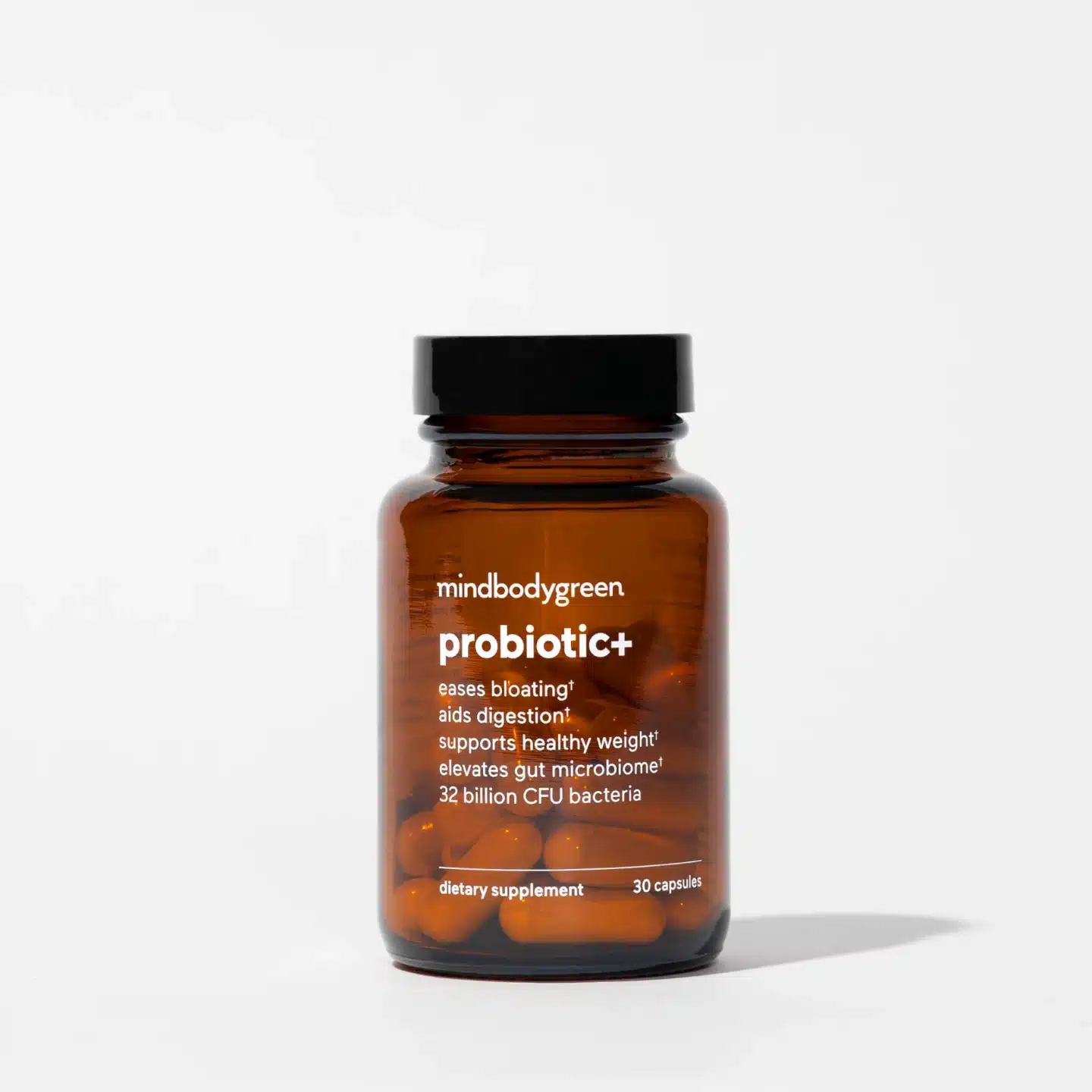
Probiotics should be taken daily. Think of it as a maintenance thing, similar to taking a multivitamin. Good bacteria can grow in your gut flora with the help of probiotics like Microbiome Plus+. They are available in pill and drink form, or you can get them by eating probiotic-rich food daily.
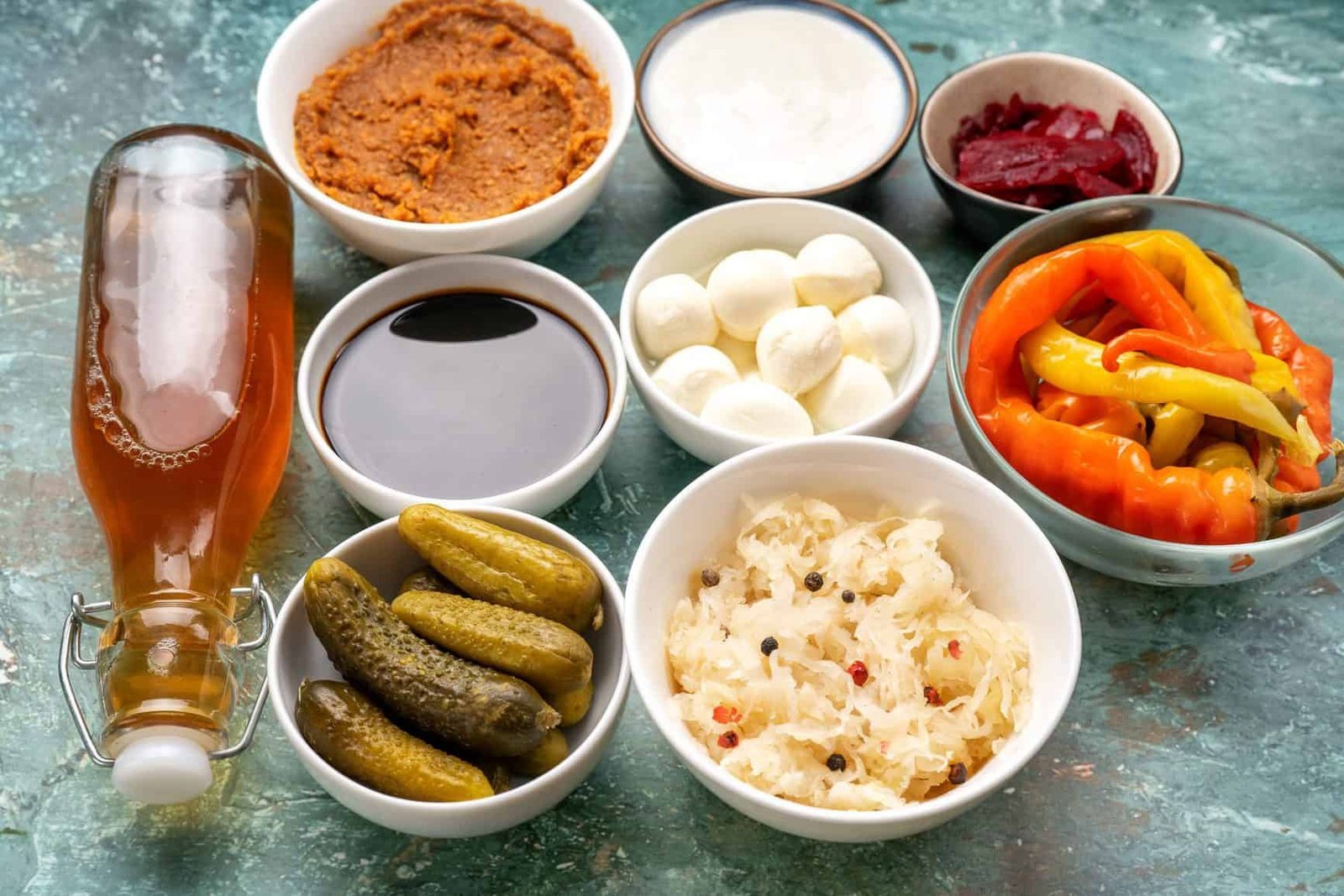
What you want to look for are fermented foods and drinks. We already consume quite a few of them. Examples are yogurt, cheese, sauerkraut, sourdough bread, and pickles. By making sure we include them several times per week, or even daily, we can help out our gut and improve our microbiome.
The fermented foods you eat must have live cultures in them. Most commercial pickles, for example, have been pasteurized, which kills the bacteria and makes for longer shelf life. You can find varieties with live cultures (often in the refrigerated section), and you can make many of these fermented foods at home. So let’s run through a few of them.
Yogurt: Yogurt is so versatile. You can eat it plain, sweeten it with a bit of fruit or honey, turn it into a filling meal by adding grains like oats, or turn it into a portable breakfast by making a smoothie. Look for live-culture yogurts and avoid varieties with a lot of added sugar. Sugar is counterproductive because it feeds the harmful bacteria we don’t want in our gut.
Kefir: If you like yogurt, you’re going to love Kefir. It has many more probiotics and cultures you can’t get from your yogurt. With a similar flavor profile, it’s great for smoothies. You can purchase Kefir or make your own using kefir grains. The process involves leaving a cup of unpasteurized milk mixed with the grains on the counter for about twenty-four hours. It will thicken and acquire the tart, mildly cheesy taste it’s known for.
Cheese: Let’s round out this discussion by talking about cheese. Cheese is made with the help of bacteria. If you find unpasteurized cheese, you can count it towards your probiotic intake.
Sauerkraut & Other Lacto-Fermented Veggies – Sauerkraut is a great probiotic-rich food. Look for the kind in the refrigerated section that hasn’t been pasteurized or make your own. It takes a clean container, cabbage, salt, and time. You can ferment and preserve other vegetables in the same wayâsearch for “Lacto fermentation” and consider carrots and cucumbers; they are great options when starting. Kimchi is another fun option you can often find at your local grocery store.
Keep trying different probiotic-rich foods and add a commercial probiotic when you need that extra boost (for example, after a round of antibiotics).
Let’s Talk About Prebiotics
How much do you know about prebiotics? Not to be confused with probiotics, mind you. Probiotics are found in foods like yogurt with live cultures, kefir, and sauerkraut that haven’t been pasteurized. But on the other hand, prebiotics is compounds found in food that promote the growth of microorganisms, including those in your gut. In addition, these foods can help you improve your microbiome by encouraging the growth of beneficial bacteria throughout your digestive tract.
Prebiotics are mainly different types of plant fiber since this is the preferred diet of the bacteria and fungi in your gut. These organisms use fiber to grow; some waste products, like vitamin B12, are suitable for the body. However, there is much to learn about the process and symbiotic relationship between our microbiome and our body works. Still, we know enough to realize that our diet significantly impacts here.
Each type of bacteria, fungi, and yeast that make up our varied microbiome prefers a different kind of fiber or food. Some bacteria that aren’t beneficial and can harm our health and well-being thrive on sugar. Others prefer simple carbohydrates like those found in white bread. Beneficial organisms, on the other hand, prefer complex carbs and various types of fiber, like those found in whole foods like an apple or a stalk of celery. When it comes to our biome, too much of a good thing can be harmful. The various types of bacteria balance each other out and work together. We don’t want too many or too few of any particular group.
The best way to achieve this is by eating various prebiotic foods daily. Focus on plant-based whole foods. Choose multiple grains, herbs, spices, and as many different fruits and vegetables as possible. Eat some raw and some cooked where applicable, which will help you provide the preferred food to as many microorganisms as possible. Over time, you’ll create a flourishing microbiome that will serve your body well.
If you are taking a probiotic, it is essential to include plenty of prebiotics. This allows the live cultures from your yogurt, Kefir, cheese, sauerkraut, or commercial probiotic to establish and thrive in your gut. Give it a try and see if you don’t start to feel healthier and more energetic with the addition of plenty of diverse probiotics.
Avoiding Antibiotics And What To Do When You Have To Take Them
Antibiotics are one of the tremendous medical miracles of the 20th century. They save lives daily and keep us from suffering needlessly from various infections. But, like many other things, we pay the price when we take them. But, no, this isn’t about breeding superbugs, though that’s undoubtedly one of the issues. The problem I want to address today is antibiotics’ unintended damage to the microbiome.
Your microbiome contains various bacteria, with a few fungi and other microorganisms thrown in. The bacteria are the problem when it comes to taking antibiotics. While the medication does a great job fighting your infection and getting you back to feeling like yourself, it also destroys some good bacteria in your gut. That, in turn, gives other, less beneficial bacteria a chance to take over. Unfortunately, we often feel inadequate and have stomach issues while taking antibiotics.
So, what do you do? The first step is to avoid taking antibiotics unless they are necessary. Too often, we treat them as the easy button. We ask for them, and doctors prescribe them first, only later investigating what else it could be if the antibiotics don’t work. Don’t insist on a course for a case of sniffles. Chances are, a virus causes those cold symptoms. Strengthening your immune system by eating healthy, getting enough sleep, and spending time outside in the sun is another good preventative strategy.
There are times when you have to bite the bullet and take them. If that’s what you need to do to get better, by all means, go for it. You can do many things to help restore your gut biome when you’re done taking them. Start taking a probiotic as soon as possible. Speak to your doctor or health care professional about this. They will be able to guide you on when to start. This is a great time to invest in a quality probiotic supplement.
Include natural probiotics like yogurt with live cultures into your diet. Eat plenty of fresh fruits, veggies, and whole grains to provide your microbiome and the good bacteria with all the prebiotic fiber they need to grow and flourish. Cut back on sugar and processed foods until things are back on track. In short, eat well, give your body what it needs, and don’t be afraid to take a round or two of antibiotics when warranted.
How Cutting Down On Sugar Helps Your Gut
Your gut is full of bacteria and other microorganisms, and that’s a good thing. They help break down our food and provide our bodies with nutrients.
It would help if you had a healthy gut biome to fully benefit from healthy foods, mainly green leafy vegetables and their nutrients. It would be best to have plenty of good bacteria that help break down these foods and allow the nutrients to enter your body’s cells.
That’s where sugar comes into play. Sugars, mainly fructose and sucrose, can cause the wrong type of bacteria to grow and flourish, which overcrowds the good bacteria you need to break down healthy food. Cutting back on the sugar and processed foods you eat will help restore balance to your gut microbiome and give the good guys a chance to help you stay healthy.
Sugar also causes inflammation throughout the body, especially in the gut. Inflammation can prevent the proper processing of nutrients and cause digestive issues. Another big problem with an imbalance in the stomach is that having too many harmful microorganisms will make you crave more sugar and processed foods. So when you have a large colony of bacteria in your gut that craves those foods and thrives on them, it’s not surprising that you desire them more, which starts a vicious cycle that’s hard to break, but you can do it.
Start by cutting back on sugary foods and processed food in general as much as possible. Cut out sugary drinks, especially soda and anything with high-fructose corn syrup. Replace it with fresh fruits and vegetables. Take a reputable probiotic and include fermented foods like yogurt, cheese, pickles, and sauerkraut, to name a few. Restore balance to your gut; with it, you will help restore health to your body.
There are benefits outside the gut as well. Reducing the amount of sugar you eat reduces your chance of getting diabetes, heart disease, high blood pressure, and even some types of cancer. Cancer cells thrive on sugar; you don’t want to feed them if you can avoid it.
Sugar is addictive, and it’s not easy to cut back or cut as much of it out of your diet as possible. But it’s well worth it in the end. You won’t believe how much better you’ll feel once you get over those pesky sugar cravings.
Sleep And Exercise Are As Important For Your Microbiome As For The Rest Of Your Body
You know it’s essential to get a good night’s sleep. One sleepless night proves that to anyone who’s in doubt. Exercise is another crucial component of a healthy lifestyle. But did you know that both sleep and exercise affect your gut microbiome? Let’s look at each and talk about why you should strive to get plenty of both.
How Sleep Affects Your Microbiome
One of the main reasons sleep or lack of sleep affects your microbiome is it increases stress. For example, if you’ve ever had a newborn or pulled a couple of all-nighters to pass an exam, you know firsthand how much lack of sleep can stress you out, which in turn causes issues in the gut.
We don’t stick to a healthy diet when we are tired, and it’s no wonder that sleep significantly impacts our gut and health. It’s natural to crave sugar, junk food, and caffeinated beverages to help us get through sleep deprivation. It’s just not good for our gut health. So make sleep a priority, and the rest will fall into place.
How Exercise Affects Your Microbiome
As with many things about your microbiome, scientists don’t completely understand the connection between exercise and your gut. But what they do know is that there is a connection. Part of it may be that exercise reduces stress and inflammation, similar to what sleep does for you. And no, that doesn’t mean you can sleep in instead of hitting the gym. So both help your gut, and making exercise a priority is essential.
Scientists have observed that exercise correlates with an increase in suitable bacteria that uses fiber from our diet and turns it into short-chain fatty acids with health benefits. The results range from leaner body mass and more satiety hormones that curb hunger. That’s right. Exercise can make you want to eat less and slim down, and it’s all connected to your microbiome.
The good news is that getting plenty of sleep and working out regularly helps you in other ways. It’s suitable for every part of your body and mind. Yes, getting into a good sleep and exercise routine can be challenging, but once you do, you feel better, and it gets easier. As a bonus, the two complement each other. Working out helps you sleep better at night. That, in turn, makes it easier to get that workout the next day. Give it a try!
Introduce More Fermented Foods, And Your Microbiome Will Thank You
One of the best things you can do for your gut health is include more fermented foods. They will continue to supply you with a steady supply of good bacteria to support your microbiome. They often also have plenty of prebiotics to feed your gut, particularly for fermented vegetables like sauerkraut.
Fermented Vegetables
I’m sure you’ve heard of sauerkraut as a fermented vegetable, but there’s so much more out there you can try. Have you had fermented carrot sticks? How about kimchi? It’s a perfect addition to any Asian-inspired meal and plentiful with eggs or as a sandwich topping. Another simple switch is replacing regular pickles with fermented ones. The best part is that you can make all of these yourself. Or get them at the grocery store. Check for unpasteurized versions that still include life cultures.
Fermented Milk Products
After vegetables, milk is the most commonly fermented product. From yogurt and cheese to Kefir, there are a lot of different products you can include in your diet. So let’s start with yogurt. Look for active cultures and little to no sugar. Use your yogurt in smoothies or grab it as a quick snack. Throw in a few whole grains or berries, combining prebiotics and probiotics.
Cheese is another great option, including hard and soft cheeses. In most of them, the probiotics have aged, and you will likely still benefit from them. Enjoy your cheese on sandwiches, salads, or as a snack. And guess what? That cheese plate with fruits and nuts is an excellent combination of probiotics and prebiotics.
Fermented Tea
Did you know that you can also include fermented tea in your diet? Wondering what the heck fermented tea is? It’s kombucha. That’s right; your favorite fizzy soda replacement is also good for your gut. So, reach for it when plain water isn’t enough, and you’re craving something with a bit of flavor punch.
A similar drink is water kefir, typically made with fruit and water kefir grains. These are different from the kefir drinks that turn milk into a thick yogurt-like drink. The result is fizzy, fruity, and delicious. So give it a try if you haven’t yet.
Fermenting Grains
When it comes to fermented foods, you’re probably not thinking about grains, particularly bread. One of the best ways to ferment your grains and make them more digestible is using sourdough. For example, you can make bread, pizza dough, waffles, and pancakes, to name a few. So yes, the heat of baking the bread or cooking the pancakes kills the probiotics, but not until they have done their job while the dough bubbles and transforms regular flour into something nutritious and delicious.
There are a lot of excellent fermented products out there for you to enjoy. Grab a kefir or yogurt smoothie for breakfast, make a sourdough sandwich for lunch, and add some pickles and sauerkraut to your dinner plate. Mix and match them. And don’t feel like every meal has to include a ferment. Start small and keep adding more and more of them as you go. Once you start to feel fermented foods’ effects, you’ll gravitate to them more and more.