

SeniorAffair may earn a commission from links on this page, at no extra cost to you. See our full disclosure below.
The Real Question: Who Has to Do the Work?
For older adults, the best backup power is the kind that needs the least from you. During an outage, there may be rain or ice outside, it may be dark, and you may be worried about a medical device or a spouse. The question is not only cost. It is what you have to do when the power goes out.
Side-by-Side
| Portable gas generator | Standby generator | Whole-home battery (Anker SOLIX E10) | |
|---|---|---|---|
| Upfront cost | Typically lower | Typically higher than a portable; installed by a pro | Kits about $4,000 to $6,300, plus connection hardware and installation |
| Startup | Manual: haul out, fuel, start, connect | Automatic | Automatic, 20 ms or less, with Power Dock; manual with Smart Inlet Box |
| Fuel | Gasoline or propane must be stored and refreshed | Natural gas line or propane tank | None; recharges from grid, solar, or a generator input |
| Exhaust / carbon monoxide | Yes; must run outdoors, away from windows | Yes; installed outdoors with code clearances | None during operation |
| Noise | Loud | Noticeable when running and during self-tests | Quiet |
| Weight | Heavy | Fixed installation on a pad | Fixed installation (battery modules 130 lb each) |
| Maintenance | Oil, fuel, filters, test runs | Periodic service: oil, filters, battery | Minimal; monitoring via app |
| Runtime limit | As long as you have fuel | As long as the gas supply lasts | Limited by battery capacity unless recharged |
The Carbon Monoxide Warning
Every year people are poisoned by carbon monoxide from generators run in garages, basements, or too close to a window. A generator must be operated outdoors, well away from the house, with working carbon monoxide alarms inside. This danger does not apply to a battery system, because it has no combustion engine. For older adults, who may be more vulnerable to carbon monoxide, this safety difference can matter a great deal.
Where Generators Still Make Sense
- Long outages with limited budget. A tank of fuel can outlast a battery, and a generator costs less up front.
- Someone else handles it. If a family member or neighbor reliably sets it up for you, the effort concern shrinks.
- Heavy loads. Certain large loads are easier to cover with a large generator.
What About a Standby Generator?
A permanently installed standby generator runs on natural gas or propane and starts itself when the power fails, so it removes the “someone has to start it” problem. It still burns fuel, needs regular service, and must be placed outdoors with proper clearances from windows and doors. For a household on natural gas that wants unlimited runtime, it is a strong option. For a quiet system with no combustion at all, a battery is the alternative.
A Hybrid: Battery Plus Generator Input
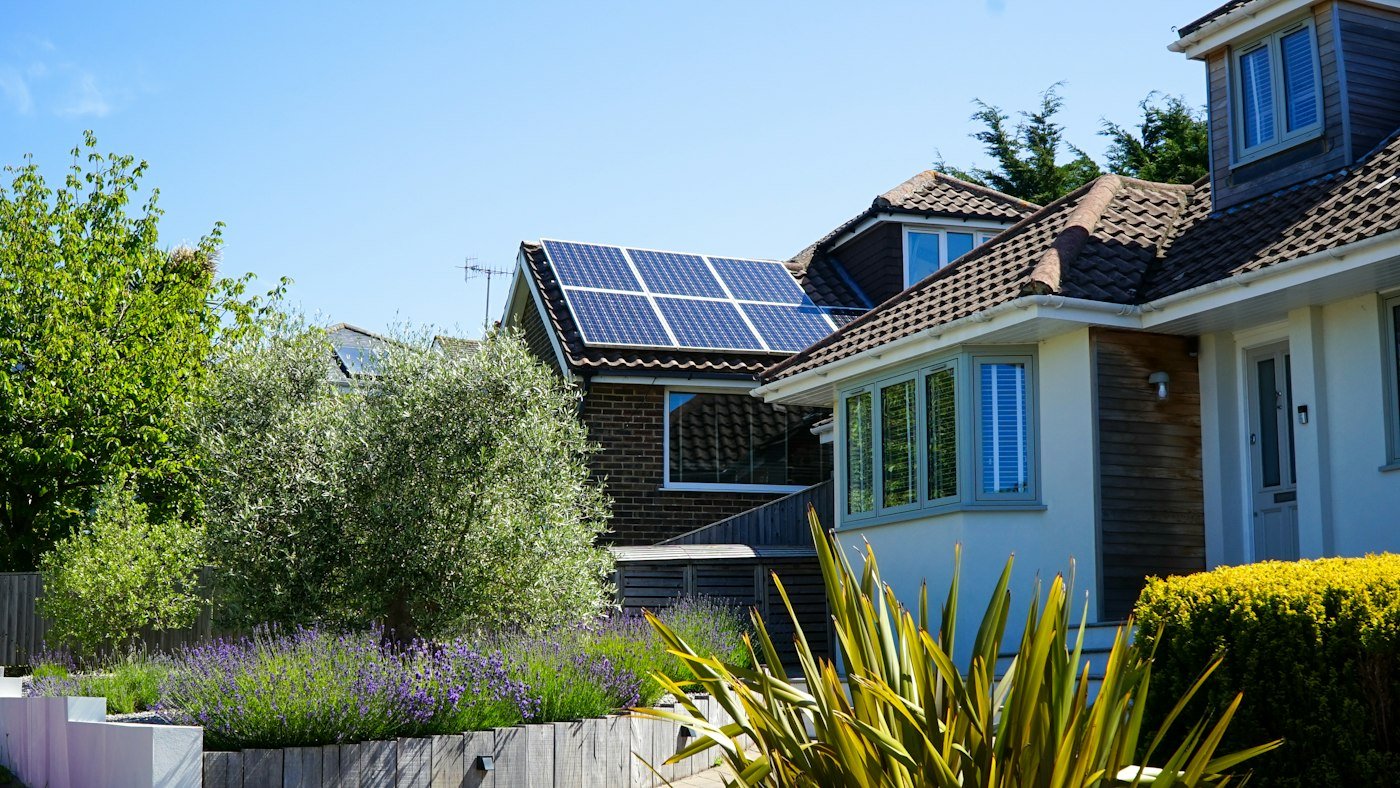
The E10 can accept a generator for recharging: Anker’s Smart Generator 5500 connects by DC, and an AC generator can feed it through a 9.6 kW bypass. In a very long outage, a generator can recharge the batteries while the home keeps drawing quiet, automatic power. Solar panels (up to 9,000 W per unit) are another option for stretching runtime. You can read the runtime math in How Long Does the E10 Last?
Our Take
If you own your home and can afford it, a battery system with automatic switchover is easier and safer to live with day to day. If money is tight, a properly used generator, or a smaller portable battery for essentials (see F3800 Plus vs. E10), is a sensible choice. Whatever you choose, install carbon monoxide alarms and practice your plan before storm season.
Prefer the full product review? Start with our Anker SOLIX E10 review.
Curious what a battery system would cost for your home? See current Anker E10 pricing.
See current Anker SOLIX E10 pricingFrequently Asked Questions
Is a battery backup safer than a gas generator for seniors?
A battery system has no exhaust, so it avoids carbon monoxide risk and needs no fueling. With an automatic transfer device such as Anker’s Power Dock, it also needs no manual startup. A generator can be used safely outdoors with proper precautions, but it asks more of the user.
Is a whole-home battery cheaper than a generator?
Not upfront, compared with a portable generator. Battery kits like the E10 start around $4,000 and need connection hardware and professional installation, but avoid fuel, noise, and exhaust.
Can the Anker SOLIX E10 work with a generator?
Yes. It accepts generator input, including Anker’s Smart Generator 5500 by DC or a 120/240 V AC generator through a 9.6 kW bypass, to recharge during long outages.
Does a home battery work during a multi-day outage?
Only as long as its stored energy lasts, unless you recharge with solar panels or a generator. Plan your battery size to your needs.
Keep Reading
- Anker SOLIX E10 Review 2026: Whole-Home Backup Power for Seniors
- How Long Does the Anker SOLIX E10 Last in a Power Outage?
- Anker SOLIX E10 Cost: Price, Installation and Financing Explained
- Anker SOLIX E10 vs EcoFlow DELTA Pro Ultra X: Which Home Backup Is Better?
- Anker SOLIX F3800 Plus vs. E10: Portable Power Station or Whole-Home Backup?
- Power Outage Checklist for Seniors: Medical Devices, Food, and Backup Power
Get guides like this in your inbox
Medicare changes, money tips, health guides and deals for adults 55+. Free, from Senior Affair Magazine.
Free. Unsubscribe anytime. Privacy policy.