


SeniorAffair may earn a commission from links on this page, at no extra cost to you. See our full disclosure below.
Why Retailer Runtime Claims Are Hard to Trust
You will see claims that the E10 can power a home for “1 to 15 days.” Both ends of that range can be true, because runtime is simple division: battery capacity (Wh) divided by how much power you use (W). A system running only a refrigerator lasts a long time. The same system running central air conditioning does not.
So instead of one number, here are worked examples you can adapt.

The Basic Formula
Each Anker B6000 battery holds 6,144 Wh. The common two-battery kit holds 12,288 Wh. Inverters lose some energy converting battery power to household power, and you should not plan on using every last watt-hour, so these examples assume roughly 11,000 Wh of usable energy. That is a planning assumption, not an Anker specification.
Appliance figures below are typical values. Check the label or manual on your own equipment; older appliances often use more.
Typical Daily Energy Use of Common Loads
| Load | Typical power | Typical use | Energy per day |
|---|---|---|---|
| Refrigerator | 100-200 W while running | Cycles on and off all day | About 1.5 kWh |
| Internet modem + router | 15-30 W | 24 hours | About 0.5 kWh |
| LED lights (several rooms) | 50-100 W total | 5-6 hours | About 0.4 kWh |
| Television | 80-150 W | 3-4 hours | About 0.4 kWh |
| CPAP machine | 30-60 W (more with a heated humidifier) | 8 hours overnight | About 0.3-0.5 kWh |
| Phones, tablet, small devices | 10-20 W | Several hours | About 0.2 kWh |
| Microwave | 1,000-1,200 W | 15 minutes total | About 0.3 kWh |
| Gas furnace blower | 400-800 W while running | Several hours of run time | About 3 kWh |
| 3-ton central AC | About 3,000-3,500 W while running | Hours per day in heat | 10-25+ kWh |
Scenario 1: Essentials Only
Refrigerator, router, lights, TV, CPAP, phone charging, and a little microwave use add up to roughly 3.6 kWh per day. With about 11 kWh usable, that is a little over 3 days.
Scenario 2: Essentials Plus a Gas Furnace Blower
A gas or oil furnace still needs electricity for the blower and controls. Adding it brings use to roughly 6.6 kWh per day, or about 1.5 to 2 days. (Electric resistance or heat-pump heating draws much more and changes the picture completely.)
Scenario 3: Central Air Conditioning
A 3-ton central air conditioner pulling about 3,200 W would use roughly 11,000 Wh in a little under 3.5 hours by itself. Anker says the E10 can start large air conditioners, but starting one is different from sustaining it. If you live where summer outages are dangerous, size the battery for cooling, or consider more modest cooling for a single room.
Scenario 4: Five Batteries on One Unit
A single power module can take up to five batteries, about 30 kWh. At the essentials-only rate of 3.6 kWh per day, that is roughly 7 days before recharging. Each extra battery adds cost and weight (130 lb per battery module), so it is worth deciding what you truly need.
Recharging: How Outages Get Longer
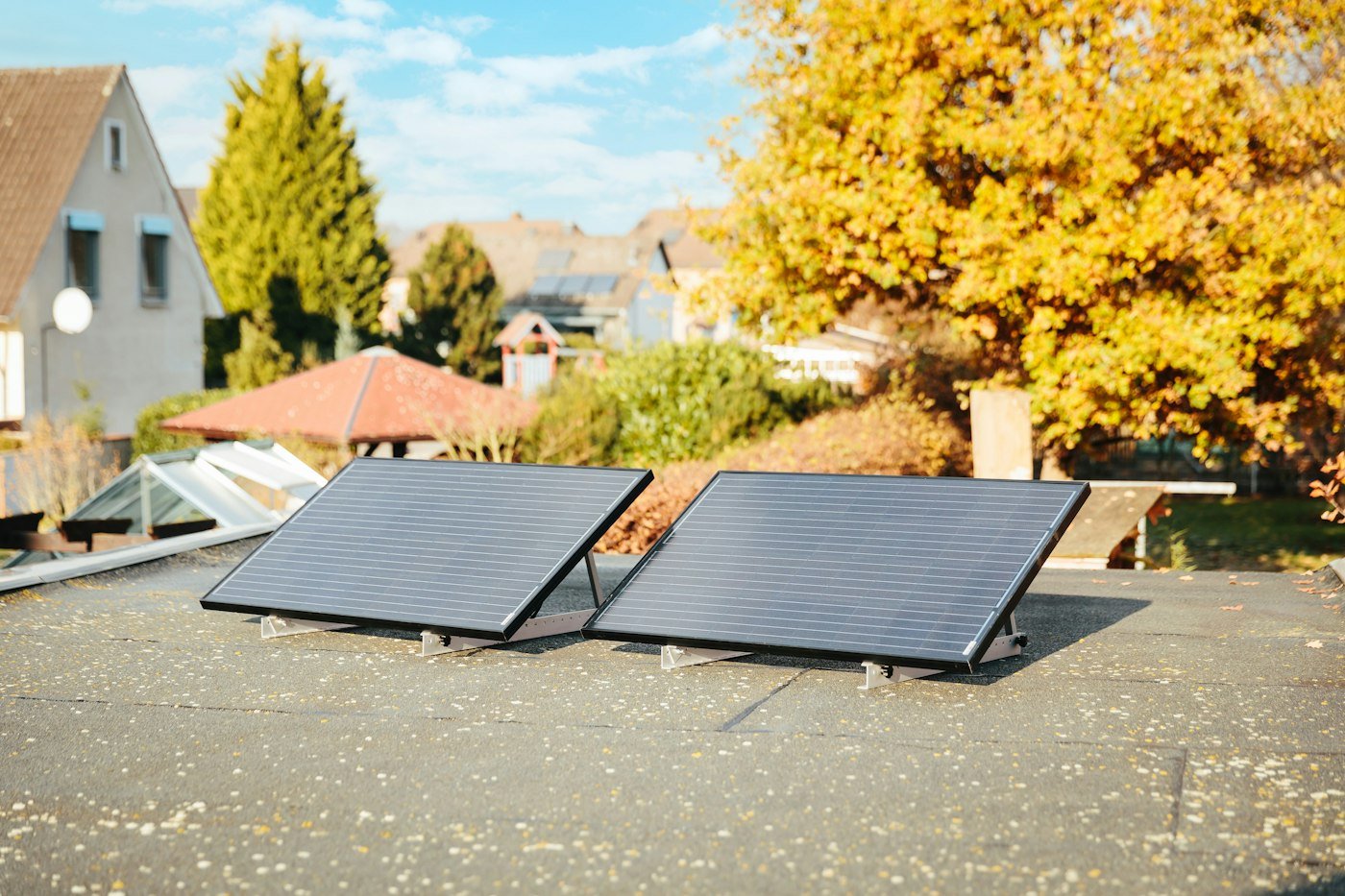
The E10 accepts solar input of up to 9,000 W per unit and can also take a generator input. A modest array averaging 2,000 W over about five good sun hours would add roughly 10 kWh on a sunny day, which in our essentials scenario nearly covers three days of use. Cloudy weather, panel placement, and winter sun reduce that, so treat solar as a stretcher, not a guarantee.
How to Cut Your Runtime Needs
- Open the refrigerator as little as possible.
- Use LED lamps and avoid whole-house lighting.
- Have the installer put big loads (electric water heater, dryer, oven) on circuits that are not backed up, or limit them.
- Skip the heated humidifier on a CPAP if your doctor approves.
Back to the full picture in our Anker SOLIX E10 review.
Ready to size a backup system to your home? See current E10 kit options.
See current Anker SOLIX E10 pricingFrequently Asked Questions
How long will a 12,288 Wh Anker SOLIX E10 power a refrigerator?
A typical refrigerator uses about 1.5 kWh per day, so on its own the two-battery kit could run one for roughly a week in theory. In practice you will run other things, and real runtime is shorter because of conversion losses.
Can the E10 run a CPAP all night?
A CPAP typically draws 30 to 60 watts, or more with a heated humidifier, so one night uses a small fraction of a 12.3 kWh system. Check your device’s label and talk to your doctor about backup plans.
How long can the E10 run central air conditioning?
A 3-ton central air conditioner can use roughly 3,000 to 3,500 watts while running, which can drain a 12.3 kWh system in about 3 to 4 hours. Larger battery configurations or solar recharging extend this.
Can solar panels recharge the E10 during an outage?
Yes. The E10 accepts up to 9,000 W of solar input per unit, though the energy you get depends on weather, panel size, and sun hours.
Keep Reading
- Anker SOLIX E10 Review 2026: Whole-Home Backup Power for Seniors
- Anker SOLIX E10 Cost: Price, Installation and Financing Explained
- Anker SOLIX E10 vs EcoFlow DELTA Pro Ultra X: Which Home Backup Is Better?
- Whole-Home Battery Backup vs. Gas Generator: What Works Best for Seniors
- Anker SOLIX F3800 Plus vs. E10: Portable Power Station or Whole-Home Backup?
- Power Outage Checklist for Seniors: Medical Devices, Food, and Backup Power
Get guides like this in your inbox
Medicare changes, money tips, health guides and deals for adults 55+. Free, from Senior Affair Magazine.
Free. Unsubscribe anytime. Privacy policy.