Dental and vision health is an integral part of overall health and well-being, yet many people do not have the means to access preventative care or even emergency treatments when needed. For those looking for access to quality care for dental and vision, insurance is often the best option. In this blog post, we will take a comprehensive look at dental and vision insurance- from what it is, the benefits it offers, the types of coverage available, how to choose the right plan for you, finding affordable options, and more. With all of this information at hand, you should be able to make an informed decision on taking out a policy that is perfect for your needs.
Table of Contents
Introduction To Dental And Vision Insurance
When it comes to taking care of your health, dental and vision insurance are both important components that can make a huge difference in the long run. Both types of insurance provide coverage for routine check-ups and procedures related to the mouth and eyes, as well as providing financial support in case of a serious dental or vision emergency. In this blog post, we’ll discuss what exactly dental and vision insurance is, how it works, and how you can benefit from investing in both. We’ll also explore what kind of coverage you can find when it comes to each type of policy. No matter your age or current health status, having a comprehensive plan for covering your dental and vision needs is always worth considering.
Benefits Of Dental And Vision Insurance
Dental and vision insurance can be an invaluable resource for ensuring that you maintain the health of your teeth and eyes. By providing coverage for routine checkups, preventive care, and even major procedures such as root canals or cataract surgery, dental and vision insurance can help you save on out-of pocket costs associated with eye exams and other dental services. Additionally, having a good dental plan may help reduce the risk of gum disease or cavities, which can lead to costly treatments down the line. With vision insurance plans offering discounts on glasses, contacts, laser corrective surgery, and more, maintaining your eye health becomes much more affordable – currently helping millions of people keep their smiles healthy and bright!
Types Of Coverage Available
When it comes to dental and vision insurance, there are a range of coverage options available to consumers. One of the most popular forms of dental insurance is PPO, or Preferred Provider Organizations, which offers more freedom to choose a dental provider. Other common types of coverage include HMOs and indemnity plans. Vision Insurance can also be broken into two distinct categories: Medical and Discount Plans that allow you to save money while receiving important eye care treatments like exams, corrective lenses and contacts. No matter which type of coverage you choose, make sure it fits your individual needs and budget!
How To Choose The Right Plan
When choosing a dental and vision insurance plan, it’s important to consider your personal healthcare needs. First, determine what types of dental and vision services you’ll need to use throughout the year. Then compare coverage levels provided by different plans so that you can select one with a deductible or copayment structure that fits your budget. Additionally, take into account any restrictions on provider selection or waiting periods for coverage to begin. Finally, make sure to review the details of your plan periodically in order to ensure that it continues to provide the appropriate level of coverage for your changing needs.
Finding Affordable Options
When it comes to dental and vision insurance, finding affordable options is key. From basic plans that cover preventive care like cleanings and checkups to comprehensive plans that include major services, there are a variety of dental and vision insurance policies available on the market today. While cost is an important factor in your decision-making process, it’s also important to consider the coverage you’re getting for your money; look for a plan with benefits such as co-insurance payments, coverage for specific procedures, yearly maximums that fit your needs, no waiting periods between treatments, and discounts for certain providers. A little research can go a long way towards helping you find an insurance policy that meets both your budget requirements and your health care needs.
VSP Individual Vision Plans
VSP Individual Vision Plans are comprehensive eye care plans designed to meet the unique vision needs of individuals and their families. Whether you’re seeking vision coverage for yourself or your loved ones, VSP offers a range of flexible and affordable plans to ensure optimal eye health.
With VSP Individual Vision Plans, you gain access to a nationwide network of trusted eye care professionals, including optometrists and ophthalmologists. These providers offer a wide array of services, including comprehensive eye exams, prescription glasses, contact lenses, and even discounts on laser vision correction procedures.
One of the key advantages of VSP Individual Vision Plans is the emphasis on preventive care. Regular eye exams not only help maintain good vision but can also detect underlying health conditions like diabetes, high blood pressure, and glaucoma at an early stage.
Moreover, VSP understands that everyone’s eye care needs are unique. That’s why their plans offer customizable options to suit your specific requirements and budget, ensuring you receive the eye care services you need without breaking the bank.
Choose VSP Individual Vision Plans for affordable, reliable, and comprehensive eye care coverage for you and your family.
DentalPlans.com
DentalPlans.com Insurance is a comprehensive dental insurance provider that offers a wide range of affordable dental plans to meet the diverse needs of individuals and families. With a strong focus on delivering high-quality dental care, DentalPlans.com Insurance aims to make dental treatments accessible and affordable for everyone.
By partnering with an extensive network of dentists, orthodontists, and specialists across the country, DentalPlans.com Insurance ensures that members have access to a vast selection of dental professionals. The plans cover a variety of dental services, including preventive care, restorative treatments, orthodontics, and cosmetic procedures.
One of the standout features of DentalPlans.com Insurance is its commitment to eliminating the hassles associated with traditional dental insurance. Members can enjoy immediate coverage, with no waiting periods or pre-existing condition restrictions. There are also no annual limits, allowing individuals to receive the care they need without worrying about exceeding their benefits.
With its user-friendly website and dedicated customer support, DentalPlans.com Insurance provides a seamless experience for members, making it easy to find, compare, and select the best dental plan that suits their specific requirements and budget.
Conclusion
In conclusion, dental and vision insurance is a great way to ensure that you can maintain your health in both areas through regular checkups, treatments, and emergency procedures. While having insurance may prevent you from ever needing costly procedures, it isn’t always the most cost-effective solution. The best approach is to research your options carefully to determine what plan works best for you and your family’s needs. With proper care and attention, dental and vision insurance plans can help keep your smile bright and clear for years to come.
Mother’s Day is a day to honor and appreciate the special women in our lives. For some, it offers an opportunity to honor our seniors – our beloved mothers, grandmothers, and great-grandmothers. Finding the perfect gift can be tricky, so we’ve put together this blog post! Here you’ll find inspiration for the best Mother’s Day gifts for seniors that show appreciation in style. From thinking outside the box to picking out sentimental gifts – explore options that will make her feel appreciated and loved.
Personalized Planet
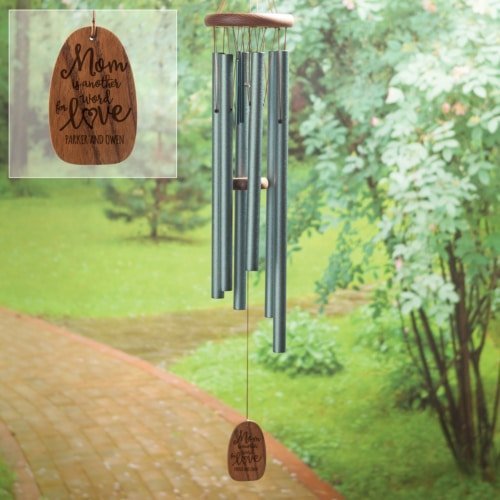
The Personalized “Mom Is Another Word For Love Personalized Wind Chime” is a beautiful and sentimental gift for any mother figure in your life. Made with high-quality materials, this wind chime features a wooden top and six aluminum tubes that produce a soothing melody when caught by the breeze. The chime is customizable, allowing you to add the name of your loved one, making it a unique and personalized keepsake that they will cherish for years to come.
The design of the wind chime is elegant, with an oval-shaped pendant that reads “Mom is another word for love” in charming cursive letters. The sentimental message serves as a reminder of the love and appreciation you have for your mother, grandmother, or any other special woman in your life. Whether hung on a porch, balcony, or in a garden, this wind chime is sure to bring joy and a sense of comfort to your loved one’s home.
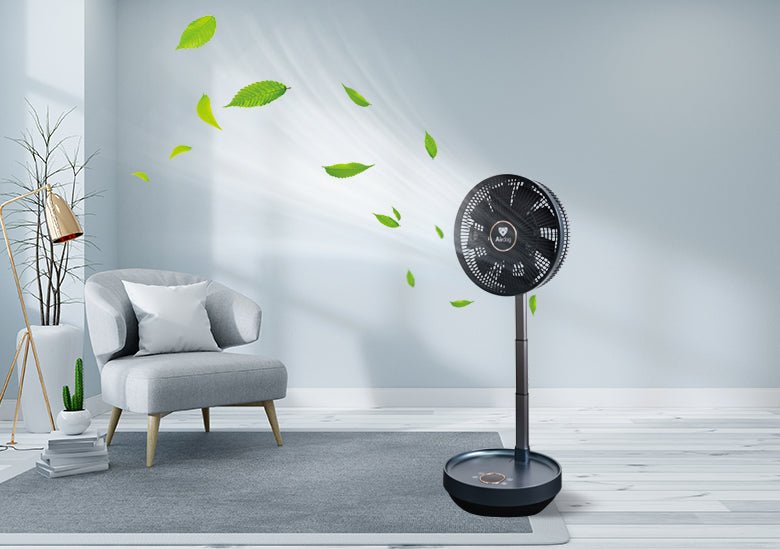
Looking for the perfect gift for someone who loves the outdoors? Look no further than the Airdog Battery-Powered Folding Fan!
This high-quality fan is the ultimate outdoor companion, designed to keep you cool and comfortable no matter where your adventures take you. With a powerful battery that lasts up to 40 hours on a single charge, the Airdog fan is perfect for camping trips, hiking excursions, and even backyard barbecues.
Thanks to its compact, foldable design, this fan is also incredibly easy to pack and transport. And with three adjustable speed settings, you can customize the airflow to your liking and stay cool and refreshed even on the hottest days.
So whether you’re shopping for a seasoned outdoor enthusiast or just looking for a practical and useful gift, the Airdog Battery-Powered Folding Fan is a fantastic choice. Give the gift of comfort and convenience this season – order yours today!
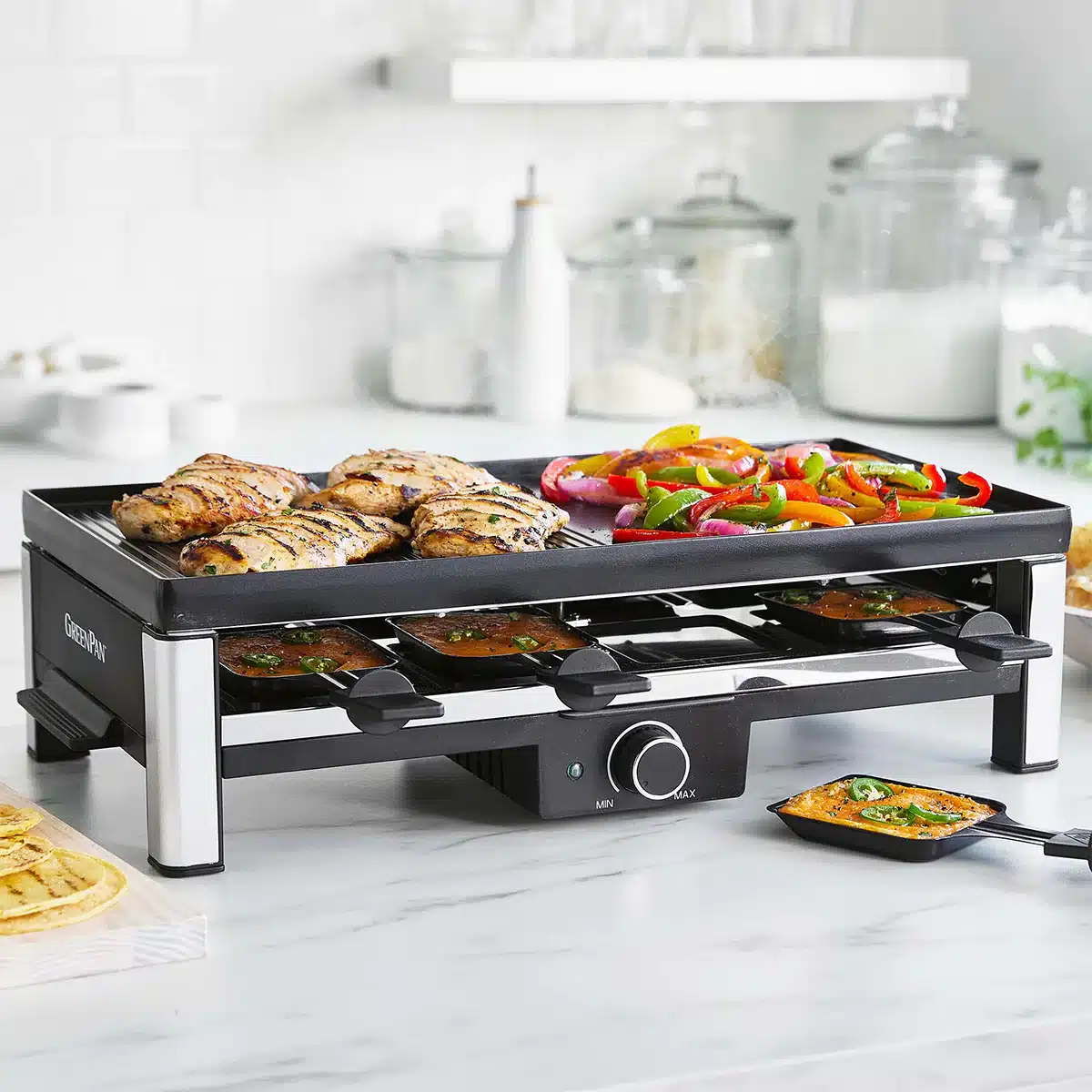
Introducing the GreenPan Ultimate Gourmet Grill – the ultimate appliance for your cooking needs! This grill is designed to give you the best cooking experience with a combination of healthy, easy-to-use, and durable features.
The GreenPan Ultimate Gourmet Grill comes with a non-stick ceramic coating that allows you to cook with minimal oil, making your meals healthier and more nutritious. The coating is also extremely durable, ensuring that the grill lasts for a long time. The grill’s construction is designed to distribute heat evenly, ensuring that your food is cooked to perfection every time.
With a large cooking surface, the GreenPan Ultimate Gourmet Grill can easily accommodate food for the whole family. The adjustable temperature control allows you to cook a wide range of dishes to your desired level of doneness.
Cleaning up after your cooking sessions is also made easy with the grill’s dishwasher-safe components. The grill also features a removable drip tray that collects excess grease and oil, making cleaning even more effortless.
Experience the joy of cooking with the GreenPan Ultimate Gourmet Grill. It’s perfect for grilling up delicious meals, and the sleek design will make it a stylish addition to any kitchen.
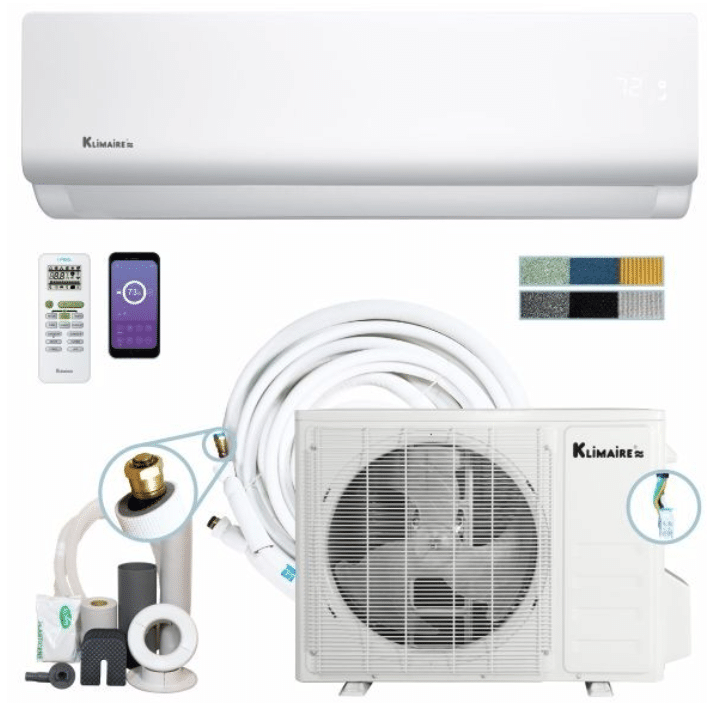
The Heat and Cool Klimaire DIY 12,000 BTU 19 SEER Ductless Mini Split Heat Pump Air Conditioner is a top-of-the-line unit that delivers reliable and efficient heating and cooling solutions to your home or office. This powerful air conditioner operates at 19 SEER and has a cooling capacity of up to 12,000 BTU. It comes with a 25-foot pre-charged installation kit that makes installation a breeze and a Wi-Fi feature that allows you to control the temperature of your room from your smartphone or tablet.
This unit is perfect for any room in your home or office, thanks to its quiet operation and sleek design. The Heat and Cool Klimaire DIY Mini Split Heat Pump Air Conditioner use an environmentally friendly refrigerant, making it an eco-friendly option for those who are conscious about the environment. With its powerful cooling and heating capabilities, easy installation, and energy-saving features, this unit is an excellent choice for anyone looking for a reliable and efficient air conditioning system and makes a great gift.
Sisters Of The Valley
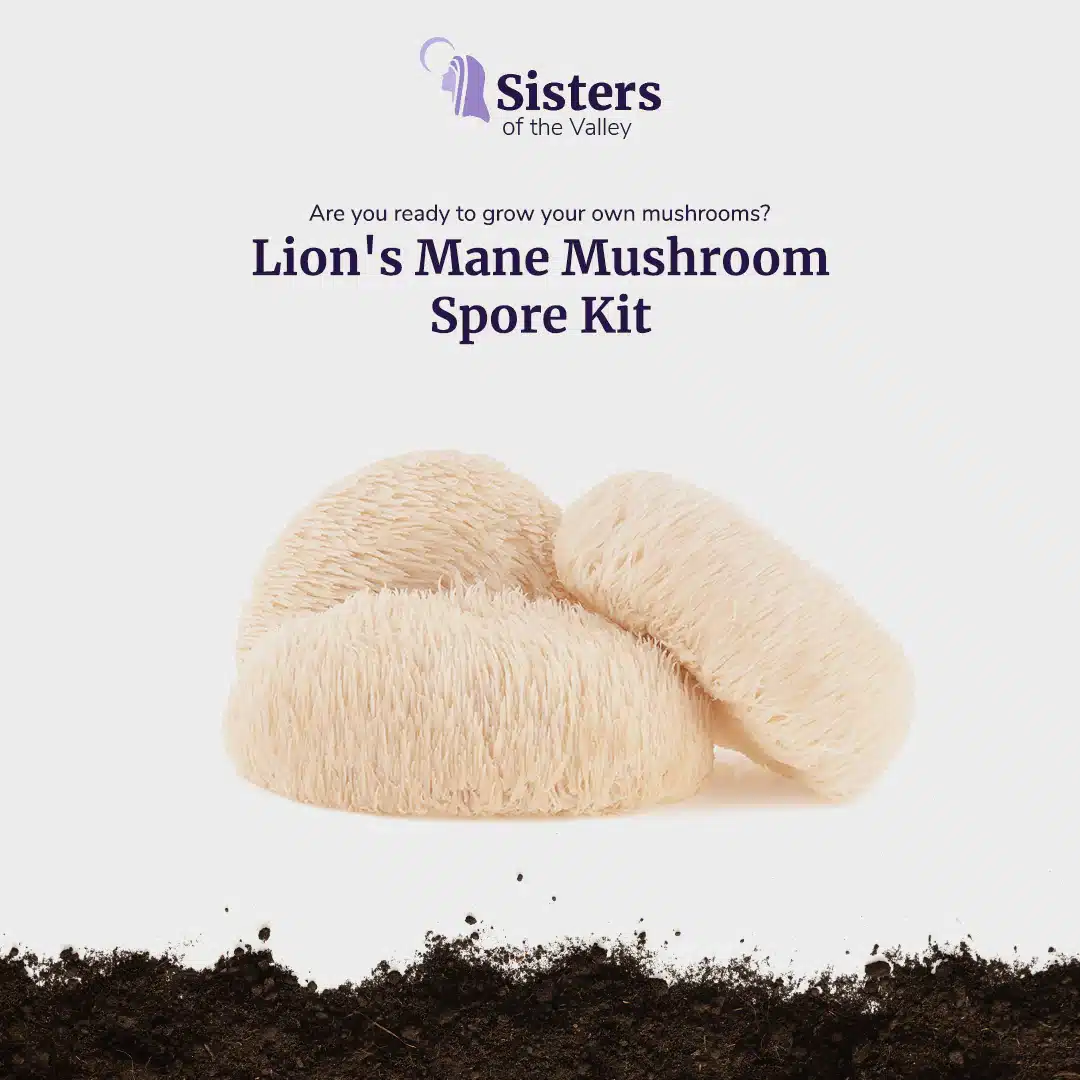
The Sisters of the Valley Lion’s Mane Mushroom Spore Kit is a must-have for mushroom enthusiasts who want to grow their own nutritious and delicious mushrooms at home. This kit includes 3 lbs. of lion’s mane mushroom spores, a natural and potent source of antioxidants, amino acids, and vitamins that support brain and nerve health. The spores are grown in a sterile and nutrient-rich environment, ensuring a high yield of fresh and organic mushrooms.
Lion’s Mane is known for being an antioxidant, and anti-inflammatory, for reducing anxiety and depression, and it is definitely under study for helping people ward off or reverse symptoms of dementia.
The kit also includes detailed instructions on how to cultivate and care for your mushrooms, making it easy for beginners to get started. Plus, the Sisters of the Valley are known for their commitment to sustainable and ethical farming practices, so you can feel good about supporting a socially responsible business.
With the Sisters of the Valley Lion’s Mane Mushroom Spore Kit, you’ll have a bountiful supply of fresh and healthy mushrooms that you can enjoy in a variety of dishes, from soups and stews to stir-fries and salads.
Looking for the perfect gift for the cannabis connoisseur in your life? Look no further than Diet Smoke’s “All The Smoke” gift bundle! With a variety of Delta-9 and Delta-8 THC products in delicious flavors like Cherry Lime, Mango, and Blue Raspberry, this bundle is sure to delight.
Experience the smooth, flavorful taste of our Delta-8 Watermelon and Delta-8 Blue Raspberry packs, or try the Delta-9 Cherry Lime for a more traditional high. And for something truly special, enjoy their D8 w/ HHC Watermelon Vape – the perfect way to unwind after a long day.
But that’s not all – their bundle also includes a variety of delicious edibles, including the Delta-8 Blackberry and Apple Cider packs, as well as their refreshing Lemon Lime and Peach sodas.
At Diet Smoke, we’re dedicated to crafting the highest quality cannabis products using only the finest ingredients. All of their products are rigorously tested for purity and potency, ensuring that you get the very best with every use.
The “All The Smoke” gift bundle from Diet Smoke is the perfect choice.
Ethel M Chocolates
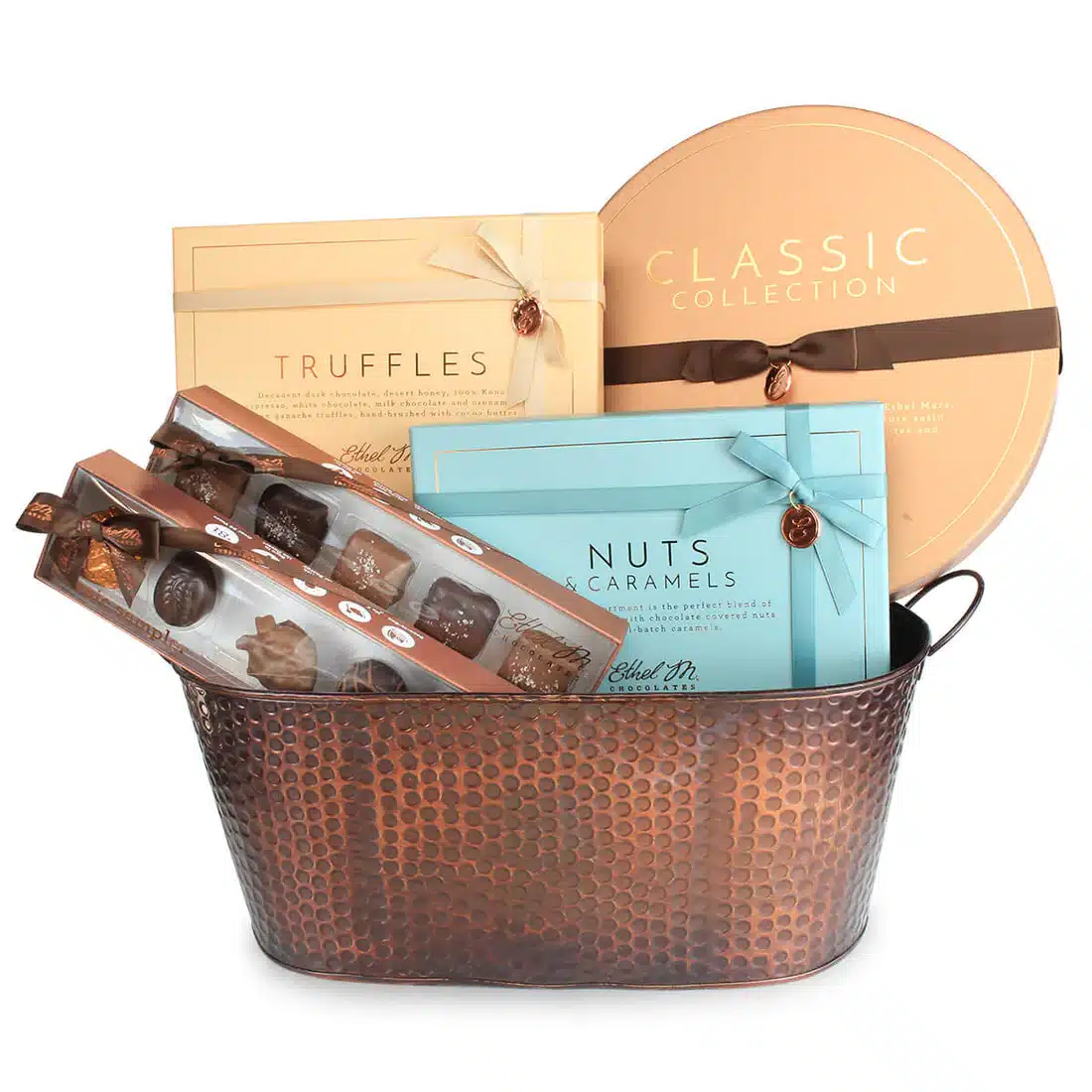
Looking for the ultimate gift for the chocolate lover in your life? Look no further than Ethel’s Epic Premium Chocolate Gift Basket! With 16 original recipes in the Classic Collection, the rich and decadent flavors of our Nuts & Caramels Collection, and the irresistible new Truffles, this basket has it all.
Presented in a stunning copper basket, this gift is sure to impress. Indulge in the delicious flavors of our Sea Salt Caramels and Classic Sampler – the perfect addition to any chocolate lover’s collection.
At Ethel’s, they are passionate about crafting the highest quality chocolate using only the finest ingredients. Their expert chocolatiers have spent years perfecting their recipes, ensuring that every bite is a true delight.
If you want to give a gift to someone special or just indulge yourself, the Epic Premium Chocolate Gift Basket is the ideal option. Order yours today and experience the unparalleled flavor and quality of Ethel’s chocolates.
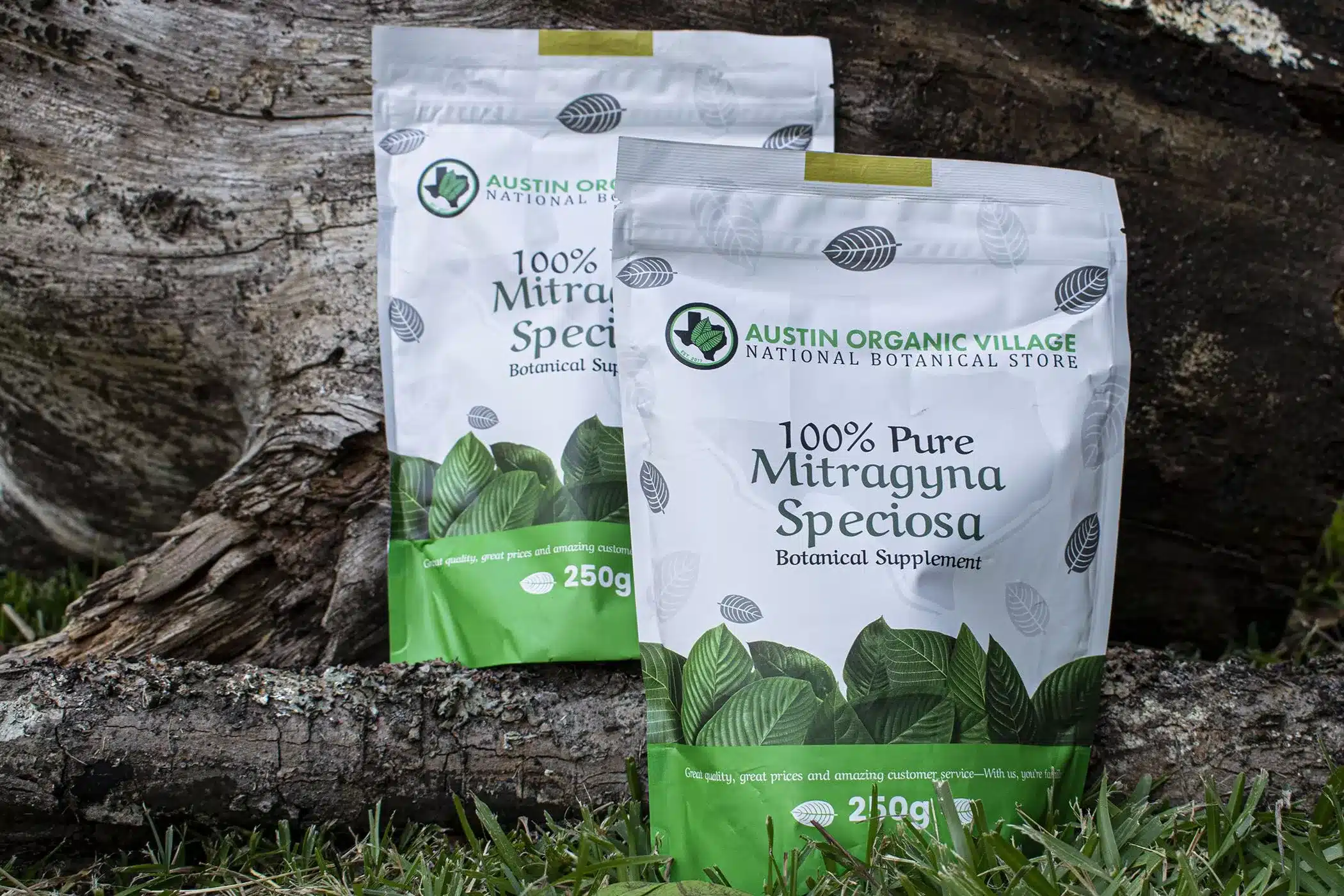
The Austin Leaf Kratom Starter Kit is the perfect introduction to the world of Kratom for beginners. This kit includes everything you need to start exploring the benefits of this natural supplement.
Inside the kit, you’ll find a 30g bag of premium quality Austin Leaf Kratom powder, which is made from 100% pure, organic Kratom leaves. The powder is finely ground, making it easy to mix into your favorite drinks or foods. You’ll also receive a handy measuring scoop, so you can accurately measure your dosage.
The Austin Leaf Kratom Starter Kit comes with a user-friendly guide that provides all the information you need to get started. It includes dosage recommendations, tips for using Kratom safely and effectively, and answers to frequently asked questions.
This starter kit is a great value and provides an excellent opportunity to experience the benefits of Kratom firsthand. Whether you’re looking to manage pain, reduce anxiety, or increase energy levels, the Austin Leaf Kratom Starter Kit is a great place to start. So why wait? Try it out today and discover the many benefits of Kratom for yourself!
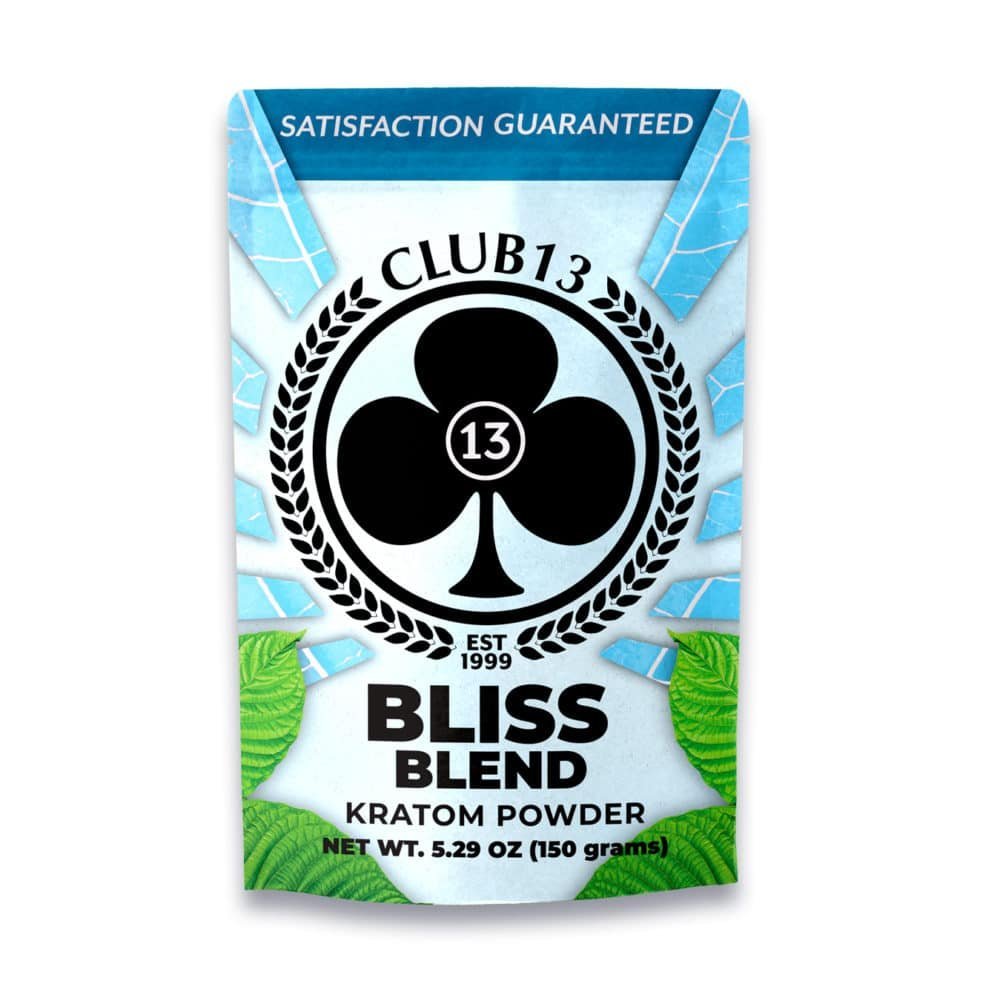
Club13 Bliss Blend Kratom Powder is a premium quality kratom powder that is perfect for those who are looking for a potent and relaxing experience. This blend is made from the finest kratom leaves sourced from the jungles of Southeast Asia, and it has been carefully formulated to provide a unique and enjoyable experience.
The Bliss Blend is a combination of several different kratom strains, including Green Maeng Da, White Horn, and Red Bali. These strains work together to provide a balanced and euphoric experience that is perfect for unwinding after a long day or for socializing with friends.
One of the key benefits of Club13 Bliss Blend Kratom Powder is its high potency. This powder is made from finely ground kratom leaves, which allows it to be absorbed quickly by the body for fast and effective results. Users of this powder can expect to experience a boost in mood, increased relaxation, and a general feeling of well-being.
In addition to its high potency, Club13 Bliss Blend Kratom Powder is also known for its smooth and pleasant taste. It can be mixed with water, juice, or other beverages for a refreshing and enjoyable drink.
Overall, Club13 Bliss Blend Kratom Powder is an excellent choice for those looking for a high-quality kratom powder that provides a relaxing and enjoyable experience.
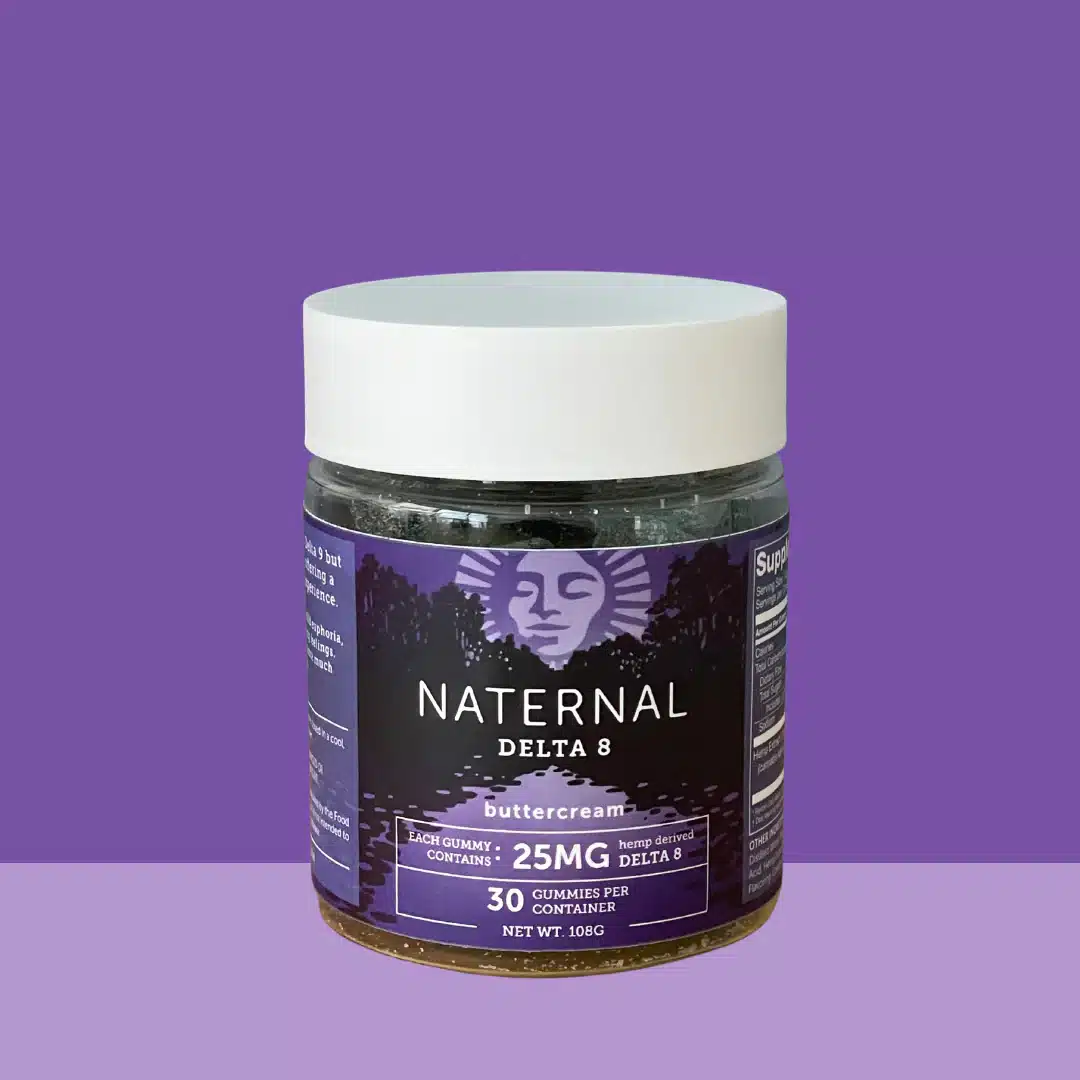
Naternal Delta 8 THC Gummies are a delicious and convenient way to experience the benefits of delta-8-tetrahydrocannabinol (Delta 8 THC). Each bottle contains 30 gummies, each infused with 25mg of Delta 8 THC, a psychoactive compound found in cannabis that can promote feelings of relaxation, euphoria, and pain relief.
These gummies are made with high-quality, organic ingredients and are vegan, gluten-free, and non-GMO. They are also free of artificial flavors, colors, and preservatives, ensuring a pure and natural product.
Naternal Delta 8 THC Gummies are carefully crafted to ensure consistent dosing and a great taste. They are easy to take on the go and can be consumed discreetly, making them a great option for those who prefer not to smoke or vape.
Delta 8 THC is known for its calming and pain-relieving properties, and these gummies are a great option for those who want to experience the benefits of Delta 8 THC without the harshness of traditional cannabis consumption methods. Whether you are looking to unwind after a long day or manage chronic pain, Naternal Delta 8 THC Gummies can help you achieve a sense of calm and relaxation.
Introducing the Canvast Supply Co. Cannabis Scratch & Sniff Book, a unique and innovative product for cannabis enthusiasts and connoisseurs alike. This book is the perfect companion for anyone who wants to explore the world of cannabis aromas and terpenes.
With its beautiful and artistic illustrations, the Canvast Supply Co. Cannabis Scratch & Sniff Book features 20 different strains of cannabis, each accompanied by a scratch-and-sniff sticker that allows you to experience the aroma of the strain in question. This book is not only visually stunning, but it also provides valuable information on the origins, flavors, and effects of each strain.
The book is printed on high-quality, eco-friendly paper, and the scratch-and-sniff stickers are made with non-toxic, food-grade materials. It’s the perfect addition to your coffee table, bookshelf, or cannabis collection.
Whether you’re a seasoned cannabis user or just starting to explore the world of cannabis, the Canvast Supply Co. Cannabis Scratch & Sniff Book is a must-have. It’s a fun and interactive way to learn more about the different strains and their unique characteristics, and it makes for a great conversation starter or gift for your fellow cannabis enthusiasts.
The MagicKitchen Family Sized Meals Bundle #2 is the perfect solution for busy families who want to enjoy delicious, home-style meals without the hassle of cooking. This bundle includes six generously sized meals that can feed a family of four with ease. Each meal is made with the finest ingredients and cooked to perfection, ensuring that you get the best possible taste and quality.
The bundle includes a range of classic and contemporary dishes, so there’s something for everyone to enjoy. From the mouthwatering Beef Pot Roast with Vegetables and Gravy to the creamy Chicken Alfredo Pasta, this bundle has it all. The meals are easy to prepare, too – simply heat them up in the oven or microwave and they’re ready to serve in no time.
Not only are these meals delicious and convenient, but they’re also healthy. Each dish is made with fresh, wholesome ingredients and contains no preservatives or artificial additives. You can feel good about feeding your family these meals knowing that they’re both nutritious and delicious.
Overall, the MagicKitchen Family Sized Meals Bundle #2 is an excellent choice for busy families who want to enjoy great-tasting meals without all the hassle. Order now and get ready to experience the magic of home-cooked meals without any of the work!
Kombucha Kamp
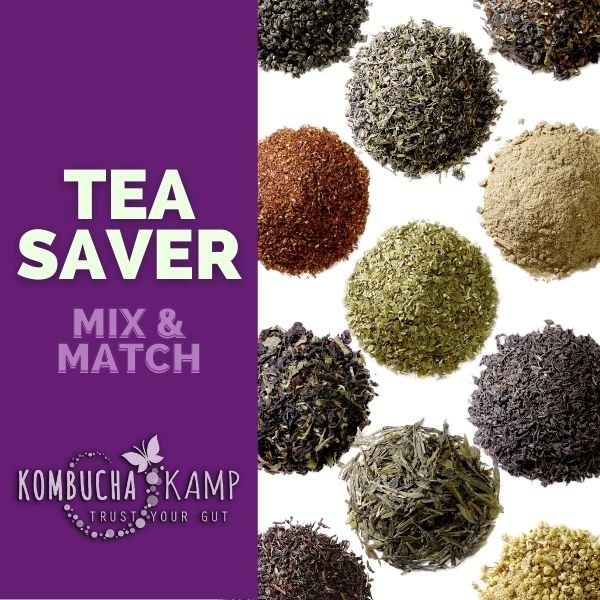
The Kombucha Kamp Organic Tea Saver Pack of 4 is the ultimate solution for tea lovers who crave a refreshing and healthy beverage. Each pack contains four different flavors of loose tea, specifically curated to brew the perfect kombucha.
The tea is 100% organic and sourced from top-quality farms around the world. The flavors in this pack include classic green tea, spicy ginger, fruity raspberry, and floral jasmine. Each flavor is carefully selected to create a delicious and unique kombucha experience.
The loose tea packets are designed to be used with the Kombucha Kamp Continuous Brewing System, making it easy to brew your own kombucha at home. The tea-saver pack provides ample amounts of loose tea that can last for months, ensuring that you never run out of your favorite flavors.
With the Kombucha Kamp Organic Tea Saver Pack of 4, you can create the perfect kombucha to suit your taste buds. Whether you prefer a sweet and fruity flavor or a spicy and robust taste, this tea-saver pack has you covered. So, start brewing your own kombucha with the best organic tea in town.
Indulge in the ultimate wine-tasting experience with the Overstock Wine Sampler Pack – a collection of 20 exceptional bottles of wine that are sure to satisfy any wine enthusiast’s palate. Each bottle is 750ml, providing the perfect amount for a special occasion or a cozy night in.
This sampler pack is a great way to explore new varieties and expand your wine knowledge. With a diverse selection of reds, whites, and rosés, you’ll have the opportunity to discover new favorites and find the perfect wine to pair with any dish.
The Overstock Wine Sampler Pack features wines from around the world, carefully selected to provide the perfect balance of flavor, aroma, and texture. Whether you’re a fan of bold and fruity reds or crisp and refreshing whites, there’s something for everyone in this sampler pack.
Each bottle is hand-picked and of exceptional quality, ensuring that you get the best value for your money. Don’t miss this chance to stock up on delicious, high-quality wine at an unbeatable price – order your Overstock Wine Sampler Pack today and savor the flavors of the world’s best vineyards in the comfort of your own home!
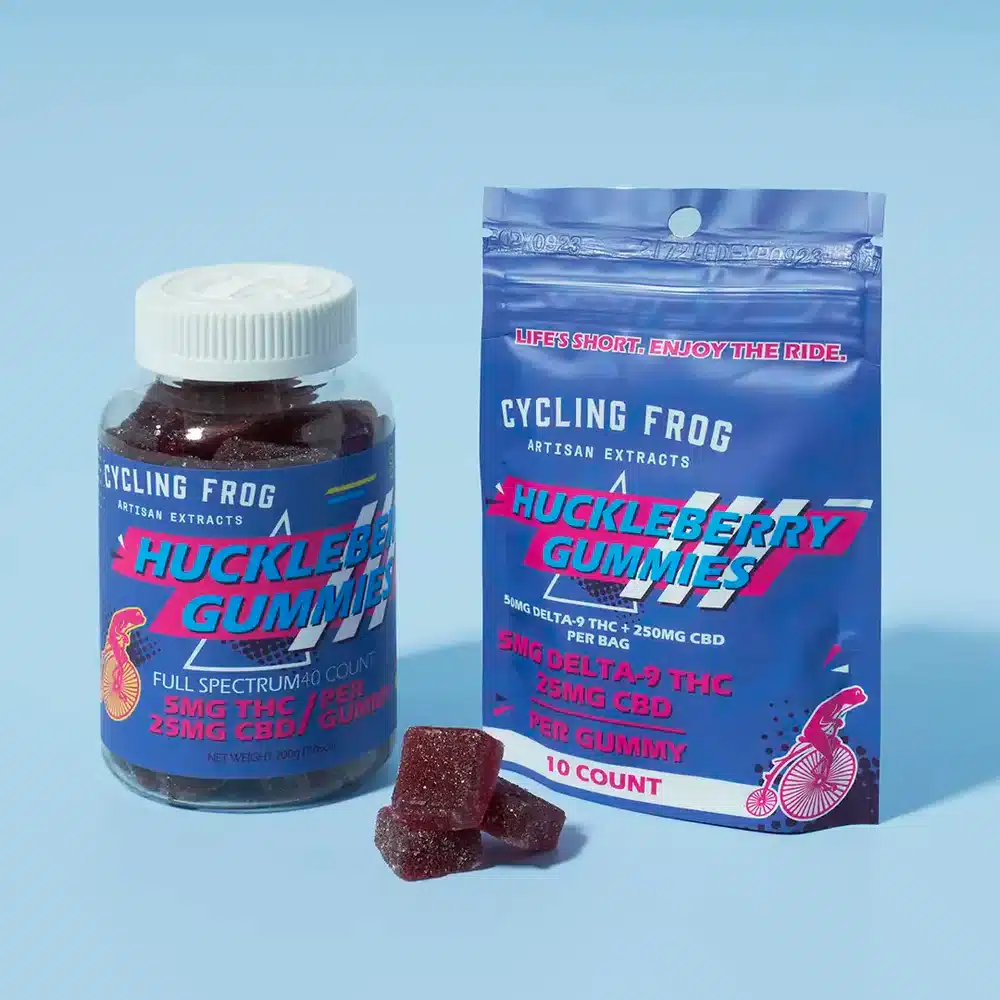
Cycling Frog Huckleberry Gummies, with a balanced dose of 5mg THC and 25mg CBD, offer a unique and enjoyable way to experience the benefits of both cannabinoids. These gummies are made using high-quality, full-spectrum hemp extract, which contains not only THC and CBD, but also other beneficial compounds like terpenes and flavonoids.
The huckleberry flavor is a deliciously tart and fruity taste that complements the effects of the gummies well. The THC and CBD work together to provide a balanced and gentle experience, with the CBD helping to mitigate any potential negative effects of the THC.
One of the most significant benefits of using Cycling Frog Huckleberry Gummies is that they offer a discreet and convenient way to consume cannabis. Unlike smoking or vaping, gummies can be taken anywhere and anytime, without any noticeable odor or smoke. Additionally, the precise dosing of each gummy ensures that users can control their intake and achieve their desired effects.
Overall, Cycling Frog Huckleberry Gummies are an excellent option for those who want to experience the benefits of both THC and CBD in a convenient and delicious form.
Tortuga Rum Cakes
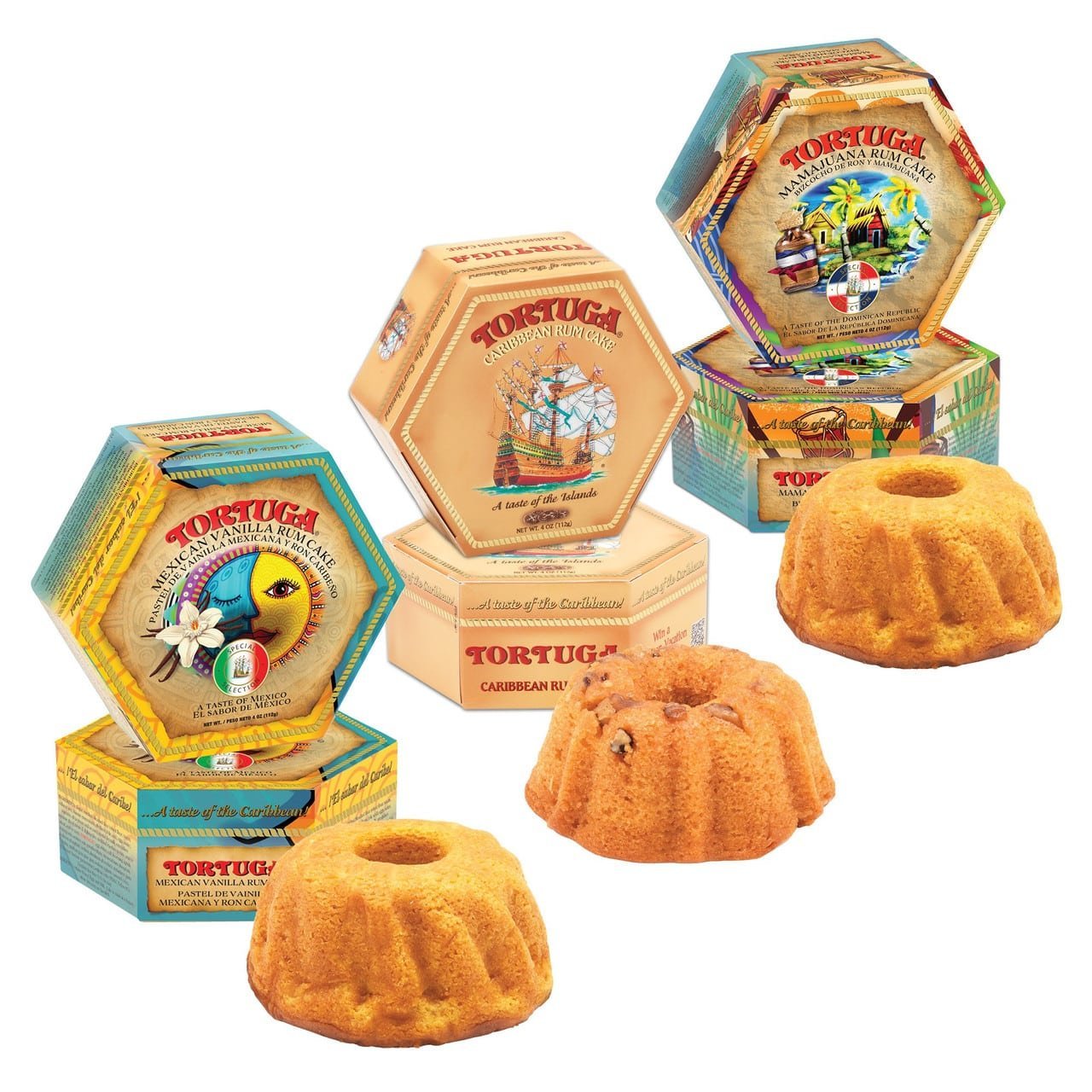
Introducing the Tortuga Mexican Vanilla & MamaJuana with Golden Original with Walnuts Six pack! This delicious and unique blend of flavors will take your taste buds on a journey to the sunny beaches of Mexico.
This six-pack features a perfect pairing of two traditional Mexican flavors, vanilla and mamajuana. The vanilla adds a smooth sweetness while the mamajuana, a potent blend of herbs and spices, gives a spicy kick. The addition of golden original and walnuts gives a perfect nutty crunch that perfectly complements the complex flavors.
Tortuga uses only the highest quality ingredients to ensure that each bottle is bursting with flavor. The bottles are also carefully crafted and packaged to maintain their freshness and full-bodied taste.
This six-pack is perfect for those who want to explore new and exciting flavors or those who already love the traditional tastes of Mexico. It also makes for a great gift for friends and family who appreciate unique and delicious treats.
Experience the rich culture and flavors of Mexico with Tortuga Mexican Vanilla & MamaJuana with Golden Original with Walnuts Six pack.
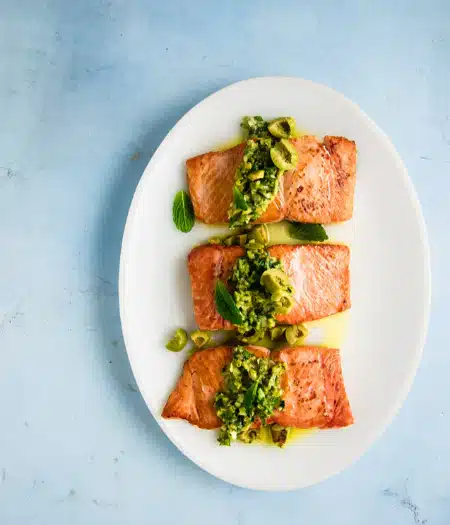
If you’re a seafood lover, you’re probably always on the lookout for high-quality, fresh seafood to satisfy your cravings. And if you haven’t tried the Alaska Gold Standard Variety Pack, you’re in for a treat.
This variety pack includes a mix of some of the finest wild-caught seafood from Alaska, including sockeye salmon, halibut, and black cod. All of these fish are sustainably harvested and flash-frozen immediately after being caught, ensuring that they retain their flavor and freshness until they reach your kitchen.
One of the standout features of the Alaska Gold Standard Variety Pack is the variety of textures and flavors it offers. The rich, buttery flavor of the halibut complements the firm, meaty texture of the black cod, while the sockeye salmon provides a delicate, slightly sweet flavor that pairs perfectly with a variety of seasonings and preparations.
Whether you’re looking to impress guests with a seafood feast or simply want to treat yourself to a delicious and nutritious meal, the Alaska Gold Standard Variety Pack is an excellent choice. And with its commitment to sustainable and responsible fishing practices, you can feel good about supporting a company that cares about the health of our oceans and marine life.
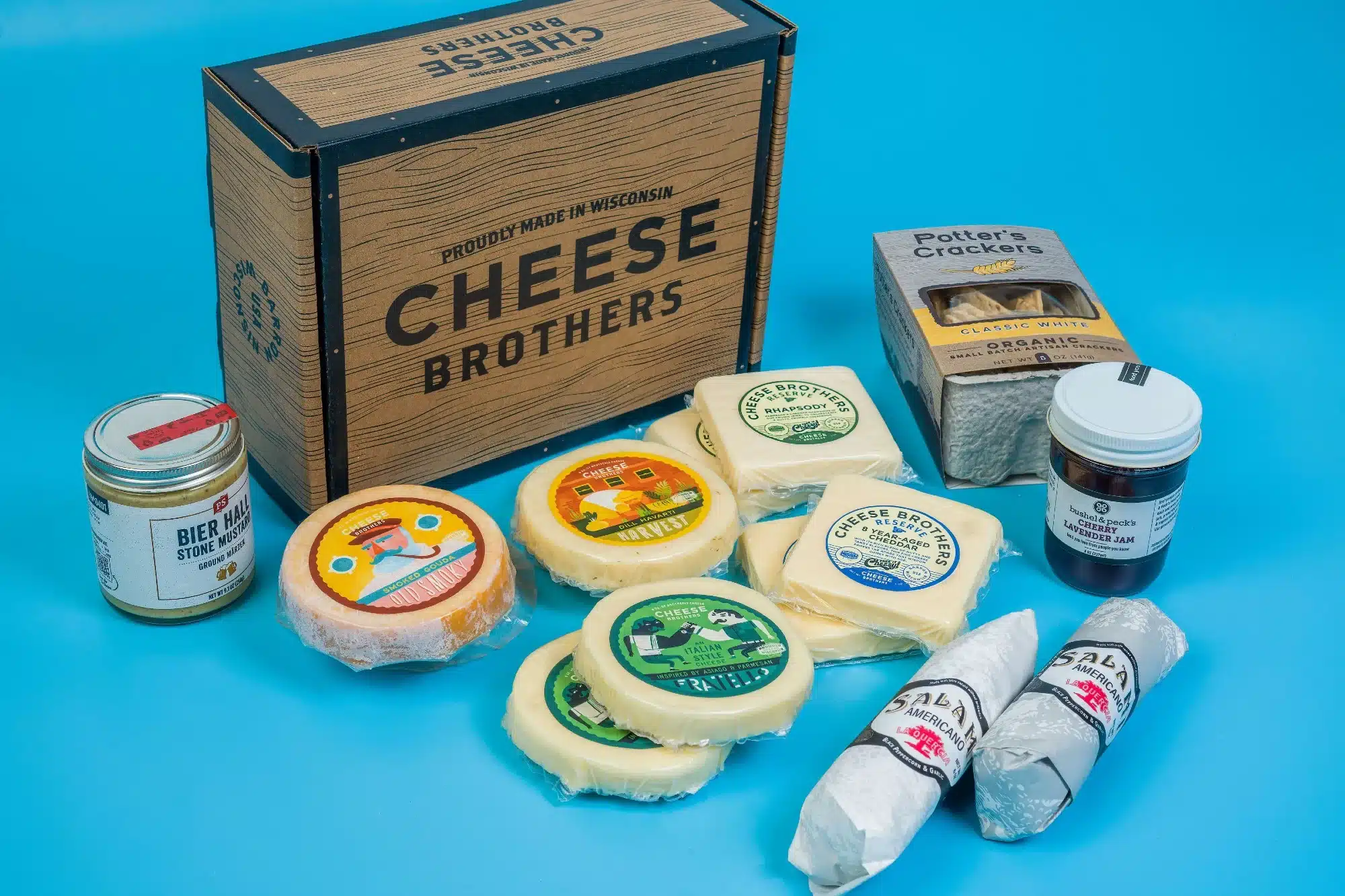
Looking for the perfect accompaniment to your next wine and cheese party? Look no further than the Cheese Brothers Deluxe Charcuterie Pack.
This indulgent selection of artisanal meats and cheeses is expertly curated to provide a balanced and flavorful assortment that will satisfy even the most discerning palate. The pack includes a variety of premium cured meats, including prosciutto, salami, and chorizo, as well as a selection of aged cheeses, such as gouda, cheddar, and brie.
Each item in the pack is made using only the finest ingredients and traditional preparation methods, resulting in a rich and complex flavor profile that is sure to impress. Plus, the pack comes complete with a selection of crackers and accompaniments, so you can easily create a beautiful and delicious spread.
Whether you’re hosting a dinner party, entertaining guests, or just looking for a special treat, the Cheese Brothers Deluxe Charcuterie Pack is the perfect choice. Order yours today and experience the ultimate in artisanal meat and cheese.
Billy Boston
Introducing the Billy Boston Holbrooke Wood Sunglasses, the perfect blend of classic style and modern innovation. These sunglasses are expertly crafted from high-quality wood and are designed to provide both comfort and durability.
The Holbrooke Wood Sunglasses feature polarized lenses that offer superior protection against harmful UV rays while reducing glare and providing crystal-clear vision. The lenses are also scratch-resistant, ensuring that your sunglasses will maintain their pristine condition for years to come.
The wooden frames of the sunglasses are made from sustainably sourced materials, making them an eco-friendly choice for the environmentally conscious consumer. The unique wood grain patterns on each pair of sunglasses add a touch of natural elegance to the overall design.
With their timeless design and superior craftsmanship, the Billy Boston Holbrooke Wood Sunglasses are the perfect accessory for any outfit, whether you’re lounging on the beach or exploring the city. These sunglasses are a must-have for anyone who values both style and quality.
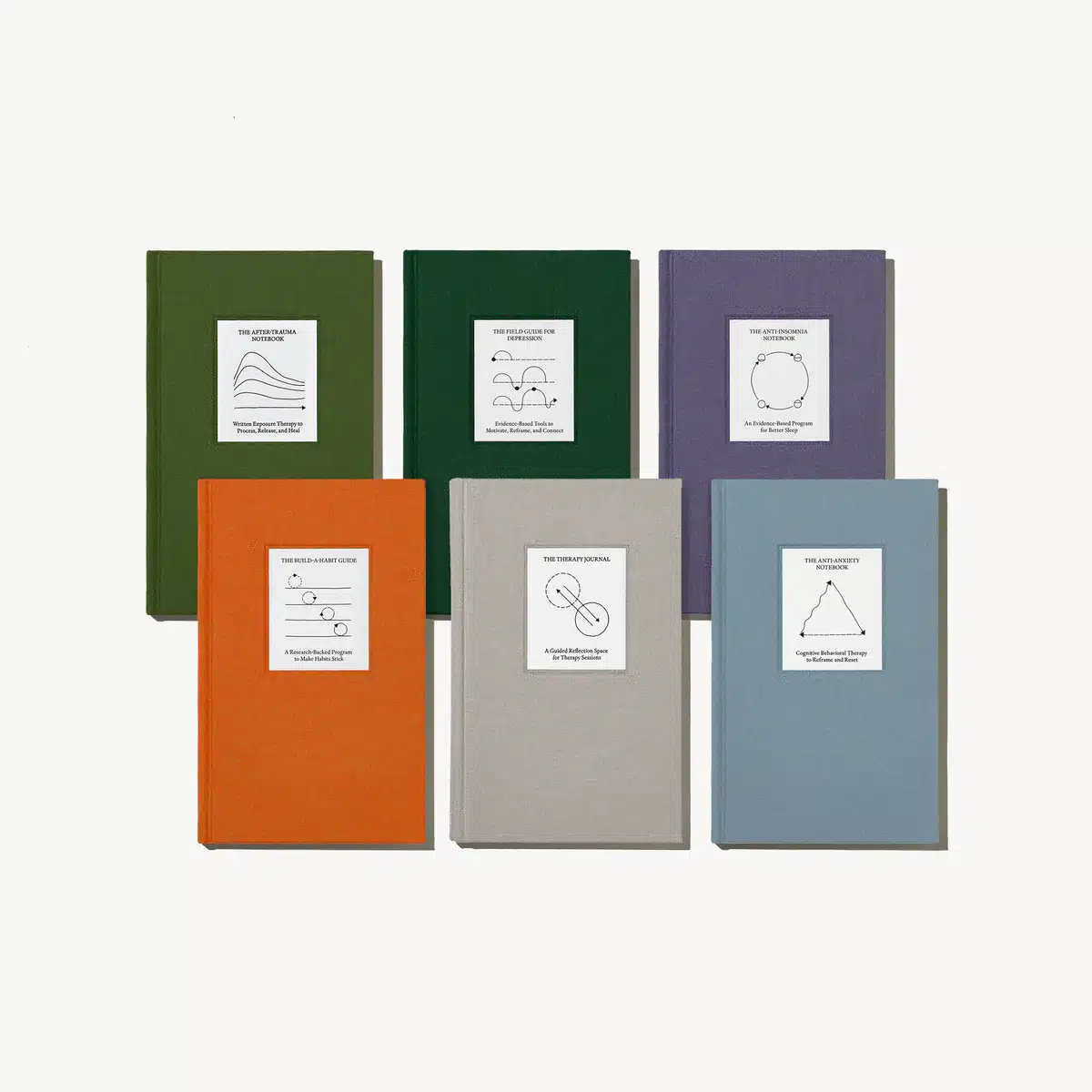
Introducing Therapy Notebooks’ “The Complete Collection”, the ultimate solution for organizing and streamlining your therapy sessions. This comprehensive collection of notebooks includes all the tools you need to help you and your clients achieve your therapy goals.
The collection features five different notebooks that cater to every stage of therapy. The first notebook is perfect for initial assessments, allowing you to gather all the necessary information about your clients. The second notebook is ideal for goal setting, tracking progress, and developing a personalized treatment plan. The third notebook focuses on coping strategies, allowing clients to practice and develop effective coping mechanisms. The fourth notebook is designed for tracking moods, thoughts, and behaviors, helping clients recognize patterns and triggers. Finally, the fifth notebook provides a space for reflection, allowing clients to process their progress and celebrate their achievements.
All of the notebooks in “The Complete Collection” are beautifully designed and feature high-quality paper that is perfect for writing and note-taking. And, the perfect gift!
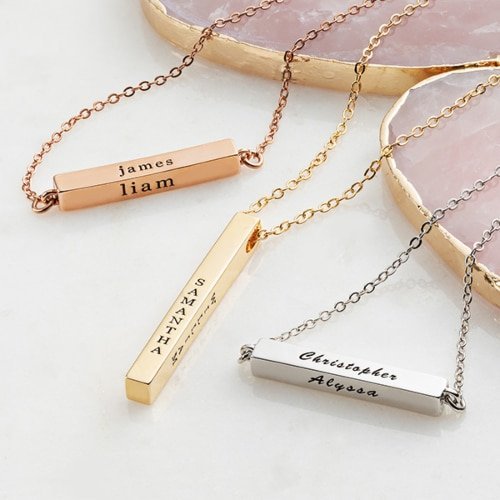
Limoges Jewelry presents the perfect personalized family keepsake with the 14K Gold Plated Vertical 4-Sided Engraved Family Name Necklace. This stunning necklace is designed to keep your family close to your heart, with four sides available for custom engraving of up to eight characters each.
Crafted from premium quality 14K gold plating, this necklace is hypoallergenic, durable, and resistant to tarnishing. The elegant vertical design adds a touch of sophistication to any outfit, while the custom engraving ensures a unique and heartfelt touch.
This family name necklace makes for an ideal gift for any occasion, be it a birthday, anniversary, or a new addition to the family. The high-quality craftsmanship ensures that it will last for years to come, reminding you of the special people in your life.
At Limoges Jewelry, they take pride in providing top-quality jewelry that is both stylish and meaningful. The 14K Gold Plated Vertical 4-Sided Engraved Family Name Necklace is no exception, and are confident that it will become a cherished addition to your jewelry collection.
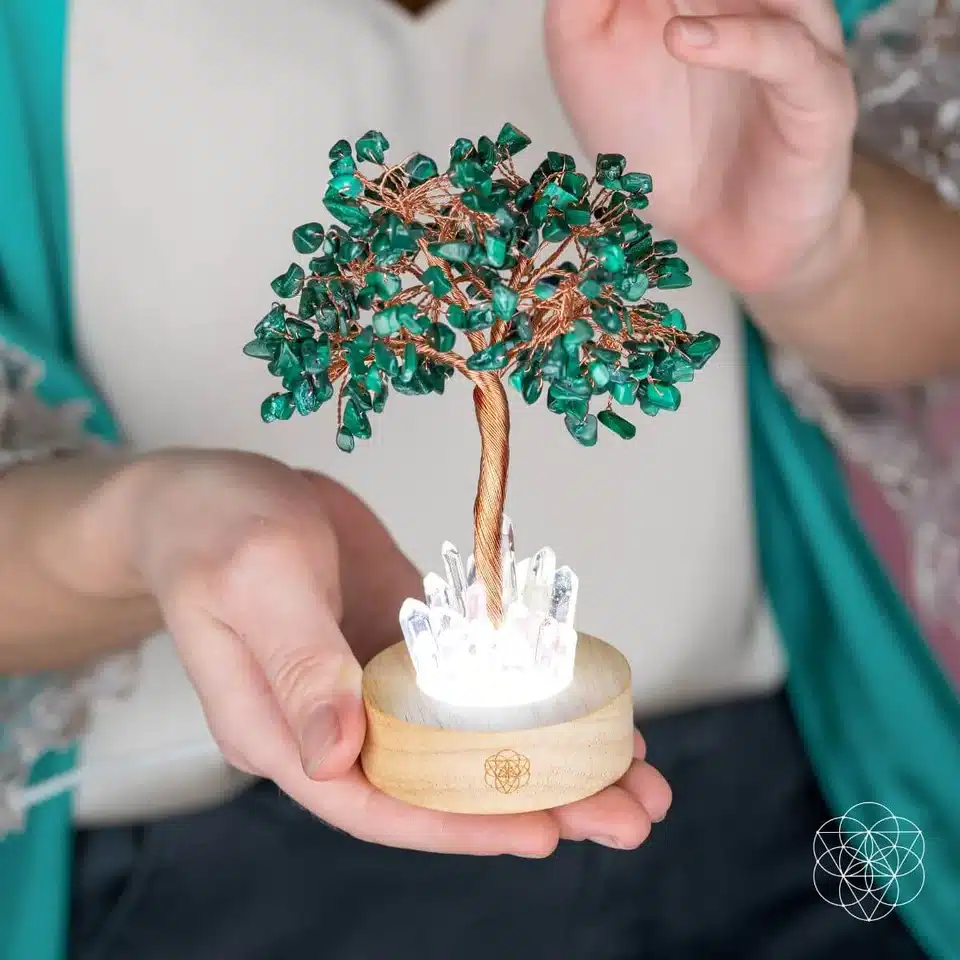
Introducing the “I am Safe” Anti-Anxiety Malachite Tree Lamp by Conscious Items, the perfect addition to your home or office to help alleviate stress and anxiety. This stunning lamp is made from the healing gemstone Malachite, known for its powerful properties to calm the mind and ease emotional tension.
The “I am Safe” lamp features a beautiful tree-shaped design, symbolizing growth, stability, and security, which are essential elements for a peaceful mind. When lit, the lamp emits a soft, warm glow that creates a relaxing atmosphere, helping to soothe your worries and promote a sense of tranquility.
Not only does this lamp provide emotional support, but it also adds a touch of elegance and sophistication to any room. The sleek design and natural stone texture make it a unique and eye-catching piece of decor that will surely turn heads.
Each lamp is carefully handcrafted by skilled artisans to ensure the highest quality and attention to detail. Plus, it comes with a convenient dimmer switch so you can adjust the brightness to your person’s liking.
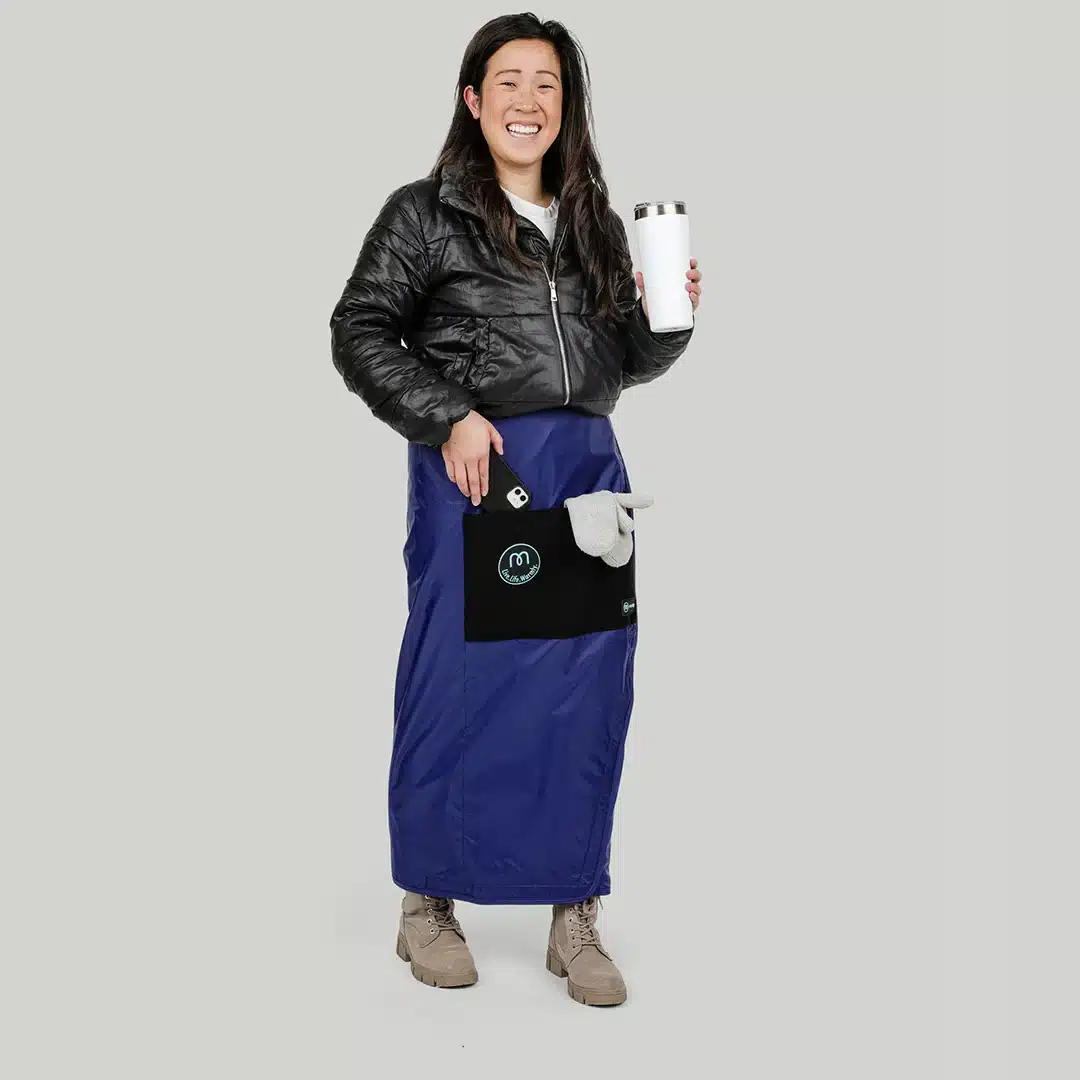
Introducing the Mozy 22 Blanket Wrap, the ultimate solution to staying warm and cozy in any environment. Made with premium materials and expert craftsmanship, this blanket wrap is designed to provide maximum comfort and versatility. Whether you’re snuggling up on the couch, taking a road trip, or camping in the great outdoors, the Mozy 22 Blanket Wrap has got you covered.
Crafted from a soft, yet durable blend of polyester and acrylic, the Mozy 22 Blanket Wrap is designed to withstand the rigors of everyday use. The high-quality material ensures that the blanket wrap retains its shape and softness even after repeated use and washing. The Mozy 22 Blanket Wrap is also available in a variety of attractive colors and designs, making it easy to match your personal style.
But what really sets the Mozy 22 Blanket Wrap apart is its unique design. With its convenient wrap-around style, the blanket wrap is easy to wear and provides warmth and coverage in a way that traditional blankets can’t match. The Mozy 22 Blanket Wrap also features a generously sized hood, which helps to keep your head and neck warm even in the coldest of temperatures.
Overall, the Mozy 22 Blanket Wrap is the perfect accessory for anyone who loves to stay cozy and comfortable no matter where they are. Whether you’re watching your favorite movie or exploring the great outdoors, the Mozy 22 Blanket Wrap is the ultimate in comfort and convenience.
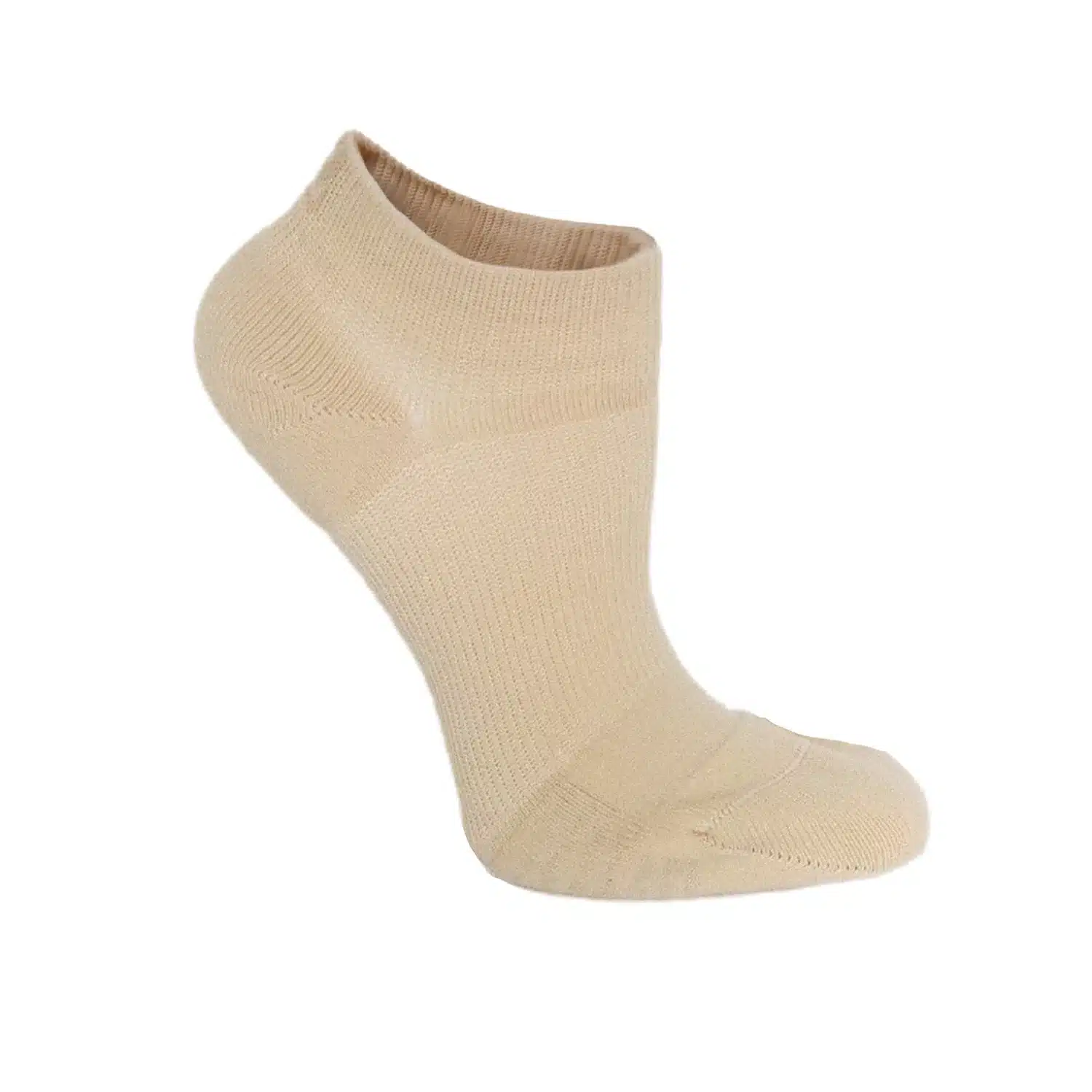
Are you tired of wearing boring, uncomfortable socks to your workouts? Look no further than Apolla Shocks! These no-show compression socks provide unparalleled arch and ankle support, making them the perfect choice for any activity.
Unlike traditional socks that simply cover your feet, the AMP offers targeted compression that helps improve blood flow and reduce muscle fatigue. And with their high-quality materials and construction, you can be sure that they’ll provide long-lasting support and protection.
But Apolla Shocks are more than just functional – they’re also eco-friendly! Made from REPREVE® certified sustainable yarns right here in the USA, their socks are designed with the environment in mind. Plus, they’re moisture-wicking and antimicrobial, so you can stay cool and fresh no matter how intense your workout is.
Apolla Shocks are the perfect choice. With a variety of colors and styles to choose from, you’re sure to find a pair that suits your needs. Order yours today and experience the difference!
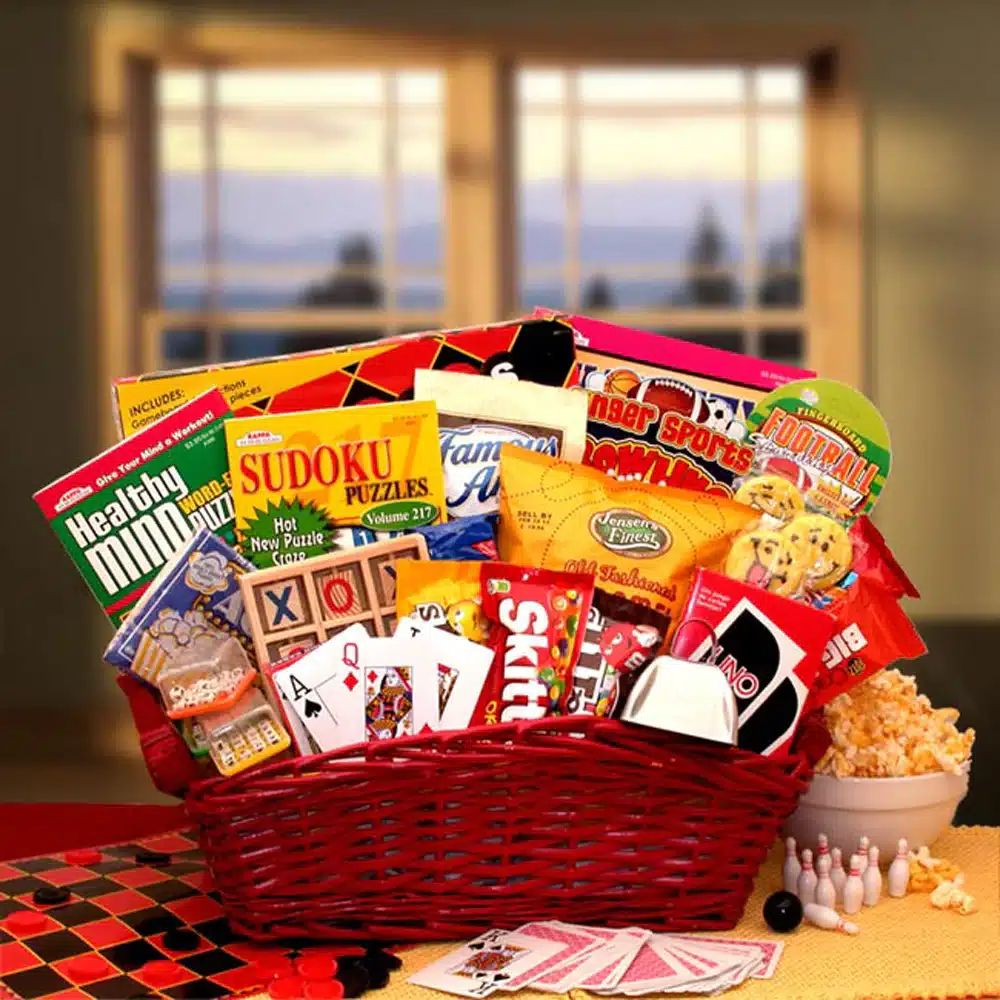
If you’re looking for the perfect gift for someone who loves fun and games, look no further than the Clickhere2shop Fun & Games Gift Basket. This basket is filled with a variety of entertaining items that are sure to bring joy and laughter to the lucky recipient.
Inside the basket, you’ll find classic board games like Monopoly and Yahtzee, as well as fun card games like UNO and Go Fish. There are also puzzles, brain teasers, and a deck of playing cards for even more entertainment options.
In addition to the games, the basket also includes delicious treats like popcorn, candy, and cookies, making it a truly indulgent gift. And when the games are over and the snacks are all gone, the basket itself can be reused for storage or decoration.
Whether you’re looking for a gift for a friend, family member, or coworker, the Clickhere2shop Fun & Games Gift Basket is sure to be a hit. It’s the perfect way to bring a little fun and joy into someone’s life, and to show them how much you care.
Adelante Made To Order
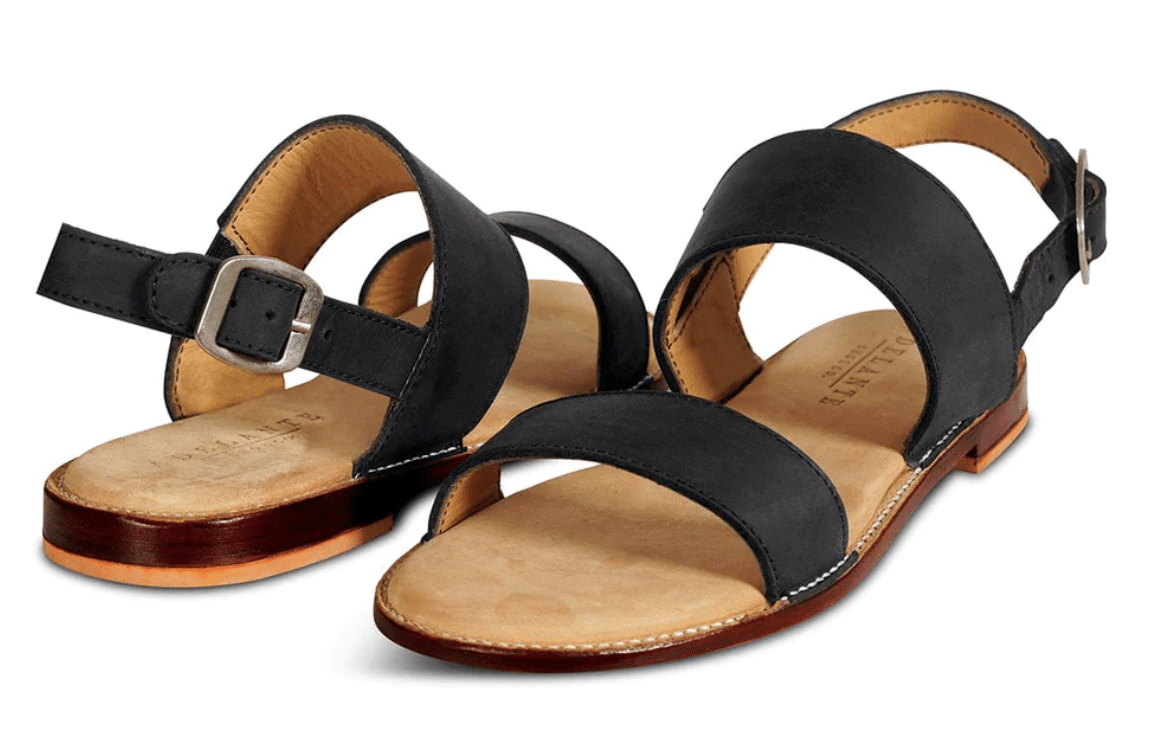
Adelante Made to Order is proud to present The Córdoba Sandals, a beautifully crafted pair of sandals that are perfect for any occasion. Made with the finest quality leather and designed for ultimate comfort, these sandals are sure to become your go-to footwear choice.
The Córdoba Sandals feature a classic design with a modern twist. The thick straps and sturdy soles provide excellent support and stability, while the soft leather lining ensures a comfortable fit all day long. The sandals are available in a range of colors, including classic black, tan, and brown, as well as more vibrant shades like red, blue, and green, allowing you to choose the perfect pair to match any outfit.
At Adelante Made to Order, they are committed to sustainable and ethical production practices. Our sandals are made to order, which means that each pair is crafted specifically for you, reducing waste and ensuring that you receive a truly unique and personalized product. They also work with artisans in Guatemala to create job opportunities and provide fair wages, making each purchase of The Córdoba Sandals a contribution to a better world.
Experience the ultimate in comfort, style, and sustainability with The Córdoba Sandals from Adelante Made to Order.
27 Miles Malibu
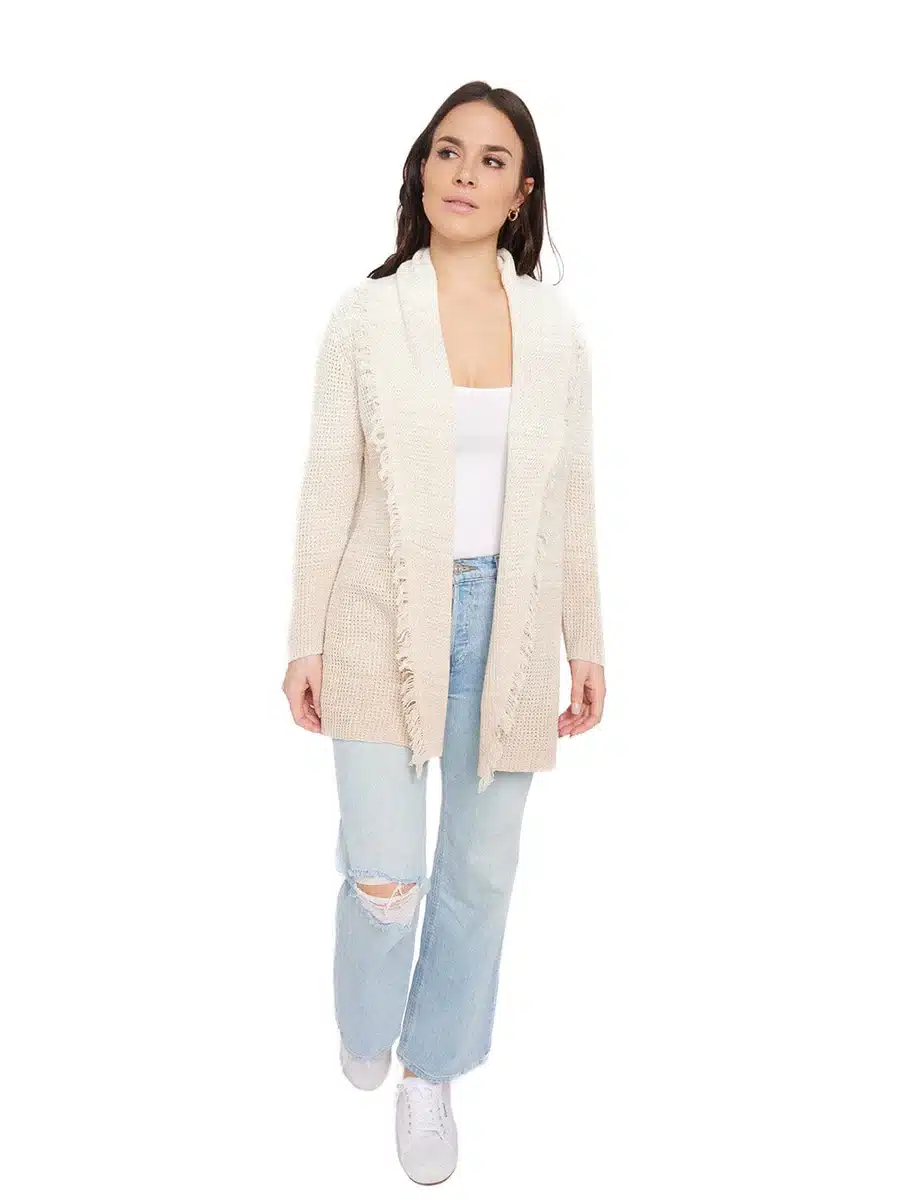
Introducing the luxurious and stylish Jupiter cardigan from the coveted fashion brand, 27 Miles Malibu. This cardigan is the epitome of fashion and function, perfect for any occasion. Made with the finest quality materials, the Jupiter cardigan features a blend of cashmere and wool, providing you with ultimate comfort and warmth.
The cardigan comes in a stunning shade of dark navy blue and boasts a unique texture that is both cozy and chic. It’s lightweight and easy to wear, making it the perfect addition to any outfit. The Jupiter cardigan has an open front design, making it effortless to layer over your favorite tops and dresses.
With its flattering silhouette and versatile style, the Jupiter cardigan is a wardrobe staple that will stand the test of time. It’s perfect for dressing up or down, making it suitable for any occasion. From a casual brunch with friends to a formal event, this cardigan will elevate any look.
Invest in the Jupiter cardigan from 27 Miles Malibu today and experience the perfect blend of style and comfort. You won’t be disappointed.
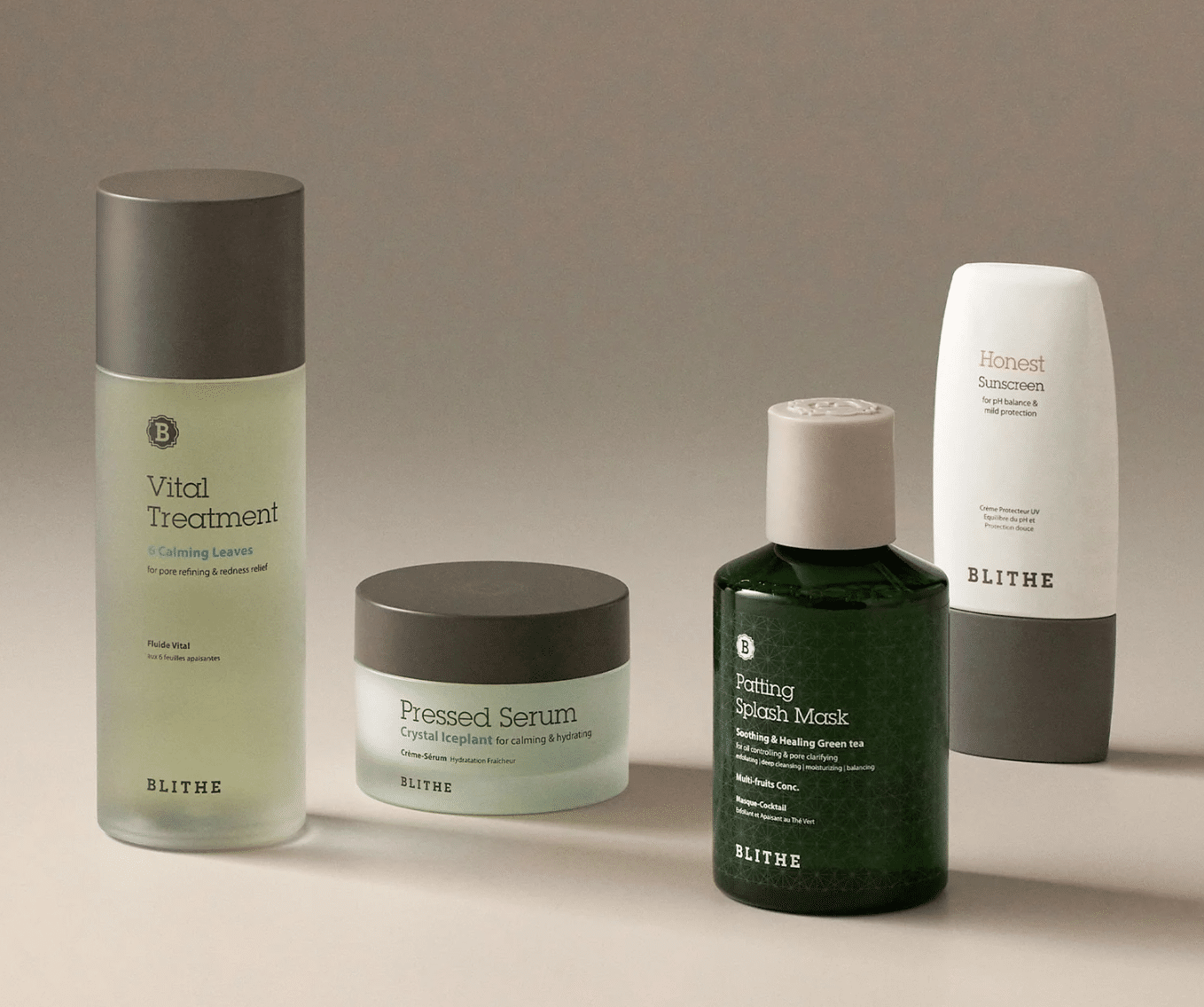
Blithe Cosmetics is a brand that understands the struggle of keeping oily skin under control. That’s why they’ve introduced the Blithe Pore & Oil Control Set, the perfect solution for those who want to achieve a shine-free, matte complexion.
This set includes three essential products that work together to control oil production and minimize the appearance of pores. The first product is the Blithe Pore Tightening Serum, which contains a blend of powerful ingredients such as salicylic acid, tea tree oil, and witch hazel to effectively tighten and refine pores.
Next, the Blithe Soothing & Healing Green Tea Splash works to calm irritated skin while controlling excess oil. The addition of green tea extract provides antioxidant benefits, leaving your skin feeling refreshed and revitalized.
Lastly, the Blithe Velvet Yam Pressed Serum is a unique hybrid of a serum and a moisturizer. It contains yam extract, which is rich in antioxidants and provides deep hydration without leaving a greasy residue.
Together, these three products create a comprehensive skincare routine that effectively controls oil production, minimizes the appearance of pores, and leaves your skin feeling soft and velvety smooth. Say goodbye to shiny skin and hello to a matte, refined complexion with the Blithe Pore & Oil Control Set.
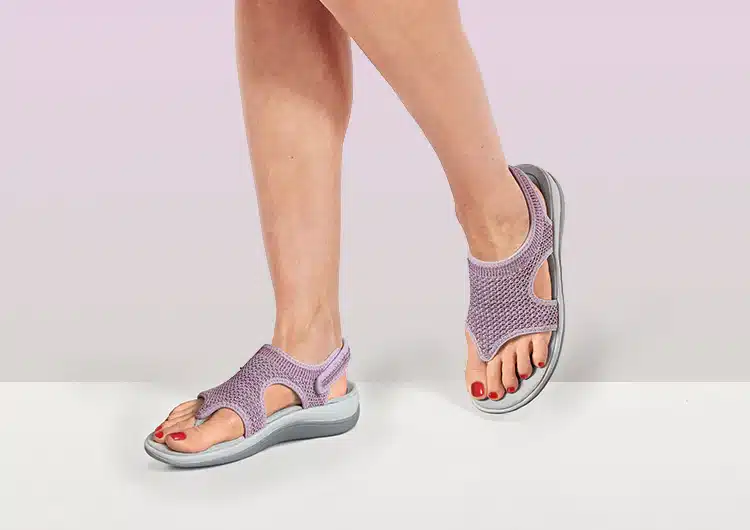
Looking for comfortable, supportive shoes that will keep your feet pain-free and healthy? Look no further than Orthofeet’s collection of women’s orthopedic shoes! The Lyra-Rose model, available in both medium and wide widths, is the perfect choice for anyone looking to improve mobility, enhance comfort, and get relief from heel, foot, knee, and lower back pain.
Crafted with state-of-the-art pain relief technology and advanced foot biomechanics, our orthopedic shoes are designed to help you feel your best every step of the way. With lightweight, cushioning soles and ergonomic design, you can say goodbye to joint pain and stress on your feet.
Their anatomical orthotic insoles provide exceptional support for flat feet, help alleviate corns and calluses, and relieve heel and foot pain. And with non-binding uppers and extra depth design, you’ll never have to worry about pressure points on bunions or hammertoes again.
So whether you’re looking for a comfortable shoe for everyday wear or something to help you stay pain-free during your daily activities, Orthofeet’s Lyra-Rose model is a perfect choice. Order yours today and experience the difference!
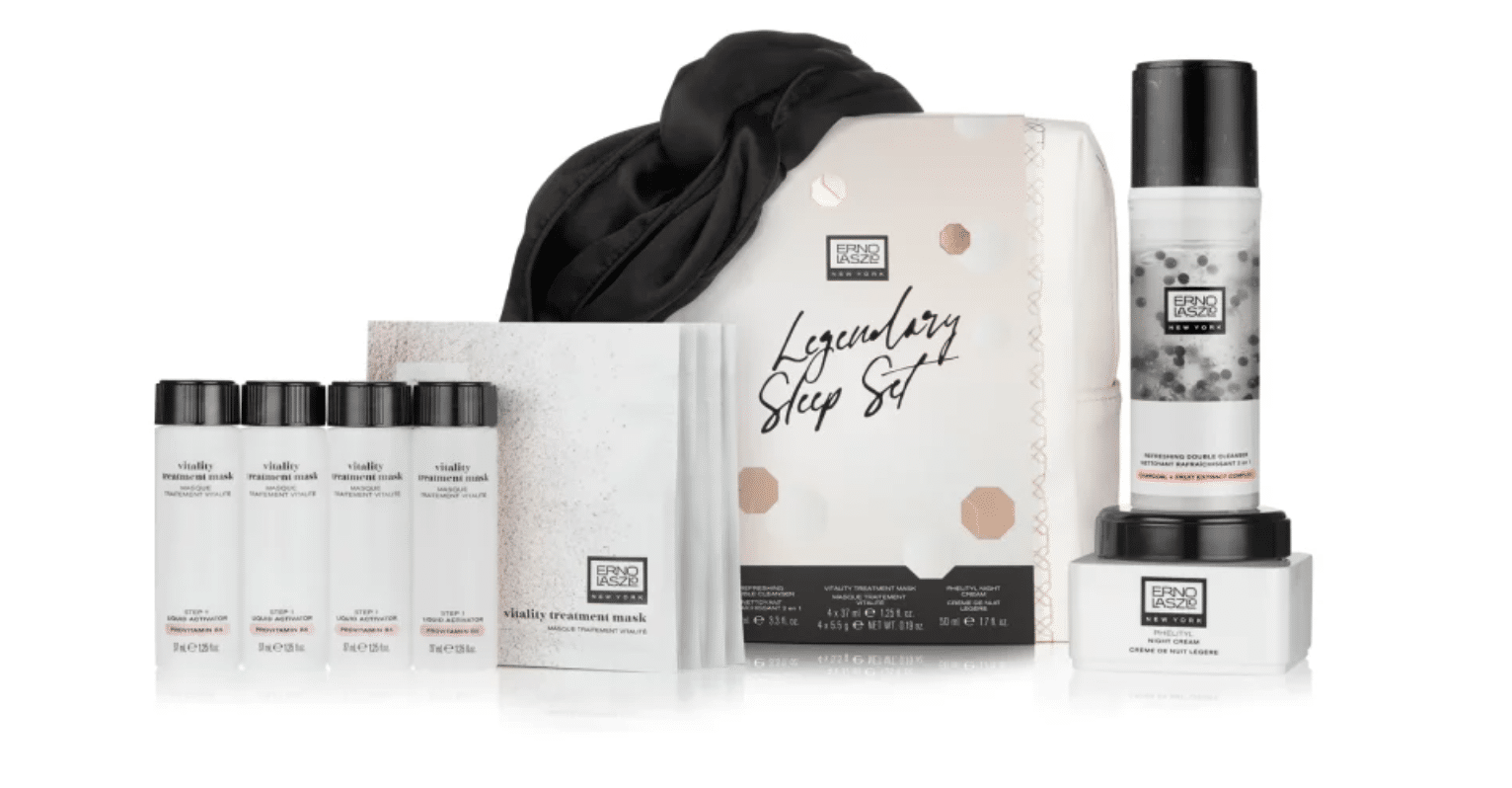
Erno Laszlo’s Legendary Sleep Set is the ultimate solution for achieving radiant and glowing skin while getting your beauty sleep. This luxurious nighttime skincare set includes two powerful products that work together to deeply nourish and repair your skin overnight.
The first product in the set is the Hydra-Therapy Memory Sleep Mask, a lightweight gel formula that effortlessly melts into your skin to deliver intense hydration and plumpness. Infused with mineral-rich seawater, vitamin E, and prickly pear extract, this mask works to boost your skin’s natural moisture levels and lock in hydration while you sleep.
The second product is the Phelityl Night Cream, a rich and velvety cream that deeply nourishes and restores your skin’s natural barrier. Formulated with a blend of essential oils, antioxidants, and plant extracts, this cream works to rejuvenate your skin and leave it looking supple, smooth, and radiant.
With the Erno Lazlo Legendary Sleep Set, you can wake up to a refreshed, revitalized complexion every morning. Whether you have dry, dull, or aging skin, this set is the perfect addition to your family’s nighttime skincare routine.
Thinking outside the box is essential when shopping for the perfect Mother’s Day gifts for seniors. Instead of buying physical items like flowers or jewelry, try gifting them a day out to their favorite restaurant, a spa voucher for pampering, a monthly subscription to a magazine or streaming service, or even something as simple as homemade cards expressing your gratitude and love. Showing appreciation doesn’t have to be limited to things you can buy in a store – make your gift personal and thoughtful, and your senior mother will surely appreciate it.
Special Experiences
Seniors deserve a special Mother’s Day experience that shows them how much they are appreciated. Whether it is taking them out to lunch, organizing a family party, or simply spending quality time together, it’s important to make your senior mom feel loved and respected. You could spoil her with an afternoon picnic, take her out shopping, arrange for a luxurious spa day or take her on a tour of her favorite sites in town; the possibilities are truly endless. Whatever way you decide to honor your senior mom this year, make sure she knows just how much you care about her!
Attending Events
As a perfect way to show your appreciation for Mom this Mother’s Day, consider planning an event that she will truly enjoy. Whether it’s attending a charity luncheon, going to the theater or taking a walk through the park, your mother will love spending quality time with you. Events such as these are great for making memories and creating lasting moments – she’ll surely cherish them forever! Make sure to pick something that speaks to her tastes and interests so that she can feel appreciated in every moment of the experience.
Sentimental Gifts
Sentimental gifts are the perfect way to show your special senior how much you care. From personalized photo frames and albums to special knick-knacks with secret memories attached, these thoughtful presents will let Mom know that you not only appreciate all she has done for you but that you’re taking the time to share her meaningful moments with her. A great sentimental gift could be a collage of family photos, or a unique piece of jewelry with a heartfelt engraving. These gifts won’t just brighten up your mom’s day, but give her something tangible to remember it by.
Welcome to our review of Mobilehelp’s comprehensive medical alert system! We will be taking an in-depth look at the company’s offering, from its main features and benefits to usability and mobility considerations, as well as taking a look at its pricing and plans. Along the way, we’ll also provide an overall summary and conclusion points to help you make an informed decision about whether this system is right for your needs. Let’s get started!
Table of Contents
Introduction
With the aging population in America on the rise, elderly care and safety services are becoming increasingly important. MobileHelp’s Comprehensive Medical Alert System provides users with a range of emergency response options designed to protect seniors and their loved ones in times of need. In this blog post, we will take an in-depth look at the features, benefits, and costs associated with this system so that you can decide if it is the right fit for you or your family member.
Overview of Mobilehelp’s Medical Alert System
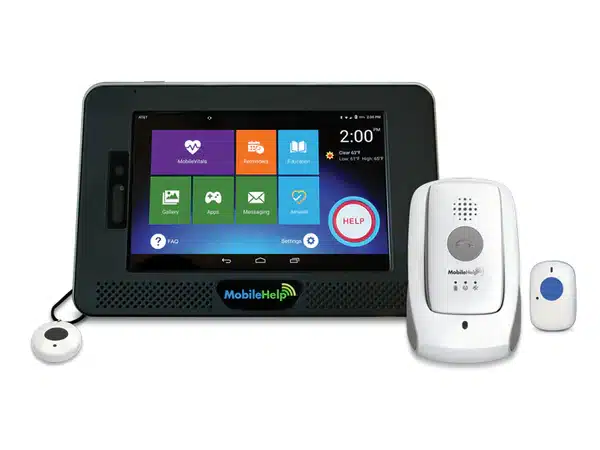
Mobilehelp’s Medical Alert System is an effective and easy-to-use system to ensure that help can be summoned quickly in the event of an emergency. The system includes a base station with two-way voice technology and a water-resistant help button. It also has automatic fall detection, so if you experience a fall, the alert will be activated automatically. In case of power outages, it comes with an optional cellular backup which keeps it functioning for up to 24 hours fully charged. It also offers medical profiles that store essential health information, allowing emergency personnel to provide faster and more accurate assistance. All in all, Mobilehelp’s Medical Alert System provides users with peace of mind knowing help is always available when needed most.
Key Features and Benefits
MobileHelp’s Comprehensive Medical Alert System is an all-in-one medical alert solution, designed to help individuals and families stay safe and secure. Key features of this system include 24/7 access to professional support agents, GPS tracking in case of emergency, waterproof buttons for quick response, automatic fall detection technology, mobile app access to control settings and monitor activities remotely, and long-range coverage up to 1,300 ft. The benefits of this system are peace of mind knowing that you are connected to help at all times; the ability to live independently while still having access to emergency aid if needed; and a reliable monitoring system that can provide prompt assistance when required. With its intuitive interface and comprehensive features, MobileHelp’s Comprehensive Medical Alert System is an ideal choice for those seeking a dependable medical alert solution.
Usability and Mobility
MobileHelp is well-known for its seamless integration of usability and mobility in its medical alert system products. The range of devices offered includes both in-home and mobile solutions, as well as independent models that work without the need for a landline phone connection. This wide range of options ensures that users have access to the features they need when they need them. The user interface is intuitive and easy to use, which allows seniors and their caregivers to quickly get up and running with the medical alert system without any significant learning curve. Additionally, all models are designed to be lightweight and portable for added convenience and security. This combination of features makes MobileHelp’s medical alert systems highly usable, reliable, and secure, making them an ideal solution for seniors who value peace of mind and safety on the go.
Pricing and Plans
Mobile help offers several pricing plans to fit different needs. Their basic package includes the MobileHelp Classic system for only $24.95 a month, with no activation or long-term contracts and free shipping. This package includes 24/7 emergency response services, a wearable help button, and wall-mounted help buttons that can be placed in multiple rooms. Additionally, customers can purchase add-ons such as fall detection, lockbox storage, and more at an additional cost. For those who require more advanced features, they offer their premium and mobile+ packages that start at $34.95 a month with all the same features as the classic plus extras, such as integrated GPS tracking devices so you can stay connected even if you’re away from home.
Overall Summary and Conclusion
In conclusion, MobileHelp’s medical alert system is an excellent and comprehensive solution for people who need a reliable way to contact for emergency help in case of an accident. It is easy to set up and use, has a variety of features to meet individual needs, and is backed by 24/7 customer service. Moreover, it comes with a 30-day money-back guarantee, so you can rest assured that you are getting the best value for your money. With its wide array of features and benefits, MobileHelp’s medical alert system is highly recommended for those who want peace of mind knowing that help is just a button away.
Love and appreciation isn’t just for the younger generations. Showing our elders how much we love them can be just as meaningful and appreciated. Valentine’s Day is a great time to show seniors how much you care by giving them a thoughtful gift or taking them somewhere special. This blog post will cover the best Valentine’s Day gifts for older people, from spending quality time together to DIY gifts that show you care. There is something for everyone, so let’s get started!
Valentine’s Day is the perfect opportunity to show your love and appreciation for seniors. But what kind of gift do you give someone who has everything? Here, we’ve compiled a list of the best Valentine’s Day gifts that older people would appreciate and enjoy. Whether it’s something practical or something with sentimental value, there is something here for every senior on your list. So show them how much you care this Valentine’s Day with one of these thoughtful gifts!
Quality Time Ideas
Quality time is one of the most valuable gifts you can give a senior this Valentine’s Day. Spending quality time together allows seniors to reconnect and show them how much they mean to you. Make it special by setting up a picnic in a park or taking them on a walk, fishing, attending an outdoor concert together, or watching their favorite movie while snuggling up on the couch. With these simple yet meaningful ideas for quality time, you can make this Valentine’s Day an unforgettable experience for your loved ones.
DIY gifts make an incredibly heartfelt gesture for seniors come Valentine’s Day. Whether presenting a handmade card, sewing a blanket, or baking a favorite treat from scratch, the time and effort spent creating something with your two hands will surely be appreciated. While it can take more work than picking something up at the store, there’s no gift quite as unique and personal as the one you DIY!
Special Experiences
Valentine’s Day is a particular time to show your love and appreciation to the seniors. Consider gifting them something that will create unique and special experiences. Some ideas include tickets to a local museum or art gallery, a gift certificate for a day at the spa, or tickets to a sporting event. For an outdoor experience, plan a picnic outing with their favorite foods or take them bird watching in the park. You can also surprise them with tickets for a hot air balloon ride, a cooking class, or a play at their local theater. Whatever you choose, spend quality time together enjoying these special moments!
Thoughtful Gifts
On Valentine’s Day, thoughtful gifts are the best way to show love and appreciation for someone special. Whether it be a digital photo frame with memories from days gone by, or a thoughtful gift basket with favorite treats, food items, and teas, seniors will truly appreciate the thoughtfulness of these gifts. Hearing and preserving your loved ones’ legacy through a memoir is unique. Crafting supplies such as yarn, knitting needles, and books on crafting projects can also help to spark creativity and bring joy to your loved one this Valentine’s Day!
Showing your love and appreciation to seniors on Valentine’s Day can be a great way to show how much you care. Seniors would enjoy many thoughtful gifts, such as personalized keepsakes and practical items like organizers or a comfortable lap blanket. Whether it’s going out for dinner, making them something special at home, or giving a meaningful gift, it is essential to ensure seniors know how much you appreciate them this Valentine’s Day!
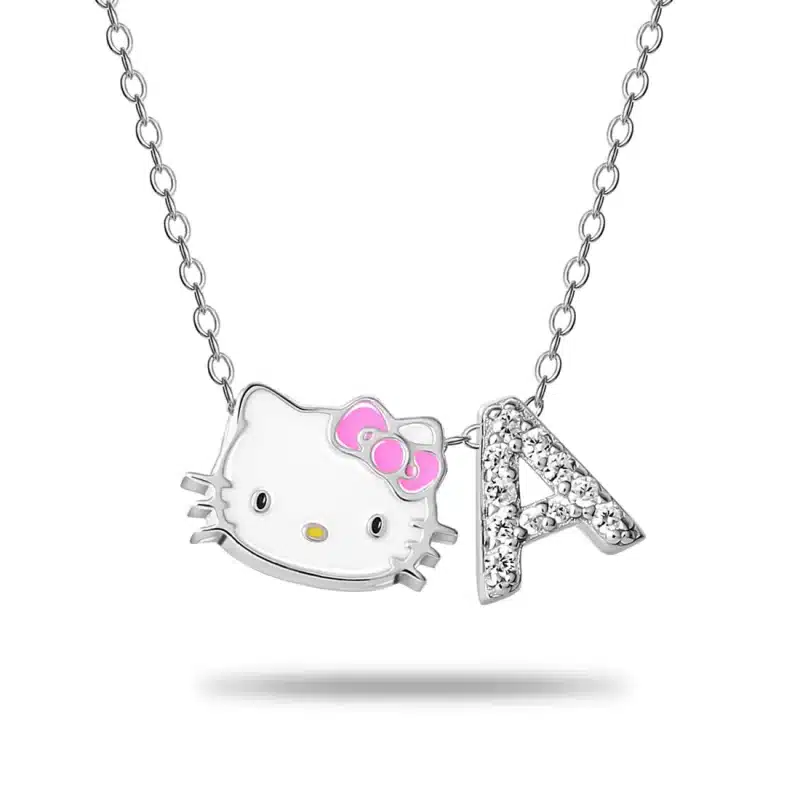
This letter necklace has a cute Hello Kitty pendant. Select your preferred alphabetic character for placement in the necklace. A piece of jewelry that will be treasured forever. The chain measures 18 inches in length and is made of sterling silver with cubic zirconia. This authentic Hello Kitty jewelry is complete with the official license in a free Hello Kitty gift box.
Cosmos 14K Gold Vermeil Hoop Earrings by Camille Kostek
$380
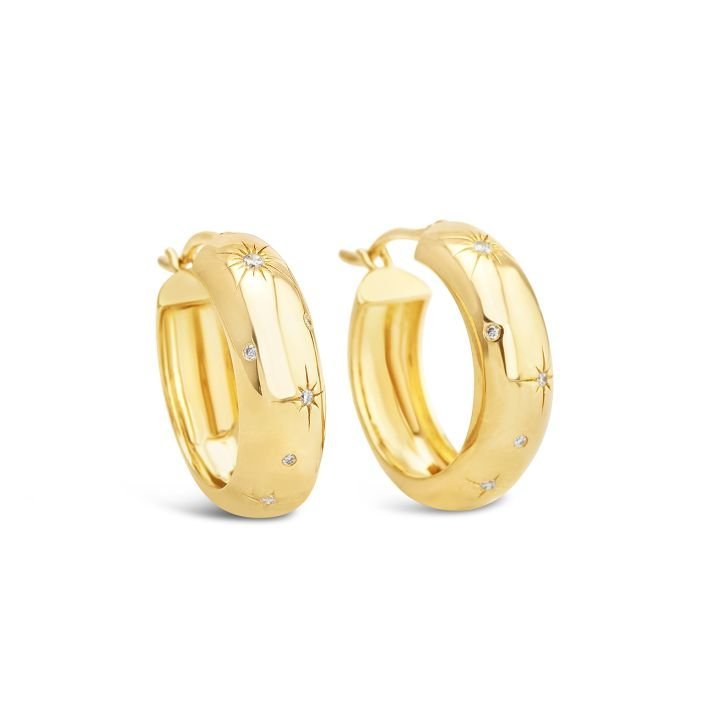
Use the Cosmos Collection by Camille Kostek and Dune Jewelry to bring your dreams to life. These beautiful hoop earrings are made of 14k gold vermeil and have beautiful cultured diamonds that move in a way that looks like stars. These click-post earrings are easy to wear and perfect for elevating any outfit. In just two business days, you’ll be able to receive this unique and gorgeous piece of jewelry, designed in collaboration by model, actress, and television host Camille Kostek and Dune Jewelry. Bring the universe to you with the Cosmos Collection.
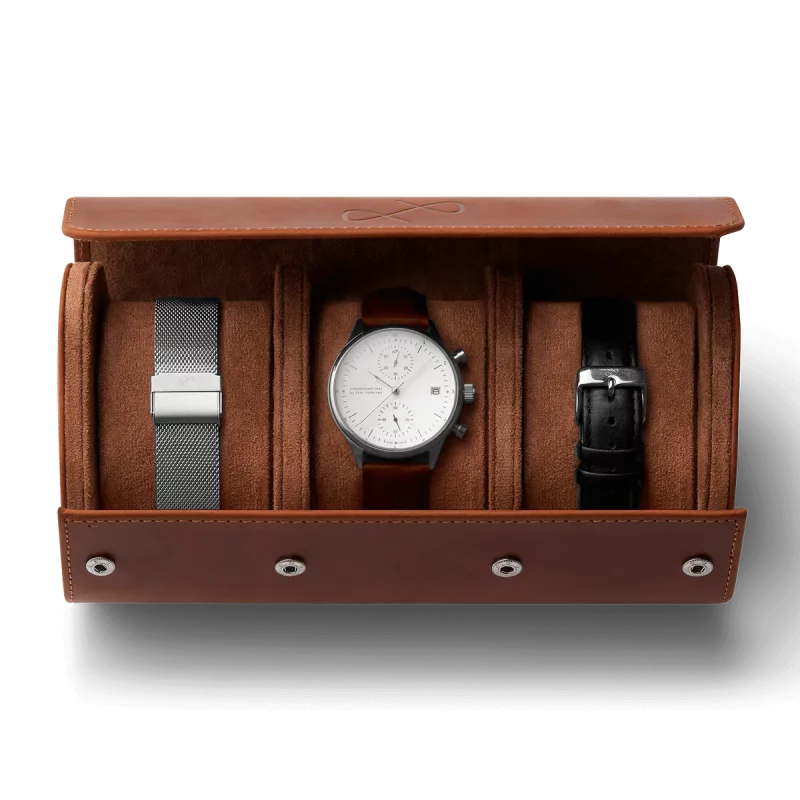
Stop time and make a lasting impression with the 1844 Gift Set. This set includes the 1815 Chronograph, a versatile timepiece that doubles as a stopwatch. The gift set has three stylish straps to choose from: a brown leather strap, a black leather strap, and a steel mesh strap. The watch is delivered in a premium smoked oak box, while the straps are packaged separately. Make the gift even more special by adding an engraved message to the caseback.
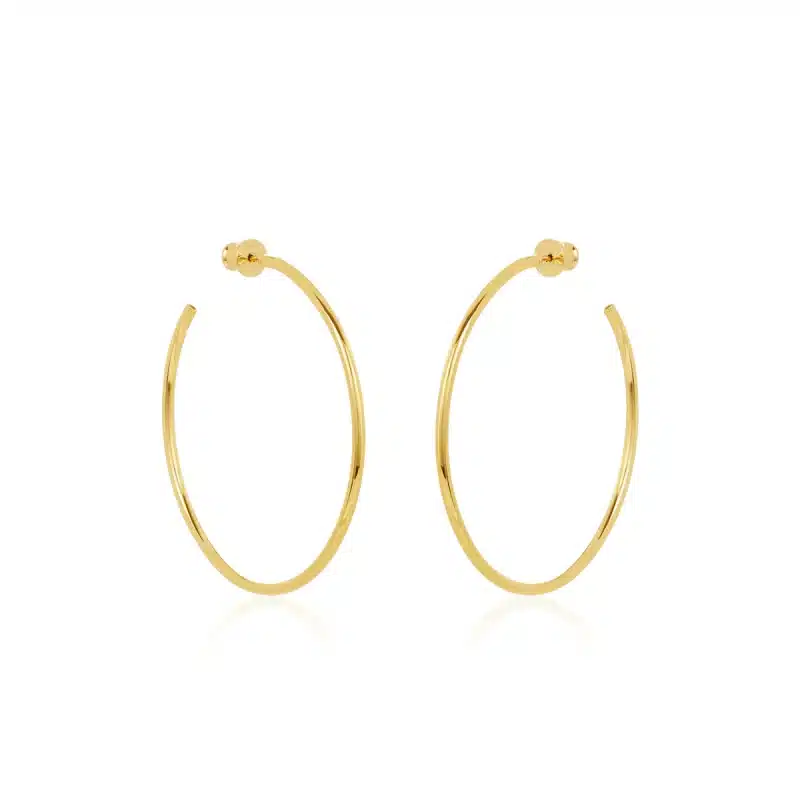
Put some pep in your step with these 3″ Hoops. These larger earrings add a touch of sophistication and sexiness to any outfit. These hoops will elevate your look, whether dressing down casually or dressing up for an event. Choose from 18k gold plated over brass or silver plated over brass to find the perfect pair for you. These hoops are sold as a pair, making it easy to complete your look.
Beauty Gifts
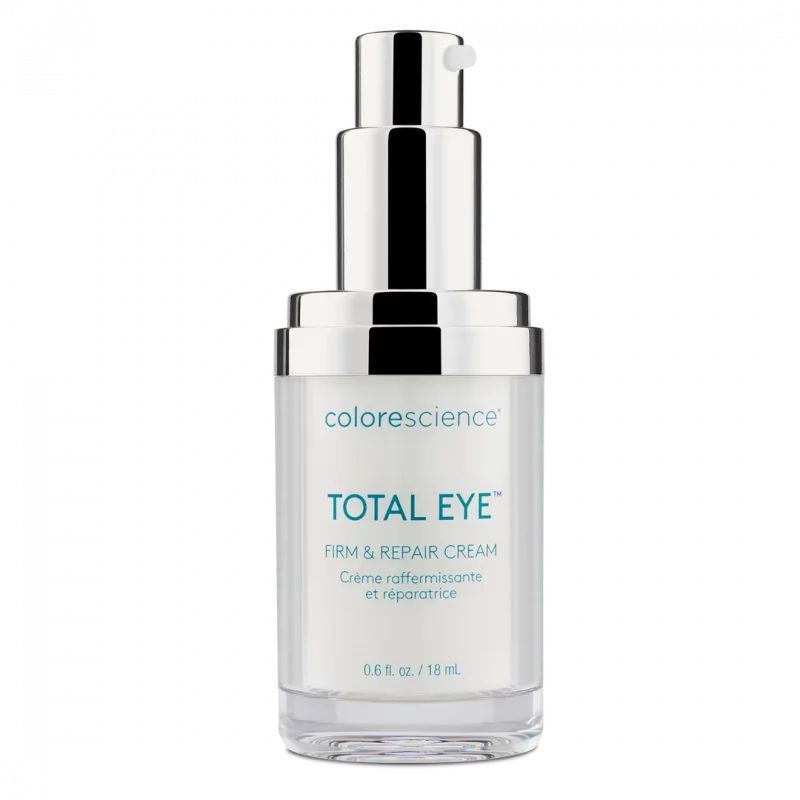
Colorescience
Total Eye Firm and Repair Cream
$99
Total Eye® Firm & Repair Cream is the perfect gift for revitalizing their eye area. This clinically proven formula targets aging signs and leaves eyes looking youthful. Its luxurious balmy texture delivers rich moisture and nourishing ingredients like antioxidants and peptides for enhanced firmness and elasticity. Plus, invigorating caffeine reduces puffiness for a fresh, awake appearance. The result? Skin that is firm, smooth, and hydrated.
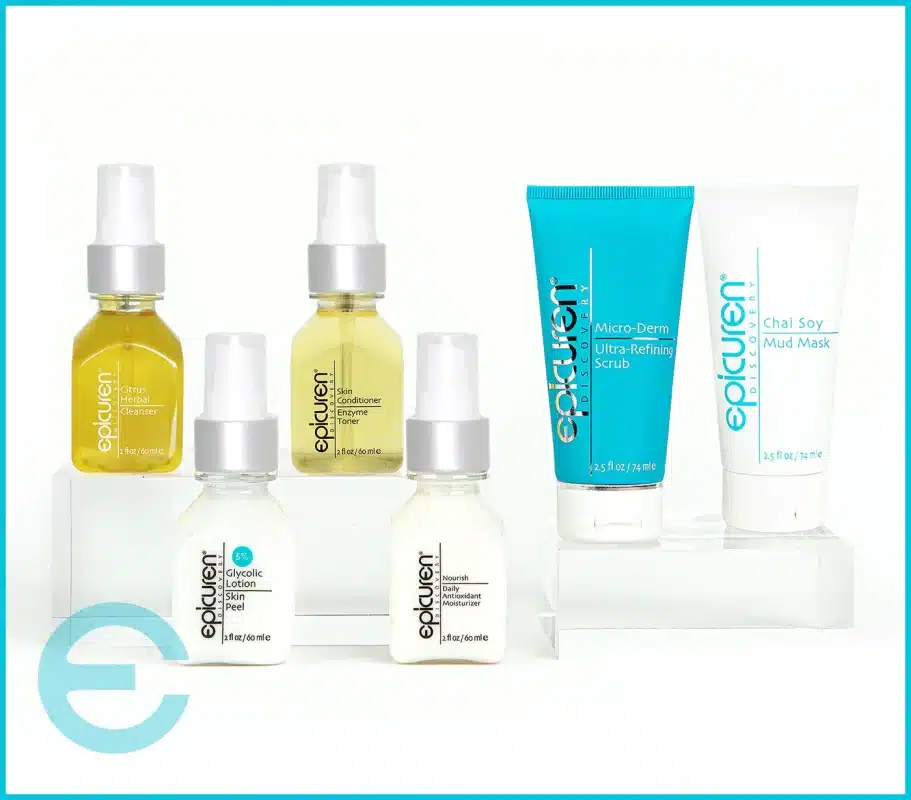
This 6-Step Facial Kit is a great gift for those looking to enhance their complexion and combat signs of aging. Designed for mature to active and oily complexions, it addresses mild congestion, hyper-pigmentation, rough texture, and fine lines. The kit includes a morning and evening regimen plus two specialty products for an even more luxurious facial experience. With savings reflected in the price, this kit is a great value. The kit includes a Micro-Derm Ultra-Refining Scrub, Chai Soy Mud Mask, Citrus Herbal Cleanser, Skin Conditioner Enzyme Toner, Glycolic Lotion Skin Peel 5%, Nourish Daily Antioxidant Moisturizer, and a Travel Toiletry Bag. Ideal for dry, normal, and combination skin types. Get 10% off when purchased as a kit (discount cannot be combined with other promotions).
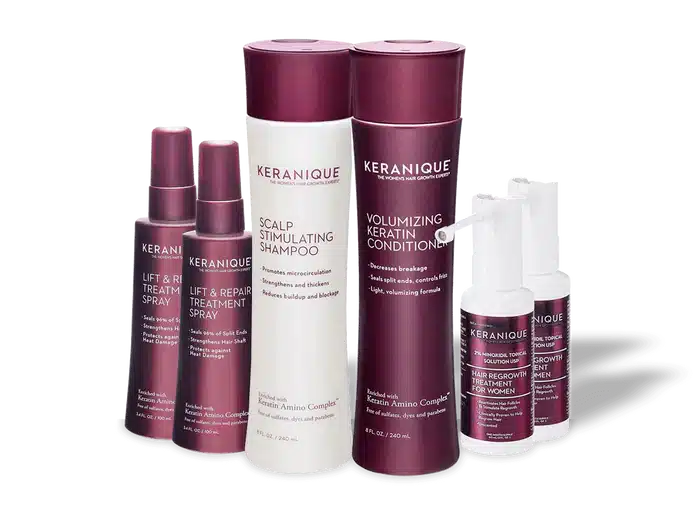
The Keranique Hair Regrowth Kit is a special gift for those concerned with hair loss. Featuring an FDA-approved ingredient, it improves hair volume, texture, and shine. The kit includes a 60-day supply of Revitalizing Shampoo, Volumizing Conditioner, 2 Hair Regrowth Treatments, 2 Volumizing Lifting Sprays, a FREE Hair Volumizing Brush, and a Hair Detangling Tool. This kit adds instant volume, lift, and fullness to hair improves its strength, provides anti-breakage protection and is clinically proven to help regrow hair. It also improves manageability, combability, detangling, and conditioning without weighing hair down.
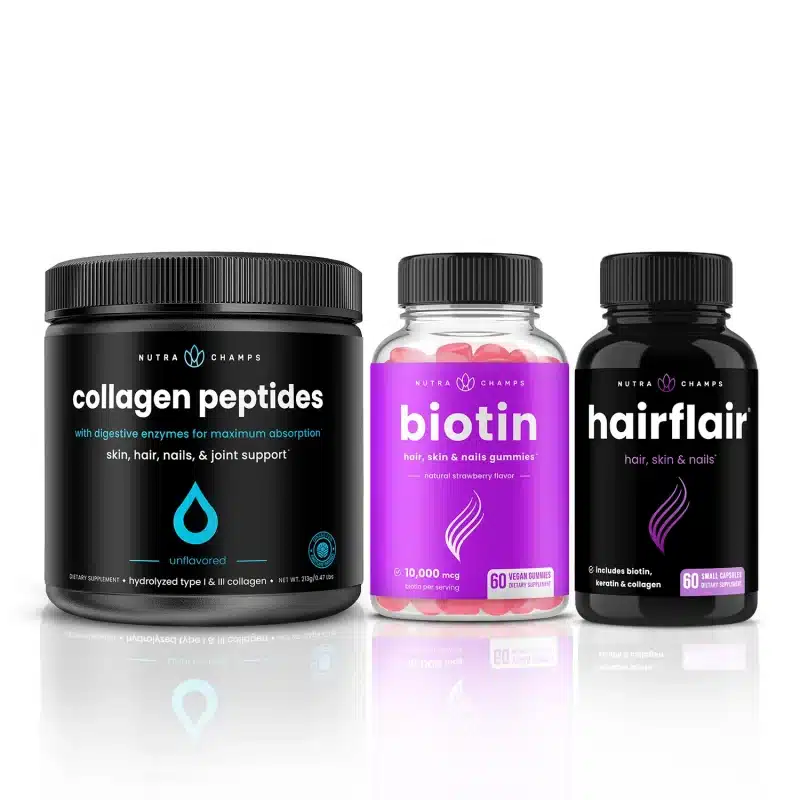
This exclusive bundle is the perfect gift for those looking to elevate their beauty routine. It includes the best supplements for healthy hair, skin, and nails, including delicious Biotin Gummies, Collagen, and HairFlair formula. The well-rounded combination will help improve overall health and radiance. Available at a great value, this bundle is a great starting point for anyone looking to improve their personal care routine.
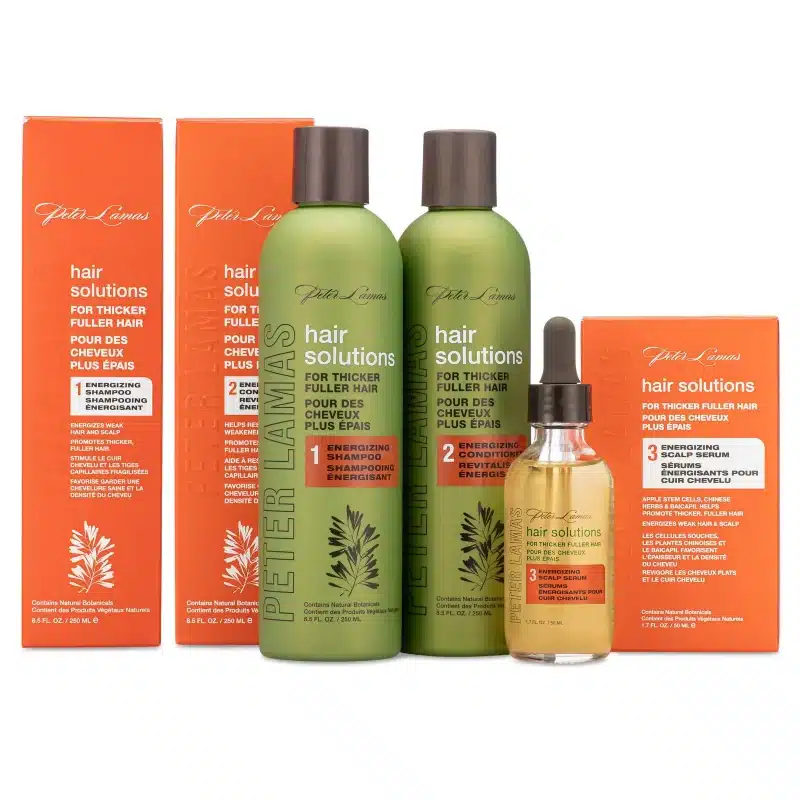
The Hair Solutions Energizing System is the perfect gift for those struggling with thinning hair. This innovative 3-step system, uniquely formulated with the best of nature and science, includes Energizing Shampoo, Energizing Conditioner, and an ultra-potent Energizing Serum. It nourishes and fortifies the scalp, stimulating hair growth for thicker, fuller, and more luxurious-looking hair. The system stops hair loss, stimulates hair follicles, energizes the scalp, and promotes fullness. Available for both men and women, this system is a must-have for anyone seeking a new approach to thicker, fuller hair.
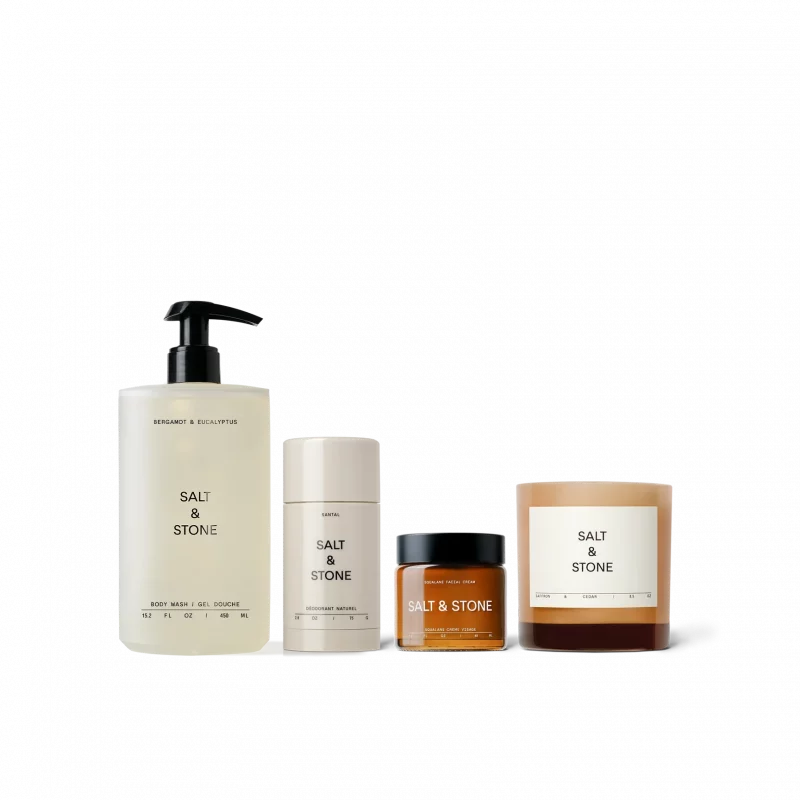
Indulge in the Best-Sellers Set, featuring a body wash, natural deodorant, facial cream, and scented candle. Experience refreshing, hydration, and 24-hour protection with these luxurious products made with natural ingredients and ocean botanicals. Enjoy the ultimate self-care experience with this set.
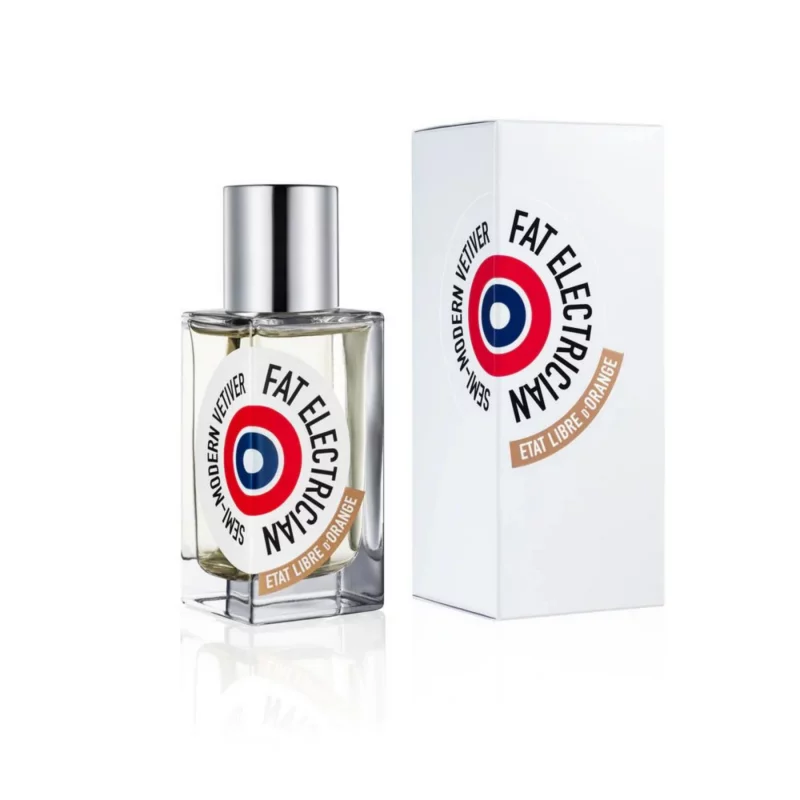
This French Woody and Deep Scent is inspired by a man who may have lost his beauty but still had a pleasing fragrance. It’s a modern and attractive scent with a base of Vetiver from Haiti and a blend of Chestnut Cream, Olive Leaves, Myrrh, Vanilla, and Opoponax. Perfect gift for those who appreciate a deep and woody fragrance that lasts forever.
The Hydrating Skincare Routine for Dry or Dehydrated Skin is a must-have for maintaining soft, hydrated skin. This routine features three products designed to exfoliate, nourish, and moisturize. The Rose and Bamboo Exfoliating Mask, the New Zealand Marine and Vitamin C Serum, and the Vanilla and Amaranth Moisturizer provide the ultimate hydration experience for your skin. Perfect for dry or dehydrated skin types and for anyone who wants to protect their skin from environmental stressors.
Kiierr
Laser Hair Cap Hair Growth System
$749 – $1,049
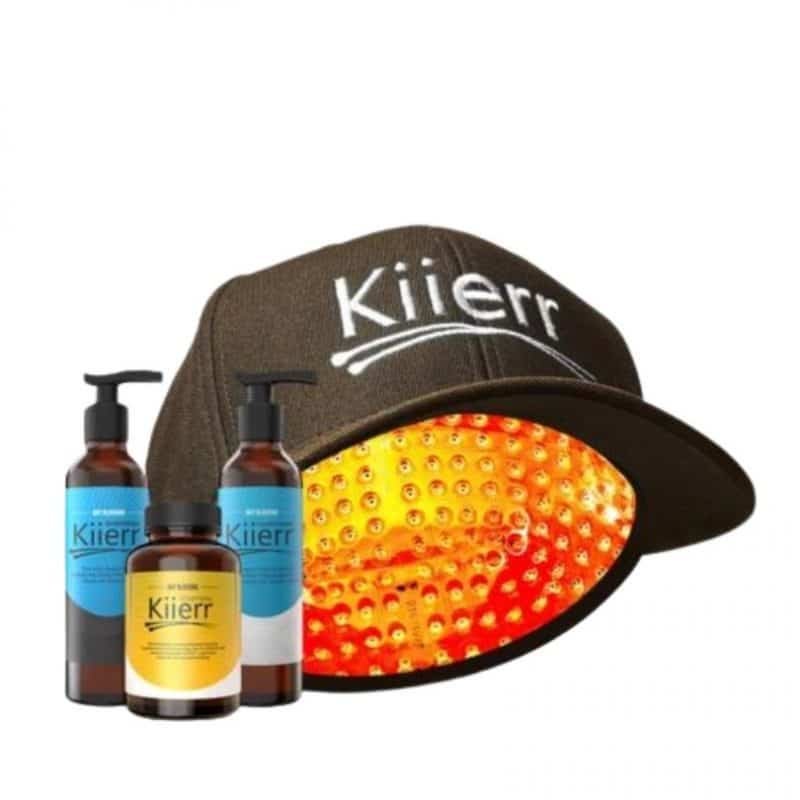
The Kiierr MD Elite laser hair cap is a gift that promotes healthy hair growth for experiencing hair loss for men and women. With a 93% success rate in clinical studies and FDA clearance, it is safe and effective for reversing hair loss. With a 7-month growth guarantee and recommended by doctors, the Kiierr MD Elite laser hair cap is a worry-free solution for those who want to achieve fuller, thicker hair. The cap is easy to use, with 30-minute auto-timed sessions and a portable battery pack, and it works even while you are busy with your daily activities. The LLLT technology behind the cap stimulates hair follicles and reduces hair loss. The complete system bundle includes the laser cap, a black ball cap, a wall charger, a user manual, and more. The MD Elite model has 25% more coverage and size than the original, making it an even more effective solution for hair recovery.
Fashion & Apparel Gifts
Blair
3-Piece Knit Activewear Set
$35.97-$74.99
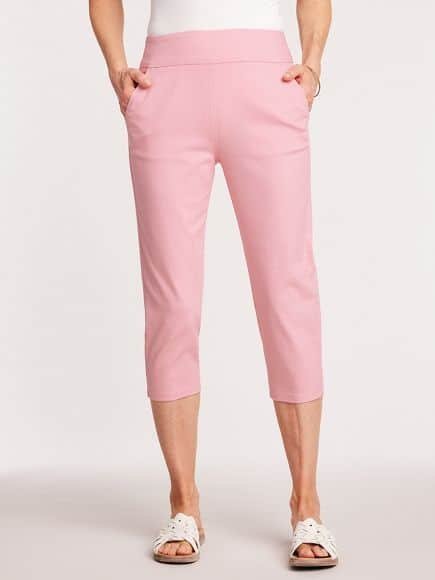
Get ready for the ultimate comfort with ClassicEase Stretch Capris. These capris boast a soft, stretchy fabric that feels great on the skin. The flat pull-on waist, front slash pockets, and back single welt pockets ensure a comfortable and functional fit. The straight leg and hem give a classic look. With a 21″ inseam, these capris are perfect for any casual occasion. Made of a cotton, polyester, and spandex blend, they’re easy to care for and can be machine washed with cold-like colors.
Gooseberry Intimates
Manhattan Slip Dress
$250
Elevate the wardrobe with the luxurious Manhattan Slip Dress. This dress is made from weightless silk and will drape beautifully on your body, making it a perfect choice for both day and night events. The dress features soft, wireless cups that are fully lined and scalloped edges that are finished with eyelash trims. The loose cut provides added comfort while the adjustable straps are customizable. The body of the dress is made from 100% silk, making it both comfortable and stylish. Get ready to turn heads in this dress!
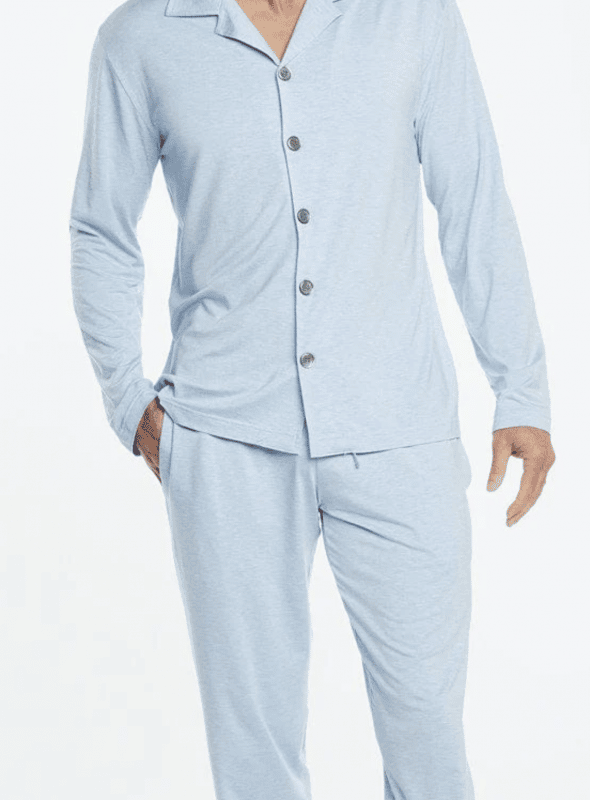
Indulge in ultimate comfort and style with the Tani SilkCut Pajama Set. Made from 100% natural micro modal air fabric, these pajamas provide breathable comfort, keeping you cool in the summer and warm in the winter. With a relaxed and comfortable fit, they are perfect for year-round lounging. Whether you’re enjoying a lazy weekend at home or taking a break from the daily grind, Tani’s SilkCut Pajama Set is the ultimate way to relax in style.
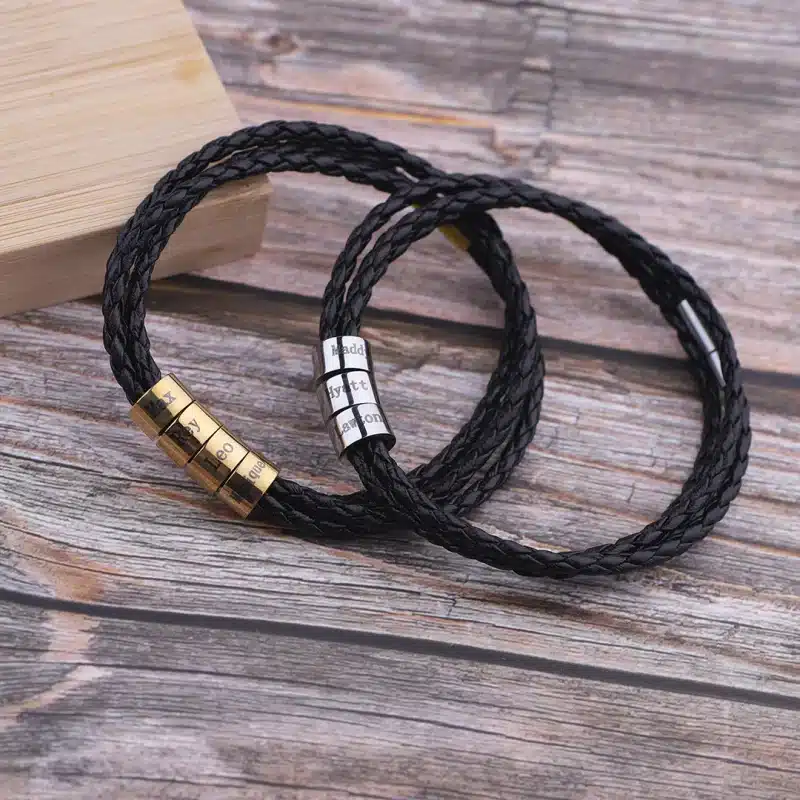
The personalized beaded bracelet can add a personal touch to your gift-giving. Made to order just for your special someone, this silver-colored bracelet features a single 18k gold plated bead and can be customized with a name of your choice. This bracelet is the perfect gift for anyone who loves a touch of luxury. Give a gift that truly shows you care with the Personalized Beaded Bracelet
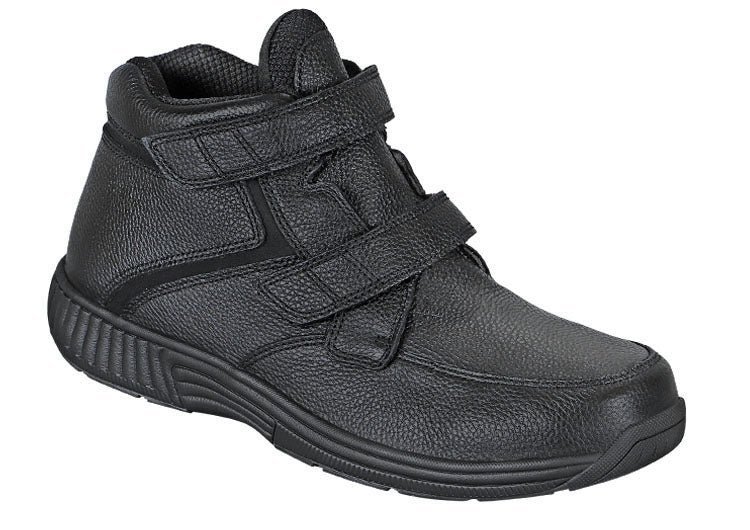
Orthofeet Ortho-Cushion is the perfect gift for those who suffer from foot and heel pain. This premium orthotic insole offers anatomical arch support and a removable Arch Booster to improve posture. The wide toe-box reduces pressure on feet, making it ideal for those with swelling, bunions, or hammertoes. The soft leather upper is non-binding, while the padded interior provides superior protection for sensitive feet. The cushioning sole with a mild rocker makes walking easier and adds a spring to your step, while the rubber outsole provides excellent stability and grip. Plus, Orthofeet offers a 60-Day Comfort Guarantee for added peace of mind.
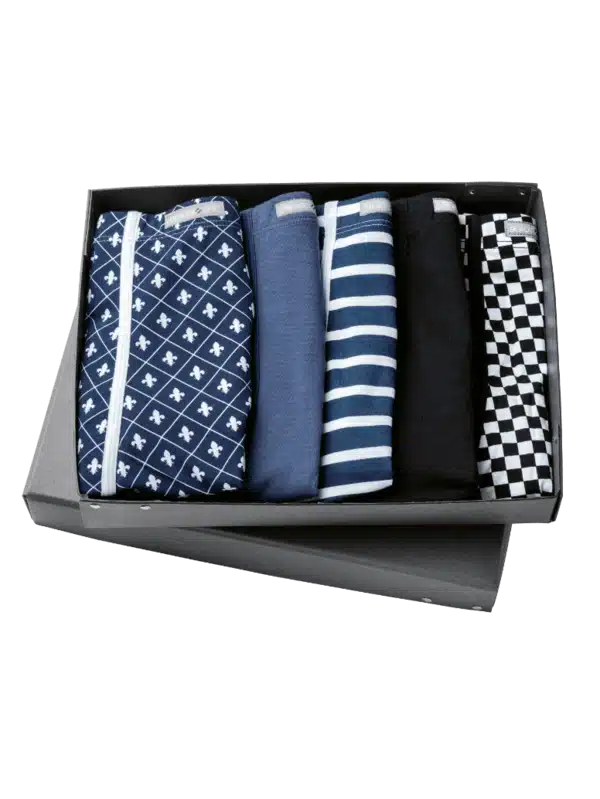
Indulge in ultimate comfort with the Delphine Boxer Shorts Gift Set. This set features five different designs, each in a stylish box. Choose from two classic block-color pairs in blue and black, or switch it up with three trendy patterns: checks, stripes, and the unique fleur-de-lys print. Crafted from soft Pima cotton and a touch of elastane, these boxers offer a snug and comfortable fit, featuring an elastic waistband for added convenience. Treat yourself or a loved one to the ultimate comfort and style with the Delphine Boxer Shorts Gift Set.
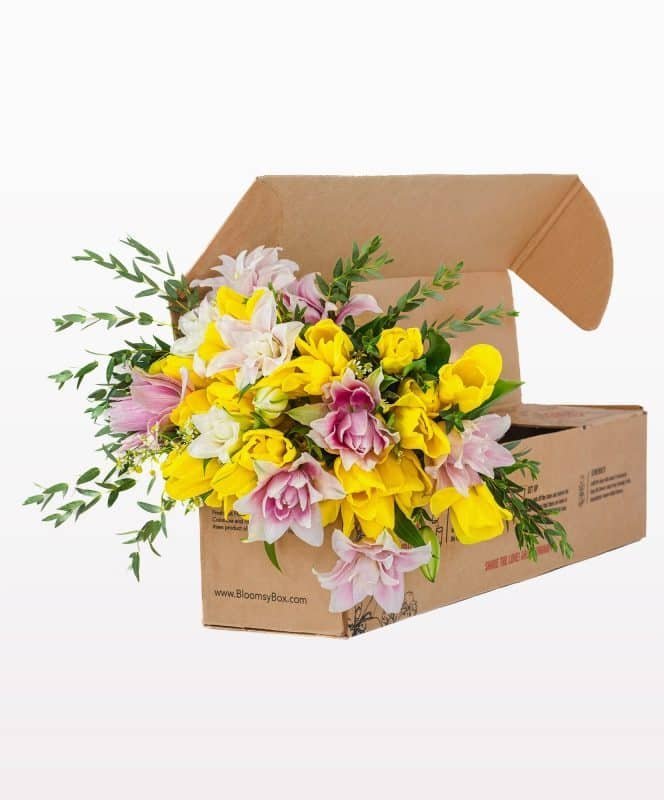
Surprise your loved one with a bouquet that truly shines! These high-quality rose lilies are the center of attention. Their thick, layered petals give them a romantic and elegant look. This arrangement is the perfect gift for any special occasion. It has bright yellow tulips and fresh eucalyptus. Upgrade your floral game with this unique and stunning bouquet.
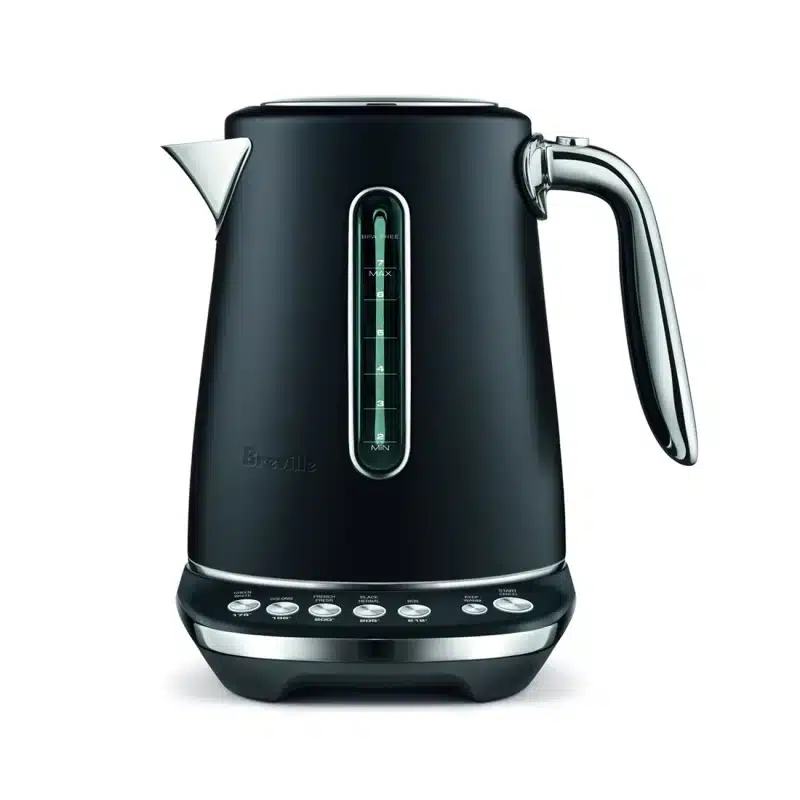
Achieve the perfect water temperature every time with the Breville Smart Kettle Luxe. This kettle has been tested and deemed the best among temperature control kettles. Its sleek design and simple functionality will transform you into a tea master.
This kettle quickly heats water to your desired five preset tea temperatures (175°F – 212°F) for black, green, white, oolong, and herbal teas. With a fast boil time of just 6.5 minutes for 1.7 liters of water, you can easily make up to six 10oz cups of tea. The “Hold Temp” button will keep your water at the selected temperature for 20 minutes.
This kettle is also equipped with boil-dry protection and water level indicators on both sides and is made with BPA-free materials. This kettle not only performs flawlessly but also adds a touch of style to any kitchen.
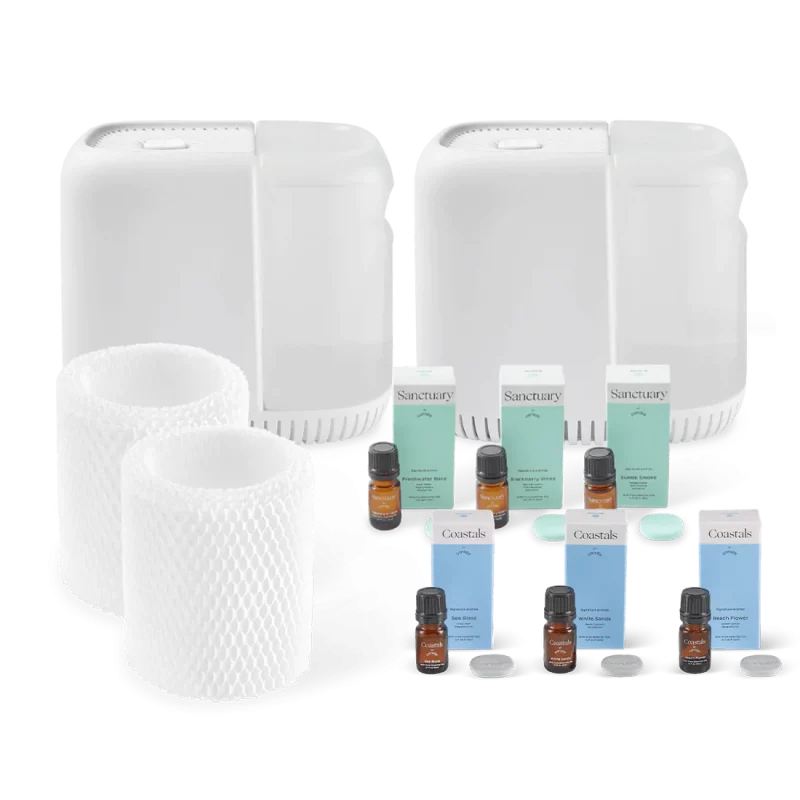
Elevate any living space with the Canopy Humidifier Gift Set. This set includes two humidifiers and two replacement filters, making it the perfect gift for improving their home’s air quality. The humidifiers hydrate rooms up to 500 square feet and feature dishwasher-safe parts for easy cleaning.
With a 2.5-liter tank, these humidifiers provide up to 36 hours of running time and are equipped with sensors that maintain optimal moisture levels day and night. The USB-C power cord is included, making it convenient to power up. This set is compact and practical when weighing in at just 3 lbs (1.5kg) and measuring 10in x 7in x 8.5in. Give the gift of improved air quality and comfort with the Canopy Humidifier Gift Set.
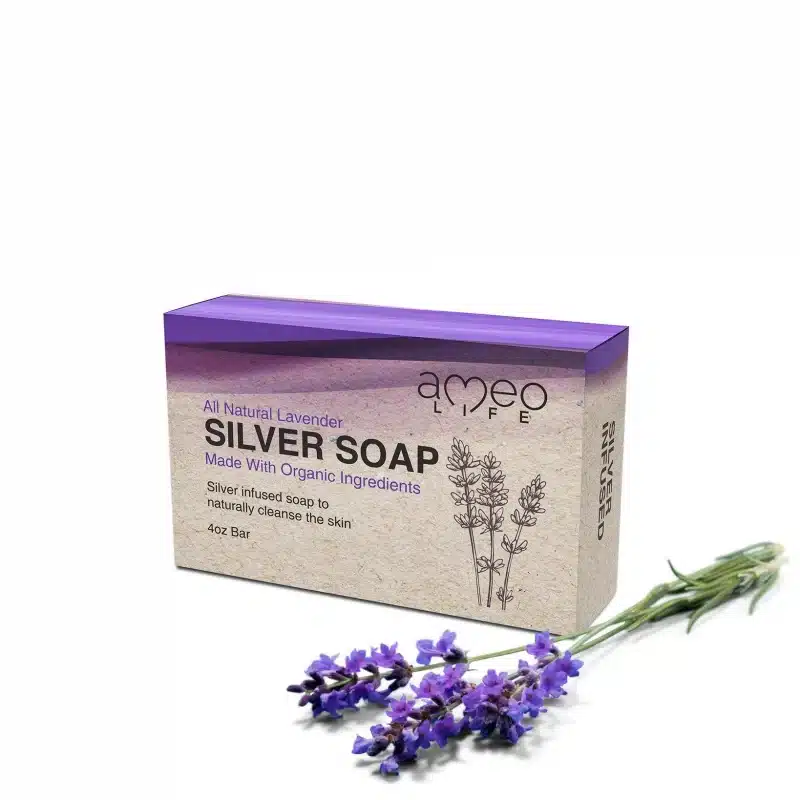
Treat mom to a spa-like experience with the gift of our Organic Lavender Silver Soap. Infused with the soothing scent of lavender and the benefits of 30ppm silver, this soap promotes relaxation and circulation while cleansing and nourishing the skin.
Made with organic ingredients and free from toxins and parabens, our Lavender Silver Soap is suitable for all skin types and will leave your skin feeling soft, supple, and healthy. The essential oils naturally cleanse the skin, making this soap the perfect addition to any skincare routine. Give the gift of a calm and rejuvenated complexion with our Organic Lavender Silver Soap.
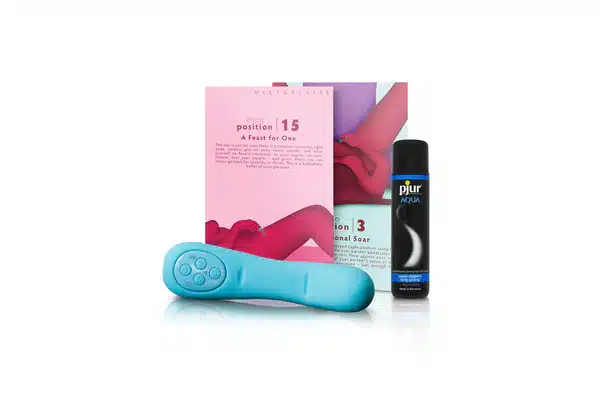
Elevate your gift-giving with the Poco Gift Set with the award-winning Bendable Targeted G-Spot Vibrator – the perfect present for the women in your life. This discreet and compact toy fits perfectly in the palm of your hand and offers precise stimulation of the G-spot for ultimate pleasure. Its bendable design allows for tailored vibrations, ensuring that hot spots are effortlessly accessible for the orgasm of their dreams. Whether for solo play or with a partner, this vibrator is the best choice for older women looking for a luxurious and satisfying experience.
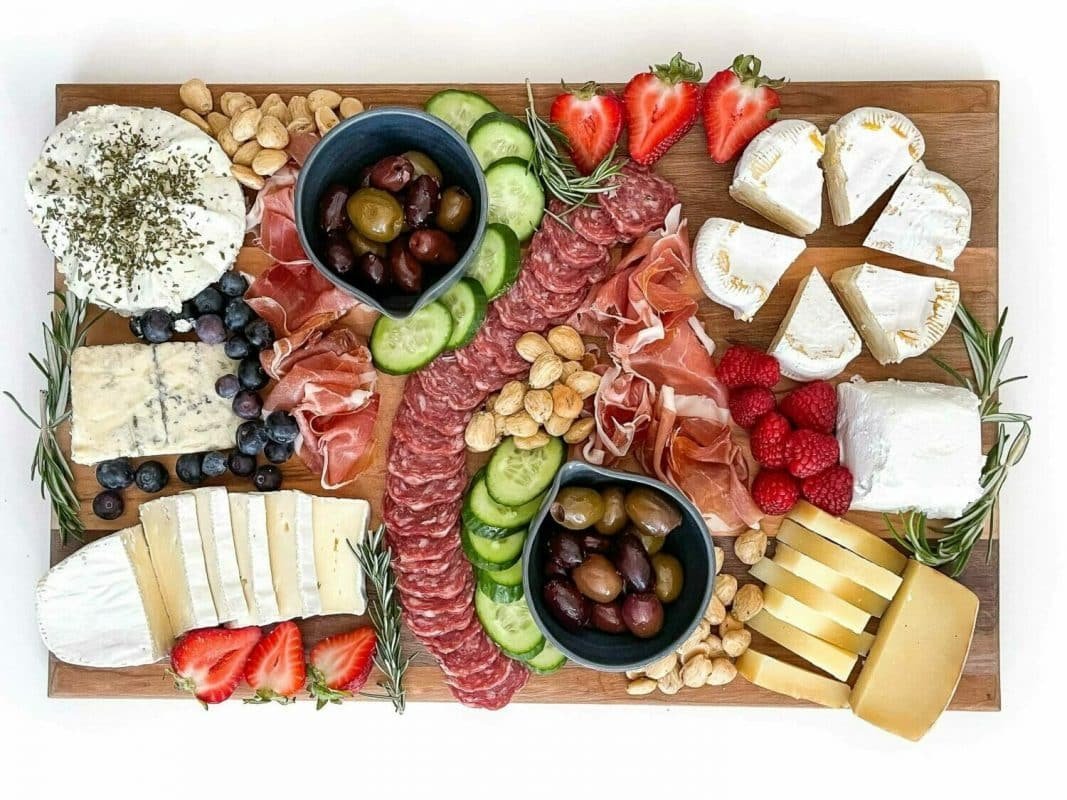
Indulge in delicious and nutritious cheese with the Keto-Friendly Cheese Board Gift Set. Perfect for those following a low-carb diet or for anyone who loves cheese, this hand-selected assortment by Natalie from @TastesLovely is sure to please.
Featuring 6 different varieties of hard, soft, and spreadable cheeses, along with olives and 2 charcuterie options, this cheese board provides plenty of options to create a keto-friendly spread for any occasion. Natalie recommends enjoying the cheeses as is, or adding fresh berries, cucumbers, and nuts for a healthier twist.
Make this gift set the centerpiece of your summer gatherings and be the host with the most! With its crowd-pleasing combination of cheese, olives, and charcuterie, this keto-friendly cheese board is the perfect way to celebrate and indulge.
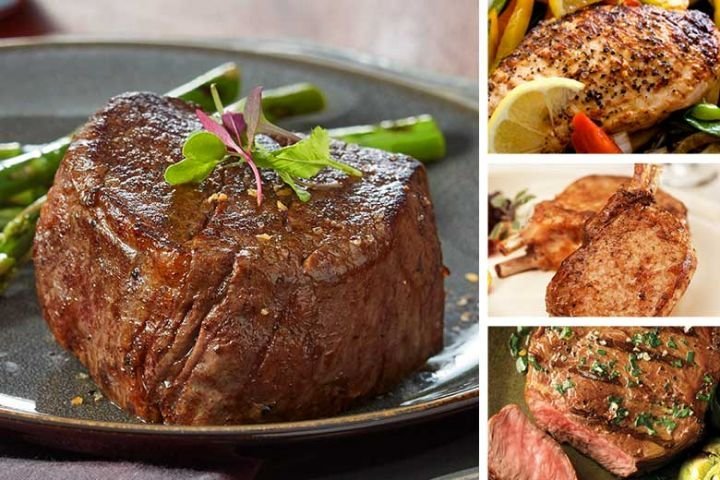
Experience the taste of the legendary Chicago steak tradition dating back to 1865. Expertly crafted by experienced Chicago butchers from premium Midwestern-raised Angus beef. The Windy City Gift Pack includes premium Angus beef filet mignons, top sirloin, pork chops, and honey dijon chicken breasts delivered in a lovely gold and black gift box.
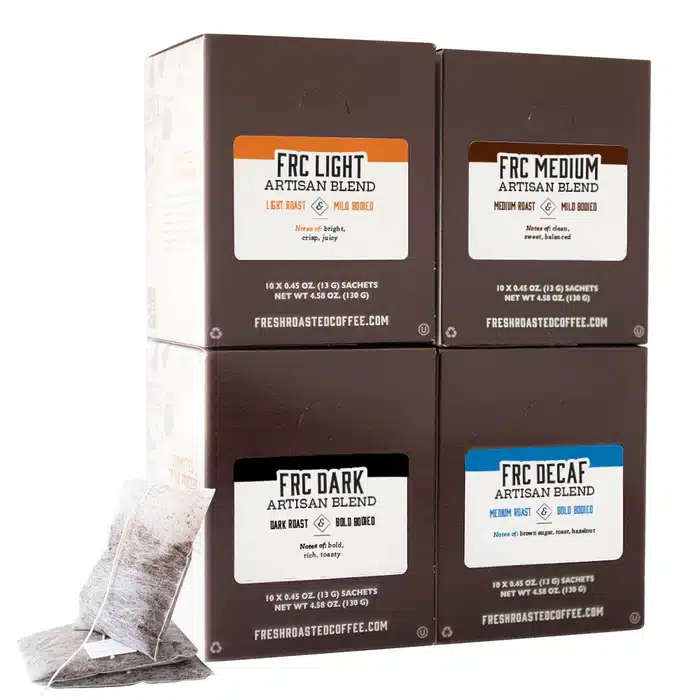
Treat your coffee-loving loved one to the convenience of single-serve, fresh-roasted coffee with this gift set. These coffee sachets offer an easy and mess-free solution for enjoying a delicious cup of coffee anytime, anywhere. The individually wrapped filter packs are filled with perfectly roasted and ground coffee and are nitrogen-flushed for maximum freshness. Say goodbye to instant coffee and hello to a perfectly brewed cup every time!
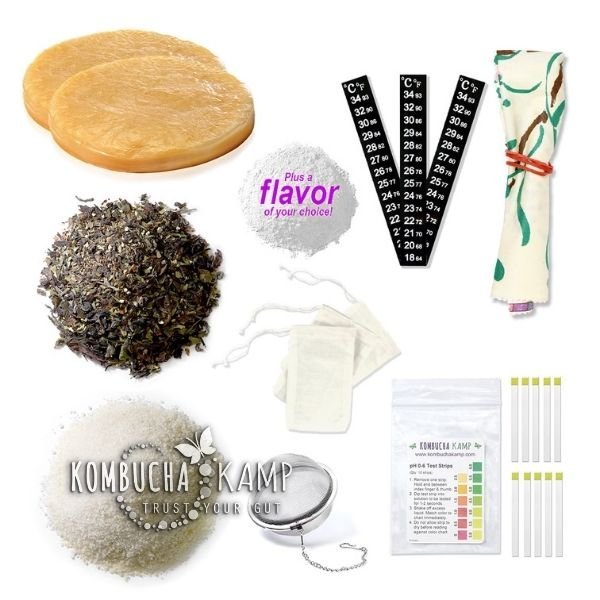
This Kombucha Brew Kit includes 1 SCOBY culture, a strong starter liquid, Hannah’s special tea blend, reusable muslin tea bags, evaporated cane sugar, a hand-cut cotton cloth cover and rubber band, and a 100-page e-guide with instructions for a batch brew and continuous brew.
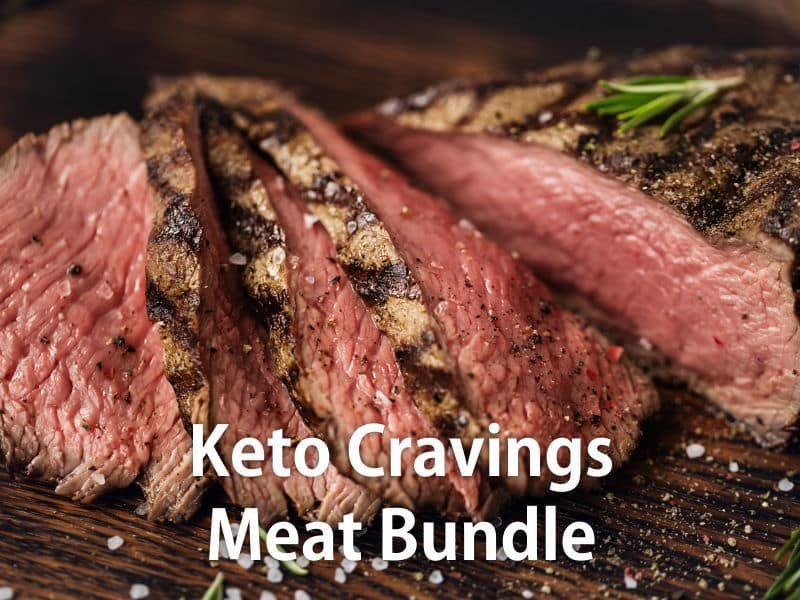
The Keto Cravings Bundle is perfect for those on a ketogenic diet or those who enjoy high-fat meats. This bundle includes sustainably raised, clean-sourced proteins like beef, lamb, bison, elk, dairy, heirloom pork, and wild-caught seafood. These foods are 100% grass-fed, grass-finished, and free from GMOs, antibiotics, added hormones, pesticides, and herbicides. Studies have shown that the ketogenic diet can help people burn more fat, think more clearly, and have a less chronic disease and inflammation. A healthy diet must include clean, high-quality fats.
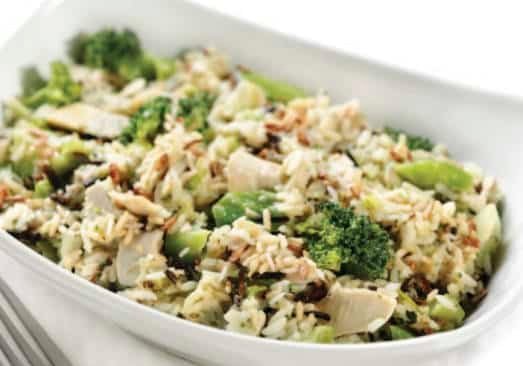
MagicKitchen offers delicious and healthy diabetic meals that are perfectly portioned and easy to prepare. The meals are made with wholesome, fresh ingredients. They are designed specifically for those with special diets, including meals for diabetics taking into consideration the right balance of carbohydrates, protein, and fat. The options are diverse, with a range of entrees, sides, and desserts to choose from, ensuring that there’s something for everyone.
Milk Street Kitchen
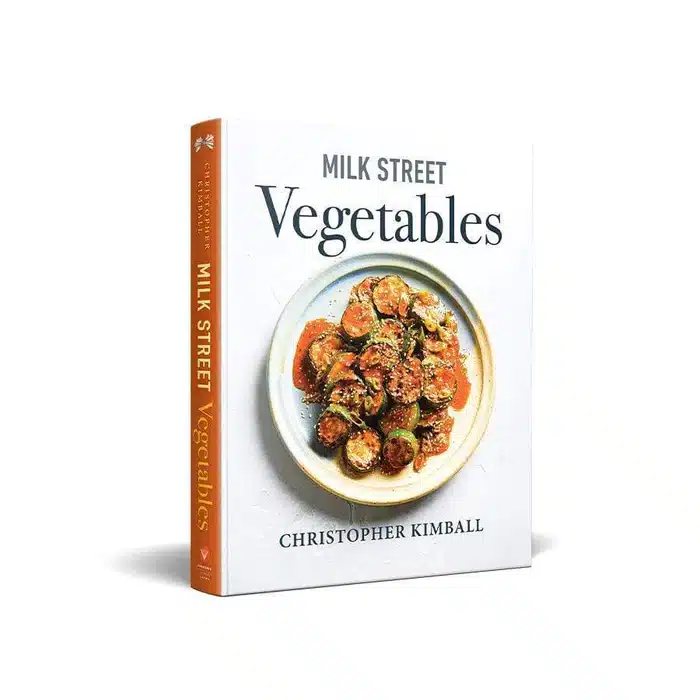
Milk Street: Vegetables Cookbook
$26
Transform ordinary veggies into extraordinary dishes with a global-inspired approach to vegetable cooking. From Athens to Cairo to Puglia, Italy, Milk Street sourced the best techniques for elevating the flavors of grains, beans, and veggies. Experience winter vegetable stews with a bright and light touch, bold-flavored eggplant and potatoes, and zucchini elevated with ricotta and lemon.
Treat your loved one to a monthly subscription of luxury coffee with the Roasters Club. This exclusive membership allows older adults to indulge in some of the finest and rarest Hawaiian coffee varieties, including Kona Geisha, Honeyed Yellow Caturra, and Giant Maragogipe. All the coffee is small-batch roasted to order, ensuring maximum freshness and flavor.
With the Roasters Club, your recipient will receive four bags of 10 oz. specialty Hawaiian coffee each month, free domestic shipping all year, and the opportunity to take advantage of VIP offers and private invitations to access rare coffees. To top it all off, they can customize the roast level. And for an exceptional experience, they can schedule a private farm and roastery tour (subject to availability). Give the gift of premium coffee and memories that will last a lifetime.
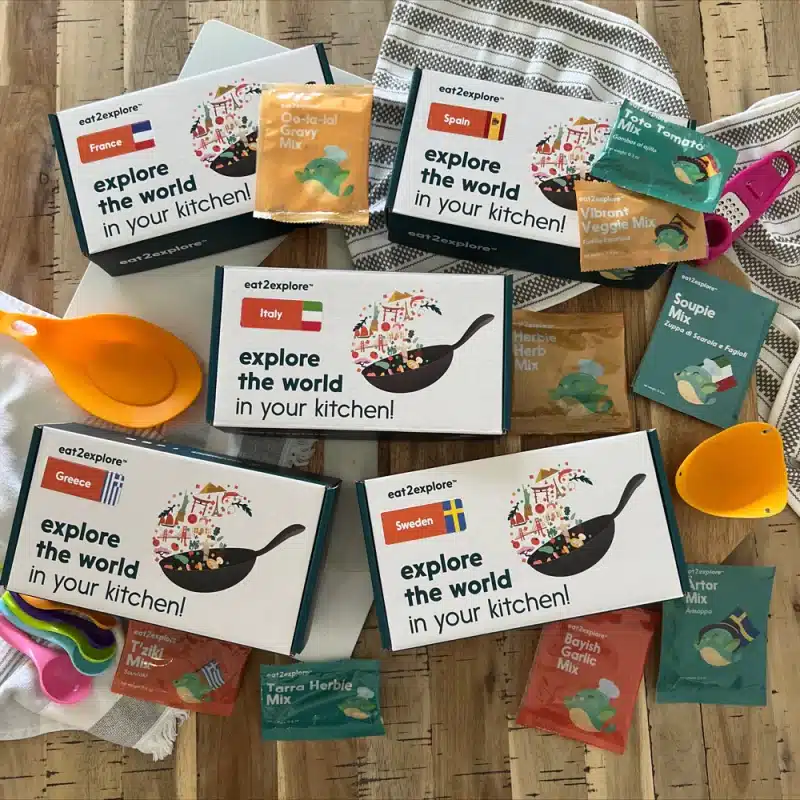
Explore the flavors and cultures of Europe with our specially curated gift box! This box features spices and sauces from five countries: France, Greece, Italy, Spain, the United Kingdom, and Sweden. Learn about the history and traditions of these countries as you cook up a storm with recipe cards, shopping lists, and educational material. Keep you or a loved one busy and entertained with activity sheets and collectibles, including cooking tools, flag pins, stickers, and a passport to document your culinary adventures.
Each box contains three recipes from each country, serving four people per recipe. For just $150, that’s only $30 per box! Plus, enjoy the convenience of free shipping and receive all boxes in one shipment. Treat yourself or your loved ones to a delicious and educational European journey.
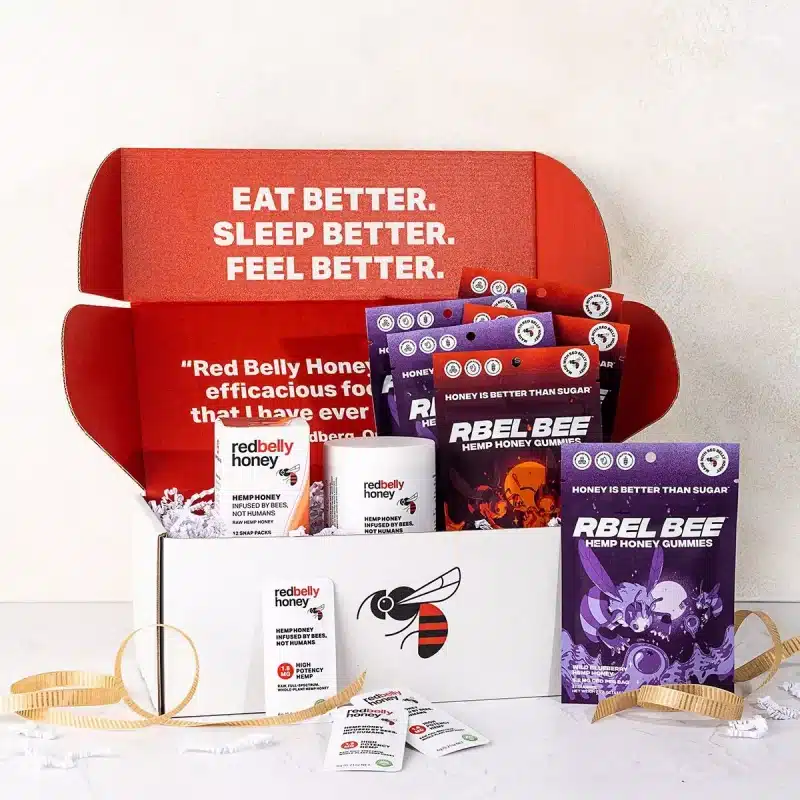
This guilt-free indulgence gift box includes a selection of functional sweets that are delicious and good for you. It comes with a jar of red belly honey, a pack of 12 snaps, and three bags of hemp honey gummies.
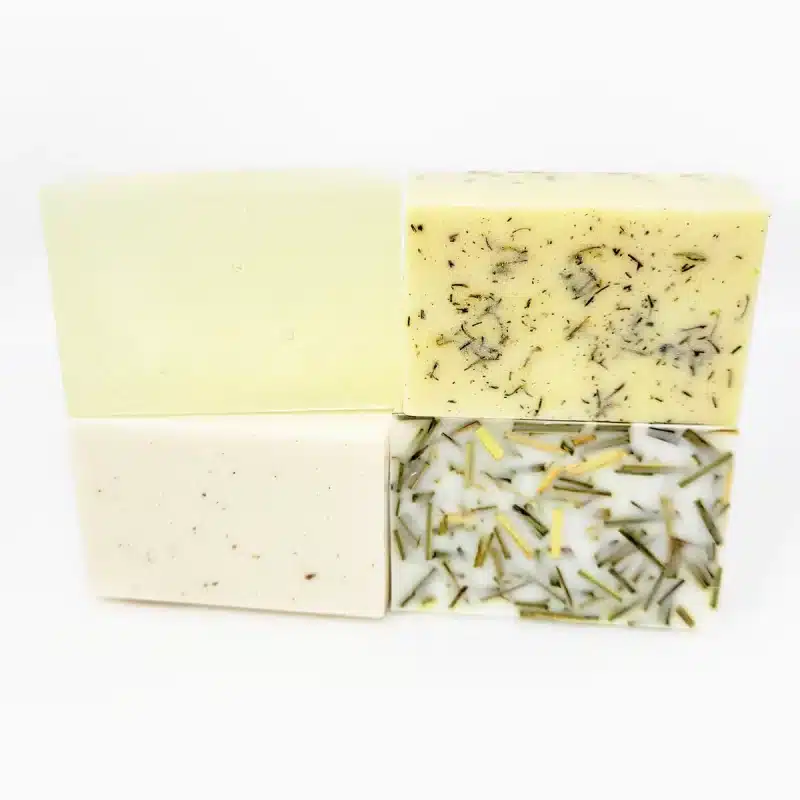
Gift this relaxing and rejuvenating shower experience with this set of four plant-based, handmade CBD-infused soaps. Crafted by the Sisters in California using Sister Kassidy’s recipes, these bars are made with 4 mg of regular-strength CBD oil. Pamper yourself with the zesty fragrance of lemongrass, the invigorating aroma of coffee, the soothing touch of aloe, and the soothing properties of arnica in this delightful gift set.
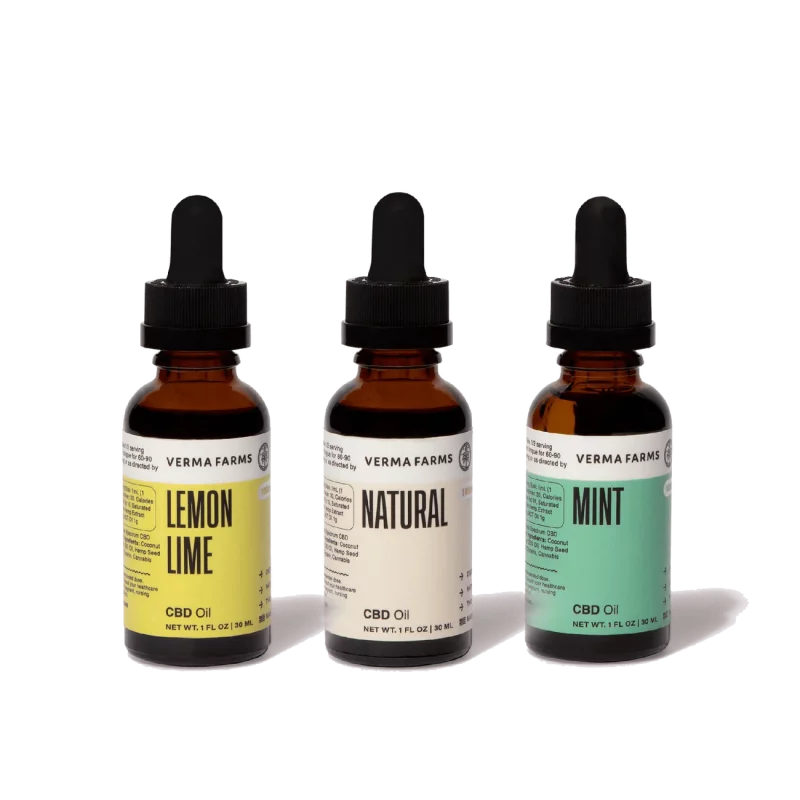
Elevate your well-being with a gift that’s ranked #1 by Forbes and Entrepreneur Media – the Verma Farms CBD Oil Kit. Experience a holistic approach to self-care with this kit, featuring three different oils to support your day-to-day lifestyle. Start your morning right with the invigorating Natural CBD Oil, regain focus with the zesty Lemon Lime CBD Oil, and unwind in the evening with the calming Mint CBD Oil.
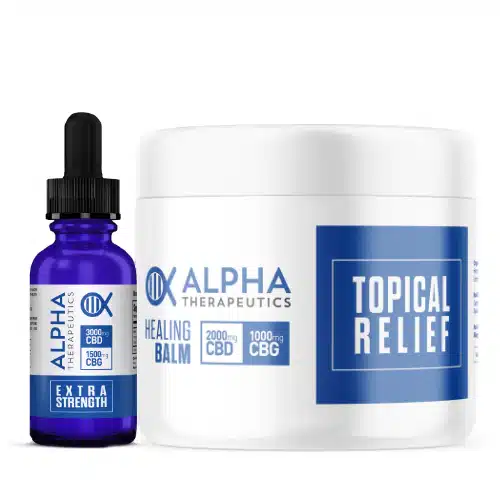
Transform your approach to wellness with Alpha Therapeutics Extra Strength CBD and Healing Balm. Doctors developed this plant-based solution to chronic pain and anxiety. It combines the power of anti-inflammatory ingredients with extra-strength CBD and CBG oil. With a Certificate of Analysis for added peace of mind, this set includes a 30-serving bottle of extra strength CBD oil containing 100mg CBD and 50mg CBG per serving and a Healing Balm with 2,000mg CBD and 1,000mg CBG per container for targeted pain relief. Every time you use it, it will calm nerve receptors all over your body and give you fast, soothing relief.
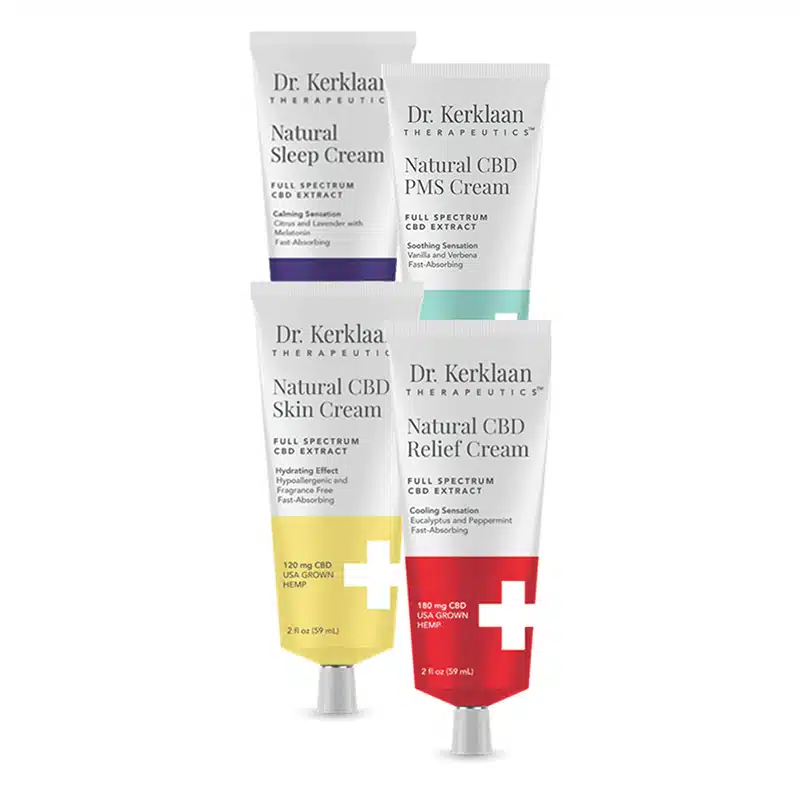
Treat yourself or a loved one to the ultimate self-care gift with the Dr. Kerklaan Therapeutics CBD Cream Bundle. This $263 value is now available for only $180, giving you access to all the CBD creams you need for a relaxed and rejuvenated lifestyle. The bundle includes the Natural CBD Relief Cream for a cooling sensation, the Natural CBD Sleep Cream for a peaceful slumber, the Natural CBD Skin Cream for hydrated and nourished skin. Each cream is expertly crafted with natural ingredients, essential oils, and a touch of fragrance, providing targeted relief and relaxation for the body and mind.
Endoca
CBD Face and Body Oil
$58
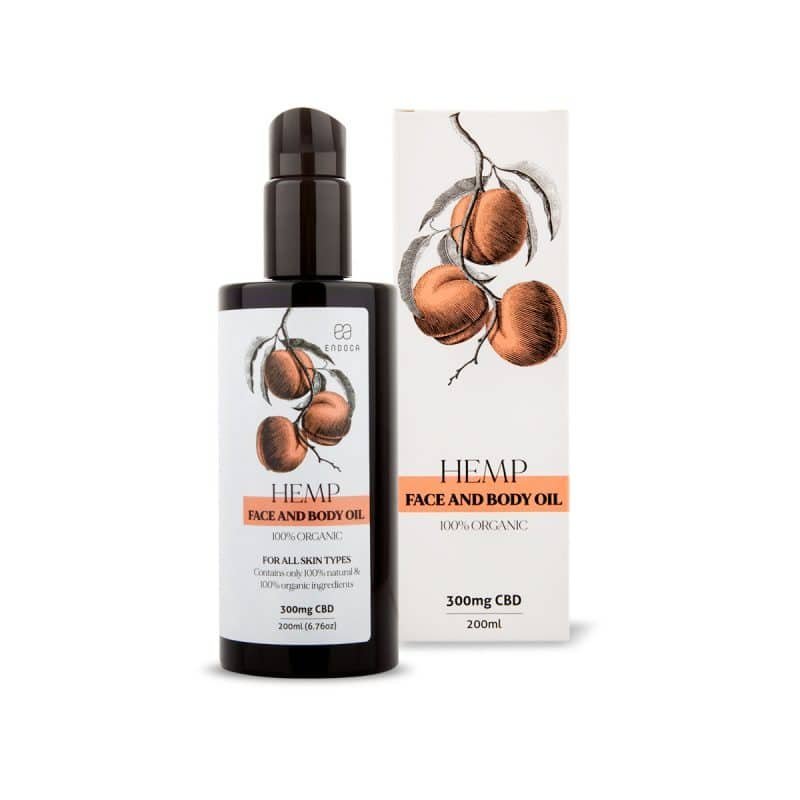
Gift the ultimate skincare experience with Endoca CBD Face and Body Oil. This oil is an excellent gift for anyone who wants smooth, glowing skin from head to toe. CBD is in this light formula, which is made of organic apricot kernels and hemp extracts. It absorbs quickly to calm and soothe dry skin. Rich in antioxidants, fatty acids, and vitamins A and E, this oil protects the skin from dryness and promotes a healthy glow. Use it day or night as the final step in your skincare routine for maximum benefits. Enjoy a chemical-free, paraben-free, and mineral-oil-free formula for a luxurious spa-like experience at home.
High Falls Hemp NY
Ultimate Body Care CBD Duo
$74.90
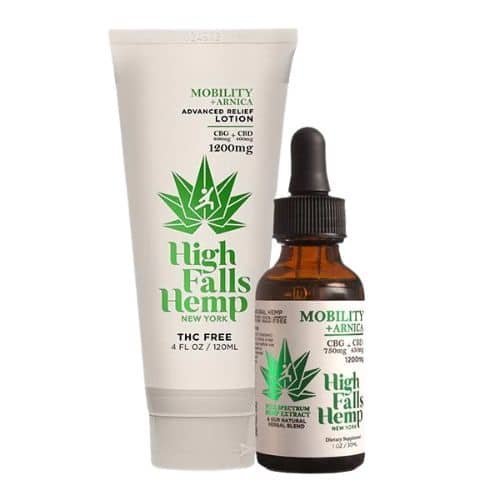
Treat a loved one with High Falls Hemp NY’s Ultimate Body Care Duo for holistic health and relaxation. All-natural CBD, CBG, Arnica, and a unique blend of terpenes go into making our top-selling Mobility Tincture and Advanced Recovery Mobility Lotion. Pain in muscles and joints and inflammation and swelling can be alleviated quickly with the sublingual tincture, and everyday aches and pains can be soothed with topical lotion.
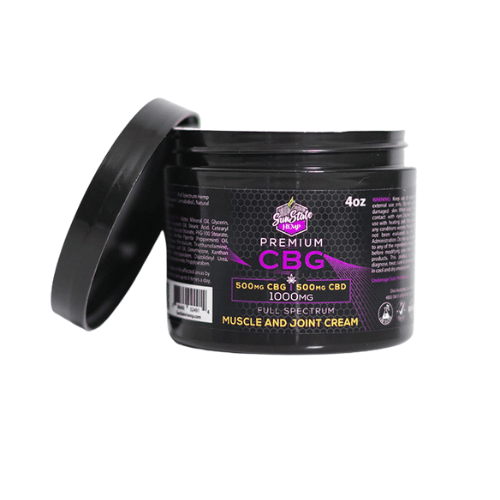
Older people can benefit from the ultimate relief for sore muscles and joints with CBG/CBD Full Spectrum Muscle and Joint Cream. This potent 4oz cream is infused with 1000mg of CBD and CBG, providing a balanced and practical approach to reducing discomfort. Natural essential oils and cooling menthol work together to make a soothing experience that will make you feel refreshed. Each CBG/CBD Full Spectrum Muscle and Joint Cream batch is made from American-grown organic hemp, ensuring the highest quality and purity. The cream is manufactured in GMP-certified facilities, ensuring the product is safe and effective. This cream is lab tested, so you can trust that what you put on your skin is of the highest quality. Give CBG/CBD Full Spectrum Muscle and Joint Cream to anyone who wants a natural way to relieve pain and improve their overall health.
Don’t forget your pets for Valentine’s Day. This pet CBD Starter Set is a perfect gift for your furry friends. Say goodbye to discomfort and stress with The Trusted Lab popular dog products specially designed for medium to large dogs. The set includes a 400mg bottle of Pet CBD Oil and a pack of 5 all-natural and delicious Tasty Dog Treats. Each treat is infused with 4mg of Full Spectrum CBD and contains only five simple ingredients. Give the gift of comfort and wellness to your beloved pet with this set; they’ll love it!
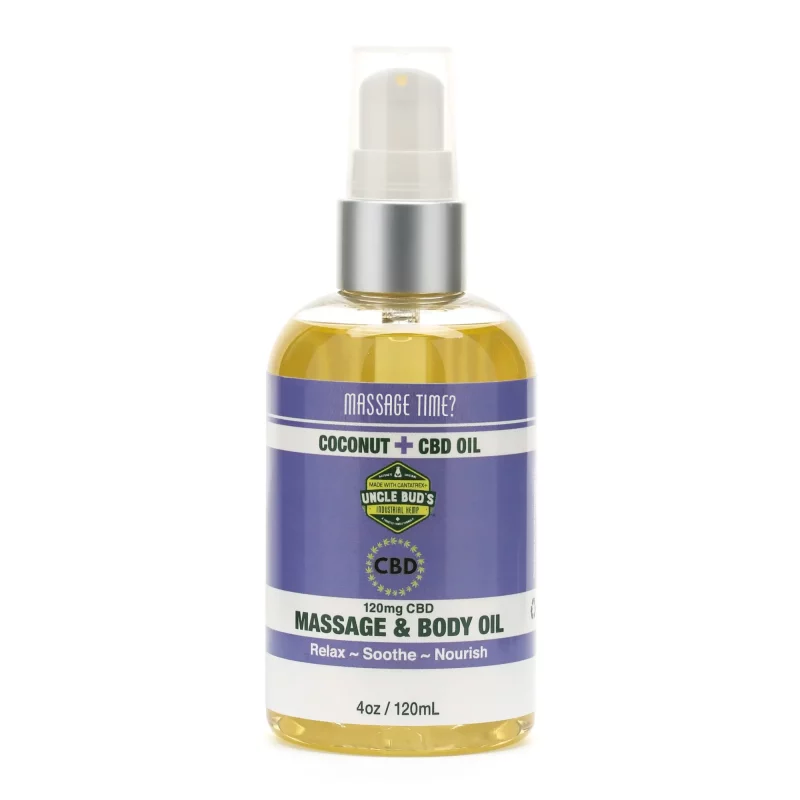
Treat your loved ones to a luxurious spa experience with Uncle Bud’s CBD Massage & Body Oil. Infused with 120mg of CBD and our proprietary formula, CANATREX Plus™, this fast-absorbing oil is rich in vitamins and omega oils, leaving skin deeply hydrated and nourished. With a delightful coconut scent, this non-THC formula is the perfect way to pamper and soothe tired skin. Give the gift of relaxation and rejuvenation, made in the USA.
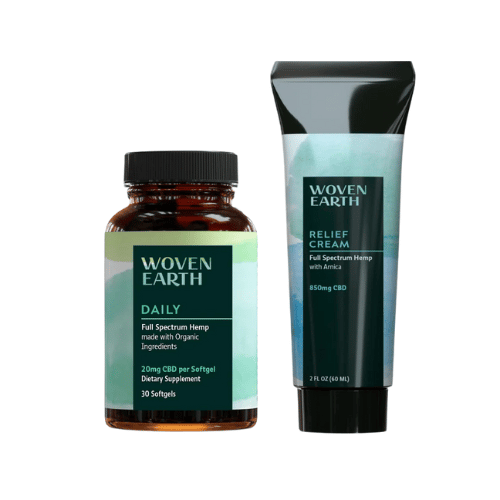
Indulge your loved ones in the benefits of CBD with the Best Seller’s CBD Bundle. This bundle includes our top-rated Daily CBD Softgels and calming Relief Arnica Cream, perfect for beginners.
Experience full-body relief from stress, pain, and restlessness with our organic, hand-pressed Daily CBD Softgels. Each soft gel contains 20mg of full-spectrum CBD, and adults are recommended to take one capsule nightly, adjusting the dosage as needed.
Soothe tired and aching muscles with Woven Earth’s Relief CBD Arnica Cream. Formulated with full-spectrum hemp extract, arnica, and other beneficial botanicals, this cream provides fast and effective relief. Simply rub into the affected area twice daily for best results. The 2oz tube is perfect for on-the-go aches and pains.
The deep green color of the Daily CBD Softgels results from our gentle lipid extraction process, preserving the naturally occurring chlorophyll, flavonoids, terpenes, and other vitamins and minerals found in hemp.
And as a special bonus, this bundle also offers a senior discount for those 55 years and older. Give the gift of relaxation and rejuvenation with the Best Seller’s CBD Bundle.
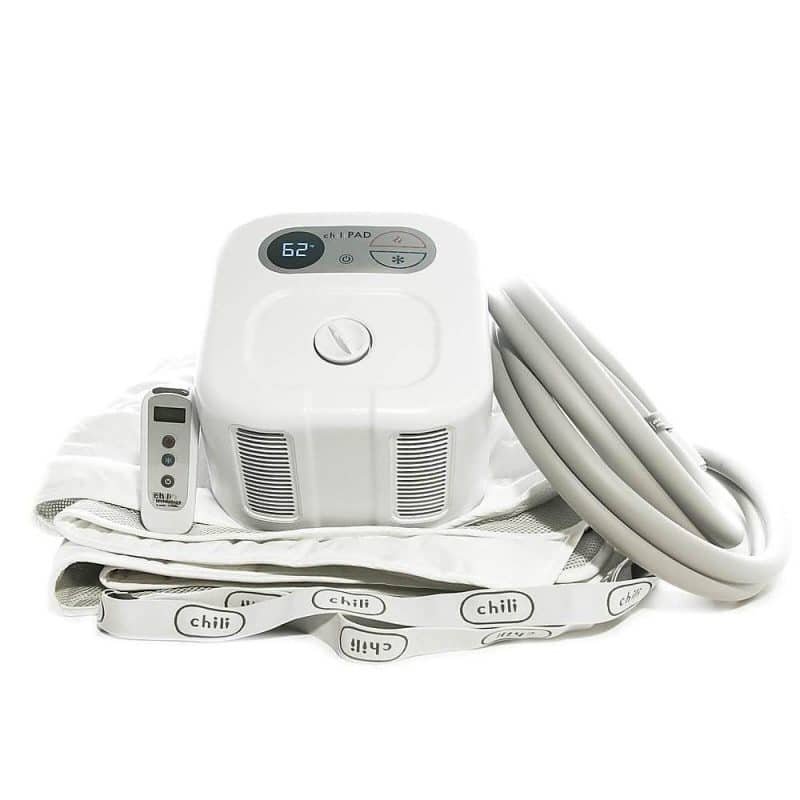
Gift the experience of restful sleep with the ChiliSleep Cube Sleep System with Chilipad™ Cool Mesh™. This innovative sleep solution adjusts to any temperature from 55-115°F, ensuring a comfortable sleeping environment. The set includes a soft, reversible Chilipad™, available in ME or WE, and a Cube remote control. Easy to set up, attach the tubing and power cord to the Chilipad™, place it under your fitted sheet, and adjust the temperature with the remote.
Looking for a unique gift? The N3 Ear Cleaner is the perfect solution for those who want a comfortable and safe ear-cleaning experience. Its upgraded features, elegant design, and revolutionary robotic tweezer function allow for maximum precision and control. The Bebird app allows you to remotely control the tweezers and adjust the opening size for a customized fit. The 10MP camera with 1080p resolution and a 3.7mm lens provide stunning clarity, while the 6-axis gyroscope ensures an unmatched cleaning experience. The N3 also features a magnetic charging base that stores all 12 accessories, blending form and function for a beautiful and practical ear-cleaning solution.
Introducing the ideal solution for those looking for a tasty way to reap the benefits of apple cider vinegar. These Apple Cider Vinegar gummies are infused with pomegranate and beet juice powder, enhancing their effectiveness and providing a sweet, fruity taste without the bitter vinegar aftertaste. Each serving contains 1000 mg of apple cider vinegar, helping to support digestion, detox, and cleansing. As an appetite suppressant, these gummies also help you lose weight and keep it off. This makes them a convenient and tasty addition to your daily health routine. With 60 gummies in each bottle, take two gummies daily for optimal results. Give the gift of health and flavor with these apple cider vinegar gummies.
Looking for a unique and informative gift idea? Consider the CircleDNA premium service! With a simple saliva sample, this complete genetic testing package can tell a person about their health, wellness, nutrition, fitness, and ancestry. The resulting report tells a person how likely they are to get different diseases, gives them a personalized nutrition and fitness plan, and gives them exciting information about their ancestry and heritage.
This gift is perfect for anyone looking to gain a deeper understanding of their health and wellness and is a great way to show you care.
Dr. Colbert’s 21 Day Detox & Fast Nutritional System
$85.50
Jump-start your health journey with Dr. Colbert’s 21-Day Detox & Fast Starter System! This complete kit has everything you need to support your cells, immune system, metabolism, and health through fasting and detoxification. Say goodbye to feeling tired, having too much fat, and being slow, and hello to more energy and health.
Divine Health has expertly curated three real-food-based products that promote cellular and whole-body detoxification, providing vital nutrients to support your health and wellness journey. In just 21 days, you’ll establish habits that make eating and fasting a part of your daily routine.
The kit includes:
Fermented Green Supremefood: Supports liver health and detoxification
Organic Red Supremefood: Boosts immune responses and overall health
Unlock the secrets to your optimal health and wellness with GenoGo. This unique gift includes a DNA collection kit, which can be completed in less than five minutes in the comfort of your own home. Once GenoGo gets the kit, its team will do a thorough genetic-based analysis of your nutrition needs.
With this gift, you’ll partner with a Registered Dietitian for four weeks to help interpret your analysis and create a personalized health plan. You’ll learn how to make healthier lifestyle changes tailored to your genes and reach your health and wellness goals.
Here’s what’s included in this all-inclusive gift:
Genetic-based, personalized nutrition analysis
Four 1-on-1 consultations with a Registered Dietitian
Five personalized recipes explicitly designed for your genes
GenoPalate DNA Collection Kit (valued at $70)
Give the gift of health and wellness this season with GenoGo. Partner with a Registered Dietitian to achieve your individual weight, diet, exercise, hydration, and sleep goals.
Stay hydrated in style with the Prebiotic Water Variety Pack from hellowater®! This pack of 12 includes delicious and healthy filtered water infused with chicory root fiber, citric acid, natural flavor, and stevia sweetener, hellowater® combines the benefits of hydration with the digestive support of prebiotics, making it the perfect drink for on-the-go or as a tasty addition to your daily routine. With various natural flavors, you’ll never get tired of drinking water again!
This prebiotic water variety pack is a must-have for anyone looking to support their gut health and stay hydrated. Grab one today and experience the delicious, healthy alternative to traditional beverages.
Gift these guilt-free snacks. Sourcewell Nutrition’s Chocolate Chip Cookie Dough Bar, made with non-GMO, gluten-free ingredients, grass-fed whey protein, almonds, & 100% organic cacao, only 2g sugar & 20g protein. Guaranteed fresh, supporting sustainable agriculture, and manufactured with care in an FDA-approved facility. Give the gift of wholesome deliciousness!
Panoxol
Panoxol Plus
$89
Transform Cardiovascular Health with Panoxol Plus™.
Panoxol Plus™ is a revolutionary all-natural supplement that helps address cardio-metabolic health concerns. Created by a physician, this patented formula contains targeted ingredients that offer a holistic approach to health and wellness. Ideal for patients who have discontinued prescription drugs, this product can be used as a standalone treatment or as an addition to traditional medication. Give the gift of optimal heart health with Panoxol Plus™.
Surprise with the Gift of a Beautiful Smile with Easy Denture™ Say goodbye to low-tech, high-cost dentures with Easy Denture™, the future of dentistry. Forty million Americans are without teeth, and at Easy Denture™, they believe everyone deserves access to oral care solutions that improve their lives. They are changing the world one smile at a time with a mission to change how oral care products are manufactured and delivered. Give the gift of a beautiful smile this holiday season with Easy Denture™.
The Prostate Health Guide for Men: Your Ultimate Guide to Better Prostate Health” is the perfect gift for seniors looking to improve their prostate health. This guide covers everything you need to know about prostate disease, including the real cause, the harmful role of estrogen, and reliable and accurate diagnostic tests. Discover which conventional treatments are effective and which ones are not, and learn about the number one diet that can help shrink the prostate. The guide also includes a list of nutrient-rich superfoods, a complete exercise guide, and an examination of prostate supplements. Give the gift of better health and peace of mind with this comprehensive guide to prostate health.
Elevate health with the Ultimate Stack. Take control of your health and wellness with the ultimate stack. By combining three powerful formulas, you’ll experience a more profound impact on your health and well-being. The Burch University BioLab has proven that stacking the right products together can result in a 10-fold increase in effectiveness and sometimes even a 1,000% improvement.
Improve digestion and energy with The Keto/Paleo Diet Stack, made up of kApex, P3OM, and HCL Breakthrough, which works together to maximize your health benefits. This stack will improve digestion, boost energy levels, and help you lose weight. This combination of 100% plant-based products will support cardiovascular health, healthy insulin sensitivity, and balanced stress response.
The Blueshift Wellness Bottle – The Perfect Gift for Health-Conscious Seniors.
This innovative bottle was created to provide an effortless and enjoyable drink-making experience. With its lift-to-blend technology and motorized onboard blender, you can easily craft a smooth and clump-free drink. Say goodbye to messy scooping and fussy preparation!
The three-pod shifter makes it easy to choose the right drink for your needs, and the colorful light ring reminds you to stay hydrated and celebrate your healthy choices. The Blueshift Wellness Bottle is also built to last with its durable stainless steel and cast metal components.
With the capacity to make 14 oz. of delicious, nutrient-packed drinks, you can rest assured that you’ll enjoy every last sip. And as a special bonus, the bottle comes with a FREE 8-Pod Sample Pack ($15 retail value), so you can try a variety of blends and find your favorite. Treat yourself or a loved one to a healthy and convenient drink-making experience with the Blueshift Wellness Bottle.
The Broccoli Sprouts Shot is the perfect addition to any senior‘s daily routine. With just one shot, you’ll receive 15mg of Sulforaphane, an antioxidant that delivers many benefits to your beauty, body, and brain. It’s an excellent way to support anti-aging, skin health, and detoxification while also boosting your immune system and cognitive function. Improve your overall health with this convenient and easy-to-use shot.
EZ Melts provides essential vitamins, minerals, and nutrients needed for a balanced diet. It supports increased energy with antioxidant protection. They were made to dissolve in your mouth without chewing or adding water. They can be taken daily and taste great. EZ Melts are perfect for those who can’t or dislike swallowing large pills. They are non-GMO, soy-free, dairy-free, gluten-free, keto-friendly, and vegan and have no artificial flavors.
The ANYTIME YOU DRINK VITAMIN® Packets: A Delicious Solution for Post-Drinking Recovery
Designed to support alcohol metabolism and promote liver health. Helps restore vital nutrients lost during drinking. Tasty chewable that makes waking up feeling refreshed and rejuvenated easier. Contains a unique blend of ingredients that promote the enzymes responsible for alcohol metabolism. Helps neutralize harmful toxins caused by drinking. Convenient and easy to use – take before, during or after drinking. A must-have item for those who enjoy a drink or two and want to minimize the effects the next day. A perfect gift for senior citizens who enjoy a drink from time to time and want to maintain their overall health and wellness.
Prostate Power Flow’s unique blend of natural ingredients promotes overall prostate health and comfort, while supporting male sexual health and libido. Don’t let prostate challenges interfere with your daily life.
HFL
Blood Sugar Optimizer
$39.97
The Blood Flow Optimizer™ is a 17-year-old vegan pill formulated by a doctor to help promote healthy blood flow, arterial strength, and vascular function. It contains ingredients that support healthy blood flow to the heart, brain, and muscles, healthy circulation to the hands, feet, and penis, and a healthy clotting process and platelet function. Guaranteed results or your money back!
Honed offers advanced testing with thorough analysis to ensure you only take supplements your body needs.
It’s essential to test your current nutrient levels so you don’t take unnecessary supplements. To understand your specific needs, they will send a test kit to conduct a comprehensive assessment that can be done from the comfort of your home. The assessment includes an easy-to-use metabolic hair test and an online questionnaire. You can choose a monthly subscription for your vitamins.
Looking for the perfect gift for the man in your life? Give him the gift of enhanced sexual health and performance with Alpha Gold Male. Supported by four clinically researched ingredients, this supplement has been shown to boost testosterone levels, improve sexual performance, support healthy prostate function, and provide powerful antioxidants for overall body longevity.
Treat your loved ones to the ultimate in joint health with Melon Cherry from Liquid Health. Made with the finest ingredients, this joint supplement contains MSM, glucosamine, and chondroitin to help optimize joint health.
Melon Cherry is a great value and is 3rd party tested, ISO lab certified, cold processed, cruelty-free, and free of artificial sweeteners, gluten, sugar, yeast, milk, soy, and GMOs. Plus, it lasts up to 2x longer than Liquid Health’s original formula and contains 62% more glucosamine.
When it comes to liquid joint supplements, choose the brand that sets the standard for quality and value. Give the gift of healthy joints with Melon Cherry from Liquid Health.
Give the gift of optimal health to the men in your life with Men’s One Daily from MegaFood. This iron-free multivitamin supplement supports higher energy levels and enhances overall well-being. Made from non-GMO, farm-fresh ingredients, Men’s One Daily is easy to digest and can be taken on an empty stomach without any upset later.
This gluten-free and vegetarian-friendly multivitamin is packed with carotenoids and age-defying antioxidants from whole foods and is free from soy, dairy, and common allergens like gluten and soy. It is even tested for pesticides and herbicides, ensuring you always give the gift of truly natural and healthy supplements.
Made with MegaFood’s Slo-Food Process, Men’s One Daily contains FoodState Nutrients, concentrated whole-food nutrients that are some of the most nourishing available today. Choose Men’s One Daily from MegaFood and help the men in your life take the natural path to optimal health and wellness.
Make a difference in the life of someone special with the powerful antioxidant patch! This innovative product offers a convenient and easy way to access some of the world’s most recognized natural antioxidants.
This patch contains polyphenols, including resveratrol, the secret of red wine, that may help reduce oxidative stress, which has been linked to aging. Its active ingredients have been featured on reputable media outlets such as 60 Minutes and CNN. The balance of an 8-hour timed release ensures maximum effectiveness, making it a safe and easy alternative to pills or liquids.
So why not give the gift of healthy aging? The antioxidant patch provides a convenient solution for those seeking to combat the effects of oxidative stress, making it the perfect addition to anyone’s wellness routine.
Bring the gift of healthy skin, hair, and nails to someone you care about! This unique collagen supplement is a must-have for anyone seeking a healthy and youthful appearance.
The formula contains 3 patented forms of collagen, each supported by clinical research, to provide comprehensive support for connective tissue. As a result, you can expect improved skin elasticity, stronger hair and nails, and better joint health.
This supplement is also free from common allergens, including gluten, dairy, soy, and GMOs, making it a safe and healthy choice for everyone. Give the gift of radiant beauty this season with this fantastic collagen supplement.
Qunol Turmeric + Ginger Complex Gummies are the perfect post-workout pick-me-up. These tasty gummies have a unique mix of turmeric and ginger that helps support a healthy response to inflammation. This makes joints feel better and move more easily. Your loved one can get all of the benefits of this powerful antioxidant because it is absorbed so well.
Keep your immune system strong with Sambucol Elderberry Gummies. These are packed with premium Haschberg black elderberries grown in Europe, boosted with vitamin C and zinc, two essential elements for maintaining a healthy immune system.
They are sweetened with only 1 g of pure cane sugar. Pectin-based and free of gelatin or animal byproducts, making them suitable for everyone.
Introducing Ginkgo biloba, a natural supplement made from one of the oldest tree species on Earth. A lot of research has been done on this supplement, and it has been found to improve cognitive function and performance and support healthy blood flow. It contains a high content of active principles, including 24% ginkgo flavon glycosides and 6% terpene lactones, making it a unique and high-quality product.
Ginkgo Biloba is recommended for people over 50, those with circulation problems, poor physical activity, raised cholesterol, smokers, hypertension, being overweight and those with a family history of cognitive decline. This supplement has been used for thousands of years in traditional Chinese medicine and has been proven through over 200 studies to have positive effects on circulation and brain function.
Supersmart’s supplement is made of natural ingredients, such as a natural extract of Ginkgo biloba, rice flour, and acacia fiber. It has numerous benefits, including improving circulation by relaxing capillary resistance, increasing blood flow to the brain, and combating inflammation of blood vessels. It also helps to optimize cognitive function by increasing serotonin in synapses, strengthening gene expression in neurons, and deactivating a pro-inflammatory molecule.
Choose Supersmart’s Ginkgo Biloba for these five reasons:
High content of active principles: 24% ginkgo flavon glycosides and 6% terpene lactones.
Natural excipients: acacia and rice flour.
Resilient species: Ginkgo Biloba trees have survived major climate changes and even a nuclear bomb at Hiroshima.
Long lifespan: some Ginkgo Biloba trees are 4000 years old and 40 meters tall, with longevity attributed to it’s unique micronutrient composition.
Clinically-tested: One of the most clinically-tested natural substances for improving circulation and optimizing cognitive function.
Sporty Gifts
Vintage Electric Bikes
72 Volt Roadster
$6,995
Experience the thrill of the open road with our 72v Performance Line electric vehicles! With 3x the torque, a 4000W drivetrain, a 40 mph top speed, and a 3-hour charge time, you’ll have the power to conquer any journey. The sleek design and easy-to-use interface give you full control and five power modes. The regenerative hydraulic disc brakes make the ride safe and save energy. Upgrade your driving experience with the 72v Roadster, Scrambler, or Shelby, and feel the power of a real race-inspired vehicle! Financing is available.
Eargo 6 is a hearing aid that provides a comfortable, discreet and rechargeable solution to hearing loss. With its unique, open-fit design, Eargo 6 allows natural sound to flow in and is virtually invisible, making it ideal for active people who want a high-quality hearing solution that doesn’t get in the way. Its six-hour battery life, fast charge capabilities, and convenient rechargeable case make it easy to use and keep charged for when you need it most. Whether you’re in a noisy restaurant or a quiet theater, Eargo 6 provides a customized, personalized hearing experience that can be adjusted to your preferences and hearing loss.
Upgrade your listening experience with the New Sound BW51 Wireless Hearing Amplifier. This two-in-one device enhances hearing more naturally, thanks to its binaural earphone design. A rechargeable battery lets you hear better for up to 20 hours or stream music for 13 hours. A full charge takes just 3 hours. With the included remote microphone TV002, TV fans can watch TV at the volume they like best. Connect it to your television, and you’re all set!
The Motorola XL Smart Safe offers the ultimate protection for valuable, personal, or private items. With Wi-Fi connectivity and 24/7 security alerts sent directly to your phone, you can stay connected and in the know. The safe is easy to manage and access from anywhere with the Motorola Smart Safe App and features a fast-action fingerprint sensor and interior USB charger. Plus, with secure mounting options, you can feel secure knowing your loved ones’ items are safe and protected.
Transform any home workspace with the must-have Minder Laptop Tower Stand. This ergonomic stand will help improve posture, get more done, and be more comfortable at the desk. Everyone is raving about this innovative design, and you’ll quickly see why.
iPhone Bumper Mobile Phone Case and Screen Protector
$58
Protect your iPhone 12 Pro in style with our Best Seller Bundle. This combo pack includes a sleek Pacific Blue Bumper Case and a premium Glass Screen Protector. This bundle is designed to pair seamlessly with MagSafe accessories and offers excellent protection in a slim profile. The Bumper Case provides extra drop protection and a subtle lip to protect your camera lens. The Glass Screen Protector protects your screen without compromising touch sensitivity, clarity, or quality. Save money and protect your phone with this perfect combination.
This comprehensive review will discuss various topics related to these cutting-edge hearing aids. We’ll start by giving an overview of how Eargo hearing aids work and their features. Then, we’ll move on to the performance of the device, including sound quality and noise cancellation capabilities. We’ll assess comfort, design, cost, and insurance coverage factors. Finally, we will look at both advantages and disadvantages to help you decide if these rechargeable hearing aids are right for you. So join us as we explore all that Eargo hearing aids have to offer in this in-depth review!
Eargo hearing aids
Introduction
Eargo Hearing Aids are the newest revolution in hearing aid technology, offering enhanced sound quality and comfort with an intuitive design. With so many options available on the market today, it can be difficult to know which product is right for you. In this in-depth review, we will explore the features offered by Eargo Hearing Aids, as well as discuss how they compare to other hearing aids in the same category. We’ll also look at reviews and comments from customers to give you an honest opinion of the product. Whether you’re looking for a totally new hearing aid or want to upgrade your current model, this review is sure to give you some valuable insight into what makes Eargo Hearing Aids one of the best on the market today.
Overview Of Eargo Hearing Aids
Eargo hearing aids are revolutionary devices that provide a discreet, comfortable and effective solution to hearing loss. Eargo has developed exclusive technology that allows customizable sound settings via their app, so you get the best fit for your specific hearing needs. Their device is also extremely lightweight and nearly invisible in the ear, meaning you can wear them all day without discomfort or embarrassment. Additionally, Eargo provides top-notch customer service with a virtual audiologist who can help guide you on your journey to better hearing. With their cutting edge technology and compassionate support staff, it’s no wonder more people are choosing Eargo for their hearing journey.
Eargo 7
Features
Eargo hearing aids use a unique mix of technology and design to ensure good sound quality. These high-tech devices use a sophisticated algorithm to process sounds in the best way possible, so you can hear no matter where you are. Also, the ComfortTrak Pro feature of Eargo automatically changes the volume to keep your hearing comfortable all day. With its ergonomic design, Eargo is very light and easy to wear and has excellent sound quality. Also, each charge of a rechargeable battery can last up to three weeks, so you don’t have to buy batteries as often. Eargo is the best choice for people with active lifestyles who need reliable hearing aids. It is truly revolutionary in terms of comfort and ease of use.
Performance
Performance is a key factor when it comes to hearing aids, and Eargo offers top-of-the-line performance. With NeuraSync, you can quickly and easily change your hearing aid’s sound settings to get the best results. The feedback cancellation technology eliminates whistling noises, ensuring crystal clear sound at all times. Also, their NoiseBlocker technology helps block out distracting background noise so you can pay attention to meaningful conversations. No matter your needs and preferences, the adjustable features and advanced technologies in Eargo’s hearing aids will work well for you.
Comfort And Design
Regarding hearing aids, comfort and design are just as important as sound quality. Eargo Hearing Aids are designed to be as discreet as possible. They feature a unique, self-fitting design that’s comfortable to wear all day and won’t draw any unwanted attention. This makes them ideal for people who want to hear better without it being evident to others. Additionally, their lightweight design makes you barely feel like you’re wearing them. The latest model – Eargo 7 comes with two devices, one for the left and right ear, multiple tips and caps for ear comfort, a wireless charger, cleaning tools, and a smartphone app, and can be financed for as low as $84/month.
Eargo Rechargeable Hearing aid
Cost And Insurance Coverage
Eargo hearing aids cost between $1,650 and $2,650 per device. They also come with full insurance coverage, like a 60-day return policy and a warranty that lasts for two years. For those who require more coverage, Eargo also offers a Care Program that covers loss or damage of the device for one year in exchange for an additional fee. With low prices and easy insurance options, Eargo hearing aids are an excellent choice for people who want to improve their hearing without spending much money.
Advantages And Disadvantages
Regarding hearing aids, Eargo stands out as one of the top contenders. With their discreet design and innovative sound technology, Eargo hearing aids provide many advantages for those with hearing loss. Their small size and rechargeable batteries make them easy to use and take care of, and the sound settings let users make the experience fit their needs. But they are pricey, making them hard to buy without insurance. However, financing is available. Despite these drawbacks, Eargo’s unique design and cutting-edge sound technology make it an excellent option for a hearing aid solution.
Conclusion
In conclusion, Eargo hearing aids have a lot to offer when it comes to improving the quality of your hearing. With custom programs, discreet design, and outstanding customer service, they can be an ideal solution for all kinds of hearing loss issues. With Eargo’s advanced technologies and outstanding customer support, you can trust that your hearing needs are in good hands. Whether you’re looking for a more affordable option or want advanced features, Eargo hearing aids are worth considering.
The best rechargeable hearing aid for seniors in 2026 is Jabra Enhance — offering free lifetime specialist support, a 100-day trial, and premium sound quality from $1,195/pair. For the best value, MDHearing VOLT MAX delivers medical-grade performance at $597/pair.
Rechargeable hearing aids have transformed the hearing aid industry — and in 2026, they are the clear choice for the vast majority of seniors with hearing loss. No more fumbling with tiny disposable batteries, no more running out of power mid-conversation, and no more environmental waste.
This guide reviews the best rechargeable hearing aids in 2026 — from budget-friendly options under $300 to premium audiologist-grade devices — so you can find the right fit for your hearing loss, lifestyle, and budget.
Why Rechargeable Hearing Aids Are Better for Seniors
No tiny batteries to handle — Changing disposable hearing aid batteries is notoriously difficult for seniors with arthritis or limited dexterity. Rechargeable devices eliminate this entirely.
All-day power — Most rechargeable hearing aids provide 18 to 24 hours of use on a single charge, meaning you charge overnight and go all day.
Lower long-term cost — Disposable batteries cost $50 to $100+ per year per pair. Rechargeable hearing aids have no ongoing battery expense.
Better for the environment — The average hearing aid user goes through over 100 batteries per year. Rechargeable eliminates that waste.
Advanced features — Most rechargeable models include Bluetooth streaming, smartphone app control, and automatic environment adjustment — features rarely found in basic disposable-battery devices.
Best Rechargeable Hearing Aids of 2026 at a Glance
Brand
Model
Price (Pair)
Best For
Trial Period
Jabra Enhance
Enhance Pro 20
$1,195–$1,995
Best overall + specialist support
100 days
MDHearing
VOLT MAX
$297–$597
Most affordable medical-grade
45 days
Lexie
B2 Powered by Bose
$299–$999
Best audio quality for price
45 days
Eargo
Eargo 7
$1,699–$2,699
Most discreet (invisible fit)
45 days
Audien
Atom Pro
$249–$399
Best budget option
45 days
1. Jabra Enhance — Best Overall Rechargeable Hearing Aids
Jabra Enhance (previously Lively Hearing) combines premium sound technology with free professional support from licensed hearing specialists — a combination no other direct-to-consumer brand matches. With a remarkable 100-day trial period, it is the safest investment you can make in your hearing health.
Jabra Enhance Highlights
Free lifetime support from hearing specialists — unlimited remote programming and adjustments from licensed audiologists via video or phone
Bluetooth streaming — stream audio directly from iPhone, Android, and TV adapters
Three-year warranty — the longest in the direct-to-consumer category
100-day risk-free trial — more than twice the industry standard
Rechargeable with charging case — up to 30 hours of battery life with the portable charging case
Jabra Enhance Pricing (2026)
Model
Price (Pair)
Hearing Loss Level
Enhance Select 100
$1,195
Mild to moderate
Enhance Select 300
$1,595
Mild to moderate-severe
Enhance Pro 10
$1,695
Mild to moderate
Enhance Pro 20
$1,995
Mild to severe
Pros: Free specialist support, longest trial period (100 days), 3-year warranty, excellent sound quality Cons: Premium price point, no invisible in-canal models, no in-person fitting option
Our verdict: Jabra Enhance is the best overall rechargeable hearing aid for seniors who want professional-grade support without the price of a traditional audiology clinic visit.
2. MDHearing VOLT MAX — Most Affordable Medical-Grade Option
MDHearing has made a name for itself by offering FDA-registered, medical-grade hearing aids at a fraction of the cost of traditional audiologist-dispensed devices. The VOLT MAX is their most feature-rich rechargeable model — and at $597 for a pair, it is one of the best values in the industry.
MDHearing VOLT MAX Highlights
FDA-registered — medical-grade quality verified by federal regulators
Rechargeable lithium-ion battery — charges in 3 hours, lasts up to 21 hours
Smartphone app control — adjust volume, programs, and bass/treble from your phone
Bluetooth audio streaming — connect directly to iPhone (Android coming soon)
Noise reduction and feedback cancellation — improved speech clarity in noisy environments
45-day risk-free trial — free return if not satisfied
Zero-Obligation Hearing Evaluation — free online hearing test to help find your fit
Toll-free support: Call (833) 366-0629 to speak with a live specialist
MDHearing Pricing (2026)
Model
Price (Pair)
Key Feature
NEO / NEO XS
$297
Entry-level, basic features
VOLT 4
$297
Rechargeable, 4 programs
AIR
$297
Lightweight receiver-in-canal
VOLT MAX
$597
Bluetooth, app control, best features
Pros: Affordable, FDA-registered, rechargeable, Bluetooth streaming, 45-day trial Cons: No in-person fittings, app support primarily iPhone
Our verdict: MDHearing is the best option for seniors who want genuine medical-grade hearing aids at a price that doesn’t require a second mortgage. The VOLT MAX is the standout model. Shop MDHearing here.
3. Lexie B2 Powered by Bose — Best Audio Quality at Mid-Range Price
The Lexie B2, powered by Bose’s legendary audio technology, delivers premium sound quality at a price that puts it firmly in reach for most seniors. The partnership with Bose brings world-class acoustic engineering to the hearing aid space.
Lexie B2 Highlights
Bose-powered sound technology — the engineering behind one of the world’s best audio brands applied to hearing assistance
Self-fitting — the Lexie app guides you through setup; FDA-cleared for self-fitting
Smartphone app control — adjust volume, balance, and programs from your iPhone or Android
Bluetooth audio streaming — stream phone calls, music, and TV directly to your hearing aids
Damage and loss protection — included with purchase
Rechargeable — 18 hours of use per charge with the compact charging case
45-day risk-free trial
Lexie Pricing (2026)
Model
Price (Pair)
Key Feature
H1 Hearing Buds
$299
Entry-level, good sound basics
B1
$649
Enhanced features, app control
B2 Powered by Bose
$999
Bose technology, best audio quality
Pros: Bose audio quality, intuitive app, Bluetooth streaming, damage protection, 45-day trial Cons: No completely invisible models, limited features on base H1 model
Our verdict: The Lexie B2 is ideal for seniors who value audio quality and want a tech-forward, app-controlled experience at a mid-range price point. Learn more about Lexie hearing aids.
4. Eargo — Most Discreet Rechargeable Hearing Aids
Eargo makes the most invisible hearing aids on the market — they sit entirely inside the ear canal and are virtually undetectable. For seniors who are self-conscious about wearing hearing aids, Eargo removes the stigma entirely.
Eargo Highlights
Nearly invisible design — fits entirely inside the ear canal; undetectable to most observers
Comfortable fit — flexible Flexi Fibers hold the device in place without blocking the ear canal, allowing natural sound
Rechargeable charging case — doubles as a carrying case and provides additional charges on the go
Sound Adjust feature — tap your ear to cycle through different listening programs (no phone needed)
Excellent customer service — rated highly for responsiveness and support
45-day risk-free trial
Best for: Mild to moderate hearing loss (not suitable for severe hearing loss)
Eargo Pricing (2026)
Model
Price (Pair)
Hearing Loss Level
Eargo 6
$1,699
Mild to moderate
Eargo 7
$2,499
Mild to moderately severe
Eargo Plus
$2,699
Best overall performance
Pros: Virtually invisible, comfortable, excellent sound quality, innovative design Cons: Premium price, not suitable for severe hearing loss, no Bluetooth audio streaming
Our verdict: Eargo is the clear choice for seniors who want maximum discretion. If you’ve avoided hearing aids because you don’t want them to be visible, Eargo solves that problem entirely. Shop Eargo hearing aids.
5. Audien Atom Pro — Best Budget Rechargeable Hearing Aid
Audien’s Atom Pro is the most affordable rechargeable hearing aid on this list — and delivers surprisingly good performance for the price. At under $300 for a pair, it makes hearing assistance accessible to seniors on a tight budget.
Nearly invisible in-canal design — sits comfortably inside the ear, difficult to see
24-hour battery life — charges fully in 4 to 6 hours via portable wireless charging case
Feedback and noise cancellation — reduces background noise and eliminates whistling
Multiple ear tip sizes included — ensures a comfortable, secure fit
Simple volume control — easy to adjust without an app
45-day trial period
Best for: Mild hearing loss; those new to hearing aids looking for an affordable starting point
Pros: Extremely affordable, rechargeable, discreet, simple to use Cons: Limited features compared to premium models, better suited for mild hearing loss
Our verdict: The Audien Atom Pro is the ideal entry point for seniors who want to try hearing aids without committing thousands of dollars. Shop Audien hearing aids.
Does Medicare Cover Rechargeable Hearing Aids?
Original Medicare (Parts A and B) does not cover hearing aids or hearing aid fittings. However, the landscape has improved significantly for seniors:
Many Medicare Advantage plans now include hearing aid benefits — often covering devices up to a certain dollar amount per year (typically $500 to $2,000 per ear). Check your plan’s Evidence of Coverage.
The Over-the-Counter (OTC) Hearing Aid Act (effective 2022) allows adults to purchase FDA-regulated hearing aids directly without a prescription — this is why so many of the options above are available without a doctor’s visit.
HSA/FSA funds can be used to purchase hearing aids — an often-overlooked way to reduce out-of-pocket costs using pre-tax dollars.
Medicaid may cover hearing aids in some states for qualifying low-income seniors — contact your state Medicaid office for details.
How to Choose the Right Rechargeable Hearing Aid
Step 1: Know Your Degree of Hearing Loss
Hearing loss is classified as mild, moderate, moderately severe, severe, or profound. Most OTC hearing aids (including all the options above) are designed for mild to moderate hearing loss. If you suspect severe or profound hearing loss, see an audiologist for a comprehensive evaluation before purchasing any device.
Step 2: Decide on Your Style Preference
Hearing aids come in several styles — receiver-in-canal (RIC), behind-the-ear (BTE), in-the-ear (ITE), and completely-in-canal (CIC). If discretion matters most, look at Eargo or Audien. If you want the best sound technology and don’t mind a small device behind the ear, Jabra or MDHearing are excellent choices.
Step 3: Consider Connectivity Features
If you regularly talk on the phone, watch TV, or listen to music, Bluetooth streaming is a game-changer — audio goes directly from your device to your hearing aids with no background noise interference. Jabra, MDHearing VOLT MAX, and Lexie all offer this. Eargo and Audien do not.
Step 4: Insist on a Trial Period
Hearing aids need time to adjust to your ears and lifestyle. Always choose a brand with at least a 30-day trial period — ideally 45 days or longer. All the brands on this list offer 45-day trials; Jabra offers 100 days.
Frequently Asked Questions
What is the best rechargeable hearing aid for seniors in 2026?
For most seniors, Jabra Enhance offers the best combination of sound quality, professional support, and trial period. For budget-conscious buyers, MDHearing VOLT MAX at $597 per pair is the best value in the medical-grade category. For maximum discretion, Eargo is unmatched.
How long do rechargeable hearing aids last on one charge?
Most modern rechargeable hearing aids provide 18 to 24 hours of use on a full charge. Charging overnight (typically 3 to 4 hours) gives you a full day’s power. Some models with Bluetooth streaming active may see shorter battery life of 16 to 18 hours.
Are OTC hearing aids as good as prescription hearing aids?
For mild to moderate hearing loss, high-quality OTC hearing aids from brands like Jabra Enhance, MDHearing, and Lexie offer performance comparable to many prescription devices — at a fraction of the cost. For severe or profound hearing loss, prescription devices from an audiologist are still recommended.
How much should I expect to pay for rechargeable hearing aids?
Quality rechargeable hearing aids range from $249 per pair (Audien Atom Pro) to $2,699 per pair (Eargo Plus). The sweet spot for most seniors is $597 to $999 per pair, which covers FDA-registered, full-featured devices with Bluetooth and app control.
Our Recommendation
The best rechargeable hearing aid is the one you’ll actually wear. Start with a brand that offers a generous trial period — Jabra Enhance’s 100-day trial is the most generous in the industry, giving you more than three months to decide. If budget is the priority, the MDHearing VOLT MAX at $597 is our top pick for value. And if you’ve been avoiding hearing aids because of how they look, Eargo will change that entirely.
Have questions about choosing the right hearing aid? Leave a comment below — we read every one.
Why are Medical Alert Devices Important for Older Adults?
Medical alert systems can be important for older adults for several reasons. These systems are designed to provide a way for older adults to quickly and easily call for help in an emergency. This can be especially important for seniors who live alone or who may have mobility issues that make it difficult to get to a phone in an emergency.
Medical alert systems typically come in the form of a wearable device, such as a bracelet or pendant, that an adult can wear around their neck or wrist. The device is connected to a base station placed in your home. When the button on the device is pressed, it sends a signal to the base station, which sends an alert to a call center. The call center will then dispatch emergency services if needed.
Some medical alert systems also come with additional features, such as fall detection and GPS tracking, which can be helpful for seniors who are at higher risk of falling or who may wander outside of their homes.
Overall, medical alert systems can provide peace of mind for seniors and their loved ones, as they can provide a quick and easy way for seniors to call for help in an emergency.
Stigmas are attached to the device, and wearing a pendant may make a person feel old or feeble, discouraging use. However, new devices are stylish and can be placed in your pocket, purse, or clothes.
It gives you peace of mind knowing that this device could save your life if you fall because no one knows when they will lose their balance and fall.
If you or someone in your family has a medical condition, it’s good to have a backup plan. This is especially true if they live alone and cannot get help in an emergency. Thankfully, many different medical alert systems are available today to help keep seniors safe at home and out of the hospital. Here’s a list of seven of our favorites:
Lively Mobile Plus
1.) Lively Mobile Plus
Lively Mobile Plus is a medical alert system designed to provide users with quick and easy access to help in an emergency. The system includes a mobile device the user can carry with them and a base station placed in the home. When the user activates the system by pressing the button on the mobile device, they are connected to a trained operator who can send help or contact a designated family member or friend. The Lively Mobile Plus system is easy to use and can be worn as a pendant or wristband, making it convenient. The system also includes fall detection, which can alert emergency services if the user falls and cannot press the button themselves. Overall, the Lively Mobile Plus medical alert system is a reliable and convenient option for those who want quick access to help in an emergency.
MobileHelp Duo Touch
2.) MobileHelp Fall Button
MobileHelp is a medical alert system used at home or on the go. The MobileHelp Fall Button lets you choose how to wear it: around your neck, on a wristband, or in an armband. It’s also possible to program this button to call for help anytime, not just when you fall.
Life Alert Medical Device
3.) Life Alert
Life Alert is a well-known provider of medical alert systems. The company’s systems are designed to provide users with quick and easy access to help in an emergency. When the user activates the system by pressing the button on the pendant or wristband, they are connected to a trained operator who can send help or contact a designated family member or friend. Life Alert’s systems are easy to use and can be worn as a pendant or wristband, making them convenient. The company’s systems also have a fall detection feature that can call for help if the user falls and can’t press the button themselves. Overall, the medical alert systems from Life Alert are reliable and can give the user and their loved ones peace of mind.
Home & Away Ultra GPS
4.) Medical Care Alert
Home & Away Ultra GPS Medical Alert System
The Home & Away Ultra GPS medical alert system is easy to set up. It takes just a few minutes to install, so you won’t have to wait forever for the system to begin working! The company has been on the market for many years and is known for being reliable and trustworthy.
The battery life on this device also lasts quite a while, so you’ll be able to use it as much as you need without worrying about charging it frequently. Suppose something goes wrong with your Home & Away Ultra GPS medical alert system. In that case, the company that makes the product has a great customer service team that can help fix any problems or answer any questions that come up during the warranty period.
At-Home Cellular w/Optional Fall Detection
5.) LifeFone At-Home Landline
The LifeFone At-Home Cellular is a great option for anyone who wants to avoid purchasing a mobile device but still benefits from the safety of a medical alert system. The device comes with an AC adapter, belt clip, wrist strap, and an easy-to-install wall mount. It has 24/7 monitoring through both its backup battery and landline phone line. When you press the call button on your LifeFone necklace, it’s connected directly to our 24/7 operators, who can contact emergency responders if necessary.
ResponseNow Belle+
6.) ResponseNow Belle
One of the best aspects of ResponseNow Belle is that it can be used with a mobile app. It’s free to download and use, but you do have to pay for the monthly service. The app is available for iOS and Android devices, so you’ll have no trouble using it on your phone or tablet.
If you choose not to purchase a monthly plan from ResponseNow Belle, then all alerts will be sent via text message—no matter where they’re coming from or who they’re going to! You can also set up an alert schedule so that only certain people receive notifications during specific times or days of the week.
The first step in setting up your mobile device is creating an account with ResponseNow Belle (which you can do via their website). Once that’s done, it’s time to download the free app onto your phone or tablet—but don’t worry, they’ll walk you through every step along the way!
This watch is a great option if you’re looking for a medical alert system that’s easy to use, portable, and affordable. The Alert1 On-the-Go WristWatch is an efficient choice for seniors who want to be able to get help in an emergency but aren’t interested in the monthly fees associated with other systems.
The watch connects to your family member’s cell phone to send GPS coordinates of their location when they press the alert button on the device. This helps first responders determine exactly where you are located as quickly as possible.
The Alert1 On-the-Go WristWatch also allows caregivers and family members to monitor their health remotely using an app on their phones or computers. You’ll be able to set reminders for your medications, sync up with doctors’ appointments and exercise routines, and view historical records of interactions between yourself and medical professionals (including ambulance rides).
Pros: Affordable price tag; simple interface; easy setup process; a wide selection of products available
Conclusion
Medical alert systems can be very useful for older adults for several reasons:
They provide a quick and easy way to get help in an emergency: With a medical alert system, all the user has to do is press a button on a pendant or wristband, and they will be connected to a trained operator who can send help. This can be especially important for older adults who may have difficulty getting to a phone in an emergency.
They can help older adults maintain their independence: Medical alert systems allow older adults to live at home independently, even if they have medical conditions or mobility issues. This can be especially important for those who may not have family or friends nearby who can check in on them regularly.
They can provide peace of mind for the user and their family: Medical alert systems can give the user and their family members peace of mind, knowing that help is always just a button press away.
They can reduce the risk of falls: Many medical alert systems include fall detection, which can alert emergency services if the user falls and cannot press the button themselves. This can be especially useful for older adults, who may be more prone to falls.
Overall, medical alert systems can be helpful for older people who want to stay independent and safe at home.
Choosing the right one can be daunting with so many new and exciting products on the market. We’ve researched dozens of companies to provide you with a quick curated line-up of our recommended CBD edibles to snack on.
CBD edibles are healthy treats made from hemp-derived CBD. Gummies, brownies, oil, and syrup are some of the best edibles on the market. The digestive system absorbs the CBD you consume before entering the bloodstream. You may also want to try them to relieve pain and anxiety or get better sleep.
Do CBD Edibles Work?
Limited human trials are available testing CBD’s health benefits shows. In conclusion, CBD has a beneficial effect, and it helps with pain relief, anxiety reduction, and reduced seizure activity. CBD edibles will work, depending on what you’re taking them for.
1.) Upstate Elevator Supply Co.
Organic CBG + CBD Tart Berry Gummies
These full-spectrum gummies are great tasting and deliver an effective result from the CBG+CBD combination.
2.) Innovative Extracts
Full Spectrum CBD Sour Bear Gummies
Full spectrum hemp extract is used to make their Full Spectrum CBD Sour Bear Gummies. Each 40-count bottle contains 1000mg of CBD, which equates to 25mg of CBD per gummy.
3.) Allitom
Pure CBD Vegan Gummy Bears
Pure Allitom CBD Vegan gummies are guilt-free and organic, making them ideal for anybody wishing to add CBD into their life. These organic white grape juice concentrate-sweetened gummy bears are made without gelatin from natural fruit extracts. One of the purest, best-tasting CBD gummies on the market, each container has six delectable flavors, including cherry, strawberry, lemon, grape, orange, and grapefruit, along with 10mg of CBD.
4.) Diamond CBD
Edibles Holiday Box
The Edibles Holiday Box offers the finest gummies and festive cheer, which are included in an Edibles Holiday Box this season. The Diamond CBD Edibles Holiday Box includes several blends, delta 8, delta 9, and the finest of everything in their edibles area! This year, spread some joy by providing your loved ones with the tastiest way to get into the holiday spirit: delicious, juicy edibles!
5.) CBDFx
High Potency CBD Brownie
The CBDfx delta-9 brownie enables you to unwind and reduce stress. This CBD + THC edible provides mild bodily relaxation and a euphoric mood elevation due to the addition of delta-9 THC. In addition to 20mg of delta-9 THC and 20mg of organic full spectrum CBD per THC brownie, the delightful, unsweetened chocolate flavoring is naturally present.
Organic & non-GMO
10mg of full spectrum CBD per serving
10mg of THC per serving
6.) Krush Organics
Krush Gummies
Krush CBD gummies are a groundbreaking combination that provides you with all the healing, clarity, calm, and focus-enhancing properties of CBD, together with the peaceful and relaxed feeling you need day or night.
Possible Health Benefits of Krush CBD Gummies:
Pain Management
Joint Inflammation
Stress and Anxiety
Physical Recovery
Sleep problems
7.) Vida Optima
CBD Caramels
The Vida Optima Vitality Caramel candies are made to offer a single dose of CBD, Vitamin B12, and Vitamin D3 to keep your body and mind functioning at their best throughout the day. Each pouch includes 50mg of pure full-spectrum CBD combined with 10 delectable caramels!
Positive Impacts:
Supports optimal overall health
Promotes endocannabinoid system balance
May help reduce stress levels
Vitamin Enriched
Delicious!
8.) Koi CBD
Koi Complete Full Spectrum Gummies
Koi Complete Full Spectrum CBD Gummies provide a delicious and natural way to reap the benefits of hemp. These full-spectrum CBD gummies are designed to provide the support you seek from CBD, including a stronger entourage effect from Delta-9 THC and minor cannabinoids. Choose from three different fresh fruit flavors.
Koi Complete Full Spectrum CBD Gummies are made in a cGMP facility from hemp grown and extracted in the United States and are third-party tested for compliance, purity, and consistency.
9.) Freely
Immunity Gummies
These Freely Immunity Gummies were formulated to boost immunity and contain Broad Spectrum CBD, Elderberry, Vitamin C, and Zinc with Cannabidiol (THC-FREE).
CBD capsules are oral supplements that look like pills. The capsules are composed of a casing, frequently made of gelatin (or a vegan or vegetarian equivalent), and a CBD-specific substance.
Adding 25 mg or 50 mg of full spectrum CBD per serving to your diet is a simple and effective method to receive the health benefits of CBD.
Your 30ct or 60ct container of CBD Gel Caps each includes 25mg of full spectrum CBD hemp oil. As a bonus, MCT oil has been added to each capsule to give you the nutrition your body needs. According to some research, these nutrients may help your body absorb CBD more effectively.
Let the Freely Goodnight Softgels help you obtain a better night’s sleep and enhance sleep cycles.
A tranquil and unwinding effect is known to be produced by cannabinol (CBN). It interacts with the CB1 cannabinoid receptor, a component of the endocannabinoid system that controls sleep.
Their products undergo rigorous scientific testing to ensure they are free of pesticides, herbicides, and heavy metals.
Check the price
Elixinol
Active Daily Balance Capsules
Elixinol provides your everyday servings of CBD in a 15mg capsule. Try these Everyday Daily Balance caps for a high-quality full-spectrum hemp extract experience.
Softgels containing Full Spectrum CBD are now accessible! Full spectrum offers the hemp plant’s naturally derived profile. It encourages an entourage effect (which has less than 0.3% THC), which happens when additional hemp plant elements interact with your body to provide a synergistic impact.
Check the price
Diamond CBD
Chill Plus CBD Poppin Gel Capsules
Diamond CBD offers 10mg Chill Plus Delta Force Poppin Gel Capsules to keep your buzz smooth and steady; they use 10 mg of CBD isolate to balance with Delta-8. There are 20 capsules in this jar. You’ll be experienced this after taking one Delta-8 capsule. It’s the ideal way to unwind with friends or spend time alone.
Experience an enjoyable psychotropic high, not unlike THC.
The new Full Spectrum capsules from Upstate Elevator Supply Co. are perfect for unwinding for a good night’s rest.
These capsules have CBG, CBD, and CBDA in them. Three potent hemp plant extracts work together to maintain the endocannabinoid system’s balance.
Check the price
CBDistillery
Full Spectrum CBD Softgels
30 pre-measured 30mg CBD soft gels, which are portable and convenient, are included in Full Spectrum Softgels. One of the simplest methods to incorporate CBD’s health and wellness benefits into your daily routine is CBD softgels because you don’t need to worry about blending or measuring your CBD serving size.
You can experience the entourage effect, which increases the wellness potential of CBD, with their full spectrum softgels.
Pain reduction is the most frequent and essential benefit of CBD capsules. CBD works with the immune system and the brain to lessen inflammation and pain. According to studies, CBD has a substantial anti-inflammatory effect. A 2008 review found that CBD offers patients an efficient option for pain relief without producing negative side effects.
They also aid in digestion and enhance nutrient absorption doing so. It also helps prevent or treat leaky gut and improves its barrier. Additionally, it aids in strengthening immune system performance and reducing inflammation.
The Potential Side Effects of CBD Capsules
Unlike other kinds of CBD, there are no specific adverse effects associated with CBD capsules. In general, heavy dosages of CBD can make you feel sleepy. However, according to some research, several years of CBD use may cause liver problems, but the evidence is still conflicting.
How Does Topical CBD Work? Will It Help Give Relief?
In contrast to over-the-counter topical pain relievers, CBD topical balm reduces bodily pain and provides natural, non-habit-forming, and irritation-free pain relief.
The cannabinoid is absorbed by your skin when you apply topical CBD products to any region of your body, but it does not enter your bloodstream.
On a basic level, this is how CBD topicals work.
The pain in the affected area of your body is reduced by interacting with the neighboring cannabinoid receptors, which then send a message to your endocannabinoid system.
Try this Freely Cooling cream on your sore muscles and joints with CBD & CBG, and Menthol. Perfect for everyday aches or pain after exercising.
CBDistillery
Topical – CBD Salve
With their newly enhanced CBDol Topical Salve, get precise relief right where your body needs it most! Their redesigned formula, which uses the same premium CBD and essential oils that your skin loves, now offers a non-greasy balm that absorbs swiftly and effortlessly. With this topical treatment, you will obtain the immediate relief you need where you need it most, whether you’re searching for a sense of release after a workout or a hard day at work.
Joy Organics CBD Salve combines organic beeswax, aromatic essential oils, and broad spectrum, premium grade CBD to offer skin and joints various health benefits. Their salves are all blended in the United States, guaranteeing the best quality.
Bring all of hemp’s nourishing power to bear exactly where it is most needed. The Koi Full Spectrum CBD Balm, which has a high CBD content of 3000 mg, also includes all the cannabinoids, terpenes, and other critical hemp-derived components for an entourage effect that you can feel. This deep relief blend, which contains over a dozen different natural oils, immediately relieves sore muscles and joints and provides long-lasting moisturization to smooth out dry, rough skin. Its delicate yet revitalizing aroma awakens your senses.
Treat your skin with a moisturizing lotion that has been enhanced with all the wellness benefits of Full Spectrum CBD along with other cannabinoids, skin-nourishing organic Moroccan argan oil as the carrier oil, and other botanicals such as organic aloe vera, green tea, and chamomile extracts along with skin-friendly plant-based oils to soothe, soften, and hydrate. All harmoniously functioning for you.
Their full spectrum muscle cream is made with calming and energizing eucalyptus, peppermint, clove, and lavender, perfect for injuries from exercise. Upstate Elevator Supply Co’s Soothing CBD Muscle Cream is made. With a calming, all-natural smell, moisturizing aloe leaves, coconut oil, and avocado oil assist in nourishing and refreshing skin.
When shopping for CBD products, you’ll find formulations with various uses, some for skin care and others for pain relief; we will continue to review new products as they hit the market.