


SeniorAffair may earn a commission from links on this page, at no extra cost to you. See our full disclosure below.
The Power Outage Problem for Seniors
When the lights go out, the inconvenience is the small part. The refrigerator starts warming. A phone battery drains. A CPAP machine or oxygen concentrator may be running on borrowed time. In winter the furnace blower stops; in summer the air conditioning does.
The traditional answer is a gas generator. It works, but it is heavy, loud, and needs fuel. It has to be run outdoors, because the exhaust contains carbon monoxide, and it means going outside in bad weather to start it. For many older adults, that is exactly the wrong job in exactly the wrong moment.
The Anker SOLIX E10 is built to remove that job entirely. This review explains what it is, what the numbers mean in a real house, what it truly costs, and who should skip it.
What the Anker SOLIX E10 Is
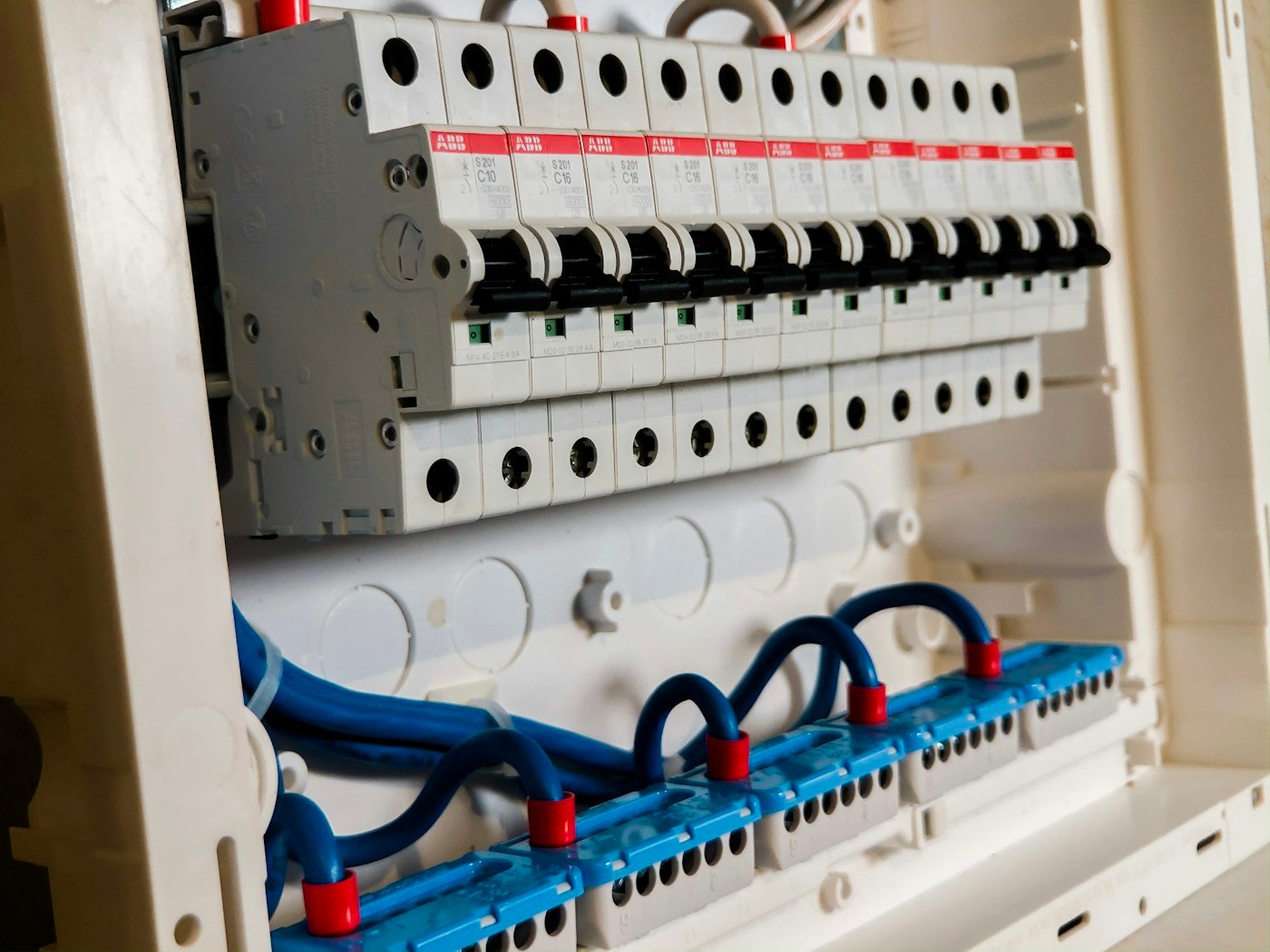
The E10 is not a portable power station you carry around and plug things into. It is a fixed home battery system, wired into your electrical panel by an electrician. It has three main pieces:
1. The power module
This is the brains: the inverter, the solar charge controllers, and the control electronics. It turns battery power into the household electricity your outlets and appliances use.
2. The B6000 battery modules
Each module stores 6,144 watt-hours (Wh) using lithium iron phosphate (LiFePO4) chemistry, a type widely used in home storage because it is considered stable and long-lasting. You stack them to add capacity: up to five per power module, about 30 kWh per unit.
3. The connection hardware
A Smart Inlet Box (about $399) connects a single unit, but switchover is manual: during an outage, someone has to go to the electrical panel and flip breakers to bring the battery online. The Power Dock ($1,999) makes switchover automatic, connects up to three units, and supports 200-amp whole-panel coverage. For most older adults, the Power Dock is what delivers the hands-off experience described in this review.
The result with a Power Dock: when utility power fails, the system takes over automatically. Anker lists the switchover at 20 milliseconds or less, fast enough that most plugged-in electronics keep running.
The Numbers That Matter
| Spec | Anker SOLIX E10 | What it means at home |
|---|---|---|
| Continuous output (one unit) | 7,600 W | The total load it can run at once, such as fridge, lights, TV, and a space heater together |
| Turbo output (one unit) | 10,000 W for up to 90 minutes (with 2+ batteries) | Short bursts for heavy starting loads |
| Three units on a Power Dock | Up to 22.8 kW continuous, 30 kW Turbo | Large homes with multiple heavy loads |
| Capacity per battery | 6,144 Wh | Roughly 6 kWh of stored energy |
| Common kit (2 batteries) | 12,288 Wh | The configuration most seniors should price first |
| Max capacity | ~30 kWh per unit, ~90 kWh with three | Multi-day backup for larger homes |
| Solar input | Up to 9,000 W per unit | Recharge from rooftop or ground panels during a long outage |
| Switchover | Automatic, 20 ms or less, with Power Dock; manual with Smart Inlet Box | With the Power Dock, no one has to go to the panel or outside |
| Weather rating | NEMA 4 (IP66), -4°F to 122°F | Designed to be mounted outdoors |
| Warranty | 5 years (inverter and batteries); Power Dock 10 years | Confirm terms in writing before buying |
Does it really run “the entire home at once”?
Only within the output and capacity you configure. A single unit can run a lot (refrigerator, lights, TV, internet, a furnace blower, and a microwave all together), but it cannot run everything in a large house simultaneously. Central air conditioning, electric water heaters, electric ranges, and electric dryers are the big draws. Anker says the E10 can start a large central air conditioner, but running that along with other heavy loads on a single unit is a different question. Ask your installer to add up your actual loads.
How Long Will It Last in an Outage?
It depends entirely on how much battery you buy and what you run. As a rough illustration on the common 12.3 kWh two-battery kit (allowing for conversion losses):
- Essentials only (refrigerator, a few LED lights, internet router, TV a few hours, a CPAP overnight, phone charging): roughly 3 days.
- Essentials plus a gas furnace blower: roughly 1.5 to 2 days.
- Central air conditioning: a 3-ton unit can drain a 12.3 kWh system in only a few hours on its own.
These are estimates, not promises. Our full walkthrough, How Long Does the Anker SOLIX E10 Last in a Power Outage?, shows the math so you can plug in your own appliances.
For multi-day outages, the answer is recharging. The E10 accepts solar panels (up to 9 kW per unit) and can take a generator input, so a long outage does not have to end when the battery does.

Why It Suits Older Adults
- Automatic with the Power Dock. No pull cords, no fuel, no walking to the breaker panel or the garage in a storm. (The lower-cost Smart Inlet Box setup is manual.)
- Silent and fume-free in operation. No exhaust, which removes the carbon monoxide risk that comes with running a gas generator.
- Outdoor-rated. Mounted outside the living space, with no cords snaking through the house.
- Standard outlets keep working. Your refrigerator, lamps, and any device you normally plug in continue to work from the same outlets, because the system feeds your existing panel. This includes ordinary 120-volt devices such as a CPAP machine.
A note on medical equipment: this article makes no medical claims. If you rely on oxygen, a ventilator, or any life-support device, talk to your doctor and your equipment supplier about a backup plan, and do not treat any home battery as your only safeguard. See our power outage checklist for seniors.
What It Costs, Honestly
As of November 25, 2026, prices we saw:
| Configuration | Price seen | Notes |
|---|---|---|
| Power module + 1 battery | $3,999 (listed at $4,299) | Anker store and Best Buy; 6,144 Wh |
| Power module + 2 batteries | About $5,799 to $6,299 | 12,288 Wh; varies by retailer |
| Smart Inlet Box | About $399 | Single unit; manual switchover |
| Power Dock | $1,999 | Needed for automatic switchover, multi-unit and 200 A whole-panel setups |
| Power module + 2 batteries + Power Dock | About $7,299 to $7,799 | Anker’s automatic backup kit |
| Installation | Extra, quote required | Licensed electrician, panel work, permits |
Installation is required and is not included. The price of the kit is not the price of backup power. Get two or three installer quotes before deciding.
Promotions and financing
Anker’s promotions change frequently. Over fall 2026 we saw “free gifts” headlines ranging from roughly $2,500 to nearly $5,000 across different sale windows. These are ceilings that typically apply to larger bundles. Do not count a gift as savings until you confirm what it is and that it applies to your configuration. Anker has also advertised financing of up to 60 months through Synchrony on larger orders, subject to credit approval. Interest depends on your approval, so ask for the APR and total cost in writing. Anker has also promoted an optional subscription to extend the warranty by three years; confirm what it costs and what it covers before you agree.
For a fuller breakdown, see Anker SOLIX E10 Cost, Installation, and Financing.
Tax credits: the federal residential clean energy credit that once covered home batteries ended for expenditures after December 31, 2025. Ask a tax professional about your situation and check for state or utility incentives.
E10 vs. the Alternatives
| Anker SOLIX E10 (2 batteries) | EcoFlow DELTA Pro Ultra X | Gas generator | |
|---|---|---|---|
| Capacity | 12,288 Wh | 12,288 Wh | Fuel-based |
| Continuous output | 7,600 W | 12,000 W | Varies by model |
| Price seen | ~$5,799 to $6,299 + hardware and install | About $7,199 to $7,999 | Typically lower upfront |
| Automatic switchover | With Power Dock | With compatible panel hardware | Portable: no. Standby: yes |
| Fumes / noise | None | None | Exhaust and noise |
| Weather rating | IP66 outdoor | IP54 | Must run outdoors, away from windows |
The EcoFlow typically costs $1,000 to $2,000 more at the same capacity, depending on current sales, but offers higher continuous output and built-in outlets; the E10 has no outlets of its own. Compare the details in Anker SOLIX E10 vs EcoFlow DELTA Pro Ultra X, and the generator tradeoffs in Whole-Home Battery vs. Gas Generator.
Who Should Skip the E10
- Small homes with modest needs. If you just need the refrigerator, a few lights, and a CPAP, a portable power station can cost far less. See Anker SOLIX F3800 Plus vs. E10.
- Renters. It is a fixed installation wired into the panel.
- Homes where the electrical work is expensive. Old panels, long wire runs, or required upgrades can make installation cost more than the battery.
- Anyone who would have to stretch a budget. Backup power is valuable, but not at the expense of your monthly finances.
Bottom Line and Buying Checklist
The E10 is a strong choice if you own your home, want automatic backup without fuel or fumes, and can afford a professional installation. Price the two-battery kit first, because one battery is thin for multi-day needs, and budget for the Power Dock if you want it fully automatic.
- Price the 2-battery, 12,288 Wh kit on Anker’s own store and at one major retailer.
- Decide between the Power Dock (automatic) and the Smart Inlet Box (manual).
- Get 2 to 3 written installer quotes that list every cost.
- Ask for warranty terms, and any subscription terms, in writing.
- Find out exactly what a “free gift” is and whether it applies to your kit.
- If financing, get the APR and total repayment amount before signing.
- List the devices you cannot be without, and confirm the system can run them together.
Thinking about backup power for your home? Compare current E10 kit pricing.
See current Anker SOLIX E10 pricingFrequently Asked Questions
What is the Anker SOLIX E10?
A modular, fixed home battery backup system that connects to your electrical panel. It combines a power module, stackable 6,144 Wh battery modules, and a Smart Inlet Box or Power Dock, and, with the Power Dock, switches on automatically during an outage.
How much does the Anker SOLIX E10 cost?
As of November 25, 2026, kits we saw started at $3,999 for one battery and about $5,799 to $6,299 for the two-battery 12,288 Wh kit. Professional installation is required and costs extra.
Can the E10 run my whole house?
Within its configured limits. One unit delivers 7,600 W continuous, so heavy appliances such as central air conditioning, electric water heaters, and electric dryers need to be planned for. Up to three units on a Power Dock reach 22.8 kW continuous.
Where is the E10 installed?
Usually outdoors on a wall or pad near the electrical panel. It is rated NEMA 4 (IP66) for outdoor installation and has no engine exhaust, so there is no carbon monoxide from running it. A licensed electrician decides the mounting location to meet local code.
How long is the Anker SOLIX E10 warranty?
Anker lists 5 years on the inverter and batteries and 10 years on the Power Dock. Anker has also promoted an optional subscription to extend the warranty by three years; confirm the terms before buying.
Does the E10 qualify for a federal tax credit?
The federal residential clean energy credit that previously covered home batteries ended for expenditures after December 31, 2025. Check with a tax professional and look for state or utility incentives.
Keep Reading
- How Long Does the Anker SOLIX E10 Last in a Power Outage?
- Anker SOLIX E10 Cost: Price, Installation and Financing Explained
- Anker SOLIX E10 vs EcoFlow DELTA Pro Ultra X: Which Home Backup Is Better?
- Whole-Home Battery Backup vs. Gas Generator: What Works Best for Seniors
- Anker SOLIX F3800 Plus vs. E10: Portable Power Station or Whole-Home Backup?
- Power Outage Checklist for Seniors: Medical Devices, Food, and Backup Power
Get guides like this in your inbox
Medicare changes, money tips, health guides and deals for adults 55+. Free, from Senior Affair Magazine.
Free. Unsubscribe anytime. Privacy policy.