

Home Blog Page 109

Does Medicare Cover Podiatry? 5 Fast Facts

Did you know the average person walks 100,000 miles over a lifetime? No wonder foot problems should cost the U.S. $3.5 billion in health care costs every year.

The excellent news is podiatrists can help. Podiatrists are doctors who specialize in problems of the foot and ankle.

If you’re dealing with a foot problem, you may wonder, does Medicare cover podiatry? Today, we’re answering that question and more in this article. 

Ready to finally get the care you need to get back on your feet? Then keep reading for everything you need to know about podiatry, routine foot care, and what Medicare covers.

Does Medicare Cover Podiatry?

The first thing to understand about Medicare and podiatry is the difference between podiatry and routine foot care.

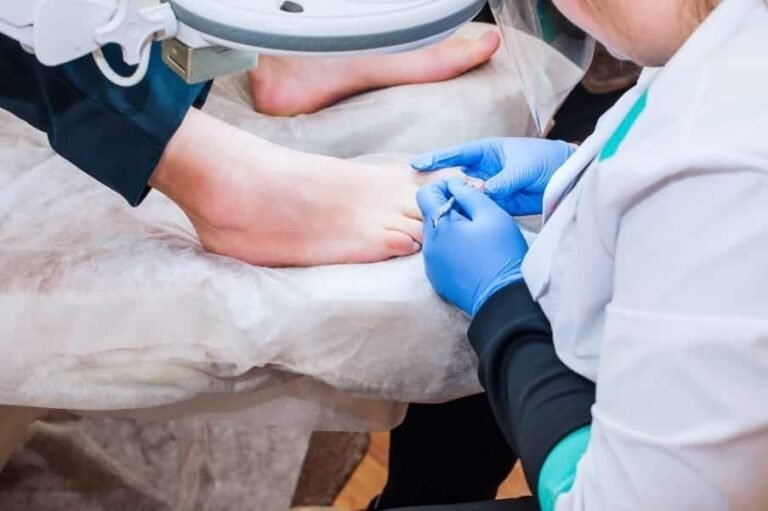
Podiatry requires a specialized physician to perform medical foot care. Meanwhile, routine foot care includes filing down calluses, treating flat feet, and clipping nails. 

Medicare tends to cover medically necessary treatments performed by a specialist. Medicare only covers routine foot care in some instances. 

Medicare Coverage For Routine Foot Care

Routine foot care you receive unrelated to an underlying foot condition is routine care. Medicare does not cover most types of routine foot care. 

Medicare may cover the care if routine foot care is a part of managing or treating a medically necessary foot condition. However, a podiatrist must perform the treatment in both in-patient and out-patient settings. 

Medicare Coverage For Podiatric Care

You can receive in-patient and out-patient podiatric care coverage under Medicare Part A and Part B, respectively. 

You must see a physician at a Medicare-approved healthcare facility for the former. If you choose to visit a specialist’s office or receive care in your home, Medicare Part B will cover the care.

Medicare Part B provides coverage for:

  • Diabetes -related nerve damage
  • Foot injuries
  • Foot diseases, including hammertoe, bunion deformities, and heel spurs

Remember that your doctor must deem any outpatient podiatric services medically necessary to qualify for Part B Medicare coverage. You must also have seen a doctor at least six months before your first podiatric treatment and have documents to prove it. 

Once you submit the required documentation, Medicare Part B will cover any foot exams and treatments you need. 

You’ll pay 20% coinsurance once you meet your Medicare Part B deductible for in-patient treatments. Out-patient treatments like those in a doctor’s office or at your home will also require a copay. 

Evander Medicare Ad 720 × 405

So, does Medicare cover podiatry? The answer to this question depends on defining podiatry correctly. 

Medicare covers medically necessary treatments for foot injuries, diseases, and nerve damage related to a diabetes diagnosis. Medicare doesn’t cover routine foot care for bunions, flat feet, and other non-medically necessary foot services.

Now you should know if Medicare covers your foot condition, injury, or diabetes-related nerve damage.

Want to Contact an Agent about Medicare?

If you qualify for Medicare but don’t know where to start, we have licensed insurance agents ready to answer your questions and help you enroll in Medicare Advantage, Medicare Supplement Insurance, and Prescription Part D plans.

We do not offer every plan available in your area. Currently we represent 305 organizations which offer 6,225 products. Please contact Medicare.gov, 1-800-MEDICARE, or your local State Health Insurance Program (SHIP) to get information on all of your options. Medicare plan links on this page go to a licensed insurance agent of Trusted American Insurance Agency. SeniorAffair is not affiliated with or endorsed by the U.S. government or the federal Medicare program.


You may also like:

Does Medicare Cover Chemotherapy? 5 Things to Know.

People new to Medicare and recently diagnosed with cancer wonder about their coverage. In this Senior Affair article, you’ll find out how Medicare covers chemotherapy.

1.8 million people are diagnosed with cancer each year. Breast cancer is the most common cancer affecting women more than men. 

With cancer being so common, you aren’t alone in wondering: does Medicare cover chemotherapy? What about other cancer treatments and cancer drugs? Wonder no longer because we’re answering those questions for you today.

Ready to learn more about Medicare cancer coverage? Then keep reading because this one’s for you.

Does Medicare Cover Chemotherapy?

Yes, Medicare does cover chemo! Whether you have Original Medicare or a private Medicare Advantage plan, you can get coverage for inpatient and outpatient chemo treatments.

Inpatient Chemotherapy

Original Medicare and Medicare Advantage Part A will cover chemotherapy treatments you receive in a hospital. However, you must meet your deductible before Medicare starts paying out. 

Outpatient Chemotherapy

Original Medicare and Medicare Advantage Part B will cover outpatient chemotherapy treatments if you have cancer.

Part B covers 80% of the cost of chemo treatments you get at a freestanding clinic or a doctor’s office. Treatments you receive in your home or another outpatient setting will require a copay. 

Part B also covers the chemo treatments you get at a skilled nursing facility. Medicare will only pay for 100 days of professional nursing facility chemo treatments per benefit period. You’ll have to pay out of pocket if you need chemo treatments for more than 100 days. 

Evander Medicare Ad 720 × 405 px 1

Other Cancer Treatments Covered Under Medicare

Chemo isn’t the only approved technique for treating cancer. Radiation therapy and immunotherapy are also common today. 

Here’s what you need to know about Medicare coverage for radiation therapy, immunotherapy, and cancer drugs. 

Radiation Therapy

Radiation is a cancer treatment that targets cancer cells helping to slow the growth of tumors or prevent them from metastisizing. 

Medicare Part B does cover radiation services you receive in an outpatient setting. For example, Medicare Part A will cover the radiation services you receive at a hospital. 

Immunotherapy

Immunotherapy is a modern cancer treatment that uses your immune cells to fight off cancerous cells. 

In some cases, Medicare will cover immunotherapy. Immunotherapy is covered by Part A if you receive it at home or in a doctor’s office. While Part B covers immunotherapy, you receive it at a hospital. 

Cancer Medications

Part B Medicare does cover some cancer medications. For example, Part B will cover 80% of anti-nausea medications and IV cancer treatments. However, most other drugs aren’t covered under Medicare Part B.

The good news is that Medicare Part D prescription drug plans cover many of the medications Part B doesn’t, including injections you need at home and medicines that could prevent or reduce the spread of cancer. 

medicare insurance free quote
Get a FREE No Obligation Medicare Quote Today

We do not offer every plan available in your area. Currently we represent 305 organizations which offer 6,225 products. Please contact Medicare.gov, 1-800-MEDICARE, or your local State Health Insurance Program (SHIP) to get information on all of your options. Medicare plan links on this page go to a licensed insurance agent of Trusted American Insurance Agency. SeniorAffair is not affiliated with or endorsed by the U.S. government or the federal Medicare program.

Get Coverage For Your Cancer Treatments

So, does Medicare cover chemotherapy? Original Medicare and Medicare Advantage plans offer benefits for cancer treatments. But if you want to avoid paying out-of-pocket costs, Medigap may be for you. 

Are you looking for a Medigap plan that will have you completely covered in cancer? Contact a licensed insurance agent today and get the coverage you deserve!

Does Medicare Cover Annual Physicals?

0

Having your health checked regularly is an essential part of staying healthy. However, you might wonder, “Does Medicare cover physicals?”

The good news is that preventive care is an integral part of every health plan, thanks to the Affordable Care Act (ACA) passed in 2010. When you have Medicare, they emphasize these annual visits.

However, asking for a “wellness visit” rather than a “physical” is essential to ensure that you get appropriate coverage.

Discover more about annual wellness visits and coverage under Medicare!

The Welcome to Medicare Visit

When you first sign up with Medicare Part B — the part covering doctor visits — you’ll be invited to do a Welcome to Medicare visit.

This appointment is designed to document the care you need and plan the future. There is no cost for the exam, but it needs to be completed within 12 months of signing up for Medicare Part B.

What is included in the Welcome to Medicare visit?

Your healthcare provider will check your vital signs, including blood pressure, height, and weight. The doctor will also review your health history and ensure your preventive services and tests are up to date.

From there, you’ll work together to create a personalized plan for your healthcare needs, which will include Medicare physicals on an annual basis.

Annual Medicare Wellness Visits

Each year you’ll have the option to schedule a Medicare wellness visit to review your current health, which is included in your Medicare Part B coverage, and there is no charge to you as long as the provider accepts Medicare.

Wondering what to expect from a Medicare Wellness Visit? The doctor will recheck your vital signs and evaluate you for cognitive impairment. Based on your results, the doctor will offer advice on improving any medical conditions and staying healthy in the future.

Sometimes the medical provider will order tests covered under the wellness visit. For example, if you have Original Medicare, you’ll have to pay your Part B deductible and 20% of the cost for those tests.

Evander Medicare Ad 720 × 405 px 1

Annual Wellness With Medicare Advantage

Many seniors don’t have Original Medicare and prefer to get additional benefits using a Medicare Advantage plan.

Medicare Advantage plans must have cost-free coverage for annual wellness exams, just like Original Medicare. However, you may have to visit one of their preferred medical providers.

As long as your medical providers are within the Medicare Advantage plan’s network, it would help if you didn’t have trouble with your wellness visits.

So Does Medicare Cover Physicals?

medicare insurance free quote
Get a FREE No Obligation Medicare Quote Today

We do not offer every plan available in your area. Currently we represent 305 organizations which offer 6,225 products. Please contact Medicare.gov, 1-800-MEDICARE, or your local State Health Insurance Program (SHIP) to get information on all of your options. Medicare plan links on this page go to a licensed insurance agent of Trusted American Insurance Agency. SeniorAffair is not affiliated with or endorsed by the U.S. government or the federal Medicare program.
Both Original Medicare and Medicare Advantage plans cover annual wellness visits. In most ways, these are like physicals, but you have to ask for them as “wellness visits.”

Now that you know the answer to “Does Medicare cover physicals,” you can rest easy knowing that this annual preventive care is covered.

You deserve the peace of mind about your health insurance.

Does Medicare Part A Cover Outpatient Surgery? 5 Interesting Facts.

0

When it comes to outpatient services, you’re probably wondering does Medicare Part A covers outpatient surgery. Find out here if your surgery gets covered.

How Does Medicare Part A Cover Outpatient Surgery?

The number of outpatient surgeries was 129 million in 2018 and is expected to grow to 144 million by 2023. If you’re one of the millions who need surgery this year, you might wonder if your Medicare coverage applies.

Does Medicare Part A cover outpatient services? Many people know Medicare Part A as “hospital insurance,” so it’s common to think that outpatient surgery is covered under this section.

However, when you look at outpatient surgery, you’ll see that it’s more like a doctor’s visit than an inpatient stay.

Let’s take a look at outpatient services and how Medicare covers them.

What is Outpatient Surgery?

When you get surgery, you stay in the hospital. Right? 

Not anymore. Outpatient surgery is widespread for many procedures.

What is outpatient health care? You can leave the hospital on the same day with an outpatient procedure. Advances in medical processes and medication are making that more possible than ever.

You’ll be monitored in a care unit when you have outpatient surgery as you wake up from anesthesia. You’ll be discharged when you can perform various simple tasks, including using the restroom.

You cannot drive yourself home after an outpatient procedure. You’ll need to have someone drive you home and stay with you for 24 hours to prevent complications.

Coverage for Outpatient Surgery With Original Medicare

Because you’re not staying in the hospital for one or more nights, the surgery isn’t considered an inpatient service. That means that Medicare Part A won’t cover this.

Instead, you’ll find coverage under Medicare Part B. This part also covers other medically necessary services and preventive care.

Remember that outpatient surgery must be medically necessary to have coverage from Original Medicare. You will pay your Part B deductible and the 20% copayment, and Medicare will cover the rest.

There is no annual limit to out-of-pocket expenses with Original Medicare, so costs can add up quickly.

Evander Medicare Ad 720 × 405 px 1

Outpatient Hospital Services Coverage With Medicare Advantage

Another way to use Medicare to cover your health needs is with Medicare Advantage. Private health insurance companies administer these plans. They are an all-in-one replacement for Original Medicare.

Depending on your plan, your out-of-pocket costs for outpatient surgery could be much less than with Original Medicare. For instance, you may pay a set copayment instead of a percentage.

Another advantage is that many Medicare Advantage plans have an annual maximum out-of-pocket limit. Once you hit that limit, your care is covered 100%.

Remember that Medicare Advantage plans generally have a specific list of approved medical providers, and outpatient hospital services might require preauthorization.

Find the Coverage You Need for Outpatient Services

Medicare helps you with medically necessary outpatient services. However, this coverage is under Part B rather than Part A of Original Medicare.

medicare insurance free quote
Get a FREE No Obligation Medicare Quote Today

We do not offer every plan available in your area. Currently we represent 305 organizations which offer 6,225 products. Please contact Medicare.gov, 1-800-MEDICARE, or your local State Health Insurance Program (SHIP) to get information on all of your options. Medicare plan links on this page go to a licensed insurance agent of Trusted American Insurance Agency. SeniorAffair is not affiliated with or endorsed by the U.S. government or the federal Medicare program.

You may have more benefits if you have a different type of plan, such as Medicare Advantage. However, outpatient professional services may need preauthorization before they can move forward.

Does Medicare Cover Cancer Treatment?

0

It’s been suggested that 33 percent of people in the U.S. may develop cancer in this lifetime. Does Medicare cover cancer treatment? Find out here and get help.

People over 65 years old account for 60% of newly diagnosed cancer cases. Their risk of developing this disease is ten times higher than those under this age. 

Medicare is the preferred health insurance plan for Americans aged 65 and older, offering nearly 60 million individuals coverage. The program features several coverage options at different rates. Knowing which one to choose can be confusing, at the least.

If you have a family history of cancer, you may wonder about your options regarding health insurance. Does Medicare cover cancer treatment? What about palliative care?

The answer is yes — Medicare does cover cancer treatment under certain circumstances. What you’ll pay out of pocket depends on whether you have a Medicare Supplement or a Medicare Advantage plan for extra coverage.

Does Medicare Cover Cancer Treatment? Get the Facts Straight

Cancer treatment is very complex and requires constant adjustment. Depending on your needs, it may include chemotherapy, hormone therapy, radiation, surgery, and everything else. The average cost for these services is around $150,000.

Medicare covers most options except for holistic treatments. How much coverage you get depends on the type of plan.

With Medicare Part A, your insurance provider will pay some of the costs associated with cancer-related services. These include but are not limited to:

  • Inpatient hospital care
  • Hospice care
  • Home health care, such as physiotherapy
  • Surgically-implanted breast prostheses
  • Blood work

Medicare Part B covers most services and treatments provided on an outpatient basis. These may include diagnostic tests, mental health services, medical equipment, and more. 

Feeling confused? That’s why we’re here. Read on to learn more about Medicare and cancer treatment so you can make an informed decision.

It also pays for screening tests and other preventive services aimed at those at risk for cancer. If you have diabetes or kidney disease besides cancer, your insurance plan may also cover nutritional counseling.

Take radiation therapy, for example.

Medicare Part A covers this service for hospitalized patients. You’ll need Medicare Part B if you prefer to stay home and go to a clinic for treatment. This plan will cover some of the costs of treatment in freestanding clinics.

Another option is to enroll in Medicare Advantage plans to pay out of pocket. Unlike Parts A or B, this coverage has out-of-pocket maximums for cancer treatment. Part D also pays for some chemotherapy drugs.

Original Medicare (Parts A and B) and Medicare Advantage cover palliative care for cancer patients. However, Part A includes limited home health care.

Evander Medicare Ad 720 × 405 px 1

What Medicare Doesn’t Cover

As mentioned earlier, Medicare doesn’t pay for dietary supplements and other holistic therapies. The coverage also excludes adult daycare, medical food, and long-term care in a nursing home.

Medicare Advantage plans offer the most comprehensive coverage. What you’ll pay out-of-pocket depends on the type of insurance, coinsurance, deductibles, and other factors.

medicare insurance free quote
Get a FREE No Obligation Medicare Quote Today

We do not offer every plan available in your area. Currently we represent 305 organizations which offer 6,225 products. Please contact Medicare.gov, 1-800-MEDICARE, or your local State Health Insurance Program (SHIP) to get information on all of your options. Medicare plan links on this page go to a licensed insurance agent of Trusted American Insurance Agency. SeniorAffair is not affiliated with or endorsed by the U.S. government or the federal Medicare program.
Be Prepared for the Unexpected

Still wondering, “Does Medicare cover cancer treatment?” As you see, the answer is yes, but you’ll still have to pay out-of-pocket.

Does Medicare Cover Diabetic Supplies, 6 Facts to Know.

0

Did you know that over 34 million Americans have diabetes? Type 2 Diabetes is more common and affects about 32 million U.S. residents. About 1.25 million people in America have Type 1 diabetes.

Each person needs diabetic supplies to manage their disease. These supplies are expensive, and most people rely on insurance to afford their needs. Keep reading to learn more about Medicare coverage for diabetic supplies.

What Is Diabetes?

There are two types of diabetes. A type 1 diabetic’s body doesn’t make insulin. Insulin moves glucose (sugar) from the bloodstream into the cells. Without insulin, glucose builds up in the bloodstream, causing a metabolic imbalance.

Type 2 diabetic bodies make insulin, but the body can’t use it properly, and it can also cause glucose to stay in the bloodstream.

Treatment for Diabetes

The treatment is different for each type of diabetes. Type 1 diabetic treatment involves:

  • Monitoring carbohydrates, fat, and protein intake
  • Checking blood sugar regularly and as needed
  • Taking insulin
  • Healthy eating
  • Keeping a healthy weight
  • Regular exercise

Some type 2 diabetics control their blood sugar levels with diet and exercise, while others need medications to help their insulin work properly. Providers may order insulin to manage the disease.

Diabetic Supplies

There are many types of supplies needed to manage diabetes. Type 1 diabetics need insulin daily to keep blood sugar levels within a set range. They also need glucagon with them to treat severe hypoglycemia.

Many people with diabetes use insulin pumps that deliver a continuous baseline amount of insulin. Users put their carbohydrate count in the pump, which calculates and provides the insulin needed.

People with diabetes must also check their glucose levels using test strips and glucose monitors. Continuous glucose monitors check glucose constantly. Alarms sound if the blood sugar gets too high or too low. 

Plans for Medicare

“Original Medicare” includes Part A and Part B. Part A covers hospitalization and skilled nursing care. Part B covers outpatient services, including doctor visits, lab tests, and outpatient procedures.

You also have the option of buying extra coverage. Private insurers offer Medicare Advantage (Part C), covering prescriptions and vision and dental care.

Medicare Part D covers prescription medications. Many Medicare beneficiaries use these and other supplements to cover their medical costs.

How Medicare Works

Original Medicare enrollees pay a deductible for each enrollment period. Then, Medicare pays for part of your care, and you pay a co-pay. Part B usually charges a monthly premium.

It would be best if you used Medicare-approved healthcare providers and businesses that sell supplies. There’s no limit on the amount you pay out-of-pocket each year. The gap plans pay their part after Medicare pays.

Medicare Coverage for the Cost of Diabetic Supplies

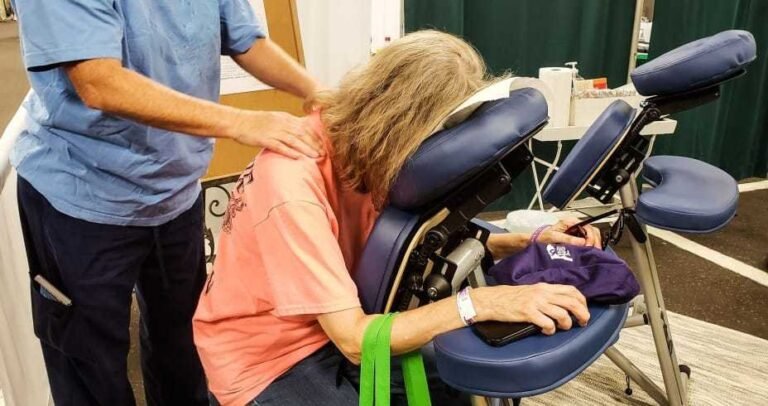
Medicare Part B covers about 80% of diabetic supply costs, which means you pay 20% plus any deductibles or co-pays that apply. Medicare requires a prescription from your provider before it will cover diabetic supplies.

Part B covers the following supplies when bought from Medicare-approved suppliers:

  • Blood glucose testing monitors
  • Glucose test strips
  • Lancets
  • Glucose solution
  • Blood sugar control solution
  • Insulin pumps
  • Therapeutic shoes or inserts

Part B doesn’t cover insulin, but Part D pays for certain types of insulin. Part D covers syringes, needles, alcohol swabs, gauze, and inhaled insulin devices.

Evander Medicare Ad 720 × 405

Are You Looking for Answers to Your Medicare Questions?

medicare insurance free quote
Get a FREE No Obligation Medicare Quote Today

We do not offer every plan available in your area. Currently we represent 305 organizations which offer 6,225 products. Please contact Medicare.gov, 1-800-MEDICARE, or your local State Health Insurance Program (SHIP) to get information on all of your options. Medicare plan links on this page go to a licensed insurance agent of Trusted American Insurance Agency. SeniorAffair is not affiliated with or endorsed by the U.S. government or the federal Medicare program.

Medicare-eligible diabetics need to know how Medicare pays for diabetic supplies. In addition to Original Medicare, there are many different gap plans available.

Senior Affair provides information about Medicare plans without any bias. 

Does Medicare Cover Diabetic Supplies, 6 Facts to Know.

1

Did you know that over 34 million Americans have diabetes? Type 2 Diabetes is more common and affects about 32 million U.S. residents. About 1.25 million people in America have Type 1 diabetes.

Each person needs diabetic supplies to manage their disease. These supplies are expensive, and most people rely on insurance to afford their needs. Keep reading to learn more about Medicare coverage for diabetic supplies.

What Is Diabetes?

There are two types of diabetes. A type 1 diabetic’s body doesn’t make insulin. Insulin moves glucose (sugar) from the bloodstream into the cells. Without insulin, glucose builds up in the bloodstream, causing a metabolic imbalance.

Type 2 diabetic bodies make insulin, but the body can’t use it properly, and it can also cause glucose to stay in the bloodstream.

Treatment for Diabetes

The treatment is different for each type of diabetes. Type 1 diabetic treatment involves:

  • Monitoring carbohydrates, fat, and protein intake
  • Checking blood sugar regularly and as needed
  • Taking insulin
  • Healthy eating
  • Keeping a healthy weight
  • Regular exercise

Some type 2 diabetics control their blood sugar levels with diet and exercise, while others need medications to help their insulin work properly. Providers may order insulin to manage the disease.

Diabetic Supplies

There are many types of supplies needed to manage diabetes. Type 1 diabetics need insulin daily to keep blood sugar levels within a set range. They also need glucagon with them to treat severe hypoglycemia.

Many people with diabetes use insulin pumps that deliver a continuous baseline amount of insulin. Users put their carbohydrate count in the pump, which calculates and provides the insulin needed.

People with diabetes must also check their glucose levels using test strips and glucose monitors. Continuous glucose monitors check glucose constantly. Alarms sound if the blood sugar gets too high or too low. 

Plans for Medicare

“Original Medicare” includes Part A and Part B. Part A covers hospitalization and skilled nursing care. Part B covers outpatient services, including doctor visits, lab tests, and outpatient procedures.

You also have the option of buying extra coverage. Private insurers offer Medicare Advantage (Part C), covering prescriptions and vision and dental care.

Medicare Part D covers prescription medications. Many Medicare beneficiaries use these and other supplements to cover their medical costs.

How Medicare Works

Original Medicare enrollees pay a deductible for each enrollment period. Then, Medicare pays for part of your care, and you pay a co-pay. Part B usually charges a monthly premium.

It would be best if you used Medicare-approved healthcare providers and businesses that sell supplies. There’s no limit on the amount you pay out-of-pocket each year. The gap plans pay their part after Medicare pays.

Medicare Coverage for the Cost of Diabetic Supplies

Medicare Part B covers about 80% of diabetic supply costs, which means you pay 20% plus any deductibles or co-pays that apply. Medicare requires a prescription from your provider before it will cover diabetic supplies.

Part B covers the following supplies when bought from Medicare-approved suppliers:

  • Blood glucose testing monitors
  • Glucose test strips
  • Lancets
  • Glucose solution
  • Blood sugar control solution
  • Insulin pumps
  • Therapeutic shoes or inserts

Part B doesn’t cover insulin, but Part D pays for certain types of insulin. Part D covers syringes, needles, alcohol swabs, gauze, and inhaled insulin devices.

Evander Medicare Ad 720 × 405

Are You Looking for Answers to Your Medicare Questions?

medicare insurance free quote
Get a FREE No Obligation Medicare Quote Today

We do not offer every plan available in your area. Currently we represent 305 organizations which offer 6,225 products. Please contact Medicare.gov, 1-800-MEDICARE, or your local State Health Insurance Program (SHIP) to get information on all of your options. Medicare plan links on this page go to a licensed insurance agent of Trusted American Insurance Agency. SeniorAffair is not affiliated with or endorsed by the U.S. government or the federal Medicare program.
Medicare-eligible diabetics need to know how Medicare pays for diabetic supplies. In addition to Original Medicare, there are many different gap plans available.

Senior Affair provides information about Medicare plans without any bias. 

Does Medicare Cover Counseling? Guide to Coverage

0

Part of getting the most out of your counseling requires having the right insurance. Here is everything you need to know about Medicare and counseling coverage.

30% of adult Americans suffer from anxiety, and 25% of American adults suffer from depression. Anxiety and depression are both mental health conditions. If you suffer from one disorder or another, you may need to seek counseling.

A mental health counselor can help you deal with the symptoms of your condition. Yet, understanding what’s covered can be challenging when it comes to Medicare and counseling.

It would help if you didn’t have to live with mental health disorder symptoms, regardless of your health insurance. That’s why we want to help you navigate the world of counseling coverage while on Medicare. 

Are you ready to learn how to finally get the counseling services you need with the help of Medicare? Then keep reading for everything you need to know. 

Medicare and Counseling: Which Services are Covered?

Whether you have Original Medicare or a Medicare Advantage Plan for inpatient and outpatient counseling services, you’re covered. Keep reading for the details about what’s covered, what’s not, and what you can expect in out-of-pocket costs. 

Inpatient Services

Medicare Part A covers inpatient counseling services. Inpatient counseling services include mental health treatment you receive at a psychiatric or regular hospital. 

Remember that Medicare will only cover 190 days of inpatient care over a lifetime of coverage. After you’ve used up these days, you may be able to receive additional inpatient care hours. 

Also, remember that Medicare still requires you to cover some of the costs of inpatient care. You must meet your deductible to receive coverage and, after 90 days, you have to pay coinsurance for the care you receive. 

Outpatient Services

Medicare Part B covers outpatient counseling services. Individual counseling, substance abuse treatment, and occupational therapy are all covered under Part B.

Other types of outpatient counseling covered by Medicare Part B include:

  • Art, dance, or music therapy
  • Family Counseling
  • Psychological tests and lab tests
  • Prescription drugs a doctor must administer for you
  • Training on any medicines you must administer yourself
  • The annual depression screening

Depending on when you signed up for Medicare, you’ll have to pay a 20% coinsurance after meeting your deductible. There’s one exception to this: depression screening. Medicare fully covers depression screenings. 

By now, you may be wondering: what exactly is a counselor under Medicare Part B? A counselor is any health professional who provides mental health services. Psychiatrists, psychologists, social workers, specialized nurses, nurse practitioners, and physician assistants are counselors under Medicare Part B. 

medicare insurance free quote
Get a FREE No Obligation Medicare Quote Today

Enroll in a Medicare Advantage Plan Today

Regarding Medicare and counseling, inpatient and outpatient services are covered. However, you’ll still have to meet your deductible before Medicare kicks in for either service. You’ll also have to pay coinsurance once you do meet your deductible.

Does Medicare cover Massage Therapy?

0

Massage therapy can help you treat your health issues if you have the right coverage. When it comes to Medicare and massage therapy, this guide can help you.

Whether for stress or recovering from injuries, plenty of people loves taking advantage of massage therapy. Studies show that about 15 percent of people each year get a massage. 

If you get your medical coverage through Medicare, you may be wondering if you can use your plan for massage treatments. 

Is it covered under your plan? What are the benefits of massage therapy?

Read on to learn these answers and more about Medicare and massage therapy. 

What You Should Know About Medicare and Massage Therapy

If you’re a Medicare recipient, you should always research your treatment first to see if it’s covered.

Here’s how Medicare handles massage therapy:

Most Medicare Plans Classify Massage Therapy as Alternative Therapy

For starters, Medicare plans most typically won’t cover massage therapy because it’s categorized as an alternative therapy rather than a medically necessary treatment. 

As such, you’ll typically have to pay for your massage therapy treatments outside of Medicare. 

Specific Medicare Advantage plans cover massage therapy

How Medicare works is people 65 or older or with eligible disabilities receive coverage for hospital or medical services, per their Part A or Part B plans. Part D covers prescriptions. The Federal government regulates all plans. Medicare Advantages allows private companies to offer coverage for these matters and others that original Medicare won’t cover. 

Specific Medicare Advantage plans are starting to cover massage therapy treatments. 

According to the Better Medicare Alliance (BMA), more than 100 Medicare Advantage plans are beginning to cover alternative treatments such as massage therapy. They’re also expanding services to include non-medical needs like grocery trips and bank errands.  

So if massage therapy is a priority for you, definitely look into a Medicare Advantage plan. For example, some patients can get chiropractic massage for covered medical events.

Even though massage therapy is not covered, you still might be eligible to get certain types of massages. For instance, a patient might use chiropractic massage to help correct a misaligned spine. 

If deemed necessary, your Part B plan could cover this chiropractic massage.

Learn All About the Benefits of Massage Therapy

People use massage therapy for so many reasons. 

Massage therapy is beneficial because it can relieve your anxiety, lower stress levels, soothe acute pain, improve blood circulation, and give you more energy and better sleep. 

These tips can help you recover from an injury and live a healthier and more abundant life. 

Assess the Cost of Massage Therapy

So how much does massage therapy cost? According to studies, the national average cost is about $60 per hour. 

You’ll need to consult with your massage therapy personally to learn their rates and compare them. 

Factor in Massage Therapy as You Figure Out Your Medical Needs

Now that you know more about Medicare and massage therapy, you can start making the best decisions for yourself. 

Reach out to a licensed insurance agent that can tell you more about our resources as you shop for medical coverage. 

Does Medicare Cover Emergency Room Visits?

0

There were 139 million emergency department visits in 2019 alone. Having a medical emergency is a frightening experience. The last thing you want to deal with is wondering if — and how — your health insurance will cover emergency room visits.

Fortunately, if you have Medicare, you have coverage for emergency department visits. There may be out-of-pocket costs, though.

Here’s what you need to know about Medicare coverage for ER visits!

Coverage Under Original Medicare

Original Medicare comprises two parts, Part A and Part B. Part A covers inpatient hospital stays, skilled nursing facility care, hospice, and home health care.

Part B covers more traditional healthcare needs, such as doctor visits. Part B is the portion of your original Medicare portion that applies to emergency care.

What is the cost of ER visits? Under Original Medicare, you’ll pay a copayment. Generally, this is 20% of the cost of the services you receive. If you have a deductible for Part B, you’ll need to meet that before coverage applies.

If your emergency room visit results in you being admitted to the hospital for that condition within three days, the ER stay will be considered part of your inpatient stay. In that case, Medicare Part A will apply.

What About Different Medicare Plans?

If you don’t have original Medicare, you probably have a Medicare Advantage plan. These plans are administered by private insurance companies and have different costs and coverage for those needing ER visits.

Your Medicare Advantage plan might have a set copayment for each emergency room visit instead of using a percentage. This can be helpful because it makes the cost of Medicare for the ER much more predictable.

Depending on your plan, you might also have a deductible that needs to be met. In some plans, this deductible doesn’t apply to emergencies.

Evander Medicare Ad 720 × 405 px 1

Also, some seniors have concerns about medical networks. Many health insurance plans provide coverage even outside the network if it’s an emergency. Not all do, however.

Be sure to contact your Medicare Advantage plan provider before something happens to ensure you’ll have the coverage you need.

Getting Help With Copayments and Deductibles

Those with Original Medicare often worry that they won’t afford the 20% copayment they need to pay. With the cost of medical care rising, that’s a genuine concern.

If you’re anxious about being able to pay your portion, you do have options. One choice is to get a Medicare Advantage plan for more predictable cost-sharing. Another option is to get a Medigap plan to help pay copayments and deductibles.

It’s essential to keep in mind that Medigap has a monthly premium. Medicare Advantage also does, but you can often find a plan that charges only your regular Part B premium.

Get the Coverage You Need For Emergency Room Visits and More

The last thing you need to be thinking about during an emergency is your ER visit coverage. Having the right Medicare plan in place will allow you to have confidence in your insurance whenever you need care.

medicare insurance free quote
Get a FREE No Obligation Medicare Quote Today

You can find the coverage you need from emergency room visits to seeing the doctor and specialists. We’re here for you if you need help getting everything taken care of.