

Disclosure: This article contains affiliate links. If you buy through them or request quotes, Senior Affair may earn a commission at no extra cost to you.
Stepping over a bathtub wall is one of the riskiest moves many older adults make every day. Swapping the tub for a low- or no-threshold walk-in shower is one of the most popular aging-in-place projects for exactly that reason. This guide covers what a conversion costs in 2026, the safety features worth paying for, how to pay for it, and how to get fair quotes.
Quick answer
Expect roughly $1,000 to $8,000 to swap a tub for a prefab shower stall, and about $3,500 to $15,000 for a custom tiled walk-in shower, depending on size, materials and plumbing work. Get at least three written quotes. You can request quotes from local bathroom contractors here.
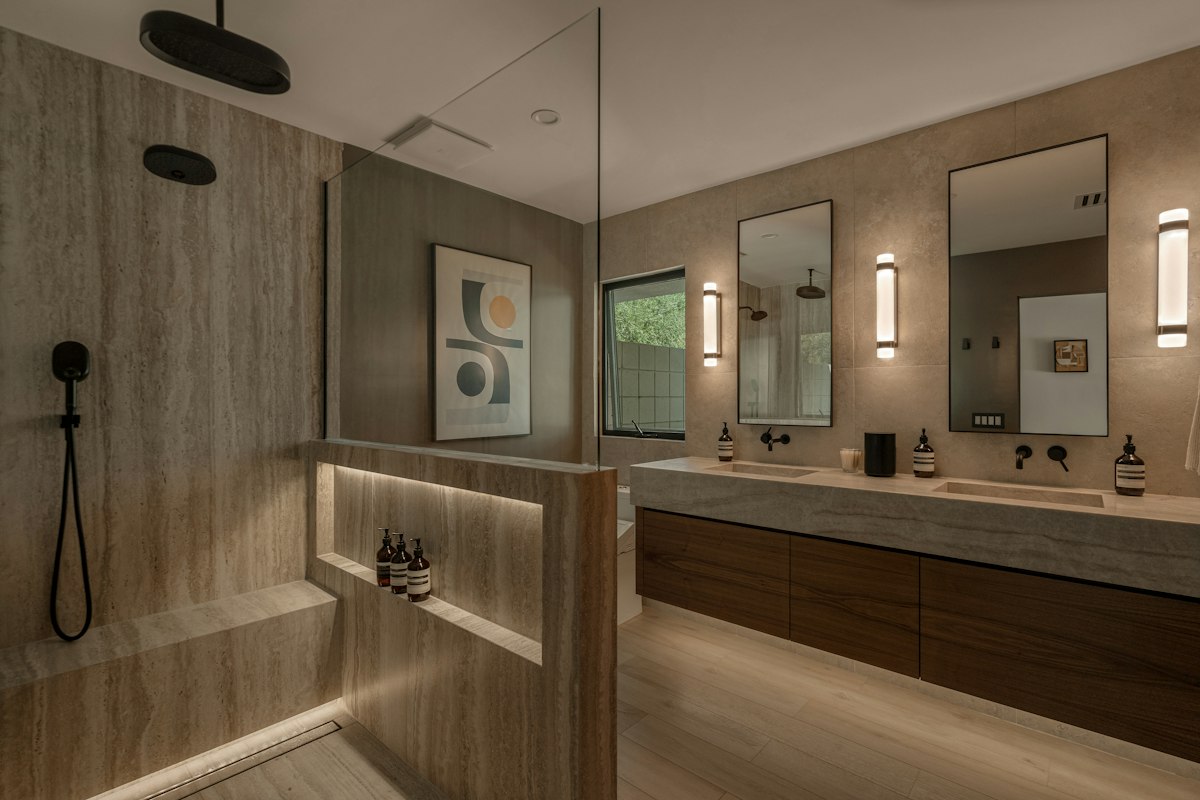
What a tub-to-shower conversion costs in 2026
| Project | Typical cost |
|---|---|
| Replace tub with a prefab shower stall | $1,000 to $8,000 |
| Convert tub to a custom walk-in shower | $3,500 to $15,000 |
| New walk-in shower (full install) | $4,000 to $20,000, about $12,000 typical |
| Walk-in tub instead of a shower | About $4,600 for a standard model, with a wide range |
Ranges come from HomeGuide and This Old House 2026 cost guides. Your local labor rates and plumbing will move the number most.
What drives the price up
- Moving the drain or valve: relocating plumbing adds cost fast.
- Curbless (zero-threshold) entry: the floor often has to be recessed or sloped, which means more labor.
- Tile vs. acrylic: tiled walls look custom but cost more than one-piece acrylic or solid-surface panels.
- Hidden damage: rot or mold behind an old tub is common in older homes. Ask how the contractor prices surprises.
Safety features worth paying for
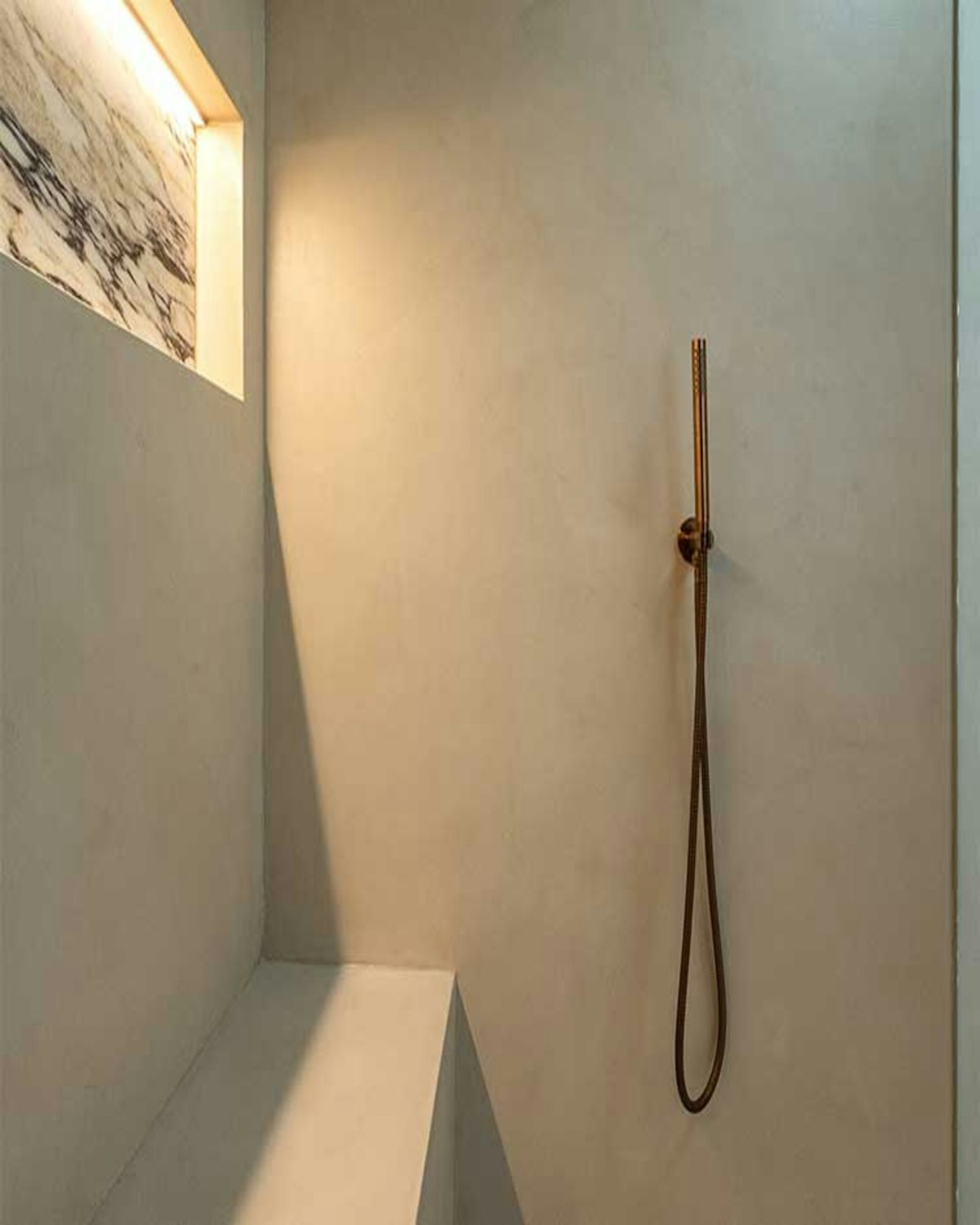
- Low or no threshold: a curb of 2 inches or less, or none at all, so you can walk or roll in.
- Grab bars: anchored into studs or blocking, near the entry and on the long wall. Ask for blocking behind the walls even where you do not want bars yet.
- Built-in or fold-down bench: lets you sit to wash and shave.
- Handheld shower on a slide bar: easier to use seated and to clean the shower.
- Slip-resistant floor: smaller tiles with more grout lines or textured surfaces give better grip.
- Anti-scald valve: a pressure-balancing or thermostatic valve prevents sudden temperature spikes.
- Controls near the entry: so you can start the water without stepping under a cold stream.
- Good lighting: a waterproof light over the shower and a night light on the path in.
How to pay for it
- Medicare: Original Medicare generally does not pay for home remodeling. Some Medicare Advantage plans include limited home-safety benefits, so call your plan.
- Veterans: the VA offers home-modification grants for eligible veterans with service-connected disabilities. Ask your VA social worker.
- Medicaid waivers and state programs: many states fund home modifications to help people stay at home. Your local Area Agency on Aging can point you to them.
- Taxes: if a doctor recommends the change for a medical condition, part of the cost may count as a medical expense. Ask a tax professional.
- Financing: many bath companies offer payment plans, but compare the interest rate with a home equity line or personal loan before you sign.
How to get a fair quote
- Get three written quotes that list materials, threshold height, grab bars, valve type and who pulls the permit.
- Check licenses and insurance with your state’s contractor board.
- Ask about aging-in-place experience. A Certified Aging-in-Place Specialist (CAPS) designation is a plus.
- Avoid same-day pressure. “Sign today” discounts are a red flag. A good contractor will hold a price for a reasonable time.
- Never pay most of the job up front. Tie payments to milestones, with the final payment after inspection.
A quote-matching service can save phone calls. Get Local Contractors connects you with bathroom remodelers in your area so you can compare prices. If you are also replacing slippery floors elsewhere in the house, it has a separate flooring quote service.
Frequently asked questions
Is a walk-in shower better than a walk-in tub for seniors?
For most people, yes. With a walk-in shower you never sit waiting for a tub to fill or drain, and it works with a shower chair or wheelchair. A walk-in tub suits people who want to soak for joint or muscle comfort.
How long does a tub-to-shower conversion take?
A prefab conversion can take a day or two. A custom tiled shower usually takes one to three weeks, depending on drying times and inspections.
Will removing the only tub hurt resale value?
It can matter to buyers with young children if it is the only tub in the house. If you plan to stay for years, safety usually outweighs that concern.
Does Medicare cover a walk-in shower?
Original Medicare generally does not. Check your Medicare Advantage plan, Medicaid waiver programs and veterans’ benefits.
Cost ranges are national estimates from published 2026 cost guides and can vary widely by region.
Get guides like this in your inbox
Medicare changes, money tips, health guides and deals for adults 55+. Free, from Senior Affair Magazine.
Free. Unsubscribe anytime. Privacy policy.