

Quick answer
The right mobility aid depends on how much support you need. A cane helps with mild balance problems, a standard walker gives the most stability, and a rollator suits people who can walk farther but need rests. Medicare Part B covers walkers and rollators as durable medical equipment when a doctor prescribes one, and you usually pay 20% after the Part B deductible if the supplier accepts assignment.
Mobility aids at a glance
| Aid | Best for | Watch for |
|---|---|---|
| Cane | Mild balance issues, one weaker side | Must be sized to wrist height |
| Standard walker | Maximum support, recovery after surgery | Slower; you lift it each step |
| Rollator (wheeled walker) | Longer walks with rest breaks | Needs good hand strength for brakes |
| Transport chair | Trips where someone else pushes | Not self-propelled |
| Bed and bath aids | Getting in and out safely at home | Check weight ratings |
Last reviewed October 27, 2026 by Greg Wilson. Sources: Medicare.gov, walkers. Partner links may earn SeniorAffair a commission.
Losing a little steadiness is common with age, and the right aid can keep you walking, shopping and getting around the house with confidence. The wrong one, or one that is set to the wrong height, can make falls more likely. This guide explains each type, who it suits and how to pay for it.
Canes: light support for mild balance problems
A single-point cane takes some weight off a sore knee or hip and gives you a third point of contact. Quad canes have a small four-footed base and stand up on their own, which helps if you need a little more stability. Hold the cane in the hand opposite your weaker leg.
To size a cane, stand straight with your arms at your sides. The top of the handle should line up with the crease of your wrist. Most adjustable canes change height in one-inch steps.
Standard walkers: the most stable option
A standard walker has four rubber-tipped legs and no wheels. You lift it, set it down and step into it. That makes it slower, but it gives the most support, which is why hospitals often send people home with one after hip or knee surgery. Two-wheeled walkers have wheels on the front legs, so you can push them forward while the back legs still give friction.
Rollators: for walking farther
A rollator has three or four wheels, hand brakes and usually a seat, so you can sit when you get tired. It suits people who can walk a fair distance but need breaks and some balance support. Because the wheels roll freely, you need enough hand strength to work the brakes. Check the weight rating, the seat height and whether it folds small enough for your car trunk.
If you are a larger person, look for a bariatric rollator with a higher weight rating. Our guide to rollator walkers for heavy people covers those models.
Transport chairs and wheelchairs
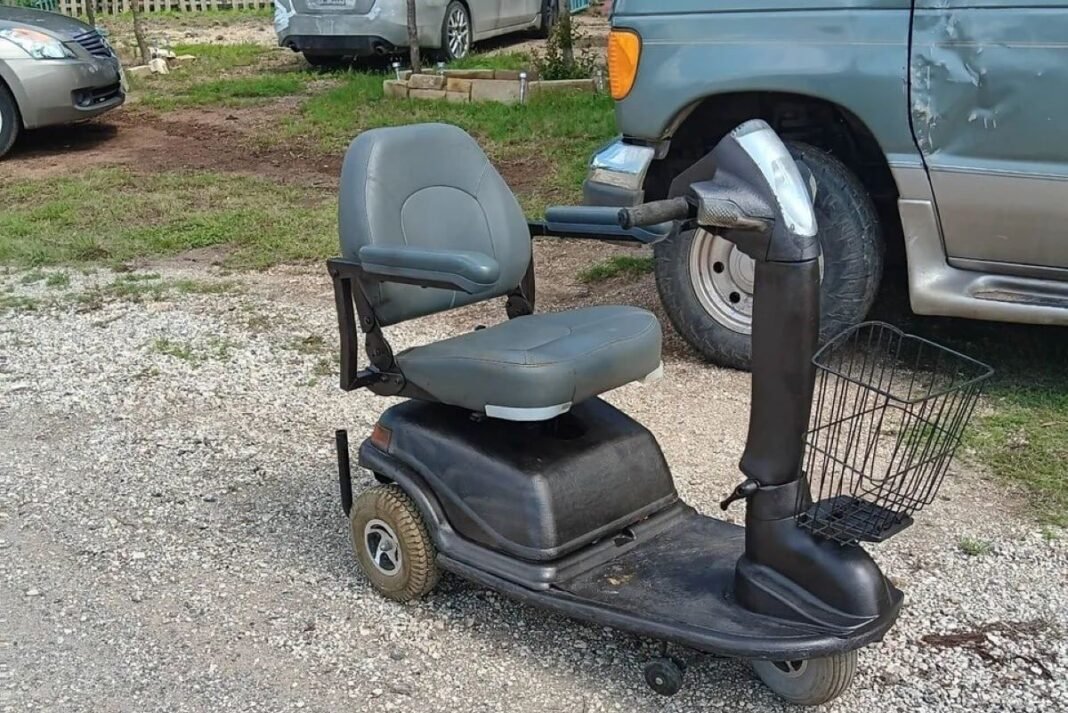
Transport chairs are light, folding chairs with small wheels that a companion pushes. They are handy for doctor visits, airports and outings. A standard wheelchair has large rear wheels so the user can move it alone. Power wheelchairs and scooters are a bigger purchase and usually need a mobility evaluation.
Aids that prevent falls at home
Many falls happen getting out of bed or the bathtub, not while walking. A bed step with a handrail, non-slip grip socks, grab bars and a shower chair are low-cost ways to cut that risk. Our walk-in tub and bathroom safety guide covers the bathroom in detail.
Shop mobility aids
These partners sell walkers, rollators, transport chairs and home safety aids.
Mobility MartCarewellStep2Health bed stepsMFI Medical
Partner link: SeniorAffair may earn a commission if you buy, at no extra cost to you.
Does Medicare cover walkers and rollators?
Yes. Medicare Part B covers walkers, including rollators, as durable medical equipment when your doctor or other provider prescribes one for use in your home. After you meet the Part B deductible, you generally pay 20% of the Medicare-approved amount, as long as the supplier accepts assignment.
Two rules trip people up. Medicare only pays if the supplier is enrolled in Medicare, and a supplier that does not accept assignment can charge you more. Ask both questions before you order. Many online stores sell mobility aids for cash only; that can still be cheaper for a basic cane or walker, but keep the receipt in case your plan reimburses part of it. Medicare Advantage plans must cover what Original Medicare covers, but they may require you to use in-network suppliers.
How to choose
- Start with your doctor or a physical therapist. They can watch you walk and recommend the right type.
- Size it correctly. Handles should sit at wrist height with your arms relaxed.
- Check the weight rating and, for rollators, the seat height and brakes.
- Think about storage and travel. A folding model that fits your car matters if you drive.
- Replace worn rubber tips and check brakes regularly.
Frequently asked questions
Is a walker or a rollator better for seniors?
A standard walker is better if you need maximum support or are recovering from surgery. A rollator is better if you can walk well but need rest breaks and a little balance help.
Can I buy a walker without a prescription?
Yes. You can buy one from any store. You only need a prescription if you want Medicare or other insurance to help pay.
How often will Medicare replace a walker?
Medicare generally expects equipment to last at least five years. It can pay for repairs and may replace equipment that is lost, stolen or damaged beyond repair. Check with your supplier before you buy a new one.
Part of our Senior Tech and Safety Guide. Phones and plans, medical alerts, home safety, mobility aids and hearing technology, all in one place. See the full guide →
Get guides like this in your inbox
Medicare changes, money tips, health guides and deals for adults 55+. Free, from Senior Affair Magazine.
Free. Unsubscribe anytime. Privacy policy.