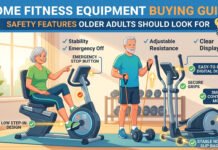

If you’ve started shopping for a recumbent bike, NordicTrack’s current lineup has simplified things: the 10 Recumbent Bike is their standalone recumbent model, and it’s built to appeal to exactly the kind of rider who wants a comfortable, low-impact way to stay active at home. We went through the full spec sheet, the seat design, the resistance system, and the iFIT features with one question in mind: does this actually make sense for someone over 55?
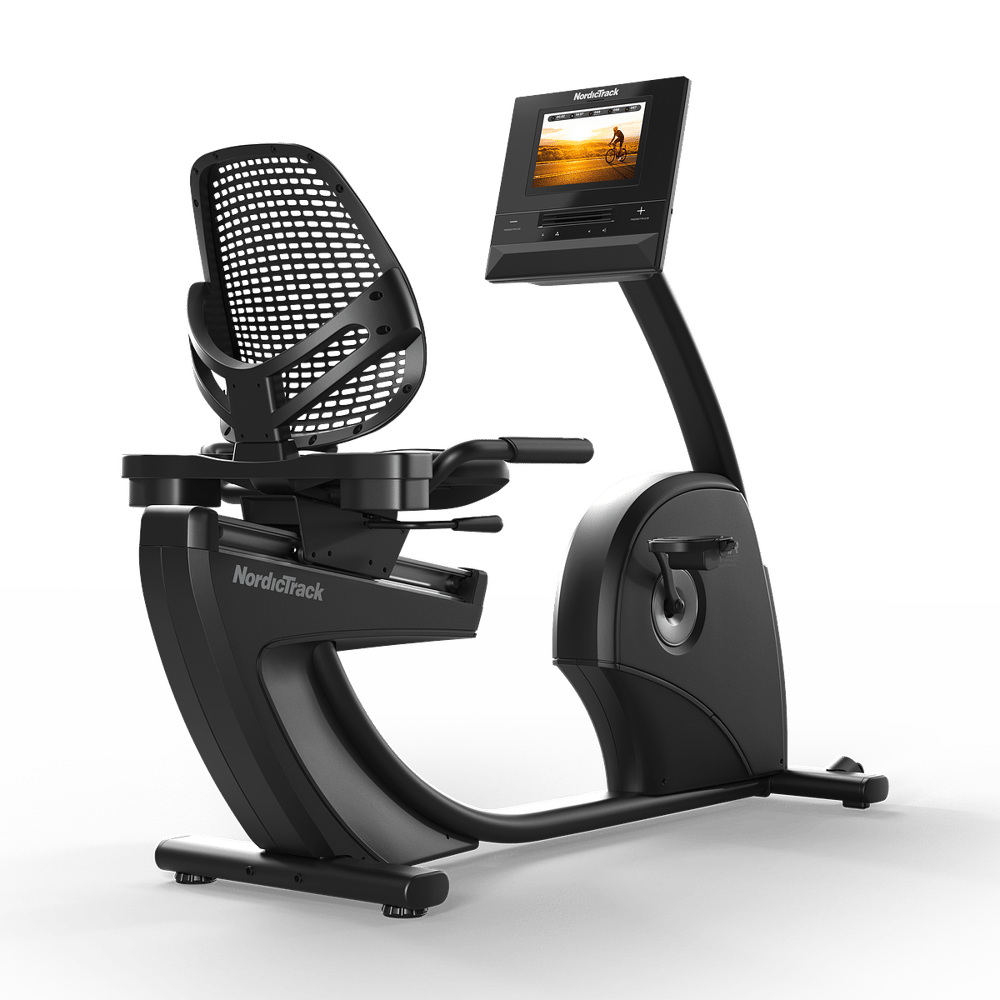
NordicTrack 10 Recumbent Bike (NTEX14925)
- Touchscreen 10″ HD tilting display
- Resistance: 26 levels, Silent Magnetic
(SMR) - Seat: Adjustable, cushioned, lumbar support
- Pedals, wide, adjustable straps
- Footprint: 67.2″L x 23.3″W x 51.9″H
- Weight capacity: 350 lbs
- In-box weight: 186 lbs
- Warranty: 10-year frame, 2-year parts, 1-year
tablet/labor
Comfort and Seating: Where It Matters Most
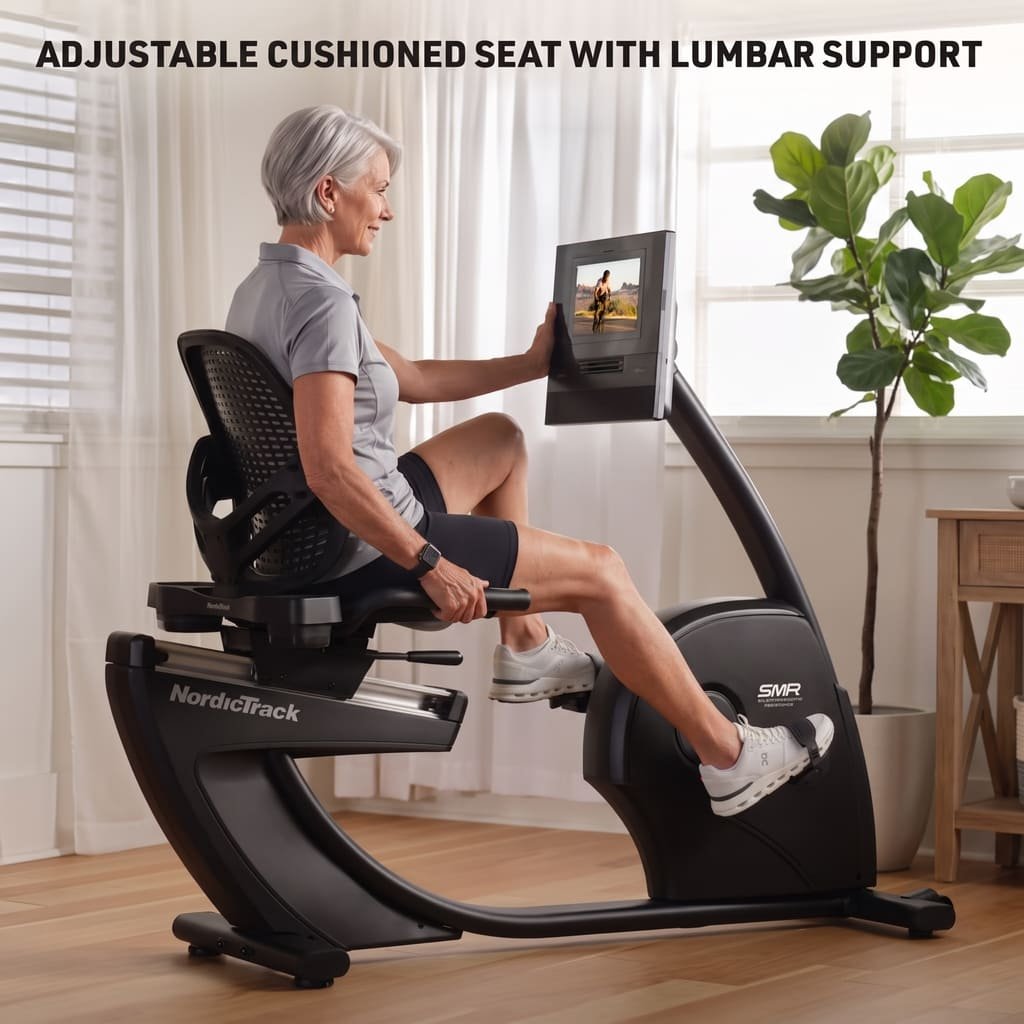
The seat is the single biggest factor in whether a recumbent bike actually gets used, and it’s where the 10 Recumbent Bikes earn its recommendation. The cushioned seat adjusts to fit your leg length and includes real lumbar support, which keeps pressure off the lower back rather than the more upright posture you’d get on a cheaper bike. Combined with the step-through frame—which sits low enough that you essentially walk into the seat rather than swinging a leg over anything—getting on and off is genuinely easy, even on days when your knees or hips are stiffer than usual.
Resistance and Ride Feel
Resistance runs across 26 levels using NordicTrack’s Silent Magnetic Resistance (SMR) system, which means no chain noise and a smooth, consistent pedal feel from the lightest setting up. That range matters more than people expect: a bike that only offers 8 or 10 resistance levels often has a noticeable jump between settings, which can be uncomfortable on sensitive knees. With 26 levels, you can nudge intensity up in small, forgiving increments as your stamina improves over weeks and months, and the resistance and volume controls are built right into the handles, so you’re never fumbling for a button mid-ride.
- Step-through frame, genuinely easy to mount and dismount
- Adjustable, cushioned seat with real lumbar support
- 26 resistance levels, quiet silent magnetic resistance
- Handle-integrated resistance and volume controls
- Financing available, HSA/FSA eligible
- No power incline (elliptical territory if you want that)
- iFIT Pro subscription required for full smart features
- 186 lbs assembled—plan for help moving it into place
See today’s price and financing on the 10 Recumbent Bike
The Touchscreen and iFIT Experience
The 10″ HD touchscreen tilts for a comfortable viewing angle and is large enough to read without straining your eyes. It runs iFIT, giving you access to more than 10,000 trainer-led workouts, including low-impact and recovery-focused programming. SmartAdjust intelligently adapts resistance to your fitness
level based on adjustments you make during your own workouts, and Follow Trainer automatically matches your bike’s resistance to your instructor’s pace, so you’re not reaching for buttons mid-class. There’s also a beta AI Coach feature that schedules workouts and keeps you accountable from your phone, plus
streaming service support so you can watch your own shows on the screen if you’d rather skip guided classes entirely. You can also ignore all of that and just pedal in manual mode while watching your own TV—the bike works fully without a subscription.
Built-In Comfort Extras
A few smaller details add up over a long ride. An AutoBreeze fan automatically adjusts its intensity to match your effort, which is genuinely useful once you’re 15-20 minutes into a session. There’s a USB-C charging port and Bluetooth headphone connectivity so you can listen to your own audio without cables, plus two built-in speakers with decent audio quality if you’d rather skip headphones altogether. The wide pedals with adjustable straps keep your feet secure throughout the ride, which matters if you have any reduced sensation in your feet.
How It Compares on Price
| What You Get | Detail |
|---|---|
| Price | $1,599.99 (list $1,799.99), or $67/mo at 0% APR for 24 months |
| Shipping | Free standard delivery, up to $249 value |
| Trial period | 30 days in-home, full refund minus return shipping |
| Warranty | 10-year frame, 2-year parts, 1-year tablet, and labor |
| Payment options | Pay in full, 0% APR financing, or HSA/FSA funds |
What Real Users Over 55 Say Matters Most
Talking to older adults who’ve owned recumbent bikes for six months or more, a few themes come up again and again. The seat comfort matters far more than any spec sheet suggests—several people specifically mentioned that a well-padded, supportive seat was the difference between using the bike daily and letting it become a clothes rack. The quietness of the SMR resistance system also comes up often, since it means you can pedal early in the morning or during a phone call without disturbing anyone else in the house.
The other recurring theme is how much the iFIT trial actually gets used at first and how many people eventually switch to manual mode after a few months—which is worth knowing if you’re deciding whether the ongoing subscription cost is necessary for you personally.
Compare today’s deals on the 10 Recumbent Bikes.
How This Compares to Other Recumbent Bike Brands
It’s worth understanding where NordicTrack sits relative to competitors before committing, since price alone doesn’t tell the whole story. Budget recumbent bikes from lesser-known brands often cut costs in ways that matter most to older users specifically: narrower seats without lumbar support, fewer resistance levels with bigger jumps between them, and dim, small consoles with tiny text. They may look similar in a product photo, but the day-to-day experience of getting on, adjusting resistance, and reading your stats tends to be noticeably rougher.
Mid-range competitors from brands like Schwinn or Sunny Health & Fitness are reasonable options if budget is the primary concern, and some offer decent step-through frames. Where the 10 Recumbent Bikes tend to pull ahead is console quality, resistance range, and the depth of NordicTrack’s warranty—a
A 10-year frame warranty is considerably longer than what you’ll find on most sub-$1,000 recumbent bikes, which matters more the longer you use the machine.
Maintenance and Long-Term Ownership
Recumbent bikes are relatively low-maintenance compared to treadmills, since there’s no belt to replace and magnetic resistance systems have no physical contact points to wear down the way friction-based systems do. That said, a few habits extend the life of your machine and keep it running smoothly for years. Wipe down the seat and console after each use, particularly if you exercise in a warm room—sweat and moisture are the most common cause of premature wear on padding and electronics. Periodically check that all bolts remain tight, since normal use can gradually loosen hardware over months of regular pedaling.
The included warranty covers the frame for 10 years, with 2 years on parts and 1 year on the tablet and labor—worth confirming at the time of purchase, since promotions and warranty terms shift. If you do run into an issue, NordicTrack’s customer support can usually diagnose common problems (a console that won’t power on, resistance that won’t adjust) over the phone before recommending an in-home repair visit.
Assembly and Getting Started
The bike arrives partially assembled, typically requiring you to attach the seat, console mast, and pedals to a pre-built base frame. Most owners report assembly taking somewhere between 30 and 60 minutes with basic household tools, though having a second person around to help lift and hold pieces in place while bolting them together makes the process considerably easier and safer given the bike’s 186-lb assembled weight. NordicTrack includes printed instructions, and video walkthroughs are also available for those who prefer a visual guide.
Once assembled, take a few minutes to adjust the seat position for your leg length before your first ride—your knee should have a slight bend at the furthest point of the pedal stroke, not be fully locked out or overly bent. This single adjustment does more for comfort and joint safety than almost anything else you’ll configure on the machine, and it’s worth rechecking if more than one person in the household uses the same bike.
What to Expect in the First Few Sessions
Your first few rides will likely feel easier than you expect at the lowest resistance settings, and that’s by design—the wide resistance range exists precisely so beginners have room to start gently. Don’t be discouraged if 10 minutes feels almost too easy at first; that’s a reasonable starting point that lets your body adapt without excessive soreness. Pay attention to how your lower back and hips feel both during and the day after a ride, since that feedback is more useful than the resistance number itself for gauging whether you’re progressing at the right pace.
Most riders find that by the second week, the seat and pedaling motion feel noticeably more natural, and it’s common to want to increase resistance or duration around this point. Resist the urge to jump too far too fast—small, steady increases sustained over months build genuine fitness far more reliably than an aggressive ramp-up that risks discomfort or burnout in the first few weeks.
Who Should Skip This Bike Entirely
Even a well-designed recumbent bike isn’t the right fit for everyone. If you have significant difficulty bending your hips or knees to a seated pedaling position, or if you’re managing an acute injury that hasn’t yet been evaluated by a doctor, it’s worth getting clearance before starting any new equipment-based routine, regardless of how gentle the marketing claims it to be. Similarly, anyone with severe balance issues that make even seated transfers difficult should consider whether a stationary recumbent step or chair-based exercise program might be a more appropriate starting point, introducing a recumbent bike later once mobility improves.
For the vast majority of older adults without these specific concerns, though, the 10 Recumbent Bike represents a genuinely low-risk, high-benefit way to build cardiovascular fitness, with a comfortable seat and a resistance range that will keep pace with your progress for years.
Frequently Asked Questions
Is the NordicTrack 10 Recumbent Bike good for beginners over 55?
Yes. Its 26 resistance levels allow very gradual progression, and its step-through frame is genuinely easy to get on and off, even for someone new to structured exercise.
Does the 10 Recumbent Bike require an iFIT subscription?
No. It works fully in manual mode without any subscription. iFIT adds guided classes and automatic resistance changes but isn’t required for basic operation.
How noisy is the NordicTrack 10 Recumbent Bike?
It uses Silent Magnetic Resistance, which is notably quiet compared to older chain-driven bikes—most users can
comfortably watch TV or talk on the phone while pedaling.
What’s the weight capacity of the 10 Recumbent Bike?
350 pounds, on a wide, low-profile frame designed to minimize wobble.
How much does the 10 Recumbent Bike cost?
At the time of writing, it’s priced around $1,599.99 (list $1,799.99), or $67/month with 0% APR financing over 24 months. Pricing changes with NordicTrack’s regular promotions.
If you’re looking for the gentlest, most comfortable way to build a consistent cardio habit at home, the 10 Recumbent Bike delivers a genuinely low-risk, joint-friendly option that can serve you well for years with reasonable care.
accurate as of publication and subject to change—click through for current pricing.