

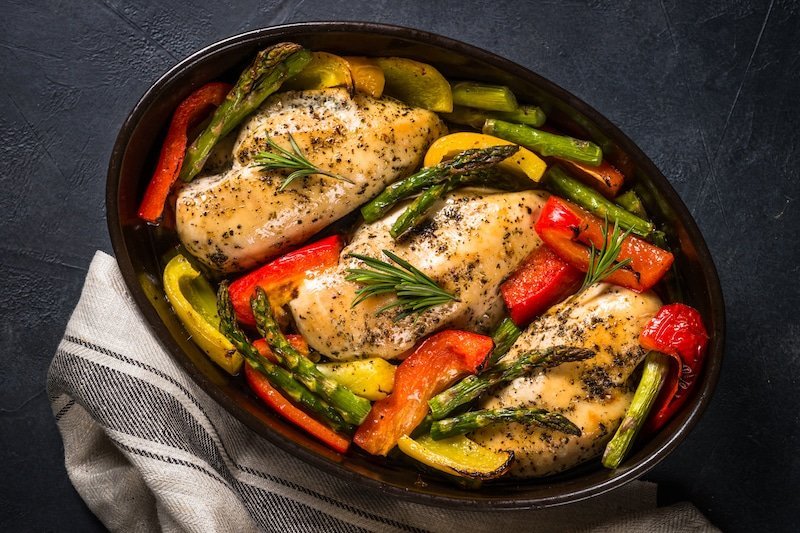
Healthy eating after 60 means building most meals around protein, vegetables, fruit, whole grains, calcium-rich foods and unsaturated fats, while staying hydrated. Needs shift with age: many older adults need fewer calories but the same or more of key nutrients, so nutrient-dense choices matter. Simple planning, batch cooking and smart shopping make it easier, even when appetite, budget or mobility changes. If you have a chronic condition or take several medications, ask your doctor or a registered dietitian for advice that fits you.
What to put on your plate
Protein
Protein helps maintain muscle and strength. Good sources include fish, chicken, eggs, Greek yogurt, cottage cheese, beans, lentils, tofu, nuts and peanut butter. Try to include some at every meal rather than one large serving at dinner.
Fruits and vegetables
Aim for a variety of colors. Frozen and canned (low-sodium, no added sugar) options are just as useful as fresh and keep longer.
Whole grains
Oats, brown rice, whole-wheat bread, barley and quinoa add fiber, which supports digestion and heart health.
Calcium-rich foods and alternatives
Milk, yogurt and cheese are common sources. Alternatives include calcium-fortified soy or almond milk, canned salmon or sardines with bones, tofu made with calcium, and leafy greens such as kale and collards. Calcium needs rise after 50 for women and after 70 for men.
Unsaturated fats
Choose olive or canola oil, nuts, seeds, avocado and fatty fish more often than butter, fatty meats and fried foods.
Nutrient-dense choices
When appetite is smaller, every bite counts. Nutrient-dense foods give more vitamins, minerals and protein per calorie, such as eggs, beans, yogurt, vegetables and fish. Many older adults absorb less vitamin B12, so ask your doctor whether testing or fortified foods make sense.
Easy meal ideas for older adults
| Meal | Ideas |
|---|---|
| Breakfast | Oatmeal with berries and nuts; eggs with whole-grain toast; Greek yogurt with fruit |
| Lunch | Bean and vegetable soup; tuna salad on whole-grain bread; leftover chicken with salad |
| Dinner | Sheet-pan salmon and vegetables; lentil chili; stir-fry with tofu and frozen vegetables |
| Snacks | Cheese and whole-grain crackers; apple with peanut butter; hummus and vegetables |
Batch cooking, leftovers and safe freezing
- Cook once, eat twice: make soups, stews, chili and casseroles in larger batches.
- Portion right away into single servings for easy reheating.
- Refrigerate leftovers within 2 hours and eat them within 3 to 4 days.
- Freeze for longer storage at 0°F; label containers with the date.
- Thaw safely in the refrigerator or microwave, not on the counter.
- Reheat leftovers until steaming hot (165°F).
Grocery budgeting and shopping strategies
- Plan meals for the week and shop with a list
- Buy store brands, frozen produce and canned beans and fish
- Use dried beans, lentils, oats and rice as low-cost staples
- Ask about senior discount days at your grocery store
- Check eligibility for SNAP, the Senior Farmers’ Market Nutrition Program and Older Americans Act meal programs such as home-delivered meals and community dining sites
- Consider grocery delivery or pickup if getting to the store is hard
Comparing delivery services? See which meal delivery service is cheapest.
Hydration
There is no single amount of water that’s right for everyone. Fluid needs depend on your size, activity, the weather and your health. Some people with heart or kidney conditions are told to limit fluids, so follow your doctor’s advice. Helpful habits include drinking with meals and medications, keeping water nearby, and counting soups, milk, fruit and vegetables toward your intake.
Food safety matters more with age
Older adults are more likely to get seriously ill from foodborne infections.
- Wash hands, surfaces and produce
- Keep raw meat separate from ready-to-eat foods
- Cook meat, poultry and eggs thoroughly; use a food thermometer
- Avoid raw sprouts, unpasteurized milk and juice, and undercooked eggs and meat
- Check your refrigerator is at 40°F or below
When eating is harder
- Low appetite: eat smaller meals more often, add healthy fats and protein, and eat with others when possible
- Chewing problems: try softer foods such as eggs, fish, beans, yogurt, cooked vegetables and smoothies, and see a dentist about loose or painful teeth or dentures
- Swallowing problems: coughing or choking while eating needs a doctor’s evaluation, as a speech-language pathologist may recommend texture changes
- Limited mobility: use pre-cut produce, a slow cooker or microwave meals you prepare in advance, or meal delivery programs
An example one-day menu
This is one illustrative example, not a dietary prescription. Portions and foods should be adjusted for your health, medications, preferences and doctor’s advice.
- Breakfast: oatmeal with blueberries, walnuts and a glass of milk or fortified soy milk
- Snack: Greek yogurt
- Lunch: lentil and vegetable soup with a whole-grain roll
- Snack: apple slices with peanut butter
- Dinner: baked salmon, roasted broccoli and brown rice with olive oil
- Throughout the day: water, herbal tea or other fluids as advised
When to see a doctor or registered dietitian
Talk with a professional if you have unplanned weight loss, a poor appetite that lasts, trouble chewing or swallowing, or a condition such as diabetes, kidney disease, heart disease or osteoporosis. Medications can also affect appetite and nutrient needs. Medicare Part B covers medical nutrition therapy with a registered dietitian for people with diabetes or kidney disease when referred by a doctor.
Frequently asked questions
What should older adults eat every day?
A mix of protein foods, vegetables, fruit, whole grains, calcium-rich foods or alternatives, and healthy fats, along with fluids. Exact amounts depend on your health and activity.
What are easy meals for seniors?
Oatmeal with fruit, eggs and toast, bean soup, tuna salad, sheet-pan fish and vegetables, chili and stir-fries with frozen vegetables are all simple and nutritious.
How can seniors eat healthy on a budget?
Plan meals, buy frozen produce, canned fish and beans, and store brands, cook in batches, and check eligibility for SNAP and senior meal programs.
How much water should an older adult drink?
There’s no universal amount. Needs depend on body size, activity, weather and health conditions. Ask your doctor, especially if you have heart or kidney disease.
Keep reading: Healthy aging after 50: everyday habits | Which meal delivery service is cheapest?
- USDA and HHS, Dietary Guidelines for Americans (dietaryguidelines.gov)
- National Institute on Aging, Healthy eating after 50 (nia.nih.gov)
- FoodSafety.gov, Food safety for older adults and storage times
- Medicare.gov, Medical nutrition therapy services
This article is for general information and is not medical advice. Talk with your doctor before starting a new treatment, supplement, or exercise program.
Get guides like this in your inbox
Medicare changes, money tips, health guides and deals for adults 55+. Free, from Senior Affair Magazine.
Free. Unsubscribe anytime. Privacy policy.