

Home Blog Page 21

Alternative Arthritis Therapies Can Help to Manage It Better

0
arthritis in the hands

Alternative treatment options have been available for eons, but they’re becoming more popular with the science to support them. For example, you can treat all arthritis types effectively with natural therapies, including lowering uric acid levels in gout. 

These alternative options can treat the effects of arthritis and the pain that accompanies it. Some methods can improve your pain management enough to allow you to quit taking those medications, which have associated undesired side effects.

An Ocean of Alternative Freedom

From relaxing steam baths to special exercise classes that reduce inflammation and improve joint mobility, welcome to the therapeutic ocean that can free you from arthritis pain, stiffness, and western treatments. 

Hydrotherapy

Hydrotherapy has often been called the water cure for many disorders ranging from depression, problems with the stomach, nerve issues, stress, and insomnia. It includes steam baths, saunas, contrast therapy, foot baths, and colon cleanses. 

It’s also a validated form of physiotherapy and occupational therapy. Use varying temperatures to balance your health; this therapy is quite enjoyable.

Hippocrates was the first person to document the use of heated water in ancient Greece and practiced it in ancient Egypt and Rome. The ancients often enjoyed a steaming bath in bathing areas in movies. 

A study conducted by the University of Sydney in Australia and associates in Brazil measured the efficacy of hydrotherapy in osteoarthritis management. Participants benefited from reduced pain and increased mobility. 

What a nice leap forward for osteoarthritis, which comes with age, injury, or daily wear and tear on the joints. 


Stretching

According to Harvard Medical School, stretching every day can ease the pain of arthritis and improve your hindered mobility. The less your joints move, the more immobile they become, and they won’t reach full-motion anymore, which also causes the surrounding muscles to contract over time, making it even more challenging to be active. As a result, you can lose your equilibrium, making it difficult to walk without assistance.

Stretching is a low-impact method to reduce this degeneration of your joints, typically occurring with osteoarthritis and rheumatoid arthritis. You don’t need a host of stretches, but you must start stretching those muscles to prevent the contractions. 

There are three simple rules to keep in mind with stretches:

  1. Relax your joints before stretching with a hot bath or shower, which acts as a warm-up so that you don’t strain your muscles. 
  2. Never push through pain; choose a time of day when your joints are most relaxed. 
  3. Expect discomfort from the stretches, but be careful of pain. 
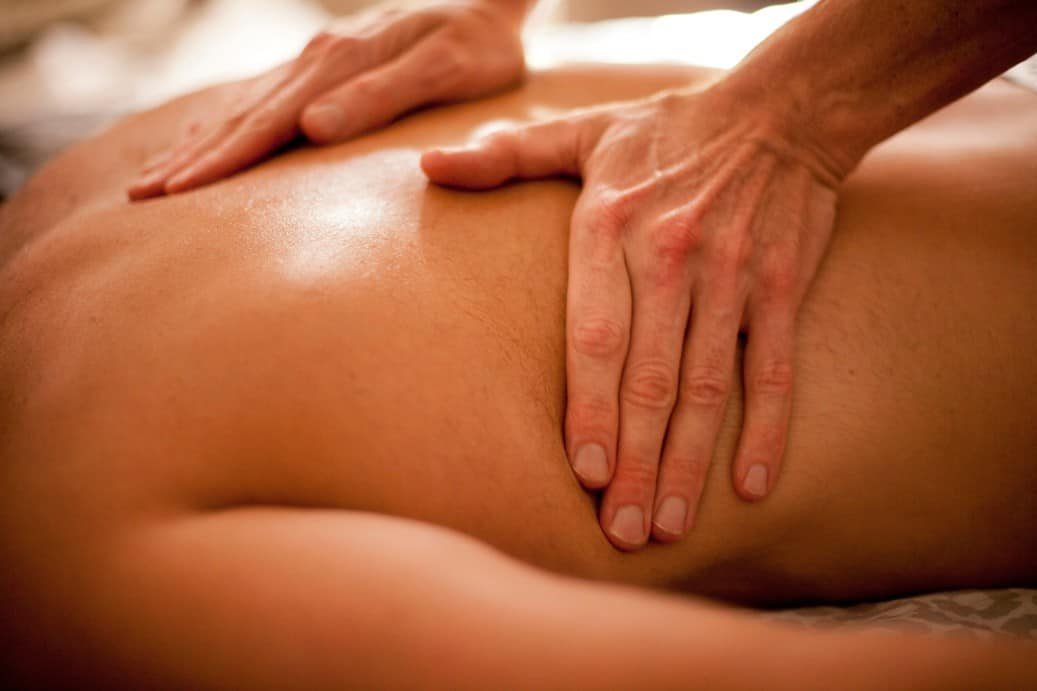
spa time relaxing and soothing massage hands of a professional massage therapist young shirtless t20 eoKvLo

Massage Therapy

Rheumatoid arthritis often leaves you with less mobility and daily functionality in your hands. It’s an inflammatory disorder stimulated by autoimmune dysfunction, and it’s also painful.

A study by the Humber College in Ontario, Canada, focused on how massage therapy can help rheumatoid arthritis in the upper limbs. Participants were given a 60-minute rehabilitative massage over five weeks. 

The results from rehabilitative massage therapy and the results spoke for themselves. Patients significantly reduced pain and improved the use of their hands. 

Acupuncture

Another alternative for rheumatoid arthritis is acupuncture, an ancient Chinese method where practitioners insert thin needles into the inflamed tissue between the bones to relieve pain. 

The Hindawi Medical Journal published a recent review of the efficiency of acupuncture, and 43 studies confirmed that acupuncture helps relieve pain and inflammation. 

Yoga

Yoga releases bloodstream elements that promote better physical and mental health. You can use them as another alternative treatment for rheumatoid arthritis, gout, and osteoarthritis. Stretching the muscles will increase mobility. 

Feeding your brain this way will also give you peace of mind and naturally reduce pain. Moreover, oxygen saturation will increase, leading to vital nutrients traveling to various organs and joints to reduce inflammation. 

Please speak to your instructor, and let them know you have arthritis. Warm-ups are essential; you must never practice them during painful or stiff bouts. Flow yoga might be the best option for you to consider. 

tai chi martial arts

Tai Chi

Tai Chi is a gentle form of martial arts that allows you to use low-impact movements to improve breathing and relaxation. It also works wonders for rheumatoid arthritis, increasing mobility and improving pain management. 

Conclusion

Arthritis doesn’t mean that you need to give up on yourself. It’s a condition that can be managed properly, and there isn’t always a need for drastic measurements. It’s an obstacle, but you can overcome it.

What Are the Side Effects of Your Arthritis Medications?

0
What Are the Side Effects of Your Arthritis Medications

Modern medicine has made many strides in the last century but sometimes at the cost to your body, immune system, and gut microbiome. It can often be like medicine takes one step forward and two steps back. 

Many medications provide tremendous benefits to patients, but multiple unwanted side effects exist. Everyone should have the use of weighing the pros and cons before taking medicine without paying proper attention. 

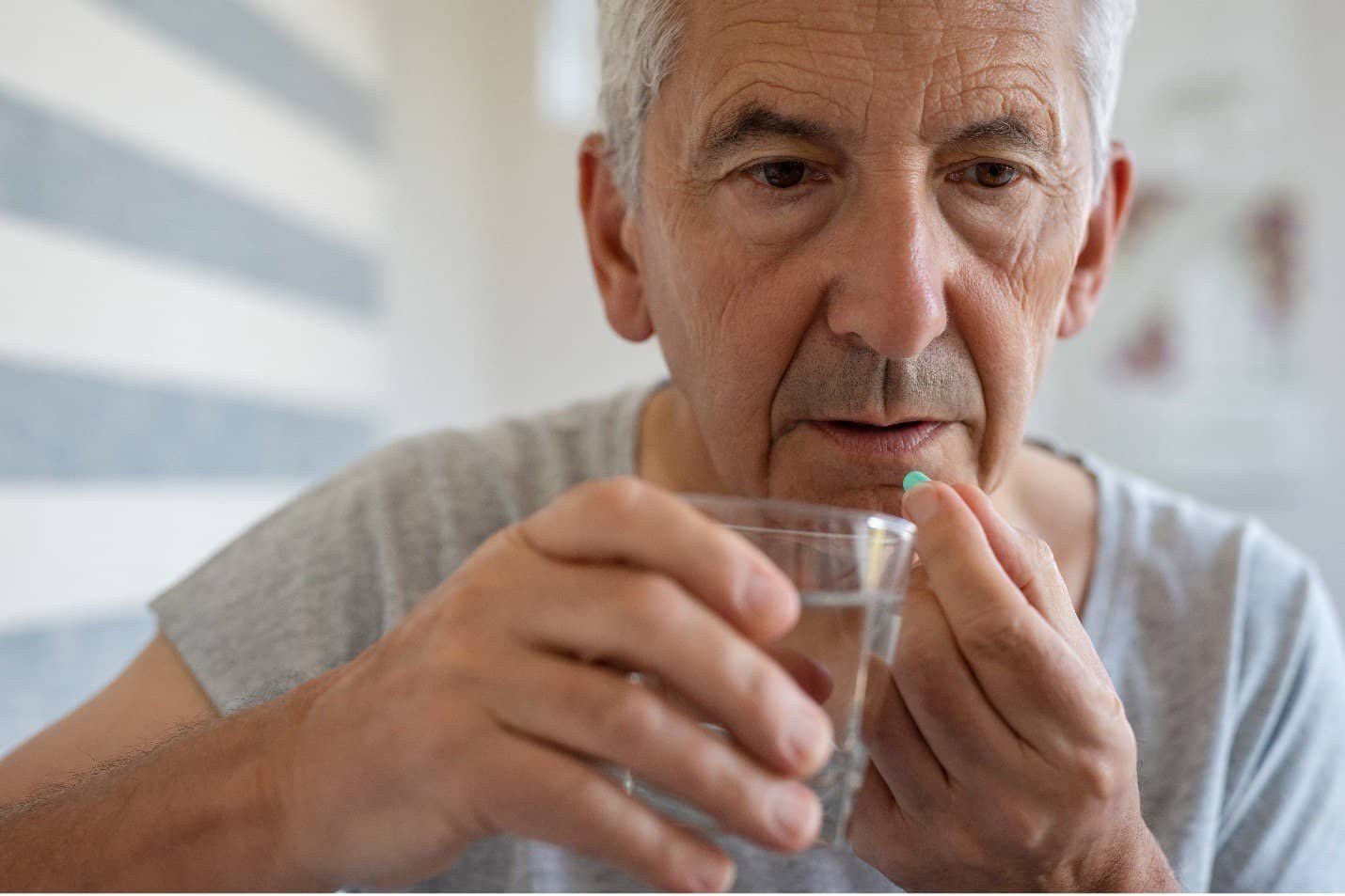
Often, the medications line the medicine cabinet, looking like a candy store, containing every color and shape under the sun. The older you get, the more colorful your cabinet becomes. 

Arthritis adds to this collection, and you need to know what effect each medication has to determine whether you would prefer to consider adding natural treatments to your arthritis management. 

Typical Medications Used for Arthritis 

The medication you use will depend on the severity and type of arthritis being treated. Still, chances are that you’re using one of these prescriptions if you have rheumatoid arthritis, gout, or osteoarthritis, the three most common types. 


Rheumatoid Arthritis (RA) Medications

Rheumatoid arthritis is brought on when the immune system attacks the joints in your body, and there are common medications prescribed for it. 

Arava

This drug is called Leflunomide, which is used to suppress the hyperactive immune system that occurs in autoimmune disorders. Side effects can include:

  • Diarrhea 
  • Digestive problems
  • Gut microbiome imbalances
  • Headaches
  • Rash
  • Nausea
  • Liver problems

The fact that this drug negatively affects the liver’s abilities is quite concerning since the liver is instrumental in maintaining a well-functioning immune system. 

Trexall

Also called Methotrexate, this drug is a chemotherapy agent that also suppresses the immune system. Side effects could cause:

  • Loss of appetite
  • Red eyes
  • Hair loss
  • Headaches
  • Dizziness
  • Drowsiness
  • Swollen and tender gums

Yes, it can have the same side effects as other chemotherapy agents. 

trexall 1

Azulfidine

Also known as Sulfasalazine, this drug recreates the balance in your immune system and is the most commonly utilized drug initially. However, adverse side effects are present in 25% of patients. Some side effects might include:

  • Migraines
  • Indigestion
  • Nausea
  • Mild allergic reactions
  • Fever
  • Itchiness
  • Metallic taste 

Minocin

Also called Minocycline, which, although treatment for RA, is most often used for other problems, acts to kill bacteria but can have adverse effects if not used with probiotics to restore the gut flora. Some side effects might include:

  • Gastrointestinal problems
  • Lightheadedness
  • Vertigo
  • Loss of balance
  • Nausea
  • Vomiting
Minocin 1

Osteoarthritis Medications

Osteoarthritis is when old injuries become painfully inflamed joints, or the wear and tear that comes with aging has taken its toll. There are common drugs prescribed for this type too. 

Celebrex

Also known as Celecoxib, this drug inhibits inflammation and is a nonsteroidal anti-inflammatory (NSAID). Side effects include:

  • Heartburn
  • Nausea
  • Stomach cramps
  • Vomiting
  • Dizziness

This drug has been at risk of being discontinued due to its association with heart diseases.

Feldene

This drug is also called Piroxicam, and it’s another NSAID. Side effects might include:

  • Bladder and kidney problems
  • Digestive issues
  • Itching or rash
  • Dizziness
  • Migraines
  • Tinnitus (ringing in the ears)

Ketoprofen ER

This is an over-the-counter (OTC) drug known as Oruvis, Oruvail, and Actron. It’s another NSAID that also reduces fever and pain. Side effects can include:

  • Loss of appetite
  • Dizziness
  • Drowsiness
  • Migraines
  • Constipation

daypro 1

Daypro

Also called Oxaprozin, this drug is an NSAID that has the effect of promoting propionic acid, which alters gut bacteria. Side effects include:

  • Digestive problems
  • Heartburn
  • Drowsiness
  • Migraines

These are a handful of the medications you could use for osteoarthritis. It’s recommended to read the insert to know your risk factors. Feel free to discuss the potential side effects with your physician too. 

It’s not recommended that you take medication without understanding its effects. 

Gout Medications

Gout is mainly controlled through lifestyle choices, but some prescriptions can be given too. Most of the medications you’ll use for gout are OTC. 

Probalan

Also called Probenecid, this prescription is only issued to patients who suffer more than two flares per year. It increases the excretion of uric acid, but the side effects might include:

  • Tender gums
  • Frequent urination
  • Nausea
  • Dizziness
  • Vomiting
  • Migraines
  • Loss of appetite

According to the American Kidney Fund, this medication must not be taken if you have chronic kidney disease (CKD) or suffer from kidney stones. However, it can cause further damage to your kidneys, which are already struggling to function normally. 

Allopurinol

Also known as Zyloprim, this drug suppresses uric acid and prevents kidney stones. No medicine comes without a few cons, though, so you might experience:

  • Rash
  • Diarrhea
  • Nausea
  • Decreased liver function
  • Worsening gout

Yes, you read the last one correctly. Allopurinol is a maintenance gout treatment, but using it during an acute and severe flare can cause worsening gout symptoms. Make sure to avoid this drug during gout attacks. 

Prednisone

Also called Cortisone, this drug is a steroid that suppresses the immune system to combat inflammation. Since it suppresses the immune system, you are more susceptible to infections, thus increasing your risk for autoimmune disease.

Long-term usage is not recommended. Other side effects may include:

  • Restlessness
  • Insomnia
  • Weight gain
  • Migraines
  • Digestive troubles

Colchicine

This is the most commonly recommended OTC drug to combat gout. It’s a milder option to treat gout flares temporarily, but it can upset the gut flora, leaving you with digestive problems and poor gut health. It isn’t an NSAID or steroid.

OTC NSAIDs 1

OTC NSAIDs

Other NSAIDs you can get OTC are Ibuprofen, Aleve, Tylenol, and Advil. They aren’t as effective but offer fewer side effects than prescribed options. 

Conclusion

Remember that only doctors should prescribe long-term arthritis medications, but now, you can discuss their potential complications. Patients who suffer from advanced-stage arthritis likely need medications. 

Yes, it’s a good idea for any patient with mild symptoms or early-onset arthritis to consider natural methods of management, especially nutritional changes. 

Natural Arthritis Remedies: 5 Ways to Manage Pain Without Medication

0
Spices and Herbs

Arthritis is a debilitating condition if it’s allowed to progress without proper management, regardless of your type. However, there are days when you can’t be as active as you desire, and the stiffness is utterly painful. 

Inflammation is a significant concern for arthritis; the immune system can react unfavorably to this condition. However, learning how to manage this process with natural treatments is a worthy endeavor that could potentially avoid medication.

Some natural remedies can assist in managing inflammation, reducing uric acid, and alleviating pain so that you can resume the active lifestyle you once loved. 

Spices and Herbs to Decrease the Pain

Reduce the inflammation around your joints, and the pain will slowly dissipate. Some herbs and spices do just that. Inflammation can be downright painful in any kind of arthritis, and these natural remedies can improve your well-being. 

Black Pepper 

Black pepper is the king of natural remedies. It contains antioxidants, anti-inflammatory agents, and antidepressants to help your mood balance for comprehensive arthritis treatment. Use freshly ground black pepper in your food. 

Cinnamon

This spice is available in every kitchen and offers anti-inflammatory agents, antioxidants, and cinnamic acid, which neutralizes uric acid to combat gout. 

It also improves heart health and increases high-density lipoproteins or good cholesterol. 

Clove

Cloves also reduce inflammation by inhibiting the cytokines produced by the kidneys when the immune system moves to a response mode, which causes inflammation around the joints. 

Frankincense

This herb is found as an essential oil, and it disrupts the signals between the brain and the kidneys to stop the production of cytokines, again causing inflammation when the immune system feels threatened. 

Garlic

Garlic is a tasty addition to any food and contains diallyl disulfide, which inhibits the inflammatory cytokines. Additionally, it might even prevent cartilage degeneration, which occurs in osteoarthritis. 

Ginseng

Ginseng, a powerful antioxidant, is an extract from a Korean plant that can reduce inflammation and enhance uric acid’s absorption rate by cells that use it.

Ginseng 1

Green Tea

Green tea contains a polyphenol called epigallocatechin-gallate, which suppresses the immune system and reduces inflammation in patients with rheumatoid arthritis. 

Maritime Pine Bark

Pycnogenol is an extract derived from the French Maritime Pine Bark tree, an effective anti-inflammatory agent and an antioxidant, and works wonders for osteoarthritis. 

Pycnogenol 1

Organic Cocoa Powder

This contains resveratrol, which has effectively helped in autoimmune disorders that lead to rheumatoid arthritis, and it’s also an antioxidant and anti-inflammatory agent. 

White Willow Bark

The white willow tree’s bark contains salicin, an antioxidant, anti-inflammatory, and natural pain-reliever. It can also fight infections, reduce fever, and strengthen the immune system. 

These tricks are as natural as it comes, and you can use any of them to combat inflammation and pain. 

Natural Products to Reduce Uric Acid

Gout is one of the most painful types of arthritis, and a few herbs and spices offer very effective treatment. 

Burdock Root

Burdock root 1

Burdock root is a natural detox stimulant that removes toxins from the bloodstream, including elevated uric acid levels. It also improves liver and kidney function to ensure that your body can continue removing the toxins. 

Dandelion

Dandelion extract and teas have proven to enhance kidney and liver function, allowing better excretion of uric acid in a 2013 study published in the Bharati Vidyapeeth Deemed University in India. 

Devil’s Claw Root

The Journal of Medicinal Plants Research published research connecting Devil’s Claw root to a reduction of uric acid in 2013. It also doubles as an anti-inflammatory agent. 

Lemon Herbs

Lemon herbs contain citric acid, which neutralizes uric acid and helps the kidneys flush it out, and dissolves crystals that form around the joints.

Sour Black Cherries

Research published by the United Kingdom National Health Service confirmed that sour black cherries often used for tart cherry juice effectively reduce inflammation and decrease uric acid by increasing the excretion of uric acid. 

Wandering Cudweed

Wandering Cudweed, found in Chinese alternative medicine stores, is another uric acid suppressant that can dissolve joint crystals in gout flares. 

Wandering Cudweed 1

You might not know all these products, but they’re easily sourced in alternative medicine stores, such as extracts, herbal roots, and essential oils. Moreover, they’re excellent secret remedies that can help treat gout. 

Conclusion

The earth has always supplied us with what we need; all we need to do is use these natural remedies to support a healthy and active lifestyle. This will help you manage your arthritis with greater ease. 

Can I Switch Medigap Plans Anytime? What You Need to Know

0
medicare part f

Medicare Part F is the government’s program for people with specific health problems requiring hospitalization. It helps these people pay for their hospitalization with money they receive from the government. Medicare Part F also provides insurance for other family members, such as your spouse or children. It covers various services, including doctor visits, lab tests, and prescription drugs. Medicare Part F is available to people aged 65 or over and is open to those who live in a participating state. Below are parts that Medicare Part F covers.

Medicare Part F

Inpatient Hospital Services

This part pays for hospital stays. Some benefits include Medications (including chemotherapy drugs), surgery, physical therapy, speech therapy, mental health treatment, and medical equipment like ventilators and wheelchairs. Your amount depends on how long you stay in the hospital and what kind of care you need. For example, if you were hospitalized for at least three days, there might be a deductible and coinsurance. You’ll likely need help paying this cost out of pocket until you meet a specific threshold, and the federal government will reimburse you. When this happens, you won’t owe anything additional to Medicaid because you already paid enough out-of-pocket. However, if you don’t hit your out-of-pocket limit, you can still have to make payments after being reimbursed by Medicare.

Skilled Nursing Facility Services

If you’re staying overnight at a skilled nursing facility, you might be able to benefit from Medicare supplement coverage for some expenses. For example, Medicaid could help pay for an extended rehabilitation period if you underwent hip replacement surgery. These costs vary depending on which type of covered service you use. For example, certain benefits may not apply when you enter rehab instead of being treated in a hospital. Be sure to ask about any changes during your visit.

Hospice Benefits

People who spend their last months in hospice care may be eligible for Medicare benefits. This includes medication and supplies used to manage symptoms commonly seen near death. Medicaid doesn’t usually cover treatments performed in an emergency room, but it’s essential to check this option before needing extensive medical assistance. However, be aware that a copayment exists before you can claim these benefits.

hospice benefits

Emergency health care services for the first 60 days when traveling outside the U.S.

Emergency medical care isn’t typically covered under most plans when you go abroad. Instead, travelers should consider getting extra coverage through MediPass or another plan covering medical needs overseas. Medicare part F covers emergency services and covers this cost when you travel within the United States without supplemental insurance.

Respite Care Benefits

Respite services provide short-term relief for family caregivers. Services can range from home visits to respite care for five consecutive nights. Depending on personal needs and preferences, families often choose a combination of services to best fit their situation. While Medicaid generally won’t cover respite care, some plans may offer support. Check with your plan provider to find out more details about which options are available. To qualify, you must need respite care to relieve stress caused by chronic conditions or care for someone with acute illness or injury.

Durable Medical Equipment & Supplies

Durable medical equipment refers to machines intended to reduce pain or assist movement that isn’t considered medical devices. Examples include braces for treating foot deformities, walkers, wheelchairs, and scooters. Medicaid typically covers the cost of purchasing durable medical equipment after using other methods to treat the condition without success. Your insurer can explain whether this applies to you. Your insurance company can refuse to pay for certain medical products; check with them if you have questions about coverage.

Long-Term Acute Care Hospital Care

Long-term acute care hospitals provide around-the-clock care for people who require ongoing monitoring and specialized treatment, such as those experiencing complications following heart attacks or strokes. It’s difficult to determine whether this type of hospital care should be classified as acute or long-term care because it has both characteristics. For example, Medicaid generally considers patients staying at this facility for more than 30 days to receive acute care. You’ll likely pay out of pocket based on your policy provisions during the time spent there. For example, suppose you don’t have access to private health insurance. In that case, many states also offer Medicaid programs to help low-income individuals pay for the costs associated with living with illnesses like Alzheimer’s, cancer, diabetes, and stroke.

Medical expenses for people who are permanently disabled

If you’re incapable of performing everyday tasks due to an accident or disability, Medicaid will cover various medical treatments and supplies needed to keep you alive. Benefits vary depending on the severity of your impairment and how much money your spouse receives in social security benefits. For example, if you or your spouse meets one of the Social Security Administration’s criteria for permanent disability, they could get up to $4,100 in monthly cash benefits. That amount increased yearly until 2016, when it reached $2,000 per month. For example, if you meet the requirements and your annual household income was between $50,250 and $62,500 before taxes in 2017, you’d get approximately $11,300 in benefits annually.

Understanding Chronic Kidney Disease and Its Effects

0
Understanding Chronic Kidney Disease and Its Effects

It can be a little shocking if you hear the words chronic kidney disease (CKD) or high risk of developing CKD from your health care provider. What does kidney disease mean in practical terms? How worried should you be, and what can you do to stay as healthy as possible?

This condition doesn’t have to be as frightening as it sounds, especially if you take the time to understand how it affects your body.

Whether you’ve been diagnosed with chronic kidney disease or just want to learn more about it, understanding what it is and how it impacts your body can significantly benefit your overall health. You’ll be more equipped to manage any symptoms and better discuss any concerns with your primary care provider or a kidney specialist.

What Is Chronic Kidney Disease?

Chronic kidney disease is damage to your kidneys that gradually causes them to become less effective over time.

Even though you only need one of your two kidneys to live, they play a significant role in your body’s homeostasis. Your kidneys filter out any toxic substances and waste products in your body. If they’re not functioning correctly, these substances can build up and lead to long-term damage.

Kidney disease typically can’t be reversed, but you can alleviate your symptoms and keep the damage from worsening by making intelligent medical treatment and lifestyle decisions.

Chronic Kidney Disease Causes

Multiple conditions can cause chronic kidney disease, including certain health conditions, genetic factors and age, some types of medications, and other disease processes such as infections. Different causes can require different types of treatment to produce the best results.

Two of the most common causes are diabetes and high blood pressure, which put more strain on your kidneys than usual.

With diabetes, higher blood sugar levels can overwork your kidneys and reduce their functionality. This is called diabetic kidney disease.

High blood pressure, also known as hypertension, can damage the blood vessels in your kidneys. Without proper blood flow, the kidneys can no longer adequately filter waste and remove excess fluids from your body, leading to an unhealthy build-up of those substances over time.

Both diabetes and high blood pressure can be managed with diet and exercise to prevent or improve chronic kidney disease. Still, other conditions causing chronic kidney disease are more difficult to manage. 

Polycystic kidney disease is a genetic disorder that causes cysts to grow in the kidneys, increasing your blood pressure. Other conditions such as auto-immune disorders and lupus have also been linked to kidney disease.

Common Complications

Kidney disease can cause complications that affect your overall body health. Learning about the most common symptoms and side effects allows you to identify and manage these problems.

Weakened Immune System

Kidney disease often weakens your immune system, which is your body’s natural defense against illness. For example, you might get sick more often or have worse symptoms when you’re ill. For example, chronic kidney disease patients who have had a kidney transplant will be taking immunosuppressants, weakening their immune system.

To ensure you stay healthy, ensure you’re up to date on your vaccinations and avoid unnecessary exposure to viruses and bacteria.

Fluid Retention

If you notice swelling in your arms or legs, it’s likely the result of fluid retention. Since your body can’t process fluids as efficiently when you have CKD, the fluid build-up can occur in your limbs. This may also result in higher blood pressure and, in some cases, fluid in the lungs, making breathing difficult.

Anemia

Anemia means you have fewer fully functioning red blood cells, which restricts oxygen circulation in your body. It can leave you feeling tired, weak, and dizzy. Over time, this may also damage other organs in your body, so it’s best to be under a doctor’s care if you have this condition.

heart disease 1

Heart Disease

Cardiovascular disease is often seen in patients with kidney disease. Many patients with chronic kidney disease have hypertension and diabetes, and these conditions are significant risk factors for heart disease, which is the leading cause of death in the US.

End-Stage Renal Disease

In some cases, chronic kidney disease will progress until the kidneys are no longer functional on their own. This is known as end-stage renal disease or kidney failure. It is a severe form of kidney disease, but it happens to only a handful of people.

Kidney failure cannot be reversed, but there are some treatment options. These include dialysis and kidney transplants.

Living With Chronic Kidney Disease

It’s essential to take steps to limit chronic kidney disease’s damage to your body. This is accomplished by addressing uncomfortable or painful symptoms and adopting a healthier lifestyle.

If you manage your kidney disease properly with the help of a physician, you can still live a long life and keep your condition from worsening. Small things like taking prescribed medications, quitting smoking, getting regular exercise, and eating healthy can make a huge difference.

Conclusion

A chronic kidney disease diagnosis doesn’t have to mean fear and panic. If you take the time to learn about your condition and adjust your lifestyle accordingly, you can remain healthy and reduce the number of complications you experience.

Tips and Tricks to Help You Manage Your Chronic Kidney Disease Symptoms

0
How to Manage Your Chronic Kidney Disease Symptoms

The symptoms of chronic kidney disease can be pretty bothersome. When your kidneys aren’t functioning as they should, this can result in several health problems, some of which may become very serious. 

However, you don’t have to accept painful and sometimes ominous symptoms as part of your new normal. However, you can make some adjustments in your life to deal with these symptoms.

It’s helpful to know all the symptoms you can experience in chronic kidney disease, so you’ll be better prepared to take charge of your health.

Common Symptoms of Chronic Kidney Disease

Some people experience few or minimal symptoms from chronic kidney disease during the early stages. However, early signs can be light and easily confused with other health issues since most symptoms are nonspecific.

It’s important to talk to your doctor to clarify your concerns, even if you only experience a few of these symptoms.

Nausea and Fatigue

Increased nausea is a common symptom of kidney issues, as is vomiting. You may experience full-body discomforts such as muscle cramps or spasms, and you’re likely to feel more tired than usual.

If these symptoms don’t have a clear cause, it doesn’t always mean kidney disease, but it’s a good idea to seek medical attention from a professional.

nausea and fatigue 1

Changes in Appetite or Sleeping Habits

Kidney problems may interfere with your usual sleeping and eating routines. For example, you may feel less hungry than expected, and while some brain fog is common, you may also have more difficulty falling and staying asleep.

Appetite and sleeping issues are also common symptoms for a variety of conditions. Like nausea and fatigue, it’s worth keeping an eye on these symptoms and addressing any concerns with your doctor.

Fluid Build-up

Your kidneys control your body’s ability to process and dispose of excess fluids. When they’re damaged, you can retain fluid, which leads to uncomfortable swelling in your arms, legs, hands, and feet.

Fluid can also build up in more dangerous areas, such as in your lungs and around your heart. If you have difficulty breathing or experience chest pain, don’t delay getting checked out by a physician.

Unusual Urination

Since your kidneys are part of your renal system, many people experience changes in how frequently they urinate. As a result, the kidneys can no longer filter and concentrate waste in your urine normally, which can result in more frequent urination urges, which is especially telling if you wake up frequently at night to use the restroom. However, if chronic kidney disease progresses, your urine may turn into a dark or unusual color such as red, brown, or sometimes purple.

Lifestyle Changes for Managing Symptoms

Many people can successfully manage their symptoms just by making a few changes to their usual lifestyle. Changing your diet, increasing your activity, and decreasing your indulgence in alcohol and tobacco can save you from dealing with more troubling symptoms later.

Adjust Your Diet

Diet plays a massive role in your overall health, including the health of your kidneys. Eating healthy can go a long way toward easing many symptoms.

Try to limit the number of foods you eat that contain compounds your kidneys struggle to process. For example, foods containing high-salt and high-fat and high phosphorus, high potassium, and high protein are best kept to a minimum.

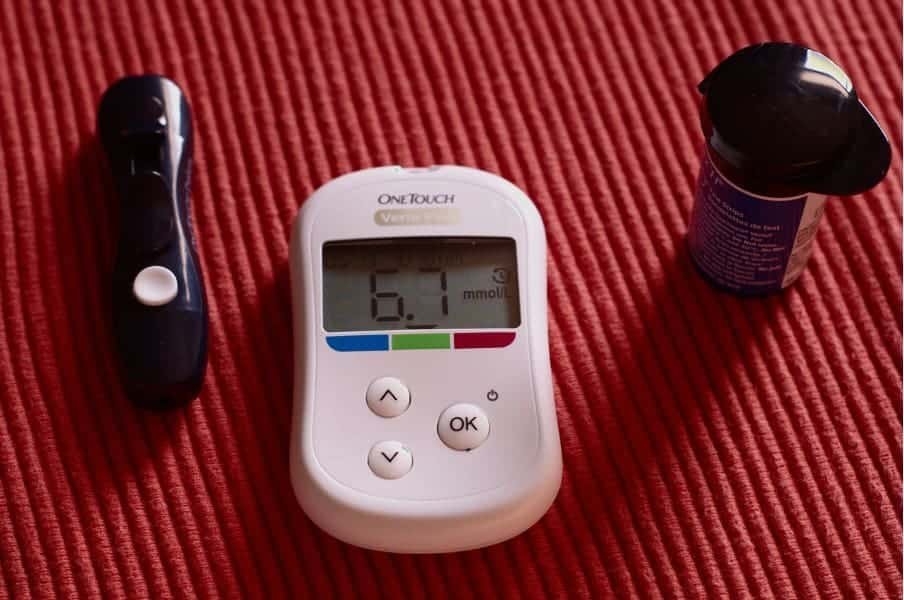
You should also monitor your blood sugar, especially if you have diabetes. Adopting a diabetes-friendly diet is critical for managing kidney disease symptoms and preventing further kidney damage.

Exercise

Exercise is excellent for your body, but you don’t necessarily have to become a gym rat to stay in shape. Just 30 minutes of light aerobic exercise a few times a week can significantly impact your well-being, which means there’s little excuse not to do it.

If you cannot do light cardio exercise, try some simple strength training with dumbbells, or even some yoga exercises can be helpful. Anything that gets you moving is worth doing.

Exercise and proper nutrition are the keys to managing your weight. Obesity can exacerbate kidney damage, so burning off excess body fat is always a good idea.

Avoid Tobacco and Alcohol

Smoking and drinking can increase your risk of developing or worsening chronic kidney disease by over five times. The best thing you can do for your body is to cut back seriously or eliminate the bad habits. 

Other Chronic Kidney Disease Treatments

Lifestyle changes aren’t the only chronic kidney disease treatments available. Your doctor can provide you with essential resources for medications and procedures that treat your condition.

For the early stages of kidney disease, you might take vitamins, supplements, and medications such as diuretics. However, later stages of the disease may require a procedure such as a kidney transplant or a procedure to facilitate dialysis. If possible, it’s best to prevent further kidney decline with careful treatment of the kidneys from the start.

Conclusion

The symptoms of kidney disease don’t have to be overwhelming. However, with proper kidney management and small lifestyle changes, you can manage your symptoms efficiently and keep your kidneys as healthy as possible.

How to Switch Medicare Supplement Plans and Save Money

0
Can I Change Medicare Supplement Plans Anytime?

You may have asked, “Can I change Medicare Supplement plans anytime?” The answer is yes; you can change Medicare supplement plans. But another question to ask yourself is, ” Do I need to change it?”

This article will let you know whether you need to change your Medicare supplement plan or not.

Let’s get started.

The Medicare supplement plan is otherwise known as Medigap.

It is a health insurance policy issued by private insurance companies to cover loopholes in Original Medicare policies.

Medicare supplement plans help pay some of the health services costs not covered by Original Medicare (Medicare A and B), including copays, coinsurance, and deductibles. However, it is worth noting that Medigap does not replace Original Medicare.

7 Things You Must Know About Medicare Supplement Plans

1. To be a beneficiary of the Medicare supplement plan (Medigap), you must have enrolled for Medicare Part A and Part B.

2. A Medigap policy is uniquely different from a Medicare Advantage Plan. A Medigap policy plan does not replace Original Medicare but gives additional benefits to Original Medicare.

3. A Medigap policy is solely for a single person; if your spouse is interested, you must purchase different policies.

4. Pay a monthly premium for your Medigap policy to the private health insurance company. This payment is different from the monthly premium paid to Medicare.

5. Medigap policies can be renewed. In other words, a health insurance company can’t discontinue your Medigap policy if you pay your premium.

6. You can’t buy a Medigap policy if you already have a Medicare Advantage Plan.

7. Medigap policy doesn’t pay for hearing aids, dental care, private doctor or nurse services, or vision care.

Why You May Want To Change Your Medicare Supplement Plan

1. You can change your Medicare supplement plan if you are not pleased with your current Medicare supplement plan.
2. You can change it if you find a plan offered by a different company that gives the same or better benefits at a cheaper rate.
3. You wish to try another company and see what they offer.

When is the Best Time to Change Medicare Supplement Insurance Plans?

It’s exciting to know that you can apply for a change of Medicare Supplement anytime. However, some conditions must be fulfilled, which are:
1. You must be registered in Medicare Part A and Part B.
2. You must be within your 6-month Medicare Supplement Open Enrollment Period (OEP). This time begins when you turn 65 years or older and are registered in Medicare Part B coverage.
3. You must have guaranteed-issue rights to change the Medicare supplement plan.

How Can I Change Medicare Supplement Insurance plans?

Changing your Medicare Supplement plan is not difficult as long as you follow due process. The first step is to call the health insurance you are currently subscribed to and inform them of your intention to change your supplement plan.

As soon as your application is accepted, ask the health insurance how to end your current plan, then follow the instructions.

Conclusion

You can change your Medicare Supplement plan anytime you want. However, you must carefully review your current plan and the new plan you wish to enroll in, which will help you make a better decision.

7 Common Post-Stroke Complications in Older Adults

0
Post-Stroke Conditions In The Geriatric Population

A cerebral vascular accident or stroke is an arising medical condition requiring immediate treatment by a health care professional. The earlier a stroke is treated, the better the outcome. Yet, many strokes will have delayed treatment for many reasons, resulting in significant neurological deficits in such individuals. For example, older adults who have had a stroke can subsequently develop other medical complications. These complications will require effective management to prevent additional problems.

While strokes can happen to individuals of younger ages, they most commonly occur in the older population. According to the American Heart Association, patients older than 85 make up nearly 17% of all stroke incidents.

In what follows, we’ll discuss some more common complications that can occur during post-stroke recoveries, such as swallowing, difficulty ambulating, and communication problems.

Characteristics Of A Stroke

As the fourth leading cause of all-risk mortality in the U.S, known to result in more severe long-term effects than any other disease, disorder, or condition, a stroke is a brain injury caused by a lack of blood supply to an area of the brain. This loss of blood supply is usually the result of a blockage in a blood vessel or the rupture and hemorrhage of a blood vessel. If a stroke is caused by a blockage or blood clot, it’s known as an ischemic stroke. A rupture in a blood vessel causes it; it’s a hemorrhagic stroke.

Types of Post-Stroke Complications

Several complications can occur post-stroke, and the more severe the stroke, the more likely these complications can occur.

In many cases, individuals affected by a stroke will experience some aspect of cognitive or physical deterioration and can have difficulty with memory issues, muscle weakness, and even depression.

You can minimize stroke complications, and the severity of complications can be decreased by promptly treating a stroke within the first 12 to 24 hours of the start of symptoms.

Below are some of the more common complications that can occur post-stroke in individuals:

• Swallowing and Eating Issues
• Difficulty Ambulating
• Speech and Communication Issues

Types of Post-Stroke Complications

Swallowing and Eating Issues

A post-stroke condition commonly seen in elderly stroke patients is dysphagia, which is difficulty swallowing. Muscles involved in eating do not function properly, and food or liquid does not effectively get transferred from the throat down the esophagus and into the stomach. This dysfunction can lead to other complications, such as pneumonia and malnutrition.

Because of the complexity of the condition, you may have to retrain yourself to eat and swallow safely. This process is best accomplished by combining speech therapy, monitored swallowing techniques, electrical stimulation, and other compensation measures.

Difficulty with Mobility

The most common consequence of a stroke is motor impairment, typically a direct result of the loss of brain control of specific muscles. Yet, the process can also be more of a developmental consequence as the brain becomes atrophic after the injury and suffer long-term chronic dorsiflexion of the feet and ankles in the lower extremities that have become paralyzed from a stroke.

Yet, in many cases, the loss of function in the lower extremities is minor, and individuals can regain the ability to ambulate with assistance, often with a walker. With physical and occupational therapy, mobility can improve dramatically for these people. Therefore, the senior individual needs to be able to get around to manage daily living activities better.

difficulty with mobility

Speech and Communication Issues

Many post-stroke individuals suffer from speech and communication difficulties. This condition, called aphasia, occurs in about 33% of stroke patients and results when a stroke occurs in the area of the brain that controls the ability to speak.

If speech and communication issues occur due to a stroke, speech pathology therapy and communication therapy can be utilized to treat and manage this condition.

Other possible complications post-stroke include a variety of cognitive impairments, bowel dysfunction, and generalized pain.

Prevention of Post-Stroke Complications

Post-stroke rehabilitation will include a large team of health care workers: neurologists, physical therapists, speech pathologists, surgeons, and general medicine doctors. The appropriate management of post-stroke conditions such as those discussed will help prevent complications such as aspiration and falls, which can both be life-threatening.

It’s helpful to consider the ways to help to prevent a stroke. Some medical issues can’t be prevented, yet there are, however, several lifestyle changes that one can make to defend against the possible development of a stroke.

Below are some of the most effective preventative suggestions:

  • Reduce Environmental Stress
  • Receive Regular Blood Pressure Check-Ups
  • Eat Healthily and Exercise Regularly
  • Eliminate Bad Habits Like Smoking

Finally, if an individual has already experienced a stroke, they need to remain vigilant with regular doctor check-ups and lifestyle interventions as suggested above.

Conclusion

It’s essential to understand the damaging nature of a stroke and that fast treatment is the way to achieve the best outcomes. However, the senior population does have a higher risk of mortality and disability with increasing age.

Remember that adequately managing the common complications of stroke can significantly improve the quality of life for post-stroke individuals.

Elderly Fall Prevention: Key Risks and How to Avoid Them

0
The Biggest Problem With Falls In The Elderly, And How You Can Avoid Them

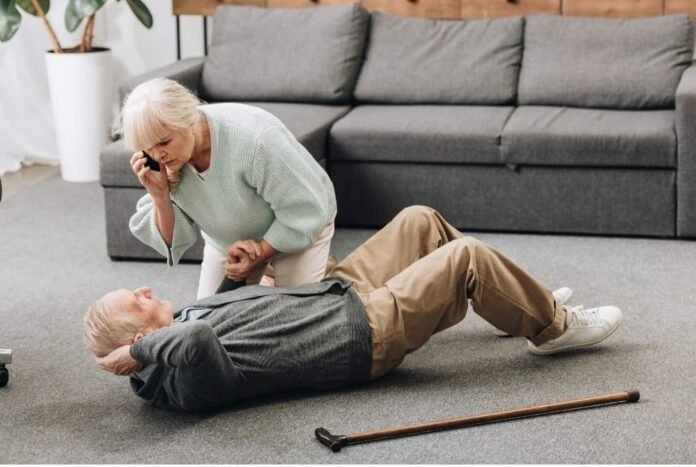
Each year, millions of elderly individuals over 65 will experience a fall, and many will fall again soon after the first fall. These falls often result in serious injuries, such as fractures or head injuries.

In fact, according to the CDC, 800,000 individuals annually over the age of 65 are hospitalized due to a fall. In addition, falls are the second leading cause of unintended fatality worldwide, and they are the leading cause of death in individuals over the age of 65.

The prevalence of falling and its accompanying consequences in the elderly is a significant problem, and the problem is even more exacerbated by unreported falls that go untreated.

In what follows, we’ll discuss the problem with falls in the elderly and the associated causes and complications associated with these falls. We’ll also cover some of the preventative measures to decrease risk.

Common Causes of Elderly Falls

Because we know that the leading cause of elderly deaths, injuries, and hospitalizations is falling, it’s essential to identify the primary causes of these falls.

Some of the common causes of falls in the elderly include:

• General Weakness and Osteoporosis
• Medication Side Effects
• Stroke or Heart Attack

Generalized Weakness and Osteoporosis

As individuals age, they risk falling because older muscles will lose some strength over time. In addition, osteoporosis, which is the condition where bones become more brittle and fragile, often due to calcium or vitamin D deficiency, is a prevalent elderly condition. The combination of these issues will increase the risk of falls dramatically.

Medication Side Effects

Medication Side Effects

Certain medications are a well-documented risk factor for falling. For example, medications used for the treatment of such conditions as high blood pressure and heart disease can cause the side effects of dizziness and fainting. Some individuals can be susceptible to high blood pressure medication, and the medication can cause a significant decrease in resting blood pressure. When this occurs, the risk of becoming dizzy and passing out is relatively high. In addition, certain heart medications can also cause these same side effects.

Stroke or Heart Attack

It’s also possible that an acute medical illness, such as a stroke or a heart attack can lead to falls in the elderly.

Other potential causes for elderly falls can be decreased vision, slow reflexes, or cognitive impairment.

Complications of Elderly Falls

Several complications can occur with elderly falls, and the risks of these complications can be pretty high in the geriatric population.

These are some of the common complications associated with elderly falls:

• Head Injuries
• Hip Fractures
• Bleeding Complications

Head Injuries

Head injuries can occur more commonly in elderly individuals because they are less likely to be able to protect their heads in a fall compared to the younger population. These injuries can be as simple as a bruise or as complicated as a traumatic brain injury.
One of the highest incidences of traumatic brain injury is in the over 85-year age group.

Hip Fractures 1

Hip Fractures

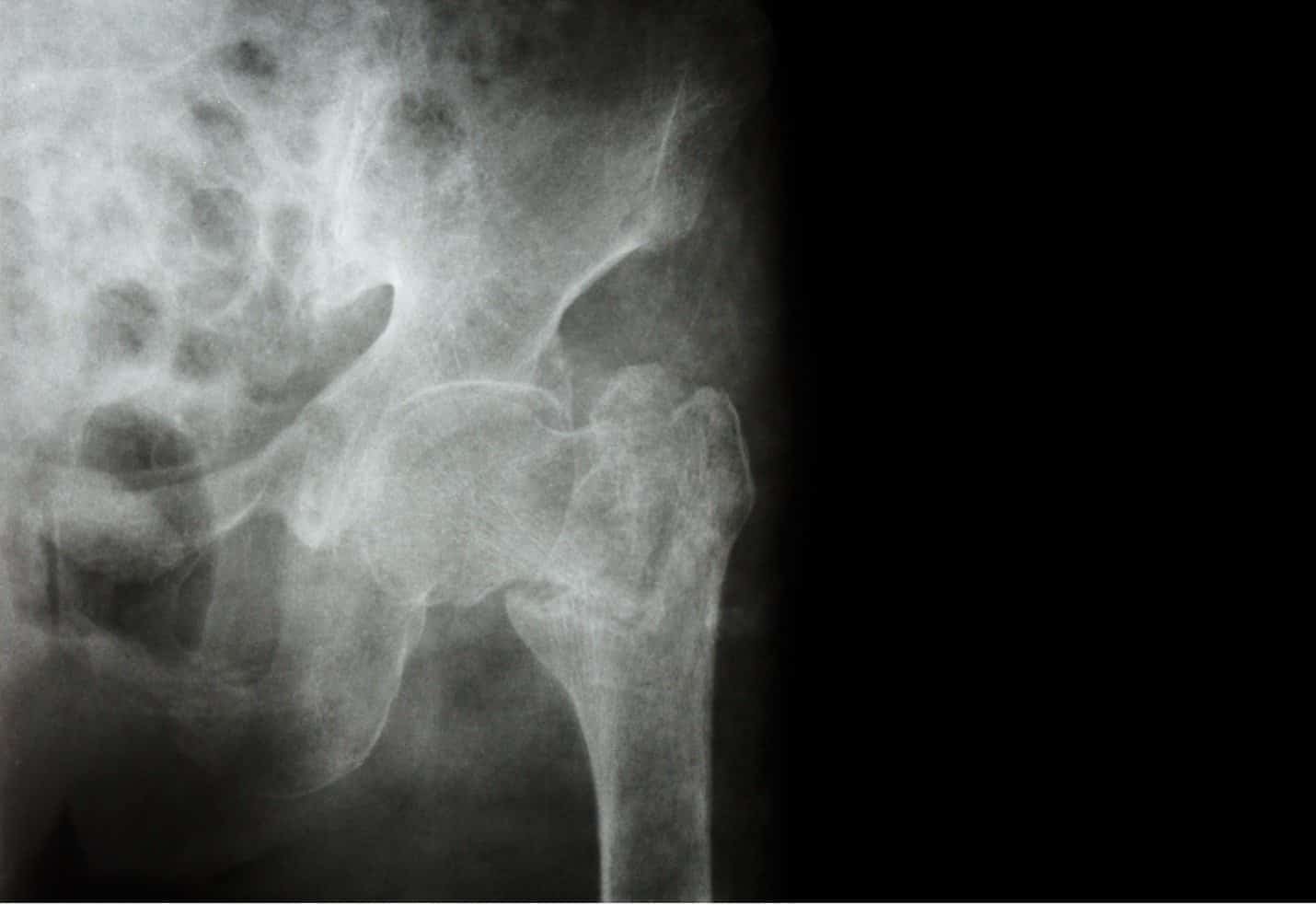
The rate of hip fractures in the elderly is rising yearly, and most causes are accidental falls. For example, in 95% of hip fracture cases in individuals over 65, the cause of the fracture is a fall.

Bleeding Complications

If an elderly individual is on blood thinners for a medical condition, the risk of bleeding complications post-fall increases significantly. For example, head injuries that cause lacerations of the scalp in these individuals can be even more severe since the scalp is a highly vascular area.

Preventative Measures for Falls in The Elderly

Because the causes of falls can often be linked to the sedentary lifestyles of the elderly, some of the most effective preventative measures for falls include exercise and physical activity.

Some of the best preventative measures an aging individual should implement to combat the risk of falling include exercise, environmental adjustments, creative interventions, and using specific tools such as walkers and wheelchairs where necessary. In addition, older individuals must understand that their age will require specific adjustments to their behavior, and they need to be willing to accept assistance in certain activities.

 In some cases, it might be a good idea to find the senior living cost for special senior living care or communities to help lower the risk of falls or to have help on hand should there be an incident.

Items like walk-in tubs are useful in the bathroom and even in a bedroom close to a water source, this model had a low threshold for entry and many safety features for peace of mind.

When taking blood pressure or heart medication, it’s vital to closely monitor their blood pressure throughout the day to ensure that the medication dosage is correct for them and that their blood pressure does not become too low to walk upright without assistance safely. Using a cane or walker is helpful when taking any new medications to help prevent falls. In addition, health care providers must determine if the risk of falls and injury is higher than the benefits of medication treatment for elderly individuals.

Conclusion

Falls in the elderly population can result in significant complications. These complications can markedly impair an older individual’s quality of life. The utmost attention should be made to preventing falls in the elderly population.

7 Ways Chronic Kidney Disease, Diabetes, and Hypertension Are Related

0
Chronic Kidney Disease Diabetes and Hypertensions Link

Chronic kidney disease can come from several health conditions, habits, and genetic factors. Still, the two most common are diabetes and hypertension.

These two conditions are well noted as primary chronic kidney disease causes, as they impact your kidneys’ health in detrimental ways.

Now, having one or both of these conditions doesn’t automatically lead to the development of chronic kidney disease. Yet, once you know more about how diabetes and hypertension can badly affect kidney health, you’ll be better equipped to minimize your risk. You’ll want to do everything you can to control these illnesses, which damage the kidneys.

Understanding Chronic Kidney Disease Causes

Chronic kidney disease occurs when your kidneys can no longer filter out toxins and other waste products from your blood with the same efficiency. Any condition that either increases the need for filtration or interferes with regular kidney function can become a big problem.

Diabetes and hypertension are common chronic kidney disease causes because they have a direct negative impact on your kidneys. When they occur together, your risk of kidney damage is much higher than if you had either disease on its own. So keeping these conditions under control is very important.

Diabetes and Your Kidneys

Kidney damage caused by diabetes is known as diabetic kidney disease. It’s a very prevalent condition, with nearly one in every three people who have diabetes also developing some kidney damage.

Still, not all people who have diabetes are guaranteed to get kidney disease. The difference typically lies in how well you take care of your body after a diabetes diagnosis. Doing so will help to understand the connection between the two conditions.

Blood Glucose Levels 1

Blood Glucose Levels

When you have diabetes, your body cannot produce or use insulin at the same rate as a non-diabetic person.

Insulin is responsible for breaking down sugar in your bloodstream. Without it, your blood sugar levels rise too high, which can have adverse effects. This includes nerve damage, heart disease, vision problems, and, of course, kidney damage.

How Diabetes Causes Kidney Disease

Having high blood glucose levels for an extended time is known as hyperglycemia. It can damage your blood vessels, interfering with your body’s ability to transport blood to your organs.

Having a lot of glucose in your blood also reduces the amount of nitric oxide. This is a vasodilator, which means it widens your blood vessels and improves blood flow. Without nitric oxide, blood vessels remain narrow, which correlates with high blood pressure.

Hyperglycemia may damage blood vessels in or near your kidneys. This means your kidneys aren’t getting the blood flow they need to function correctly and can no longer efficiently filter waste out of your bloodstream.

Hypertension and Your Kidney

Hypertension is another name for high blood pressure. You’ve probably had your blood pressure taken before, but what do those numbers mean practically?

Your blood pressure is a measure of the force of your blood cells as they push against the blood vessels in your body. When pressure is normal, blood cells pass through your arteries normally. 

When pressure is too high or too low, it harms the regular blood supply to your organs.

Both high and low blood pressure can cause concern, but high blood pressure is more likely to cause damage to your kidneys. This is because it can have a lasting impact on your blood vessels and their effectiveness at transporting blood throughout your body.

Hypertension and Your Kidneys 1

How Hypertension Causes Kidney Disease

Like diabetes, hypertension can also damage your blood vessels. When your blood pressure is high, your heart and the circulatory system must work harder to keep your blood pumping.

Over time, this increased workload and decreased efficiency cause damage to the blood vessels. The blood vessels simply can’t keep up with the higher blood pressure. Instead, they become overworked and sustain damage over time.

The blood flow to the kidneys is impaired, resulting in chronic kidney disease and an increased risk of conditions like heart attacks and stroke.

Conclusion

While diabetes and hypertension are strongly correlated with chronic kidney disease, this doesn’t mean kidney damage is an inevitable outcome.

You can protect your kidneys by managing these conditions efficiently, ensuring they don’t get any worse. This can be accomplished by exercising more frequently, making nutritional decisions that feed your microbiome, and cutting out heavily processed foods from your diet.

This way, you can manage and prevent a potential source of your kidney deterioration.