Medicare covers a wide range of free preventive benefits designed to help seniors stay healthy and catch health issues early. In 2026, Medicare beneficiaries have access to more preventive services than ever before — at no cost when you see a participating provider.
Table of Contents
What Are Medicare Preventive Benefits?
Medicare preventive benefits are covered services aimed at preventing illness or detecting health problems at an early stage. Under the Affordable Care Act, most preventive services are covered at 100% — meaning $0 out-of-pocket for you when you use a Medicare-participating provider.
Free Preventive Services Covered by Medicare in 2026
1. Annual Wellness Visit (AWV)
Once you’ve had Medicare Part B for more than 12 months, you’re entitled to a free Annual Wellness Visit. This is not a physical exam — it’s a personalized prevention plan where your doctor reviews your health history, updates your medical record, and helps you prevent disease.
Cost: $0 with Medicare Part B
Frequency: Once per year
What it includes: Blood pressure check, height/weight, depression screening, cognitive assessment, medication review
2. Cancer Screenings
Medicare covers several cancer screenings at no cost:
Mammogram (breast cancer): Once per year for women 40+
Colonoscopy (colorectal cancer): Every 10 years (or every 2 years if high risk)
Pap smear & pelvic exam (cervical cancer): Once every 24 months
Prostate cancer screening (PSA test): Once per year for men 50+
Lung cancer screening: Annually for adults 50–77 who smoke or recently quit
3. Cardiovascular Screenings
Medicare covers cardiovascular screening blood tests every 5 years — including cholesterol, lipid, and triglyceride testing. These help assess your risk for heart disease and stroke.
4. Diabetes Screening & Self-Management
If you’re at risk for diabetes, Medicare covers up to 2 fasting blood glucose tests per year. If you’re already diagnosed with diabetes, Medicare also covers diabetes self-management training and supplies.
5. Vaccines & Immunizations
Medicare covers several important vaccines at no cost:
Flu vaccine: Once per flu season
COVID-19 vaccine: Covered vaccines and boosters
Pneumococcal vaccine: Up to 2 shots (different types)
Hepatitis B vaccine: If you’re at medium or high risk
RSV vaccine: One-time dose for adults 60+
6. Bone Mass Measurement (Osteoporosis)
Medicare covers bone density tests every 24 months for people at risk for osteoporosis. Women over 65 and men over 70 are considered at elevated risk.
7. Depression Screening
Medicare covers one depression screening per year in a primary care setting. Depression is common among seniors but highly treatable — early detection matters.
8. Alcohol Misuse Screening & Counseling
Medicare covers annual screenings for alcohol misuse and up to 4 brief counseling sessions per year if you’re found to be misusing alcohol.
9. Obesity Counseling
If your BMI is 30 or higher, Medicare covers up to 22 intensive behavioral therapy sessions per year for obesity, including diet counseling.
10. “Welcome to Medicare” Preventive Visit
Within the first 12 months of having Medicare Part B, you’re entitled to a one-time “Welcome to Medicare” visit. This is your chance to review your health and establish a prevention plan with your doctor — at no cost to you.
How to Use Your Medicare Preventive Benefits
To take advantage of these free services:
Choose a Medicare-participating provider — this ensures the $0 cost benefit applies
Tell your doctor you want to use your Medicare preventive benefits
Keep track of which screenings you’ve had and when you’re due for the next one
Check your Medicare Summary Notice (MSN) to confirm claims were processed correctly
Frequently Asked Questions
Are all preventive services free under Medicare?
Most preventive services covered by Medicare Part B are free when you use a participating provider. However, if your preventive visit turns into a diagnostic visit (e.g., your doctor finds something and treats it), you may pay a copay for that portion.
Does Medicare Advantage cover preventive benefits?
Yes — Medicare Advantage plans must cover all Medicare-approved preventive services at no cost. Many Advantage plans offer additional preventive benefits like dental, vision, and hearing that Original Medicare doesn’t cover.
Can I get COVID tests through Medicare?
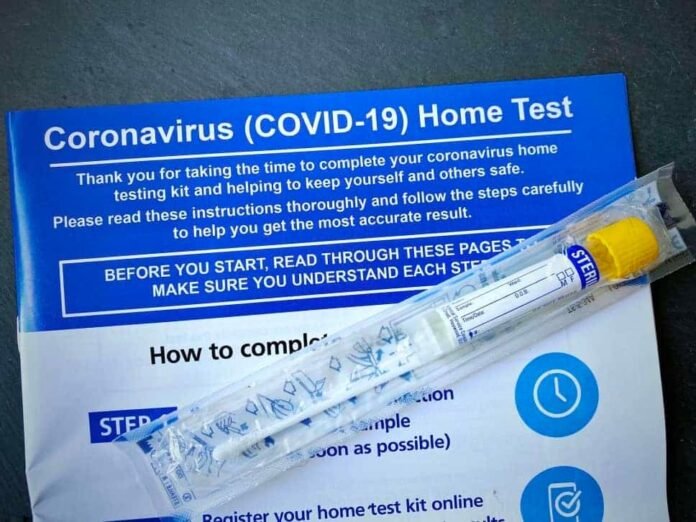
Medicare covers COVID-19 lab-based diagnostic tests (PCR/antigen) ordered by a doctor at no cost. Coverage for at-home OTC COVID tests through Medicare has varied by program year — check medicare.gov for current coverage details.
Make the Most of Your Medicare Benefits
Many seniors don’t take advantage of all the free preventive benefits available to them. Don’t leave these benefits on the table. Schedule your Annual Wellness Visit, stay current on screenings, and use Medicare’s preventive care program to protect your health — at no cost.
For the most current list of Medicare-covered preventive services, visit medicare.gov or call 1-800-MEDICARE (1-800-633-4227).
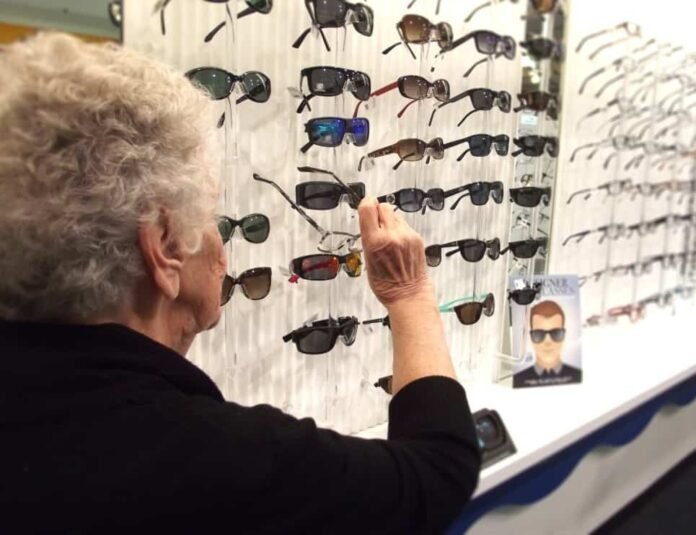
Today, you can get almost everything online — even groceries are now ordered online or delivered through an app. So it’s a modern convenience that has made things easier for the hustle and bustle of everyday life. Of course, not everything is like a space-aged blockbuster, and some things still require an in-person visit, like seeing your eye doctor. That is still something that would work best as a hands-on experience for the best results concerning your eye health. But that doesn’t mean you need to stop by the optical on your way out anymore!
You can get $45 Off Your Next Order of $150+ Plus Free Shipping.
Today, you can get almost everything online — even groceries are now ordered online or delivered through an app. So it’s a modern convenience that has made things easier for the hustle and bustle of everyday life. But, of course, not everything is like a space-aged blockbuster, and some things still require an in-person visit, like seeing your eye doctor. That is still something that would work best as a hands-on experience for the best results concerning your eye health. But that doesn’t mean you need to stop by the optical on your way out anymore!
FREE Standard Lenses at BeFitting.com with Code LENS2021
As an online retailer of premium eyewear in the US and Canada, Befitting has all the brands you know with the quality and style you love. Single and progressive lenses, prescription sunglasses, and ultra-lightweight lenses make finding what you need simple. Plus, Befitting leads the pack by being the most trusted optical retailer with the largest insurance providers in the country, such as EyeMed, Davis Vision, Superior Vision, United Healthcare, Spectera, and more, accepting more insurance plans than any other optical retailer.
With that said, many still worry about shopping for something so personal online. So how do you know if the glasses will work for your face shape? Will they be too big? Can I get lenses powerful enough for my prescription? All are valid concerns, and Befitting has the answers to help you decide if shopping online for your new glasses is the right choice.
To start, here are some of the most common questions regarding ordering glasses online:
How do I order my glasses? Once you find the frames you love, click the “Choose lenses” button to add them to your cart. Then, you’ll be prompted to select the type of glasses you want, prescription or no prescription. If you choose a prescription, you’ll then decide what type (Standard vs. Progressive). You’ll select your lenses (Standard, Polycarbonate, Ultra Lightweight, and BluTech), and finally, your lens treatment (None, Standard Anti-Reflective Coating, and Premium Anti-Reflective Coating). Now it’s time to checkout!
When do I submit my prescription? You will be prompted right after you place your order, but if you don’t have your prescription handy at the time of purchase, you can email it as soon as you have it.
What is PD and what if my prescription doesn’t have it? PD is an abbreviation for pupillary distance, which means the distance from the center of one pupil to the center of the other pupil. So why do you need this? Because this measurement helps craft lenses that provide you crystal clear vision. And, if you don’t have it, call your vision care provider to ask for your PD, and write it on the prescription like this: “PD-63” if you are given a single number, or “PD R-32 L-31” if you are given two measurements.
What are the maximum power ranges for eyeglasses? Maximum sphere powers +5.00 and -10.00 / Maximum cylinder power of -4.00 / Prism corrections: maximum of 2.0 (per eye) / Progressive add power: +0.75 to +3.00
How is sizing determined? Befitting has developed an exceptional tool to help you find the right frames for your style and fit. The soon-to-be-unveiled Befitting Virtual Stylist tool is an actual AI experience that intelligently identifies the shopper’s style preferences and maps their face through over 2000 points to determine the perfect fit. The Befitting opticians have created a general sizing chart to help you narrow your search.
Will my glasses need to be adjusted to fit me? As with any day-to-day wear item, small adjustments will need to be made to ensure your Befitting frames’ proper fit and comfort. Befitting’s optical experts prepare these recommendations for adjustments you can make at home.
And, if something doesn’t work out, you can return your glasses without worry within 30 days from receiving them. Befitting will be happy to assist you with the return and, as needed, email you a prepaid return shipping label.
So, step into the 21st century of frame shopping and head to Befitting to buy your next pair online. Not only will you have an array of colorful, on-trend collections to browse, but Befitting tackles even more tough questions to help you find the right frames to fit your personality and compliment your unique style.
Various factors cause different types of arthritis. For example, learning about the risks and causes of these debilitating conditions can help you navigate away from them or manage them more effectively.
Table of Contents
Some can be avoided, and the onset of others can be delayed well into the golden years. Moreover, some types of arthritis can be slowed to a halt. But the question is, where does it start? Why do you have this terrible condition?
A Stew of Arthritis Risks
What will cause your joints to weaken and be prone to functional decline? There are many reasons you can develop arthritis, ranging from inflammation to genetics.
Moreover, autoimmune complications can worsen the existing conditions, making your life even harder. The main risk factors have surfaced from a collection of research and experimentation.
Genetic Predisposition
Human leukocyte antigens (HLA) are abnormal genes present in your sixth chromosome if you have a family history of arthritis, especially rheumatoid arthritis, ankylosing spondylitis (AS), and juvenile arthritis.
HLA genes play a crucial role in the immune system as they produce proteins that stimulate cells’ receptiveness in the body. For example, cells need to be able to receive nutrients and vitamins and repair themselves.
These genes can have a functional abnormality or be harmed by an over-responsive immune system that stays alert for too long. The proteins released by these genes act to assist the immune system in distinguishing between normal bodily proteins and invaders, such as viruses and bacteria.
The bottom line is that your risk for developing arthritis increases if you have a family history of this specific genome deformity.
Cartilage Weaknesses
Most often found in osteoarthritis is the inherent weakness of cartilage, which is the soft tissue between the bones. Geneticfactors can cause this, but wear and tear are most often caused when you overuse the joints.
Repetitive movements have been the main instigator of joint weakness. Activities such as typing, stair climbing, and jogging can cause this problem.
Perhaps your job requires repetitive, hard labor for years, which places you at risk for osteoarthritis.
Nutritional Factors
The American Collegeof Rheumatology confirms that poor nutrition is a significant cause of rheumatoid arthritis and gout. Many foods promote inflammation, whereas others increase your levels of uric acid, resulting in painful crystallization.
Certain foods like red meat, refined sugars, processed foods, and high-fat dairy are some of the bad actors, increasing the risk of gouty arthritis. Unfortunately, your stomach and the immune system are far more fragile than you may believe.
What you eat will ultimately increase your risk for many unwanted health disorders. For example, the stomach has trillions of bacteria that make up the microbiome. These bacteria help the immune system function correctly.
Any imbalance in stomach bacteria leads to a dysfunctional microbiome, and diseases are a typical result.
Injuries and Overworking the Joints
Some injuries put you at a higher risk of developing osteoarthritis later in life, even if they appear to be healed, particularly for knee injuries, because the past always haunts people in their golden years.
Sometimes, injuries aren’t as straightforward as the twisted ankle or torn ligament you had as a child. Overworking or misusing joints can often cause unrecognized injuries, which predispose you to the development of arthritic disease, and you don’t even know that you have a problem.
Sedentary Behavior
Did you know that being sedentarycould predispose you to arthritis? It can also worsen arthritis because regular joint exercises keep your joints healthy and mobile, like an oiled engine.
Sedentary behavior promotes inflammation, increasing your risk for chronic autoimmune disorders like rheumatoid arthritis. Being inactive can lead to visceral fat accumulation, leading to chronic inflammation.
This lifestyle can also increase chronic fatigue and lay waste to muscles and soft tissues.
Autoimmune Disorders
However, the most significant concern for arthritis is autoimmune malfunctions, where the immune system attacks and depletes healthy cells. Therefore, your immune system is supposed to protect and preserve you, but it can also become an enemy.
Early-Onset Symptoms
What early symptoms can you look out for to avoid further progression?
Unexplained fatigue (activities, sex drive, and productivity)
A persistently mild fever that accompanies fatigue
Unintentional weight loss
Unusual stiffness in any joint
Joint pain
Swelling around the joints
Redness that accompanies the inflammation
Joints that feel warm to the touch
Numbness or tingling sensations
Any of the above symptoms on both sides of your body
Tally your risks, and make notes of the symptoms you experience before visiting your physician for an evaluation.
Final Thoughts
You might not be able to avoid all the risks, especially genetic factors. Still, you can avoid the lifestyle risks, which allows you to target your management on cellular or natural level, possibly allowing you to decrease or even stop some medications for your arthritis.
How much do you know about your microbiome? It’s the collection of bacteria and other organisms in your gut. We’re still learning exactly what they do, but the human microbiome’s importance has become increasingly apparent in recent years. It has become so important; that the gut microbiome is often called the second brain.” The more we learn, the more connections we make between the gut and the brain.
Table of Contents
For example, did you know there is a link between depression and a lack of certain bacteria in the gut? The same goes for migraines. In other words, making sure those little critters in your gut are healthy and well-fed will go a long way toward helping your entire body stay healthy. And the best thing you can do for your microbiome is to eat a varied diet full of different fibers. So let’s talk about how to do that.
There are different types of bacteria and other microorganisms in our gut. Each family thrives on different nutrients, especially various forms of fiber and starches. The idea is to encourage a diverse biome by eating many kinds of food, particularly those rich in fiber. That means fruits, vegetables, grains, nuts, seeds, etc.
A fun way to accomplish this is by challenging yourself to eat thirty or more different plants each week. It sounds like a lot at first glance, but when you realize that each other kind of lettuce, each herb, each type of grain, and each spice counts, it’s not that hard to get to thirty and beyond. So let’s take a look at what that might look like.
You can have oatmeal, whole-grain toast, grits, granola, or a smoothie full of different fruits and veggies for breakfast. Throw in some chia seeds or flaxseed, and you’ll add variety each day.
Have a mixed salad one day, a flaxseed wrap another day, and hummus with raw veggies for lunch. And don’t forget about soup. It’s a great source of all sorts of different fibers. Throw in some buckwheat or wild rice, adding even more diversity.
Jetson fresh probiotics
Did we hit twenty yet? If not, mix up your starches with sweet potatoes, pasta, bread, and couscous or quinoa. Roast a few of your favorite veggies, and let’s not forget beans and other pulses. Try different types of beans, lentils, and dried peas.
By getting creative, you can get close to hitting your thirty different plants in a single meal by making a big pot of soup or chili full of various beans, veggies, herbs, and spices. Give it a try. And don’t forget about multiple nuts and seeds. They make great snacks and help you reach your plant diversity goal.
Adding Probiotics To Your Diet
One of the best things you can do to improve your microbiome is to include probiotics in your diet. Ideally, you want to have some every day or at least most days of the week. But what exactly are probiotics? They are microorganisms that live in the food we consume. Yogurt is an excellent example that most of us are familiar with. As long as the yogurt hasn’t been pasteurized, it has live cultures (a.k.a bacteria and other microorganisms) that can make it into your gut and help populate it with good organisms.
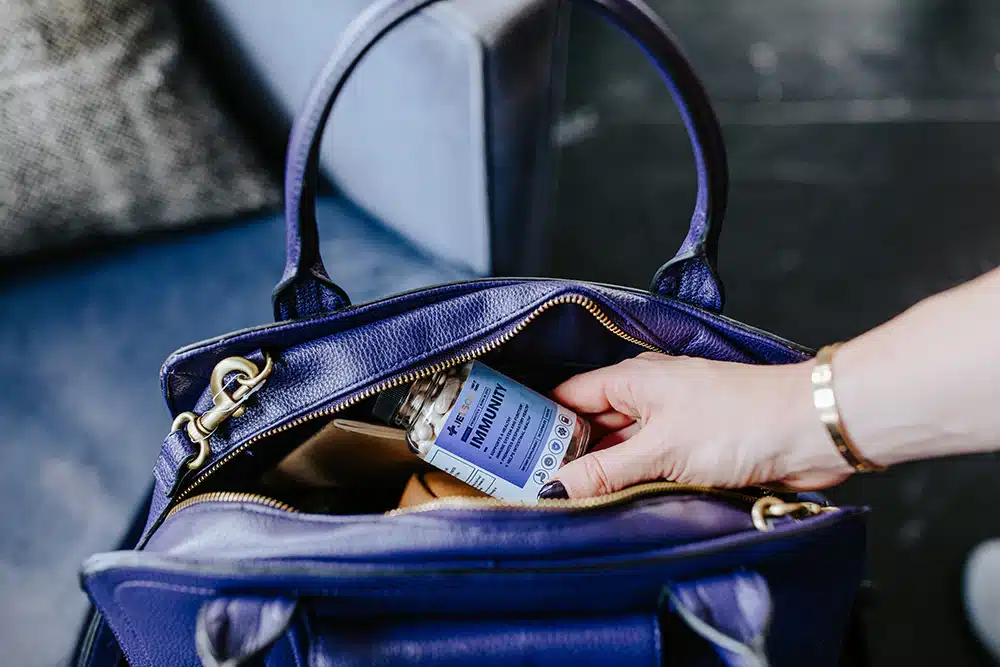
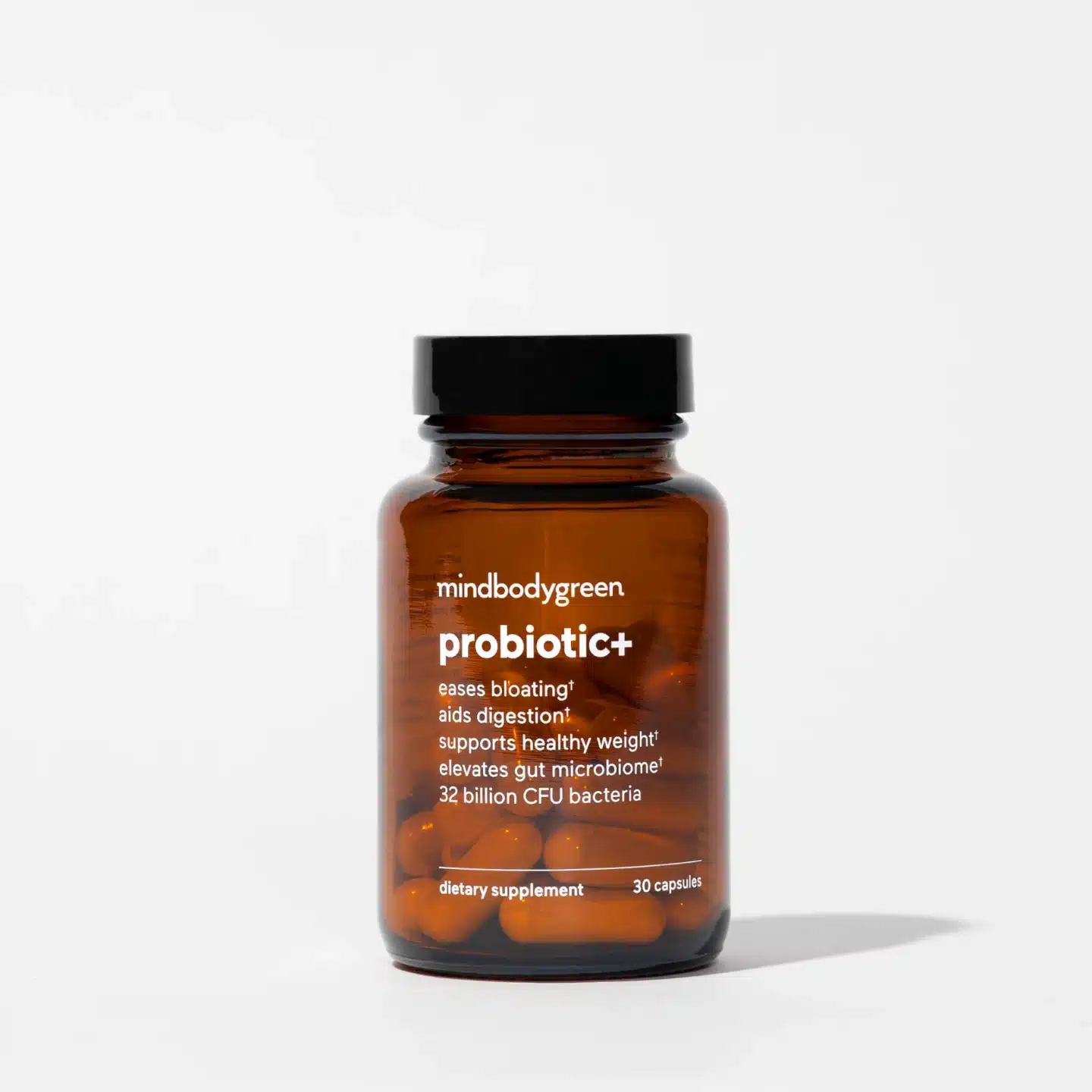
Probiotics should be taken daily. Think of it as a maintenance thing, similar to taking a multivitamin. Good bacteria can grow in your gut flora with the help of probiotics like Microbiome Plus+. They are available in pill and drink form, or you can get them by eating probiotic-rich food daily.
What you want to look for are fermented foods and drinks. We already consume quite a few of them. Examples are yogurt, cheese, sauerkraut, sourdough bread, and pickles. By making sure we include them several times per week, or even daily, we can help out our gut and improve our microbiome.
The fermented foods you eat must have live cultures in them. Most commercial pickles, for example, have been pasteurized, which kills the bacteria and makes for longer shelf life. You can find varieties with live cultures (often in the refrigerated section), and you can make many of these fermented foods at home. So let’s run through a few of them.
Yogurt: Yogurt is so versatile. You can eat it plain, sweeten it with a bit of fruit or honey, turn it into a filling meal by adding grains like oats, or turn it into a portable breakfast by making a smoothie. Look for live-culture yogurts and avoid varieties with a lot of added sugar. Sugar is counterproductive because it feeds the harmful bacteria we don’t want in our gut.
Kefir: If you like yogurt, you’re going to love Kefir. It has many more probiotics and cultures you can’t get from your yogurt. With a similar flavor profile, it’s great for smoothies. You can purchase Kefir or make your own using kefir grains. The process involves leaving a cup of unpasteurized milk mixed with the grains on the counter for about twenty-four hours. It will thicken and acquire the tart, mildly cheesy taste it’s known for.
Cheese: Let’s round out this discussion by talking about cheese. Cheese is made with the help of bacteria. If you find unpasteurized cheese, you can count it towards your probiotic intake.
Sauerkraut & Other Lacto-Fermented Veggies – Sauerkraut is a great probiotic-rich food. Look for the kind in the refrigerated section that hasn’t been pasteurized or make your own. It takes a clean container, cabbage, salt, and time. You can ferment and preserve other vegetables in the same wayâsearch for “Lacto fermentation” and consider carrots and cucumbers; they are great options when starting. Kimchi is another fun option you can often find at your local grocery store.
Keep trying different probiotic-rich foods and add a commercial probiotic when you need that extra boost (for example, after a round of antibiotics).
Let’s Talk About Prebiotics
How much do you know about prebiotics? Not to be confused with probiotics, mind you. Probiotics are found in foods like yogurt with live cultures, kefir, and sauerkraut that haven’t been pasteurized. But on the other hand, prebiotics is compounds found in food that promote the growth of microorganisms, including those in your gut. In addition, these foods can help you improve your microbiome by encouraging the growth of beneficial bacteria throughout your digestive tract.
Prebiotics are mainly different types of plant fiber since this is the preferred diet of the bacteria and fungi in your gut. These organisms use fiber to grow; some waste products, like vitamin B12, are suitable for the body. However, there is much to learn about the process and symbiotic relationship between our microbiome and our body works. Still, we know enough to realize that our diet significantly impacts here.
Each type of bacteria, fungi, and yeast that make up our varied microbiome prefers a different kind of fiber or food. Some bacteria that aren’t beneficial and can harm our health and well-being thrive on sugar. Others prefer simple carbohydrates like those found in white bread. Beneficial organisms, on the other hand, prefer complex carbs and various types of fiber, like those found in whole foods like an apple or a stalk of celery. When it comes to our biome, too much of a good thing can be harmful. The various types of bacteria balance each other out and work together. We don’t want too many or too few of any particular group.
The best way to achieve this is by eating various prebiotic foods daily. Focus on plant-based whole foods. Choose multiple grains, herbs, spices, and as many different fruits and vegetables as possible. Eat some raw and some cooked where applicable, which will help you provide the preferred food to as many microorganisms as possible. Over time, you’ll create a flourishing microbiome that will serve your body well.
If you are taking a probiotic, it is essential to include plenty of prebiotics. This allows the live cultures from your yogurt, Kefir, cheese, sauerkraut, or commercial probiotic to establish and thrive in your gut. Give it a try and see if you don’t start to feel healthier and more energetic with the addition of plenty of diverse probiotics.
Avoiding Antibiotics And What To Do When You Have To Take Them
Antibiotics are one of the tremendous medical miracles of the 20th century. They save lives daily and keep us from suffering needlessly from various infections. But, like many other things, we pay the price when we take them. But, no, this isn’t about breeding superbugs, though that’s undoubtedly one of the issues. The problem I want to address today is antibiotics’ unintended damage to the microbiome.
Your microbiome contains various bacteria, with a few fungi and other microorganisms thrown in. The bacteria are the problem when it comes to taking antibiotics. While the medication does a great job fighting your infection and getting you back to feeling like yourself, it also destroys some good bacteria in your gut. That, in turn, gives other, less beneficial bacteria a chance to take over. Unfortunately, we often feel inadequate and have stomach issues while taking antibiotics.
So, what do you do? The first step is to avoid taking antibiotics unless they are necessary. Too often, we treat them as the easy button. We ask for them, and doctors prescribe them first, only later investigating what else it could be if the antibiotics don’t work. Don’t insist on a course for a case of sniffles. Chances are, a virus causes those cold symptoms. Strengthening your immune system by eating healthy, getting enough sleep, and spending time outside in the sun is another good preventative strategy.
There are times when you have to bite the bullet and take them. If that’s what you need to do to get better, by all means, go for it. You can do many things to help restore your gut biome when you’re done taking them. Start taking a probiotic as soon as possible. Speak to your doctor or health care professional about this. They will be able to guide you on when to start. This is a great time to invest in a quality probiotic supplement.
Include natural probiotics like yogurt with live cultures into your diet. Eat plenty of fresh fruits, veggies, and whole grains to provide your microbiome and the good bacteria with all the prebiotic fiber they need to grow and flourish. Cut back on sugar and processed foods until things are back on track. In short, eat well, give your body what it needs, and don’t be afraid to take a round or two of antibiotics when warranted.
How Cutting Down On Sugar Helps Your Gut
Your gut is full of bacteria and other microorganisms, and that’s a good thing. They help break down our food and provide our bodies with nutrients.
It would help if you had a healthy gut biome to fully benefit from healthy foods, mainly green leafy vegetables and their nutrients. It would be best to have plenty of good bacteria that help break down these foods and allow the nutrients to enter your body’s cells.
That’s where sugar comes into play. Sugars, mainly fructose and sucrose, can cause the wrong type of bacteria to grow and flourish, which overcrowds the good bacteria you need to break down healthy food. Cutting back on the sugar and processed foods you eat will help restore balance to your gut microbiome and give the good guys a chance to help you stay healthy.
Sugar also causes inflammation throughout the body, especially in the gut. Inflammation can prevent the proper processing of nutrients and cause digestive issues. Another big problem with an imbalance in the stomach is that having too many harmful microorganisms will make you crave more sugar and processed foods. So when you have a large colony of bacteria in your gut that craves those foods and thrives on them, it’s not surprising that you desire them more, which starts a vicious cycle that’s hard to break, but you can do it.
Start by cutting back on sugary foods and processed food in general as much as possible. Cut out sugary drinks, especially soda and anything with high-fructose corn syrup. Replace it with fresh fruits and vegetables. Take a reputable probiotic and include fermented foods like yogurt, cheese, pickles, and sauerkraut, to name a few. Restore balance to your gut; with it, you will help restore health to your body.
There are benefits outside the gut as well. Reducing the amount of sugar you eat reduces your chance of getting diabetes, heart disease, high blood pressure, and even some types of cancer. Cancer cells thrive on sugar; you don’t want to feed them if you can avoid it.
Sugar is addictive, and it’s not easy to cut back or cut as much of it out of your diet as possible. But it’s well worth it in the end. You won’t believe how much better you’ll feel once you get over those pesky sugar cravings.
Sleep And Exercise Are As Important For Your Microbiome As For The Rest Of Your Body
You know it’s essential to get a good night’s sleep. One sleepless night proves that to anyone who’s in doubt. Exercise is another crucial component of a healthy lifestyle. But did you know that both sleep and exercise affect your gut microbiome? Let’s look at each and talk about why you should strive to get plenty of both.
How Sleep Affects Your Microbiome
One of the main reasons sleep or lack of sleep affects your microbiome is it increases stress. For example, if you’ve ever had a newborn or pulled a couple of all-nighters to pass an exam, you know firsthand how much lack of sleep can stress you out, which in turn causes issues in the gut.
We don’t stick to a healthy diet when we are tired, and it’s no wonder that sleep significantly impacts our gut and health. It’s natural to crave sugar, junk food, and caffeinated beverages to help us get through sleep deprivation. It’s just not good for our gut health. So make sleep a priority, and the rest will fall into place.
How Exercise Affects Your Microbiome
As with many things about your microbiome, scientists don’t completely understand the connection between exercise and your gut. But what they do know is that there is a connection. Part of it may be that exercise reduces stress and inflammation, similar to what sleep does for you. And no, that doesn’t mean you can sleep in instead of hitting the gym. So both help your gut, and making exercise a priority is essential.
Scientists have observed that exercise correlates with an increase in suitable bacteria that uses fiber from our diet and turns it into short-chain fatty acids with health benefits. The results range from leaner body mass and more satiety hormones that curb hunger. That’s right. Exercise can make you want to eat less and slim down, and it’s all connected to your microbiome.
The good news is that getting plenty of sleep and working out regularly helps you in other ways. It’s suitable for every part of your body and mind. Yes, getting into a good sleep and exercise routine can be challenging, but once you do, you feel better, and it gets easier. As a bonus, the two complement each other. Working out helps you sleep better at night. That, in turn, makes it easier to get that workout the next day. Give it a try!
Introduce More Fermented Foods, And Your Microbiome Will Thank You
One of the best things you can do for your gut health is include more fermented foods. They will continue to supply you with a steady supply of good bacteria to support your microbiome. They often also have plenty of prebiotics to feed your gut, particularly for fermented vegetables like sauerkraut.
Fermented Vegetables
I’m sure you’ve heard of sauerkraut as a fermented vegetable, but there’s so much more out there you can try. Have you had fermented carrot sticks? How about kimchi? It’s a perfect addition to any Asian-inspired meal and plentiful with eggs or as a sandwich topping. Another simple switch is replacing regular pickles with fermented ones. The best part is that you can make all of these yourself. Or get them at the grocery store. Check for unpasteurized versions that still include life cultures.
Fermented Milk Products
After vegetables, milk is the most commonly fermented product. From yogurt and cheese to Kefir, there are a lot of different products you can include in your diet. So let’s start with yogurt. Look for active cultures and little to no sugar. Use your yogurt in smoothies or grab it as a quick snack. Throw in a few whole grains or berries, combining prebiotics and probiotics.
Cheese is another great option, including hard and soft cheeses. In most of them, the probiotics have aged, and you will likely still benefit from them. Enjoy your cheese on sandwiches, salads, or as a snack. And guess what? That cheese plate with fruits and nuts is an excellent combination of probiotics and prebiotics.
Fermented Tea
Did you know that you can also include fermented tea in your diet? Wondering what the heck fermented tea is? It’s kombucha. That’s right; your favorite fizzy soda replacement is also good for your gut. So, reach for it when plain water isn’t enough, and you’re craving something with a bit of flavor punch.
A similar drink is water kefir, typically made with fruit and water kefir grains. These are different from the kefir drinks that turn milk into a thick yogurt-like drink. The result is fizzy, fruity, and delicious. So give it a try if you haven’t yet.
Fermenting Grains
When it comes to fermented foods, you’re probably not thinking about grains, particularly bread. One of the best ways to ferment your grains and make them more digestible is using sourdough. For example, you can make bread, pizza dough, waffles, and pancakes, to name a few. So yes, the heat of baking the bread or cooking the pancakes kills the probiotics, but not until they have done their job while the dough bubbles and transforms regular flour into something nutritious and delicious.
There are a lot of excellent fermented products out there for you to enjoy. Grab a kefir or yogurt smoothie for breakfast, make a sourdough sandwich for lunch, and add some pickles and sauerkraut to your dinner plate. Mix and match them. And don’t feel like every meal has to include a ferment. Start small and keep adding more and more of them as you go. Once you start to feel fermented foods’ effects, you’ll gravitate to them more and more.
Is AARP Worth It in 2026? Honest Review + Best Senior Benefits & Financial Tools
Who this is for: Adults 50+ weighing whether AARP membership is worth the $16/year—plus a guide to the financial tools and protections that every retiree should have in place in 2026.
Article Contents
AARP is the most recognized name in senior services, but many people don’t actually know what they get for their membership. This guide gives you the honest answer plus covers the financial protections—identity theft coverage, high-yield savings, and personal finance tools—that matter most to adults on fixed incomes.
At $16 per year (or about $1.33/month), AARP membership pays for itself many times over if you actually use the discounts. Here’s what you actually get:
Real discounts that add up:
Hotels: Up to 20-30% off at major chains (Wyndham, Choice Hotels, Hilton)
Restaurants: 15% off at Denny’s, IHOP, Outback, and others
Car rentals: Up to 30% off at Hertz, Avis, Budget
Prescriptions: AARP pharmacy savings card works at 60,000+ pharmacies
Entertainment: Movie tickets, theme parks, national park passes
Travel: Package deals through the AARP Travel Center
Services beyond discounts:
AARP Tax-Aide — free tax preparation assistance for seniors
Medicare advice — unbiased guidance on plan selection
Legal services — free or discounted consultations
AARP Foundation grants — assistance for low-income seniors
Advocacy — AARP lobbies on Social Security, Medicare, and senior rights
Who might not benefit: If you rarely eat out, don’t travel, and already have good prescription coverage, the ROI is lower. But most active adults over 55 recoup the $16 on their first discounted hotel night.
Adults over 65 are the most targeted demographic for identity theft and financial fraud. The Federal Trade Commission consistently reports that seniors lose more money per fraud incident than any other age group. Identity Guard provides comprehensive monitoring and protection built on IBM Watson’s AI.
What Identity Guard monitors:
Social Security number misuse
Dark web scanning — alerts if your information appears in data breaches
Bank account and credit card monitoring
Credit bureau changes (new accounts opened in your name)
Address change monitoring (a common sign of fraud)
Court records and criminal activity in your name
Social media identity monitoring
The $1 million insurance: Identity Guard includes up to $1 million in identity theft insurance—covering lost wages, legal fees, and other costs of recovering from identity theft.
Why seniors are specifically targeted:
Larger retirement account balances
Less likely to monitor accounts daily
More responsive to phone-based scams (Medicare fraud, IRS impersonation)
Often have excellent credit — more valuable to thieves
With traditional savings accounts paying 0.01% interest, your emergency fund and cash reserves are silently losing purchasing power to inflation. CIT Bank’s high-yield savings accounts have consistently offered some of the highest APYs available, with no minimum balance requirements.
Why this matters for seniors on fixed incomes:
A $50,000 emergency fund earns $5 per year at 0.01% APY
The same balance earns $2,000–$2,500 per year at 4.5–5% APY
That’s $2,000 of additional, completely passive income
FDIC insured — same protection as any bank
Best CIT accounts for seniors:
CIT Savings Connect — high APY with no monthly fees
CIT Money Market Account — check-writing access plus high yield
Managing retirement income is more complex than managing a paycheck. You may have Social Security, a pension, IRA/401(k) withdrawals, investment dividends, rental income, and various expenses—all needing to be tracked and reconciled to make sure you’re spending at a sustainable rate.
Quicken is the gold standard personal finance software for adults managing complex financial lives. Unlike apps built for younger users, Quicken handles investment portfolios, rental properties, tax tracking, and retirement projections.
Best Quicken features for retirees:
Connects all accounts — bank, investment, mortgage, credit cards
Lifetime planner — shows if you’re on track to make your money last
Investment performance tracking and portfolio analysis
It is the generic term for a group of supplemental private health insurance policies sold to those over 65 who are enrolled in Medicare, or who have other disability coverage from a private insurer.
Insurance companies coined it to help them sell the policies, but it has stuck. It comes from combining the words Medicare and supplemental insurance.
Table of Contents
Difference between Attained Age vs Issue Age vs Community-Rated
1. Attained Age.
It is the age at which you are entitled to Medicare. If you are a man and signed up for Social Security at age 65, your attained Age is 65 years. If you are a woman getting Social Security benefits based on your husband’s work record, your attained Age is the age at which he enrolled in Social Security or later.
2. Issue age.
The issue age is the Age you are when the policy is issued. It can vary depending on the plan. But policies are usually issued between 65 and 72. You will pay higher premiums for a policy earlier than your issue age. But if you issue policies later than your issue age, you will pay lower premiums;
3. Community rated.
These plans do not base their rates on your health or pre-existing conditions you may have had in the past. They charge a standard premium rate each month of the year for all subscribers of a given plan regardless of their age or health status. All individuals within that community are charged the same amount for coverage.
What happens if I get sick? Who’s eligible for them?
It does not cover all medical expenses, so a person on Medicare will require insurance to fill in any gaps. Medigap plans can fill these gaps in coverage that may occur depending on a person’s health and financial situation.
Types of Medigap plans:
Part B – This plan covers hospital and skilled nursing facilities, hospice care, and home health care services.
Part C – This plan covers hospital and skilled nursing facilities, hospice care, and home health care services.
Plan D is similar to the Part D prescription drug plan, except Medicare does not run it. Those with this plan must pay the premiums themselves. It is similar to private prescription drug plans.
Part E . Helps pay for out-of-pocket costs not already covered by Parts A and B. It includes skilled nursing facilities, hospice care, home health care services, private duty nursing, and other non-hospital out-patient services.
What Are My Rights Concerning The Plans?
You have a right to choose your Medigap plan. You can choose a high-deductible health plan and pay the premium upfront. Or you can choose a low-deductible plan that provides you with some coverage, at least in the short term, at little or no risk.
Benefits
1. You can purchase a high-deductible health plan. Deductibles are the amount you pay before it pays for your medical services.
2. You have the right under federal law to choose which medicare drug coverage plan you want to be part of. It is called Part D drug coverage.
3. You have the right to appeal decisions that result in Medigap plan coverage denials or claim payments not being made.
4. The federal government requires health insurance providers to let you know what their enrollees are saying about them and let everyone know how health providers perform on customer service, value, satisfaction, and complaints.
5. Part D prescription drug coverage, if you choose to enroll in one, will be based on your income level and the cost of your medications. The higher the cost of your medications, the higher the premium you will pay for your Part D plan
How Much Does A Medicare Supplemental Plan Cost?
The premium will vary according to the benefits provided by the plan i.e., low-deductible vs. high-deductible, financial situation, i.e., retired or working, and the chosen plan in each state. It is necessary to use a formula based on a person’s income, Age, health status, and additional factors such as geographic location.
The price varies with the state in which you live. Your premium will be higher if your plan covers home healthcare benefits, as this option is generally more expensive than other types of benefits.
Conclusion
Many seniors now depend on supplemental Medicare health insurance policies as part of their health care budget. It is essential to have a Medigap plan if you decide to enroll, and it is also essential to have the best coverage available at reasonable costs. The medicare supplement plan F helps with the high cost of prescription drugs.
Do your joints ache at night? Does nighttime knee pain keep you awake? Many of us experience trouble sleeping due to arthritis pain and inflammation. We’re left tired and cranky the next day, and doesn’t it seem like the pain worsens when you don’t sleep? It’s not your imagination. Studies show that loss of sleep exacerbates pain the next day. Worse, insufficient sleep causes greater arthritic disability over time.
Let’s explore how poor sleep affects arthritis and how to get the rest you need.
Table of Contents
How Restful Sleep Alleviates Pain
The body’s repair cycle activates during sleep, repairing damaged tissues, replenishing joint lubrication, and reducing inflammation. Our muscles relax, and our stress levels ease, lowering cortisol levels, which contribute to painful inflammation. Quality sleep is essential to managing arthritis pain and slowing the condition’s progress. Yet arthritis pain impairs sleep, and without sleep, the pain gets worse, making it harder to sleep. Let’s see how to break this wretched cycle.
Strategies for Achieving Better Sleep with Arthritis
Strategies to improve sleep with nighttime joint pain include developing a more supportive and comfortable environment and better preparing the body for restful sleep.
Creating a Comfortable Sleep Environment
As your body prepares to fall asleep, your core body temperature lowers, your muscles relax, and your mind calms. Supporting these essential physiological changes is key to creating a comfortable sleep environment.
Sleeping Cool
Studies indicate that maintaining a cool temperature is one of the most significant ways to improve sleep quality. For most people, 65 degrees Fahrenheit is ideal for sleeping, plus or minus a couple of degrees for individual preferences. Aim for a 40-50% humidity level for the best possible sleeping environment.
Comfort and Support
The role your mattress and pillow(s) play in sleeping with nighttime joint and muscle pain cannot be overstated. Your mattress and pillows should support your spine, head, and limbs to avoid placing undue stress on them, which increases joint pain. It is recommended that you change your mattress every six to eight years to ensure proper support. If finances are too tight, consider investing in a quality mattress topper, at least 2-4 inches thick.
A quality pillow is essential for good sleep, but don’t stop at one for your head. If you experience nighttime knee pain, sleeping on your back with a pillow under your knees can relieve pain, improve blood flow, and help you have more restful sleep. Back sleeping also improves the alignment of your neck, shoulders, spine, and hips, easing pain throughout the body. Consider using additional pillows to support and help alleviate nighttime joint pain wherever it occurs.
Dark and Restful
Your bedroom should be quite dark to aid your mind’s ability to slow down so you can sleep. This can be challenging with windows and multiple LEDs. Consider blackout drapes and a sleep mask. If silence gets a bit heavy, consider using white noise, rainfall, or nature sounds to help your mind relax so you can sleep.
Establishing a Relaxing Bedtime Routine
Preparing your mind and body for sleep is important in addition to creating a supportive environment. Before drifting off, your heart rate and blood pressure lower, digestion slows, and cortisol levels drop. Keep these necessary changes in mind as you form your bedtime routine.
Wind Down Activities
Develop a routine of activities that help you to relax and decompress from your day. Consider mental, emotional, and physical relaxation. Quiet reading, meditation, and deep breathing are excellent for calming the mind. Gentle stretching is ideal for helping those with nighttime joint pain relax tense muscles and prepare for sleep. You might try yoga and a warm bath or shower an hour or two before bedtime to ease stiff joints and muscles. But doesn’t a warm shower defeat the body’s need to cool down? Strangely, relaxing in a warm shower can lower your core body temperature, which is ideal for falling asleep.
Avoid Stimulating Activities
Exercise is essential for easing arthritis pain. However, you should avoid doing any high-intensity aerobic exercise within three hours of going to bed. Likewise, avoid following the news, discussing politics, or engaging in anything contentious or upsetting within 1-2 hours of getting into bed. Avoid eating a heavy meal within 2-3 hours of retiring, and avoid caffeine within six hours of lying down for sleep. Skip drinking alcohol within four hours of bedtime. Although a drink may initially help you feel sleepy, as your body metabolizes it, the alcohol can disrupt REM sleep, worsen snoring and sleep apnea, and wake you up more frequently for bathroom breaks.
Dietary and Lifestyle Considerations
In addition to the foods to avoid before bed, several foods contain nutrients that can promote restful sleep. These include:
Tart cherries or tart cherry juice
Turkey and other lean white meats
Whole grains, such as oats, rice, and barley
Dairy products, including milk (warm or cold), yogurt, and cheese
Fatty fish, such as tuna and salmon
Eggs
Honey
Chamomile tea
Leafy greens, such as spinach, lettuce, and kale
Bananas
Kiwi
Almonds
These sleep-promoting foods make excellent evening snacks. Just don’t eat a heavy meal within 2-3 hours of trying to fall asleep.
A regular exercise routine with gentle stretching can relieve some of your arthritis pain and make sleeping with joint pain easier. Look for low-impact exercises like walking, cycling, swimming, yoga, and water aerobics. Strengthening the muscles around your sore joints provides greater support for the joints. It also improves blood flow to each joint, boosting oxygen and nutrients needed to tame inflammation. Exercise lubricates your joints and supports bone health while improving flexibility and range of motion.
When to Consult a Healthcare Professional
Quality sleep is critical to your overall health and ability to manage arthritis. Don’t try to tough it out alone. It’s time to see your healthcare provider if:
Your struggle to sleep lasts four weeks or more
You frequently wake up gasping for breath
You suspect a new medication is interfering with your sleep
Your legs feel a relentless need to move, keeping you from sleep
You cannot sleep due to persistent heartburn
It is important to discuss your arthritis pain and its impact on your sleeping with a medical professional. Don’t risk overlooking a more serious issue. Your doctor may know of ways to decrease joint pain and address sleep disorders you’re unaware of, significantly improving your quality of life.
Here’s to a night of deep, restorative sleep and the relief you deserve!
For food enthusiasts seeking to elevate their culinary creations, ChefShop.com has become a haven. This online marketplace isn’t your typical grocery store; it’s a meticulously curated collection of unique and hard-to-find gourmet ingredients sourced from across the globe. ChefShop.com’s mission is to transform kitchens into international frontiers, empowering home cooks and professional chefs alike to explore a world of flavor.
Table of Contents
A Symphony of Flavors Awaits
Stepping into the virtual aisles of ChefShop.com is akin to embarking on a global culinary expedition. Gone are the rows of generic products found in supermarkets. From the delicate, fruit-forward notes of a single-origin Italian olive oil to the rich, complex depths of a Japanese tamari soy sauce, ChefShop.com offers a passport to a world of culinary possibilities.
Quality, Authenticity, and Flavor: The Cornerstones of Selection
The team behind ChefShop.com doesn’t simply stock shelves. They curate an experience. Each item is meticulously chosen based on three core principles:
Unwavering Quality: Only the finest ingredients make the cut. ChefShop.com prioritizes purity and exceptional flavor, ensuring every product elevates the final dish.
Commitment to Authenticity: Mass-produced uniformity has no place here. ChefShop.com partners with passionate producers who uphold traditional methods, preserving the integrity of culinary heritage.
A Celebration of Flavor: Taste is paramount. Every ingredient boasts a unique profile, ready to transform even the simplest recipe into a flavor explosion.
More Than Ingredients: Supporting Culinary Artisans
ChefShop.com understands that food is more than sustenance; it’s a living tapestry woven with stories and traditions. By choosing ChefShop.com, you’re not just adding an exotic spice or a rare vinegar to your cart; you’re supporting the families and communities that keep these time-honored practices alive.
A Culinary Playground for All Palates
Whether you’re a seasoned home cook seeking to break free from the monotony of everyday meals or a professional chef searching for that elusive ingredient to take your dishes to the next level, ChefShop.com caters to your culinary desires. Home cooks can discover new flavor profiles with handcrafted vinegars, single-estate honey, and exotic spices, while professional chefs can impress their patrons with the finest ingredients available, from rare varietals of olive oil to artisanal chocolates perfect for decadent desserts.
Unleash Your Inner Culinary Mastermind
ChefShop.com provides the tools – the finest ingredients – to transform your kitchen into a culinary canvas. Explore their website, embark on a flavor adventure, and discover the transformative power that exceptional ingredients can bring to your cooking.
My decision to learn about elder abuse came from a local attorney’s law firm TV commercial. They questioned, “is your loved one a victim of nursing home abuse, neglect, or wrongful death?”
At the time, I received a complaint from my family member that their nursing home staff was improperly caring for their stage 3 wound. Suing the facility came to mind; however, the abuse abruptly stopped after staff conducted an investigation, and the parties were professionally reprimanded.
Table of Contents
Recently, it occurred to me that others have shared with me their frustration with the neglect of their elderly loved ones residing in nursing homes or senior facilities over the years. For example, a family member’s mother was in a nursing home, and her hygiene care was continuously being ignored. As a result, she developed severely infected bedsores. The family sued the facility because this is illegal. The family successfully proved it was due to the neglect of an elder and won the case.
Sadly, our seniors are being abused regularly for many reasons. For example, most incidents go unreported in nursing homes for fear of retaliation or humiliation. For example, the National Center on Elder Abuse reports that elders experiencing abuse had a 300% higher risk of death than those who had not been abused.
Who Is Being Abused?
Some frail older adults with physical and mental disabilities, like Alzheimer’s or Dementia, and those without friends or family close by are likely targets of abuse. The mistreatment occurs mainly to those who depend on others for regular assistance with daily living activities. These include toileting, bathing, getting dressed, eating meals, and taking regularly prescribed medication.
Signs of Abuse
Elder abuse ranges from physical assault to basic neglect. Most vulnerable are those with a disability or memory loss. They likely display features of physical harm such as infections, burns, bedsores, bruises, broken bones, cuts, sprains, head injuries, missed medication, overdose, or unexplained death.
Neglect happens when the caregiver is insensitive to the senior’s physical, emotional, and social needs. Therefore, you must pay special attention to your loved one experiencing fear, agitation, or withdrawal. Are they crabby, crying, and complaining about being treated poorly? Has their access to fresh food, medication, and health care changed? Are they living in unsanitary conditions and experiencing dehydration and malnutrition?
If any of this is happening, it falls under the category of abandonment. Your loved one has been left alone to plan their care.
Some seniors heavily depend on their caregivers to handle their financial affairs. It becomes financial abuse when
Money is stolen or mishandled
Personal checks are forged
The name on a government-issued or pension check is changed
Credit cards are misused without permission
Legal documents are altered and more.
Another appalling form of seniors falling prey to abuse is sexual elder abuse. The National Center on Elder Abuse (NCEA) describes sexual elder abuse as “non-consensual sexual contact of any kind with an elderly person.” It is unwanted sexual contact or activity with an elderly adult who cannot consent to the sexual act.
Seniors residing in a supportive living facility or nursing home are most susceptible to this abuse. Individuals such as staff, other patients, residents, or sexual predators illegally entering a senior facility are the offenders.
Sexual elder abuse takes on many forms, including but not limited to:
Unwelcome sexual advances
Sexual assault like masturbating in front of a senior-aged person
Patient-to-patient or resident-to-resident abuse
Forcing a senior to undress against their will
Forcing a senior to watch sexual acts and participate in pornographic activities
Unfortunately, the senior is targeted in most cases due to their vulnerable state. The abuse is either reported and handled inadequately or goes unreported due to the victim’s communication limitations.
Long Term Effects of Elder Abuse
Over some time, most physical wounds will heal. But unfortunately, elder abuse can cause unexpected financial loss, terminate family and social ties, lead to an untimely death, and permanently harm mental and physical health. Any mistreatment can leave the abused person feeling depressed and afraid. The victim may blame themselves for the abuse too.
Help Is Available
If you suspect an older person is being abused and is in urgent physical danger, immediately call 911.
Emotional, legal, and financial abuse starts with having a private conversation with them. Kindly express to your loved ones your specific worries and concerns. Offer to seek help from a local, state, and national social service agency. They are experienced with suggesting support groups and counseling for healing emotional wounds, legal advice, and financial abuse.
Most states require that doctors and lawyers also report elder abuse.
Elder abuse is ongoing and will not go away by itself. Often, the elderly are afraid to speak up and report the abuse due to assumed retaliatory acts upon them. So be their caregiver or advocate and report it as soon as it concerns you.
The Administration for Community Living has a National Center on Elder Abuse where you can learn about how to report abuse, where to get help, and state laws that deal with abuse and neglect. Go to https://ncea.acl.gov for more information. Or, call the Eldercare Locator on weekdays at 800-677-1116.
While the facts are unsavory, we can avoid these situations by using services like Care; they source and vet qualified caregivers and senior living facilities, so you don’t have to.
Chronic Kidney Disease(CKD) is one of the most common non-communicable diseases globally. In 2017, there were nearly 700 million new cases of all types of CKD recorded globally. Those numbers will continue to rise with the increased number of diabetes and high blood pressure cases every year.
Table of Contents
Chronic kidney disease is a condition that many people in the world experience. There are many reasons why people develop this illness, and people must become more aware of the risks associated with the disease. It is a medical condition of decreasing kidney function that occurs over time.
It’s best to learn about this progressive disease and what happens to the kidneys. Often, you won’t recognize the symptoms of kidney disease develop slowly and may not even until years later.
The Stages
Chronic kidney disease is usually described in stages, like 1 through 5.
They define the stages of chronic kidney disease by the levels of damage done. The percentage of damage is determined based on the kidney glomerular filtration rate, which measures the efficiency of kidney filtration of the blood. You can calculate this with routine blood work.
Each stage has some characteristic symptoms with some overlap of individual stages. For example, the goal for any patient with chronic kidney disease would be to do everything in their power to keep from progressing to a higher stage.
Stage 1
In stage 1, the kidneys are doing just fine, and they are functioning well even though they have experienced a small amount of damage.
Most people who have this condition will not realize they have any trouble with their kidneys.
They usually have no symptoms and have often not sought medical care.
Stage 2
In stage 2, the damage to the kidneys is slightly more.
People who have advanced to this point may be experiencing a few symptoms such as itching, feeling tired, or decreased appetite.
The kidneys are functioning between 60 and 89 percent at this stage. Many people who have high blood pressure or diabetes can go on to develop this stage of the illness.
A kidney specialist must become involved in the person’s medical care, which will be the best way to prevent worsening your kidney function. Preventative measures are so necessary at the early stages of kidney disease.
Stage 3
In stage 3, the damage to the kidneys is more extensive, and the kidneys function in the range of 30 to 59%. This stage is also often broken down into A and B subcategories.
Patients often have quite a bit of swelling of the extremities, generalized weakness, and increased urination. These patients usually require treatment with medications such as diuretics and low sodium diets to facilitate the removal of excess fluid.
Stage 4
Stage 4 damage to the kidneys is moderate to severe, and the function of the kidneys is as low as 15 to 29%. People at this level are very close to developing Stage 5 of the disease, end-stage renal failure. So it’s of the utmost importance that the person does everything they can to prevent this from progressing to that point. Luckily, Medicare covers kidney services and supplies if you have End-Stage Renal Disease (Esrd).
Permanent kidney failure requires a regular course of dialysis or a kidney transplant.
People usually experience muscle cramps, nausea and vomiting, swelling, persistent itching, difficulty sleeping, and reduced clarity.
Patients should be in regular communication with their kidney specialist when at this stage to achieve the best outcome.
Stage 5
If someone progresses to Stage 5, their kidney function is less than 15%, and the kidneys are failing. So many people end up urinating very little or not urinating at all.
At this level, patients will need to go on dialysis.
Complications In Stage 5 Chronic Kidney Disease
If patients with Stage 5 CKD are untreated, they can develop excessive swelling in the entire body. They may even start to have fluid build-up in their lungs. They will experience shortness of breath and sometimes cough up fluid. Dialysis will be a life-saving treatment for patients who have this condition.
In addition, elevated potassium levels are a common occurrence in people with Stage 5 kidney disease. However, untreated high potassium levels are not sustainable in life, and the person will require emergent dialysis to treat this condition.
Due to the increased risk of complications with Stage 5 illness, patients will have increased hospitalizations each year.
Conclusion:
Chronic kidney disease has several stages of worsening kidney function, and you must know more about how well your kidneys are functioning. For example, if you know that you have chronic kidney disease, you can focus on maintaining a steady level of kidney function.
Doing everything you can to avoid the late stages of CKD will serve you well.