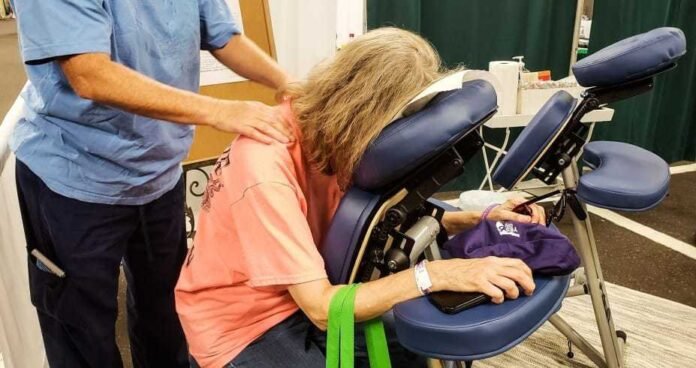
Massage therapy can help you treat your health issues if you have the right coverage. When it comes to Medicare and massage therapy, this guide can help you.
Whether for stress or recovering from injuries, plenty of people loves taking advantage of massage therapy. Studies show that about 15 percent of people each year get a massage.
If you get your medical coverage through Medicare, you may be wondering if you can use your plan for massage treatments.
Is it covered under your plan? What are the benefits of massage therapy?
Read on to learn these answers and more about Medicare and massage therapy.
What You Should Know About Medicare and Massage Therapy
If you’re a Medicare recipient, you should always research your treatment first to see if it’s covered.
Here’s how Medicare handles massage therapy:
Most Medicare Plans Classify Massage Therapy as Alternative Therapy
For starters, Medicare plans most typically won’t cover massage therapy because it’s categorized as an alternative therapy rather than a medically necessary treatment.
As such, you’ll typically have to pay for your massage therapy treatments outside of Medicare.
Specific Medicare Advantage plans cover massage therapy
How Medicare works is people 65 or older or with eligible disabilities receive coverage for hospital or medical services, per their Part A or Part B plans. Part D covers prescriptions. The Federal government regulates all plans. Medicare Advantages allows private companies to offer coverage for these matters and others that original Medicare won’t cover.
Specific Medicare Advantage plans are starting to cover massage therapy treatments.
According to the Better Medicare Alliance (BMA), more than 100 Medicare Advantage plans are beginning to cover alternative treatments such as massage therapy. They’re also expanding services to include non-medical needs like grocery trips and bank errands.
So if massage therapy is a priority for you, definitely look into a Medicare Advantage plan. For example, some patients can get chiropractic massage for covered medical events.
Even though massage therapy is not covered, you still might be eligible to get certain types of massages. For instance, a patient might use chiropractic massage to help correct a misaligned spine.
If deemed necessary, your Part B plan could cover this chiropractic massage.
Learn All About the Benefits of Massage Therapy
People use massage therapy for so many reasons.
Massage therapy is beneficial because it can relieve your anxiety, lower stress levels, soothe acute pain, improve blood circulation, and give you more energy and better sleep.
These tips can help you recover from an injury and live a healthier and more abundant life.
Assess the Cost of Massage Therapy
So how much does massage therapy cost? According to studies, the national average cost is about $60 per hour.
You’ll need to consult with your massage therapy personally to learn their rates and compare them.
Factor in Massage Therapy as You Figure Out Your Medical Needs
Now that you know more about Medicare and massage therapy, you can start making the best decisions for yourself.
There were 139 million emergency department visits in 2019 alone. Having a medical emergency is a frightening experience. The last thing you want to deal with is wondering if — and how — your health insurance will cover emergency room visits.
Fortunately, if you have Medicare, you have coverage for emergency department visits. There may be out-of-pocket costs, though.
Here’s what you need to know about Medicare coverage for ER visits!
Coverage Under Original Medicare
Original Medicare comprises two parts, Part A and Part B. Part A covers inpatient hospital stays, skilled nursing facility care, hospice, and home health care.
Part B covers more traditional healthcare needs, such as doctor visits. Part B is the portion of your original Medicare portion that applies to emergency care.
What is the cost of ER visits? Under Original Medicare, you’ll pay a copayment. Generally, this is 20% of the cost of the services you receive. If you have a deductible for Part B, you’ll need to meet that before coverage applies.
If your emergency room visit results in you being admitted to the hospital for that condition within three days, the ER stay will be considered part of your inpatient stay. In that case, Medicare Part A will apply.
What About Different Medicare Plans?
If you don’t have original Medicare, you probably have a Medicare Advantage plan. These plans are administered by private insurance companies and have different costs and coverage for those needing ER visits.
Your Medicare Advantage plan might have a set copayment for each emergency room visit instead of using a percentage. This can be helpful because it makes the cost of Medicare for the ER much more predictable.
Depending on your plan, you might also have a deductible that needs to be met. In some plans, this deductible doesn’t apply to emergencies.
Also, some seniors have concerns about medical networks. Many health insurance plans provide coverage even outside the network if it’s an emergency. Not all do, however.
Be sure to contact your Medicare Advantage plan provider before something happens to ensure you’ll have the coverage you need.
Getting Help With Copayments and Deductibles
Those with Original Medicare often worry that they won’t afford the 20% copayment they need to pay. With the cost of medical care rising, that’s a genuine concern.
If you’re anxious about being able to pay your portion, you do have options. One choice is to get a Medicare Advantage plan for more predictable cost-sharing. Another option is to get a Medigap plan to help pay copayments and deductibles.
It’s essential to keep in mind that Medigap has a monthly premium. Medicare Advantage also does, but you can often find a plan that charges only your regular Part B premium.
Get the Coverage You Need For Emergency Room Visits and More
The last thing you need to be thinking about during an emergency is your ER visit coverage. Having the right Medicare plan in place will allow you to have confidence in your insurance whenever you need care.
Get a FREE No Obligation Medicare Quote Today
You can find the coverage you need from emergency room visits to seeing the doctor and specialists. We’re here for you if you need help getting everything taken care of.
Did you know that the two most significant risk factors for breast cancer are being female and getting older? Experts have recommended mammograms for decades to facilitate the early detection of breast cancers.
Do you ever worry about coverage by Medicare for mammograms? Please keep reading to learn more about mammograms and how Medicare pays them.
Purpose of Mammograms
A screening mammogram is an X-ray of the breast using low-dose X-rays. The goal is to detect breast cancer before a person has any symptoms. Breast cancer that’s detected early is often the most treatable.
How Mammograms Work
The breast is briefly compressed twice between two plates. The machine makes a radiologic image from two different views. One is top-down, and the other is on an angle from the center of the chest to the side.
The radiologist examines the image for abnormal areas. If they find anything suspicious, further testing will take place.
Medicare for Mammograms
Medicare Part B beneficiaries without symptoms or a history of breast cancer have coverage. Women 35 to 39 years may have one baseline mammogram, while women over 39 may have one screening mammogram each year.
It’s important to note that Medicare doesn’t cover screening mammograms for men. They will cover diagnostic mammograms for women and men. Providers order this type of mammogram when someone has an identified abnormality.
Cost of Mammograms
Screening mammograms have 100% coverage for members who qualify for Part A and B. It will help if you use a Medicare-approved provider, also valid for Medicare Advantage Plans if you meet Medicare requirements.
80% of the Medicare-approved cost is covered if you have a diagnostic mammogram. After meeting your Plan B deductible, you will need to pay the 20% coinsurance. Your Medicare Advantage Plan’s cost-sharing may apply with in-network providers.
Cost of Medicare
Medicare coverage involves many different Medicare plans and supplements. The following briefly overviews standard health plans and their premiums.
Medicare Part A
Medicare Part A covers inpatient hospitalization without monthly premiums for most people. If you paid into Medicare for 7.5 to 10 years, your cost would be $263/month. Those who paid into Medicare for less than 7.5 years will pay $478/month.
Medicare Part B
Part B covers many outpatient services. Most beneficiaries will pay $153.30/month. This premium depends on the Social Security cost of living adjustment for 2021.
Medicare Supplements
Medigap Plan Gwill cost about $140/month. Yet, rates vary depending on location, use of tobacco products, gender, and age.
Medicare Part D coverage pays for prescription medications. With enhanced plans, the premium will be about $30.50/month, and some states will cost more.
Do You Have Questions About Medicare?
This article answered the question about the coverage by Medicare for mammograms. If you have other questions about Medicare, you’ve come to the right place.
Get a FREE No Obligation Medicare Quote Today
Senior Affair provides comparisons of different Medicare Insurance plans and providers. We’re an independent publisher supported by advertising. Our goal is to provide consumers with the information they need to choose the right plan for them.
If you need a lift chair for your current condition, your insurance can affect your options. Here is what to know about coverage for Medicare and lift chairs.
Are you struggling to get in and out of a chair due to your health changes?
Conditions such as arthritis, aging, or surgery can make it difficult to get in and out of the chair. However, if you’re considering investing in a lift chair, you may have realized that a lift chair’s entire cost is too much for you to afford.
Is there any connection between Medicare and lift chairs? This quick guide will help you to understand if Medicare covers the cost of lift chairs. Keep reading to learn more!
What Is a Lift Chair?
A lift chair is different from a stairlift or a patient lift. A stairlift carries someone up and down a staircase, while a patient lift helps caregivers move their patients from one area to the next.
A lift chair will have a similar appearance to an oversized fabric recliner or a leather recliner. A lift chair is a seated lift mechanism. This mechanism is responsible for tilting the back part of the chair and the chair’s base forward.
A lift chair helps raise a person into standing by tilting and different positions. A lift chair will also help put a person back into a seated position.
Do You Have to Meet Certain Circumstances?
Medicare will cover the lift chair cost if you meet specific requirements.
Firstly, Medicare must determine that the lift chair’s cost is a medical necessity. Determination is made when the following criteria are met:
The patient can walk with the help of a cane or walker or walk on their own when standing up.
If a patient has to directly transfer to a wheelchair because they cannot walk or stand by themselves, Medicare will not cover the lift chair’s cost.
Another reason Medicare will approve paying for the entire cost of a lift chair is if a physician recommends the lift chair as a course of treatment. A doctor has to suggest that the chair will slow the deterioration of the patient’s condition or improve their current condition.
For this to be possible, the patient has to receive a Medical Necessity Certificate for seated mechanisms from the CMS.
Get a FREE No Obligation Medicare Quote Today
Medicare And Lift Chairs: Understanding Your Coverage
Lift chairs are an excellent piece of medical equipment to use if you’re struggling to stand up from a sitting position. Understanding the coverage of Medicare and lift chairs is very complicated. You need to understand several expectations to qualify for Medicare coverage.
Learning about how your current medical condition qualifies you and what could disqualify you is crucial, allowing you to avoid the hassle that comes with a denial of a Medicare claim.
Does Medicare Cover Ambulance Services in 2026? Ground, Air & Non-Emergency Rides
Yes, Medicare covers medically necessary ambulance transportation. Medicare Part B pays 80% of the approved amount (you pay 20%) for ground and air ambulances when other transportation would put your health at risk. Non-emergency rides have stricter rules, and air ambulance bills can include large balance billing charges beyond what Medicare approves. Knowing the rules before a crisis protects your wallet.
An ambulance ride is often the last thing on your mind in an emergency, but the bill that arrives weeks later can be a significant shock. Medicare does cover ambulance transportation, but coverage depends on the type of transport, why it was needed, and whether the ambulance company accepts Medicare’s payment in full. Here’s what every Medicare beneficiary needs to know before an emergency arises.
What Medicare Covers for Ambulance
Medicare Part B covers ambulance services when two core conditions are met:
Medical necessity: Your condition requires ambulance transport — meaning that using any other type of vehicle could harm your health or worsen your condition.
Appropriate destination: The ambulance is taking you to a Medicare-approved facility — such as a hospital, critical access hospital, skilled nursing facility, or dialysis center — or returning you home from one of those facilities.
Medicare does not cover ambulance transport simply because it’s convenient or because you have no other way to get to a routine appointment.
Ground Ambulance Coverage
Ground ambulance (standard road ambulance) is the most commonly used and most straightforwardly covered type of ambulance transport under Medicare. Emergency ground ambulance calls — where 911 is dispatched — are almost always covered as long as you are transported to an appropriate facility.
Medicare pays the ambulance company a set amount based on billing codes and your geographic location (urban, rural, or super-rural areas have different approved rates). The ground ambulance billing includes a base rate plus a per-mile charge for the loaded mileage (miles traveled with you in the ambulance).
Typical Medicare-approved amounts for ground ambulance (2026):
Service Type
Approximate Medicare-Approved Rate
Basic Life Support (BLS) emergency
$300–$700 base rate + ~$7–$12/mile
Advanced Life Support (ALS) emergency
$400–$900 base rate + ~$7–$12/mile
Non-emergency BLS transport
$200–$500 base rate + mileage
Specialty care transport
$700–$1,200 base rate + mileage
Your 20% coinsurance applies to these approved amounts—not to the ambulance company’s full billed charge. If the ambulance company accepts Medicare assignment (agrees to accept Medicare’s approved amount as payment in full), your out-of-pocket responsibility is only 20% of the approved amount plus your deductible.
Air Ambulance Coverage (and the Big Risk)
Medicare Part B covers air ambulance—helicopter or fixed-wing aircraft—when ground transport is not appropriate because
Your condition is so serious that ground transport would delay necessary care or worsen your condition, or
The terrain or distance makes ground transport impossible or impractical.
The air ambulance financial risk is severe and deserves your full attention. Air ambulance companies frequently charge $30,000–$80,000 or more per flight. Medicare’s approved rate is typically $6,000–$15,000. If the air ambulance company does not accept Medicare assignment, they can balance bill you for the difference between their charge and Medicare’s approved amount—potentially $20,000–$60,000 or more in personal liability, even after Medicare pays its 80%.
Unlike hospital-based air ambulances (which are usually Medicare-participating providers), many independent air ambulance operators are not Medicare-participating. In an emergency, you have no ability to choose your air ambulance provider. This is not hypothetical — surprise air ambulance bills are one of the most common causes of medical debt among seniors.
How to Protect Yourself from Air Ambulance Surprise Bills
Medigap Plans: Most Medigap policies cover the 20% Medicare Part B coinsurance for covered ambulance services — but they do not cover balance billing beyond the Medicare-approved amount from non-participating providers.
Air ambulance membership programs: Organizations like AirMedCare Network, REACH, and Air Methods offer membership programs ($65–$100/year per household) that cover balance billing for members transported by their affiliated aircraft. If you live in a rural area far from a trauma center, these memberships can be valuable insurance.
Medicare Advantage plans: May negotiate different network arrangements with air ambulance providers. Review your plan’s out-of-network air ambulance coverage carefully.
The No Surprises Act (2022): Provides some protections against air ambulance balance billing, including required disclosure of costs and dispute resolution processes. However, full protections for air ambulances are still being implemented through rulemaking.
Non-Emergency Ambulance Rules
Non-emergency ambulance transport (a scheduled, planned ambulance ride to a medical appointment or facility) is covered by Medicare under stricter conditions:
Your medical condition must be such that ambulance transport is medically necessary — not just more convenient than other options.
A physician or other authorized provider must certify in writing that ambulance transport is medically necessary.
The transport must be to receive a Medicare-covered service.
Common non-emergency ambulance situations that Medicare covers:
Transport from a hospital to a skilled nursing facility when the patient cannot be safely transported otherwise
Transport to dialysis for patients who are bedbound or unable to sit in a wheelchair
Transport from a nursing facility to a hospital for a procedure and back
Non-emergency ambulance transport just to get to a routine doctor’s appointment—when the patient can walk, use a wheelchair, or ride in a car—is generally not covered.
Prior Authorization for Non-Emergency Ambulance
Medicare has implemented a prior authorization requirement for repetitive, scheduled non-emergency ambulance transport in select states. “Repetitive” means three or more transports per 10-day period or at least once per week for at least three weeks.
States currently requiring prior authorization for repetitive non-emergency ground ambulance under Medicare:
Delaware
Maryland
New Jersey
North Carolina
Pennsylvania
South Carolina
Virginia
West Virginia
Washington D.C.
Alabama
Georgia
Mississippi
Tennessee
Michigan
Missouri
Kansas
Kentucky
Illinois
Ohio
Indiana
If prior authorization is required and not obtained for a non-emergency ambulance in your state, Medicare may deny the claim, and you could be responsible for the full cost. The ambulance company should be aware of this requirement and handle authorization—but confirm this before scheduling repeated transports.
Full billed amount — Medicare denies claim entirely
Money-saving tip: If you have a Medigap Plan that covers Part B coinsurance (Plans D, G, N, and others), your 20% coinsurance for ambulance is covered. Medigap Plan G — the most comprehensive plan currently available to new enrollees — covers 100% of the Medicare Part B coinsurance after your Part B deductible, meaning your ambulance coinsurance is $0.
Understanding Balance Billing on Ambulance Rides
Balance billing occurs when a provider charges more than Medicare’s approved amount and bills you for the difference. The rules on balance billing depend on the provider’s Medicare status:
Medicare-participating providers: Accept Medicare’s approved amount as payment in full. You owe only your deductible and 20% coinsurance. This is the safest scenario.
Medicare non-participating providers that accept assignment: Accept Medicare’s approved amount for that claim. Same cost to you as participating providers.
Medicare non-participating providers that do not accept assignment: Can bill up to 115% of the Medicare-approved amount (“limiting charge”). For ground ambulance, this is a modest extra charge. For air ambulance, the approved amount is so far below actual charges that the gap is enormous.
Providers that opt out of Medicare entirely: Extremely rare for ambulance services, but they can bill any amount with no Medicare limiting charge protections.
Frequently Asked Questions
Does Medicare cover ambulance transport to a different hospital?
Medicare covers transport to the nearest appropriate facility. If you are transported to a more distant hospital, Medicare will typically approve transport to the nearest facility that can provide the care you need. Transport to a hospital farther away because of personal preference may result in Medicare only approving the rate for the nearest appropriate facility.
Does Medicare cover ambulance transport home from a hospital?
Yes — if your condition makes it medically necessary to use an ambulance rather than other transportation. This requires physician certification. Simple discharge home after a routine hospital stay does not qualify unless you are bedbound or otherwise unable to be transported safely any other way.
Does Medicare cover medical transportation vans (non-ambulance)?
No. Medicare Part B does not cover non-emergency medical transportation (NEMT) vans, wheelchair vans, or ride services for medical appointments. Some Medicare Advantage plans include NEMT as a supplemental benefit. Medicaid covers NEMT for qualifying low-income beneficiaries.
What if Medicare denies my ambulance claim?
You have the right to appeal. The appeals process for Medicare denials starts with a redetermination request to your Medicare Administrative Contractor, submitted within 120 days of receiving the denial. Your ambulance provider can also appeal on your behalf. If the transport was genuinely medically necessary and the denial seems wrong, appeals are often successful.
Does Medicare cover ambulance transport between hospitals (interfacility transfer)?
Yes — when medically necessary. Transfers between hospitals for higher-level care (e.g., from a community hospital to a trauma center or a hospital with specialized services you need) are covered when your condition requires ambulance transport. These are among the most common legitimate ground and air ambulance claims under Medicare.
This article is for informational purposes only. Prior authorization state lists and Medicare-approved ambulance rates are subject to change. Verify current requirements at Medicare.gov or by calling 1-800-MEDICARE. If you receive an unexpected ambulance bill, contact a State Health Insurance Assistance Program (SHIP) counselor for free help—find yours at shiphelp.org.
Hemp seeds are considered a superfood and are highly beneficial to your health. They’re packed with nutrients that nourish your body and fight diseases!
Hemp seeds contain about 33% protein by weight, which means that in every 100g of hemp seeds, there is 33g of protein! The protein in hemp seeds is of high quality, which means it contains the essential amino acids your body needs!
Here are a few benefits of hemp protein:
Plant proteins are usually hard to digest, but hemp seeds are an exception! The protein available in hemp seeds is easily digestible.
Over 90% of the protein available in hemp seeds can be easily digested, which is why hemp seed powders are often used as a rich protein source.
Hemp contains proteins: albumin and edestin, which your body can digest easily to extract amino acids!
The essential amino acids are those amino acids that your body cannot create on its own and needs an external source to fulfill its requirements! There are nine essential amino acids, and hemp seeds contain each of them! This means hemp seeds provide you the complete package of amino acids your body needs to function, that too in a high quantity!
Arginine is an amino acid that your body uses to make nitric oxide. This nitric oxide relaxes your blood vessels and prevents your risk of heart disease and high blood pressure!
Hemp seeds also have a high fiber content, which helps with peristaltic movements in your guts and aids gut mobility. It’s an excellent source of other nutrients like vitamins and minerals!
Add hemp seeds to your diet so that you can become healthy and active!
A metabolic disorder in which hyperglycemia remains for an extended period in the body These symptoms characterize the condition:
Increase in thirst
Frequent urination
Increase in appetite
Chronic loss of body weight
If the condition is left untreated, different complications may occur. The complications include death due to hyperglycemia and ketoacidosis. The chronic or long-term complications of diabetes include stroke, cardiovascular disorders, foot ulcers, chronic kidney disorders, cognitive impairment, and damage to nerves and eyes. In diabetes, either there is no insulin production or a loss of body response against insulin. Diabetes has three different types, including:
Type 1 Diabetes
Type 1 diabetes results from the impaired functioning of the pancreas (loss of pancreatic beta cells) for producing insulin. An autoimmune attack in which T cells of the immune system attack the beta cells, and there is a loss of these insulin-producing beta cells.
Therefore, the condition is described as an idiopathic or autoimmune disorder. About 10% of diabetic patients are affected by it in Europe and America. It mainly occurs in children, so they refer to it as juvenile diabetes. During this condition, the body’s response to insulin is normal, but there is a loss of insulin production; therefore, insulin-dependent diabetes is given. The traditional term to describe this type was brittle or unstable diabetes because of recurrent blood glucose levels.It is a somewhat inherited disorder because of multiple genes involved in the autoimmune destruction of beta cells. The condition is triggered by viral infections, diet, or other environmental factors.
Type 2 Diabetes
The disease is characterized by a decrease in the body’s responsiveness against insulin to utilize glucose. It may be combined with decreased production of insulin. The insulin-resistant condition develops due to the loss of defects of insulin receptors. It is the most commonly found type of diabetes. In type 2 diabetic patients, there is an earlier history of impaired glucose tolerance, and its occurrence is gradual.
You can reverse it due to a change in lifestyle or a medication-based increase in body sensitivity against insulin and a drop in glucose production by the liver. The predisposing factors are genetics and lifestyle. The lifestyle factors include obesity, stress, poor diet, lack of physical activity, and urbanization. The cases are also even higher in people having a high hip-waist ratio. Sweetened drinks (dietary factor) and a high level of saturated fats in the diet increase the risk of type 2 diabetes.
Hypoglycemia can result from medications as a common side effect of therapy in Type 1 and Type 2 Diabetes. Conditions include medical emergencies like trembling, aggressiveness, unconsciousness, damage to the brain, sweating, paleness of skin, and death in rare cases. Mild cases of hypoglycemia are treated by drinking or eating a high sugar diet. Still, in severe cases, glucose injections are recommended.
Complications occur in diabetes after 10-20 years, but their diagnosis is uncommon. However, the risk of cardiovascular disorders doubles when you have diabetes. About 75% of diabetic patients die from heart disease and stroke.
Most patients suffer from damage to nerves (diabetic neuropathy), kidneys (diabetic nephropathy), and eyes (diabetic retinopathy and damage to blood vessels in the retina). It also increases the chances of glaucoma and cataracts in their patients. In severe cases of kidney damage may require dialysis or a kidney transplant. It is also one of the significant causes of kidney failure, blindness, heart attack, and limb amputation.
The cases of diabetes are rising faster in low to medium-income countries than in high-income countries. The number of diabetic patients rose from 108 million (1980) to 422 million (2014). According to 2019, about 463,000,000 people had diabetes globally, and 90% were Type 2 diabetes cases. The number of adult cases rose from 4.7% (1980) to 8.5% (2014). The rate of occurrence of the disease was similar in both sexes. Studies suggest that the frequency of this disease occurrence will rise continuously, and the risk of death becomes double in people with diabetes. There were 1.6 million deaths due to diabetes in 2016. But according to reports of 2019, deaths due to diabetes were 4.2 million. The cases of prematurity death increased by 5% during 16 years from 2000 to 2016. Globally diabetes is the 7th death-causing disease. In 2017 economists estimated the cost of diabetes patients worldwide, which was $727 billion. The average medication price in diabetes patients is 2.3 times higher than others (Abdulrahman et al.).
Can Diabetes be Reversed?
100% is the simple answer.
It requires the desire to want to change.
You’ll have to change your whole lifestyle to reverse diabetes, but luckily there are natural methods to do so.
Eating the right foods, doing the right exercises, drinking water, and developing a mindset that can persevere through the cravings and other challenges you may have are all necessary components to getting off diabetes medication permanently.
Medicare supplement insurance plans are the gap insurance policies that are not sold by the government but by private insurance carriers, and state insurance regulators regulate these plans. A Medicare supplement plan helps you pay some part of your own traditional Medicare (both A & B), which includes coinsurance, copayments, and deductibles. In most states, plans consist of 10 letters (A-N) are there. Every plan is providing separate coverage.
To understand these insurance plans and how it works and in what manners it saves you from large medical bills, there is also a need for you to understand its mechanism of working and affects the Medicare benefits. There is a simple chart that explains Medigap plan coverage most appropriately.
Fast Facts About Medigap Policies
Every plan has its primary benefits, like a Plan A policy sold in California by one company will have similar services compared to a Plan A sold in Florida by a different company. These plans usually have identical coverage at the primary level, including Medicare (A & B) coinsurance coverage, blood testing, and other hospital perks. In many areas, you can buy a different supplement policy that is known as Medicare SELECT. All these policies usually follow a standard of regular Medigap plans. There is only one difference here: the provider needs you to utilize their network providers. This is how you save on the monthly premium.
Expenses Covered by Part A:
Hospital stays: These plans provide the coinsurance amount on hospital costs, to about an extra one year after your hospital benefits related to Medicare are finished.
Hospice care: Medigap plans cover up to 50-100% of all of your coinsurance and copayments for Part A hospice care expenditures, as per the option of the place you decide.
Medicare Part A deductible: Plan A usually does not cover all the deductible.
Expenses Covered by Part B:
Coinsurance or Copayment: They cover up to 50-100% of Part B expenditure amounts (depending on the plan).
Medicare Part B deductible: The two Plans (C & F) cover the deductibles; thus, these are the most famous plans.
Part B excess charges: Whenever a healthcare provider doesn’t accept an assignment, they can charge up to 15% more; that’s when Part B extra coverage is needed.
Foreign Travel Coverage
Medicare coverage is available in the US only. That is the only reason that some of the Medigap plans provide coverage for foreign travel emergencies.
Blood Coverage
Your own Medicare plan will pay for blood after you’ve run out of the third pint. Most of the hospitals get blood at no cost. But, if a hospital has to buy any additional blood for you, you have to pay out of pocket. Most Medicare supplement plans cover 100% of the expense of the first 3 pints of blood.
Nursing Coverage
These are healthcare facilities providing short-term or maybe long-term care for individuals with a critical condition they can’t manage at home. While coinsurance for skilled nursing care is not covered by Plans A or B, all other plans cover 50 to 100 percent of these costs.
Medicare Supplement plans do not cover:
The following services are not covered by your Original Medicare or Medigap coverage:
Long-term hospital care
Private-duty nursing care
Hearing-aids
Vision-related issues
Usual dental care
How does Medigap and Medicare work together?
Medigap is designed to work with your Original Medicare benefits. Medicare plans pay a portion of it. The most important thing is that if your Medicare cannot cover any service, your Medigap plan cannot cover it. Foreign travel healthcare coverage is the only exception to this rule.
Protection from Medical Bills
The reason to purchase supplemental Medicare plans is protection from sizeable medical care bills due during sickness or other medical emergencies. For example, if you have an accident and have to be carried to the Hospital by ambulance service and be admitted into the hospital, this process uses both Medicare Part A and Medicare Part B coverage.
Eligibility for Medicare Supplement Insurance:
Private companies sell this health insurance to cover the missing parts (or gaps) in your Original Medicare. All of this supplements your regular Medicare coverage (A & B). Therefore, you need to qualify for both Parts (A & B) to be eligible for supplemental coverage. Your age is also one of the qualifying factors.
Medigap Plans for disabled persons:
If you have any disability and qualify for Medicare benefits for this, you can also buy Medicare supplement insurance. Every State has a specific board of insurance regulating the purchase and sale of these insurance policies. Federal law has also established a national Medicare policy.
Medigap vs. Medicare Advantage
While purchasing a Medicare plan, most people need to know the difference between Medicare supplements and Medicare Advantage plans. These are very different things; however, they both protect you from the high cost of illness or hospitalization charges. These are some prominent differences:
Medicare Advantage plan replaces your Original Medicare.
Medicare Supplement insurance covers the remaining things in your Medicare coverage and compliments it. You’ll want to have this coverage for prescriptions, hearing, and vision.
Another primary difference is that you usually pay out of pocket in advance with a Medicare supplement, even without any medical services. But with Medicare Advantage, you only pay at the point of service. Sometimes these are not compatible with each other. You might be eligible to purchase a Medicare Advantage Plan and in some cases, can still get enrolled in a Medigap plan.
You can also buy a supplemental policy when:
You cancel your Medicare Advantage plan.
You have to leave a health plan due to being misled or someone broke the rules.
Stoppage of services by your own Medicare Advantage plan in your area
Medigap vs Medicaid:
Medicare and Medicaid benefits are not usually the same. Therefore, receiving Medicaid does not make you eligible for having a Medigap plan. But, if you are qualified for both, there is no reason to have a Supplemental policy. Medicaid covers the gaps in regular Medicare for beneficiaries who are eligible for both.
Changing supplement plans:
Follow these steps to change your supplemental plan if you need to do so:
Contact the new insurance company selling you the policy and complete the application with the new company.
If they accept your application, contact your current or previous company and inquire how to cancel coverage with them.
Cost of Medicare Supplement Plans
The cost of the plan is pretty essential when comparing Medicare supplemental plans. Payments are dependent on the program that you choose as well as the new insurance company.
Pros and Cons of Medicare Plans:
Following are the reasons that people purchase it:
Freedom – in choosing healthcare providers
Better coverage (for both coinsurance and coinsurance)
Traveling coverage
Easy-to-understand
Many carriers offer plans. It’s essential to compare the programs before purchasing. Make sure that you are comparing apples to apples.
Prescriptions and Medigap Plan:
You can obtain prescription drug coverage via Medicare in one of two ways:
Buy a Plan
Get enrolled in any Medicare Advantage Plan that covers both parts of that plan
Options other than Prescription Drug Coverage:
Here are some alternatives:
Keep the insurance policy you have and also buy a Medicare plan that suits your needs.
Cancel the Medigap plan and then receive coverage via the Medicare Advantage plan
Saving money with a Medicare Supplement:
The premiums of these supplement insurance policies are increasing continuously. These increases have changes brought about the Affordable Care Act. Consequently, people want to know how to save money when they purchase supplement plans.
These policies cover the gaps in your Medicare policy. The rule is: if once you pay your deductible, Medicare has to cover up to 80% of the remaining charges.
Choosing your plan:
It’s easy to save some money on coinsurance, and it’s an intelligent choice. It’s also essential to understand the expenses and benefits regarding the supplemental Medicare policy fully. The best plan is dependent on your budget and personal medical needs. You shouldn’t get more insurance than you need, but it’s not wise to risk your savings because you aren’t adequately covered if you ever needed to be hospitalized. So do your homework and choose wisely.
Standardized Medigap Benefits:
By law, all Medicare insurance policies need to provide some primary benefits of coverage. These all include most Medicare (A & B) coinsurance amounts, blood, and any other hospital perks that do not get coverage by your own Original Medicare.
Part A
61-90 days of stay at Hospital
91-150 days of a hospital stay
Additional Hospital Benefits
Another year of hospital care than your own Medicare benefit offered by your Hospital
Part B Coinsurance
Covers for coinsurance of Part B
Getting a Medigap Plan:
These are supplemental insurance plans that State-licensed insurance agents sell. The initial step is to research policies that are available in your State. Be a savvy consumer and shop around and compare your plan on an annual basis making sure that you’re still paying a reasonable rate.
You can purchase insurance from an agent or go directly and purchase from the insurance carriers. Consider using an insurance agent since they can help compare the different policies offered by other carriers.
Q.) The best supplement plan for this year:
A.) In the case of the most coverage, then Medigap Plan F is the best. However, it would be best if you considered other factors like financial status and health. Mostly healthy individuals can afford to take a bit of risk. In this case, the Medigap Plan N is the best way to save your money. If you are turning 65 in 2021, Medigap Plan G is an excellent choice.
Q. ) The most cost-effective Medicare supplement plan:
A.) Medigap Plan F is the best comprehensive plan, but it might not be the best in cost-effectiveness. Plan F covers Medicare deductibles and all the coinsurance, which means that you don’t need to pay anything out of pocket. However, many healthy individuals think that they save more via the Medigap Plan N policy.
Q.) Differences in Medicare supplement plans:
A.) The main differences between each Medigap plan are only the gaps that they cover. With Original Medicare (both A & B), you usually pay various deductibles, copays, and coinsurances while using your health care services. These costs typically add to about 20% of the total cost. That’s good for 1-2 doctor visits every year but not for hospitalization.
Speak to a licensed insurance agent today for more info.
CBD has gained rising popularity as a natural supplement owing to its numerous health benefits. You can now get CBD-infused oil, tablets, food, alcohol, gels, creams, and even lip balms! It’s everywhere on the market. In fact, some even add CBD to clothing.
CBD has also been used widely in skin care products owing to its effectiveness. It improves skin texture and appearance.
Some of the factors that result in dry, chapped lips include harsh environmental factors such as exposure to high amounts of UV rays, heat, dust, and allergens. The weather can also have a great impact on the lips and winter can make them drier!
Why Use CBD in Skincare Products?
Another factor that makes skin feel dry and rough is nutrient deficiency. The human skin needs vitamins and minerals like Vitamins A, C, and E to help repair damaged skin cells. It also needs minerals like Zinc and Magnesium to replenish dead skin cells. Lack of these nutrients can result in dry, chapped skin.
CBD is a cannabinoid extracted from the hemp plant. It’s great for your overall health as well as skin health. Here are a few benefits of using CBD lip balm:
CBD oil moisturizes lips. Moisturizing lips is an essential part of the lip-care routine. Moisture prevents the lips from being dry and chapped.
It has anti-inflammatory properties. The anti-inflammatory properties of CBD oil help soothe damaged skin and repair damaged skin cells. It also helps improve skin diseases like eczema. The anti-inflammatory properties of CBD oil have been studied well and can make a huge difference in the appearance and texture of the lips and skin.
It provides the skin protection against harsh environment factors like heat, dust, and UV rays. A big external culprit of dry and rough skin is UV rays from the sun. CBD oil helps protect the skin from UV rays and also helps repair skin that has been damaged by UV rays. It provides a protective barrier to the skin and prevents the loss of moisture.
CBD oil contains vitamins which help boost the skin’s immunity and help skin heal faster. Say goodbye to flaky, bleeding lips with CBD lip balm!
Our lips naturally don’t have sebaceous glands. These are the glands that produce sebum on the rest of your skin. The sebum protects the skin from harsh external environmental factors. Thus, they need extra protection in the form of a CBD lip balm to keep them safe and nourished!
Sleep. It’s embraced as a core pillar of health, equal to exercise, good nutrition, and regular check-ups with your doctor.
You try to sleep, and maybe you do so for 8 or more hours if you’re 60 or older. Despite that, maybe you wake up with a host of problems.
Do you have painful headaches in the morning or are excessively sleepy during the daytime? Maybe you’re in situations where being sleepy could be potentially fatal, such as when driving. Over the past years, you may have noticed memory loss, decreased sex drive, constant irritability, or a complete lack of focus. Your partner may complain of constant mood swings or tell you that you snore so loudly that it can be heard throughout the house.
If you’re displaying the above symptoms and have been for the past few months, you shouldn’t hesitate to see a doctor–it could be urgent. You may have a sleep disorder, and promptly treating it will improve your overall health. Fortunately, those on Medicare are eligible for sleep studies that can diagnose sleep disorders.
Sleep disorders are numerous and complicated and are more likely to affect older adults. Your Medicare deductibles, copay, and responsibilities are determined by diagnosis methods, sleep disorder, and recommended treatment. But before you can get to all that, you must complete the first step: the sleep study.
Initial Visit
You’ve set up an appointment with a doctor who accepts Medicare. After you explain your symptoms, that doctor will order a “sleep study.” Note that if the only symptom you can bring up is snoring, you may not be eligible for a Medicare-covered sleep study. Additionally, snoring should not be the only tell-tale sign of a sleep disorder. Snoring tends to be more apparent in men with sleep disorders, whereas mood swings are more likely to appear in women with sleep disorders. To be eligible, you should explain how you believe your snoring (and sleep quality) affects you, such as fatigue or forgetfulness.
A sleep study is an examination to be taken, as the name suggests, while you’re asleep. When you’re asleep, you aren’t aware of your breathing, movements, and other actions. Through a sleep study, you undergo an exam that enables a doctor to monitor your brain and body activity while asleep.
Generally, sleep exams and treatments are covered under Medicare Part B. Under Part B, Medicare will cover either (1) medically necessary or (2) preventative services. You must first meet your Part B deductible to be eligible for Part B services. In 2019, that monthly deductible is $185.
Upon meeting your deductible, Medicare will cover 80% of the costs associated with your sleep-related treatment; you (or your other insurance) are responsible for the other 20%.
Sleep Study Process
Medicare will cover these sleep studies: Type I, II, III, and IV.
Type 1: An exam done at a physical location, typically a sleep lab, is called a polysomnogram (“PSG”). At the sleep lab, a sleep technician will hook up various devices to you designed to measure factors such as airflow, respiratory effort, and oxygen saturation. Factors like these are called “sleep parameters” or “channels.” You then stay there the night. It may be difficult to fall asleep in that environment, but the plus side is that the lab will have data to work with immediately.
Type II: This sleep study is done through a Home Sleep Test (“HST”). It can be performed at home and requires no attendance. This HST device will monitor 7 channels.
Type III: HST device that will monitor 4 channels.
Type IV: HST device that will monitor 1-2 channels.
If you are ordered a sleep study designed only for “naps” (short daytime sleep), that will not be covered under Medicare.
HST Process
Typically, a doctor will notify a sleep lab that you require a sleep study, and it is at their discretion on which sleep study is appropriate. If it is an HST, the sleep lab will arrange for the HST to be shipped to you. You’ll receive instructions on how to use it and your responsibilities. By responsibilities, this means financial obligations. Specifically, you may be hit with fees for each day you fail to ship the HST back past your study period or if you lose/break the device. Daily fees for failure to deliver could go to $150 a day and even to $2,500 if you lose or break the device.
An HST can be hooked up to your chest and has tubing to be placed in your nostrils. You will be instructed to sleep with it for a minimum of hours, the most common being at least 4+ hours. The device will account for breaks when you wake up, use the bathroom, or get water. Typically, you will be asked to keep the device on for two to three nights. When doing the HST, you’ll fill out papers with questions like what time you went to bed, what time you woke up, and whether you drank alcohol that night,
You’ll attach your completed paperwork and send the HST back to the lab.
Waiting for Results
Once the sleep lab completes either the PSG or receives the HST, you will need to wait. Sleep studies can output several thousand pages of data, which will need to be evaluated by a sleep doctor. This means a doctor licensed or associated with the American Academy of Sleep Medicine; this could also mean a doctor whose primary occupation is working in a sleep lab.
Based on your results, that sleep doctor will diagnose you with a sleep disorder and recommend the appropriate treatment. Medicare currently covers those diagnosed with sleep apnea, and there are three types: obstructive sleep apnea (“OSA”), central sleep apnea, and complex sleep apnea syndrome.
Obstructive Sleep Apnea Treatment
If you’ve been diagnosed with OSA, you can be prescribed a Continuous Positive Air Way Pressure machine or “CPAP.” Medicare Part B will cover Durable Medical Equipment (“DME”), and CPAPs are listed as eligible DME. You can also inquire about your eligibility for a Bilevel Positive Airway Pressure device (“BiPAP”), an OSA treatment device for those unable to tolerate CPAPs. BiPAP is designed with an additional pressure setting, using both an inhale and exhale pressure when you breathe,
You may be initially for a three-month trial period for CPAP therapy. If you opt for a CPAP, you will speak with your doctor regarding your OSA diagnosis. Medicare will then work with a Medicare-approved medical supplies provider and arrange for you to receive a CPAP. If it’s determined that CPAP therapy is helping you, then your trial period can be extended. Currently, Medicare will pay the medical supplier for CPAP rental for 13 months, and then the CPAP machine will be considered yours–you no longer pay fees to the supplier.
As previously stated, if you’ve met your Part B deductible, Medicare will cover 80% of the associated costs, and you’ll be responsible for the other 20%.
What’s Sleep Apnea, and What’s Obstructive Sleep Apnea?
Sleep apnea is a severe sleeping disorder and is likely to affect older Americans.
Apnea is the cessation of breathing. For those with OSA, your throat can be closed off during sleep. Hence the term sleeps apnea. To be diagnosed with sleep apnea, the sleep doctor will measure your sleep study results using an Apnea-Hypopnea Index (“AHI”). The AHI is the sum of the number of apneas (breathing pauses) and hypopneas (shallow breathing) that, on average, happen in one hour: these are called “events.” To be measured as AHI, either of these events must occur for at least 10 seconds. If you are under 5 AHI, you have no sleep apnea. If you are above 30, you have severe sleep apnea. With severe sleep apnea, the consequences can be devasting and should be brought up with your Medicare doctor.
Why Is Obstructive Sleep Apnea a Health Problem?
When you experience apnea, you begin to be starved of oxygen. Your brain will then wake you up to force you to breathe, interrupting your sleep. In OSA, those interruptions can cause many as 30 (or more) interruptions per sleep session. Additionally, constant apnea can result in the most common sign of OSA: loud snoring.
Uninterrupted sleep is essential to entering “deep sleep,” a stage of sleep necessary for the mind and body to recuperate and rebuild themselves each day. Without that, you can experience daytime fatigue, memory loss, poor emotional control, and an increased risk for heart disease. This is because the heart must exert more effort in getting oxygen to your brain. The earlier you can prevent this, the better it is for your heart health.
How Does Medicare Cover My CPAP?
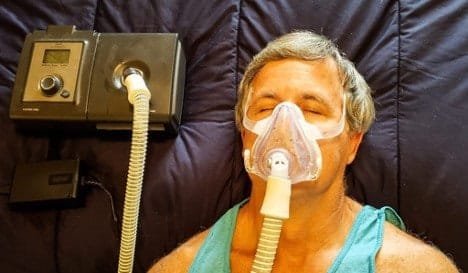
With CPAP therapy, you will use your CPAP device each night, and it’s recommended you use it each time you sleep (even with naps). The CPAP places a certain amount of pressure on your airway via a mask. This pressure ensures your airways are open and you breathe properly while asleep. With a CPAP, you have a higher chance of entering deep sleep, and your health will begin to improve overall. You may notice that you have more energy, a better ability to focus at school or work, and a better capacity to handle your relationships.
What CPAP Devices will Medicare Cover?
Currently, there are no guidelines for the type of CPAP Medicare will cover. CPAPs are incredibly expensive and complicated DME. Modern CPAPs have minimal noise, along with many advanced features. These might include:
An automatic feature that detects the degree of pressure needed to keep your AHI low (so you do not manually have to try figuring it out)
Wireless functions or an SD card that keeps track of use, AHI, and amount of events per hour (data that can be used to show your doctor in case there are still problems)
Automatic detection on how well your mask is sealed (when air escapes during use, this is called a “leak”) and whether CPAP parts need to be replaced
A humidifier to prevent dry throat
Automatic detection of when you’ve taken the mask off (so that it can automatically turn off
Adjustable “ramp-up” times where the machine sets a default pressure, then increases it (as needed) once it detects you’re asleep; this is designed for comfort.
CPAPs can take some time to adjust to. After all, you are trying to sleep with a mask on your face. Remember to be patient and disciplined when starting CPAP therapy. Generally, CPAP users gain the most benefit when they can keep the CPAP on them for at least 4+ hours. If you can do that, your device may record that. If you wake up before 4 hours, you will need time to adjust to the CPAP and your preferred settings.
Will Medicare Cover CPAP Replacement Parts?
CPAP parts are disposable and will need to be replaced. One of these parts is the CPAP mask that comes with your machine. Depending on your specific needs, you will have either:
a nasal pillow: a mask designed to go only into your nostrils
a nasal mask: a mask designed to cover your nose
a full-face mask: a mask designed to cover both your nose and your mouth
Always work with your medical supplier to ensure a properly sealed mask with 0 leaks. So long as you care for it and keep it washed, your mask will work for quite some time.
Medicare recommends that your mask be replaced every 3-6 months. Along with masks, your CPAP will come with “air filters,” which, as the name suggests, filter what you’re breathing in. This is especially important if you have a dusty home or pets that frequently shed. For filters, Medicare recommends a replacement every month. Medicare replacement schedules can be found on the CMS.gov website.
To schedule replacements, make sure that Medicare has a valid supply prescription on file. Afterward, you can try to make direct requests, but this would require you to keep track of Medicare’s replacement schedule. Alternatively, you can request regular mail deliveries, so you don’t have to worry about schedules. New CPAP models are released frequently, and Medicare recommends replacing your machine every five years.
As stated before, once you’ve met your Part B deductible, Medicare will cover 80% of the cost of your supplies, and you will be responsible for the other 20%.
Damaged or Lost CPAPs
If your CPAP is damaged, lost, or faulty, you must contact Medicare regarding eligibility and costs for replacements/repairs. Depending on the situation, Medicare will cover the cost to replace or repair your equipment and cover the cost of renting equipment while the originals are being repaired.
Why Pay for Sleep Studies and CPAPs?
For Americans on Medicare, the benefits of CPAP therapy often outweigh your deductible costs, plus a 20% copayment for sleep studies, CPAP equipment, and CPAP replacement parts. As you use your CPAP, you’ll have a wide range of long-term benefits such as:
Reduced risk of heart problems like congestive heart failure and coronary artery disease
Reduced risk of stroke
Reduced risk for Type 2 Diabetes
Reduced risk of causing motor vehicle accidents
You’re also likely to experience the following physical benefits:
Increased daytime alertness
Reduced or eliminated snoring
Additionally, untreated, severe sleep apnea can cause serious damage to brain tissue over time. Those undergoing CPAP therapy will begin to develop a more regular sleeping pattern and ensure that the amount they sleep is quality sleep (e.g., entering “deep sleep”), thereby repairing the damage done to their brain. It would help if you didn’t rule out being able to experience improvements to your well-being in these ways:
Increased concentration
Improved productivity
Decreased chances of making mistakes at school or work
Increased emotional stability
Improved memory
Better relationships with your partner through (1) improved mood, (2) reduction in irritability, (3) reduction in depressive symptoms, and (4) finally, letting your partner get quality sleep without being disturbed by snoring.
As you can see from the above, the costs of untreated sleep disorders will result in even more health problems. And more health problems lead to even more deductibles (because you may need to take on other plans) and even more copayments. Consider viewing the costs of your Medicare deductibles and copayments as a preventative measure against even further debilitating conditions. Your sleep troubles may not be fatal to you in the short term. Still, they can certainly become that way in the long term, either through chronic conditions, inability to work, or inability to have stable relationships.
If you’re an older American, age 60 or older, unsure if it’s worth the cost to undergo sleep studies, you will still highly benefit. Regardless of age, every Medicare patient benefits substantially from improved sleep and oxygen flow.
The process from a sleep study to diagnosis to receiving your DME can take months–and those are months you will still suffer from the damages of poor sleep. If you’re on Medicare, it’s highly advised to promptly seek out your primary care physician and request a sleep study.
Is a CPAP Machine the only way to treat Sleep Apnea?
Though CPAPs are the standard for sleep apnea treatment, alternative treatments are available. If your doctor determines that you cannot tolerate a CPAP, that doctor can prescribe you a specially-made oral mouthpiece. As with the CPAP, Medicare requires you to meet the same criteria of meeting with a Medicare-approved doctor and undergoing a sleep study. If you are approved for an oral device, you will need to receive it from a dentist who is a licensed Medicare DME supplier.
Does Medicare Cover Other Sleep Disorders?
Currently, Medicare covers sleep studies if you exhibit symptoms of OSA, but those can also overlap with symptoms of other sleep disorders. Your doctor can prescribe medication if you’re diagnosed with narcolepsy or insomnia. For medication, you will need to be enrolled in a Medicare Part D Drug Plan, which you can be enrolled in on its own, or as an additional Plan with your other Medicare Coverage (e.g., Part A or Part B). Under Part D, you’ll need to meet the current monthly deductible of $415.
Your copay will depend on the drug you’re being prescribed. Prescription drugs as listed in a “drug formulary,” categorizing drugs into different tiers. Drugs in Tier 1 are for generics and have lower copayments. Tiers 2 to 5 are brand-name and specialty drugs requiring higher out-of-pocket payments.
How Do Medicare Advantage and Medigap Factor into this?
The article uses ” Medicare ” to refer to “Original Medicare.” If you have a Medicare Advantage Plan, your sleep studies and requisite treatments are covered since Medicare Advantage Plans (also known as Medicare Plan Part C) must have Original Medicare’s Part A and Part B coverage. The benefit of this is that your plan may even include prescription drug coverage if you require drugs to treat your sleep disorder. If you have Medigap, you can use it as a source for you to cover the other 20% of your Part B copayments.
Conclusion
Get a FREE No Obligation Medicare Quote Today
To wrap this up, If lack of energy, emotional instability, or decreased cognitive performance interfere with your life–don’t wait. “Doing Nothing” is the worst option for your sleep, and if you’re on Medicare and capable of meeting your monthly deductibles, then there’s no reason to delay. Schedule an appointment with your Medicare-approved doctor today and ask for a sleep study: it could save your life.