
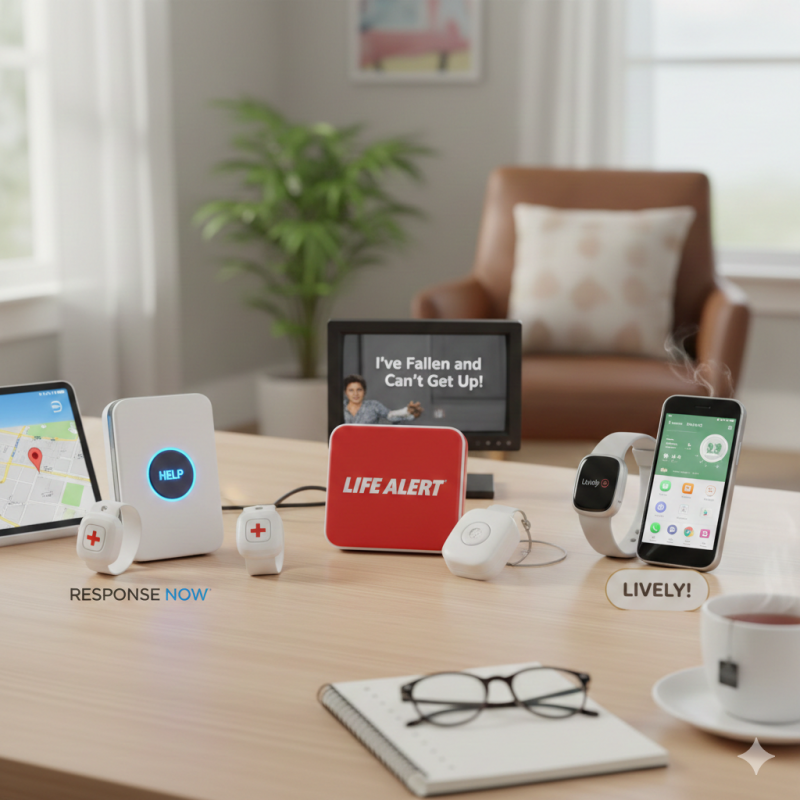
Living alone as a senior can offer independence and freedom, but it also comes with unique safety considerations. One of the most important tools for peace of mind, both for seniors and their loved ones, is a reliable medical alert system. These systems provide immediate access to help in an emergency, from falls to medical issues, ensuring that assistance is just a button press away.
At Senior Affair Magazine, we understand the importance of making informed decisions when it comes to your safety and well-being. That’s why we’ve put together a guide with some of the best medical alert systems for elderly individuals living alone, featuring popular brands like ResponseNow, Life Alert, and Lively.
Why a Medical Alert System is Essential
- Immediate Help in Emergencies: Whether it’s a fall, a sudden illness, or another urgent situation, a medical alert system connects you to trained professionals who can dispatch emergency services or contact family members.
- Peace of Mind: For seniors, knowing help is readily available can reduce anxiety. For family members, it offers reassurance that their loved one is protected.
- Maintained Independence: With a reliable system in place, seniors can continue to live independently at home, rather than needing to move to assisted living earlier than necessary.
- Fall Detection: Many modern systems include automatic fall detection, which can be life-saving if a fall occurs and the individual is unable to press their help button.
- Beyond the Home: Mobile systems allow for protection even when out and about, whether running errands or enjoying a walk in the park.
Let’s take a closer look at some of the leading brands in medical alert technology:
ResponseNow
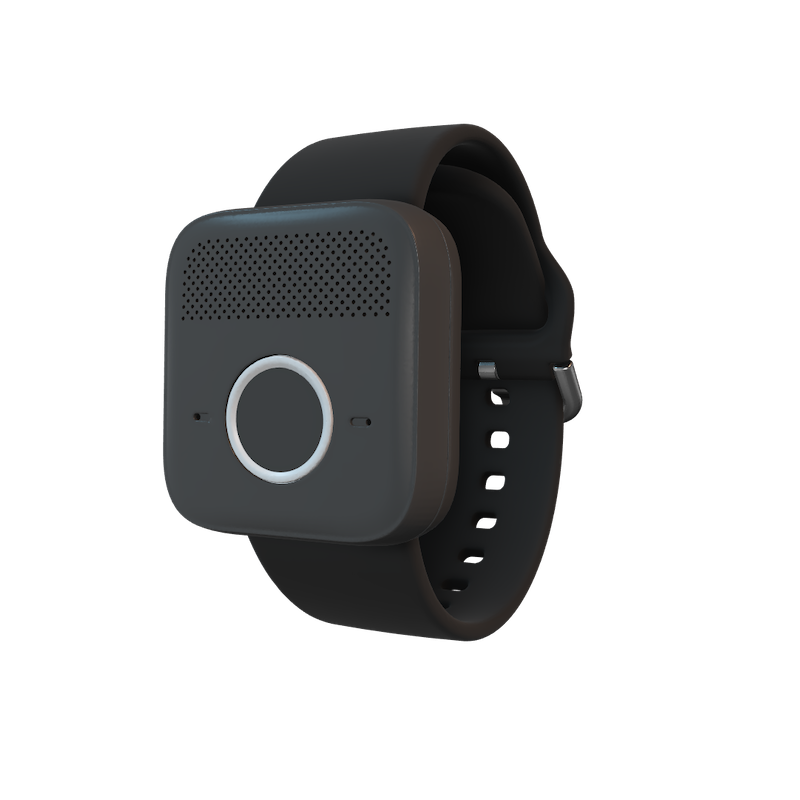
ResponseNow offers a range of medical alert systems designed for both in-home and on-the-go protection. They are known for their reliable service and straightforward approach.
- Key Features Often Include:
- 24/7 Monitoring: Access to a U.S.-based monitoring center around the clock.
- Waterproof Buttons: Wearable help buttons that can be worn in the shower, where many falls occur.
- Automatic Fall Detection: An optional feature that detects falls and automatically alerts the monitoring center.
- GPS Tracking: For mobile units, this allows responders to locate you accurately during an emergency outside the home.
- No Long-Term Contracts: Often offering flexible monthly plans without requiring lengthy commitments.
Life Alert
Life Alert is one of the most recognized names in the medical alert industry, famous for its iconic “I’ve fallen, and I can’t get up!” commercials. They provide dedicated service with a focus on quick response times.
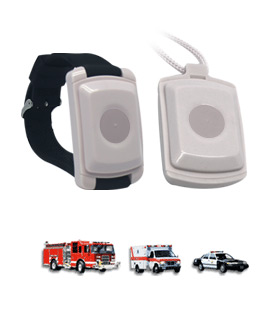
- Key Features Often Include:
- Direct Access to Emergency Services: Life Alert operators are trained to quickly assess situations and dispatch police, fire, or EMTs directly.
- In-Home and Mobile Options: Systems designed for use within the home and portable devices for protection on the go.
- HELP Button: Simple, easy-to-press buttons on pendants or wristbands.
- Battery Backup: Base units often include battery backup to ensure operation during power outages.
- Proprietary Technology: Life Alert often uses its own equipment and monitoring centers to maintain control over the service quality.
Lively (formerly GreatCall)
Lively has evolved from offering senior-friendly cell phones to a comprehensive suite of health and safety products, including their medical alert devices. They integrate technology with ease of use for seniors.

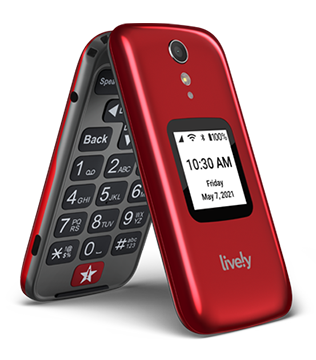
- Key Features Often Include:
- Urgent Response: Connects you to certified agents who can assess the situation and get you help.
- Lively Link App: An app for family caregivers to stay updated on their loved one’s health and safety.
- Optional Fall Detection: Available with their medical alert devices, providing an extra layer of safety.
- Health & Safety Packages: Often bundle medical alert services with their senior-friendly cell phones (like the Jitterbug Smart4 or Jitterbug Flip2) and telehealth services (Urgent Care).
- User-Friendly Devices: Known for their simple interfaces and large buttons, making them easy for seniors to use.
Choosing the Best System for You
When selecting a medical alert system, consider the following:
- Lifestyle: Are you mostly at home, or do you frequently go out? This will determine if you need an in-home system, a mobile system, or both.
- Fall Risk: If falls are a concern, look for systems with automatic fall detection.
- Budget: Costs vary between brands and features. Compare monthly fees and any upfront equipment costs.
- Features: Do you need GPS tracking, a lockbox for emergency responders, or medication reminders?
- Monitoring Center: Inquire about the monitoring center’s certifications (e.g., UL listed, TMA Five Diamond certified) and response times.
- Ease of Use: The system should be simple to operate, especially in an emergency.
Investing in a medical alert system is an investment in safety and peace of mind. We encourage you to research each of these brands further to find the perfect fit for your needs or the needs of your loved one. Stay safe and live vibrantly!