
Quick answer: CBD’s anti-inflammatory properties may help reduce gout flare severity and joint pain, though no clinical trials specific to gout have been completed. For seniors managing gout, CBD is best used as a complement to—not replacement for—prescribed urate-lowering therapy. Topical CBD applied to affected joints may provide localized relief without systemic drug interaction risk.
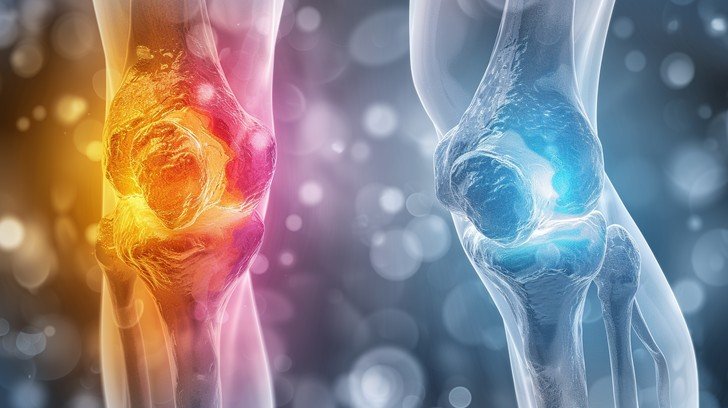
Gout is one of the most painful and prevalent forms of arthritis in older adults, affecting an estimated 8 million Americans. It occurs when uric acid crystallizes and deposits in joints—most famously the big toe, but also ankles, knees, and wrists—triggering an acute inflammatory response that causes severe pain, redness, and swelling.
The standard medical treatments (allopurinol, febuxostat, colchicine, and NSAIDs) are effective but come with side effects and drug interactions that many seniors want to minimize. CBD’s anti-inflammatory profile has generated significant interest among gout patients looking for additional symptom relief.
The Mechanism: Why CBD Might Help Gout
Gout pain is driven by the NLRP3 inflammasome—an immune system pathway that triggers rapid, intense inflammation in response to uric acid crystals. CBD’s anti-inflammatory effects have been specifically studied in relation to NLRP3.
Key research findings:
- A 2011 study in Free Radical Biology and Medicine showed CBD inhibited the NLRP3 inflammasome directly
- A 2015 study showed CBD reduced joint swelling and cytokine production in an arthritis model
- Multiple studies show CBD reduces TNF-alpha and IL-6—two inflammatory cytokines that are elevated during gout flares
The biological plausibility is stronger for gout than for many conditions CBD is marketed for. Whether this translates to clinically meaningful benefit in human gout patients remains to be confirmed in trials.
CBD for Acute Gout Flares
During an acute flare, gout causes some of the most intense pain in all of rheumatology—often described as the affected joint being on fire. Conventional treatment (colchicine, NSAIDs, or corticosteroids) is highly effective and should remain the primary approach.
Where CBD may play a supporting role:
- Topical CBD applied to the affected joint: Reduces local inflammation without systemic absorption. No interaction with colchicine or urate-lowering drugs. Can be applied multiple times daily.
- Oral CBD as adjunct to NSAID therapy: Some seniors are limited in their NSAID use due to kidney function or stomach concerns. CBD may allow reduced NSAID doses while maintaining adequate pain control — but discuss this with your doctor.
Important: CBD does not lower uric acid levels. It addresses inflammation and pain, not the underlying cause of gout. Long-term gout management requires urate-lowering therapy if your doctor has recommended it.
CBD for Gout Prevention (Between Flares)
Regular CBD use may help reduce the frequency of gout flares by maintaining lower baseline levels of systemic inflammation. This is speculative but biologically plausible.
More practically, CBD may help with the chronic joint damage and between-flare soreness that many gout patients experience in previously affected joints.
Suggested approach for between-flare use:
- 20–30mg CBD oil daily (full-spectrum or broad-spectrum)
- Topical CBD cream applied to chronically affected joints as needed
- Maintain adequate hydration (critical for uric acid excretion — often as impactful as any supplement)
Drug Interactions: CBD and Gout Medications
Colchicine: Colchicine is metabolized by CYP3A4 — the same liver enzyme that CBD inhibits. CBD can increase colchicine levels in the blood, potentially increasing both its effectiveness and its side effects (particularly GI effects: nausea, diarrhea). This interaction requires caution. Discuss with your doctor if you take colchicine regularly.
Allopurinol and febuxostat: Lower interaction concern. CBD’s effect on these urate-lowering medications is not well characterized but is generally considered low risk at standard CBD doses.
NSAIDs (ibuprofen, naproxen): Lower interaction risk. CBD and NSAIDs can be combined with reasonable safety at typical doses, though both have effects on inflammatory pathways—monitor for additive effects.
Warfarin: If you take warfarin for any reason and also have gout, the warfarin-CBD interaction is the highest priority concern. CBD significantly increases warfarin levels. More frequent INR monitoring is required.
Lifestyle Factors That Complement CBD for Gout
CBD is one piece of a broader gout management picture. These lifestyle factors have stronger evidence:
Diet:
- Limit red meat, organ meats (liver, kidneys), and shellfish—high in purines that produce uric acid
- Limit alcohol, especially beer—beer dramatically raises uric acid
- Limit fructose-sweetened drinks—high-fructose corn syrup in sodas is a major driver of rising gout rates
- Increase cherries or cherry juice—multiple studies show cherries reduce gout flare frequency (tart cherry extract, 1,000mg daily, is well studied)
Hydration:
- Aim for 8–10 glasses of water daily—uric acid is excreted through urine; staying well hydrated is one of the most effective gout prevention strategies
Weight management:
- Excess weight increases uric acid production. Even modest weight loss (5–10 pounds) significantly reduces gout flare frequency.
Vitamin C:
- Studies show 500–1,000 mg vitamin C daily can modestly lower uric acid levels. Inexpensive and well tolerated.
Frequently Asked Questions
Can CBD cure gout?
No. CBD does not lower uric acid levels or address the metabolic cause of gout. It may reduce inflammation and pain during and between flares, but long-term gout management requires addressing uric acid levels through diet, lifestyle, and medication if needed.
What’s better for gout pain — CBD cream or CBD oil?
Topical CBD cream has the advantage of direct application to the painful joint with no systemic absorption and no drug interactions. Oral CBD oil addresses systemic inflammation more broadly. For acute flare pain, topical is convenient; for between-flare chronic soreness and inflammation management, oral CBD may add a benefit.
Does cherry juice work better than CBD for gout?
Tart cherry juice/extract has more clinical evidence specifically for gout than CBD does. Studies show tart cherries reduce gout flare frequency by up to 35% through multiple mechanisms. Combining cherry extract and CBD is a reasonable approach given their different mechanisms.
Can gout be confused with other conditions?
Yes. Pseudogout (calcium pyrophosphate deposition), septic arthritis, and rheumatoid arthritis can present similarly. Always have a new onset of significant joint pain evaluated medically before self-treating.
Related articles on SeniorAffair.com:
- Best CBD Gummies & Oils for Seniors
- CBD for Arthritis: What the Research Shows
- Best Diet Changes for Gout Management
- Does CBD Oil Help with Inflammation?