
Somewhere along the way, “cardio” became associated with running, spin classes, and burpees — none of which are especially appealing, or even safe, for a lot of adults over 55. But cardiovascular exercise doesn’t require pounding your joints to be effective. Low-impact cardio, done consistently on equipment like the NordicTrack 10 Recumbent Bike or AirGlide 16 Elliptical, delivers most of the same heart, lung, and metabolic benefits as high-impact exercise, with a fraction of the wear and tear on aging joints.
Why Impact Level Matters More After 55
Cartilage naturally thins with age, and joints that have handled decades of daily use — walking, standing, climbing stairs — are often less forgiving of repetitive high-impact stress than they were at 30. That doesn’t mean older adults should avoid exercise; it means the type of exercise matters more. High-impact activities like running or jump-based workouts put multiples of body weight through the knees and hips with every stride. Low-impact cardio, like pedaling the 10 Recumbent Bike or gliding on the AirGlide 16 Elliptical, keeps feet in continuous contact with a pedal, eliminating the jarring landing force entirely.
Heart and Cardiovascular Benefits
The heart doesn’t know or care whether you’re running or pedaling a recumbent bike — what matters for cardiovascular benefit is sustained, elevated heart rate over time. Regular low-impact cardio has been consistently linked to improved heart efficiency, lower resting heart rate, better circulation, and healthier blood pressure over the long term. For older adults managing early-stage heart concerns, low-impact machines also make it far easier to stay within a doctor-recommended heart rate zone, since resistance and intensity can be adjusted in small, controlled increments — the 10 Recumbent Bike and AirGlide 16 Elliptical both offer 26 resistance levels for exactly this kind of fine-tuned control.
Joint and Mobility Benefits
It might seem counterintuitive, but movement is one of the best things you can do for joints affected by arthritis or general stiffness. Gentle, repetitive motion like pedaling helps circulate synovial fluid, the natural lubricant inside joints, which can reduce stiffness and improve range of motion over time. A recumbent bike like the 10 Recumbent Bike is often recommended by physical therapists for patients recovering from knee or hip procedures, precisely because the motion is controlled, repetitive, seated, and free of impact.
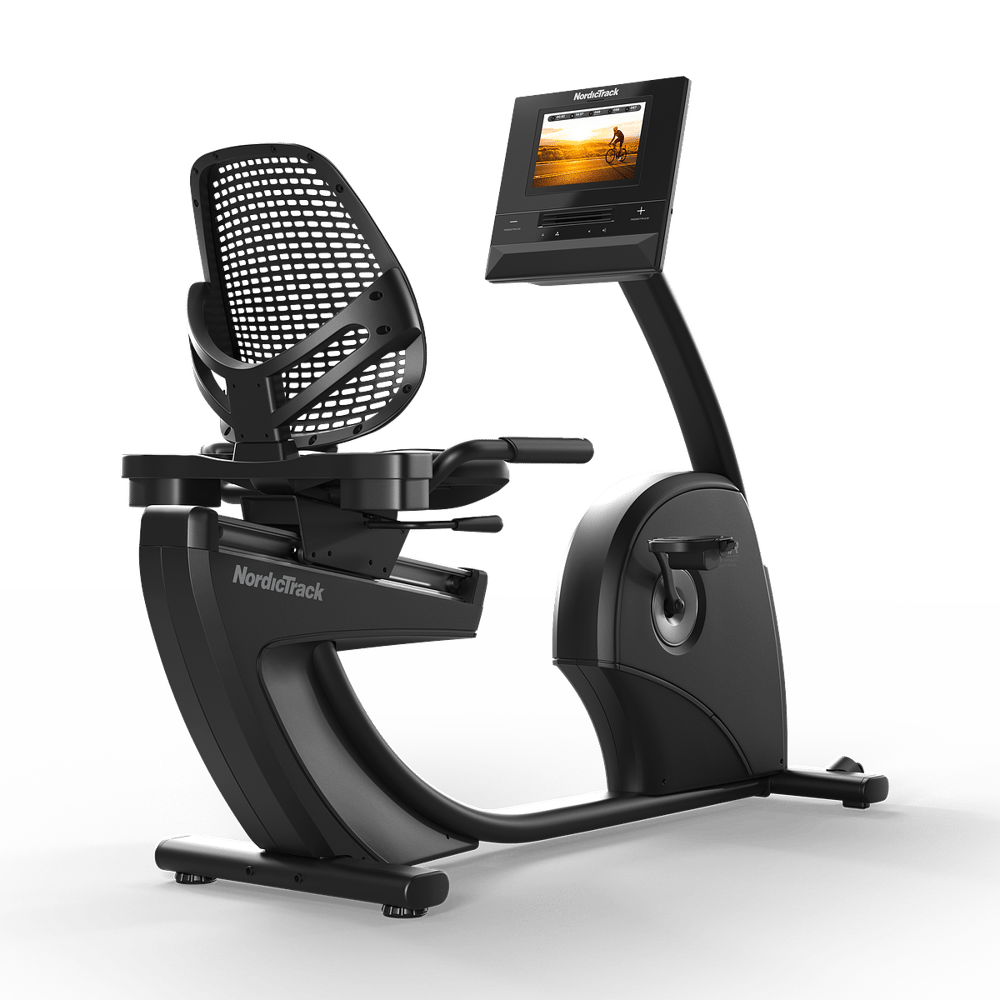
NordicTrack 10 Recumbent Bike
The gentlest possible entry point — seated, supported, zero balance required.
Blood Sugar and Metabolic Health
Regular cardiovascular exercise, even at a moderate intensity, improves how effectively your body uses insulin and helps regulate blood sugar levels — a benefit that becomes increasingly relevant with age as insulin sensitivity naturally declines. Consistency matters more than intensity here: a 30-minute low-impact session most days of the week does more for long-term metabolic health than an occasional high-intensity workout that leaves you too sore to exercise again for a week.
Mental Health and Cognitive Benefits
Cardiovascular exercise increases blood flow to the brain, and research has repeatedly connected regular moderate exercise with better mood, reduced anxiety, and even a lower risk of cognitive decline. Low-impact machines make this accessible on a daily basis, since there’s no need to “recover” from a session the way you might after a more punishing workout — which means you’re more likely to actually do it again tomorrow.
Explore the NordicTrack 10 Recumbent Bike, built for low-impact cardio
See Current Pricing →How Much Low-Impact Cardio Do You Need?
| Goal | General Guidance |
|---|---|
| General heart health | 150 minutes/week moderate intensity (about 30 min, 5 days/week) |
| Weight management | 250+ minutes/week, combined with strength training |
| Joint mobility maintenance | Daily gentle movement, 15-20 minutes minimum |
| Recovery from injury/surgery | Per physical therapist guidance, often starting at 5-10 min sessions |
Getting Started Safely
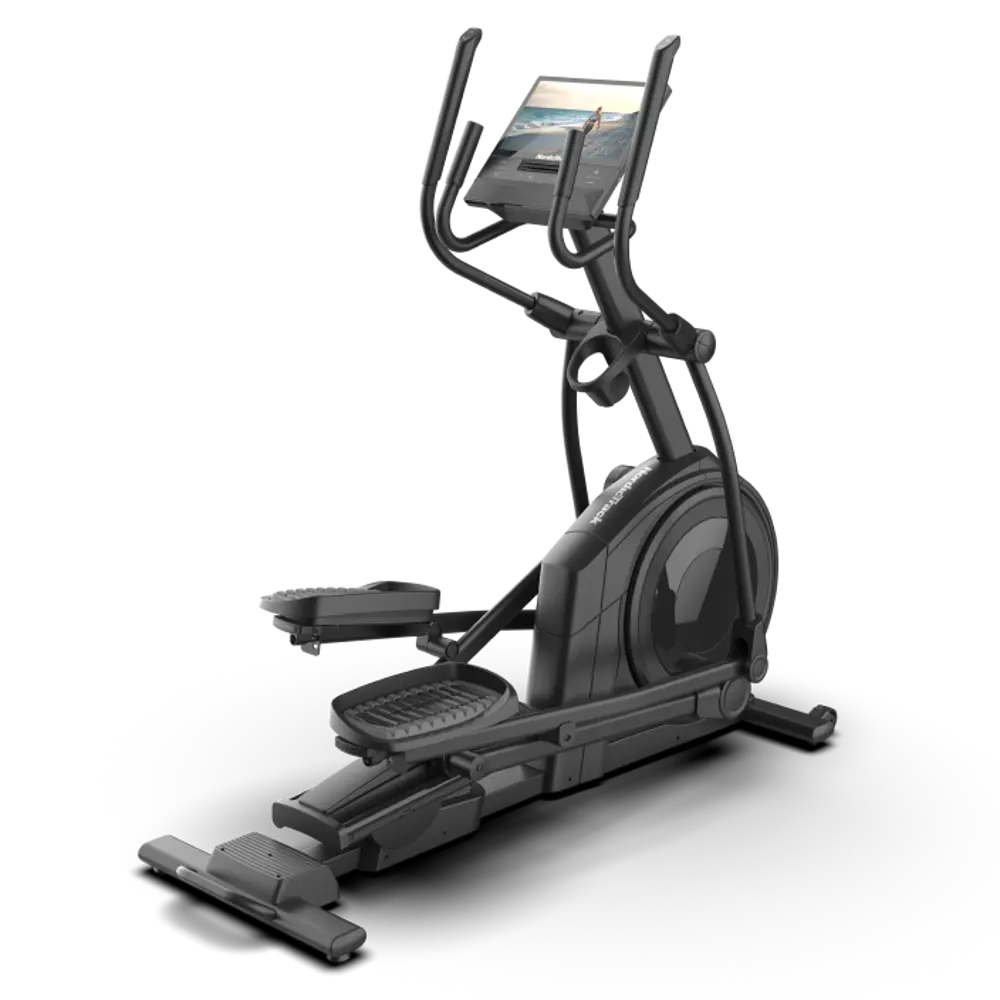
The biggest mistake we see older adults make isn’t choosing the wrong machine — it’s starting too intensely and burning out within two weeks. Begin at the lowest resistance setting, aim for just 10-15 minutes for your first week, and add time or resistance gradually. The 10 Recumbent Bike is often the gentlest possible entry point, since it removes balance and impact from the equation entirely, letting you focus purely on building cardiovascular endurance at your own pace. Once you’re steady on your feet and want more variety, the AirGlide 16 Elliptical’s incline range adds a new way to raise intensity without leaning harder on resistance alone.
A Simple 4-Week Starter Plan
If you’re not sure how to structure your first month of low-impact cardio, a gradual, structured approach removes the guesswork and reduces the risk of overdoing it early. In week one, aim for 10-15 minute sessions, three to four times, at the lowest resistance setting — the goal here is simply building the habit of showing up, not pushing intensity. In week two, extend sessions to 15-20 minutes and consider adding a fourth or fifth day if energy allows, still keeping resistance low to moderate.
By week three, most people can comfortably handle 20-25 minute sessions and a slight resistance increase, and it’s a good point to start paying attention to how you feel the day after a session — mild muscle awareness is normal, but sharp joint pain is a signal to dial back. Week four typically lands around 25-30 minutes, four to five days a week, at a moderate resistance that feels challenging but sustainable. From there, many people settle into this as their ongoing baseline, occasionally increasing resistance or duration every few weeks as fitness improves.
Common Myths About Low-Impact Cardio
A few misconceptions keep people from taking low-impact cardio as seriously as it deserves. The first is that it “doesn’t count” as real exercise compared to running or high-intensity training — but cardiovascular benefit is driven by sustained elevated heart rate, not by how much impact your joints absorb. A properly paced session on a recumbent bike or elliptical raises heart rate just as effectively as many higher-impact alternatives, without the added joint stress.
Another common myth is that you need to push through discomfort for exercise to be effective. In reality, especially for older adults building a new routine, working within a comfortable range consistently produces far better long-term results than occasional intense sessions followed by days of soreness or avoidance. Finally, some people assume low-impact means low-effort — but resistance and incline on modern equipment like the AirGlide 16 can be increased well beyond what most beginners initially expect, meaning low-impact cardio can absolutely be built into a genuinely challenging workout as fitness improves.
Low-Impact Cardio and Sleep Quality
An often-overlooked benefit of regular cardiovascular exercise is its effect on sleep, which tends to become more fragmented and lighter with age regardless of overall health. Moderate exercise earlier in the day has been associated with falling asleep faster and spending more time in deeper, more restorative sleep stages. This effect is generally strongest when exercise happens at least a few hours before bedtime, since exercising too close to sleep can have the opposite effect for some people by raising alertness and body temperature right when you’re trying to wind down.
For older adults dealing with the kind of light, easily-interrupted sleep that becomes more common with age, adding even 20-30 minutes of low-impact cardio most mornings or early afternoons can meaningfully improve both how quickly you fall asleep and how rested you feel the next day — a benefit that compounds with all the other advantages already covered here, since better sleep itself supports better mood, sharper thinking, and more consistent energy for exercise the following day.
Combining Cardio with Strength and Balance Work
Low-impact cardio is an excellent foundation, but it works best as part of a broader routine that also includes some strength and balance training, both of which become increasingly important for maintaining independence with age. Simple bodyweight exercises like sit-to-stands, wall push-ups, or light resistance band work a few times a week complement cardio by maintaining the muscle mass that naturally declines with age, which in turn supports better balance and reduces fall risk. Many recumbent bike and elliptical owners pair their cardio sessions with a short strength routine on alternating days, or add a few minutes of standing balance exercises before or after a cardio session.
This isn’t about turning your living room into a full gym — even 10 minutes of simple strength work two or three times a week, alongside consistent low-impact cardio, provides meaningfully better results for overall function and independence than cardio alone. If you’re unsure where to start, a physical therapist or a doctor-referred exercise program can help design a routine appropriate to your specific health situation.
Low-Impact Cardio for Specific Health Conditions
For adults managing type 2 diabetes, regular moderate cardio is one of the most consistently recommended lifestyle interventions, since it directly improves insulin sensitivity and helps regulate blood sugar levels throughout the day, not just during the exercise session itself. For those managing high blood pressure, low-impact cardio performed consistently over weeks and months is associated with modest but meaningful reductions in resting blood pressure, complementing (not replacing) any prescribed medication.
For adults with osteoporosis or reduced bone density, it’s worth noting that while low-impact cardio is excellent for heart health and joint mobility, weight-bearing and resistance exercises provide more direct benefit for bone density specifically. This is a good example of why low-impact cardio works best as one part of a broader routine rather than the only form of exercise — pairing it with some weight-bearing activity, even simple activities like standing exercises or short walks, rounds out the benefits more completely. As always, any exercise plan for a specific diagnosed condition should be developed with input from your doctor, who can account for your full medical picture.
The Bigger Picture
Low-impact cardio isn’t a compromise or a lesser version of “real” exercise — for adults over 55, it’s frequently the smarter, more sustainable choice, delivering heart, joint, metabolic, sleep, and mental health benefits without the wear and tear that comes with higher-impact alternatives. Equipment like the 10 Recumbent Bike or AirGlide 16 Elliptical, set up comfortably at home, removes many of the usual barriers to consistency — weather, gym schedules, travel time — leaving just the workout itself.
The research is consistent on one point above all others: some regular movement is dramatically better than none, and the “best” form of cardio is ultimately the one you’ll actually keep doing. For most people over 55, that turns out to be the low-impact kind.
Frequently Asked Questions
Is low-impact cardio as effective as high-impact exercise?
For cardiovascular and metabolic benefits, yes — what matters most is sustained, elevated heart rate over time, not the impact level. Low-impact cardio delivers most of the same heart and lung benefits with far less joint stress.
How often should adults over 55 do low-impact cardio?
Most health guidelines recommend at least 150 minutes per week of moderate-intensity cardio, which can be broken into 20-30 minute sessions most days of the week.
Can low-impact cardio help with arthritis?
Gentle, repetitive movement can help lubricate joints and improve range of motion, and many physical therapists recommend low-impact cardio like recumbent biking for patients with arthritis, though individual guidance from a doctor is important.
What’s the safest way to start a new cardio routine after 55?
Start at low resistance for short sessions (10-15 minutes), increase gradually, and check with your doctor first if you have any heart condition, recent surgery, or take medication affecting heart rate.
Get guides like this in your inbox
Medicare changes, money tips, health guides and deals for adults 55+. Free, from Senior Affair Magazine.
Free. Unsubscribe anytime. Privacy policy.