


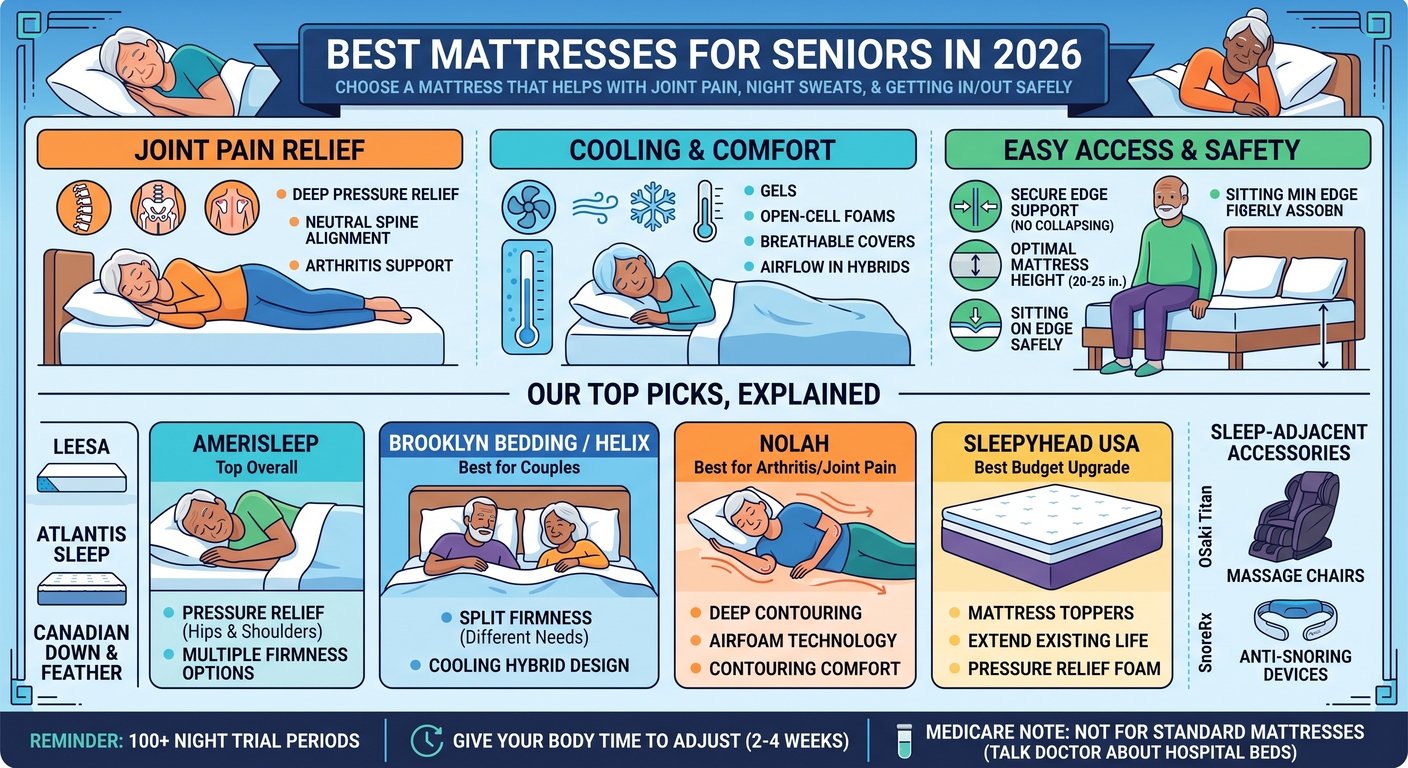
How to choose a mattress that actually helps with joint pain, night sweats, and getting in and out of bed safely, plus the models worth considering.
On this page
Comparison table
Our top picks, explained
Choosing the right firmness
Mattresses and joint or back pain
Sleeping hot: why it happens more with age
Getting in and out of bed safely
Pillows, toppers, and bedding accessories
Sleep-adjacent accessories worth a look
Does Medicare cover mattresses or adjustable beds?
Delivery, setup, and trial periods
Frequently asked questions
USA topper can meaningfully extend the life of what’s already there.
Why a mattress upgrade matters more with age, not less
It’s easy to assume mattress shopping is mostly a young person’s category, full of marketing about athletic recovery and back-to-school dorm rooms, but the honest truth is that a good mattress matters more as the body ages, not less. Joints that ache from arthritis need real pressure relief rather than a firm surface that digs into a hip all night. Circulation changes and hot flashes make temperature regulation a genuine sleep quality issue rather than a minor annoyance. And a mattress that’s too high, too soft at the edge, or too difficult to push up out of can turn something as basic as getting out of bed in the morning into a small daily struggle. None of these are reasons to avoid mattress shopping; they’re reasons to shop more carefully than “whatever’s on sale.”
Mattress comparison at a glance
| Brand | Best for | Type | Get started |
|---|---|---|---|
| Amerisleep | Pressure relief with multiple firmness options | Memory foam | See Amerisleep |
| Brooklyn Bedding / Helix | Couples with different firmness needs | Hybrid | See Brooklyn Bedding |
| Nolah | Deep pressure relief for arthritis/joint pain | AirFoam / hybrid | See Nolah |
| Sleepyhead USA | Budget-friendly mattress toppers | Topper / mattress | See Sleepyhead USA |
| Leesa | Balanced medium-firm feel | Foam / hybrid | See Leesa |
| Atlantis Sleep | Eco-conscious materials | Latex / foam | See Atlantis Sleep |
| Canadian Down & Feather | Pillows, duvets & bedding | Bedding accessories | See Canadian Down & Feather |
Our top picks, explained
Best Overall for Seniors
1. Amerisleep
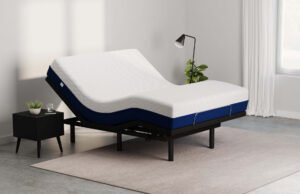
The Amerisleep Adjustable Bed+ is highly rated for seniors because it includes several premium features that directly address mobility, joint pain, and nighttime safety.
Here is a quick breakdown of why this frame is a strong choice for older adults:
1. Safety & Accessibility
Under-Bed LED Lighting: A built-in nightlight gently illuminates the floor, making midnight trips to the bathroom significantly safer and reducing fall risks.
Adjustable Leg Heights: The bed comes with modular legs that can be set to different heights (giving a total height of 9″, 12″, or 15″). This allows you to set the perfect height so you don’t have to strain your knees getting in or out of bed.
Wall Glide Technology: When you raise the head of the bed, the frame slides backward against the wall. This keeps your nightstand within arm’s reach, preventing dangerous twisting or overreaching for water, glasses, or medications.
2. Pain Relief & Health Benefits
Zero-Gravity Preset: With the touch of a button, the bed elevates your head and legs to a “zero-gravity” position. This mimics weightlessness and dramatically reduces pressure on the lower back and joints.
Head & Pillow Tilt: Elevating the upper body (up to 58°) is excellent for seniors dealing with acid reflux (GERD), snoring, or sleep apnea.
Full-Body Massage: The built-in rolling-wave massagers feature three intensity levels to help soothe arthritis, stiffness, and sore muscles before sleep.
3. Ease of Use
The bed is controlled via a wireless remote with simple preset buttons (like “Flat” and “Anti-Snore”). It also includes built-in USB ports so you can charge devices without bending down to reach a wall outlet.
Pricing & Policies
Price: It typically retails for $1,800 for a Twin XL, but Amerisleep frequently runs 40% off sales, bringing the starting price down to around $1,080.
Delivery & Warranty: It includes free shipping and a 10-year limited warranty. Keep in mind that setup is required, though Amerisleep occasionally offers in-home setup for an additional fee if you need help assembling it.
Check current models at Amerisleep →
2. Brooklyn Bedding / Helix
For older adults, the Brooklyn Bedding CopperFlex Hybrid 12 offers a strong balance of joint relief and mobility, addressing the most common age-related sleep challenges.
Here is how the mattress performs for seniors specifically:
Joint & Arthritis Relief
The 1.5 inches of quilted top foam and copper-infused memory foam gently cushion pressure points like the hips and shoulders. This prevents the firm “bottoming out” feeling that can aggravate sensitive joints, while the medium-firm rating keeps the spine properly aligned to prevent lower back pain.
Getting In and Out of Bed
Mobility is a primary concern for seniors, and the 8-inch pocketed coil system provides sturdy edge support. This makes it much safer and easier to sit on the edge of the bed to put on shoes or regain balance before standing up.
Ease of Movement
Traditional “sink-in” memory foam can make rolling over feel like a chore. The CopperFlex avoids this entirely. The bouncy coil core and responsive transition foam keep you sleeping on top of the mattress rather than sinking into it, requiring less physical effort to change positions at night.
Temperature Regulation
Medications and age-related circulatory changes can cause unpredictable temperature fluctuations at night. The highly breathable coil system allows air to flow freely, while the naturally conductive copper-infused foam pulls excess body heat away from the surface to prevent overheating.
Important Considerations for Seniors
Setup Weight: Because it ships compressed in a box, a queen-size weighs around 75 pounds. Most seniors will need assistance moving the heavy box into the bedroom and unrolling the mattress onto the frame.
Total Bed Height: The mattress itself is 12 inches thick. If paired with a traditional, tall box spring and a high metal frame, the overall bed might become too high to easily climb into. A standard platform bed or a low-profile foundation is usually the safest pairing.
Adjustable Base Compatibility: If you use an adjustable bed frame to help with snoring, acid reflux, or getting out of bed, the individually pocketed coils in this hybrid allow it to flex perfectly with the base.
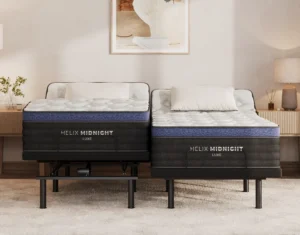
3. Nolah
Nolah built its brand identity almost entirely around pressure relief, using a proprietary AirFoam material specifically designed to cushion pressure points more
effectively than standard memory foam without the trapped-heat feeling that dense foam can create. For someone whose main complaint is waking up with a sore hip or shoulder from a mattress that felt fine when it was newer, Nolah’s deep-contouring comfort layer is worth a serious look, and the brand also offers a hybrid line for anyone who wants that same pressure relief with more traditional coil support underneath.
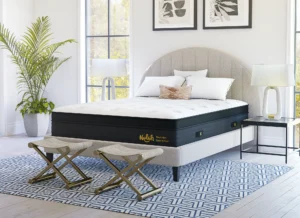
The Nolah Evolution 15 is a premium 15-inch luxury hybrid mattress that consistently ranks as a top choice for side sleepers. By combining proprietary foam with targeted coil support, it offers a plush, hotel-like feel without sacrificing spinal alignment.
For seniors, choosing a mattress involves specific priorities: joint pressure relief, ease of getting in and out of bed, and temperature regulation. Here is a breakdown of how the Nolah Evolution 15 performs specifically for older adults.
Why It Works Well for Seniors
1. Exceptional Joint Pressure Relief
As we age, hips, shoulders, and knees become more sensitive to hard sleep surfaces. The Evolution 15 uses high-density AirFoam™ Luxe, a proprietary foam that provides deep cushioning and contours to your body’s curves. It takes the pressure off sensitive joints without the “sinking” feeling of traditional memory foam, making it easier to change positions at night.
2. Zoned Support for Back Pain
The mattress features a zoned coil support core. This means the springs are firmer in the center third of the bed (to support the heavier lumbar region and prevent the lower back from sagging) and gentler near the shoulders and legs. This promotes healthy spinal alignment, which is critical for seniors dealing with chronic back pain.
3. Edge Support & Bed Mobility
Getting in and out of bed safely is a top priority. The Evolution 15 features a reinforced perimeter, meaning you won’t feel like you are going to slide off when sitting on the edge of the bed to tie your shoes or get up in the morning. Note: Because the mattress is 15 inches tall, make sure your bed frame or foundation isn’t too high so your feet can still comfortably touch the floor when sitting.
4. Temperature Regulation
For those who sleep hot or experience night sweats, the mattress is naturally breathable thanks to the coil base and foam design. Nolah also offers an optional GlacioTex™ Cooling Pillow Top upgrade ($195 for a queen) that uses high-thermal-conductivity fibers to draw heat away from the body.
5. In-Home Setup (White Glove Delivery)
A 15-inch hybrid mattress is exceptionally heavy and difficult to maneuver. Fortunately, Nolah offers an in-home setup and removal option at checkout (fulfilled by Ryder). This is a massive benefit for seniors, as professionals will deliver the mattress, set it up in your bedroom, and remove your old mattress.
Choosing the Right Firmness
The Evolution 15 comes in three firmness levels, allowing you to tailor the bed to your specific needs. (They also offer an “Evo Comfort+” model designed specifically for sleepers over 300 lbs).
| Firmness | Best For | Senior Considerations |
| Plush | Strict side sleepers and lighter individuals. | Great for frail seniors or those with severe joint pain who need maximum cushioning. May be harder to move around on. |
| Luxury Firm | Back, side, and combination sleepers. | The best middle-ground. Offers a balance of plush pressure relief and sturdy support for easy movement. |
| Firm | Strict stomach sleepers or heavier back sleepers. | Prevents the lower back from bowing inwards but may feel too rigid for side sleepers’ shoulders and hips. |
Buying Details & Policies
Pricing: With Nolah’s frequent sales (currently 35% off), a Twin starts at $1,047, and a Queen is $1,480.
Trial Period: It comes with a 120-night sleep trial. This gives your body a few months to adjust to the new bed, and if it doesn’t relieve your pain, you can return it.
Warranty: Backed by a Limited Lifetime Warranty.
Certifications: The foams used are CertiPUR-US® certified, and the mattress is fiberglass-free, ensuring a safe, non-toxic sleeping environment.
Overall, the Nolah Evolution 15 is a phenomenal investment for older adults seeking a balance of luxury cushioning and targeted back support, provided you opt for the in-home delivery setup.
4. Sleepyhead USA
Not everyone is ready for the cost and hassle of an entirely new mattress, and Sleepyhead USA’s mattress toppers offer a genuinely useful middle path, adding a
meaningful layer of pressure-relieving foam over an existing mattress that’s gotten a bit too firm or worn over the years. It’s a smart option for anyone testing whether more cushioning actually solves their discomfort before committing to a full mattress purchase or simply looking to extend the useful life of a mattress that’s still structurally sound but has lost some of its original comfort.
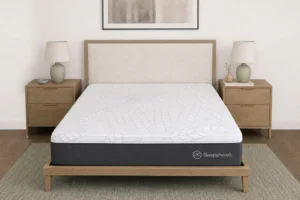
The Sleepyhead First Edition is a solid, medium-support memory foam mattress that excels at pressure relief and temperature control. It is a great choice for seniors suffering from joint pain or arthritis who need a bed that contours to their body. However, because it is an all-foam mattress, seniors with mobility issues might miss the “bounce” of traditional innerspring beds when trying to get up.
What Works Well for Seniors (The Pros)
Excellent Pressure Relief: The memory foam layers are designed to contour to the body. For seniors with sensitive hips, shoulders, or arthritis, this provides excellent cushioning and helps prevent painful pressure points.
Promotes Spinal Alignment: The “medium” support level prevents the body from sinking too deeply, which is crucial for keeping the spine aligned and reducing lower back pain in the morning.
Temperature Regulation: The foam is dual-infused with cooling gel and copper. This is a big plus for seniors who tend to sleep hot or experience night sweats.
Antimicrobial & Washable: The copper infusion naturally resists bacteria and dust mites, and the OEKO-TEX® cover is washable. This makes it much easier to maintain a clean, allergen-free sleep environment.
Optional Mattress Removal: Sleepyhead offers an add-on service to remove your old mattress. This is a massive benefit for seniors who cannot do heavy lifting.
What to Watch Out For (The Cons)
Ease of Movement: Memory foam is known for its “hug-like” feel. While comfortable, it lacks the bounce of an innerspring or hybrid mattress. Seniors who have a hard time rolling over or getting out of bed might find it requires a bit more effort to change positions.
Edge Support: The specifications do not mention reinforced edges (common with all-foam beds). If you rely on sitting on the edge of the bed to get dressed or need a firm edge to push off of when standing up, the perimeter might feel a bit too soft.
11-Inch Profile: At 11 inches tall, the mattress itself is a very standard height. However, seniors should measure their current bed frame or box spring to ensure the combined height won’t make the bed too high to climb into safely.
Pricing & Policies
Price: Ranges from $1,049 (Twin) to $1,999 (King).
Trial Period: It comes with a 100-night risk-free in-home trial, allowing plenty of time to ensure the mattress doesn’t aggravate any back or joint issues.
Warranty: 10-year warranty.
Shipping: Free US shipping and returns.
Final Verdict: This is a highly comfortable, pressure-relieving option for seniors seeking joint pain relief and a cooler night’s sleep. Just be mindful of the all-foam construction if you require very sturdy edges to help you get out of bed in the morning.
Choosing the right firmness
Firmness preference comes down mostly to sleep position and where pain or pressure tends to build up during the night. Side sleepers generally do best on a medium to medium-soft mattress that lets the shoulder and hip sink in slightly, keeping the spine level rather than forcing it into an awkward angle against a too-firm surface. Back sleepers usually prefer a medium-firm feel that supports the lower back’s natural curve without letting the hips sink too deeply. Stomach sleepers, though a smaller share of older adults given how this position can strain the neck and lower back over time, typically need the firmest surface of the three positions to avoid the midsection sinking and pulling the spine out of alignment.
It’s worth mentioning that firmness and support aren’t quite the same thing, even though the terms get used interchangeably. A mattress can feel plush and soft on top while still providing firm structural support underneath through a strong coil system or dense base foam, which is exactly what most hybrid designs are trying to achieve: a comfortable feel without sacrificing the support a heavier or less mobile sleeper genuinely needs.
Mattresses and joint or back pain
Arthritis, sciatica, and general lower back pain are among the most common reasons older adults start mattress shopping in the first place, and the honest answer is that no single mattress cures chronic pain, but the right one can meaningfully reduce how much a bad night’s sleep adds to it. Pressure-relieving materials like memory foam or specialty foams such as Nolah’s AirFoam reduce the concentrated pressure points that build up on hips and shoulders for side sleepers, which is often where arthritis pain is worst. For lower back pain specifically, a medium-firm surface that keeps the spine in a neutral, level position tends to outperform either extreme, since a mattress that’s too soft lets the hips sink and rounds the lower back, while one that’s too firm creates gaps under the lower back’s natural curve.
Anyone dealing with chronic or worsening pain should still talk to a doctor or physical therapist, since a mattress is one factor among several, alongside things like pillow height, sleep position habits, and underlying joint health, but it’s a factor genuinely worth getting right.
Sleeping hot: why it happens more with age
A surprising number of older adults notice they sleep hotter than they used to, and there are real physiological reasons behind it beyond just “getting older.” Reduced circulation can make it harder for the body to regulate temperature efficiently overnight; certain common medications list night sweats or temperature dysregulation as a side effect; and hormonal changes, particularly for women going through or past menopause, are a well-documented cause of overheating during sleep. Traditional all-foam mattresses, especially older or lower-quality memory foam, tend to trap body heat rather than dissipate it, which can make an existing overheating problem noticeably worse.
Hybrid mattresses like those from Brooklyn Bedding and Helix, which combine a coil support core with foam comfort layers, generally sleep cooler than all-foam designs because the coil layer allows more airflow through the mattress. Many modern foam mattresses, including options from Amerisleep and Nolah, also now use gel infusions, open-cell foam structures, or breathable covers specifically engineered to pull heat away from the body rather than trap it, so “foam” alone no longer automatically means “sleeps hot” the way it did with older generations of memory foam.
Getting in and out of bed safely
Mattress height and edge support matter more than most shoppers realize until they’re actually dealing with a mattress that’s awkward to get in and out of. A mattress that sits too high off the ground, especially when combined with a thick platform or box spring, can make sitting down and standing up genuinely harder for anyone with hip or knee limitations, while one that’s too low creates its own strain from having to push up from a deep, low position. A total height in the range of roughly 20 to 25 inches from floor to top of mattress, including the base, tends to work well for most older adults, allowing feet to reach the floor comfortably while seated on the edge.
Edge support, meaning how firm and stable the very perimeter of the mattress feels, is just as important as overall firmness for this purpose. A mattress with weak edge support can feel like it’s collapsing when sitting near the side, which makes both getting in and out of bed and simply sitting on the edge to put on socks or shoes feel unstable. Hybrid mattresses with reinforced coil perimeters, like those from Brooklyn Bedding and Helix, generally offer noticeably better
edge support than all-foam designs for exactly this reason.
Pillows, toppers, and bedding accessories
The mattress itself is only part of the sleep setup, and pillows in particular deserve just as much attention, especially for side sleepers who need enough loft to keep the neck aligned with the spine rather than tilted up or down. Canadian Down & Feather specializes in pillows and duvets, including down-alternative options for anyone with allergy concerns about real feather fill, and offers the kind of temperature-regulating natural fill that can help with the same overheating issues discussed above, since down and quality down-alternative fills breathe considerably better than many synthetic pillow materials.
A mattress topper, as mentioned above with Sleepyhead USA, is also worth considering even alongside a newer mattress if a specific area, like a persistently achy hip, needs a bit more cushioning than the mattress alone provides. Toppers are also a genuinely practical solution for a guest room or vacation property mattress that isn’t worth fully replacing but could use a comfort boost for visiting family.
Sleep-adjacent accessories worth a look
A couple of products in this category aren’t mattresses themselves but come up often enough in a senior sleep setup that they’re worth a brief mention. An Osaki Titan massage chair can be a genuinely useful addition for anyone dealing with muscle tension or lower back tightness before bed, offering a way to relax the body through targeted massage without a trip to a professional massage therapist. For anyone whose sleep, or a partner’s sleep, is disrupted by snoring rather than mattress discomfort, SnoreRx is a widely used anti-snoring mouthpiece worth considering alongside a mattress upgrade, since snoring and mattress comfort are two separate problems that often get lumped together.
See our massage chair options and SnoreRx anti-snore devices
SnoreRx is a popular, over-the-counter mouthpiece known as a Mandibular Advancement Device (MAD). It works by gently holding your lower jaw forward while you sleep, which prevents your airway from collapsing and creating the vibration we know as snoring.
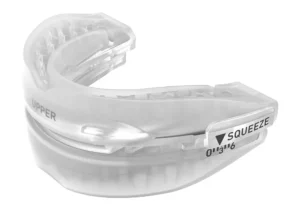
For older adults, this device has some unique benefits but also a few strict limitations regarding dental health. Here is a breakdown of what you need to know:
The Good: Why it Works for Older Adults
Micro-Adjustability: Unlike simpler mouthguards that lock you into one position, SnoreRx can be adjusted in tiny 1-millimeter increments. This is crucial for older, more sensitive jaws, allowing you to ease into the stretch over a few nights rather than forcing a painful adjustment right away.
Budget-Friendly Alternative: Custom anti-snoring devices from a dentist can cost $700 or more and are not always covered by Medicare Advantage plans. At $59.99 for the base model (and $99.99 for the “Plus” version, which allows some vertical mouth movement), it’s a solid, affordable alternative.
Custom Fit: It uses a standard “boil-and-bite” method to create an exact impression of your teeth, which distributes the pressure evenly and makes it more comfortable to wear.
The Catch: Senior-Specific Warnings
The Denture Dealbreaker: This is the most important factor. SnoreRx requires strong, healthy front teeth to anchor the device. It is generally not safe or effective if you wear full dentures, have loose teeth, advanced periodontal (gum) disease, or recent dental implants.
TMJ Sensitivity: Wear-and-tear on the jaw joint is common as we age. Because this device forces the lower jaw out of its natural resting place, it can cause morning soreness or exacerbate existing TMJ pain.
Sleep Apnea vs. Snoring: Snoring in seniors is frequently a symptom of Obstructive Sleep Apnea (OSA). SnoreRx is strictly an anti-snoring device—it is not a replacement for a CPAP machine. If your partner notices you gasping or stopping breathing during the night, this won’t solve the medical issue.
The Verdict
If you have your natural teeth and a relatively healthy jaw and are simply trying to stop keeping your spouse awake, SnoreRx is one of the most reliable and adjustable over-the-counter options available. However, if you rely on dentures or suspect your snoring is actually sleep apnea, you should skip this device and consult your doctor.
Does Medicare cover mattresses or adjustable beds?
Medicare does not cover a standard consumer mattress purchase, regardless of medical need or doctor recommendation. Where Medicare coverage does sometimes apply is with a hospital bed, a different category of durable medical equipment that includes an adjustable frame and a specific support surface, which Medicare Part B may cover when a doctor documents medical necessity related to a specific condition, such as needing to elevate the head or legs for a circulatory or respiratory issue. That’s a genuinely different product category from the consumer adjustable bases and mattresses covered in this guide, so anyone hoping for Medicare help with a mattress purchase specifically should not expect coverage, while anyone with a documented medical need for a hospital bed should talk to their doctor about that separate DME process.
Delivery, setup, and trial periods
Nearly every brand covered here ships mattresses compressed and rolled in a box directly to the door, which is convenient but does mean someone needs to be available to unbox and unroll a mattress that can be surprisingly heavy and awkward for one person to manage alone, especially in a larger size like queen or king. It’s worth asking a family member, neighbor, or the delivery service itself (some offer white-glove setup for an added fee) to help with unboxing and old mattress removal rather than attempting it solo, particularly for anyone with back or shoulder limitations.
Trial periods across this category are generally generous, often 100 nights or longer, specifically because mattress comfort takes real adjustment time to evaluate honestly. It typically takes two to four weeks of regular sleep on a new mattress before a fair judgment can be made, since the body needs time to adapt to a different feel even when the new mattress is objectively better suited to actual needs than the old one. Giving a new mattress that adjustment period before deciding whether to keep it or return it avoids the common mistake of judging comfort based on the first uncomfortable night or two.
Frequently asked questions
What is the best mattress firmness for seniors?
Most seniors do best with a medium-firm mattress that cradles pressure points like hips and shoulders while still offering enough support to keep the spine aligned. Side sleepers with hip or shoulder arthritis often prefer a slightly softer medium feel, while back and stomach sleepers usually do better with a firmer surface.
Does Medicare cover a new mattress for seniors?
Medicare does not cover a standard consumer mattress. It may cover a hospital bed with an integrated support surface as durable medical equipment when a doctor documents medical necessity, but that is a different category from the mattresses covered in this guide.
Are cooling mattresses worth it for older adults?
Yes, for many seniors. Reduced circulation, medication side effects, and hormonal changes can all make sleeping hot more common with age, and hybrid or gel-infused foam mattresses that sleep noticeably cooler than traditional all-foam designs can meaningfully improve sleep quality for anyone who tends to overheat at night.
How often should a mattress be replaced?
Most mattresses should be replaced every 7 to 10 years, though visible sagging, new or worsening back or hip pain upon waking, or noticeably reduced comfort compared to when it was new are all signs it may be time sooner regardless of exact age.
Is a mattress topper a good alternative to buying a new mattress?
A topper can meaningfully improve comfort on a mattress that’s still structurally sound but has lost some cushioning, and it’s a much lower-cost way to test whether additional pressure relief actually solves a comfort problem. It won’t fix a mattress that’s genuinely sagging or broken down structurally, which calls for full replacement instead.
How high should a mattress be for someone with limited mobility?
A total height of roughly 20 to 25 inches from the floor to the top of the mattress, including the base or frame, tends to work well for most older adults, allowing the feet to reach the floor comfortably while seated on the edge without the surface being so low that standing up requires extra effort.