
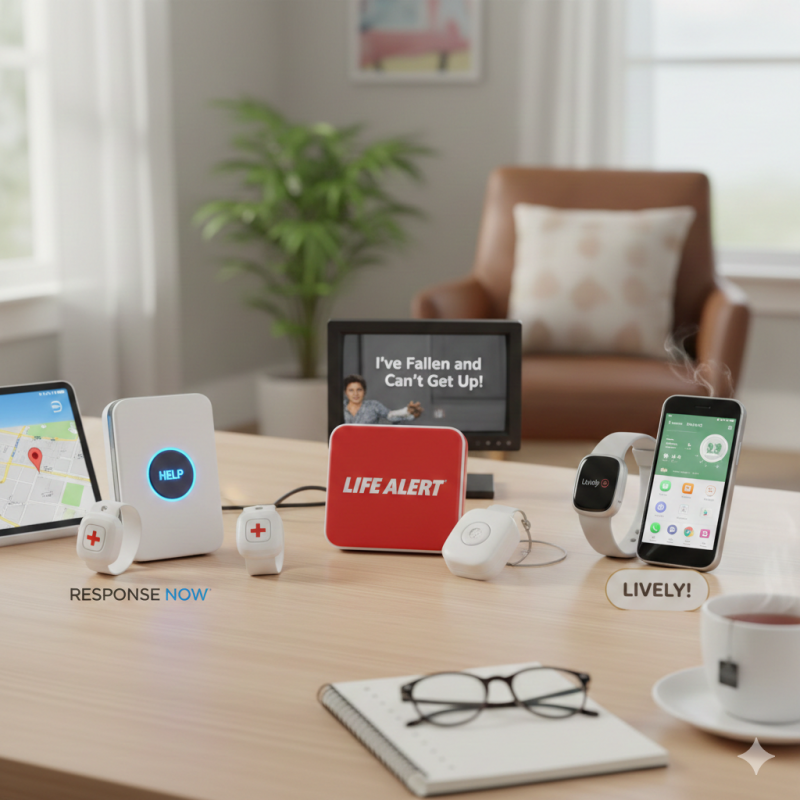
⚡ Quick Answer
The best medical alert system for seniors living alone in 2026 is Medical Guardian — offering 24/7 U.S.-based monitoring, fall detection, GPS, and no long-term contracts starting at $29.95/month. For the lowest cost, Bay Alarm Medical starts at $19.95/month.
A medical alert system could save your life. For seniors living alone, it is one of the most important investments you can make — and in 2026, the options are better, more affordable, and more capable than ever before.
This guide reviews the best medical alert systems for seniors in 2026 — comparing features, monitoring costs, fall detection, GPS, and overall value. Whether you spend most of your time at home or lead an active lifestyle, there is a system here for you.
Why Every Senior Living Alone Needs a Medical Alert System
Falls are the leading cause of injury-related death among adults 65 and older. According to the CDC, one in four older adults falls each year — and the outcomes are dramatically better when help arrives quickly. A medical alert system provides that crucial link between a senior and emergency assistance, 24 hours a day, 7 days a week.
- Immediate help in emergencies — A single button press connects you to trained professionals who can dispatch EMTs, contact family, or provide calm guidance
- Fall detection — Modern systems automatically detect falls and alert the monitoring center even if you are unable to press the button
- Independence preserved — With a safety net in place, seniors can continue living at home longer, on their own terms
- Peace of mind for families — Loved ones rest easier knowing help is always a button press away
- GPS protection on the go — Mobile systems provide coverage everywhere, not just at home
Best Medical Alert Systems for Seniors (2026) at a Glance
| System | Starting Monthly Cost | Fall Detection | GPS | Best For |
|---|---|---|---|---|
| Medical Guardian | $29.95/month | Yes (+$10) | Yes (mobile) | Best overall value |
| Bay Alarm Medical | $19.95/month | Yes (+$10) | Yes (mobile) | Most affordable |
| ResponseNow | $24.95/month | Yes | Yes | No-contract flexibility |
| Life Alert | ~$49.95/month | No | Yes | Most recognized brand |
| Lively | $24.99/month | Yes | Yes | Best tech integration |
| MobileHelp | $19.95/month | Yes (+$10) | Yes | Active seniors |
| ADT Medical Alert | $29.99/month | Yes | Yes | Trusted home security brand |
Types of Medical Alert Systems
In-Home Systems
In-home systems connect through your home’s landline or cellular network. They typically include a base unit and a wearable help button (pendant or wristband). These are ideal for seniors who spend most of their time at home and want the most reliable, affordable coverage.
- Typical range: 300 to 1,300 feet from the base unit
- Monthly cost: $19.95 to $49.95
- Best for: Seniors who are primarily homebound
Mobile (On-the-Go) Systems
Mobile systems use cellular networks and GPS to provide protection anywhere in the country. They are ideal for active seniors who drive, go for walks, run errands, or travel regularly.
- Works nationwide via cellular coverage
- GPS locates you precisely in an emergency
- Monthly cost: $24.95 to $60
- Best for: Active seniors who leave home frequently
Smartwatch-Style Systems
The newest category — wearable devices that look like regular smartwatches but include emergency response, fall detection, and GPS. Discreet and stylish, these appeal to seniors who are reluctant to wear a traditional medical alert pendant.
- Looks like a regular watch — no stigma of a “medical device”
- Includes heart rate monitoring, step tracking, and GPS
- Monthly cost: $24.95 to $44.95
- Best for: Seniors who prioritize appearance and discretion
1. Medical Guardian — Best Overall Medical Alert System
Medical Guardian consistently earns top ratings from independent reviewers and has been helping seniors stay safe since 2005. They offer a full range of in-home and mobile devices with one of the most responsive monitoring centers in the industry.
Why Seniors Choose Medical Guardian
- U.S.-based monitoring center with TMA Five Diamond Certification — the highest standard in the industry
- Multiple device options — from basic in-home systems to GPS smartwatches
- Automatic fall detection available on most devices (+$10/month)
- No long-term contracts — cancel anytime with no penalty
- MGMove smartwatch — a stylish, discreet option that looks nothing like a traditional medical alert
- Caregiver app — family members can track location, receive alerts, and manage the account
Medical Guardian Pricing (2026)
| Device | Monthly Cost | Equipment Cost |
|---|---|---|
| Mini Guardian (mobile) | $29.95/month | $149.95 |
| Classic Guardian (in-home) | $29.95/month | $0 (included) |
| MGMove Smartwatch | $39.95/month | $199.95 |
| Fall detection add-on | +$10/month | — |
Our verdict: Medical Guardian is the top choice for seniors who want a proven, full-featured system with excellent monitoring and no long-term commitment.
2. Bay Alarm Medical — Most Affordable Medical Alert System
Bay Alarm Medical offers some of the lowest monitoring fees in the industry — starting at just $19.95/month — without sacrificing quality. It has earned consistently high customer satisfaction scores and is an excellent choice for budget-conscious seniors.
- Starting at $19.95/month for basic in-home monitoring — among the lowest in the industry
- 30-day risk-free trial — return the device for a full refund if you’re not satisfied
- No activation fees, no cancellation fees
- Spouse monitoring included — add a second help button for a partner at no extra charge
- U.S.-based monitoring center with average response time under 30 seconds
- GPS mobile option available for active seniors
Bay Alarm Medical Pricing (2026)
| Plan | Monthly Cost | Annual Cost |
|---|---|---|
| In-Home (landline) | $19.95 | $179.40 |
| In-Home (cellular) | $29.95 | $269.40 |
| GPS Mobile | $29.95 | $269.40 |
| Fall detection add-on | +$10 | +$90 |
Our verdict: Bay Alarm Medical is the best choice for seniors who want reliable protection at the lowest possible monthly cost.
3. ResponseNow — Best for Flexibility and No Contracts
ResponseNow is a strong choice for seniors who want a straightforward, no-frills medical alert system with the flexibility to cancel at any time. They offer both in-home and GPS mobile options at competitive prices.
- No long-term contracts — cancel month-to-month without penalty
- 24/7 U.S.-based monitoring — trained agents available around the clock
- Waterproof help buttons — safe to wear in the shower, where many falls occur
- Automatic fall detection included on select devices
- GPS tracking on mobile units for precise location during emergencies
- Simple, straightforward setup — no technical expertise required
Our verdict: ResponseNow is ideal for seniors who want reliable monitoring without being locked into a long-term contract. A solid, dependable choice.
4. Life Alert — Most Recognized Name in Medical Alerts
Life Alert is the most recognized name in the medical alert industry — famous for its iconic “I’ve fallen and I can’t get up!” commercials. While it is not the cheapest option, Life Alert has built decades of trust and reliability.
- Dedicated emergency operators trained to assess situations and dispatch police, fire, or EMTs rapidly
- In-home and mobile options for protection at home and on the go
- Battery backup on base units — continues functioning during power outages for up to 72 hours
- Proprietary equipment and monitoring centers for consistent service quality control
- Note: Life Alert requires a 3-year contract — the longest commitment in the industry. Read the terms carefully before signing up
Our verdict: Life Alert is a trusted brand with excellent monitoring, but the mandatory 3-year contract and higher monthly costs make it less flexible than competitors. Best for seniors who prioritize brand recognition and reliability above all else.
5. Lively — Best Tech-Integrated Medical Alert
Lively (formerly GreatCall) stands apart by integrating medical alert functionality directly into its senior-designed smartphones and standalone alert devices. It is the most technologically sophisticated option for seniors who are comfortable with apps and connected devices.
- Urgent Response — 24/7 access to certified agents who can assess your situation, contact family, or dispatch emergency services
- Nurse on Call — speak directly with a registered nurse any time, day or night, on select plans
- Lively Link App — family members can track location, view health insights, and receive alerts remotely
- Optional fall detection on medical alert devices
- Runs on Verizon’s network for reliable nationwide coverage
- Integrates with Lively phones (Jitterbug Flip2 and Smart4) for an all-in-one senior safety solution
Our verdict: Lively is the best choice for tech-forward seniors and families who want comprehensive health monitoring, app connectivity, and emergency response in one ecosystem. Learn more about Lively’s medical alert options.
Key Features to Look For in a Medical Alert System
Automatic Fall Detection
Fall detection uses accelerometers and algorithms to identify when a fall has occurred and automatically alerts the monitoring center — even if the user is unconscious or unable to press their button. This is particularly important for seniors who live alone. Most systems charge an additional $10/month for this feature.
Two-Way Voice Communication
All quality medical alert systems include two-way voice communication — you can speak directly with the monitoring center agent through the device itself (base unit or wearable) to explain the situation and receive guidance.
GPS Location Tracking
Mobile systems use GPS to pinpoint your location during an emergency — critical when you are away from home. Some systems also use Wi-Fi triangulation and cell tower data indoors where GPS signals are weak.
Waterproof or Water-Resistant Design
Since many falls happen in the bathroom and shower, a waterproof help button is essential. Look for devices rated IP67 or higher — this means they can be submerged in water and will function reliably.
Battery Backup
In-home base units should have battery backup that keeps the system running during power outages. Look for at least 24 hours of backup power — 32 hours or more is ideal.
Monitoring Center Certification
Look for monitoring centers certified by TMA (The Monitoring Association) with Five Diamond status — the highest industry rating. This certification ensures agents are highly trained and the center meets strict operational standards.
9 Questions to Ask Before Buying a Medical Alert System
- Do you spend most of your time at home, or do you frequently go out? (Determines in-home vs. mobile)
- Do you have a landline at home, or do you need a cellular-only system?
- Do you prefer wearing a help button as a pendant, wristband, or smartwatch?
- Are you prone to falls or have a history of falls? (Prioritize automatic fall detection)
- How large is your home — will the system’s range cover every room and your yard?
- Does a spouse or partner also need protection? (Look for free second button)
- Do you want family members to be able to track your location via an app?
- Is there a risk-free trial period? (30 days is standard — insist on it)
- What are the contract terms? (Month-to-month is strongly preferred over multi-year commitments)
Does Medicare Cover Medical Alert Systems?
Original Medicare does not cover medical alert systems. Medicare considers them convenience items rather than durable medical equipment. Some Medicare Advantage plans may offer allowances or discounts for medical alert devices as part of supplemental benefits — check your plan’s Evidence of Coverage or call your plan directly to find out.
Some Medicaid programs and state assistance programs may cover medical alert costs for low-income seniors. Contact your state’s Medicaid office or local Area Agency on Aging for information.
Frequently Asked Questions
What is the best medical alert system for seniors living alone?
Medical Guardian and Bay Alarm Medical are consistently rated the best overall options for seniors living alone in 2026. Medical Guardian offers the most features; Bay Alarm Medical offers the best value. For seniors who want safety app integration and nurse access, Lively is the strongest choice.
What is the monthly cost of a medical alert system?
In-home systems start at $19.95/month. Mobile GPS systems typically start at $24.95 to $29.95/month. Adding automatic fall detection costs approximately $10/month extra. Annual payment options often reduce the monthly cost by 10 to 20 percent.
What is the difference between Life Alert and other medical alert systems?
Life Alert is a well-known brand with reliable monitoring, but it requires a mandatory 3-year contract — the longest commitment in the industry. Most competitors offer month-to-month plans. Life Alert also tends to cost more per month than equally reliable alternatives like Medical Guardian or Bay Alarm Medical.
Do medical alert systems work if the power goes out?
Quality in-home systems include battery backup that keeps them operational during power outages — typically for 24 to 32 hours. Mobile systems run on their own battery charge and are not affected by home power outages at all.
Can a medical alert system detect falls automatically?
Yes — most modern medical alert systems offer automatic fall detection as an add-on (typically +$10/month). The device detects the motion signature of a fall and automatically alerts the monitoring center even if the user cannot press the button. Note that no fall detection system is 100% accurate — some falls may not be detected, and some non-fall movements may trigger alerts.
Our Recommendation
For most seniors living alone, we recommend starting with Medical Guardian for its combination of features, monitoring quality, and flexible no-contract terms. If budget is the primary concern, Bay Alarm Medical at $19.95/month delivers excellent protection at the lowest price. And if you want a seamlessly integrated tech ecosystem with nurse access and family monitoring, Lively is in a class of its own.
Whatever you choose, the most important decision is making one. A medical alert system is one of the most impactful investments a senior can make for their safety and independence.
Have questions about choosing the right medical alert system? Leave a comment below — our team responds to every one.