


That stabbing pain in your heel with your first steps out of bed has a name: plantar fasciitis. It’s one of the most common causes of foot pain in adults over 55, and while it’s rarely serious, it can make walking, gardening, and simply standing at the counter miserable if it’s left untreated. The good news is that the vast majority of cases improve with simple, conservative care — no surgery required.
Why heel and arch pain become more common after 55—and the treatments that actually work.
Affiliate Disclosure: SeniorAffair.com is reader-supported. When you click our links and make a purchase, we may earn a small commission at no extra cost to you. We only recommend products our editorial team has researched and believes are genuinely great for adults 55+.
Article Contents
What Is Plantar Fasciitis?
The plantar fascia is a thick band of tissue that runs along the bottom of your foot, connecting your heel bone to your toes. It acts like a shock-absorbing bowstring every time you take a step. When that tissue gets overused, overstretched, or irritated, small tears and inflammation develop where it attaches to the heel — and you feel it as sharp or dull pain in the heel or arch, especially with your first steps in the morning or after sitting for a while.
Why Plantar Fasciitis Is More Common After 55
Several age-related changes stack up to make plantar fasciitis more likely as we get older:
- Less elastic tissue: The plantar fascia and surrounding tendons naturally lose some elasticity and shock-absorbing capacity with age.
- Thinning heel fat pad: The cushioning fat pad under the heel gradually thins, meaning less natural shock absorption with every step.
- Tighter calf muscles and Achilles tendon: Reduced flexibility increases tension on the plantar fascia.
- More time on your feet: Retirement often means more walking, gardening, and travel—great for health, but a change in load your feet need to adjust to.
- Weight changes and arthritis: Both can alter how weight is distributed across the foot, adding stress to the fascia.
- Worn-out or unsupportive footwear: Shoes that have lost their cushioning and arch support no longer do their job.
Common Symptoms to Watch For
- Sharp or stabbing heel pain with your first steps in the morning
- Pain that eases after a few minutes of walking, then returns after long periods of standing
- Increased pain after (not during) exercise or long walks
- Tenderness at the bottom of the heel
- Mild swelling around the heel
Risk Factors
Beyond age, the biggest contributors to plantar fasciitis are overpronation (feet rolling inward too much when walking), flat feet or very high arches, carrying extra weight, jobs or hobbies that involve prolonged standing on hard surfaces, and shoes that no longer provide adequate arch support or cushioning.
Treatment Options That Actually Work
The encouraging news: roughly 90% of plantar fasciitis cases improve within several months using simple, conservative treatment. Here’s what’s generally recommended, roughly in the order most podiatrists suggest trying them:
🦶 Three Stretches Worth Doing Daily
- Calf stretch against a wall: Hands on the wall, back leg straight, heel flat, lean forward and hold 30 seconds per side.
- Towel stretch: Sit down, loop a towel around the ball of your foot, and gently pull toward you, holding 30 seconds.
- Frozen water bottle roll: Roll the arch of your foot over a frozen water bottle for 5–10 minutes to stretch and ice at the same time.
- Rest and activity modification: Reducing high-impact activity while your fascia heals
- Ice therapy: 15–20 minutes after activity to reduce inflammation
- Proper footwear: Supportive, cushioned shoes with a firm heel counter
- Orthotic insoles: Semi-rigid arch support insoles are one of the most widely recommended first-line treatments — see below
- Night splints: Keep the fascia gently stretched overnight for stubborn cases
- Physical therapy: Targeted stretching and strengthening under professional guidance
- Weight management: Reducing excess load on the fascia
- Cortisone injections or other interventions: Reserved for cases that don’t respond to months of conservative care
- Surgery: Rare, and only after other treatments have failed
Choosing the Right Insoles for Plantar Fasciitis
Not all insoles are created equal. For plantar fasciitis specifically, podiatrists generally recommend looking for:
- A semi-rigid arch shell that supports the arch without being painfully stiff
- A deep, cupped heel that cradles the heel and helps distribute pressure away from the sore spot
- Quality cushioning layered over the support shell for shock absorption
- A brand backed by podiatrists or a recognized seal like the APMA Seal of Acceptance
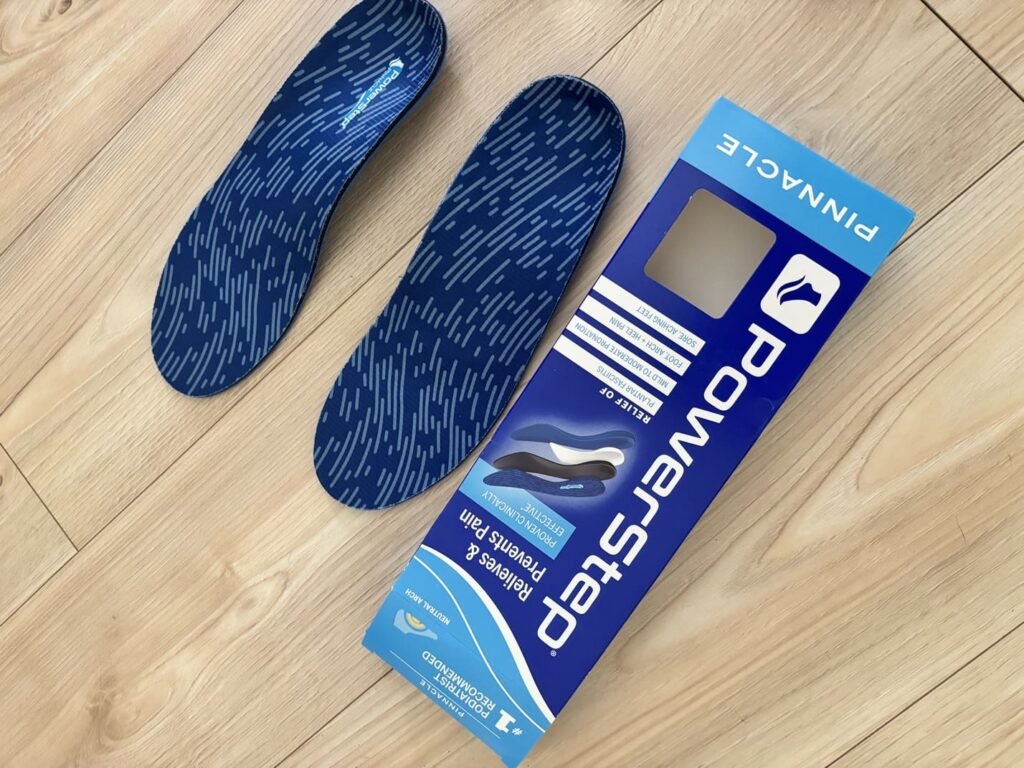
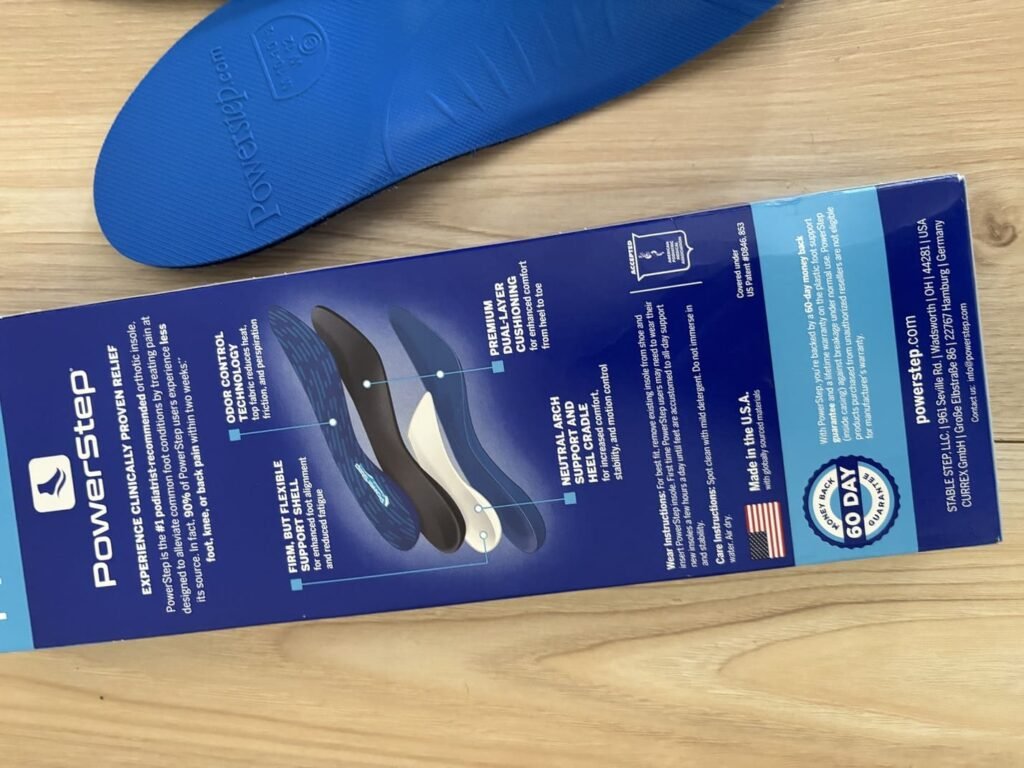
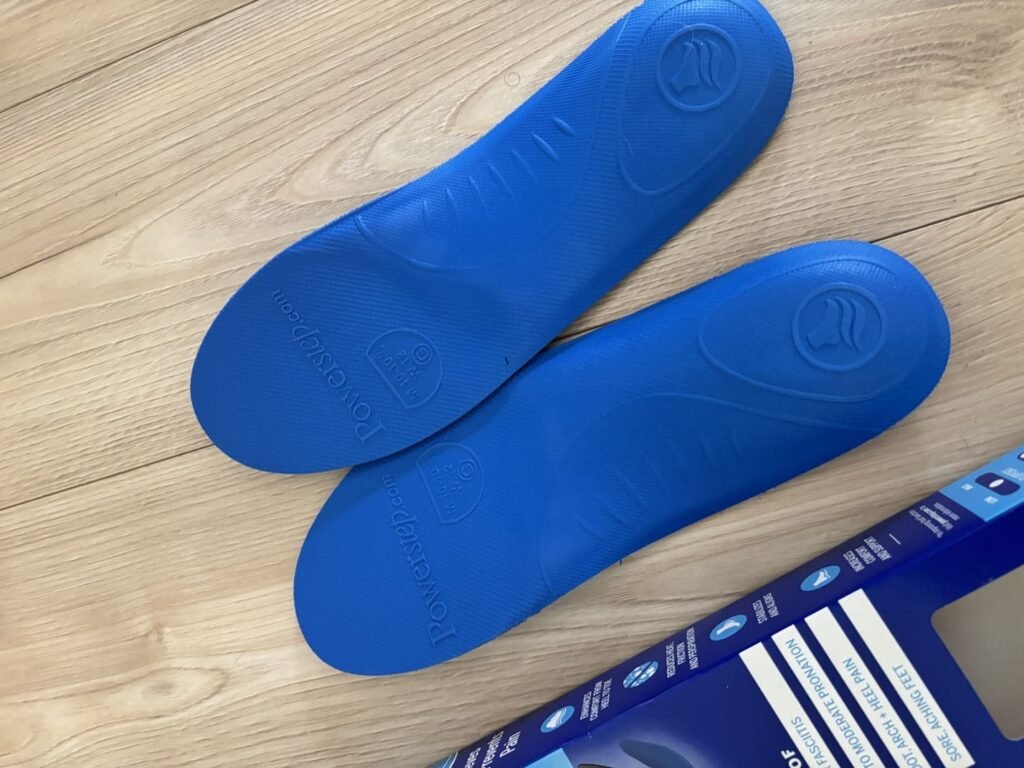
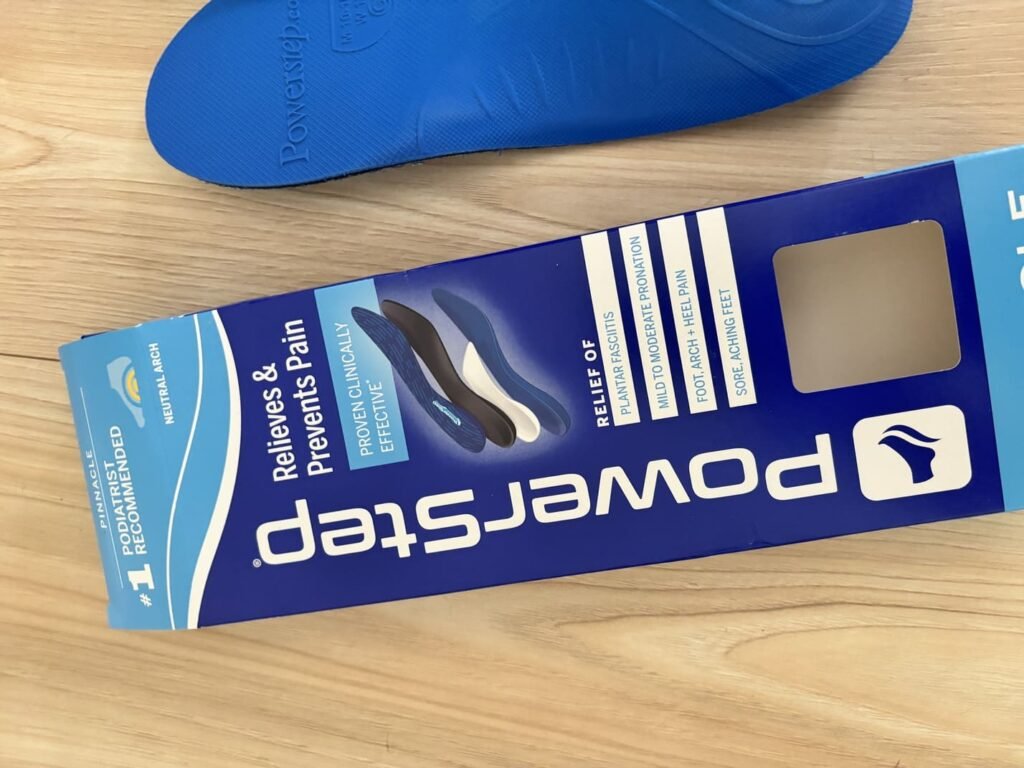
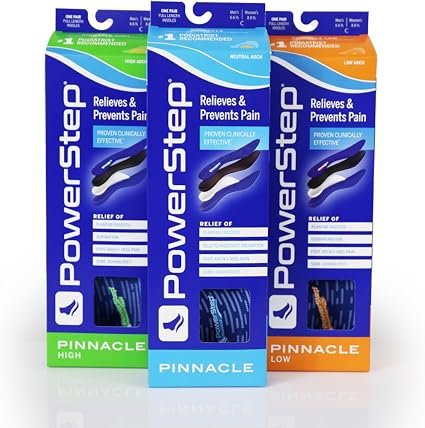
Our Top Pick: PowerStep Pinnacle Insoles
⭐ 4.5/5 (30,899 ratings)🇺🇸 Made in USA🩺 #1 Podiatrist Recommended
PowerStep is the #1 podiatrist-recommended insole brand in the U.S., and the Pinnacle is its best-seller for neutral-to-moderate pronation and plantar fasciitis relief. It combines a semi-rigid arch shell with premium cushioning, carries the APMA Seal of Acceptance, and is sized for nearly every adult foot. We put it through a full review, including what real buyers say about fit, comfort, and durability.
Check Price on Amazon → Read Our Full Review →
When to See a Podiatrist
⚠️ Don’t Wait If You Notice:
- Pain that hasn’t improved after 4–6 weeks of home care (stretching, ice, better shoes, insoles)
- Numbness, tingling, or a burning sensation in the foot
- Inability to bear weight on the foot
- Significant swelling, redness, or warmth around the heel
- Pain that wakes you up at night
- A history of diabetes or poor circulation, which changes how foot injuries should be managed
A podiatrist can confirm the diagnosis, rule out other causes of heel pain (such as a stress fracture or nerve issue), and recommend a treatment plan, which may include custom orthotics for cases that don’t respond to over-the-counter options.
| Approach | Typical Cost | Time to Try First |
|---|---|---|
| Stretching & rest | Free | Immediately |
| Better footwear | $60–$150 | Week 1 |
| Over-the-counter orthotic insoles | $40–$60 | Week 1–2 |
| Physical therapy | $75–$150/session | Week 3–4 if no improvement |
| Custom orthotics (podiatrist) | $200–$500+ | If OTC insoles don’t help |
Ready to Try Podiatrist-Recommended Insoles?
See our full breakdown of the PowerStep Pinnacle — America’s #1 podiatrist-recommended insole for plantar fasciitis and arch pain.
Read the Full PowerStep Pinnacle Review →
Clicking our links helps support SeniorAffair.com at no cost to you.
Frequently Asked Questions
How long does plantar fasciitis take to heal?
Most cases improve significantly within 6–12 months of consistent conservative treatment (stretching, proper footwear, orthotics), and many people feel meaningful relief within the first 4–8 weeks. Sticking with a daily stretching routine and supportive insoles makes the biggest difference in recovery time.
Can plantar fasciitis go away on its own?
It can improve on its own in mild cases, especially with rest, but it often lingers or worsens without some form of treatment—particularly supportive footwear and stretching. Waiting it out without changing footwear or activity is one of the most common reasons cases become chronic.
Do orthotic insoles really help with plantar fasciitis?
Yes — supportive, semi-rigid arch insoles are one of the most commonly recommended first-line treatments because they reduce strain on the plantar fascia with every step. They work best combined with stretching and supportive footwear, not as a standalone fix.
Is walking bad for plantar fasciitis?
Walking itself isn’t bad, but walking in worn-out or unsupportive shoes on hard surfaces can aggravate it. Supportive shoes, orthotic insoles, and moderating high-impact activity while healing allow most people to stay active without making symptoms worse.
What’s the difference between plantar fasciitis and a heel spur?
A heel spur is a bony growth that can develop from long-term strain on the plantar fascia, but many people with heel spurs have no pain at all. Plantar fasciitis is the inflammation of the tissue itself and is usually the actual source of pain, whether or not a spur is present.
📖 Considering the PowerStep Pinnacle? Read our full hands-on breakdown: PowerStep Pinnacle Insoles Review: Do They Really Relieve Plantar Fasciitis? →
This article is for general informational purposes only and is not a substitute for professional medical advice, diagnosis, or treatment. Always consult your physician or a podiatrist regarding any medical condition, including persistent foot, heel, or arch pain, especially if you have diabetes, poor circulation, or numbness in your feet. Never disregard professional medical advice or delay seeking it because of something you read here.







[…] 📖 New to this topic? Read our companion guide first: Plantar Fasciitis in Seniors: Causes, Symptoms & How to Find Relief → […]