


As we slowly and gracefully navigate through our Golden Years, life continues to present unpleasant surprise twists and turns with declining health. So one day, you feel pretty good, and the next day you don’t.
Take Ms. Ruthie, a 64-year-old Hairstylist with type 2 diabetes. Her once vibrant and successful 35-year career in hair care resulted in forced retirement due to symptoms related to Neuropathy. She started experiencing short periods of weakness and pain with walking and standing because of swollen legs and feet. Later, she began feeling dizzy and weak. She ignored these symptoms by attributing them to her age, diabetes, and work-related stress.

As the pain and weakness continued, she found it difficult to perform simple daily tasks around the salon. These unwelcome and unexpected problems were affecting her mobility more and more. To alleviate her discomfort, Ms. Ruthie decided to hire a part-time Hairstylist, purchase a walking cane for balance, and a pair of quality comfortable shoes. This was a short-term solution that worked well until the numbness in her hands flared up months later. She simply described her hands as feeling as if they were inside a bag of sand. This prompted her to make a doctor’s appointment, and she was immediately referred to a Neurologist for further examination. Ms. Ruthie was diagnosed with Peripheral Neuropathy.
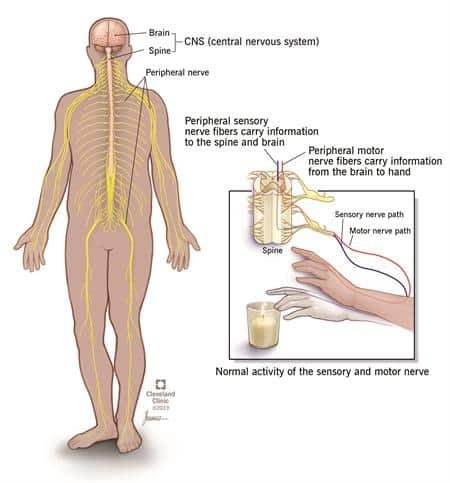
What Is Neuropathy?
Pronounced as noo–rop–uh-thee, Neuropathy is defined as nerve damage and nerve pain.
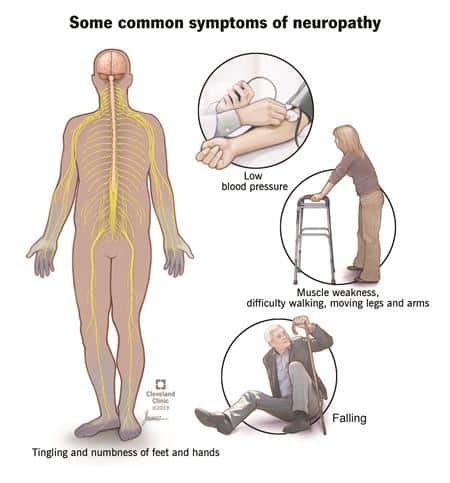
Neuropathy Symptoms
Common symptoms include a frequent feeling of “pins and needles” in the leg, feet, and hands. Persistent tingling of the extremities with stabbing pains often shooting down to the feet. Bare feet feel covered up. Insomnia occurs due to constant pain. There’s excessive sweating or inability to sweat. Muscle weakness, dizziness, loss of balance, and lack of coordination are possible. You may experience sensitivity to the slightest touch as well as intolerance to heat and cold.

Neuropathy Types Defined
There are four known types of Neuropathy: Peripheral, Autonomic, Focal, and Proximal.
Peripheral Neuropathy is nerve damage, dysfunction, and pain to parts of your nervous system like your peripheral nerves. It can develop from a brain injury, stroke, alcohol abuse, or other medical conditions like diabetes, a leading cause of chronic pain. Symptoms can worsen and tend to flare up due to triggers related to inflammation, infection, swelling, and physical pressure on the nerve.
Autonomic Neuropathy affects the involuntary nerves that control the organs of your body. These nerves control heart rate, heart contraction strength, blood pressure, urination, intestine movements like diarrhea and constipation.
Focal Neuropathy is common. It includes conditions like carpal tunnel syndrome caused by compression of hand and wrist nerves. Compression can occur due to pressure from prolonged positions or from overusing a limb in a manner that causes inflammation.
Proximal Neuropathy is less common than other neuropathy types. It affects nerves of the limbs such as the thighs, upper arm, or shoulders. It is common to occur along with Peripheral Neuropathy.
Causes of Neuropathy
A number of factors can lead to a neuropathy diagnosis. Diabetes is the main cause where you experience pain, burning, and loss of sensation in the feet and hands. For example, deficiency in vitamins B1, B6, B12, E, and Niacin can harm nerve function. Excessive alcohol consumption causes low levels of Thiamine which is vital for proper nerve function. Nerve damage can occur because of injuries or intense physical activities that compress the nerves. Normal oxygen levels due to vascular disorders that reduce blood flow to the extremities, genetic disorders, and autoimmune diseases can also cause Neuropathy. Other diseases such as kidney and liver disorders, tumors, myeloma, and lymphoma are also known triggers.
Treatment for Neuropathy
Good news! There is an abundance of remedies available to relieve and treat neuropathy symptoms. However, before indulging in any of the following activities, discuss them with a Neurologist or other medical professional specializing in geriatric medicine as there are long-term benefits, side effects, and risks involved.
- Physical therapy and regular exercise to strengthen muscles.
- Comfortable wide-width footwear with an extra-depth design, padded and thick cushioned lining, wide toe box, orthotics insole, non-binding stretch uppers, and seamless interior.
- Intravenous Immunoglobulin (IVIG) – This therapy is an intravenous procedure performed in a hospital or in the privacy of your home. A medical professional administers anti-inflammatory medication directly into your bloodstream. Headaches are a side effect relieved with any over-the-counter pain reliever like Tylenol Extra Strength.
- Electrical nerve stimulation for damaged nerves and pain relief. Low voltage electrical currents are administered on and around the affected nerves.
- Gabapentin, Cayenne Pepper (includes Capsaicin), or Apple Cider Vinegar for shooting burning nerve pain
- Pain-numbing agents like topical creams, lotions, or ointments.
- Warm Baths and Vicks Vapor Rub® on legs and feet to soothe pain and distress.
- Non-steroidal anti-inflammatory medication for pain reduction, swelling, and inflammation.
- Dietary supplements such as Acetyl-L-Carnitine. Acetyl-L-carnitine, Alpha-Lipoic Acid, Vitamin B, Curcumin, Fish Oil, N-Acetyl Cysteine, and prescribed anti-depressants.
- Natural ingredients with pure concentrated hemp extract known as CBD or Cannabidiol. For example, Elixinol CBD Gummies could help relieve agonizing joint discomfort and general muscle aches, soreness, sleep disorders, anxiety, and dozens of other ailments. There’s no THC and it heals without you feeling high.
- For blood sugar control, Aloe Vera, Flax Seeds, Fenugreek, Turmeric, and Indian Blackberry.
- Avoid food containing gluten, salt, sugar, artificial sweeteners, alcohol, refined grains, and saturated fats.
Covid and Neuropathy
A new long Covid study shows that the virus can cause lots of different long-lasting effects, these symptoms include nerve damage, heart problems, tingling sensations, depression, and brain fog. The damage to the nerves that connect the brain and spinal cord was more likely 90 days after infection.
Conclusion
Neuropathy, in any form, can be very difficult and stressful to deal with. It is the damage of any nerve in the body causing dysfunction. The type of nerves and pattern involved depends on the cause. Peripheral Neuropathy, a common type, is usually brought on by diabetes, alcohol abuse, chemotherapy, and several other potential reasons. It can significantly diminish your quality of life and the ability to be active. Do not panic. Pay close attention to the warning signs. Immediately seek medical advice to choose the best treatments and solutions to fit your needs. Unfortunately, there is no known permanent cure for Neuropathy; however, as previously noted, there are preventative measures to stop it from worsening.

Fortunately, Ms. Ruthie does not struggle with her neuropathic pain and swelling as much as before. Instead, she has followed her doctor’s advice and performs several activities to combat it and control her blood sugar. The monthly IVIG treatments, low-fat diet, and physical exercise have changed her quality of life. Ms. Ruthie enjoys traveling with her family again, planting vegetables in her garden, and participating in an aerobics class.
She finds it easier to resume providing hair care services to select clients from time to time.
If you have Neuropathy or its symptoms, I wish you blessings of overall excellent health and long-term relief.
All the best!
Sources
https://my.clevelandclinic.org/health/diseases/14737-neuropathy
https://www.diabetes.org/diabetes/neuropathy
https://journals.lww.com/pain/Abstract/9900/Post_acute_sensory_neurological_sequelae_in.32.aspx





![How to Find Senior Care for a Parent: A Practical Guide to Getting Started This is sponsored content. SeniorAffair.com has partnered with Care.com, and this post contains affiliate links. If you make a purchase or sign up through these links, we may earn a commission at no additional cost to you. As always, our recommendations reflect what we genuinely believe will help our readers. Quick answer: Care.com is an online marketplace where you can search for in-home senior caregivers by the exact skills your family needs—companionship, meal prep, medication reminders, dementia support, and more—compare rates and reviews, and message or video-interview candidates before hiring. You can even search for senior living communities. Every individual caregiver starts with a required background check, though families should still do their own additional vetting. Care.com membership starts at $12.99/month. Key Takeaways Care.com lets you filter caregivers by specific skills—meal prep, transportation, personal care, dementia support, and more. Every individual caregiver starts with a required background check, plus Care.com offers a 24/7 safety hotline. Membership starts at $12.99/month. The Senior Care Advisor service pairs you with a master's-level social worker for a personalized care plan if you're not sure what type of care is right for your loved one. It usually happens fast. A fall in the kitchen. A diagnosis that changes everything. A phone call from a hospital you weren't expecting. One day you're checking in on Mom or Dad the way you always have, and the next you're trying to figure out, in a matter of days, who's going to help them get dressed, remember their medication, or simply not be alone all day. If that sounds familiar, you're not alone—and you're not behind. Most families who search for senior care do so under pressure, not because they waited too long, but because caregiving needs rarely arrive on a convenient timeline. The good news is that the search itself doesn't have to be another source of stress. Here's how Care.com can help, and what to know before you start. What Is Care.com, and How Does It Help With Senior Care? Care.com is an online marketplace that connects families with caregivers for in-home senior care, along with options like senior living communities and adult day programs. Instead of working through a stack of business cards from a hospital discharge folder or asking around your neighborhood group chat, you can search caregiver profiles by the specific skills your family needs, plus get additional safety and hiring tools to make the process easier. Whether your loved one needs help with meal prep, transportation, light housekeeping, personal care, medication reminders, companionship, or dementia support, you can search for caregivers who list that exact experience, then compare hourly rates, bios, and ratings and reviews left by other families. [INTERNAL LINK: our guide to signs a parent needs in-home care] How Do You Search for a Caregiver on Care.com? The process is straightforward: post a job describing your family's needs, and caregivers apply directly to you. You can search by skills, experience, and hourly rate to find a care that fits your needs and your budget. You must be a member to message and hire. Video interviews are built into the platform, so you can screen someone before sharing your address or inviting them into your parent's home. You can compare multiple caregivers side by side before making any commitment—no pressure to decide on the spot. Is Care.com Safe? What the Required Background Check Covers Every individual caregiver on Care.com's platform starts with a required background check. Care.com also monitors job posts and messages, operates a 24/7 safety hotline, and provides tips and resources to help families make safer hiring choices—you can learn more at care.com/safety. That said, a background check is an important start—not the full picture. We always encourage families to conduct their own additional vetting: talk with caregivers directly, check references, ask detailed questions about experience with your loved one's specific needs, and trust your instincts during video interviews before anyone sets foot in the home. It's also worth taking a few minutes to verify the details in any caregiver profile or job posting, since families are ultimately responsible for confirming that information is accurate. What Does Care.com Cost for Senior Care? As of 2026, Care.com's premium membership for families starts at $12.99/month, depending on the length of the plan you choose—you can search by skills, experience, and hourly rate to find care that fits your needs and your budget. What Is the Care.com Senior Care Advisor Service? For families who feel stuck before they've even started—who don't know whether Mom needs a few hours of help a week or a full conversation about assisted living—Care.com also offers Senior Care Advisor. For a one-time fee, you get 90 days of access to a dedicated advisor, a master's-level social worker, who gets to know your family's situation on a consultation call and then delivers a personalized care plan by email, along with researched local resources and next steps. The intake process is short—about five minutes to answer a handful of questions ahead of time—followed by a 30-minute consultation. From there, your advisor sends a detailed plan within a few days that covers everything from in-home care and senior living communities to navigating Medicare, Medicaid, and veteran's benefits, and even how to have hard conversations with siblings about splitting responsibilities. [INTERNAL LINK: our Medicare/Medicaid senior care coverage guide] It's designed for exactly the moment so many of us find ourselves in: knowing something has to change, but not knowing where to begin—and not wanting to figure it out completely alone. → Learn more about the Senior Care Advisor on Care.com You're Not the Only One Feeling This If you're the adult child juggling this search alongside a job, your own kids, and a life that already felt full, the guilt of "should I be doing this myself" is real. So is the exhaustion of not knowing where to even start looking. Those feelings are common, not a sign you're falling short. Having a structured way to search—filtered by the specific help your loved one needs, backed by reviews from families who've been exactly where you are—takes some of that weight off, even if it doesn't remove it entirely. How to Get Started on Care.com You don't need to have everything figured out to start searching. You can browse caregiver profiles freely, get a feel for who's available in your area, and filter by exactly what your family needs—whether that's someone a few hours a week for companionship or more consistent daily support. When you're ready, you can become a member to message caregivers, schedule video interviews, and compare your options side by side before hiring. Caregiving decisions are personal, and they rarely feel simple. But having a clear, organized way to search—instead of piecing it together from scratch—can make a genuinely hard season a little more manageable. Because while you want to care for everyone you love, it can't always be you. When it's not you, it's Care.com™. Frequently Asked Questions About Care.com for Senior Care Is Care.com legit for finding senior care? Yes. Care.com is a long-running online marketplace connecting families with caregivers, including for senior and adult care. Every individual caregiver starts with a required background check, and the platform offers safety monitoring and a 24/7 safety hotline—though families should still do their own vetting before hiring. How much does Care.com cost for senior care? As of 2026, a Care.com membership starts at $12.99/month, depending on the length of the plan you choose. Does every caregiver on Care.com have a background check? Yes—every individual caregiver on Care.com's platform starts with a required background check. Families are still encouraged to do additional vetting, such as checking references and conducting video interviews, since a background check is a starting point rather than a full screening on the family's behalf. What is Care.com Senior Care Advisor? It's a paid, one-time service that gives you 90 days of access to a dedicated advisor—typically a master's-level social worker—who builds a personalized care plan for your family, covering options like in-home care, senior living, and navigating Medicare and Medicaid. It also includes 90 days of Care.com membership. Can I find caregivers with memory care or dementia experience on Care.com? Yes. You can search for memory care and dementia experience and compare reviews from other families who've hired caregivers for similar needs. Does Care.com offer senior living community listings? Care.com's core search focuses on in-home caregivers, but it also provides information on options outside the home, including senior living communities and adult day programs. → Start your search on Care.com Disclaimer: Care.com does not employ or place caregivers, provide medical advice, diagnosis, or treatment, or engage in any conduct that requires a professional license, including in connection with certain senior caregiving services. Families are encouraged to verify the accuracy of information in caregiver profiles, job postings, and other areas of the site. Pricing is subject to change; confirm current rates on Care.com directly. "Care.com" and "When it's not you, it's Care.com™" are service marks or registered service marks of Care.com, Inc](https://senioraffair.com/wp-content/uploads/2026/09/How-to-Find-Senior-Care-for-a-Parent-A-Practical-Guide-to-Getting-Started-218x150.jpeg)
