

Home Blog Page 48

Is Vision Insurance Worth the Investment?

Is Vision Insurance Worth the Investment

Vision care is an important part of your overall health and wellness. It’s also a quick and painless way to make sure you and your eyes are staying healthy throughout retirement. The good news is, enrolling in a quality individual vision plan on your own can be affordable. Let’s take a look at what exactly vision insurance includes, why it’s important, and how you can get covered.

What Is Vision Insurance?

Your regular health insurance plan may cover health costs if you injure your eyes in an accident or if illness affects your vision. But if you’re looking for coverage to help with the cost of routine eye exams and eyeglasses, you’ll most likely need to buy a separate insurance plan, like one through VSP Individual Vision Plans. Even if you are covered through Medicare, many Medicare plans don’t include coverage for routine eye exams or glasses.

How Important is Regular Eye Care?

Routine eye exams help make sure you’re seeing your best by keeping your prescription current, which can directly impact your quality of life. More than that, during your annual eye exam, your eye doctor can detect early signs of eye and other health conditions, including

All of these health conditions are important to identify early—before they become more serious.

What Is Included with Coverage through VSP Individual Vision Plans?

VSP plans cover an annual eye exam and coverage for glasses after a small copay. If you’re looking for even more coverage, they have several plan options to choose from. They offer coverage to help you pay the least out-of-pocket at the doctor’s office for the lens enhancements you want, including fully covered progressive lenses, anti-glare coating, or a higher frame allowance.

Are Vision Plans Affordable?

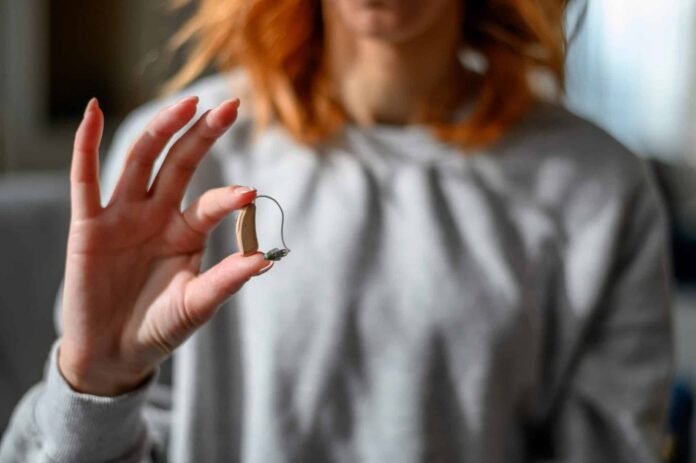
VSP Individual Vision Plans have personalized, affordable plans you can buy on your own. Full-service plans start as low as $13 a month, and although everyone’s needs are different, typical savings are about $300 a year. That’s because the savings don’t stop with exams and frames. You also get discounts on lens enhancements you can choose when selecting your glasses. Progressives, bifocals, trifocals, and tinted lenses are also covered or discounted. Plus, you also get access to additional member-only offers, like an extra $40 to spend on select frame brands and up to 60% savings on digital hearing aids, and receive discounts on batteries3.

How Do I Enroll in a VSP Individual Vision Plan?

Enrollment in a VSP Individual Vision Plan is simple. You can enroll all year long, and there’s no waiting period, meaning you can use your vision benefits the same day you enroll. Plus, VSP makes paying for your vision plan easy, too. You can choose to pay for your vision plan all at once or in 12-monthly installments. You’ll have peace of mind knowing that you’re investing in your eye health, as well as saving on exams, frames, and more.

1. Savings are based on national averages on annual eye exams and most commonly purchased frame brands and may vary by VSP plan and purchase selection; average savings are determined after benefits are applied.  

2. Brands/Promotions subject to change. Available only to VSP members with applicable plans. Offers are only available through VSP network doctors and in-network locations. 

3. VSP provides information to its members but does not offer or provide any discount hearing program. The relationship between VSP and TruHearing is that of independent contractors. VSP makes no endorsement, representations, or warranties regarding any products or services offered by TruHearing, a third-party vendor. The vendor is solely responsible for the products or services offered by them. You should contact the vendor directly if you have any questions regarding the services offered here. TruHearing allows individuals to purchase hearing aids at discounted prices, including individuals covered by self-funded health plans not subject to state insurance or health plan regulations. TruHearing is not insurance and not subject to state insurance regulations. TruHearing provides discounts to certain healthcare groups for hearing aid sales and services; TruHearing provides fitting, programming, and three adjustment visits at no cost; the member is obligated to pay for testing and all post-fitting hearing care services but will receive a discount from those healthcare providers who have contracted with TruHearing. Not available directly from VSP in the states of Washington and California.

You may also like:

InsideTracker Review: Your Blood & DNA Has The Answer to Everything

InsideTracker

The truth is people age at different speeds—some faster, some slower. The number of birthdays you’ve had doesn’t necessarily reflect your body’s internal, biological age. Your biological aging depends on a combination of genetic traits as well as lifestyle factors like diet, exercise, stress, and sleep. 

To live your longest and healthiest life possible, your body needs to be periodically tested and recalibrated to fully understand where your health is optimized (and where it’s not). Blood biomarkers—objective biological indicators of health—change over time. Certain biomarkers can predict the rate that your body is aging on the inside. These blood biomarkers are impacted by your daily habits. It’s important to measure how these habits are impacting your body. 

InsideTracker quantifies this with a calculation of your biological age, called InnerAge.

Their science-backed algorithm measures the blood biomarkers most associated with aging, accounting for factors most strongly linked to healthspan to identify precisely what is impacting your InnerAge, both positively and negatively. Here are a few examples:

  • High-sensitivity C-reactive protein (hsCRP) is a general marker of inflammation indicative of aging. High hsCRP levels can put you at a greater risk of getting sick. Internal inflammation is also connected to oxidative stress and accelerated aging, so mitigating inflammation is a priority during aging. 
  • Blood glucose is the body’s primary source of fuel. Properly regulated glucose levels are essential for maintaining overall health, performance, and longevity. Glucose regulation also can decline with age. Research and customer data show a strong correlation between blood glucose and age—a lower glucose level is associated with younger age and vice versa.

And once you have in-depth knowledge on how your habits are impacting your body, you can take action. Here are a few examples:

  • Try a curcumin supplement. Curcumin is a unique polyphenol found in turmeric that has powerful properties that can reduce inflammation. Supplementation can reduce inflammatory cytokines, oxidative stress, and hsCRP.
  • Drink green tea. Coffee contains many phenolic compounds (e.g., chlorogenic acids, diterpenes, and kahweol) best known for their antioxidant-like properties. These phenols protect your cells by slowing and preventing oxidative damage of healthy cells.

Learning your body’s InnerAge, is a powerful catalyst to learn how to take control of your health and wellness. InsideTracker’s InnerAge 2.0 has been a revolutionary tool in helping people significantly improve their healthspan. 

“I got the results to really dial in the pieces of my blood profile that needed some work… that’s real data that will help me continue to build fitness, build health, build vitality—all of the things that ultimately just give us this great life.”

–Mark Allen, 64

InsideTracker Community Member 

6x IRONMAN World Champion

Want to see your InnerAge and reveal your personalized path to living healthier and longer?

Click here to get started.

Improve Your Health with the Law of Attraction

Law of Attraction

The law of attraction is the law that says what you focus on, you attract into your life. It is happening non-stop, whether you realize it or not. This is why it seems like when you are having a bad day from the time you wake up in the morning, it just keeps getting worse. Your negative energy is attracting more bad things into your life. 

When you can focus on the law of attraction, you can reverse it and actually manifest good things into your life. This includes improving your health.

Set Your Intentions

Start with your intentions that are related to your health and wellness. When you think of health, what do you want to improve? You need to be as detailed and specific as possible when figuring out what area of health you want to improve. This can be anything from a chronic health condition or pain to stopping your hair loss or losing weight.

Once you write down what areas of health you are hoping to improve, make sure you write down why that is. Why is this a priority? Get a good list of intentions and write them down again so you really know what to focus on with the law of attraction.

Visualize a Healthy Body and Mind

Close your eyes and see yourself as that healthier person, whatever that means to you, and try to feel how it would feel. The visualization should include the intentions you just set, based on what you want to change. Envision a life free of pain. You no longer have the arthritis pain, you have lost all the weight, your skin is clear, and you feel more energetic than ever before. 

This is also a good time to consider what actions you might need to take in order to improve your health.

Script a Life Full of Health and Vitality

Use scripting once you have gotten the visualization down. Scripting is a way to write as if you have already achieved this level of health you want to manifest. Think of your intentions as they relate to your health and what you have visualized. Get into the headspace of having already reached that level of health, then write down what you might be experiencing. 

Scripting is not written as “I want to lose 20 lbs,” but “I am so grateful I lost those 20 lbs and now have my dream body! ”. 

Express Gratitude

Always show gratitude whenever you are tapping into how you feel while manifesting, whether you are scripting, visualizing, meditating, or writing out affirmations. Write down what you are grateful for in your life every day, and even when scripting, show gratitude for having achieved what you set out to manifest.

Iamfine Review: Getting Peace of Mind from an Automated Check-in Service

iamfine check in service for seniors

As we are growing up, our parents likely spend time worrying about us.

But, now, as they age, we find ourselves worried about them.

Did Mom take her medication? Did she make it safely to her appointment today?

Do you have a loved one alone with no one to check on them every day? Did you know some companies offer an automated check-in service to keep you and your emergency circle in the loop?

Daily Check-in Service for Your Loved Ones

One of these services is Iamfine; in 2012, two brothers caring for their mother in a different state wanted to create a solution for boomers, seniors, and their caregivers.

It’s very low-tech and straightforward; the only thing needed is a phone, landline, or mobile is fine. Here’s how it works:

  • Set a time to be called each day—maybe this will be first thing in the morning before Mom goes out for the day.
  • When mom receives the call, she can push 1 if she’s okay. – They can send the alert to her cellphone, so she receives it even if her schedule changes.
  • Create a list of emergency contacts that will get notified if she isn’t okay. For example, if you have a brother or sister, you can add them to the list just in case you aren’t available.
  • You will receive a text message that says, “Your loved one has checked in.” But more importantly, they’ll notify you if they cannot reach her or she doesn’t check in. The service will try multiple times to reach mom and keep a log of attempted calls. 

If your loved one lives with pets, they may be concerned about what will happen to them if something were to happen. For example, you can add neighbors to the care circle who would help care for their pets.

The service is entirely customizable; you can even check-in before your scheduled call by calling in or logging into the website. 

Conclusion

What I like most is that the service is family owned and managed by genuine and thoughtful people.

Unlike medical alert devices, your loved one doesn’t need to wear anything or remember to carry something extra, this could be a great alternative to a medical alert button.

The cost is reasonable at $14.99 a month; with a free 14-day trial, this video shows you how it works. You don’t need a credit card, and no special equipment is required.

Now you can rest assured that Iamfine is offering a beneficial service, especially for those who are living alone, their families and friends don’t have to feel the burden of supporting them as they age at home.

 Visit IAMFINE to get started. 

You may also like

I Retired at 57, Happily Married, and Ready to Write the Next Chapter.

0
tracy lynn contributor

Greetings! Allow me to introduce myself. I am Tracy Lynn a 58-year-old recent and happily retired utility Manager. I reside in the southwest suburbs of Chicago with my wonderful husband of 23 years. Having been employed in various positions at a few businesses since I was 16 years old, I often fascinate people with how young I am to be a retiree. At the utility company, my career spanned 23 years working as a Customer Service Rep, Construction & Maintenance Work Planner, Project Management Assistant, and Project Manager.

Since 1980, I worked in positions as a Teacher’s Aide, Cashier / Cook, Secretary, Clerical and Administrative Assistants. In 2021, I discovered other interests that both fascinated me and demanded my full attention. These eventually led to retirement. For example, my mother’s fast-declining health became a primary focus as now I am suddenly a Caregiver. In addition, my desire to dabble in my favorite past-time of writing as well as try my hand at coordinating and planning real estate transactions. Home remodeling projects, self-improvement, and traveling are also high on the exploration list!

Due to my life-long desire to write non-fiction novels and being an avid reader, I have always had the vision to create a book club. Fortunately, I discovered and bonded with other women to possess these same interests. Eleven years ago, I had the vision to create a book club where today, I am the President and Founder of The Sister Circle Book Club of 10 members. The club keeps me busy and provides an abundance of joy and happiness. I love the phenomenal female members, books we read and discuss, and the activities we accomplish such as volunteering and donating to various charities, and of course, eating delicious food and drinking plenty of good wine!

In the 1970s, it was a bit of a safety challenge growing up on Chicago’s gang and crime-ridden South Side in a single-parent household. Our mother was hard-working, loving, and strict while raising two young girls. We were the victim of having a curfew of “be home by the time the street lights come on”! My younger sister and I often encountered being robbed while on the way to the grocery store and of our personal belongings. One year we received the bicycles we always dreamed of and they got stolen only 2 weeks after riding them. In spite of these setbacks, we enjoyed our modest life of growing up in the ‘hood. As long as we had each other, my mother, sister, and I maintained a very loving and respectful relationship. Our bond is extremely close even to this day.

I attended Chicago Public Schools from headstart to high school graduation. While employed as a Teacher’s Aide during the Summer School Program, the teachers often admired my work and encouraged me to pursue an Elementary Teacher’s job. Unfortunately, due to the numerous and ongoing teacher strikes throughout the years, I got easily discouraged to apply. I enjoyed attending school where I often excelled in all subjects and was considered a good student.

In the sixth grade, I met one of my very best friends to this day. We had a lot in common and found Richard Pryor to be our favorite comedian to imitate. We absolutely had no business listening to these X-rated albums but couldn’t help ourselves. This dude was hilarious! We also discovered that we enjoyed other thrilling activities such as gymnastics, listening to music, dancing, going to the movies, clothes shopping, and writing short stories. We would swap our stories with each other for entertainment purposes and critique.

Today, I still love to attend and enjoy watching comedy shows with my husband. Laughing is therapeutic and is good for your health. With all of life’s pressures and challenges of growing old gracefully while managing and caring for an elderly parent I highly recommend daily laughter, meditation, and prayer. Live, laugh, and love. It’s the three keys to mastering and navigating this thing called senior life.

Ask me anything!

Exploring Senior Living Options: A Comprehensive Guide To Senior Housing

Senior Housing
Senior Housing

As we age, it becomes increasingly important to consider our senior living options. With so many choices available, it can be overwhelming to choose the right one for yourself or a loved one. In this guide, we will explore senior living options in detail—from the benefits of choosing senior living to assessing your financial needs and exploring amenities and services offered at senior living communities. Ultimately, we hope that this comprehensive guide will provide readers with the tools they need to make an informed decision about their senior living choice.

Introduction

As our population continues to age, many people are beginning to explore the options that exist for senior living. Finding a place to live that is comfortable, safe, and secure is of paramount importance when considering these options. It can be daunting with all of the information available on the different types of senior housing out there.

That’s why we’ve put together this comprehensive guide to help you make an informed decision when it comes to finding the right senior housing for you or your loved one. We’ll discuss types of senior living ranging from independent living, assisted living, memory care, continuing care retirement communities, and more! With this guide in hand, you will be well on your way to finding the best fit for your lifestyle and needs.

Benefits Of Choosing Senior Living

As seniors age, they may find that living independently in their own home is not as easy as it used to be. Senior living allows them to maintain their independence while having access to helpful services and amenities that help them stay healthy and safe.

Benefits of choosing senior living include 24/7 emergency assistance, regularly scheduled transportation to medical appointments, nutritious meals provided daily, social activities with peers, and personalized care tailored to each individual’s specific needs.

Additionally, many independent senior living communities offer recreational activities such as swimming pools and fitness classes so seniors can exercise in a supportive community environment. With the right senior living option, older adults are allowed to age gracefully in a comfortable setting surrounded by friends and fellow seniors who understand their unique needs.

Types Of Senior Living Options

Senior living options are wide-ranging and include independent living, assisted living, memory care, nursing home care, respite care, adult day care and more. Independent living communities are designed for active seniors who wish to maintain their independence and pursue the lifestyle they desire without the distractions of daily chores or home maintenance.

Assisted living offers supportive services such as help with activities of daily living (bathing, dressing etc.), meal preparation, medication reminders and other assistance for those who need a bit more support in order to remain independent. Memory care is specifically designed for individuals with Alzheimer’s disease or dementia; these facilities provide personal care and specialized programs that meet the needs of those affected by cognitive decline.

Nursing home facilities provide long-term skilled medical and nursing care, along with rehabilitation therapy if needed. Respite care offers short-term stays (usually less than 30 days) that provide families temporary relief from responsibilities for their loved ones while providing elderly adults a safe environment where their basic needs can be met on a temporary basis.

Adult daycare provides daytime supervision in a group setting that links elderly adults to social opportunities and activities within the community while their caregivers have time off to take care of their own needs or work obligations.

Assessing Your Financial Needs

Assessing your financial needs is an essential step when exploring your senior living options. It’s important to consider all aspects of your budget, including retirement savings, income sources, and any possible additional costs associated with making a move.

Make sure to calculate the total cost of different housing options and research available assistance programs that can help reduce expenses. Remember, it’s always best to plan ahead for unexpected costs or higher-than-expected monthly fees.

Exploring Amenities And Services Offered At Senior Living Communities

Senior living communities offer a variety of amenities and services designed to make life comfortable and provide peace of mind for adult seniors. These include options like housekeeping, laundry services, personal care attendants, medically trained staff, and recreational activities.

Other features commonly found within these communities are transportation services, emergency call systems, on-site dining facilities, fitness centers, and health screenings. Additionally, many also provide social programs to encourage socialization among the residents. Exploring all these amenities and services offered at senior living communities can help you decide which one best fits your needs.

When it comes to finding the right senior living option for your loved one, there are many factors to consider. Location is a critical factor when it comes to senior living options. The closer you are to family and friends, the better they can provide support and assistance if needed. Additionally, you should consider the type of care that will be available as well as what activities and services are included in the monthly cost of their stay.

Finally, look into additional amenities such as transportation, daily meals, recreational activities, and social opportunities within the community that your loved one needs or desires. Taking all of these factors into consideration will help ensure your family member finds a safe and comfortable home for their golden years.

Conclusion

In conclusion, exploring senior living options can be a daunting but exciting task. By researching different types of housing and services available to seniors, you’ll be better prepared to make an informed decision about which option is right for you or your loved one.

Deciding on a senior housing solution may seem like a big commitment, but it can also bring peace of mind knowing that you or your relative will have the best quality of life while aging safely and comfortably.

You may also like

How to Find Budget-Friendly Senior Living Options

Assisted Living: When is it the Right Time?

As we age, finding affordable housing that suits our needs becomes a top priority. Whether you’re looking to downsize or need to relocate to a community that offers more assistance, the cost of senior living options can be overwhelming. However, there are several ways to ensure that your new home is affordable while still providing the necessary services and amenities.

In this article, we will guide you through the process of finding budget-friendly senior living options that align with your financial situation and lifestyle preferences.

Types of Senior Living Options

When considering senior living, it’s important to understand the different options available. Each type of living arrangement has its own price range, services, and levels of care. Here’s a breakdown of the most common types of senior living options:

Independent Living

Independent living communities are ideal for seniors who are largely self-sufficient but would like to live in a community setting with social opportunities and activities. These communities typically offer amenities like housekeeping, dining, and recreational services. Independent living is usually the most affordable option, as it does not provide medical assistance.

Assisted Living

Assisted living communities are designed for seniors who need help with daily activities such as bathing, dressing, or medication management. These communities are more expensive than independent living, but they offer more personalized care. Costs can vary based on the level of care required, the size of the apartment, and the amenities included.

Continuing Care Retirement Communities (CCRCs)

CCRCs offer a range of living options, from independent living to skilled nursing care, allowing residents to “age in place.” Although these communities can be expensive upfront, they provide peace of mind knowing that care needs will be met as they change over time.

Nursing Homes

Nursing homes are suitable for seniors with serious medical conditions or those who need 24-hour care. This is the most expensive option for senior living, especially when private rooms are needed.

Memory Care

For seniors with Alzheimer’s or dementia, memory care units provide specialized services and a secure environment. This type of care can be costly but is designed to cater to the unique needs of residents with memory loss.

Tips for Finding Budget-Friendly Senior Living

If you’re on a budget, there are several ways to make senior living more affordable:

1. Consider Location

The cost of senior living can vary greatly depending on where you live. Urban areas or highly sought-after cities may have higher living costs, while rural areas or smaller towns may offer more affordable options. Do some research on different geographic regions to find places that offer budget-friendly options without compromising quality of care.

2. Look for Subsidized Housing

Some states and municipalities offer subsidized senior housing programs that provide affordable rent based on income. These programs can significantly reduce your monthly housing costs. Be sure to inquire with your local Area Agency on Aging (AAA) or housing authority for available programs in your area.

3. Downsize Your Home

If you currently own a large home, downsizing to a smaller residence may help you save money. The equity you receive from selling your home can be used to cover senior living expenses. Smaller homes or apartments are typically more affordable and require less maintenance, making them ideal for seniors looking to live independently.

4. Explore Shared Living Arrangements

Consider shared living arrangements, where you can live with another senior or even a caregiver. This can drastically reduce the cost of living and help you maintain social interaction. There are also shared apartments or co-housing options specifically designed for seniors who want to split living costs.

5. Research Discounts and Benefits

Many senior living communities offer discounts or financial incentives, particularly during the off-season. Additionally, seniors may be eligible for veterans’ benefits, Medicare, or Medicaid programs that can help offset living costs. Be sure to explore all available financial assistance options before making a decision.

6. Choose a Basic Level of Care

If you are relatively healthy and independent, opt for basic services in your senior living community. Many communities allow you to customize your level of care based on your needs, and starting with a basic package will reduce overall costs.

7. Negotiate Your Contract

Some senior living communities offer flexible pricing, especially if you commit to a longer stay. Don’t be afraid to negotiate on rates or ask about discounts or incentives for new residents.

Conclusion

Finding a budget-friendly senior living option is not only about finding the lowest price; it’s about balancing your financial situation with the level of care and services you need. Start by researching different types of communities, considering your location, and exploring government benefits or financial assistance. By doing so, you can find an affordable living arrangement that offers you the quality of life you deserve.

How Seniors Can Improve Sleep Quality Naturally

Does Medicare Cover Sleep Study?

Good sleep is the cornerstone of health at any age, but for seniors, it becomes even more essential. Sleep influences mental sharpness, emotional well-being, and physical health. Unfortunately, many seniors struggle with sleep-related issues, such as insomnia or disrupted sleep patterns. The good news is there are natural ways to improve sleep quality, ensuring restful nights and energetic days.

The Science of Sleep Changes in Seniors

As people age, the body produces less melatonin, the hormone responsible for regulating sleep. This change, coupled with health conditions or medications, often leads to difficulty falling and staying asleep. Understanding this shift is the first step in addressing sleep concerns.

Creating a Sleep-Friendly Environment

A calming sleep environment can significantly impact sleep quality. Seniors should invest in supportive mattresses and pillows tailored to their needs. Blackout curtains or an eye mask can block out light, while a white noise machine or earplugs can reduce disruptive sounds. Maintaining a cool, consistent room temperature also helps the body relax.

The Role of a Consistent Routine

Establishing a regular sleep-wake schedule trains the body to expect rest at a certain time each day. Seniors should aim to go to bed and wake up at the same times, even on weekends. This practice strengthens the body’s natural circadian rhythm, making it easier to fall asleep over time.

Natural Ways to Promote Relaxation

Relaxation techniques like meditation, yoga, or deep breathing exercises are excellent tools for winding down before bed. Seniors can also try warm baths, aromatherapy with calming essential oils (such as lavender), or light reading to prepare the mind and body for rest.

Nutrition and Its Impact on Sleep

Diet plays a significant role in sleep quality. Seniors should avoid caffeine and heavy meals in the evening, as these can disrupt digestion and prevent relaxation. Instead, foods rich in magnesium, such as almonds, bananas, and spinach, can promote better sleep. A warm cup of chamomile tea before bed can also encourage relaxation.

Staying Active to Improve Sleep Quality

Regular physical activity not only improves overall health but also supports better sleep. Seniors should aim for light exercises such as walking, tai chi, or swimming earlier in the day. Avoiding strenuous activity too close to bedtime is important, as it might energize the body and delay sleep.

Sleep disorders like sleep apnea or restless leg syndrome are common among seniors and can severely disrupt rest. Consulting a healthcare provider to address these issues is crucial. Simple solutions like CPAP machines for sleep apnea or magnesium supplements for restless legs can work wonders.

Why Improving Sleep is Important for Seniors

Quality sleep is essential for seniors to maintain their physical and mental health. It helps boost immunity, reduce the risk of chronic conditions, and improve memory and focus. By prioritizing natural methods to improve sleep, seniors can enjoy better overall well-being and lead an active, fulfilling life.

How To Feel More Energetic In The Mornings: 4 Tried-And-Tested Strategies

Feel more enegetic
Photo by Acharaporn Kamornboonyarush: https://www.pexels.com/photo/photo-of-person-holding-alarm-clock-1028741/

Feeling more energetic in the morning is something that most people wish they could do. There’s nothing more annoying than flopping out of bed, only to discover you have no energy to do the things you want to do during the day. 

The good news is that most of the causes of low morning energy are reversible. Yes, it can take a bit of effort. But it is often worth it if it means feeling more sprightly. 

So, what are your options? 

1.) Make sure you go to bed on time.

Prioritizing sleep quality is perhaps the most valuable thing you can do to reduce morning tiredness. Yes, it’s obvious. But it is also highly effective. 

Keep your bedroom cool and dark since these conditions favor deeper and restorative sleep. You will wake up refreshed every day and ready to start your daily work once you get quality rest consistently. Also, create a relaxing routine in the evening. Don’t do anything too stressful. 

2.) Get into a morning routine.

You can also try structuring the first few hours after you wake. A consistent morning routine can ease your body into making a transition from sleep to wakefulness with ease. For example, you could follow up immediately after with a glass of water for hydrating the body from a night’s rest, along with a little stretching or a quick walk to get the blood going.

Consider indulging in mindfulness activities that help center your mind with deep breathing, meditation, and even journaling. The benefits of a predictable routine can be added on top, such as minimising stress and freeing up more energy for later in the morning.

Many people find that the mornings are a great time to practice heat exposure therapy. For example, you could go for a steam shower or sit in a sauna for 20 minutes to see if that energizes you. You could also go for a cold plunge, but if you’re an older adult, you’ll want to start this gently and under supervision. 

3.) Take Supplements

Many people get going in the morning with a shot of coffee in their system. But you don’t have to get energy from caffeine. There are alternatives. For instance, you could use Delta 8 THC products to activate specific pathways in your body associated with energy and feelings of vitality. You could also add supplements shown to improve cellular energy function, like NMN. 

4.) Maximize Natural Light Exposure

It’s also a good idea to maximize natural light exposure early in the morning. This practice can help you convince your brain that it’s time to wake up. 

If you don’t have access to natural light for whatever reason, you can actually get similar effects from red light lamps. These deliver high power to the skin tissue, encouraging the mitochondria to churn out more energy if you feel sluggish. 

Yes, many of these techniques and panels are costly. But many people find it worth it. You can, of course, just buy the bulbs yourself and rig them up.

You may also like:

How The Jitterbug Phone Is Enhancing Mobility For Seniors

How The Jitterbug Phone Is Enhancing Mobility For Seniors

Seniors have unique needs when it comes to mobility, and the Jitterbug phone is a great option for those seniors who want to stay connected on their terms. The Jitterbug phone offers impressive features that make staying in touch easier than ever.

In this blog post, we’ll discuss the benefits of the Jitterbug phone for seniors, customized features and services unique to the elderly community, how it can increase safety, and how it can help improve social connections. 

Seniors who are struggling with technology or looking to stay connected with their loved ones now have an effective, user-friendly option: the Jitterbug phone. The Jitterbug phone is designed specifically for seniors, and it offers many features that make it easy to use and beneficial. This post will explore how the Jitterbug phone is enhancing mobility for seniors by providing a reliable and intuitive communication solution. 

The Benefits Of The Jitterbug Phone

The Jitterbug Phone is revolutionizing mobility for seniors. This compact and lightweight device offers a range of features that make it a great choice for older individuals who want to stay connected. With large, simple buttons, a bright screen display, and easy-to-navigate menus, this phone enables seniors to access the latest communication features with ease.

Additionally, the Jitterbug Phone comes with safety features such as an emergency option that allows users to immediately reach help if needed. The phone also has an extra loud ringer that can be helpful for those with hearing impairments. With this amazing device, seniors can confidently remain in contact with family or friends and stay safe while doing so. 

Customized Features And Services For Seniors

The Jitterbug phone has revolutionized how seniors stay connected to their friends and family. This device provides customized features and services that are tailored specifically for older individuals, such as large buttons, magnified text, an easy-to-use interface, and 24/7 customer support.

Furthermore, this device can be easily programmed with health-monitoring, emergency alert systems, medication reminders, and other features that are necessary to ensure a safe mobile experience for seniors. With these valuable features and services offered by the Jitterbug phone, seniors can enjoy enhanced mobility while staying connected with the world around them. 

Increasing Safety And Social Connections

The Jitterbug phone is revolutionizing the way seniors remain connected with family and friends while staying safe. This reliable, easy-to-use device was created with a focus on simplicity, allowing seniors to stay socially connected without any hassles.

The Jitterbug also offers features like emergency response buttons, which provide extra safety and peace of mind for seniors. With this device, users can easily call 911 directly without having to remember multiple numbers or complex commands. With the support of family and friends just one button away, seniors can feel secure in their mobility and independence knowing they are always connected. 

Conclusion

In conclusion, the Jitterbug Phone is playing a key role in ensuring seniors stay connected while living independently. With its intuitive design and improved accessibility, it provides much-needed peace of mind for both seniors and their families.

Far from just a basic cell phone, the Jitterbug Phone serves as a mobile companion that allows seniors to access communication, entertainment, and valuable resources with ease. Through boosting mobility for seniors, the Jitterbug Phone is making independent living even easier to achieve.

You may also like