Exploring The Benefits Of CBD Oil For Headaches In Seniors
Quick answer: CBD oil may help reduce headache frequency and intensity, particularly for tension headaches and migraines, through its anti-inflammatory and analgesic effects. Evidence in humans is limited but promising. For seniors, CBD’s advantage over conventional pain relievers is that it carries less gastrointestinal and cardiovascular risk than NSAIDs. Dose: 15–30 mg at headache onset or daily for prevention.
Headaches in adults over 60 are common and often undertreated. Older adults tend to use fewer pain relievers due to concerns about stomach ulcers, kidney function, or blood thinners—making a potential alternative like CBD particularly relevant.
Here’s what the evidence shows and how seniors can use CBD most effectively for head pain.
Article Contents
Why CBD May Help Headaches
CBD interacts with the endocannabinoid system, which plays a role in pain modulation, inflammation, and blood vessel tone—all mechanisms relevant to headaches.
Specific mechanisms:
Anti-inflammatory effects: CBD reduces neuroinflammation, a key driver in migraine and tension headache
Serotonin receptor activity: CBD interacts with 5-HT1A serotonin receptors—the same receptors targeted by triptan migraine medications
TRPV1 receptor desensitization: CBD reduces the activity of pain receptors that amplify headache pain signals
Cortisol reduction: High cortisol is associated with tension headaches; CBD’s cortisol-lowering effect may help prevent stress headaches
Vasodilation: CBD has mild vasodilatory effects that may address the vascular component of some headache types
Types of Headaches and CBD Evidence
Tension headaches
The most common headache type in older adults is dull, pressure-like pain around the forehead and temples. CBD’s muscle-relaxing and cortisol-lowering effects are most applicable here. Multiple self-reported surveys show CBD users report relief from tension headaches, though controlled trials are limited.
Migraine
More complex than a tension headache. A 2019 survey of cannabis users found 87.6% reported that cannabis use reduced headache severity significantly. A 2021 study in The Journal of Pain found that medical cannabis reduced migraine frequency from 10.4 to 4.6 headaches a month. These studies involved cannabis (including THC) rather than CBD specifically, so CBD-alone data is more limited.
Cervicogenic headache (from neck problems)
Very common in seniors with cervical spine arthritis or degenerative disc disease. CBD’s anti-inflammatory effects on peripheral tissues may be particularly helpful here. Topical CBD cream applied to the neck and upper shoulders is a reasonable approach for this headache type.
Medication overuse headache
A major concern in seniors who take frequent headache medications. Unlike many pain relievers, CBD does not appear to cause medication overuse/rebound headache—a meaningful clinical advantage for daily use.
How to Use CBD for Headaches
For acute headache relief (treating a headache in progress):
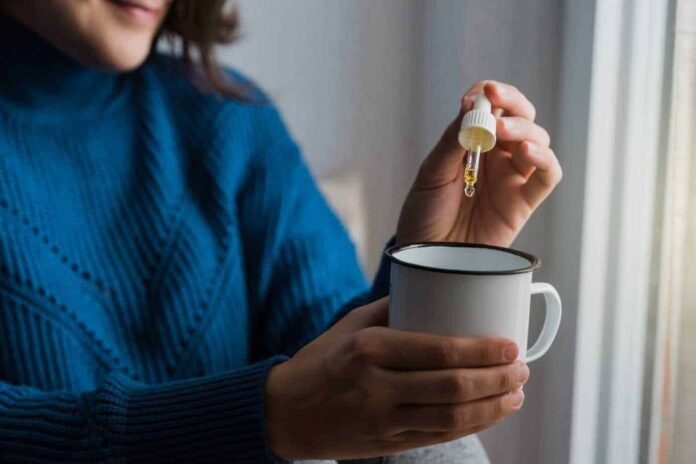
CBD oil sublingual (under tongue): 15–30mg at headache onset
Wait 30–45 minutes for onset; may take a second dose if insufficient relief after 1 hour
Takes 2–4 weeks of consistent use to see prevention effects
Most useful for seniors with frequent headaches (3 or more per week)
Topical CBD for tension and cervicogenic headaches:
Apply CBD cream or balm to the temples, forehead, and back of neck
Topical CBD does not enter the bloodstream significantly — no drug interaction concern
Response typically felt within 20–40 minutes
Particularly useful for seniors who want to avoid even trace systemic CBD exposure
CBD vs. Common Senior Headache Medications
Treatment
Efficacy
GI Risk
Kidney Risk
Drug Interactions
Ibuprofen/NSAIDs
Good for acute
High (ulcers)
Yes (long-term)
Warfarin, etc.
Acetaminophen
Moderate
Low
Low
Warfarin (high dose)
Aspirin
Good
Moderate
Low
Blood thinners
Triptans (migraine)
Excellent for migraine
Low
Low
Some SSRIs
CBD oil
Moderate (preliminary)
Very low
None known
CYP450 medications
Topical CBD
Moderate (local)
None
None
None
For seniors who can’t take NSAIDs due to stomach issues, kidney concerns, or blood thinner interactions, CBD — particularly topical CBD — offers a low-risk alternative worth trying.
Choosing the Right CBD Product for Headaches
For oral use: full-spectrum CBD oil from Charlotte’s Web, NuLeaf Naturals, or Lazarus Naturals at 25–30mg per dose.
For topical use: CBD-infused topical products applied directly to the neck and temples:
Charlotte’s Web CBD Balm
Social CBD Rescue Stick
Medterra Pain Relief Cream (CBD + menthol)
For both: Some seniors use topical at onset for localized relief while taking oral CBD daily for prevention.
When to See a Doctor About Headaches
CBD is appropriate for typical tension headaches and known migraines. However, certain headache patterns require medical evaluation before any self-treatment:
See a doctor promptly for:
A new type of headache you haven’t experienced before
The “worst headache of your life” — sudden onset severe headache may indicate a serious vascular event
Headache with fever, stiff neck, confusion, or visual changes
Headache following head injury
Headache that wakes you from sleep repeatedly
Headache with one-sided weakness, numbness, or speech difficulty
These patterns can indicate conditions ranging from hypertension to neurological emergencies that require medical evaluation, not CBD.
Frequently Asked Questions
How long does CBD take to work for a headache?
CBD oil taken sublingually typically begins working in 15–45 minutes. Gummies and capsules take 60–90 minutes. For acute headaches, oil is the better choice because of its faster onset.
Can I take CBD with Tylenol for a headache?
Acetaminophen (Tylenol) does not have a known significant interaction with CBD at typical doses. Taking them together is generally considered safe, though you should discuss any combination with your pharmacist or doctor.
Can CBD cause headaches?
CBD itself is not a known cause of headaches. However, some people experience mild headaches when first starting CBD, possibly due to changes in blood pressure or hydration effects. Starting with a low dose and staying well hydrated minimizes this risk.
Is CBD legal to use for headaches?
Hemp-derived CBD containing less than 0.3% THC is federally legal. You do not need a prescription or a medical cannabis card to purchase and use hemp CBD for headaches.
Quick answer: CBD can improve sleep quality in seniors, particularly when sleep difficulties are related to pain, anxiety, or restlessness. The most effective approach is full-spectrum CBD in the 25–50mg range taken 1–2 hours before bed, often combined with melatonin. It works differently from sedating sleep aids and doesn’t cause dependency — a meaningful advantage for older adults.
Poor sleep is one of the most common complaints among adults over 60. The National Sleep Foundation reports that roughly 44% of older adults experience symptoms of insomnia at least a few nights per week, with issues ranging from difficulty falling asleep to frequent waking to early-morning waking.
The conventional pharmaceutical response—Ambien, Lunesta, and benzodiazepines—carries significant risks for seniors: next-day sedation, fall risk, cognitive impairment, and physical dependency. It’s why millions of older adults are looking for alternatives and why CBD has attracted such intense interest in the sleep category.
Here’s what the evidence actually shows—and what it doesn’t.
How CBD Affects Sleep
CBD’s relationship with sleep is dose-dependent and indirect — it doesn’t knock you out the way prescription sleep aids do. Instead, it addresses several common causes of poor sleep:
Anxiety and racing thoughts — One of the most common reasons seniors can’t fall asleep is an active, anxious mind. CBD’s anxiolytic effects help calm the neurological “alarm state” that keeps the brain awake at bedtime.
Pain and discomfort — Chronic pain is a leading cause of sleep disruption in older adults. CBD’s anti-inflammatory and analgesic properties can reduce the pain signals that interrupt sleep.
REM sleep regulation — Early research suggests CBD may help suppress REM sleep behavior disorder (RBD) — a condition where people physically act out their dreams — which is common in older adults and associated with neurodegenerative conditions.
Cortisol regulation — CBD appears to reduce nighttime cortisol levels. Elevated nighttime cortisol (a stress hormone) is a significant driver of early-morning waking.
Important nuance: At low doses (under 15mg), CBD can be mildly activating—potentially worsening sleep if taken in the daytime. The sleep benefit comes at moderate-to-high doses (25–50 mg) taken in the evening.
CBD vs. Common Senior Sleep Aids
CBD
Melatonin
Benadryl/Diphenhydramine
Ambien/Zolpidem
Mechanism
Indirect — anxiety/pain/cortisol
Signals circadian timing
Sedating antihistamine
GABA receptor activation
Dependency risk
None
None
Low
Significant
Next-day impairment
Low
Low
High
High
Fall risk for seniors
Low
Low
High
Very High
Cognitive effects
Mild
Minimal
Anticholinergic concern
Short-term memory impairment
Drug interactions
Yes (CYP450)
Minimal
Yes
Yes
Evidence base
Promising, limited
Moderate
Weak
Strong but side-effect heavy
Key advantage of CBD over sedating sleep aids: CBD does not cause the next-day grogginess, cognitive impairment, or fall risk that makes prescription and OTC sedating sleep aids particularly dangerous for older adults.
Key concern versus melatonin: CBD has more significant drug interaction potential than melatonin. For seniors on multiple medications, melatonin is lower risk. For seniors whose sleep problems stem primarily from pain or anxiety, CBD may be more effective.
What the Research Shows
Most relevant study for seniors: A 2019 case series in The Permanente Journal found that 66% of participants taking CBD reported improved sleep scores within one month, with most improvements maintained at 3-month follow-up.
Sleep-specific research: A 2014 study found CBD increased total sleep time and reduced the frequency of nighttime waking in an animal model of sleep disturbance.
REM sleep behavior disorder (RBD): A 2014 case series showed CBD completely suppressed RBD symptoms in 4 Parkinson’s disease patients — a finding that has attracted significant research interest for the senior population specifically.
Where evidence is thinner: Large-scale randomized controlled trials in older adults with insomnia specifically. Most existing research is in smaller populations, animal models, or populations with other primary conditions.
Best CBD Products for Sleep in Seniors
Best gummies for sleep: Medterra Good Night CBD Gummies
25mg CBD + 10mg melatonin + L-theanine per gummy
The melatonin addresses circadian timing; L-theanine provides additional relaxation; CBD handles the anxiety/pain/cortisol component
This combination is consistently among the most positively reviewed senior sleep supplements
Take 1 gummy 1–2 hours before bed
Best oil for sleep: Charlotte’s Web Sleep CBD + Melatonin Oil
Similar combination approach to Medterra’s gummies but in oil form for faster onset
Full-spectrum for maximum effect
Flexible dosing — adjust drops for your optimal amount
Best for pain-disrupted sleep: NuLeaf Naturals Full Spectrum Oil (60mg/mL)
High potency for seniors whose sleep is primarily disrupted by pain
Clean ingredients, no additives
Take 15–30 minutes before bed; dose based on pain level
Best for REM sleep disorder: Charlotte’s Web CBD Oil (full-spectrum)
If you or a family member experience acting out dreams, falls out of bed, or violent movements during sleep, discuss RBD with your doctor — and ask specifically about CBD as a supplementary approach
How to Use CBD for Sleep: Senior Protocol
Timing:
Oil/tincture: 30–60 minutes before bed (absorbs faster)
Gummies/capsules: 60–90 minutes before bed (digestion takes longer)
Dose starting point:
Week 1: 15–20mg
Week 2: 20–30mg (if week 1 had no noticeable effect)
Week 3+: 30–50mg (maximum range for most seniors)
Track your results:
Use a simple 1–10 scale each morning to rate sleep quality
Note how long it took to fall asleep and how often you woke
Review after 3 weeks to determine whether CBD is helping
What to expect:
Don’t expect dramatic results the first night
Most users report gradual improvement over 2–4 weeks of consistent use
Some seniors notice effects within the first week, others take 4–6 weeks
CBD and Sleep Medications: Safety First
If you take Ambien (zolpidem), Lunesta, or any benzodiazepine for sleep:
Do not add CBD without talking to your doctor. Both CBD and sedating sleep medications depress the central nervous system. Combining them increases fall risk and may cause excessive sedation.
If you take melatonin only:
CBD and melatonin are generally safe to combine. The Medterra and Charlotte’s Web sleep products combine them in formulations designed for this purpose.
If you take diphenhydramine (Benadryl, Unisom, Tylenol PM):
These products are already considered inappropriate for seniors by the American Geriatrics Society (Beers Criteria). If you’re using them for sleep, transitioning to CBD + melatonin is worth discussing with your doctor.
Sleep Hygiene Fundamentals (Often More Powerful Than Any Supplement)
No supplement — CBD, melatonin, or otherwise — works as well as correcting poor sleep habits. Before or alongside CBD, consider:
Light exposure: Bright light in the morning and avoiding screens (or using blue-light-blocking glasses) after 8pm significantly improves circadian rhythm and sleep quality.
Temperature: Most adults sleep best at bedroom temperatures of 65–68°F. A slightly cooler room significantly improves sleep quality.
Consistency: Going to bed and waking at the same time every day — including weekends — is the single most powerful lever for improving sleep in older adults.
Caffeine: Caffeine has a half-life of 5–6 hours. Coffee at 2pm still has significant caffeine in your system at bedtime. For sensitive seniors, switching to decaf after noon can dramatically improve sleep.
Evening activity: Light walking in the evening (not vigorous exercise) promotes better sleep. Vigorous exercise too close to bedtime can delay sleep.
Frequently Asked Questions
Is melatonin or CBD better for sleep in seniors?
It depends on the cause of poor sleep. Melatonin is better for circadian timing issues (jet lag, shift work, delayed sleep phase). CBD is better when anxiety, pain, or racing thoughts are the primary obstacles to sleep. The combination of both often outperforms either alone — which is why combined products like Medterra Good Night are popular.
Will CBD make me groggy in the morning?
At typical doses (15–50mg), CBD does not cause next-day grogginess for most people. This is a significant advantage over prescription sleep aids and Benadryl-based products. Some individuals report mild morning drowsiness at higher doses — if this occurs, reduce your dose.
Can I take CBD for sleep every night?
Yes. Unlike benzodiazepines and some prescription sleep aids, CBD does not cause tolerance (the need for increasing doses over time) or physical dependency with nightly use. Many seniors use it nightly as part of their routine.
Does CBD help with sleep apnea?
There is some preliminary research suggesting CBD may reduce the frequency of apnea events in animal models, but there is no clinical evidence that CBD treats sleep apnea in humans. Sleep apnea requires medical evaluation and treatment — typically CPAP therapy. Do not use CBD as a substitute for treating sleep apnea.
Is it safe to take CBD if I wake up at night — can I take a second dose?
Many seniors do take a small second dose if they wake up in the middle of the night. At the doses used for sleep (15–25mg), this is generally safe. Be more cautious if you’re on other medications — discuss with your doctor.
Related articles on SeniorAffair.com:
Best CBD Gummies & Oils for Seniors: Complete Guide
Quick answer: CBD shows promising evidence for reducing anxiety in adults, with most research supporting doses of 25–50 mg taken daily or as needed. For seniors with anxiety, it’s most useful as a complement to—not replacement for—medically supervised treatment. Always discuss with your doctor if you take prescription medications, particularly benzodiazepines or SSRIs.
Anxiety is among the most prevalent mental health conditions affecting older adults. According to the ADAA, anxiety disorders affect up to 15% of adults over 65, with many more experiencing subclinical anxiety that impacts daily quality of life. Yet anxiety is frequently underdiagnosed and undertreated in seniors—often dismissed as “just stress” or confused with depression.
Article Contents
CBD has attracted significant attention as a potential supplement for anxiety management, and the research — while still developing — is more substantive than for most alternative wellness products. Here’s what seniors specifically need to know.
What the Research Shows
The most cited study: A 2019 retrospective case series published in The Permanente Journal followed 72 adults taking CBD for anxiety and sleep. After one month:
79% of participants showed decreased anxiety scores
66% showed improved sleep scores
Effects were sustained in most participants through the 3-month follow-up
Animal research: Multiple preclinical studies in rodents consistently show CBD reduces anxiety-related behaviors, including in social situations, unfamiliar environments, and stress-induced contexts.
Human clinical trials: Several small randomized controlled trials have shown CBD reduces anxiety in Social Anxiety Disorder (SAD) specifically, as well as anxiety related to public speaking. A landmark 2011 study showed participants given 600mg CBD before a simulated public speaking test had significantly lower anxiety and cognitive impairment compared to placebo.
What’s missing: Large-scale, long-term randomized controlled trials in older adults specifically. The evidence base, while promising, is not yet at the level required for FDA approval for anxiety indications.
Bottom line: CBD has more research support for anxiety than almost any other condition it’s used for, but it is not FDA-approved as an anxiety treatment, and the evidence does not yet justify replacing established treatments (therapy, medication) with CBD.
Types of Anxiety CBD May Help
Based on available research, CBD appears most relevant for:
Generalized Anxiety Disorder (GAD)
Persistent, excessive worry about multiple life areas. CBD’s anti-anxiety effects in preclinical and some clinical research are most relevant here.
Social anxiety
Fear and avoidance of social situations. Multiple small trials have shown specific benefits—relevant for seniors experiencing social isolation.
Situational anxiety
Anxiety related to specific situations: medical procedures, flying, family conflicts, moving. CBD taken 1–2 hours before a stressful situation may help manage acute anxiety.
Sleep anxiety
The cycle of anxiety about not sleeping and insomnia causing more anxiety. CBD at moderate-to-higher doses (25–50 mg) before bed addresses both the anxiety and the sleep component simultaneously.
What CBD may not help:
Panic disorder with severe panic attacks
PTSD (mixed evidence)
Phobias requiring exposure therapy
Anxiety caused by an underlying medical condition (thyroid issues, cardiac arrhythmia, etc.)
How to Use CBD for Anxiety: Senior-Specific Protocol
Step 1: Start low
Begin with 10–15mg of CBD daily. Many seniors find this adequate for mild-to-moderate anxiety. Dosing can be once daily or split into morning and evening doses.
Step 2: Be consistent
CBD for anxiety works best with consistent daily use rather than as-needed dosing. The anxiolytic effects build over time — most users notice improvement in the first 2–4 weeks.
Step 3: Adjust gradually
If you don’t notice improvement after 2 weeks, increase it by 5–10 mg. Most seniors find their optimal dose between 20 and 50 mg daily.
Step 4: Choose the right product
Oil (tincture): Fastest onset (15–45 minutes). Best for situational anxiety where timing matters.
Capsules: Most consistent dosing. Slowest onset. Good for daily maintenance.
Step 5: Track your response
Keep a simple log noting your dose, time taken, and anxiety level on a 1–10 scale. Review after 3–4 weeks to assess whether CBD is helping.
CBD and Anti-Anxiety Medications: Crucial Information
This is the most important section for seniors already taking prescription anxiety medications.
Do not stop taking prescribed medications to start CBD without medical supervision. Suddenly stopping benzodiazepines (Xanax, Valium, Ativan, Klonopin) can cause dangerous withdrawal, including seizures.
CBD + benzodiazepines: Both have sedative effects. Taking CBD alongside a benzodiazepine can increase sedation to a degree that impairs function or causes falls. Your doctor should know if you’re taking both.
CBD + SSRIs (Prozac, Zoloft, Lexapro, etc.): Potential interaction through CYP450 enzyme inhibition — CBD may slightly increase SSRI levels. This is generally low risk at CBD doses under 50 mg but warrants awareness.
CBD + buspirone: Limited data; low known risk.
The best approach: Tell your doctor you’re considering CBD. Show them what product you want to try. A knowledgeable physician can advise on interaction risks and monitor your response.
Best CBD Products for Senior Anxiety
Charlotte’s Web CBD Oil (17mg/mL or 60mg/mL)
The most trusted brand with the longest track record. Full-spectrum for maximum benefit. Start with the regular strength and advance to maximum if needed.
Medterra CBD Oil (1000mg)
Broad-spectrum — lower drug interaction risk than full-spectrum. Good choice for seniors on multiple medications who want to minimize THC exposure.
NuLeaf Naturals (60mg/mL)
Best value for high-potency full-spectrum oil. Clean ingredients. For seniors who’ve determined they need 25mg+ daily.
Cornbread Hemp Gummies (25mg)
Full-spectrum, organic, whole-flower. Gummy format for easy, consistent dosing.
Non-CBD Approaches That Complement Anxiety Treatment
For seniors with significant anxiety, CBD is most effective as part of a broader approach:
Cognitive Behavioral Therapy (CBT): The gold-standard psychological treatment for anxiety. Highly effective in older adults and increasingly available via telehealth — removing the transportation barrier many seniors face.
Physical activity: Even 20–30 minutes of walking 3 times per week shows consistent anxiety-reducing effects. The evidence base here rivals many medications.
Social connection: Loneliness and social isolation are significant drivers of anxiety in older adults. Senior centers, faith communities, and volunteer programs address this directly.
Mindfulness and relaxation practices: Progressive muscle relaxation, guided breathing, and mindfulness-based stress reduction (MBSR) all have evidence support for senior anxiety management.
Frequently Asked Questions
How much CBD should a senior take for anxiety?
Start with 10–15mg daily and increase gradually. Most research showing anxiety benefits used doses in the 25–50mg range. Seniors often respond at lower doses than younger adults due to slower metabolism. Never exceed 75mg/day without guidance from a healthcare provider.
How quickly does CBD work for anxiety?
CBD oil taken sublingually (under the tongue) typically produces effects in 15–45 minutes, making it useful for situational anxiety. Gummies take 60–90 minutes. For chronic anxiety, consistent daily use over 2–4 weeks produces the best results.
Can I drive after taking CBD for anxiety?
Low-to-moderate doses of CBD (under 25mg) in most people do not produce impairment. However, some individuals experience drowsiness, particularly at higher doses or when starting. Don’t drive for at least 3–4 hours after your first dose until you understand how CBD affects you.
Is CBD addictive?
The WHO has reviewed available evidence and concluded that CBD is not addictive and has no dependence potential. This is in contrast to benzodiazepines, which carry significant dependence risk, particularly with long-term use.
Can CBD cause or worsen anxiety?
In rare cases, particularly at very high doses or in individuals sensitive to cannabis compounds, CBD can cause increased anxiety. This is more likely with full-spectrum products containing higher THC levels. Start low and avoid very high doses.
Related articles on SeniorAffair.com:
Best CBD Gummies & Oils for Seniors: Complete Guide
CBD for Sleep: What Seniors Should Know
Managing Anxiety Without Medication: A Senior’s Guide
CBD Drug Interactions: What Every Senior Should Know
Best CBD Gummies & Oils for Seniors: A Complete Guide (2026)
Quick answer: The best CBD products for seniors in 2026 are Charlotte’s Web CBD Oil (most trusted brand, strong clinical backing), Medterra CBD Gummies (best for pain and sleep), and NuLeaf Naturals Full Spectrum Oil (highest potency per dollar). Most seniors find the most benefit from full-spectrum or broad-spectrum CBD in the 15–50 mg daily dose range. We cover everything you need to know — including how CBD interacts with common senior medications.
CBD has gone from fringe wellness product to mainstream supplement in less than a decade, and seniors are among its fastest-growing user groups. The reasons are understandable: many of the conditions that affect older adults most—chronic pain, sleep difficulties, anxiety, inflammation, and joint stiffness—are the same conditions where CBD shows the most preliminary research support.
But the CBD market is also flooded with low-quality products, inflated claims, and genuinely confusing terminology. This guide cuts through the noise.
We’ll cover the best CBD products specifically for the needs of adults 55 and older, how to start safely, what the research actually shows, and the critical information about drug interactions that every senior (and their doctor) should know before starting CBD.
Table of Contents
What Is CBD and How Does It Work?
CBD vs. THC: What Seniors Need to Know
Best CBD Products for Seniors — Comparison
Best CBD Brands Reviewed
Best CBD for Specific Senior Conditions
How to Choose CBD: Full-Spectrum vs. Broad-Spectrum vs. Isolate
CBD Dosage Guide for Seniors
Drug Interactions: Critical Information
How to Read a CBD Lab Report (COA)
Frequently Asked Questions
What Is CBD and How Does It Work?
CBD (cannabidiol) is one of over 100 cannabinoids found in the cannabis plant. Unlike THC (tetrahydrocannabinol), CBD does not produce intoxication — it does not make you feel “high.”
CBD interacts primarily with the body’s endocannabinoid system (ECS)—a signaling network found throughout the body that helps regulate pain perception, mood, sleep, immune function, and inflammation. The ECS has two primary receptors:
CB1 receptors — concentrated in the brain and central nervous system
CB2 receptors — concentrated in immune tissues and peripheral organs
CBD’s effects are more indirect than THC’s — it modulates the ECS rather than directly activating its receptors, which is part of why CBD does not cause intoxication and has a favorable safety profile.
Is CBD legal? Hemp-derived CBD (containing less than 0.3% THC) is federally legal under the 2018 Farm Bill. All products in this guide are hemp-derived and federally compliant. State laws vary — check your specific state’s regulations.
CBD vs. THC: What Seniors Need to Know
The most important distinction for seniors considering cannabis products:
CBD
THC
Intoxication
None
Yes—produces the “high”
Legal status
Federally legal (hemp-derived)
Illegal federally; legal in some states
Drug test risk
Low (trace amounts may appear)
High
Primary benefits
Pain, sleep, anxiety, inflammation
Pain, nausea, appetite, sleep
Drug interaction risk
Yes—especially blood thinners
Yes—different interactions
Seniors generally use
✓ Widely
Some states only
Full-spectrum CBD products contain trace amounts of THC (up to 0.3%)—not enough to cause intoxication, but potentially enough to show on a drug test in rare cases. If drug testing is a concern, choose broad-spectrum (THC removed) or CBD isolate products.
Best CBD Products for Seniors: Comparison
Product
Type
Potency
Best For
Price
Lab Tested
Charlotte’s Web CBD Oil
Full-spectrum oil
17–60 mg/mL
Overall quality/trust
$$$$
Yes—third party
NuLeaf Naturals Oil
Full-spectrum oil
60mg/mL
Best potency/value
$$$
Yes—third party
Medterra CBD Gummies
Broad-spectrum gummies
25mg/gummy
Sleep, pain
$$
Yes—third party
Lazarus Naturals Oil
Full-spectrum oil
50mg/mL
Budget full-spectrum
$$
Yes—third party
Cornbread Hemp Oil
Full-spectrum USDA organic
50mg/mL
Organic-priority buyers
$$$
Yes—third party
CBDistillery Gummies
Broad-spectrum
30mg/gummy
Value gummies
$
Yes—third party
Elm & Rye CBD Gummies
Full-spectrum
25mg/gummy
Mild daily use
$$
Yes—third party
Batch CBD
Full-spectrum gummies
25mg/gummy
Senior-accessible brand
$$
Yes—third party
$ = under $40, $$ = $40–$70, $$$ = $70–$100, $$$$ = over $100 for standard bottle
Best CBD Brands Reviewed
1. Charlotte’s Web — Most Trusted Brand for Seniors
Charlotte’s Web is the most recognized name in CBD for a reason: the company pioneered the hemp CBD industry, has the longest track record, and maintains arguably the most rigorous quality standards in the category.
B Corp certified (social and environmental standards)
Active in CBD research and clinical trials
Best products for seniors:
Charlotte’s Web Original Formula Oil (17mg/mL) — a good starting point
Charlotte’s Web Maximum Strength (60mg/mL) — for experienced users seeking higher doses
Charlotte’s Web Sleep CBD + Melatonin Gummies — combines CBD with melatonin for sleep
Pricing note: Charlotte’s Web is among the more expensive brands. NuLeaf Naturals offers comparable potency at a lower per-mg cost if budget is a concern.
2. NuLeaf Naturals — Best Value for High-Potency CBD
NuLeaf Naturals offers full-spectrum CBD oil at a straightforward potency (60mg/mL) with minimal ingredients — just organic hemp extract and organic hemp seed oil. No flavoring, no additives, no complexity.
Why seniors choose it:
High potency (60mg/mL) — smaller serving sizes needed
Clean ingredient list — no additives
Consistently high third-party lab scores
USDA certified organic
Competitive per-mg pricing for the potency level
30-day money-back guarantee
Best for: Seniors who have determined they need a higher dose and want the most cost-effective way to get there, or those who prefer a pure product without added ingredients.
3. Medterra — Best Gummies for Sleep and Pain
Medterra’s gummies are consistently among the best-selling senior CBD products for two specific reasons: a well-designed sleep gummy that combines CBD with melatonin and L-theanine, and a pain-focused gummy that includes turmeric and ginger alongside CBD.
Best products for seniors:
Medterra Good Night Gummies — 25mg CBD + 10mg melatonin + L-theanine. One of the most reviewed senior sleep supplements on the market.
Medterra Extra Strength CBD Gummies — 50mg per gummy for experienced users or those with higher pain needs
Why seniors like gummies over oil:
Consistent, pre-measured dose
No dropper handling required (easier for arthritis)
Taste masks hemp flavor
Easy to incorporate into existing supplement routine
4. Lazarus Naturals — Best Budget Full-Spectrum Option
For seniors on fixed incomes, Lazarus Naturals exists almost as a public service. The company offers:
Full-spectrum CBD oil at about 50% of the price of premium brands
A verified low-income assistance program that provides an additional 60% discount to qualifying individuals on government assistance
Consistent third-party testing
High-potency options
The product quality is genuinely comparable to more expensive brands in independent lab testing. The lower price reflects lower marketing spend and a direct-to-consumer model, not lower-quality ingredients.
5. Cornbread Hemp — Best Organic Full-Spectrum
Cornbread Hemp is a Kentucky-based company that produces USDA-certified organic, whole-flower hemp CBD products. The “whole flower” distinction matters—most CBD is extracted from hemp stalks; whole-flower extraction captures more terpenes and minor cannabinoids, which may enhance the entourage effect (more below).
Best for: Seniors who prioritize organic certification and want the full phytochemical profile of hemp without pesticides or additives.
CBD for Specific Senior Conditions
CBD for Joint Pain and Arthritis
The most common reason seniors try CBD. Research summary (as of 2026):
Multiple animal studies show strong anti-inflammatory effects
Human studies show significant self-reported pain reduction in arthritis patients
No large-scale randomized controlled trials specific to arthritis have been completed
Topical CBD (creams, salves) has shown benefit in localized joint pain specifically
Best products for arthritis: Full-spectrum CBD oil (30–50mg daily), or topical CBD cream applied directly to affected joints (no systemic absorption, no drug interaction risk).
Best brand for arthritis: Charlotte’s Web or NuLeaf Naturals for systemic use; Social CBD Rescue Stick or Charlotte’s Web Balm for topical.
CBD for Sleep
Sleep disorders affect 40–70% of adults over 65. CBD’s relationship with sleep is nuanced:
At lower doses (10–20mg), CBD can be mildly stimulating
At moderate-to-higher doses (25–50mg+), CBD generally promotes relaxation and longer sleep
CBD combined with melatonin consistently outperforms either alone in self-reported sleep studies
Best products for sleep: Medterra Good Night Gummies (25mg CBD + melatonin), Charlotte’s Web Sleep Gummies, or NuLeaf Naturals Oil taken 1 hour before bed.
CBD for Anxiety
Anxiety is among the most well-researched applications for CBD. A 2019 study in The Permanente Journal showed that 79% of participants reported decreased anxiety scores within one month of CBD use.
Important context: This research is preliminary. CBD is not a replacement for prescribed anti-anxiety medications, and stopping or reducing psychiatric medications should always involve your doctor.
Best products for anxiety: CBD oil allows flexible dosing and faster onset than gummies. Charlotte’s Web, NuLeaf Naturals, or CBDistillery tinctures. Start with 15–25mg and adjust.
CBD for Neuropathy and Nerve Pain
Diabetic neuropathy and other peripheral nerve pain conditions are common in older adults. Preliminary evidence for CBD in nerve pain is promising but limited. Topical products may help with localized symptoms; systemic CBD oil may address the underlying inflammatory component.
Full-Spectrum vs. Broad-Spectrum vs. Isolate
Type
Contains
THC
Drug Test Risk
Best For
Full-spectrum
All cannabinoids + terpenes
Trace (<0.3%)
Small risk
Maximum benefit, entourage effect
Broad-spectrum
Most cannabinoids + terpenes
Removed
Very low
Benefits without THC concern
CBD isolate
CBD only
None
None
Zero drug test risk; consistent dosing
The entourage effect: Full-spectrum products contain not just CBD but dozens of other cannabinoids (CBG, CBN, CBC) and terpenes. Research suggests these compounds work synergistically—the whole extract produces greater effects than isolated CBD alone. This is why most CBD practitioners recommend full-spectrum when drug testing is not a concern.
For most seniors: Full-spectrum is recommended unless you have drug testing requirements or take medications where even trace THC could be a concern.
CBD Dosage Guide for Seniors
There is no FDA-approved CBD dosage for any condition (except Epidiolex for epilepsy). Most practitioners recommend a start low, go slow approach:
Experience Level
Starting Dose
Titration
First-time user
5–10mg/day
Increase by 5 mg every 5–7 days
Some experience
15–25mg/day
Adjust based on response
Experienced user
25–50mg/day
Adjust for condition
Factors that affect dosing:
Body weight: Higher body weight generally requires higher doses
Condition being treated: Sleep and mild anxiety often respond at lower doses; chronic pain may require 30–50mg+
Product type: Oil absorbs faster than gummies; effects start in 15–45 minutes vs. 60–90 minutes for gummies
Individual metabolism: Highly variable between individuals
Important: Seniors typically metabolize CBD more slowly than younger adults, which may mean effects last longer and standard doses from younger-adult studies may be too high. Starting at 5–10mg and increasing gradually is particularly important for adults over 70.
Drug Interactions: Critical Information for Seniors
This section is the most important in this guide for seniors. CBD is metabolized by the liver enzyme CYP450 — the same enzyme responsible for metabolizing many common medications. CBD can inhibit this enzyme, potentially causing medications to remain in the bloodstream longer and at higher concentrations than intended.
Medications with known or potential CBD interactions:
Drug Category
Common Examples
Interaction Risk
Blood thinners
Warfarin (Coumadin)
HIGH — CBD increases warfarin levels; bleeding risk
Anti-seizure
Valproate, clobazam
HIGH — monitored in Epidiolex trials
Heart medications
Amiodarone, some statins
Moderate
Blood pressure
Some calcium channel blockers
Moderate
Antidepressants
Some SSRIs and SNRIs
Low to moderate
Sedatives/sleep aids
Benzodiazepines, zolpidem
Additive sedation effect
Immunosuppressants
Tacrolimus, cyclosporine
Moderate
If you take warfarin (Coumadin), do not start CBD without first discussing it with your doctor and agreeing to more frequent INR monitoring. This is the most clinically significant interaction in the senior population.
Before starting CBD: Bring a list of all your medications — prescription and over-the-counter — to your doctor or pharmacist and ask them to review for potential CYP450 interactions.
How to Read a CBD Lab Report (COA)
Every reputable CBD company publishes Certificates of Analysis (COAs) — third-party lab reports showing exactly what’s in their products. Here’s what to check:
1. Testing lab — Look for ISO/IEC 17025 accredited labs. Reputable labs include Cannalysis, ProVerde, SC Labs, and ACS Laboratory.
2. CBD content — Does the amount match what’s on the label? ±10% variance is acceptable.
3. THC content — Should be below 0.3% for federal compliance. Important for seniors with drug testing concerns.
4. Heavy metals — Should show non-detect or below action limits for lead, arsenic, mercury, and cadmium. Hemp accumulates metals from soil — this test is important.
5. Pesticides — Should show non-detect for all regulated pesticides.
6. Microbials — Should show non-detect for mold, E. coli, and salmonella.
7. Date — Should be within the last 6–12 months for the current batch.
Red flag: Any company that doesn’t publish batch-specific COAs, only shows generic test results, or makes it difficult to find their lab reports should be avoided.
Frequently Asked Questions
Is CBD safe for seniors?
CBD has a favorable safety profile in available research. The most significant concerns for seniors are drug interactions (particularly with warfarin and other medications metabolized by CYP450 enzymes) and potential additive effects with sedative medications. CBD itself is not associated with serious adverse effects in the doses used for wellness purposes. Always consult your doctor before starting CBD if you take prescription medications.
Will CBD show up on a drug test?
Full-spectrum CBD products contain trace THC that could theoretically cause a positive drug test, particularly with daily use at higher doses. Broad-spectrum and isolate products have negligible drug test risk. If drug testing is a concern, choose broad-spectrum or isolate products from reputable brands.
Can CBD help dementia or Alzheimer’s disease?
Preliminary research is investigating CBD’s potential neuroprotective and anti-inflammatory effects in neurodegenerative diseases. As of 2026, there is no clinical evidence that CBD treats or prevents Alzheimer’s or dementia, and no CBD product should be used with that expectation.
How long does it take for CBD to work?
CBD oil taken under the tongue (sublingual) typically produces effects in 15–45 minutes. Gummies and capsules take 60–90 minutes. Topicals work locally and do not produce systemic effects. Effects from oral CBD typically last 4–6 hours.
Is it possible to take too much CBD?
CBD is not lethal in overdose. Very high doses can cause drowsiness, diarrhea, or appetite changes. More practically, higher doses increase drug interaction risks for seniors on multiple medications. Staying within 25–75 mg/day for most wellness purposes is generally considered appropriate for seniors.
What’s the difference between CBD oil and CBD gummies?
Both deliver CBD, but through different mechanisms. Oil absorbed under the tongue enters the bloodstream quickly (15–45 minutes). Gummies are digested and absorbed through the gut (60–90 minutes), but effects last longer. Gummies are more convenient and easier to dose consistently; oil offers faster onset and more flexible dosing.
Related articles on SeniorAffair.com:
CBD for Anxiety: What Seniors Need to Know
Best CBD for Sleep Over 60: What Works and What Doesn’t
Does CBD Oil Help with Arthritis Pain?
CBD Drug Interactions: Complete Guide for Seniors on Multiple Medications
Does CBD Help With Osteoporosis-Related Pain? What Seniors Need to Know
Introduction
Osteoporosis affects more than 10 million Americans, the vast majority of them women over 60. By causing bones to become brittle and porous, osteoporosis dramatically increases the risk of fractures—particularly of the hip, spine, and wrist. These fractures cause significant pain, limit mobility, and can have life-altering consequences for older adults.
Article Contents
CBD has attracted attention not just for its pain-relieving properties but also for emerging research suggesting it may play a role in bone metabolism itself—potentially slowing bone loss and supporting fracture healing. Here is what we currently know.
CBD for Osteoporosis-Related Pain
The pain associated with osteoporosis comes from multiple sources: vertebral compression fractures, the inflammation associated with fracture healing, and the muscle tension that develops as the body compensates for skeletal instability. CBD’s anti-inflammatory and analgesic properties may address all of these:
Compression fracture pain: CBD’s general analgesic effects and anti-inflammatory action can reduce the pain of vertebral fractures, potentially reducing reliance on opioid pain medications that carry fall-risk side effects.
Muscle tension pain: CBD may help relax the paraspinal muscles that tighten in response to spinal fractures, reducing a secondary but significant source of pain.
Post-fracture inflammation: The inflammatory response following any fracture causes significant pain. CBD’s anti-inflammatory properties may help manage this more safely than NSAIDs, which are particularly risky in elderly patients following trauma.
CBD and Bone Health: The Emerging Research
Beyond pain management, animal studies have suggested CBD may actually influence bone metabolism. Research published in the Journal of Bone and Mineral Research found that CBD enhanced the healing of mid-femoral fractures in rats, with treated fractures showing significantly stronger bone structure at 8 weeks post-fracture.
The mechanism appears to involve CBD’s interaction with CB2 receptors expressed on osteoblasts (bone-building cells) and osteoclasts (bone-resorbing cells). CBD may tip the balance toward bone formation and slow the resorption process that drives osteoporosis.
Importantly, these are preclinical findings, and human trials specifically examining CBD for osteoporosis are still limited. Seniors should not replace their prescribed osteoporosis medications (bisphosphonates, denosumab, etc.) with CBD. However, CBD may be a useful complementary approach for pain management and potentially for supporting bone health alongside standard treatment.
Practical Recommendations
For seniors with osteoporosis-related pain, a combination approach works well: a daily CBD tincture (CBDPure or Batch CBD) for systemic anti-inflammatory and analgesic support, combined with a topical CBD cream applied to specific painful areas. Maintain your prescribed osteoporosis medications and continue weight-bearing exercise as tolerated, which remains the most evidence-supported intervention for bone density preservation.
Always inform your doctor that you are using CBD, and ask specifically about interactions with any bisphosphonates or calcium supplements in your regimen.
Neuropathic pain — often described as burning, stabbing, shooting, or electric-shock sensations — is among the most difficult types of pain to treat. Unlike musculoskeletal pain, which originates from injured tissues, neuropathic pain comes from damaged or dysfunctional nerves themselves. Common causes in older adults include diabetic peripheral neuropathy, post-herpetic neuralgia (shingles nerve pain), chemotherapy-induced neuropathy, and nerve compression from spinal conditions.
Article Contents
Standard treatments—gabapentin, pregabalin, duloxetine, or tricyclic antidepressants—are often only partially effective and carry significant side effect burdens in older adults, including cognitive impairment, dizziness, and fall risk. CBD has attracted serious scientific interest as an adjunct or alternative therapy for neuropathic pain.
How CBD Targets Nerve Pain
CBD’s potential for neuropathic pain relief operates through several distinct pathways:
TRPV1 receptor modulation: CBD desensitizes TRPV1 receptors, which are heavily involved in pain and temperature sensation and are overactivated in many neuropathic pain states.
Neuroinflammation reduction: CBD reduces activation of microglia (immune cells of the nervous system) that drive the central sensitization underlying chronic neuropathic pain.
Serotonin receptor interaction: CBD’s effects on serotonin 5-HT1A receptors may reduce the emotional distress that amplifies neuropathic pain perception.
Neuroprotective effects: CBD’s antioxidant and anti-inflammatory properties may slow further nerve damage in conditions like diabetic neuropathy.
What the Research Shows
Several clinical and preclinical studies have examined CBD for neuropathic pain. A 2020 randomized controlled trial found that topical CBD oil significantly reduced pain intensity and cold and itching sensations in patients with peripheral neuropathy. Preclinical studies in diabetic and chemotherapy models have consistently shown CBD reduces neuropathic pain behaviors.
Full-scale human clinical trials are still ongoing, but the mechanistic evidence and early results are encouraging enough that many pain specialists now discuss CBD as a reasonable complementary option for neuropathic pain patients who have not achieved adequate relief from standard therapies.
Product Recommendations for Neuropathic Pain
For seniors with neuropathic pain, full-spectrum CBD oil (such as CBDPure) or high-potency broad-spectrum options (like Pure Spectrum CBD) are typically the most effective formats. The full cannabinoid and terpene profile in full-spectrum products may enhance CBD’s neuroprotective and pain-modulating effects through the entourage effect.
Dosing tends to be higher for neuropathic pain than for musculoskeletal conditions—many users report needing 40–60 mg or more per day for meaningful relief. Always work with your healthcare provider when using higher doses, particularly if you are on other neurological medications.
Managing Expectations
Neuropathic pain is notoriously difficult to treat with any single therapy. CBD should be considered a complementary tool—one that may significantly reduce pain intensity and improve quality of life but rarely eliminates neuropathic pain entirely on its own. Combined with physical therapy, nerve-targeted medications if appropriate, and lifestyle modifications, CBD can be a meaningful part of a comprehensive neuropathy management plan.
CBD for Back Pain After 60: What Works and What to Expect
Introduction
Back pain is one of the most common complaints among adults over 60, and for good reason. Decades of use take a toll on the spine: discs compress and dehydrate, vertebrae may develop bone spurs, and the muscles and ligaments that support the spine lose strength and flexibility. Conditions like degenerative disc disease, spinal stenosis, and lumbar osteoarthritis are extremely common in older adults.
Article Contents
Traditional treatments—NSAIDs, muscle relaxants, steroid injections, or surgery—each carry significant risks or limitations for older adults. CBD has attracted growing interest as a complementary or alternative approach for managing back pain naturally. Here is what the current evidence says and how seniors can use CBD effectively.
Why Back Pain Is Particularly Challenging in Seniors
Back pain in older adults often involves multiple overlapping factors: structural changes in the spine, inflammation, muscle tension, and sometimes nerve compression (as with sciatica or spinal stenosis). This complexity means that treatments targeting only one pathway often provide incomplete relief.
CBD’s multi-mechanism approach — addressing inflammation, nerve sensitization, and muscle tension simultaneously — makes it theoretically well-suited to the multifactorial nature of age-related back pain.
How CBD May Help Back Pain
Anti-inflammatory effects: CBD modulates inflammatory cytokines that contribute to disc and joint inflammation in the spine.
Muscle relaxation: CBD may reduce muscle spasm and tension, a common contributor to low back pain, through its effects on GABA receptors.
Nerve pain relief: For seniors with sciatica or spinal stenosis causing radiating nerve pain, CBD’s effects on neuroinflammation and pain signaling may provide meaningful relief.
Improved sleep: Back pain routinely disrupts sleep, and poor sleep worsens pain sensitivity. CBD’s sleep-supporting effects may break this cycle.
Best CBD Approaches for Back Pain
Topical CBD for Localized Lower Back Pain
If your back pain is concentrated in a specific area — the lower lumbar region, for example — a CBD cream or roll-on applied directly to the area can provide targeted relief. Koi CBD offers topical products with cooling menthol that many users find helpful for muscle-related back pain.
Full-Spectrum CBD Oil for Systemic Support
For seniors whose back pain is chronic and widespread, or connected to systemic inflammation (as with ankylosing spondylitis or widespread arthritis), a full-spectrum CBD tincture like CBDPure’s flagship oil offers body-wide anti-inflammatory support. Take it consistently once or twice daily for best results.
CBD Capsules for Consistent Daily Use
Pure Spectrum CBD’s capsule line offers a convenient, no-taste option for seniors who prefer a simple supplement format. Capsules are ideal for those who want consistent, all-day relief without the measuring associated with tinctures.
What to Expect — and When
CBD is not a fast-acting painkiller in the way that ibuprofen or acetaminophen is. Most seniors report meaningful improvement in chronic back pain after 2–4 weeks of consistent use. Acute flares can be addressed with topicals for more immediate (though localized) relief. Track your pain levels on a simple 1–10 scale daily to measure progress objectively.
Complementary Approaches
CBD works best as part of a broader back pain management strategy. Gentle stretching, water exercise, physical therapy, and maintaining a healthy weight all complement CBD’s anti-inflammatory and muscle-relaxing effects. Talk to your doctor about integrating CBD into a comprehensive back pain plan.
CBD Topicals vs. Tinctures for Localized Pain Relief: What Seniors Should Know
Introduction
If you have been exploring CBD for pain relief, you have probably noticed that the product options are overwhelming: oils, creams, gummies, capsules, roll-ons, bath bombs — the list goes on. For seniors focused specifically on pain relief, the most important decision is often this: should you use a topical (applied to the skin) or a tincture (taken under the tongue)?
Article Contents
The answer depends on the type of pain you are experiencing, your other medications, and your personal preferences. This guide breaks down both options clearly so you can make the best choice for your situation.
How CBD Topicals Work
CBD topicals — creams, balms, salves, and roll-ons — are designed to be applied directly to the skin over an area of pain or inflammation. The CBD and other active ingredients penetrate the skin and interact with cannabinoid receptors in the local muscles, joints, and peripheral nerves. Crucially, topically applied CBD does not enter the bloodstream in significant amounts, which means:
No systemic drug interactions with medications you may be taking
Effects are localized to the area of application
No concern about THC — even full-spectrum topicals will not produce any intoxicating effects
Safe to use multiple times per day as needed
Topicals are excellent for arthritis in specific joints (knees, hands, hips), localized back or neck pain, sore muscles after activity, and skin conditions with an inflammatory component. Koi CBD and cbdMD offer well-reviewed topical lines with additional ingredients like menthol, arnica, and lidocaine that provide complementary pain relief.
How CBD Tinctures Work
CBD tinctures (oils) are taken sublingually — a few drops held under the tongue for 60–90 seconds before swallowing. The CBD absorbs through the mucous membranes in the mouth, enters the bloodstream, and distributes throughout the body. This makes tinctures ideal for:
Widespread or systemic pain (fibromyalgia, widespread arthritis)
Neuropathic pain that does not have a single localized source
Combination pain and sleep or anxiety issues, where a systemic effect is beneficial
General daily wellness and anti-inflammatory support
Tinctures act within 15–45 minutes, making them faster-acting than capsules or gummies. CBDPure’s full-spectrum tincture is a strong choice for seniors who want clean ingredients, organic sourcing, and reliable potency.
Side-by-Side Comparison
Topicals: Best for localized pain. No bloodstream entry. Fast local onset. No drug interaction risk. Can use multiple times daily.
Tinctures: Best for systemic or widespread pain. Enters bloodstream. Onset 15–45 minutes. Potential drug interactions to discuss with a doctor. Typically 1–2 doses per day.
Can You Use Both Together?
Yes — and for many seniors with chronic pain, a combination approach works best. A morning tincture provides all-day systemic anti-inflammatory support, while a topical applied to specific problem areas (like arthritic knees before a walk) provides targeted relief as needed. This layered approach maximizes the benefits of both formats without increasing systemic drug interaction risk.
How to Choose
If your pain is focused in one or two specific joints or muscle groups, start with a topical. If your pain is widespread, neuropathic, or connected to other issues like poor sleep or anxiety, a tincture may be more effective. When in doubt, consult your doctor — especially if you are on multiple medications — and start with whichever format feels most comfortable and straightforward to use consistently.
CBD vs. Ibuprofen and NSAIDs for Seniors: Risks, Benefits, and Alternatives
Introduction
For millions of seniors, ibuprofen (Advil, Motrin) and other NSAIDs (nonsteroidal anti-inflammatory drugs) have been the default go-to for managing arthritis, back pain, and general aches. They are cheap, widely available, and effective — at least in the short term. But doctors increasingly warn that long-term NSAID use carries serious risks for older adults, including gastrointestinal bleeding, kidney damage, and elevated cardiovascular risk.
Article Contents
CBD has emerged as a potential natural alternative — one that targets inflammation through entirely different biological pathways and without the well-documented toxicity of chronic NSAID use. This article compares both options honestly so seniors can make informed decisions with their healthcare providers.
How NSAIDs Work — and Why Long-Term Use Is Risky for Seniors
NSAIDs work by blocking COX-1 and COX-2 enzymes, which produce prostaglandins—the compounds responsible for triggering inflammation and pain. They are effective for acute pain and short-term inflammation, but sustained use creates problems:
GI bleeding and ulcers: COX-1 also protects the stomach lining. Blocking it long-term increases the risk of gastric ulcers and internal bleeding—a particularly serious risk for seniors, who are more vulnerable to GI complications.
Kidney stress: NSAIDs reduce blood flow to the kidneys. Long-term use can accelerate age-related decline in kidney function.
Cardiovascular risk: NSAIDs, especially at high doses, have been associated with increased risk of heart attack and stroke. The FDA has strengthened its warnings on this repeatedly since 2005.
Drug interactions: NSAIDs can interfere with blood pressure medications, blood thinners like warfarin, and diuretics—all commonly prescribed to seniors.
How CBD Approaches Pain and Inflammation Differently
Rather than blocking COX enzymes, CBD modulates the endocannabinoid system, reducing inflammation through immune-regulatory mechanisms that do not carry the same GI, renal, or cardiovascular liabilities. CBD also influences pain perception centrally (in the nervous system) rather than just peripherally, which may make it effective for neuropathic and chronic pain where NSAIDs often fall short.
Critically, CBD does not cause gastric irritation, does not appear to stress the kidneys, and has not been associated with increased cardiovascular events. For seniors with existing stomach issues, kidney concerns, or heart disease, this is a meaningful distinction.
Where NSAIDs Still Win
This comparison is not meant to dismiss NSAIDs entirely. They remain highly effective for acute inflammatory pain — a freshly sprained ankle, a gout flare, or post-surgical swelling. In short-term use, they are fast, proven, and inexpensive. CBD is not yet supported by the same volume of human clinical trial data as NSAIDs.
The argument for CBD is strongest in the context of chronic, long-term pain management, where the cumulative risks of daily NSAID use become clinically significant.
Which CBD Products Are Best as NSAID Alternatives?
For seniors transitioning away from or reducing NSAIDs, full-spectrum CBD oil (like CBDPure) or high-quality capsules (like Batch CBD) offer the most consistent daily anti-inflammatory support. Topicals can supplement for localized pain without systemic drug interactions.
A practical transition approach: work with your doctor to gradually reduce NSAID use while introducing CBD, monitoring pain levels and adjusting the CBD dose accordingly over 4–6 weeks.
The Bottom Line
For seniors managing chronic pain long-term, the risk-benefit calculus of daily NSAID use is increasingly unfavorable. CBD offers a gentler, non-toxic alternative that targets inflammation through different biological pathways — without the GI, kidney, and cardiovascular risks that make prolonged NSAID use concerning for older adults. Always make this transition with a physician’s guidance to ensure safety and avoid withdrawal effects.
Chronic pain is one of the most common and debilitating challenges facing older adults in America. According to the CDC, nearly 76% of seniors deal with some form of chronic pain — whether from arthritis, nerve damage, old injuries, or the natural wear and tear of aging joints and muscles. For decades, the standard treatment has been prescription painkillers, NSAIDs, or simply learning to live with discomfort.
Article Contents
But a natural alternative has emerged that is changing the conversation: CBD, or cannabidiol. Derived from the hemp plant, CBD is non-intoxicating, federally legal, and increasingly studied for its potential to relieve pain and reduce inflammation without the serious side effects associated with long-term NSAID or opioid use.
This guide covers everything seniors and caregivers need to know about using CBD for chronic pain — how it works, which conditions it may help, how to choose the right product, and which trusted brands offer the best options for older adults.
How CBD Works for Pain Relief
CBD interacts with the body’s endocannabinoid system (ECS)—a network of receptors, enzymes, and signaling molecules that helps regulate pain, inflammation, sleep, mood, and immune function. The ECS has two primary receptors: CB1 (found mostly in the brain and nervous system) and CB2 (found throughout the immune system and peripheral tissues).
Unlike THC — the compound in marijuana that causes a high — CBD does not bind directly to these receptors. Instead, it modulates them indirectly, reducing the intensity of pain signals and calming inflammatory responses. This makes CBD a compelling option for seniors who need pain relief without the cognitive impairment or addiction risk associated with stronger medications.
Research has identified several mechanisms through which CBD may reduce pain:
Reducing neuroinflammation that contributes to chronic pain conditions
Inhibiting the breakdown of anandamide, a natural pain-relieving compound in the body
Interacting with TRPV1 receptors, which are involved in pain and temperature sensitivity
Modulating serotonin receptors, which influence both pain perception and mood
Pain Conditions CBD May Help Seniors With
Arthritis and Joint Pain
Arthritis is the leading cause of disability among American adults, affecting more than 54 million people — the majority of them over 55. Both osteoarthritis (wear-and-tear) and rheumatoid arthritis (autoimmune) involve inflammation that causes joint pain, stiffness, and reduced mobility. CBD’s anti-inflammatory properties have shown promise in preclinical studies for reducing joint inflammation and improving mobility.
Neuropathic Pain
Nerve damage from diabetes, shingles, chemotherapy, or spinal conditions can cause burning, stabbing, or tingling pain that is notoriously difficult to treat. CBD may help by reducing the neuroinflammation that drives neuropathic pain and by modulating pain-signaling pathways in the nervous system.
Back Pain
Degenerative disc disease, spinal stenosis, and muscle tension are common sources of back pain after age 55. Topical CBD products applied directly to the affected area may offer localized relief, while tinctures and capsules can provide systemic anti-inflammatory support.
Osteoporosis-Related Pain
Osteoporosis weakens bones and increases fracture risk, both of which can cause significant pain. Early research suggests CBD may support bone health by reducing bone loss and even aiding in fracture healing—offering a dual benefit for seniors managing osteoporosis.
CBD Product Types for Pain: Which One Is Right for You?
Tinctures (CBD Oil)
CBD oil taken sublingually (under the tongue) enters the bloodstream quickly — typically within 15 to 45 minutes — making it ideal for breakthrough pain. It offers precise dosing control, which is especially important for seniors starting CBD for the first time. CBDPure’s full-spectrum CBD oil is a top choice here, with organic sourcing and a 40% affiliate commission reflecting strong consumer trust.
Topicals (Creams, Balms, Roll-Ons)
For localized pain—a sore knee, arthritic hands, or a stiff lower back—topical CBD products apply directly to the skin and target receptors in the muscles, joints, and soft tissue beneath. They do not enter the bloodstream, making them safe for seniors on medications. Koi CBD and cbdMD both offer well-reviewed topical lines.
Capsules and Softgels
For consistent, all-day pain management, CBD capsules offer the convenience of a standard supplement routine. Effects take longer to onset (60–90 minutes) but last longer. Pure Spectrum CBD and Batch CBD both offer premium capsule products made from high-quality hemp.
Gummies
CBD gummies are popular with seniors who prefer a familiar, easy-to-dose format. They are pre-measured, taste good, and discreet. However, gummies pass through the digestive system, so onset takes longer than tinctures.
Dosing CBD for Chronic Pain: Start Low, Go Slow
There is no universal CBD dose for pain because everyone’s endocannabinoid system is different. Body weight, metabolism, pain severity, and the specific product all affect how much CBD you need. The golden rule for seniors is: start with the lowest dose and increase gradually over 1–2 weeks.
General starting guidelines:
Mild pain: 10–20mg CBD per day
Moderate pain: 20–40mg CBD per day
Severe or chronic pain: 40–60mg+ CBD per day (under physician guidance)
Always consult your doctor before starting CBD, especially if you are taking blood thinners, blood pressure medications, or other pharmaceuticals, as CBD can affect how these drugs are metabolized.
Recommended CBD Brands for Senior Pain Relief
CBDPure — Best for Full-Spectrum Pain Relief
CBDPure sources organic hemp from Colorado and Washington, uses CO2 extraction for purity, and backs every product with a 90-day money-back guarantee. Their 40% commission rate reflects premium positioning. For seniors seeking a trustworthy full-spectrum oil for systemic pain relief, CBDPure is a top recommendation.
Pure Spectrum CBD — Best for Quality Standards
Pure Spectrum CBD is known for rigorous third-party testing and transparent labeling — critical for seniors who want to know exactly what they are putting in their bodies. Their 20% commission signals a well-established program with strong brand credibility.
Batch CBD — Best Premium Option
Batch CBD positions itself as a premium brand with high-quality formulations and exceptional customer transparency. At 24% commission, it sits between mass-market and luxury pricing, making it accessible to seniors on moderate budgets who still want quality.
Koi CBD — Best for Topicals and Variety
Koi CBD offers one of the most varied product lines, including topical pain relief options that seniors can apply directly to sore spots. Their presence across multiple retail and online channels adds credibility with consumers who have seen the brand in stores.
Safety Considerations for Seniors
CBD is generally well-tolerated by older adults, but there are important considerations:
Drug interactions: CBD inhibits certain liver enzymes (CYP450), which process many common medications. Always discuss CBD use with your doctor or pharmacist.
Side effects: Mild side effects may include dry mouth, dizziness, or changes in appetite—particularly at higher doses.
THC content: Full-spectrum CBD contains trace amounts of THC (under 0.3%). Seniors who must avoid THC entirely should choose broad-spectrum or isolate products.
Product quality: Only purchase from brands that provide third-party Certificates of Analysis (COAs) confirming CBD content and the absence of contaminants.
Conclusion
CBD represents a promising natural option for seniors managing chronic pain — one that avoids many of the side effects and risks associated with long-term pharmaceutical use. Whether you are dealing with arthritis, back pain, neuropathy, or general age-related inflammation, there is likely a CBD product format and dose that can help.
Start with a trusted brand like CBDPure, Batch CBD, or Koi CBD, begin with a low dose, and track your symptoms over 2–4 weeks. Most importantly, keep your healthcare provider in the loop so they can help you integrate CBD safely into your existing wellness routine.