
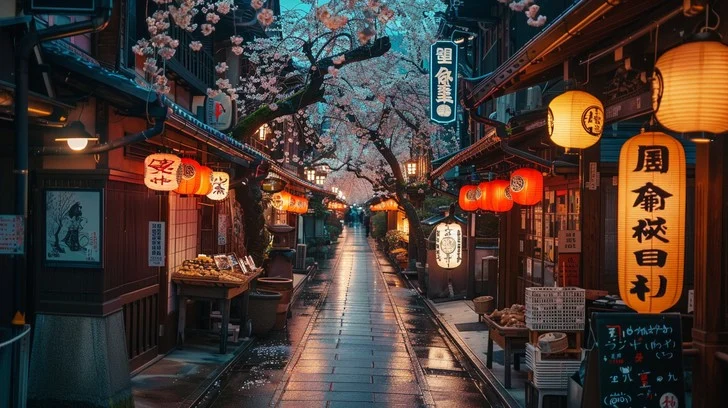
Japan’s cherry blossom season — called sakura — is widely considered the most beautiful natural spectacle in the world. For one to two weeks each spring, Japan’s ancient capital of Kyoto transforms into a dreamscape of pale pink and white blossoms against centuries-old temples, wooden machiya townhouses, and moss-covered stone gardens. For seniors who have always wanted to experience Japan, cherry blossom season is the finest possible introduction to one of the world’s most gracious travel destinations.
Kyoto’s sakura typically peaks in late March to early April — aligning beautifully with spring travel for retirees who have the flexibility to plan around the bloom forecast.
In This Article
- Why Kyoto Is the Best Sakura Destination
- Best Cherry Blossom Spots for Seniors
- Accessibility in Kyoto
- Beyond the Blossoms: What Else to Do in Kyoto
- Practical Japan Travel Tips for Seniors
- Where to Stay
- More Senior Travel Guides
Why Kyoto Is the World’s Finest Cherry Blossom Destination
Kyoto served as Japan’s imperial capital for over a thousand years, and the concentration of temples, shrines, gardens, and imperial villas within the city is unmatched anywhere in the world. With over 1,600 Buddhist temples and 400 Shinto shrines, Kyoto is a walking pilgrimage through one of humanity’s great civilizations. When cherry trees bloom among these ancient structures, the result is transcendent.
The city is also remarkably accessible by international standards — clean, safe, efficient public transportation, meticulous visitor signage in English, and a culture of exceptional hospitality toward older visitors (Japan deeply respects its elders, and this extends to visiting seniors from abroad).
Best Cherry Blossom Spots for Senior Travelers in Kyoto
- Maruyama Park: Kyoto’s most popular hanami (flower viewing) park, centered on a magnificent weeping cherry tree that glows when lit at night. Flat, accessible paths throughout.
- Philosopher’s Path (Tetsugaku-no-Michi): A 2 km canal-side path lined with hundreds of cherry trees. Gentle, flat, and one of Kyoto’s most beloved walks. Complete it in sections if needed.
- Kiyomizudera Temple: Perched on a mountainside, this UNESCO site offers sweeping views of Kyoto with cherry trees in the foreground. The approach involves uphill walking — take it slowly and use the handrails.
- Nijo Castle gardens: Flat, accessible gardens surrounding a 17th-century shogun’s castle with beautiful cherry tree plantings throughout.
- Arashiyama district: Along the Oi River, framed by mountains and cherry trees. Accessible by taxi or rickshaw.
Accessibility in Kyoto for Senior Travelers
- Transportation: Kyoto’s city buses and subway are highly accessible. Hire a taxi or use Uber Japan for flexible, accessible point-to-point travel.
- Rickshaws (jinrikisha): Human-pulled rickshaws are widely available in tourist areas and are a wonderful, seated way to tour Arashiyama and the geisha district of Gion.
- Temple terrain: Many Kyoto temples involve stone staircases and uneven paths. Research individual sites before visiting. Nijo Castle, Ryoanji (rock garden), and Kinkakuji (Golden Pavilion) have more accessible grounds than others.
- Shoes: Wear slip-on shoes — you will remove them repeatedly when entering traditional buildings and temples.
Beyond the Blossoms: Kyoto’s Cultural Depth
- The Golden Pavilion (Kinkakuji): One of Japan’s most iconic images — a Zen Buddhist temple covered in gold leaf, reflected in a mirror pond. Accessible grounds.
- Ryoanji Rock Garden: The world’s most famous Zen garden — 15 stones arranged on raked gravel. A profoundly contemplative experience. Accessible viewing platform.
- Nishiki Market: Kyoto’s “Kitchen” — a covered indoor market with 400 years of history, narrow but fascinating, full of local foods, pickles, and Japanese culinary culture.
- Tea ceremony experience: Many Kyoto tea houses offer seated, guided tea ceremony experiences for visitors. A peaceful, culturally immersive afternoon activity.
- Fushimi Inari Shrine: The famous tunnel of 10,000 vermilion torii gates. The full hike is strenuous, but the lower trails (first 15 minutes) are accessible and still spectacular.
Practical Japan Travel Tips for Seniors
- IC Card (transportation card): Load an IC card (like ICOCA) at the airport for seamless transit across all Kyoto buses and subways — no fumbling for cash
- JR Pass: If visiting multiple Japanese cities, the Japan Rail Pass offers excellent value for bullet train travel between Tokyo, Kyoto, Hiroshima, and Osaka
- Cash culture: Japan remains largely a cash society. Bring sufficient yen — many smaller temples, restaurants, and shops do not accept credit cards
- No tipping: Tipping is not customary in Japan and can cause embarrassment. Excellent service is simply the Japanese standard.
- Medical considerations: Japan’s healthcare system is excellent. Purchase comprehensive travel insurance with medical coverage before departure.
- Tour operators: Road Scholar and Overseas Adventure Travel both offer senior-focused Japan group tours with pace and accessibility considerations built in
Where to Stay in Kyoto for Cherry Blossom Season
- Traditional Ryokan: A Japanese inn experience — sleeping on futons, wearing yukata robes, onsen (hot spring) bathing, and exquisite kaiseki meals. Many ryokan can accommodate Western beds on request.
- Hyatt Regency Kyoto: Modern, luxurious, fully accessible, excellent English-speaking staff — one of the finest international hotels in Kyoto
- Hotel Granvia Kyoto: Directly connected to Kyoto Station — the most convenient location for seniors, with easy access to all transportation
Cherry blossom season is peak travel in Japan. Book hotels at least 6–9 months in advance. Compare at Booking.com.
More International Senior Travel Guides
- Portugal Douro River Cruise: Senior Travel Guide 2026
- National Cherry Blossom Festival Washington D.C. 2026
- Tuscany Wine Harvest: Senior Travel Guide to Italy 2026
- Chiang Mai Temples & Festivals: Senior Travel Guide to Thailand 2026
SeniorAffair.com is supported by affiliate partnerships.