


Your body has an army to defend itself against foreign invaders: the immune system. Your body’s immune system protects you from viruses, bacteria, fungi, toxins, and other things that may cause you harm.
To fight this internal battle against harmful invaders, your immune system responds by creating inflammation. Your body’s inflammatory response allows you to overcome infections and helps you repair damaged tissues (think of a bruise!).
Normally, your body regulates its immune response so that just enough inflammation is released to heal you. However, when your immune system fails to function appropriately, it will also fail to properly employ the right amount of inflammation in your body – potentially causing more harm than good.
If your immune system overreacts to harmful stimuli, this can wreak havoc on your body and result in autoimmune diseases and chronic inflammation.
Table of Contents
Consequences of an Overactive Immune System
Cytokine storm is an extreme, uncontrolled inflammatory response where the immune system harms its body. This dangerous reaction has been a primary contributor to the death of patients with Covid-19, as the immune system attacks the body to fight the illness.

Allergies: a reaction commonly presented in forms such as sneezing, stuffy noses, and rashes in response to hypersensitivity to certain substances.
Internal autoimmune diseases include Rheumatoid Arthritis, Celiac Disease, Multiple Sclerosis, Hashimoto’s Thyroid Disease, Lupus, and Type 1 Diabetes.
Eating fried foods, sodas, processed meats (hamburgers, hotdogs), and refined carbohydrates promote immune system overactivity.
On the other hand, if your immune system under-reacts to external and internal pathogens, harmful pathogens such as parasites or cancer cells will be able to invade and harm your body. Contributors to an underactive immune system include congenital genetic disabilities, poor nutrition, sleep deprivation, chronic stress, overeating, lack of sunlight, and lack of exercise.
Consequences of an Underactive Immune System
Cancer. When the body’s immune response is not strong enough, it fails to defeat cancer-causing pathogens. Some examples of cancer-causing pathogens:
- Human Papillomavirus (HPV) – cervical cancer
- HIV – Kaposi sarcoma, leukemias
- Hepatitis B&C – liver cancer
- Helicobacter Pylori – stomach cancer
- Epstein Barr virus – nasopharyngeal cancer
Infections: Bacteria, mold, parasites, and viruses
As you can see, an out-of-balance immune system (overactive or underactive) leads to health problems and disabilities.
However, there’s hope! There are immune system “modulators” that balance the immune system (homeostasis) and allow it to function at its optimal performance. Luckily, we can eat natural foods and make healthy life choices to increase these “modulators” and boost our immune systems.
Here is a list of 10 Immune System Modulators:
1. Vitamin D3
Vitamin D3, the active form of vitamin D, plays an essential role in regulating calcium and phosphorus metabolism. This vitamin acts as an immunomodulatory and targets various immune cells, including macrophages, monocytes, T-cells, B-cells, and dendritic cells.
According to one study, it is reported that a high dose of vitamin D3 modulates the immune response in mammals via negative regulation of the NF-kB signaling pathway. (Cheng, Tang, et al., 2020) Another scientific study reported that vitamin D3 glycoside and lipopolysaccharide modulates the immune response in the broilers by increasing the production of interleukin-10. (Nunes, de Souza Duarte et al. 2020).

2. Vitamin C
Vitamin C is a reducing agent and acts as an antioxidant. This vitamin is essential against acute aflatoxin activity in guinea pigs. (Sahoo and Mukherjee 2003) In another study, it is reported that vitamin C increases the interferon-γ by reducing the IL-4 in the cultured primary splenocytes; this, in turn, suppresses the Th2-type immune response. The findings of this research suggested that the dose of vitamin C is helpful in the prevention of soybean allergies. (Sun, Li et al. 2009).
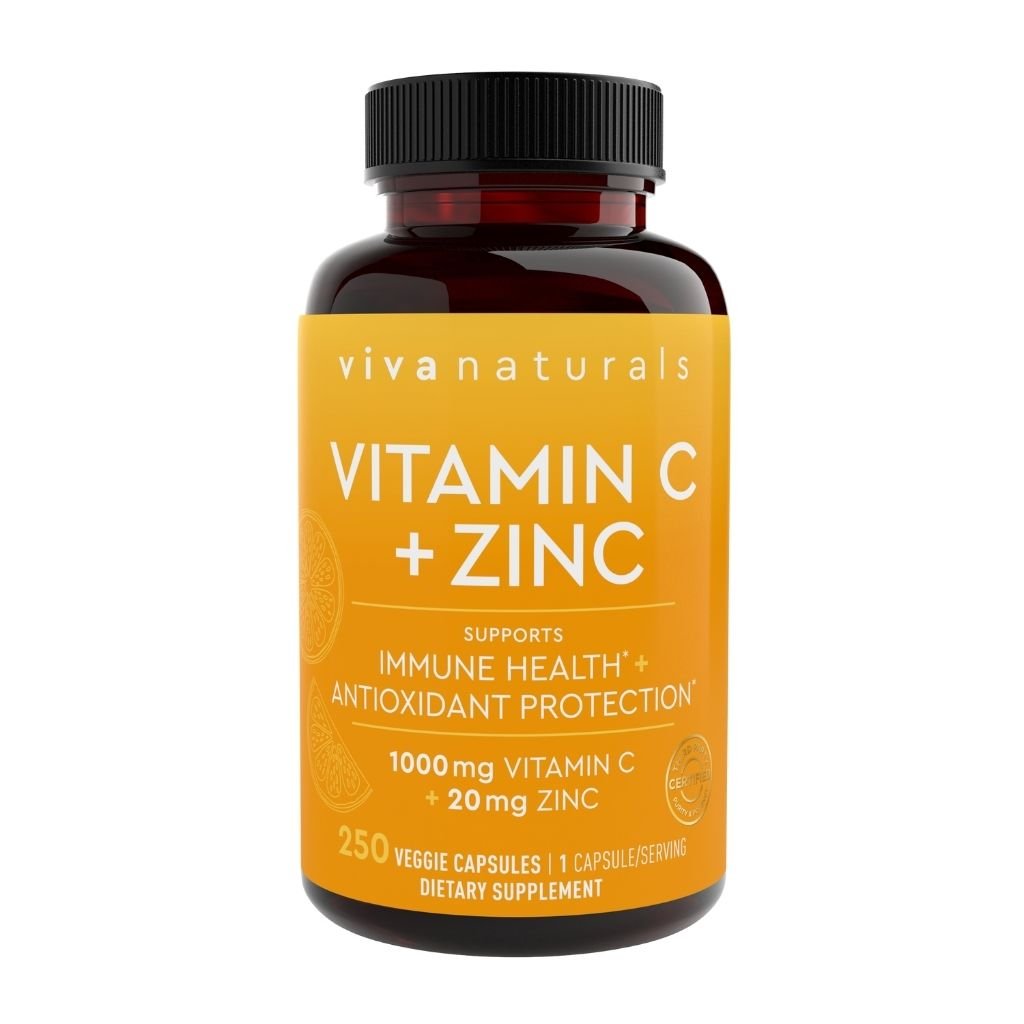
3. Zinc
Zinc acts as a cofactor for enzymes involved in cell proliferation, such as DNA replication and signaling pathways. It is reported that zinc plays a significant role in innate immunity. For example, one of the zinc-dependent hormones, “thymulin” secreted from the thymic stroma is responsible for T-cell proliferation. (Goswami, Bhar, et al. 2005).
4. Omega 3 Fatty Acids
Omega-3 fatty acids are the precursor molecules for lipid signaling pathways and play a significant role in autoimmune and inflammatory diseases. Research studies indicated that these fatty acids are helpful against heart disease, neurodegenerative disorders, and diabetes. (Zivkovic, Telis, et al. 2011) One study indicated that omega-3 fatty acids suppress the activity of nuclear transcription factors such as NF-KB and decrease the synthesis of cytokine and inflammatory enzyme production. (Kang and Weylandt 2008).

5. Turmeric (curcumin)
Turmeric is a well-known herbaceous plant because it is anti-inflammatory and prevents inflammatory diseases. Curcuminoids are one of turmeric’s main components with potent anti-inflammatory properties. (Chainani-Wu 2003) One research study reported that turmeric extract contains prebiotics, probiotics, and anti-inflammatory compounds. Prebiotics and probiotics promote the health of the gastrointestinal tract. (Yazdi, Soleimanian-Zad et al. 2019).
6. Green Leafy Vegetables
Green leafy vegetables consist of various compounds responsible for health benefits. Regular consumption of these vegetables overcomes nutritional deficiencies and provides a healthy immune system. These vegetables contain antioxidants, which combat free radicals in the body and provide a defense mechanism against free radicals. In-vitro studies reported that these GLVs are a rich source of antioxidant vitamins. (Gupta and Prakash 2009).

7. Green Tea
Green tea is a tea type commonly used as a beverage globally. It consists of catechins that play an essential role in modulating biological activities and thus provide health benefits. As a nutritional modulator, it is effective against obesity and cancer. Studies reported that it contains a compound known as epigallocatechin gallate (EGCG) that is effective against cancer. (Rahmani, Allemailem et al. 2015) Another study suggested that green tea is a rich source of antioxidants and effective against oxidative stress. (Peluso and Serafini 2017).

8. Allium Vegetables
Allium vegetables are a rich source of organosulfur compounds, protecting against several cancer types. The Allium family includes onions, garlic, leeks, scallions, chives, and shallots. (Bianchini and Vainio 2001) According to research studies, the extracts of these compounds show antimicrobial, anti-inflammatory, and antioxidant properties. (S Bisen and Emerald 2016).

9. Olive Oil
Olive oil exhibits antioxidant and anti-inflammatory effects and prevents cardiovascular disease and rheumatoid arthritis. The antioxidant effect of olive oil is due to the presence of linoleic acid, oleuropein, tyrosol, and hydroxytyrosol. (Wahle, Caruso, et al. 2004) Olive oil also consists of phenolic compounds that improve lipid metabolism, improve immune function, and prevent obesity. (Farràs, Martinez-Gili et al. 2020).

10. Berries
Berries are a rich source of minerals, vitamins, and anthocyanins. In-vitro studies suggested that berry bioactive compounds play an essential role in oxidative stress. According to the studies, it is reported that berries improve the lipid profile in humans and help in the improvement of total antioxidant status. (Del Bo, Martini, et al. 2015).
The phenolic compounds in the berries are also helpful against cancer and have anti-inflammatory and cell regulatory effects. Overall, berries improve heart health and show high nutritional relevance for heart patients. (Beattie, Crozier et al. 2005).
Conclusion
Our bodies are constantly fighting pathogens to try to stay healthy. When we have chronic inflammation or a weakened immune system, our body may not be able to fight off everything we come into contact with entirely, which is why taking care of our immune system and using supplements to support it. Chiropractic care also helps to optimize your immune system’s functions. Specific nutritional supplements also have significant research to show that they boost your immune system and keep it functioning correctly.
You can download apps to help you as well. InsideTracker is one you can check out.

![This is sponsored content. SeniorAffair.com has partnered with Care.com, and this post contains affiliate links. If you make a purchase or sign up through these links, we may earn a commission at no additional cost to you. As always, our recommendations reflect what we genuinely believe will help our readers. Quick answer: Care.com is an online marketplace where you can search for in-home senior caregivers by the exact skills your family needs—companionship, meal prep, medication reminders, dementia support, and more—compare rates and reviews, and message or video-interview candidates before hiring. You can even search for senior living communities. Every individual caregiver starts with a required background check, though families should still do their own additional vetting. Care.com membership starts at $12.99/month. Key Takeaways Care.com lets you filter caregivers by specific skills—meal prep, transportation, personal care, dementia support, and more. Every individual caregiver starts with a required background check, plus Care.com offers a 24/7 safety hotline. Membership starts at $12.99/month. The Senior Care Advisor service pairs you with a master's-level social worker for a personalized care plan if you're not sure what type of care is right for your loved one. It usually happens fast. A fall in the kitchen. A diagnosis that changes everything. A phone call from a hospital you weren't expecting. One day you're checking in on Mom or Dad the way you always have, and the next you're trying to figure out, in a matter of days, who's going to help them get dressed, remember their medication, or simply not be alone all day. If that sounds familiar, you're not alone—and you're not behind. Most families who search for senior care do so under pressure, not because they waited too long, but because caregiving needs rarely arrive on a convenient timeline. The good news is that the search itself doesn't have to be another source of stress. Here's how Care.com can help, and what to know before you start. What Is Care.com, and How Does It Help With Senior Care? Care.com is an online marketplace that connects families with caregivers for in-home senior care, along with options like senior living communities and adult day programs. Instead of working through a stack of business cards from a hospital discharge folder or asking around your neighborhood group chat, you can search caregiver profiles by the specific skills your family needs, plus get additional safety and hiring tools to make the process easier. Whether your loved one needs help with meal prep, transportation, light housekeeping, personal care, medication reminders, companionship, or dementia support, you can search for caregivers who list that exact experience, then compare hourly rates, bios, and ratings and reviews left by other families. [INTERNAL LINK: our guide to signs a parent needs in-home care] How Do You Search for a Caregiver on Care.com? The process is straightforward: post a job describing your family's needs, and caregivers apply directly to you. You can search by skills, experience, and hourly rate to find a care that fits your needs and your budget. You must be a member to message and hire. Video interviews are built into the platform, so you can screen someone before sharing your address or inviting them into your parent's home. You can compare multiple caregivers side by side before making any commitment—no pressure to decide on the spot. Is Care.com Safe? What the Required Background Check Covers Every individual caregiver on Care.com's platform starts with a required background check. Care.com also monitors job posts and messages, operates a 24/7 safety hotline, and provides tips and resources to help families make safer hiring choices—you can learn more at care.com/safety. That said, a background check is an important start—not the full picture. We always encourage families to conduct their own additional vetting: talk with caregivers directly, check references, ask detailed questions about experience with your loved one's specific needs, and trust your instincts during video interviews before anyone sets foot in the home. It's also worth taking a few minutes to verify the details in any caregiver profile or job posting, since families are ultimately responsible for confirming that information is accurate. What Does Care.com Cost for Senior Care? As of 2026, Care.com's premium membership for families starts at $12.99/month, depending on the length of the plan you choose—you can search by skills, experience, and hourly rate to find care that fits your needs and your budget. What Is the Care.com Senior Care Advisor Service? For families who feel stuck before they've even started—who don't know whether Mom needs a few hours of help a week or a full conversation about assisted living—Care.com also offers Senior Care Advisor. For a one-time fee, you get 90 days of access to a dedicated advisor, a master's-level social worker, who gets to know your family's situation on a consultation call and then delivers a personalized care plan by email, along with researched local resources and next steps. The intake process is short—about five minutes to answer a handful of questions ahead of time—followed by a 30-minute consultation. From there, your advisor sends a detailed plan within a few days that covers everything from in-home care and senior living communities to navigating Medicare, Medicaid, and veteran's benefits, and even how to have hard conversations with siblings about splitting responsibilities. [INTERNAL LINK: our Medicare/Medicaid senior care coverage guide] It's designed for exactly the moment so many of us find ourselves in: knowing something has to change, but not knowing where to begin—and not wanting to figure it out completely alone. → Learn more about the Senior Care Advisor on Care.com You're Not the Only One Feeling This If you're the adult child juggling this search alongside a job, your own kids, and a life that already felt full, the guilt of "should I be doing this myself" is real. So is the exhaustion of not knowing where to even start looking. Those feelings are common, not a sign you're falling short. Having a structured way to search—filtered by the specific help your loved one needs, backed by reviews from families who've been exactly where you are—takes some of that weight off, even if it doesn't remove it entirely. How to Get Started on Care.com You don't need to have everything figured out to start searching. You can browse caregiver profiles freely, get a feel for who's available in your area, and filter by exactly what your family needs—whether that's someone a few hours a week for companionship or more consistent daily support. When you're ready, you can become a member to message caregivers, schedule video interviews, and compare your options side by side before hiring. Caregiving decisions are personal, and they rarely feel simple. But having a clear, organized way to search—instead of piecing it together from scratch—can make a genuinely hard season a little more manageable. Because while you want to care for everyone you love, it can't always be you. When it's not you, it's Care.com™. Frequently Asked Questions About Care.com for Senior Care Is Care.com legit for finding senior care? Yes. Care.com is a long-running online marketplace connecting families with caregivers, including for senior and adult care. Every individual caregiver starts with a required background check, and the platform offers safety monitoring and a 24/7 safety hotline—though families should still do their own vetting before hiring. How much does Care.com cost for senior care? As of 2026, a Care.com membership starts at $12.99/month, depending on the length of the plan you choose. Does every caregiver on Care.com have a background check? Yes—every individual caregiver on Care.com's platform starts with a required background check. Families are still encouraged to do additional vetting, such as checking references and conducting video interviews, since a background check is a starting point rather than a full screening on the family's behalf. What is Care.com Senior Care Advisor? It's a paid, one-time service that gives you 90 days of access to a dedicated advisor—typically a master's-level social worker—who builds a personalized care plan for your family, covering options like in-home care, senior living, and navigating Medicare and Medicaid. It also includes 90 days of Care.com membership. Can I find caregivers with memory care or dementia experience on Care.com? Yes. You can search for memory care and dementia experience and compare reviews from other families who've hired caregivers for similar needs. Does Care.com offer senior living community listings? Care.com's core search focuses on in-home caregivers, but it also provides information on options outside the home, including senior living communities and adult day programs. → Start your search on Care.com Disclaimer: Care.com does not employ or place caregivers, provide medical advice, diagnosis, or treatment, or engage in any conduct that requires a professional license, including in connection with certain senior caregiving services. Families are encouraged to verify the accuracy of information in caregiver profiles, job postings, and other areas of the site. Pricing is subject to change; confirm current rates on Care.com directly. "Care.com" and "When it's not you, it's Care.com™" are service marks or registered service marks of Care.com, Inc](https://senioraffair.com/wp-content/uploads/2026/09/How-to-Find-Senior-Care-for-a-Parent-A-Practical-Guide-to-Getting-Started-218x150.jpeg "How to Find Senior Care for a Parent: A Practical Guide to Getting Started")