
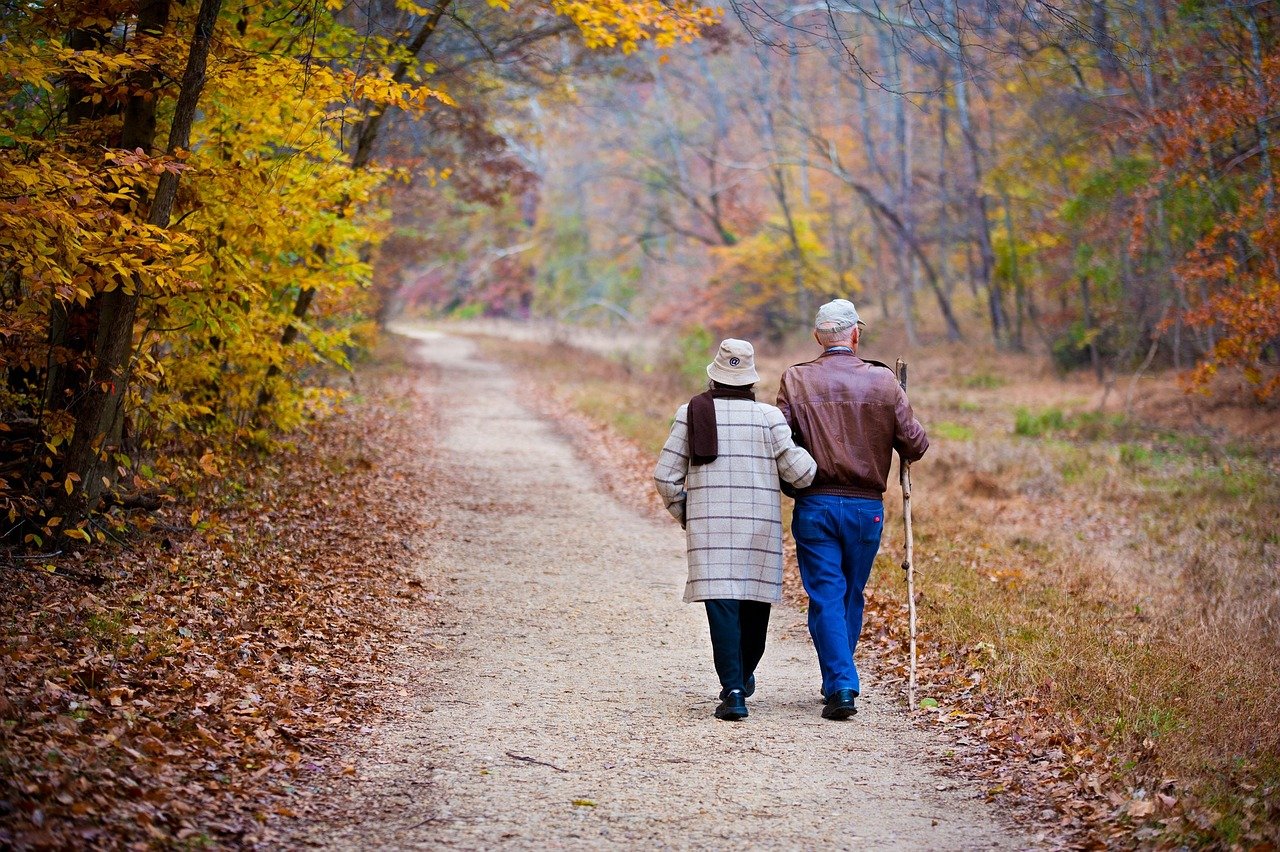
The routine that worked in July doesn’t always translate cleanly to October. Here’s how to keep moving safely as daylight shortens, temperatures drop, and sidewalks start icing over.
Fall is a transitional season for fitness, and for older adults that transition deserves a little more planning than it might have in earlier decades. Cooler temperatures are often easier on the body than summer heat, but shorter daylight hours, wetter conditions, and the eventual arrival of ice and frost all introduce new variables. The goal isn’t to slow down—it’s to adjust smartly so activity stays consistent through the season instead of dropping off in November and not picking back up until spring.
Why Fall Is Actually a Good Season for Activity
Cooler air reduces the cardiovascular strain that summer heat puts on the body, which for many older adults makes walking, gardening, and outdoor exercise more comfortable, not less. The risk of heat-related illness drops substantially, and many people find they can go longer and farther without the fatigue that hot, humid conditions bring. The challenge is less about intensity and more about visibility, footing, and layering correctly as conditions shift.
Adjusting Your Routine Month by Month
| Month | What Changes | What to Watch For |
|---|---|---|
| September | Mild temps and shorter evenings begin | Start shifting outdoor activity earlier in the day |
| October | Cooler mornings, wet leaves on the ground | Wet leaves are as slick as ice—watch footing on trails and sidewalks |
| November | First frosts in most regions | Morning ice on steps, driveways, and railings |
| December | Full winter conditions in northern climates | Consider shifting primary activity indoors |
Footwear: The Most Overlooked Fall Safety Upgrade
Summer sandals and lightweight sneakers don’t offer the traction or ankle support needed once wet leaves, morning dew, and eventually frost enter the picture. A proper fall/winter walking shoe with a grippy, deep-tread outsole makes a measurable difference in fall-prevention, which matters more with each passing decade — falls are one of the leading causes of injury among adults 65 and older, and traction is one of the simplest, cheapest ways to reduce that risk.
Footing Matters Most This Time of Year
A supportive, slip-resistant walking shoe designed for older adults can make the single biggest difference in fall and winter injury prevention—far more than most people expect.
Joint Care as Temperatures Drop
Many people with arthritis or joint sensitivity notice increased stiffness as temperatures fall, likely related to changes in barometric pressure and reduced circulation in cold air. A slightly longer warm-up before activity, dressing warmly (especially hands, knees, and feet), and staying consistent with movement—rather than skipping days when it’s cold—all help manage this. Low-impact activities like swimming in a heated pool, stationary cycling, or resistance band routines are worth adding into the mix as outdoor conditions become less predictable.
Moving Indoors Without Losing Momentum
As daylight shrinks and outdoor conditions become less reliable, having an indoor backup plan keeps activity consistent. Options worth considering:
- Mall walking programs — many shopping malls open early specifically for walkers, offering a flat, climate-controlled, well-lit space.
- Senior center fitness classes — often built specifically around balance, strength, and low-impact movement for older adults.
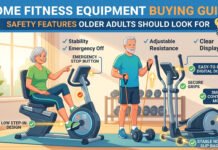
- Home fitness equipment — a simple recumbent bike, resistance bands, or balance trainer can fill the gap on days when outdoor conditions aren’t safe.
- Community pool programs — water-based exercise is easier on joints, and many facilities offer senior-specific class times.
Daylight and Visibility
As daylight saving time ends in early November, evening light disappears earlier — often by 5 p.m. or before. If your routine includes an evening walk, this is worth shifting to earlier in the day, or adding high-visibility clothing and a small clip-on light if walking after dark is unavoidable. Drivers have less time to spot pedestrians once evening light fades, and the risk increases meaningfully during this transition period each year.
Extra Peace of Mind for Solo Walks
For anyone walking alone regularly — especially as daylight shortens — a wearable medical alert device adds a safety net in case of a fall or emergency, at home or on the go.
A Simple Fall Fitness Checklist
- Swap summer footwear for slip-resistant, supportive shoes by early October
- Shift outdoor activity earlier in the day as evenings darken
- Add a warm-up buffer before activity in cooler temperatures
- Identify one or two indoor backup options before you need them
- Watch for wet leaves and early frost on walking surfaces, not just visible ice
- Keep a phone or medical alert device on hand during outdoor activity
Frequently Asked Questions
Is it safe for seniors to exercise outdoors in cold weather?
Generally yes, with the right preparation—proper layering, supportive footwear, and awareness of surface conditions like wet leaves or frost. Anyone with a heart or respiratory condition should check with a doctor about specific cold-weather precautions.
Why do joints feel worse in the fall and winter?
Many people report increased stiffness with dropping temperatures and barometric pressure changes, though the exact mechanism is still debated among researchers. Staying consistently active, dressing warmly, and extending warm-up time all tend to help.
What’s the biggest fall-related injury risk for older adults in autumn?
Slips from wet leaves and early frost are a major and often underestimated risk—both can be as slick as visible ice but are far easier to miss. Proper footwear with good tread is one of the most effective, low-cost ways to reduce that risk.