
If you’ve priced traditional hearing aids lately, you already know the sticker shock. A pair from an audiologist’s office routinely runs $4,000 to $7,000—and Medicare doesn’t cover them. That’s exactly the gap LINNER set out to close with its line of FDA-registered, over-the-counter (OTC) hearing aids that you can order from your couch, often for less than the cost of a single hearing aid from a clinic.
In this review, we’ll look at what LINNER offers, who these devices are right for, and where they fall short—so you can decide whether they deserve a spot on (or in) your ears.
Ready to hear the difference?
Affiliate link — we may earn a commission at no extra cost to you.
What Is LINNER?
LINNER is a hearing technology company specializing in over-the-counter hearing aids—a category the FDA created in 2022 specifically so adults with perceived mild-to-moderate hearing loss could buy hearing help without a prescription, an audiologist visit, or a four-figure invoice.
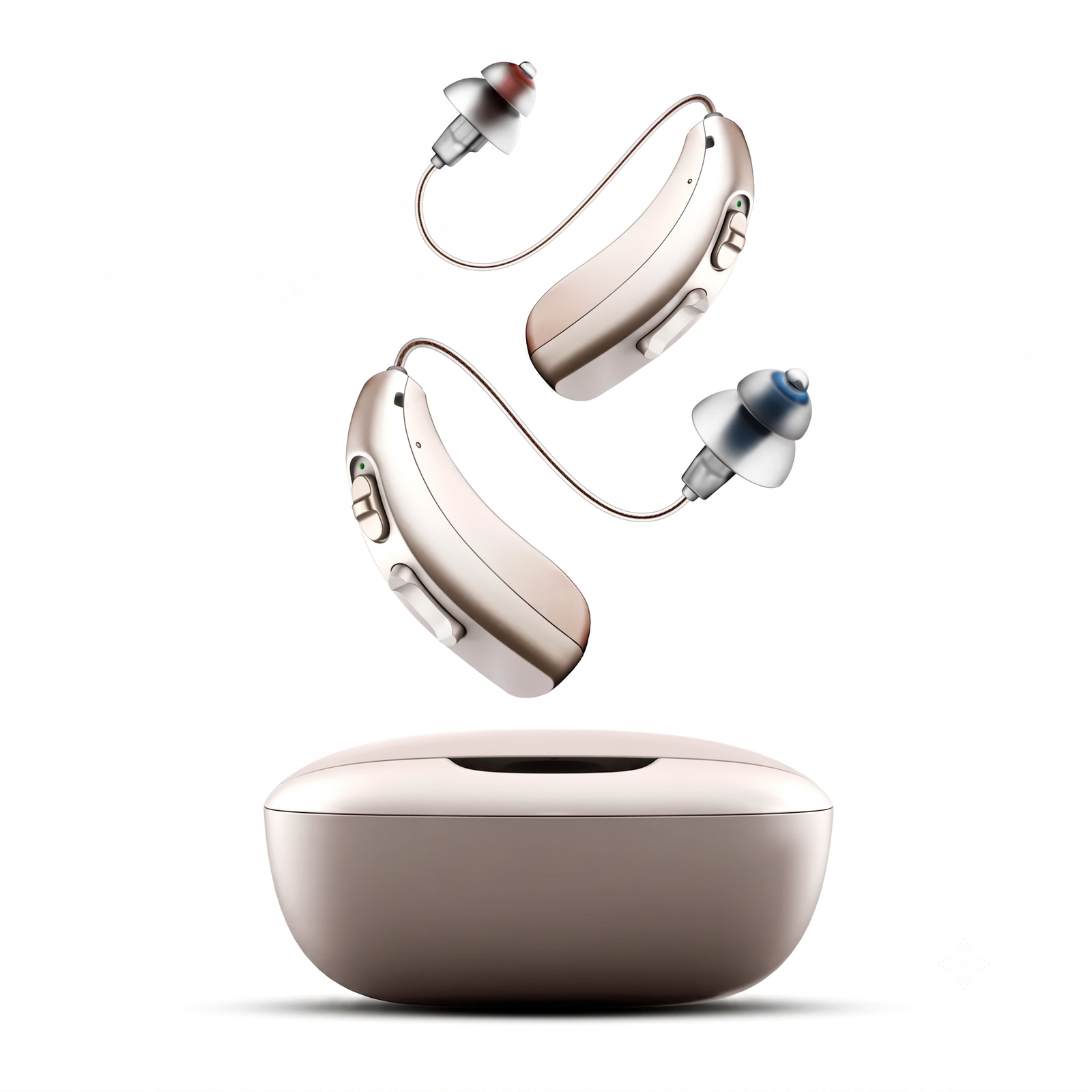
The lineup includes discreet in-ear models and behind-the-ear styles, most featuring rechargeable batteries, Bluetooth connectivity, and smartphone-app tuning so you can adjust amplification to your own hearing profile at home.
Key Features That Matter After 55
1. Self-Fitting via Smartphone App
LINNER’s app walks you through a brief in-app hearing check, then tunes each ear independently. No appointments, no waiting rooms. If you can use a TV remote, you can manage this app — and the text is large and legible.
2. Rechargeable — No Fiddly Batteries
Anyone who has chased a hearing aid battery the size of a baby aspirin across the kitchen floor will appreciate this. Most LINNER models charge in a pocket-sized case, similar to wireless earbuds, and deliver all-day listening on a charge.
3. Bluetooth Streaming
Take phone calls and stream TV audio or music directly into your hearing aids. For grandparents who live on FaceTime, this feature alone is worth the upgrade.
4. Multiple Listening Modes
Restaurant, outdoor, and quiet-conversation modes help tame background noise—historically the biggest complaint about budget amplifiers.
Why LINNER Makes Sense for Adults 55+
Roughly one in three adults between 65 and 74 has some degree of hearing loss, yet most wait years before doing anything about it — usually because of cost and hassle. OTC devices like LINNER’s remove both barriers. You’re not committing thousands of dollars to find out whether amplification helps you; you’re spending a few hundred, with a return window as your safety net.
Untreated hearing loss isn’t just inconvenient. Research has linked it to social withdrawal and faster cognitive decline. An affordable device you’ll actually wear beats an expensive one you keep putting off.
Pros and Cons
| Pros | Cons |
|---|---|
| A fraction of the price of prescription hearing aids | Designed for mild-to-moderate loss only—severe loss still needs an audiologist |
| Rechargeable, Bluetooth-enabled, app-adjustable | App setup may require help from a family member for the less tech-inclined |
| No prescription or office visits required | No in-person fitting or custom ear molds |
| Discreet designs that don’t announce themselves | Newer brand without decades of clinical track record |
Pricing and Value
LINNER’s models typically range from budget-friendly entry devices to feature-rich flagships—generally a few hundred dollars per pair, with frequent promotions. Compare that with the $4,000+ national average for prescription pairs, and the math is hard to ignore. Even if you eventually graduate to prescription devices, a LINNER pair makes an excellent starter or backup set.
See current discounts before they’re gone
Affiliate link — we may earn a commission at no extra cost to you.
Frequently Asked Questions
Do I need a hearing test before buying?
No — that’s the point of OTC hearing aids. That said, a baseline hearing test from your doctor is never a bad idea, and it will tell you whether your loss is in the mild-to-moderate range these devices are built for.
Will Medicare or insurance cover LINNER hearing aids?
Original Medicare does not cover hearing aids of any kind. Some Medicare Advantage plans offer hearing allowances that may apply — check your plan. Many buyers use HSA/FSA funds.
How are these different from cheap “amplifiers” on Amazon?
Personal sound amplifiers boost everything, including background noise. FDA-registered OTC hearing aids like LINNER’s are regulated devices that shape sound to compensate for hearing loss.
What if they don’t work for me?
LINNER offers a return window on its devices — check the current policy at checkout so you can try them risk-free at home, in real-life situations like restaurants and family dinners.
Our Verdict
4.5 / 5 — Excellent first step for mild-to-moderate hearing loss. LINNER delivers the features that matter—rechargeability, Bluetooth, app tuning—at a price that removes the biggest excuse for putting off hearing help. If conversations have started sounding like mumbling, this is one of the lowest-risk ways to do something about it today.
Stop asking people to repeat themselves
Shop LINNER Hearing Aids Now →
Affiliate link — we may earn a commission at no extra cost to you.
Disclosure: SeniorAffair.com participates in affiliate programs. If you purchase through links on this page, we may earn a commission at no additional cost to you. This article is for informational purposes only and is not medical advice—consult your physician or an audiologist about hearing concerns.